Quiet Cat Moments That Feel Surprisingly Therapeutic
In a world that rarely slows down, few things ground us quite like the subtle presence of a cat. Those quiet cat moments, when your feline friend simply exists beside you without demand or drama, carry a deeper calm than we often realize. These understated interactions can lower stress, ease anxiety, and even support physical healing in ways backed by research.
This article explores the most common quiet cat moments that feel surprisingly therapeutic. We will examine why they work, what science says about their benefits, and how to invite more of them into your daily life. Whether you share your home with a vocal Siamese or a laid-back Ragdoll, these peaceful exchanges strengthen your bond while restoring balance for both of you.
Key Takeaways: Why Quiet Cat Moments Matter
- Cat purring vibrates at frequencies (25-150 Hz) linked to reduced stress, lower blood pressure, and faster tissue healing.
- Slow blinking serves as a non-verbal “I trust you,” releasing oxytocin in both cat and human.
- Simple observation, like watching birds together, promotes mindfulness and shared calm.
- Kneading and lap-sitting trigger relaxation responses similar to meditation.
- These moments prove especially valuable for managing anxiety, improving sleep, and fostering emotional resilience.
The Science Behind the Calm: How Cats Help Us Heal
Cats have shared human lives for thousands of years, but modern studies reveal why their quiet company feels restorative.
Purring stands out as the most researched. The vibrations fall in a range shown to promote bone density, reduce swelling, and aid wound recovery. One study exposed animals to similar low-frequency vibrations and observed improved healing rates. Humans benefit too: exposure to purring correlates with lowered cortisol, reduced heart rate, and better mood.
Beyond physiology, these moments tap into emotional connection. Petting a relaxed cat or receiving a slow blink boosts oxytocin, the bonding hormone. This mirrors effects seen in human touch therapy. Quiet cat moments act as natural mindfulness anchors, pulling attention to the present and quieting mental noise.
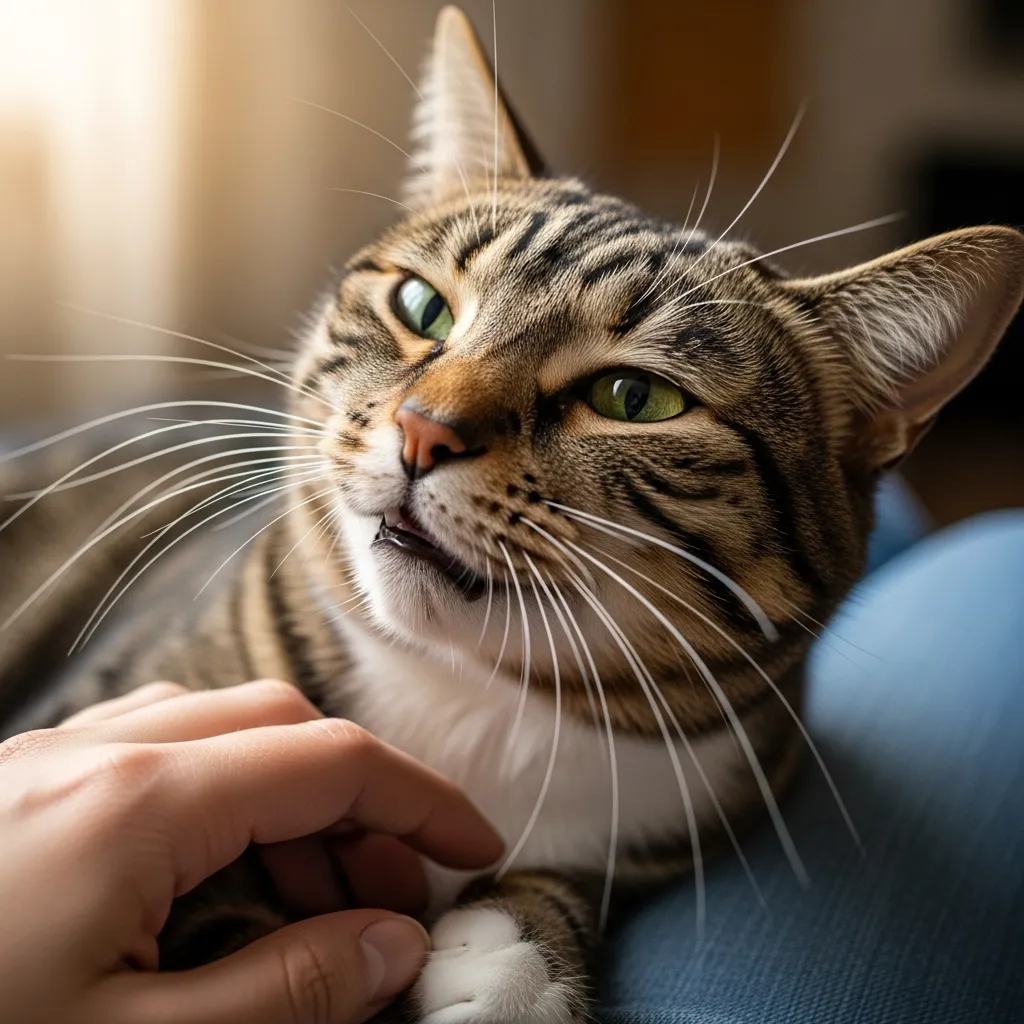
1. The Deep, Rhythmic Purr on Your Lap
Few sounds match the steady rumble of a cat settled on your lap, eyes narrowed in bliss.
This goes beyond contentment signaling. The purr’s frequency creates a vibrational therapy session. Research links it to pain relief and stress reduction in humans. Many cat owners report falling asleep faster with a purring companion nearby.
To encourage this: Create a dedicated lap spot with a soft blanket. Sit quietly in the evening with dim lights. Avoid forcing it; let your cat choose the moment.
Discover more about feline vocalizations and bonds in our guide to Siamese cat personalities.
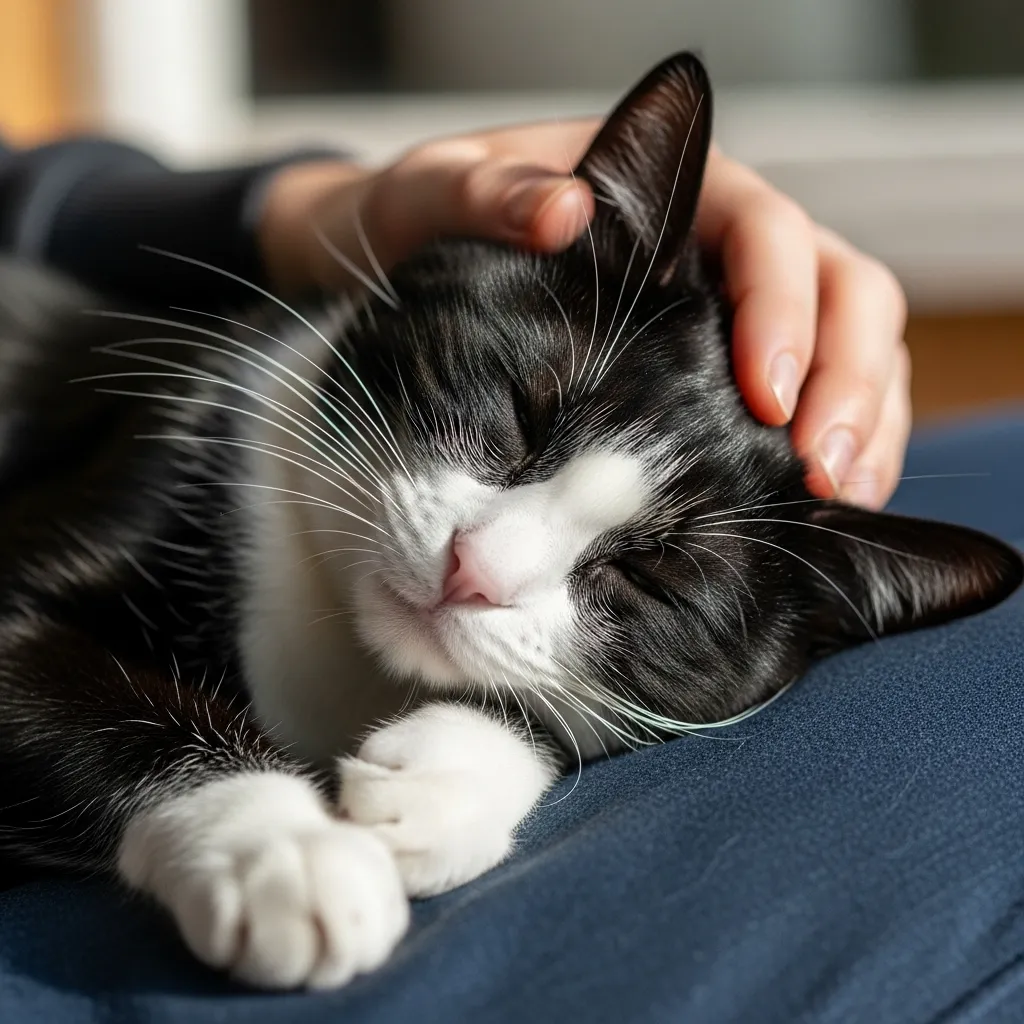
2. The Slow Blink Exchange
Catch your cat’s eye from across the room. They gaze softly, then slowly close and reopen their eyes. This “cat kiss” conveys deep trust.
Slow blinking lowers tension for both parties. Studies show cats respond more affectionately to humans who slow blink back. It becomes a silent conversation building security.
Practice it during calm times. Sit at their level, relax your face, and blink deliberately. Over time, your cat may initiate more often.
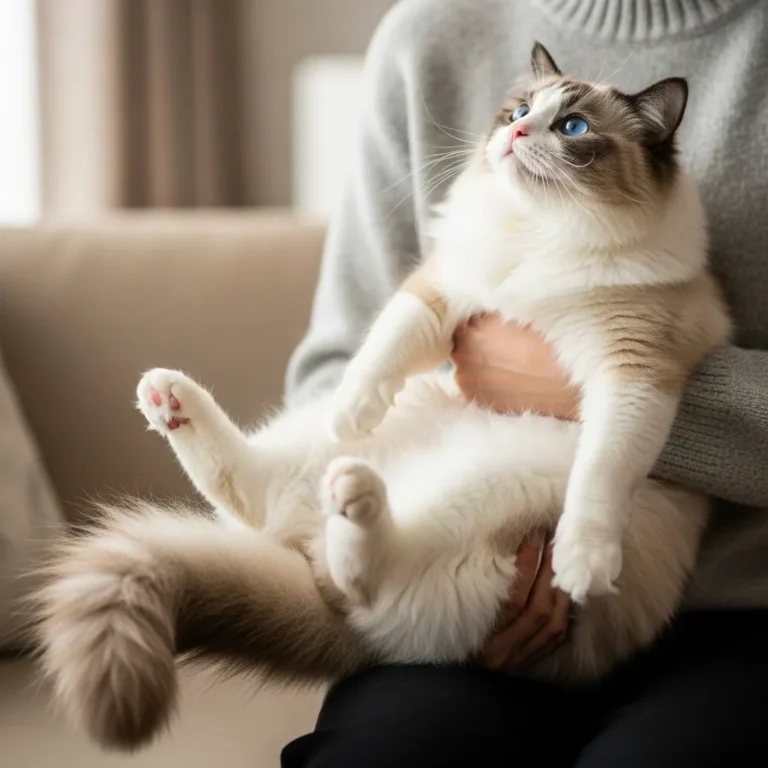
This works wonders with breeds prone to strong attachments, like Ragdolls.

3. Peaceful Bird-Watching from the Window Perch
Your cat sits motionless on the windowsill, tail gently swaying, eyes tracking birds outside.
This shared quiet observation feels meditative. For cats, it satisfies hunting instincts safely. For humans, it encourages present-moment awareness, similar to watching nature.
Set up a sturdy perch or catio for longer sessions. Join them occasionally, sitting silently nearby. The parallel calm proves deeply restorative.
Explore safe outdoor enrichment ideas in our catio designs guide.
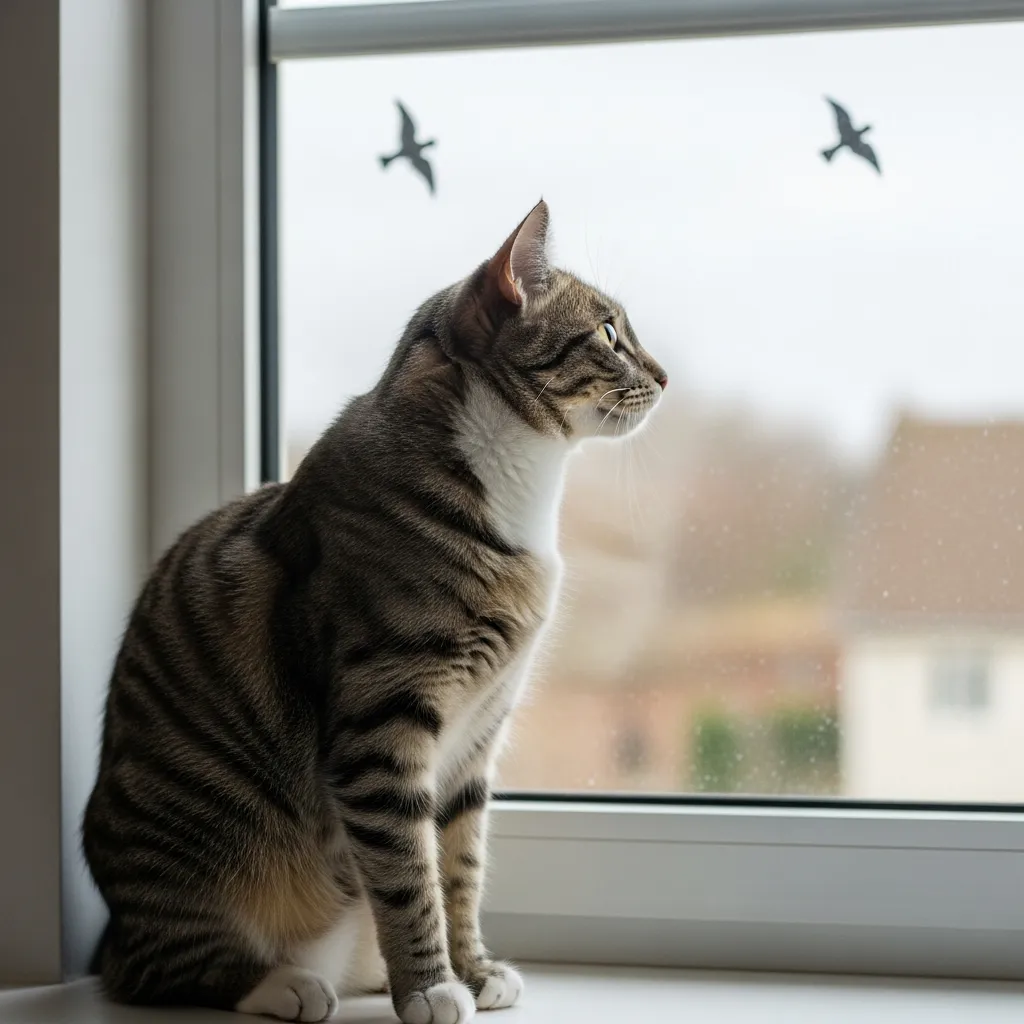
4. Mutual Grooming or Head Bumps in Silence
A cat approaches, rubs their head against your hand or leg, then settles for mutual grooming if you stroke them.
Allogrooming releases endorphins in cats and mirrors the oxytocin boost in humans from gentle touch. Quiet head bumps mark scent exchange and affection without words.
Encourage this by offering your hand at nose level when your cat approaches calmly. Respect their pace.
Multi-cat households often show this between felines too. Learn more about bonds in our article on cats and kids.
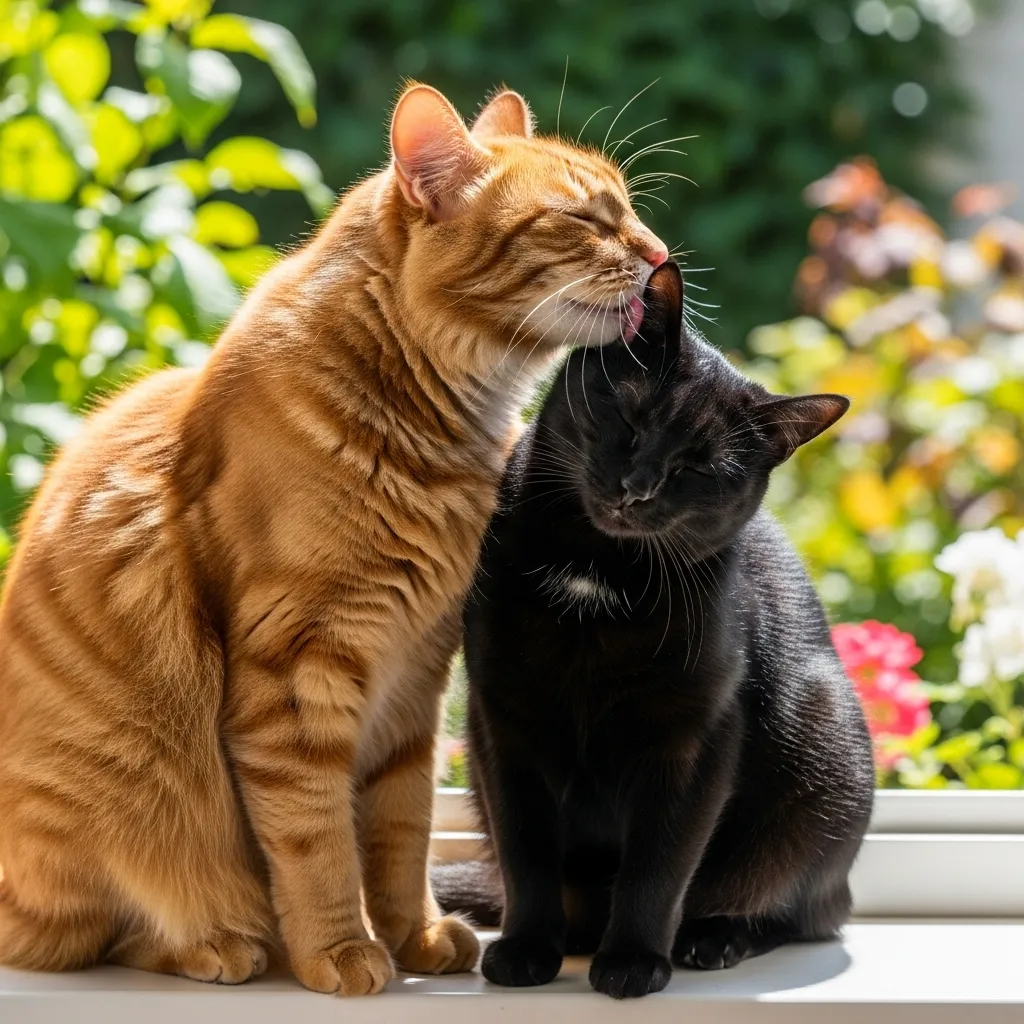
5. Kneading “Biscuits” on a Soft Blanket
Your cat climbs onto a blanket, paws rhythmically kneading with half-closed eyes and soft purrs.
This kittenhood behavior stimulates milk flow and now signals ultimate safety and comfort. Watching it induces a hypnotic calm in humans.
Provide textured blankets or laps during quiet evenings. The repetitive motion mirrors mindfulness practices.
Breeds like American Shorthairs often excel at this.

6. Curled-Up Sleeping Nearby
Your cat chooses to nap in the same room, curled tightly, breathing slow and steady.
Their vulnerability in sleep shows trust. The soft sounds and warmth create a cocoon of safety.
Respect the space by keeping noise low. Many find this ideal for reading or working with reduced anxiety.
Cozy setups help. Check our recommendations for best beds for cats.
How to Cultivate More Quiet Cat Moments
Consistency builds these experiences.
- Establish routines: Feed, play briefly, then wind down with quiet time.
- Create calm zones: Low-traffic areas with perches, beds, and hiding spots.
- Minimize stressors: Use pheromone diffusers if needed, but focus on natural bonds.
- Observe body language: Ears forward, tail relaxed, slow blinks signal openness.
- Be present: Put away phones during potential moments.
Breeds vary in quiet affection. Calm types include Persians, British Shorthairs, and Norwegian Forest Cats.
When Quiet Moments Signal Something More
Most quiet behaviors indicate health, but sudden withdrawal or excessive sleeping can point to issues. Consult a vet if accompanied by appetite changes or hiding.
See our cat stress signs guide for insights.
FAQ: Common Questions About Quiet Cat Moments
Why does my cat purr even when alone?
Cats self-soothe with purring. It helps them relax during quiet rest.
Do all cats slow blink?
Most do when feeling safe. Shy or anxious cats may take time to learn it.
Can these moments help with human anxiety?
Yes. Studies show cat companionship reduces anxiety symptoms, with quiet interactions amplifying effects.
How do I get my energetic cat to have more quiet moments?
Provide ample playtime earlier, then transition to calm environments. Puzzle feeders tire the mind gently.
Are quiet moments different in senior cats?
Older cats often seek more quiet companionship. It supports their comfort in later years. Explore senior cat care.
Final Thoughts
Quiet cat moments that feel surprisingly therapeutic remind us simple presence holds profound power. A purr, slow blink, or shared silence can reset a hectic day and deepen connection.
Cherish these understated gifts from your cat. They heal in subtle, lasting ways.
Explore more expert cat care and behavior guides on Cat Bloom Haven, from funny cat quotes to in-depth breed profiles like Bengal cat personality.
What is your favorite quiet moment with your cat? Share in the comments. We love hearing your stories.