Slow Living Lessons We Learn From Cats
In a world that rarely slows down, cats seem to have it all figured out. They nap without guilt, observe the world with quiet focus, and move through life on their own terms. Watching a cat curl up in a sunbeam or stretch lazily after a rest can feel like a gentle reminder to pause. These everyday behaviors offer real insights into slow living, a way of life that prioritizes presence, rest, and simple joys over constant hustle.
Slow living is not about doing nothing. It is about doing what matters, with intention and calm. Cats embody this naturally. Their habits teach us to embrace mindfulness, set boundaries, and find contentment in the moment. In this article, we explore key slow living lessons we learn from cats, backed by their instinctive behaviors and supported by observations from cat owners and experts alike.
Key Takeaways: Slow Living Lessons From Cats at a Glance
- Prioritize rest and recharge without apology.
- Stay fully present in the now.
- Observe the world with curiosity and patience.
- Groom and care for yourself mindfully.
- Play with full engagement, then let go.
- Set clear boundaries and honor your needs.
- Find joy in simple, everyday pleasures.
- Stretch and move your body intentionally.
These principles can transform how we approach daily life, reducing stress and increasing fulfillment.

The Power of Rest: Why Cats Sleep So Much and What It Teaches Us
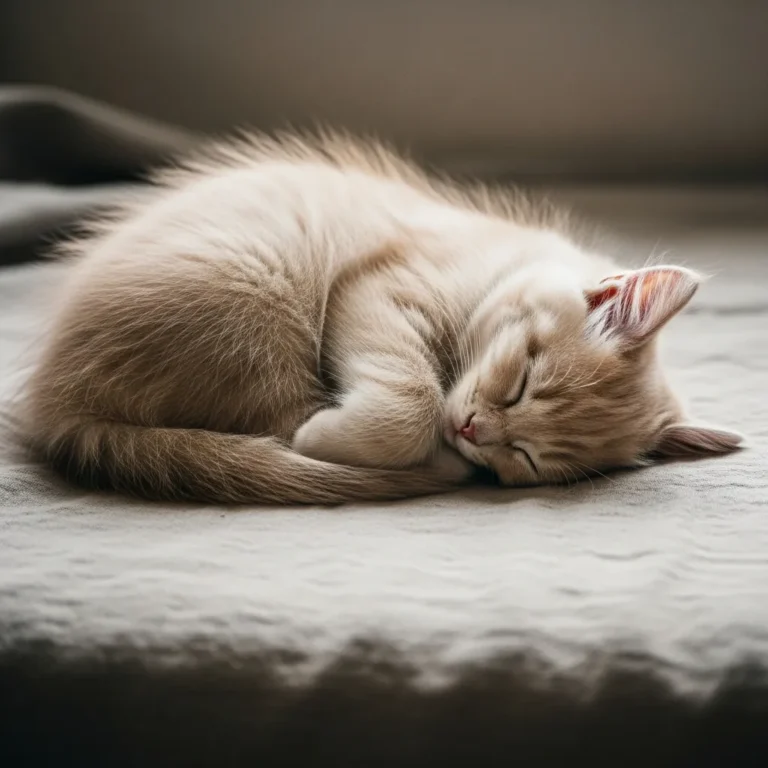
Cats spend up to 16 hours a day sleeping or resting. This is not laziness; it is essential for their well-being. In the wild, felines conserve energy for hunting bursts. Domesticated cats retain this trait, teaching us that rest is productive.
Many of us push through exhaustion, equating busyness with worth. Cats show the opposite: regular rest sharpens focus and improves mood. Studies on sleep deprivation in humans confirm what cats know instinctively, adequate rest boosts resilience and creativity.
To apply this lesson, build short pauses into your day. A 20-minute nap or quiet sit can recharge you, just as a cat seeks a cozy spot when needed.
Discover more about cat sleeping habits in our guide on why cats sleep so much.
Living in the Moment: The Art of Presence
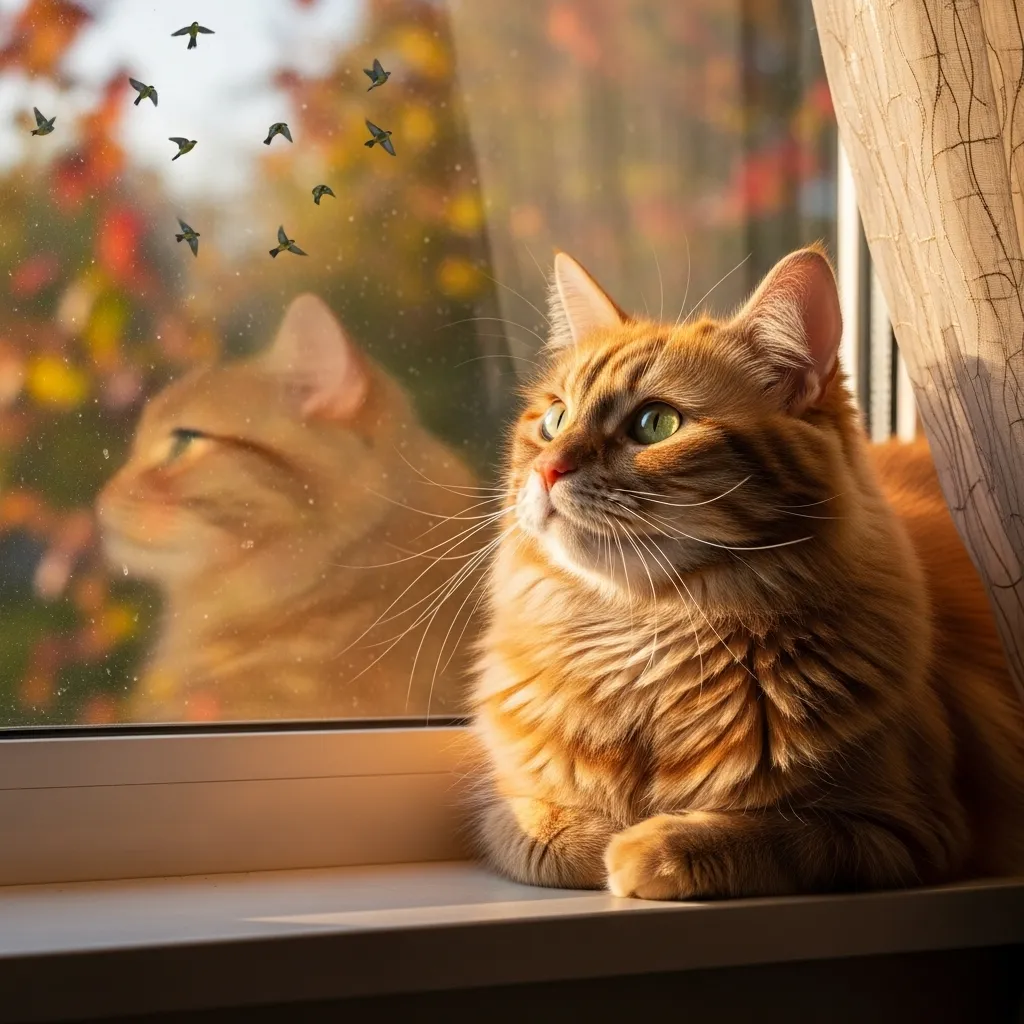
Cats excel at being present. Watch one stare at a bird outside the window, fully absorbed, without distraction. They do not dwell on yesterday’s meal or worry about tomorrow’s.
This mindfulness reduces anxiety. Cats remind us to focus on the current experience, whether eating, playing, or simply sitting.
Practice this by pausing during routine tasks. Feel the warmth of your coffee or notice birds outside. Over time, it builds a calmer mindset.
Mindful Movement: Stretching and Intentional Motion
After a nap, cats often stretch slowly, extending limbs with deliberate care. This ritual loosens muscles and prepares them for activity.
Humans benefit from similar practices. Gentle stretches or yoga improve flexibility and reduce tension. Cats teach us to move with awareness, not rush.
Incorporate this by starting your day with simple stretches. It grounds you and signals a mindful transition into activity.

Self-Care Through Grooming: A Ritual of Calm
Cats groom meticulously, licking fur with focused rhythm. This maintains hygiene, regulates temperature, and provides comfort. It is a meditative act.
We can adopt this through daily rituals like skincare or journaling. These small acts foster self-compassion and presence.
Grooming also helps cats manage stress. Similarly, consistent self-care routines build emotional resilience.
Explore grooming tips in our article on how to groom a cat that hates it.

Play with Abandon: Finding Joy in Simple Engagement
When cats play, they commit fully, batting a toy or chasing a string with intensity. Then, they stop and rest.
This balanced approach reminds us to engage deeply in joyful activities without overdoing it. Play reduces stress and sparks creativity.
Dedicate time to hobbies without guilt. Like a cat with a favorite toy, immerse yourself fully.
Setting Boundaries: The Independence of Cats
Cats are selective with affection. They seek attention on their terms and walk away when done.
This teaches healthy boundaries. Saying no protects energy and prevents burnout.
Observe your cat’s cues, respect when they need space, and apply the same to yourself.
Curiosity and Observation: Slowing Down to Notice
Cats watch the world patiently, ears twitching at subtle sounds. This quiet observation fuels their curiosity without frenzy.
We rush past details. Slowing to notice surroundings, like a cat at a window, fosters wonder and gratitude.
Try sitting quietly for five minutes daily, observing without judgment.
Embracing Simplicity: Contentment in the Everyday
Cats find joy in boxes, sunbeams, or a scratch behind the ears. They do not chase excess.
This counters consumer culture. Focus on what truly satisfies, like meaningful connections or nature.
Cats model contentment as a default state.
How to Incorporate These Lessons Into Your Life
Start small:
- Schedule short rests daily.
- Practice presence during meals.
- Add gentle stretches to your routine.
- Engage in playful activities weekly.
- Set one clear boundary this week.
Consistency builds habits. Over time, these cat-inspired practices create a slower, richer life.
For more on cat behaviors, explore why cats burrow under blankets.
Frequently Asked Questions
Why do cats sleep so much, and how can it inspire slow living?
Cats sleep 12-16 hours daily to conserve energy and stay healthy. It reminds us to prioritize rest for better focus and well-being.
How do cats teach mindfulness?
Through full presence in activities like watching birds or grooming, without past or future worries.
Can observing cats reduce stress?
Yes. Their calm behaviors and purring lower human stress levels, promoting relaxation.
What boundaries can we learn from cats?
Cats seek solitude when needed and accept affection selectively, teaching us to protect personal energy.
Is slow living just being lazy, like a cat?
No. It is intentional living with rest, presence, and joy, balanced like a cat’s active bursts and downtime.
Final Thoughts
Cats offer profound slow living lessons we learn through their unhurried grace. From embracing rest to setting boundaries, their ways guide us toward calmer, fulfilling days.
Next time your cat naps in a sunbeam or watches the world quietly, join them in that moment. Small shifts yield big peace.
Explore more expert cat care and behavior guides on Cat Bloom Haven, from breed personalities like the playful Bengal cat guide to health tips in our cat hairballs guide.
Thank you for reading. Share your favorite cat-inspired lesson below.