The Ultimate Guide to Choosing Cat Names Based on Personality: A Perfect Match for Every Feline Character
Choosing the perfect name for your cat is more than just a fun tradition it’s the first step in understanding and celebrating their unique personality. Unlike dogs, who often respond immediately to name training, cats develop associations with sounds that reflect their experiences and temperament. Cat names based on personality don’t just suit your feline; they create a deeper connection between you and reveal insights about their behavior, preferences, and quirks.
As a cat behavior specialist with over a decade of experience working with thousands of felines and their humans, I’ve witnessed how the right name can actually influence how we perceive and interact with our cats. This comprehensive guide will help you move beyond generic names to discover meaningful, personality-driven options that fit your cat’s unique character whether they’re a mischievous troublemaker, a dignified aristocrat, or a cuddly shadow.
Why Personality-Based Naming Matters More Than You Think
Many new cat owners rush to choose names based on appearance alone “Shadow” for black cats, “Snowball” for white ones. While these names have charm, they miss a crucial opportunity: names based on personality grow with your cat and often become more fitting over time.
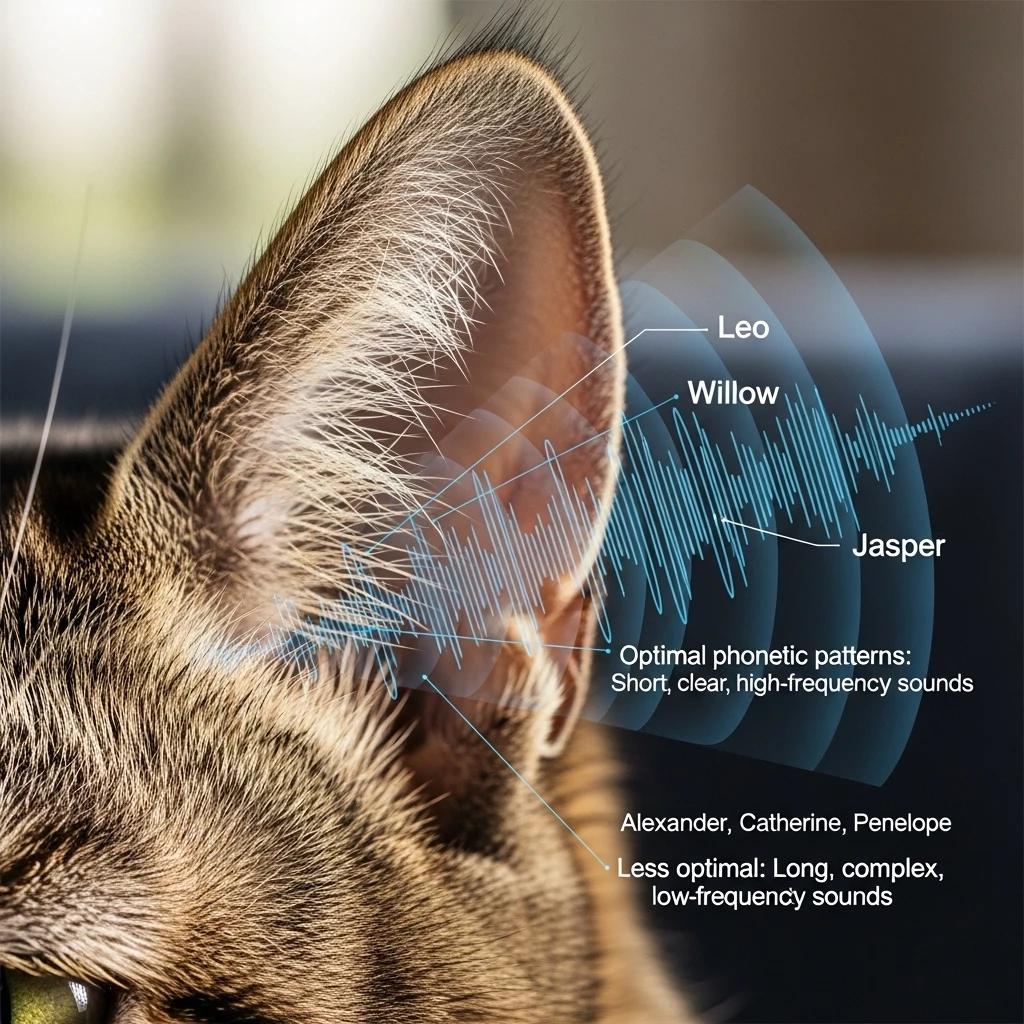
Consider this: a study published in the Journal of Veterinary Behavior found that cats respond better to names ending with long “ee” sounds (like “Lucky” or “Chloe”) because these frequencies are more distinct to feline hearing. But beyond acoustics, personality-based names serve practical purposes:
- Better Communication: When a name reflects temperament, your tone naturally adapts. You’ll call a playful “Ziggy” differently than a dignified “Winston.”
- Behavioral Insights: The naming process forces you to observe your cat closely, helping you notice subtle personality traits early.
- Social Bonding: A thoughtfully chosen name strengthens your emotional connection, making your cat more than just a pet they become a personality you understand.
The Cat Personality Spectrum: Identifying Your Feline’s Type
Before exploring specific names, let’s categorize the primary feline personalities. Most cats display a dominant type with secondary characteristics. Spend a week observing your cat’s behavior patterns to identify where they fall on this spectrum.
1. The Confident Explorer
These cats are bold, curious, and fearless. They’re first to investigate new boxes, strangers, or unusual sounds. You’ll find them perched on the highest shelf, surveying their domain. They often display these traits:
- Unafraid of new environments
- Initiates play and exploration
- Shows leadership with other pets
- Minimal hiding behavior
2. The Gentle Observer
Quiet, thoughtful, and sometimes shy, these cats prefer watching from a distance before engaging. They’re sensitive to household moods and often bond deeply with one person. Characteristics include:
- Cautious approach to new situations
- Prefers quiet corners and predictable routines
- Expresses affection subtly (slow blinks, gentle headbutts)
- May startle easily but recovers with patience
3. The Playful Entertainer
Eternal kittens at heart, these cats turn everything into a game. They’re energetic, inventive, and often the household comedian. You’ll recognize them by:
- Inventing games with ordinary objects
- High energy bursts (the famous “zoomies”)
- Playful ambushes and acrobatic feats
- Maintaining kitten-like behavior into adulthood
4. The Affectionate Companion
These cats are velcro felines they follow you from room to room, crave physical contact, and often sleep pressed against you. Their traits include:
- Consistent seeking of physical closeness
- Vocal communication (chirps, trills, purrs)
- Possible separation anxiety when alone
- Social with both humans and other pets
5. The Independent Spirit
The classic “cat’s cat” self-sufficient, dignified, and somewhat aloof. They show affection on their terms and value their personal space. Look for:
- Selective about when and how they interact
- Enjoys solo activities and quiet time
- Clear personal boundaries (may leave if petted too long)
- Confident without being demanding
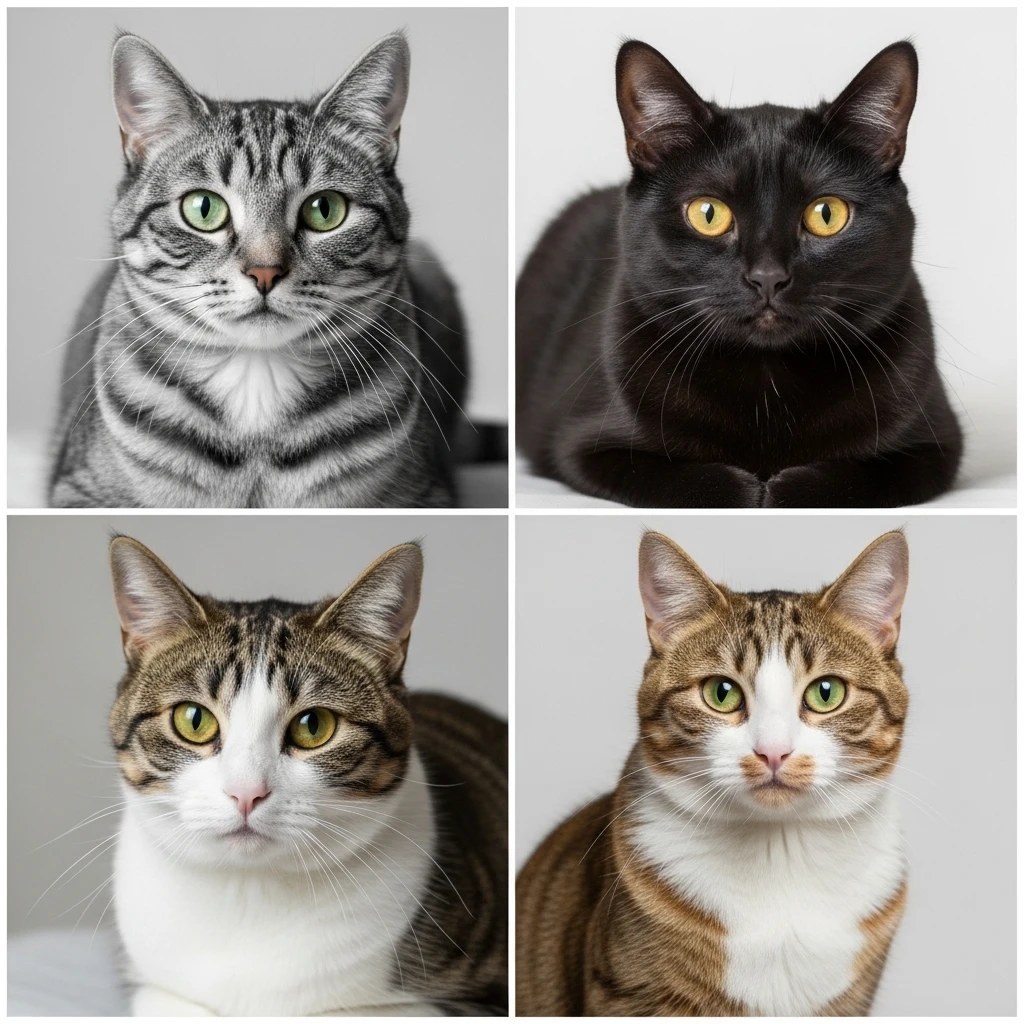
Personality-Matched Name Categories with Specific Suggestions
Now, let’s match names to personality types. Each section includes names for both genders and gender-neutral options, with explanations of why they fit particular temperaments.
Names for The Confident Explorer
These cats deserve names that reflect their boldness and leadership qualities. Strong consonants and names with historical or powerful connotations work well.
Male Names:
- Khan (Mongolian for “leader” – suits a commanding presence)
- Caesar (for a cat who rules the household)
- Thor (Norse god of thunder – for a powerful, striking cat)
- Leonidas (Spartan king – perfect for a fearless feline)
- Archer (for a cat who always hits his mark)
Female Names:
- Athena (Greek goddess of wisdom and strategy)
- Freya (Norse goddess associated with strength and beauty)
- Cleopatra (the last active ruler of the Ptolemaic Kingdom)
- Zarya (Slavic for “sunrise” – for a cat who brings light and energy)
- Valkyrie (mythological chooser of the slain – for a truly formidable female)
Gender-Neutral Names:
- Phoenix (mythical bird reborn from ashes – for resilient cats)
- Kodiak (after the formidable bear)
- Rogue (for an independent, bold spirit)
- Sable (luxurious and strong)
- Jet (fast, dark, and powerful)
Confident explorers often respond well to training and enjoy interactive puzzles. If you’ve identified your cat as this type, you might enjoy our guide on training cats to follow routines, which offers specific strategies for engaging intelligent, bold felines.
Names for The Gentle Observer
Soft sounds, literary references, and nature-inspired names complement these sensitive souls. Names with gentle cadences match their quiet energy.
Male Names:
- Whisper (for a cat who communicates subtly)
- Milo (gentle, classic, and approachable)
- Ash (soft, neutral, and natural)
- Pippin (literary, sweet, and unassuming)
- Foggy (for a cat with a soft, mysterious presence)
Female Names:
- Willow (graceful, flexible, and gentle)
- Luna (moon-inspired for a nocturnal observer)
- Ivy (quiet but persistent and growing)
- Breeze (light, gentle, and refreshing)
- Pearl (precious, quiet, and beautiful)
Gender-Neutral Names:
- Shadow (for a quiet companion who follows at a distance)
- Mist (ethereal and soft)
- Comet (subtle but bright when noticed)
- Wisp (delicate and fleeting)
- Echo (repeating softly what they observe)
Gentle observers thrive in calm environments. Discover how to create a calm and enriching cat home environment with our expert tips tailored to sensitive felines.

Names for The Playful Entertainer
Energetic, whimsical names with playful sounds mirror these cats’ lively spirits. Short, punchy names or those with comedic associations work perfectly.
Male Names:
- Ziggy (zesty, zigzag energy)
- Bounce (for a cat who’s always springing about)
- Tigger (the classic bouncy troublemaker)
- Jester (the household comedian)
- Fidget (always in motion)
Female Names:
- Pixie (mischievous and magical)
- Bubbles (light, joyful, and effervescent)
- Piper (one who leads merry adventures)
- Zippy (full of zip and energy)
- Mischief (owning their troublemaking proudly)
Gender-Neutral Names:
- Rascal (affectionately troublesome)
- Twist (unpredictable and fun)
- Scooter (zooming around the house)
- Chaos (organized disorder in the best way)
- Riot (a burst of playful energy)
Playful entertainers often exhibit what we call cat zoomies those sudden bursts of frenetic energy. Our comprehensive guide explains this behavior and how to channel it positively.
Names for The Affectionate Companion
Sweet, melodic names that sound like endearments suit these loving felines. Many of these names naturally invite a softer tone of voice.
Male Names:
- Snuggles (for a cat who lives for cuddles)
- Buddy (your constant companion)
- Cuddles (obvious but perfectly accurate)
- Mochi (soft, sweet, and beloved Japanese treat)
- Heart (for a cat who’s all love)
Female Names:
- Velvet (soft to the touch and beloved)
- Sweetie (the classic affectionate term)
- Cupcake (sweet and delightful)
- Daisy (cheerful, bright, and loving)
- Angel (for a truly heavenly companion)
Gender-Neutral Names:
- Pumpkin (term of endearment for someone cherished)
- Cookie (sweet and makes everyone happy)
- Honey (golden, sweet, and precious)
- Peaches (soft, sweet, and comforting)
- Baby (for a cat who brings out your nurturing side)
Affectionate companions sometimes develop separation anxiety when left alone. Learn to recognize the signs and create secure attachments with our behavior guide.
Names for The Independent Spirit
Dignified, classic, or slightly mysterious names honor these cats’ self-sufficiency. Names with historical weight or natural elegance work well.
Male Names:
- Winston (dignified, classic, and somewhat aloof)
- Mystery (for a cat who keeps you guessing)
- Pharaoh (regal and commanding respect)
- Sphinx (inscrutable and majestic)
- Alistair (distinguished and somewhat formal)
Female Names:
- Duchess (regal with clear boundaries)
- Mystique (alluring but mysterious)
- Juno (Roman queen of the gods)
- Sapphire (precious, cool, and beautiful)
- Minerva (wise and independent)
Gender-Neutral Names:
- Zen (calm, centered, and self-contained)
- Quest (always on their own journey)
- Solstice (significant, cyclical, independent)
- Whisper (quiet and selective with communication)
- Ember (warm but independent glow)
Understanding independent cats requires recognizing their subtle cat attachment signs, which differ dramatically from more affectionate breeds.
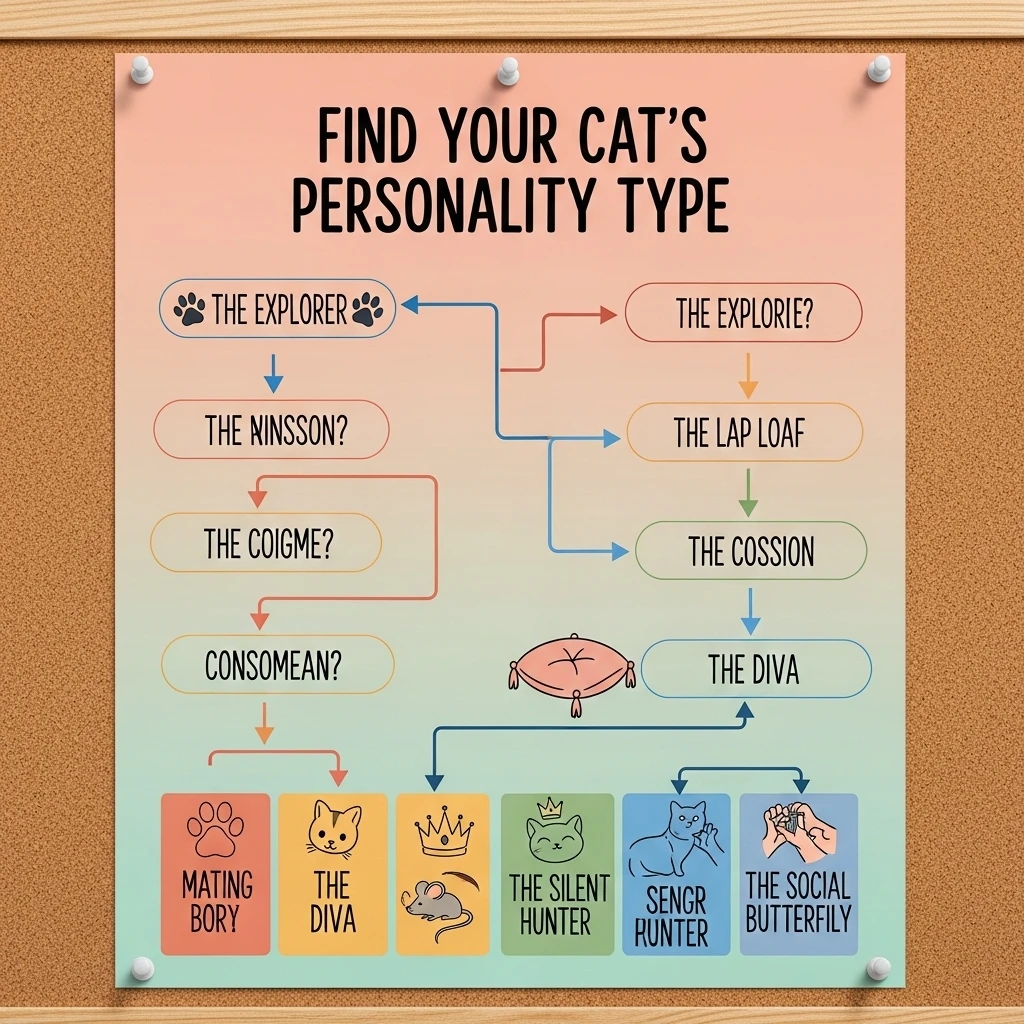
Beyond Basic Types: Names for Specific Quirks and Behaviors
Some cats defy simple categorization with unique, standout behaviors. Here are specialized names for distinctive feline characters:
The Chatty Conversationalist
- Yapper (for non-stop vocalization)
- Siren (whose meows you can’t ignore)
- Oracle (always has something to say)
- Chirp (for cats with unique vocalizations)
- Sir Talks-a-Lot (humorously formal)
The Food-Obsessed Gourmand
- Goblin (sneaks food mysteriously)
- Nosh (Yiddish for snack, perfect for treat lovers)
- Porkchop (humorous for a chunky foodie)
- Biscuit (for cats who knead constantly)
- Truffle (refined but food-obsessed)
The Graceful Athlete
- Nimble (for impressive acrobatics)
- Feather (light-footed and graceful)
- Ballet (for elegant movement)
- Arrow (fast and direct)
- Drift (moves smoothly and effortlessly)
The Quirky Eccentric
- Wobbles (for cats with unique gaits)
- Doodle (random, quirky patterns of behavior)
- Sprocket (mechanically precise oddities)
- Noodle (flexible and silly)
- Boing (for unexpectedly bouncy cats)
If your cat displays particularly unique eating behaviors, our article on why cats suddenly refuse food might offer insights into their quirky preferences.
The Science of Name Recognition: How Cats Learn Their Names
Contrary to popular belief, cats do recognize their names they just choose when to respond. A 2019 study from Sophia University in Tokyo confirmed that cats can distinguish their names from similar-sounding words. Here’s how to maximize name recognition based on personality:
For Confident Explorers: Use their name during positive adventures. “Khan, look at this new toy!” They associate their name with discovery.
For Gentle Observers: Say their name softly during calm bonding moments. Pair “Willow” with gentle pets and quiet time.
For Playful Entertainers: Incorporate their name into play sessions. “Ziggy, get the feather!” creates positive associations.
For Affectionate Companions: Use their name during cuddle time. “Snuggles” becomes synonymous with warmth and love.
For Independent Spirits: Say their name before offering something they value (food, a favorite spot). “Winston, dinner” builds practical recognition.
Training tip: Regardless of personality, always use a positive tone when saying your cat’s name. Never use it for scolding or negative experiences.
Cultural and Mythological Names with Personality Significance
Looking deeper into name origins can provide rich options that align with personality traits:
Egyptian Names (for regal, mysterious, or historically significant cats):
- Bastet (Egyptian goddess of home, fertility, and cats – for a protective female)
- Ra (sun god – for a cat who brings light and energy)
- Anubis (guide to the afterlife – for a mysterious, dark cat)
- Nefertiti (“the beautiful one has come” – for a strikingly beautiful cat)
Japanese Names (for elegant, graceful, or minimalist personalities):
- Sora (sky – for a free-spirited cat)
- Hoshi (star – for a cat who shines brightly)
- Kai (ocean – for a cat with deep, calm energy)
- Yuki (snow – for a pure white or gentle cat)
Nordic Names (for strong, adventurous, or resilient cats):
- Loki (trickster god – perfect for mischievous cats)
- Astrid (divinely beautiful – for a stunning feline)
- Bjorn (bear – for a strong, protective cat)
- Sigrid (beautiful victory – for a triumphant survivor)
For more naming inspiration, explore our curated list of unique cat names that blend cultural significance with modern appeal.
Name Adaptation: When the Perfect Name Emerges Over Time
Sometimes the perfect personality-based name isn’t obvious immediately. I advise new cat owners to use a temporary “placeholder” name while observing their cat’s true character. Here are real examples from my practice:
Case Study 1: “Smokey” (placeholder for a gray cat) became Bandit after the owners noticed he stealthily stole small objects and hid them around the house.
Case Study 2: “Princess” (placeholder for a pretty white cat) became Scout when her relentless exploration and curiosity became her defining trait.
Case Study 3: “Tiger” (placeholder for an orange tabby) became Maestro when he developed the habit of “conducting” with his tail while watching music performances.
Allow at least two weeks of observation before finalizing a name. Keep notes on distinctive behaviors, reactions to stimuli, and interaction patterns. The perfect name often reveals itself through these observations.
Common Naming Mistakes to Avoid
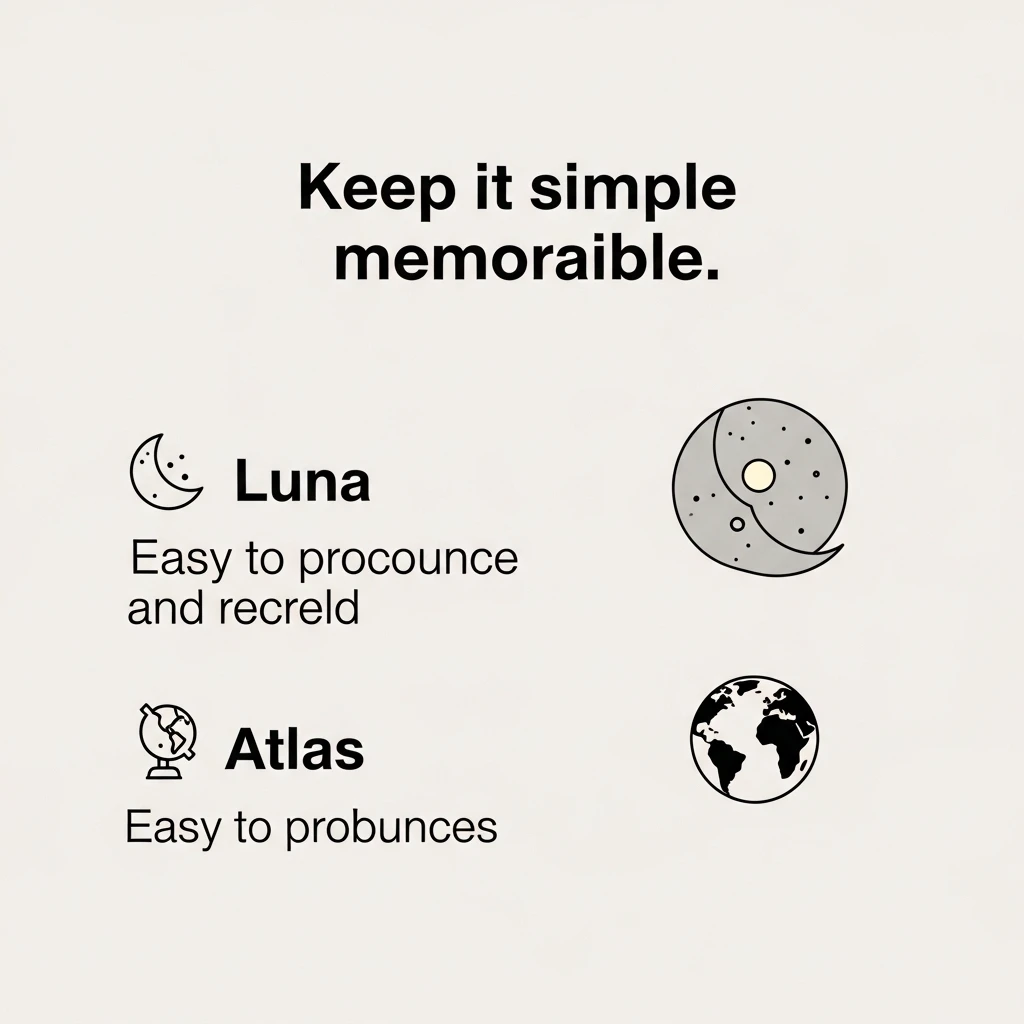
- Overly Complicated Names: “Sir Reginald Fluffington III” becomes impractical daily. Save elaborate names for official records and use a shortened version (“Reggie”) for daily use.
- Names That Sound Like Commands: “Kit” sounds too similar to “sit,” potentially confusing training.
- Trendy Names That Don’t Age Well: Consider if “Instagram” or “TikTok” will still suit your cat in 15 years.
- Negative Connotations: Avoid names with inherently negative meanings, even ironically.
- Multiple Syllable Confusion: Cats respond best to 1-2 syllable names for daily use.
For more guidance on feline communication, our article on how cats choose their favorite person reveals how names and consistent positive interactions build lifelong bonds.
Personality Changes: When to Consider a Name Change
Cats’ personalities can evolve due to age, environment changes, or traumatic experiences. A name change might be appropriate when:
- A rescued cat’s past associations with their old name are negative
- Your kitten’s adult personality differs dramatically from their baby temperament
- A major life change (recovery from illness, moving homes) transforms their behavior
How to transition names successfully:
- Use both names together initially (“Shadow, now my brave Leo”)
- Associate the new name with high-value treats and affection
- Be consistent all household members must use the new name
- Be patient it can take 3-8 weeks for full transition
If you’ve adopted a rescue cat, our guide on rescue cat glow-up stories might inspire your renaming journey.
Creating a Shortlist: Practical Steps to Choose the Perfect Name
Follow this systematic approach to narrow down options:
- Observe for 7-10 days: Take notes on distinctive behaviors without pressure to decide.
- Create a long list: Include 10-15 possibilities from categories that match observed traits.
- Test the sounds: Say each name aloud with different inflections. Notice which feel natural.
- Check household compatibility: Ensure the name doesn’t rhyme with or sound like other pets’ names or important words.
- Trial the top 3: Use each top contender for 2 days. Notice which your cat seems to respond to best.
- Consider the future: Imagine calling this name at the vet, to neighbors, in emergencies.
- Make it official: Once decided, use it consistently and update microchip information.
Frequently Asked Questions About Cat Names Based on Personality
Q: How long does it take for a cat to learn its name?
A: Most cats recognize their name within 2-4 weeks with consistent, positive association. Confident explorers often learn fastest, while gentle observers may take longer but respond more consistently once learned.
Q: Can a cat’s name influence its personality?
A: Indirectly, yes. The name influences how humans interact with the cat, which affects behavior. A cat named “Mischief” might have mischief more tolerated or expected, potentially reinforcing those behaviors.
Q: Is it okay to rename an adult cat?
A: Absolutely, especially in cases of rescue cats or when the original name has negative associations. Adult cats can learn new names with patience and positive reinforcement.
Q: Do cats prefer certain sounds in names?
A: Research suggests cats respond better to names ending in high-frequency “ee” sounds (like Chloe, Sammy) as these are more distinct to their hearing range.
Q: Should I choose a name that matches my cat’s breed?
A: Breed can influence personality tendencies Siamese cats are often vocal, Maine Coons frequently dog-like so breed-inspired names can work well. Explore our cat breeds personalities guide for breed-specific insights.
Q: How important is name meaning versus sound?
A: For cats, sound matters most for recognition. For humans, meaning enhances emotional connection. The ideal name balances both pleasing sounds with meaningful associations.
Q: Can I use human names for cats?
A: Absolutely. Human names work especially well for cats with dignified, companionable, or particularly human-like personalities.
Q: My cat doesn’t respond to any name. What should I do?
A: First, ensure you’re using the name positively (not just for scolding). Try different tones and volumes. Some cats respond better to clicking sounds or specific consonants. Our article on how long it takes a cat to learn its name offers troubleshooting tips.
Key Takeaways for Choosing Personality-Based Cat Names
- Observation precedes naming: Spend at least a week noting your cat’s behaviors, preferences, and quirks before deciding.
- Match sound to temperament: Confident cats suit strong consonants; gentle cats suit soft vowels; playful cats suit bouncy rhythms.
- Consider practical recognition: 1-2 syllable names ending in “ee” sounds are scientifically easier for cats to distinguish.
- Allow for evolution: Personality-based names often become more fitting over time as you deepen your bond.
- Positive association is crucial: Always pair the name with pleasant experiences—never use it for scolding or negative attention.
- Household consistency matters: Ensure everyone uses the same name and pronunciation to avoid confusion.
- Trust your intuition: The right name often “feels” correct when you say it aloud to your cat.
Choosing the perfect cat name based on personality is a meaningful journey that deepens your understanding of your feline companion. Beyond labels, this process teaches you to observe nuances in behavior, respect individual differences, and communicate more effectively with your cat. The right name becomes a bridge between your world and theirs a sound that means safety, recognition, and love in their unique feline perspective.
Whether your cat is a majestic Khan surveying his domain, a gentle Willow observing quietly from her perch, or a playful Ziggy turning cardboard boxes into adventures, their name becomes part of their story and yours. This thoughtful approach to naming creates foundations for a richer, more connected life together.
Explore more expert guides on cat behavior, care, and the fascinating feline-human bond at Cat Bloom Haven. From understanding subtle cat stress signs to creating the perfect enriching cat home environment, our comprehensive resources help you build the best possible life with your feline companion. Discover your next insight in our guide to how cats choose their favorite person or learn to decode cat tail language for even deeper communication.