Aesthetic Cat Corners That Elevate Home Décor
Cats bring joy to any home, but their gear often clashes with careful design choices. Many owners struggle to create spaces that feel both inviting for their feline friends and stylish for themselves. Aesthetic cat corners solve this perfectly. These dedicated spots blend seamlessly into your décor while giving cats the enrichment they crave: places to climb, perch, lounge, and observe.
In this guide, you’ll discover why these corners matter, how to plan one that fits your style, and practical ideas to build it step by step. Whether you live in a small apartment or a spacious house, you can craft a corner that enhances your home’s look and keeps your cat happy and active.
Key Takeaways
- Aesthetic cat corners combine function with beauty, using vertical space to save floor area.
- Focus on natural materials, neutral tones, and multi-level designs for the best results.
- Prioritize safety: secure mounts, non-toxic plants, and sturdy builds.
- These setups reduce stress for cats and prevent furniture damage.
- Start small; even one wall shelf or window perch makes a big difference.
Why Create Aesthetic Cat Corners?
Cats naturally seek high vantage points. In the wild, their ancestors climbed trees for safety and hunting. Indoor cats retain this instinct, but without outlets, they may scratch furniture or act out from boredom.
Dedicated aesthetic cat corners provide vertical territory. This enrichment lowers anxiety, encourages exercise, and strengthens your bond. Studies from feline behavior experts show that homes with climbing options have calmer, healthier cats.
These corners also elevate your décor. Modern designs use sleek wood shelves, woven hammocks, and subtle integrations that look like intentional art pieces rather than pet add-ons. Choose minimalist floating shelves for contemporary spaces or boho macramé for warmth. The result: a home that feels curated, not cluttered.
Planning Your Cat Corner: Essentials to Consider
Success starts with thoughtful planning. Assess your space, your cat’s personality, and your style.
Choose the Right Location
Pick quiet areas with natural light, away from loud appliances. Windows offer “cat TV” with birds and activity outside. Corners or unused walls work well for vertical builds. In small spaces, under stairs or beside bookshelves create hidden nooks.
Measure carefully. Ensure at least 12-18 inches between levels for easy jumps. Cats prefer multiple escape routes, so avoid dead ends.
Understand Your Cat’s Needs
Active breeds like Bengals or Siamese thrive on multi-level climbing. Older or laid-back cats, such as Persians or Ragdolls, favor low perches and soft beds. Observe habits: Does your cat love sunbathing? Prioritize window spots. Do they hide often? Add enclosed elements.
Safety comes first. Use wall studs for mounts. Avoid toxic plants like lilies; opt for cat-safe options such as spider plants or cat grass.
Match Your Home Style
- Minimalist: Clean lines, neutral woods, hidden hardware.
- Boho: Macramé hammocks, woven baskets, trailing plants.
- Scandinavian: Light oak shelves, sheepskin cushions.
- Modern: Black or white frames, geometric layouts.
Budget matters too. DIY options start under $50, while premium modular systems run higher but last longer.
Top Aesthetic Cat Corner Ideas
Here are proven ideas that balance beauty and function. Mix and match based on your space.
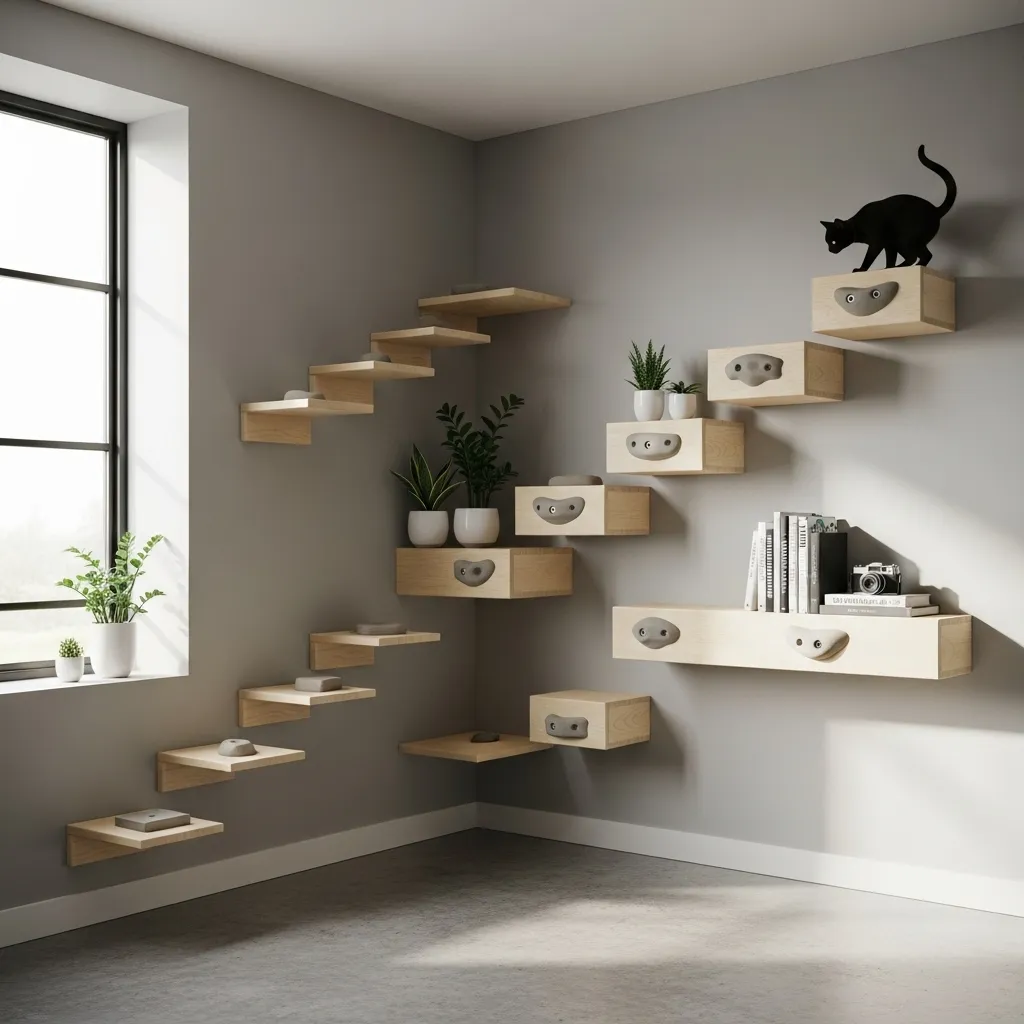
1. Wall-Mounted Climbing Walls
Turn a blank wall into a playground. Floating shelves at varying heights create pathways. Brands like Catastrophic Creations offer modular wood pieces in stains to match furniture.
How to Build:
- Space shelves 12-15 inches vertically and horizontally.
- Add sisal-wrapped posts for scratching.
- Top with a hammock or bed for resting.
This setup saves floor space and looks like custom millwork.
For inspiration, see our guide on minimalist cat shelves.
2. Window Perches and Hammocks
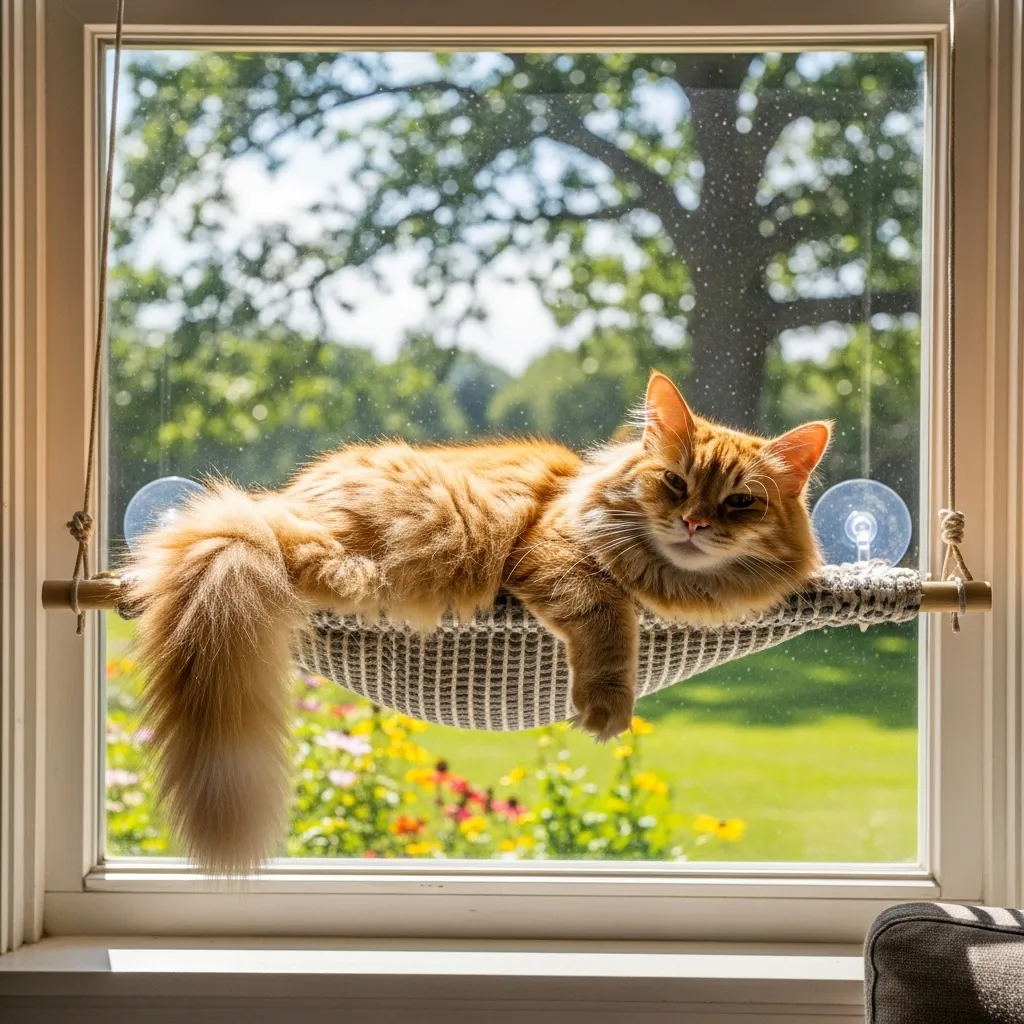
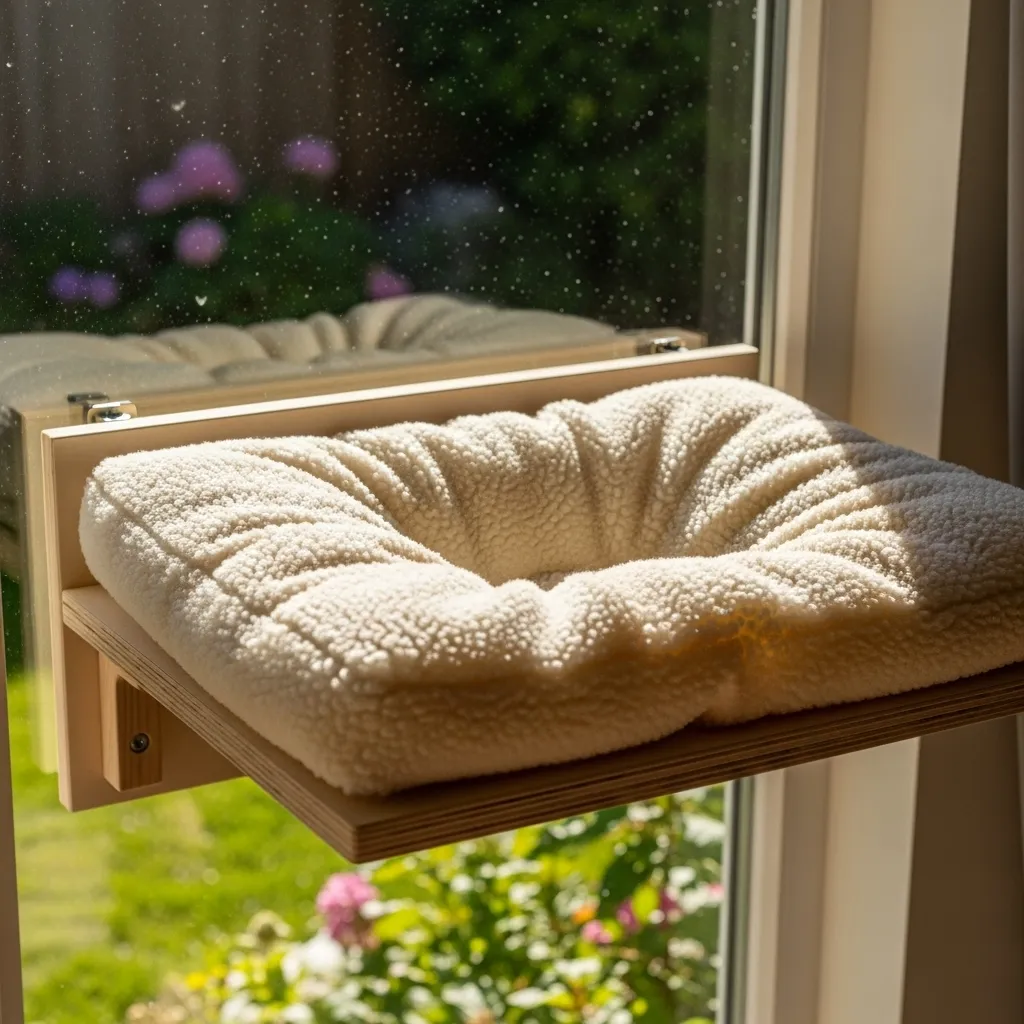
Cats love watching the world. A sunny window perch provides hours of entertainment.
Options include suction-cup hammocks for renters or mounted wooden ledges for permanence. Add a cushioned mat or sheepskin for comfort.
Pro Tip: Place a bird feeder outside to boost engagement, but keep it far enough to avoid frustration.
Explore more in our cat window perch ideas.
3. Cozy Floor-Level Nooks
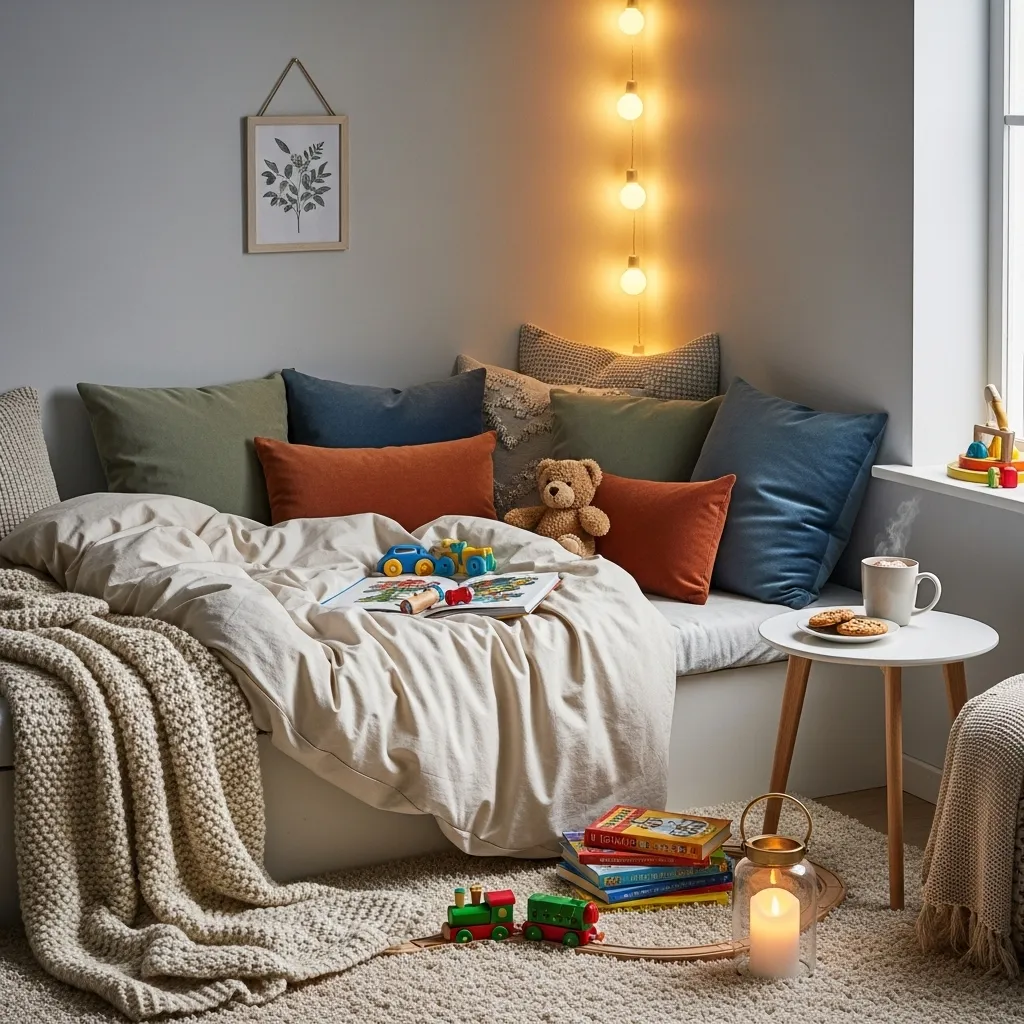
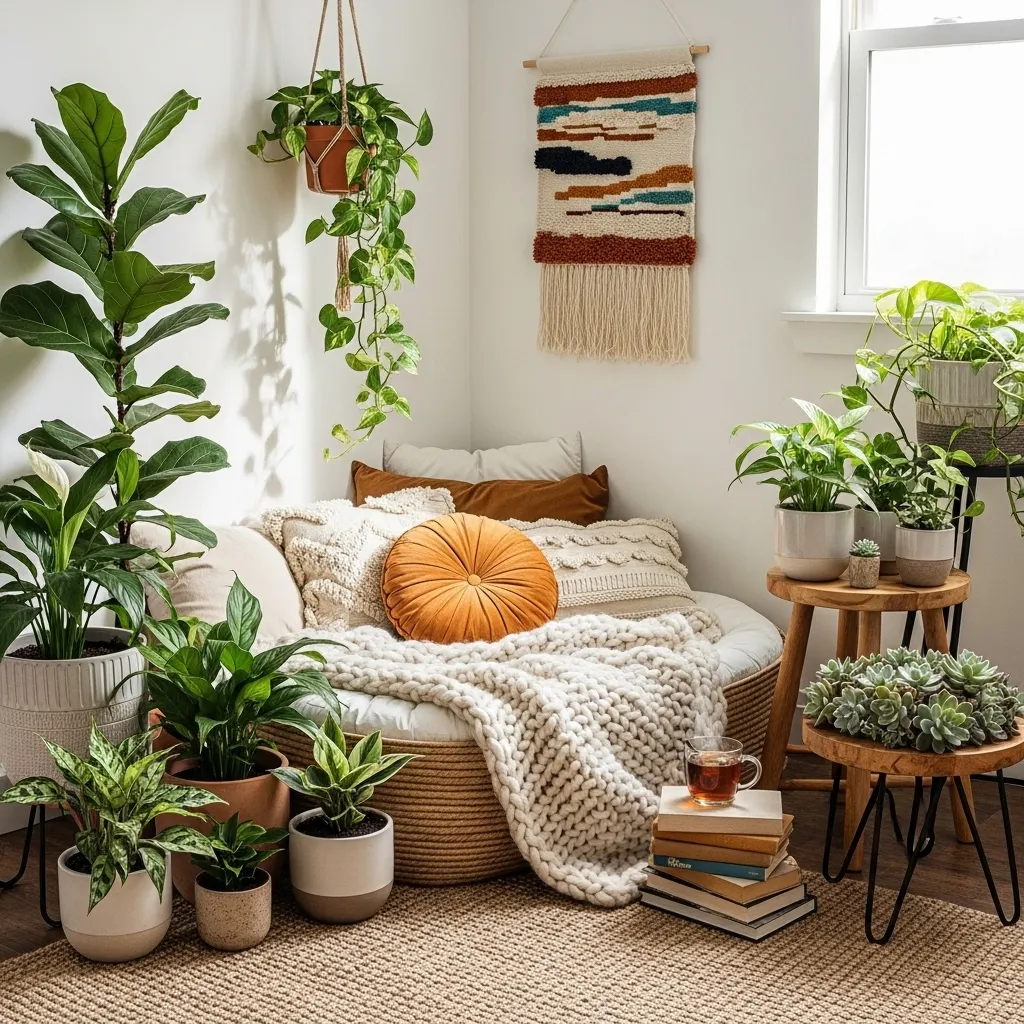
Pair elevated elements with ground-level retreats. Use woven baskets, repurposed crates, or stylish ottomans with hidden cubbies.
Under-stairs spaces make magical hidden dens. Line with soft blankets and add fairy lights (secured safely).
For small apartments, a corner with a designer cat bed and nearby toys creates a complete zone.
Discover DIY options in diy-cat-beds
4. Integrated Multi-Functional Designs
Blend cat spaces into existing furniture. Clear bookshelf sections for perches. Mount shelves above side tables. Use cat tunnels disguised as ottomans.
These subtle integrations keep homes polished while providing enrichment.
5. Themed Corners for Extra Flair
- Pastel and Playful: Soft pinks, blues, rounded shapes.
- Natural and Rustic: Wood crates, jute rugs, greenery.
- Luxury Lounge: Velvet cushions, gold accents.
Add personal touches like framed cat art or custom name signs.
DIY vs. Ready-Made: What to Choose
DIY projects offer customization and savings. Simple shelves from lumber stores cost little. Follow tutorials for safe builds.
Ready-made options provide engineered safety and polished finishes. Look for solid wood, high weight capacities, and easy-clean fabrics.
Combine both: Buy core pieces and add DIY accents.
Maintenance and Safety Tips
- Clean weekly: Vacuum fur, wash bedding.
- Inspect mounts monthly for stability.
- Rotate toys to maintain interest.
- Introduce gradually with treats and play.
If introducing a new cat, see our cat introductions guide or breed-specific tips like bengal-cat-introduction-tips.
Frequently Asked Questions
How much space do I need for an aesthetic cat corner?
Even a 3×3 foot corner works. Vertical designs suit tiny apartments best.
Are wall shelves safe for heavy cats?
Yes, when mounted into studs. Choose options rated for 50+ pounds.
What plants are safe around cat corners?
Spider plants, Boston ferns, cat grass. Avoid lilies, pothos, or aloe.
How do I stop my cat from ignoring the new corner?
Add catnip, favorite toys, or treats. Place near current hangouts initially.
Can I make a cat corner renter-friendly?
Use strong suction perches, freestanding trees, or command-hook hammocks.
Final Thoughts
Aesthetic cat corners that elevate home décor transform unused spaces into functional art. They meet your cat’s instincts while complementing your style. Start small a single perch or shelf and expand as needed. Your cat will thank you with purrs and playful leaps, and you’ll enjoy a more beautiful, harmonious home.
Explore more expert cat care and behavior guides on Cat Bloom Haven, from cat-room-decor-ideas to cat-cozy-corners. Discover breed insights in articles like bengal-cat-personality or fun cat-memes-fun.
Happy designing your perfect cat corner awaits.