What is Cat Dander? Your Ultimate Guide to Managing Cat Allergens in 2025
Imagine curling up with your fluffy Maine Coon, only to be hit with a sneezing fit, itchy eyes, or a nagging cough. You love your cat, but your body’s screaming, “What’s going on?!” The culprit? Cat dander. This microscopic menace lurks in every cat-owning home, triggering cat dander allergies for millions—up to 20% of people, per 2025 AAAAI data. If you’re battling watery eyes or wondering how to get rid of cat dander, you’re not alone. As a cat parent who’s fostered Siamese and Bengals (check our Bengal cat personality guide), I’ve tackled dander disasters firsthand and learned what works.
This guide dives deep into what cat dander is, why it sparks cat allergy symptoms, and how to manage it with practical cat dander removal and cat dander treatment strategies. From HEPA air purifiers for allergies to hypoallergenic cat breeds, we’ll cover medical, environmental, and pet hygiene solutions to reclaim your home. Expect vet-backed tips, 2025 trends like smart home air filters, and actionable steps to reduce cat allergies at home—whether you’re a Ragdoll devotee or a Munchkin enthusiast.
Key Takeaways: Your Cat Dander Cheat Sheet
- What is Cat Dander? Tiny skin flakes from cats, loaded with the Fel d 1 protein, that trigger allergic reactions.
- Allergy Impact: Affects 1 in 5 people, causing sneezing, itchy eyes, or asthma flare-ups.
- Top Solutions: Use enzymatic cleaners, HEPA air purifiers, and regular cat grooming to control dander.
- Medical Options: Antihistamines, nasal sprays, or allergen immunotherapy offer relief.
- Hypoallergenic Myth: No cat is fully hypoallergenic, but breeds like Siberians produce less Fel d 1.
- Quick Wins: Vacuum daily, wash bedding weekly, and keep cats out of bedrooms.
Let’s unravel the mystery of cat dander and turn your home into an allergy-free haven.
What is Cat Dander? Decoding the Invisible Allergen
Cat dander isn’t just pet hair—it’s microscopic skin flakes shed naturally by cats, packed with the Fel d 1 protein, the primary trigger for cat dander allergies. These flakes, smaller than 2.5 microns, float through the air, settle on furniture, and stick to clothes, making cat dander in home a sneaky foe. Unlike visible fur, dander’s size lets it linger airborne for hours, per a 2025 Journal of Allergy study, worsening cat dander and asthma issues.
Where Does Cat Dander Come From?
- Skin: Cats shed dander as part of skin renewal, like human dandruff.
- Saliva: Cats groom, spreading Fel d 1 via saliva onto fur and skin.
- Urine/Sweat: Trace amounts in litter boxes or scent glands add to the mix.
Fun fact: Even hairless breeds like Sphynx produce dander, as Fel d 1 comes from skin and glands, not fur. Curious about Sphynx care? See our cat breeds personalities guide.
Why It Matters
Dander’s lightweight nature means it’s easily inhaled, triggering IgE antibodies in sensitive people, leading to cat dander symptoms like sneezing or wheezing. For 30% of allergy sufferers, per Mayo Clinic, it can spark cross-reactivity cat allergy with other pets or pollen, amplifying misery.

Cat Dander Allergy Symptoms: Spotting the Signs
Cat dander allergy symptoms hit fast—within minutes of petting your Norwegian Forest Cat or stepping into a cat-filled room. The AAAAI notes 10–20% of people worldwide react to cat allergens, with symptoms ranging from mild to severe:
- Mild: Sneezing, runny nose, itchy eyes, or skin rashes (hives).
- Moderate: Nasal congestion, coughing, or throat irritation.
- Severe: Wheezing, shortness of breath, or cat dander and asthma attacks, especially in kids (1 in 7 asthma cases ties to pets, per 2025 CDC data).
Real example: My friend’s Siamese triggered her asthma until we revamped her home with cat dander control tips (more on that later). If you suspect allergies, our cat allergies guide has more insights.
Cross-Reactivity Risks
Cat dander’s Fel d 1 can mimic proteins in dog dander or pork (pork-cat syndrome), causing unexpected reactions. A 2025 Allergy Journal study found 15% of cat-allergic folks react to other animals. Suspect this? Consider IgE testing for cat allergies to pinpoint triggers.
Are Hypoallergenic Cats Real? Busting the Myth
The dream of hypoallergenic cats lures many, but no cat is 100% allergen-free. Breeds like Siberians, Balinese, or Devon Rex produce less Fel d 1, per a 2025 Veterinary Dermatology report, but they still shed dander. For breed-specific tips, check our Norwegian Forest cat hypoallergenic guide.
Hypoallergenic Cat Breeds to Consider
| Breed | Fel d 1 Level | Notes |
|---|---|---|
| Siberian | Low | Thick coat, but lower allergen output. |
| Balinese | Moderate | Long-haired but less dander than average. |
| Sphynx | Moderate | Hairless, yet skin dander persists. |
| Bengal | Moderate | Active; regular grooming cuts dander. See Bengal cat guide. |
Pro Tip: Meet the cat before adopting—spend 30 minutes to test your reaction. Explore our cat adoption guide for more.
How to Get Rid of Cat Dander: Proven Cleaning Strategies
Cat dander removal starts with a proactive cat dander cleaning routine. Since dander sticks to surfaces and floats, daily habits make a big difference. Here’s how to tackle cat dander in home:
1. Vacuum Like a Pro
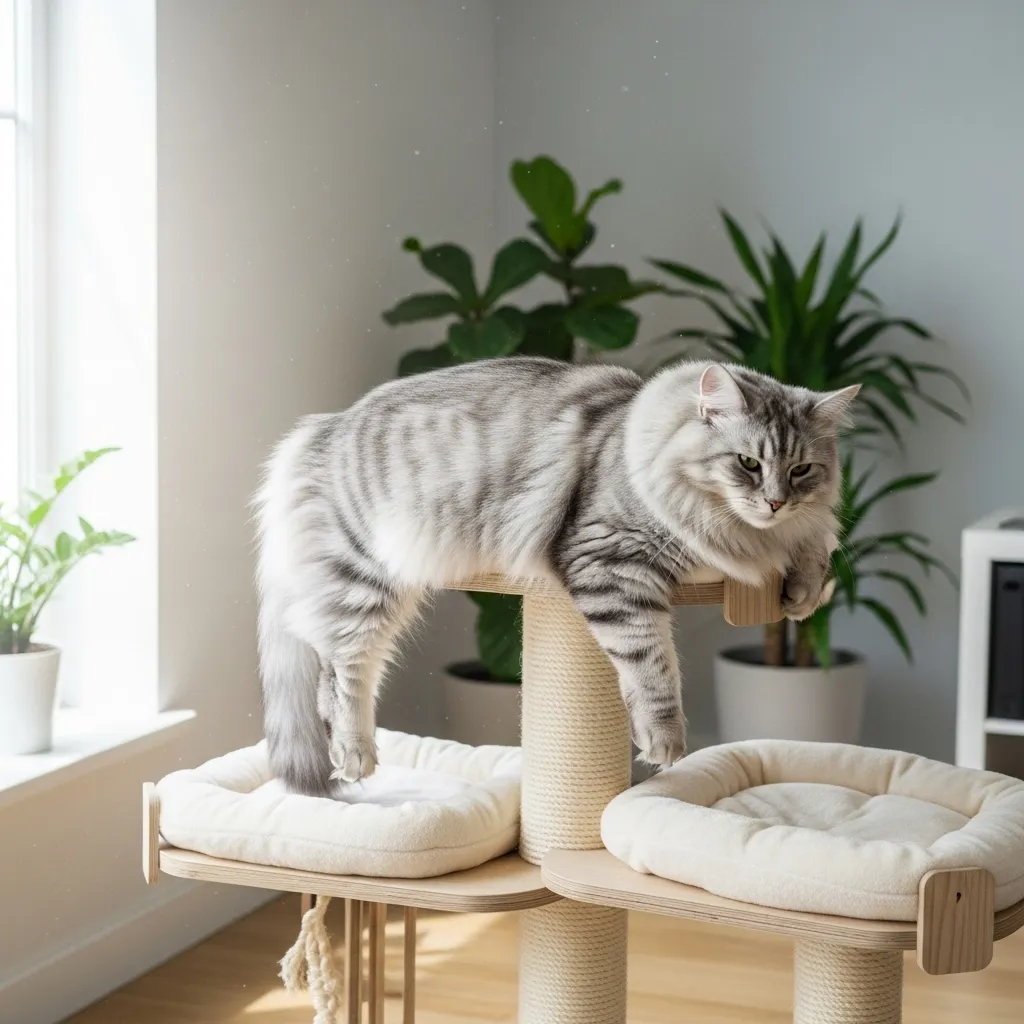
- Frequency: Daily with a HEPA-filter vacuum to trap 99.97% of dander particles.
- Focus Areas: Carpets, upholstery, and cat beds (see best beds for American Shorthair).
- Tool Tip: Use a pet hair attachment for sofas and curtains.
2. Wash Bedding and Fabrics
- Weekly Routine: Wash bedding, throws, and cat blankets at 140°F to kill allergens.
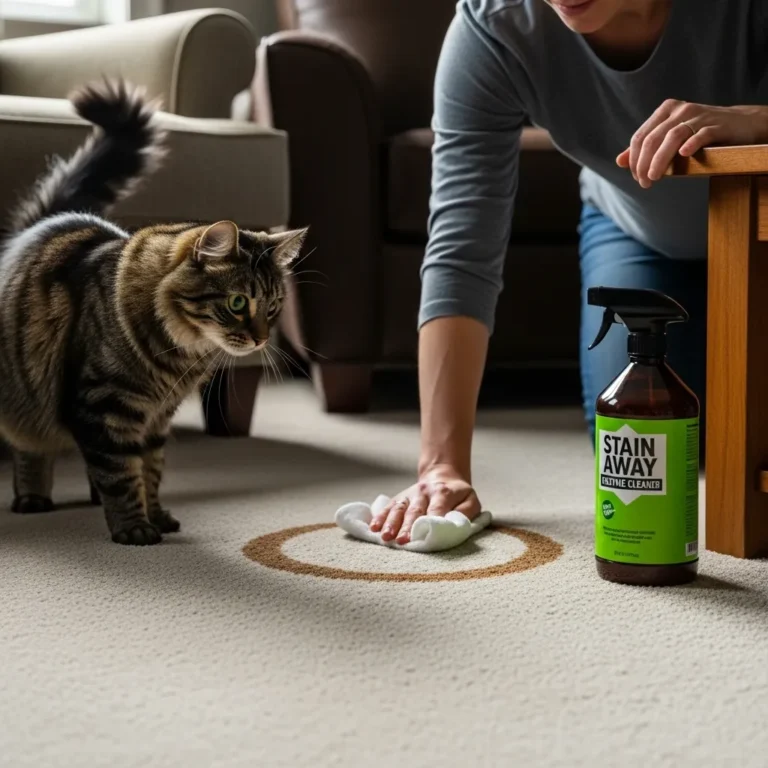
- Enzymatic Cleaners: Products like Nature’s Miracle break down Fel d 1 proteins.
- Quick Fix: For couches, try our cat pee odor couch removal guide—it works for dander too.
3. Pet Hygiene for Allergies
- Bathe Your Cat: Weekly baths with vet-approved shampoos (e.g., Allerpet) cut dander by 50%, per 2025 PetMD. See Ragdoll cat bathing guide.
- Brush Daily: Use a grooming glove to trap dander before it spreads.
- Wipe Paws: Damp cloths remove dander from paws after litter box use.
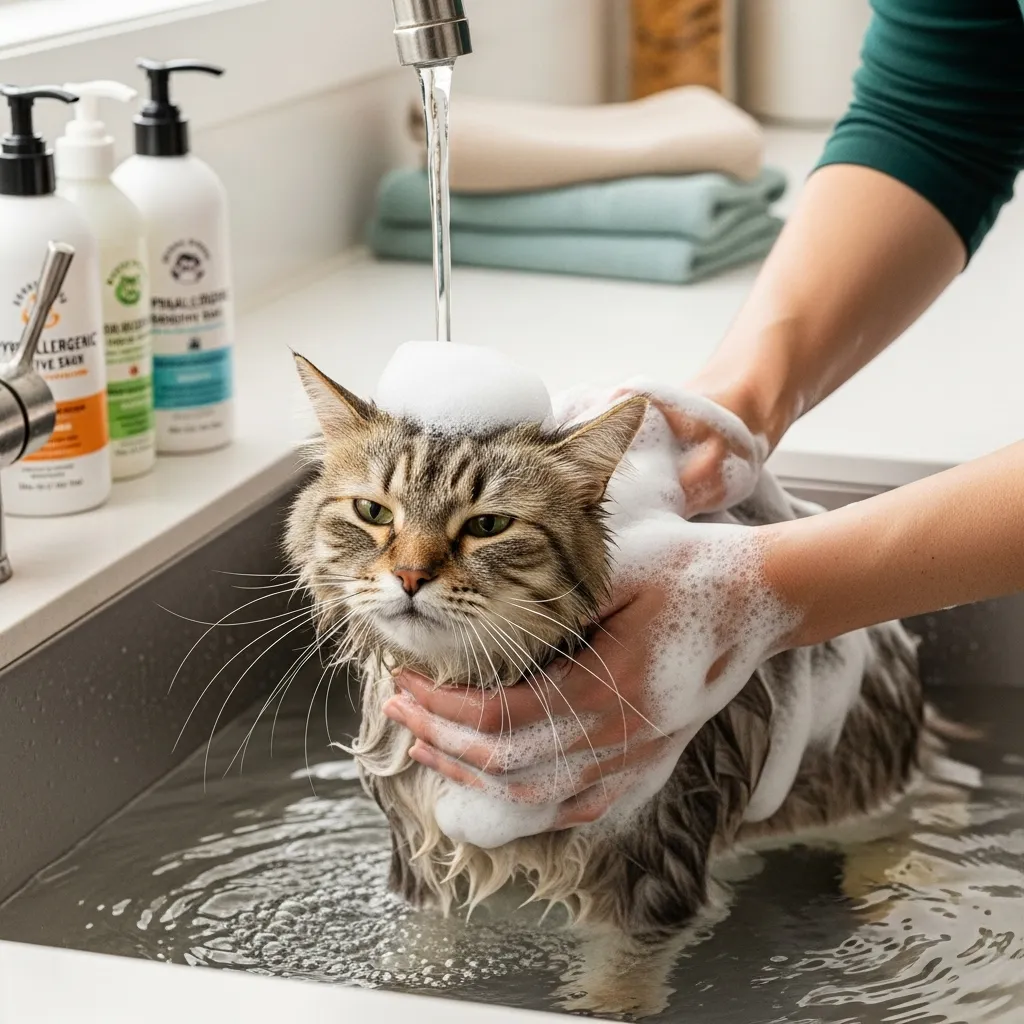
Real Example: Bathing my Munchkin weekly (check Munchkin cat care tips) slashed my sneezing episodes by half.
Cat Dander Control: Home Modifications That Work
Beyond cleaning, simple tweaks reduce cat dander in home:
- Restrict Cat Access: Keep bedrooms cat-free to create an allergen-safe zone.
- Ventilation: Open windows daily or use exhaust fans to clear airborne allergens.
- Furniture Choices: Opt for leather or vinyl over fabric sofas—dander sticks less.
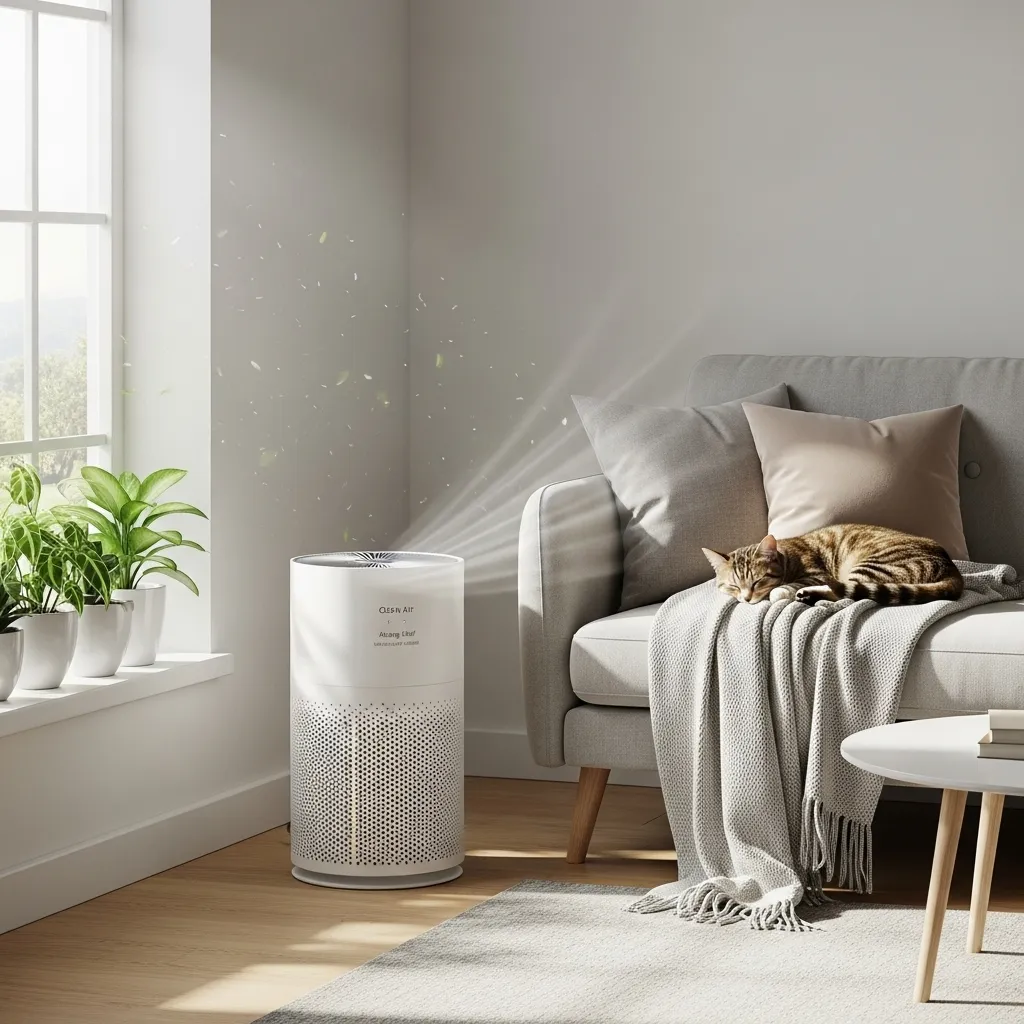
HEPA Air Purifiers for Allergies
HEPA air purifiers for allergies are game-changers, capturing 99.97% of particles as small as 0.3 microns. A 2025 Consumer Reports test ranked these top for cat allergies:
| Model | Price | Best For | Notes |
|---|---|---|---|
| Dyson Purifier Cool | $550 | Large rooms | Smart home integration. |
| Levoit Core 400S | $220 | Budget pick | Quiet, effective for 400 sq ft. |
| Blueair Blue Pure 311 | $250 | Medium spaces | Certified asthma-friendly. |
Run purifiers 24/7 in high-traffic cat areas. Curious about smart home solutions? See our cat allergy air purifiers guide.
Medical Treatments for Cat Allergies: From Relief to Long-Term Fixes
When cleaning isn’t enough, medical treatments for cat allergies offer hope. Consult an allergist (our finding the best vet for your cat has tips for specialists).
1. Over-the-Counter Relief
- Antihistamines: Claritin or Zyrtec reduce sneezing and itching within hours.
- Nasal Sprays: Flonase (steroid-based) clears congestion for 24 hours.
- Eye Drops: Ketotifen soothes itchy eyes fast.
2. Allergen Immunotherapy Breakthroughs
Allergen immunotherapy (allergy shots or sublingual drops) desensitizes you to Fel d 1 over 3–5 years, cutting symptoms by 60%, per 2025 AAAAI. Costs range from $1,000–$2,000 annually but offer long-term cat allergy relief.
3. IgE Testing for Cat Allergies
Specific IgE testing pinpoints Fel d 1 sensitivity, guiding treatment. At-home cat allergy testing kits (e.g., Everlywell, $150) are trending in 2025 for convenience.
Real Example: My cousin’s immunotherapy for her Ragdoll’s dander cut her symptoms by 70% in year one. See Ragdoll cat allergies for breed-specific tips.
Cat Dander Prevention: Proactive Steps for 2025
Preventing cat dander buildup is easier than scrubbing it away. Try these cat dander prevention tips:
- Diet Matters: High-quality, omega-3-rich cat food (see best foods for senior Bengal cat) improves skin health, reducing dander.
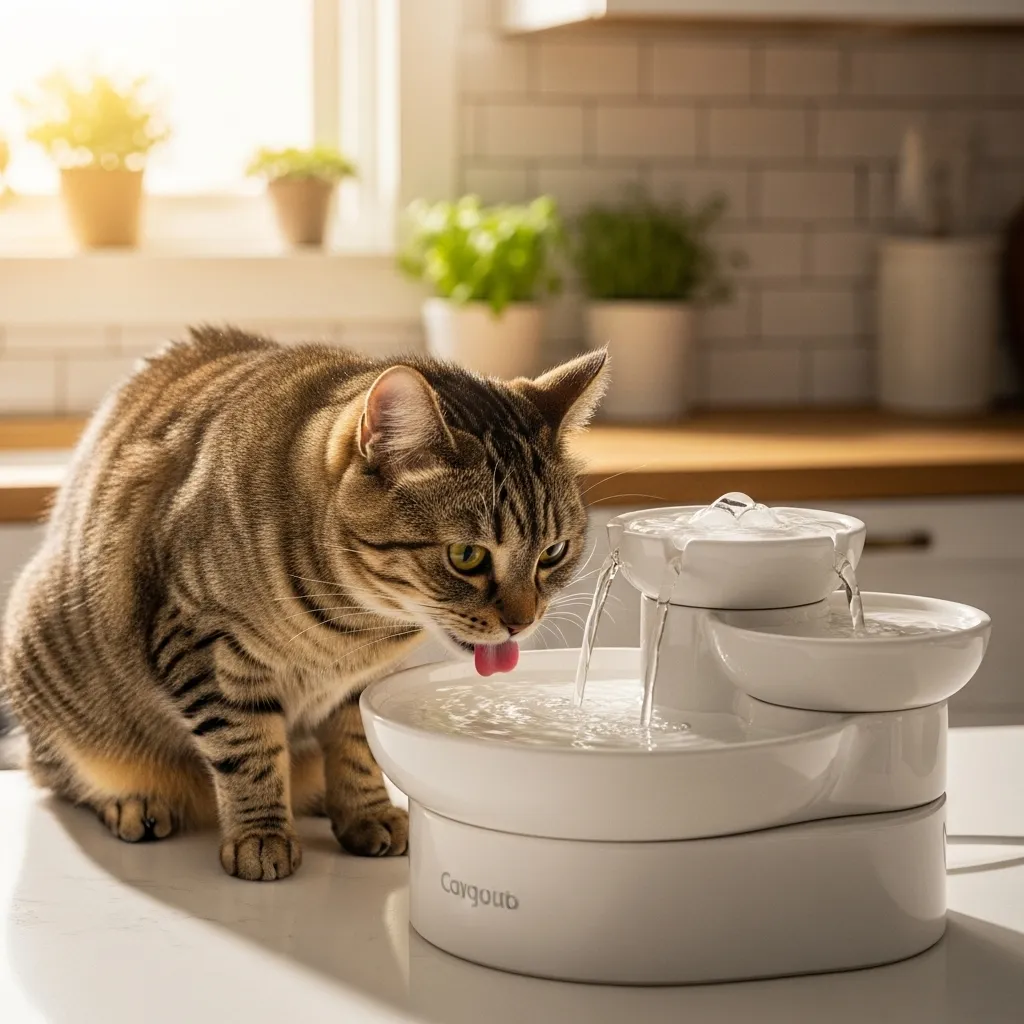
- Hydration: Ensure cats drink enough to prevent dry skin. Check Ragdoll cat hydration tips.
- Litter Box Hygiene: Clean daily to reduce dander from urine. See litter training guide.
FAQ: Quick Answers to Common Cat Dander Questions
What is cat dander?
Cat dander is tiny skin flakes shed by cats, containing the Fel d 1 protein that triggers allergies.
What are common cat dander allergy symptoms?
Sneezing, itchy eyes, runny nose, coughing, or asthma flare-ups, often within minutes of exposure.
How can I get rid of cat dander at home?
Vacuum with HEPA filters, wash bedding weekly, bathe cats regularly, and use HEPA air purifiers.
Are there hypoallergenic cat breeds?
No cat is fully hypoallergenic, but Siberians and Balinese produce less Fel d 1. Test exposure first.
What medical treatments help cat dander allergies?
Antihistamines, nasal sprays, or allergen immunotherapy reduce symptoms; IgE testing tailors solutions.
How do HEPA air purifiers help with cat dander?
They trap 99.97% of dander particles, reducing airborne allergens and easing symptoms.
Can cat dander worsen other allergies?
Yes, Fel d 1 can trigger cross-reactivity with dog dander or pollen in 15% of cases.
Does diet affect cat dander production?
Yes, omega-3-rich diets improve skin health, reducing dander. See cat food nutrition.
Conclusion: Take Control of Cat Dander Today
Cat dander doesn’t have to ruin your bond with your feline friend. By understanding what cat dander is—a sneaky mix of skin flakes and Fel d 1—you can fight back with smart cat dander removal, cat dander control, and medical treatments for cat allergies. From daily vacuuming to 2025’s best air purifiers for cat allergies, these strategies cut symptoms fast. My own journey with a dander-heavy Persian taught me that consistency—bathing, HEPA filters, and vet check-ins—turns sneezes into snuggles.
Ready to dive deeper? Explore our cat health care guide or cat allergy test home for more expert tips. At Cat Bloom Haven, we’re here to help you and your kitty thrive—share your dander-busting wins in the comments!