Cat Pica: The Ultimate Guide to Understanding, Managing, and Preventing Unwanted Chewing Habits
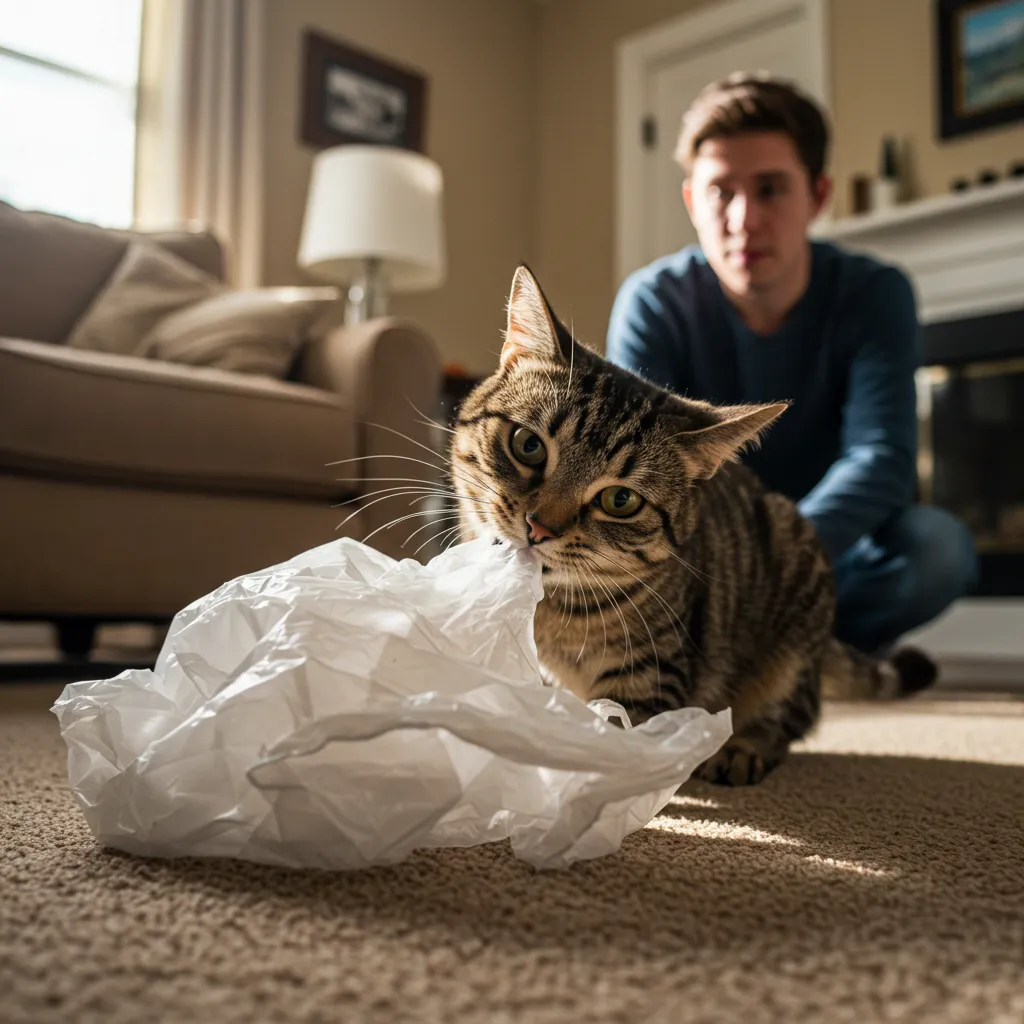
Have you ever caught your cat chewing on something bizarre like a plastic bag, fabric, or even your shoelaces? If so, your feline friend might be dealing with cat pica, a condition where cats eat or chew non-food items. This puzzling behavior can leave pet owners worried, confused, and searching for answers.
Is it dangerous? What’s causing it? And most importantly, how can you help your cat? This comprehensive guide dives deep into cat pica, its causes, symptoms, and actionable solutions, including the best diet for cats with pica, behavioral modification for pica, and natural remedies for cat pica. Backed by veterinary insights and practical tips, this article is your go-to resource to stop cat chewing behavior and keep your furry companion healthy and happy.
What Is Cat Pica? Understanding the Basics
Cat pica is a behavioral condition where cats compulsively eat or chew on non-food items like plastic, fabric, paper, or even household objects. Unlike normal curiosity or play, pica is persistent and can pose health risks, such as intestinal blockages or nutritional imbalances. According to the American Veterinary Medical Association (AVMA), pica is relatively common in cats but often misunderstood, making early recognition critical.
Why Cats Eat Plastic or Fabric: The Pica Puzzle
So, why do cats eat plastic or fabric? The behavior can stem from a mix of medical, psychological, and environmental factors. Some cats are drawn to the texture or smell of certain materials, while others may be addressing an underlying issue. Here’s a quick breakdown of what pica looks like:
- Common items: Plastic bags, wool, rubber bands, cardboard, or even houseplants.
- Signs to watch for: Excessive chewing, swallowing non-food items, vomiting, or changes in appetite.
- Potential risks: Dental damage, intestinal obstructions, or toxic ingestion.
This guide will unpack the causes of pica in cats, offer pica in cats treatment options, and provide a cat pica diet plan to address the root of the problem.
Key Takeaways: Your Roadmap to Managing Cat Pica
- Understand the cause: Pica can be triggered by medical issues, nutritional deficiencies, stress, or boredom.
- Diet matters: A healthy diet for cats tailored to address nutritional deficiencies in cats can reduce pica behaviors.
- Enrich their world: Environmental enrichment for cats can curb boredom and stress-related chewing.
- Seek professional help: Veterinary evaluation is crucial to rule out medical conditions.
- Act early: Addressing cat pica symptoms promptly prevents serious health complications.
Unraveling the Causes of Cat Pica
To effectively manage cat pica, you need to understand its root causes. Pica isn’t just quirky behavior—it’s often a sign of an underlying issue. Let’s explore the primary drivers:
Genetic Predisposition
Certain breeds, like Siamese or Burmese, are more prone to cat chewing behavior due to genetic tendencies toward compulsive behaviors. These cats may naturally gravitate toward chewing or sucking on items like wool, a behavior known as “wool sucking.” If your cat is a purebred, their breed might play a role in their pica.
Nutritional Deficiencies in Cats
A diet lacking essential nutrients can lead to nutritional deficiencies in cats, prompting them to seek out non-food items to fill the gap. For example:
- Fiber deficiency: Cats may chew on plants or cardboard to satisfy a need for roughage.
- Mineral imbalances: Low levels of iron or zinc might drive cats to eat unusual items.
- Protein or fat shortages: Inadequate nutrition can trigger cravings for non-food substances.
A study published in the Journal of Feline Medicine and Surgery found that dietary imbalances are a common contributor to pica, making a healthy diet for cats a critical part of treatment.
Medical Conditions
Is pica dangerous for cats? It can be if it’s linked to an underlying medical issue. Conditions like the following may cause pica:
- Dental problems: Painful teeth or gums can lead to excessive chewing.
- Gastrointestinal issues: Inflammatory bowel disease (IBD) or parasites may trigger pica.
- Neurological disorders: Conditions like hyperthyroidism or brain lesions can alter behavior.
- Anemia: Low red blood cell counts may cause cats to eat non-food items.
Always consult a veterinarian to rule out these conditions before assuming pica is purely behavioral.
Environmental and Psychological Factors
Boredom, stress, or lack of stimulation can push cats toward pica. Environmental enrichment for cats is key to addressing these triggers. Common culprits include:
- Lack of stimulation: Cats with little to do may chew on objects out of boredom.
- Stress or anxiety: Changes like moving, new pets, or loud environments can spark cat behavioral problems.
- Early weaning: Kittens weaned too early may develop oral fixation behaviors, like wool sucking.
Real-life example: Sarah, a cat owner from Seattle, noticed her cat, Luna, chewing on plastic bags after a move to a new apartment. By introducing interactive toys and a consistent routine, Sarah reduced Luna’s pica significantly.
Cat Pica Symptoms: What to Look For
Recognizing cat pica symptoms early can prevent serious health issues. Watch for these red flags:
- Chewing or swallowing non-food items (plastic, fabric, string, etc.).
- Vomiting or gagging after eating non-food items.
- Lethargy, weight loss, or changes in appetite.
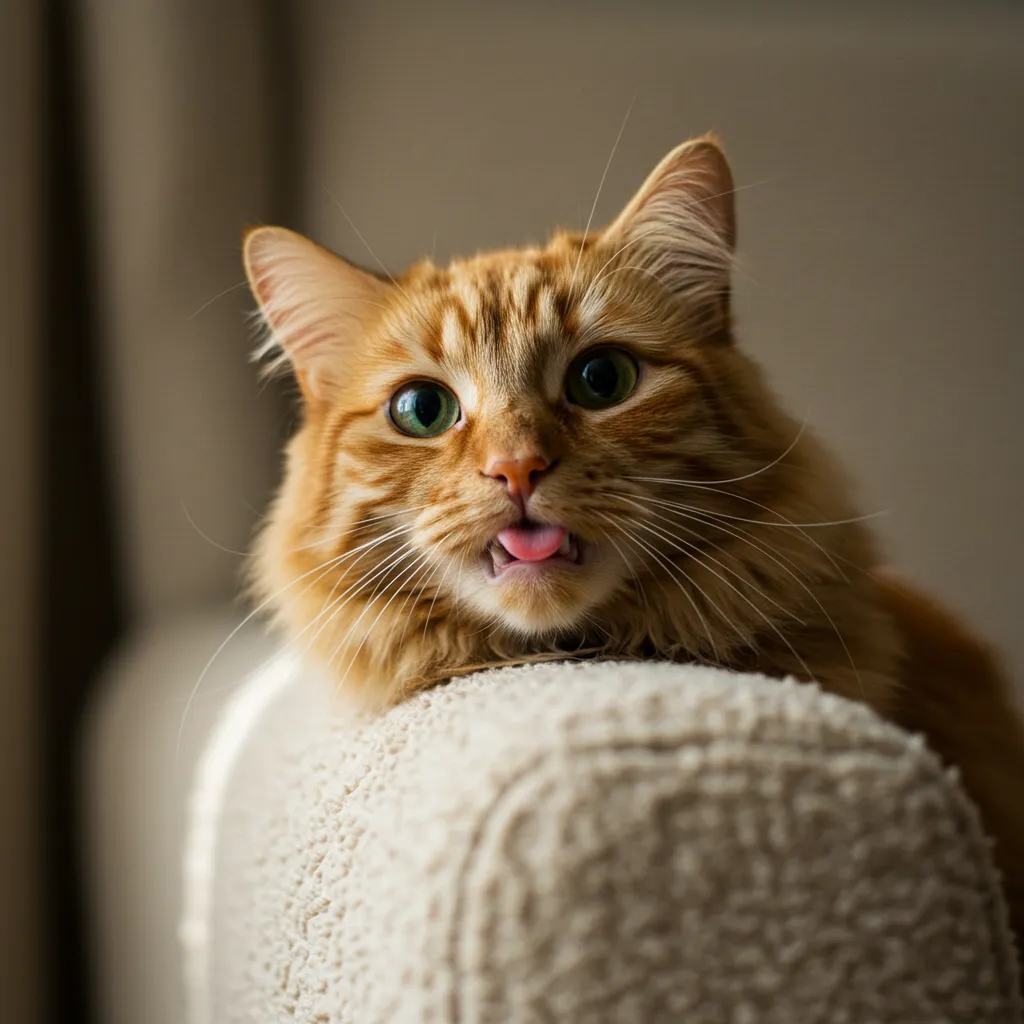
- Cat tongue behavior, such as excessive licking or sticking out the tongue, may indicate discomfort.
- Dental issues, like broken teeth or red gums, can occur from chewing hard objects.
If you notice these signs, schedule a vet visit to assess whether pica is the cause and to discuss pica in cats treatment options.
Managing Cat Pica: A Multi-Pronged Approach
Tackling cat pica requires a combination of medical evaluation, dietary changes, behavioral strategies, and environmental adjustments. Here’s how to create a comprehensive plan to manage cat pica.
Step 1: Veterinary Evaluation
Start with a thorough vet checkup to rule out medical causes. Your vet may recommend:
- Blood tests to check for nutritional deficiencies in cats or anemia.
- Dental exams to identify oral pain.
- Imaging (X-rays or ultrasounds) to detect blockages or abnormalities.
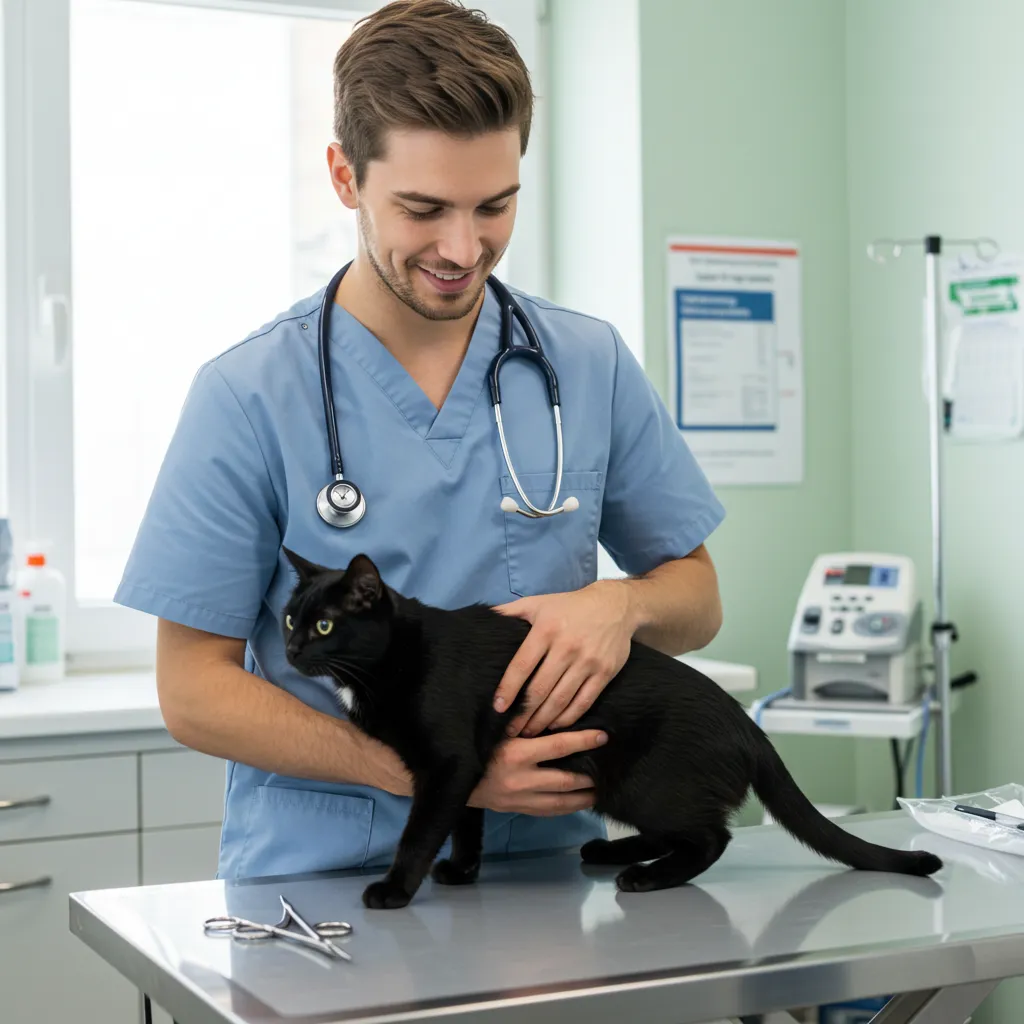
A vet can also prescribe medications for underlying conditions like hyperthyroidism or anxiety, which may contribute to pica.
Step 2: Crafting the Best Diet for Cats with Pica
Diet plays a massive role in managing cat pica. A cat pica diet plan should address potential nutritional deficiencies and satisfy your cat’s natural instincts. Here’s how to build a healthy diet for cats with pica:
Key Nutritional Needs for Cats with Pica
Cats are obligate carnivores, meaning they thrive on high-protein, meat-based diets. A balanced diet should include:
- High-quality protein: At least 30–40% of the diet, from sources like chicken, turkey, or fish.
- Essential fatty acids: Omega-3s and omega-6s support skin, coat, and brain health.
- Fiber: Moderate fiber from sources like pumpkin or psyllium husk can reduce cravings for non-food items.
- Vitamins and minerals: Ensure adequate levels of taurine, zinc, and B vitamins to prevent deficiencies.
Sample Cat Pica Diet Plan
Here’s a sample daily diet plan for a 10-pound cat with pica, designed to meet cat nutritional needs:
| Meal | Food Type | Portion | Notes |
|---|---|---|---|
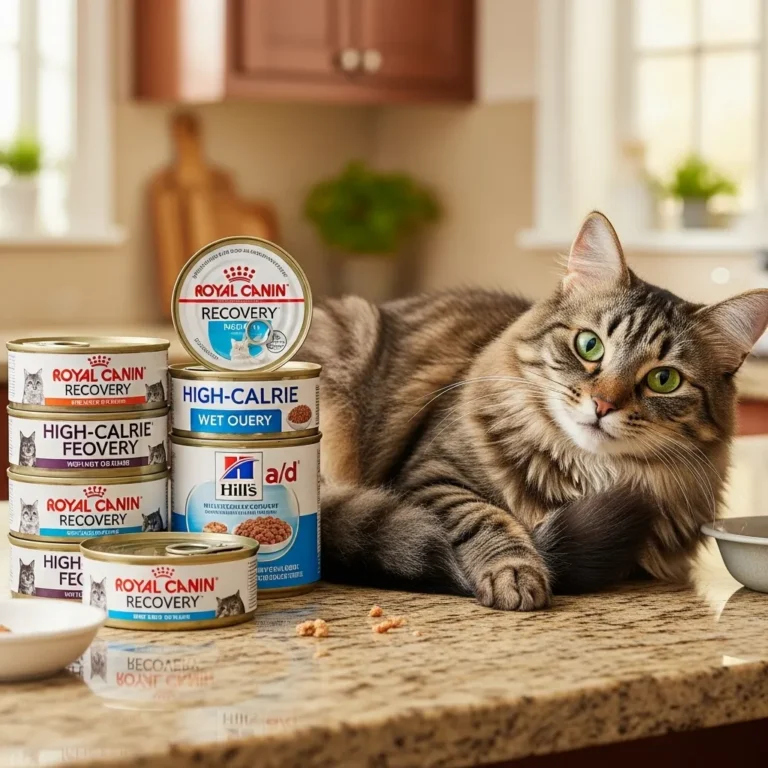
| Breakfast | Wet food (high-protein, grain-free) | 3 oz | Choose brands like Royal Canin or Hill’s Science Diet with balanced nutrients. |
| Midday Snack | Freeze-dried raw treats | 5–10 pieces | High-protein treats like Stella & Chewy’s satisfy chewing urges. |
| Dinner | Wet food with added fiber | 3 oz + 1 tsp pumpkin | Pumpkin adds fiber to curb plant-chewing behaviors. |
| Evening | High-fiber dry kibble | ¼ cup | Opt for vet-recommended kibble to support digestion. |
Pro Tip: Transition to a new diet gradually over 7–10 days to avoid digestive upset. Consult your vet to customize the plan.
Homemade Diet for Cats with Pica
For owners interested in a homemade diet for cats with pica, work with a veterinary nutritionist to ensure balance. A simple recipe might include:
- Ingredients: 1 lb ground chicken, 1 tbsp fish oil, 1 tsp taurine supplement, 1 tbsp cooked pumpkin.
- Preparation: Cook chicken thoroughly, mix with supplements, and serve in small portions.
- Caution: Homemade diets must meet AAFCO guidelines to avoid deficiencies.

Step 3: Behavioral Modification for Pica
Behavioral modification for pica focuses on redirecting your cat’s chewing urges and reducing stress. Try these strategies:
- Redirect chewing: Offer safe chew toys, like catnip-filled toys or dental chews, to satisfy their oral fixation.
- Positive reinforcement: Reward your cat with treats or praise when they chew appropriate items.
- Stress reduction: Use pheromone diffusers like Feliway to create a calming environment.
- Training: Gently interrupt pica behavior with a noise (e.g., clapping) and redirect to a toy.
Real-life example: Mark from Chicago trained his cat, Milo, to chew on a rubber toy instead of electrical cords by rewarding him with treats each time he chose the toy.
Step 4: Environmental Enrichment for Cats
A stimulating environment can prevent cat behavioral problems like pica. Here are practical environmental enrichment for cats ideas:
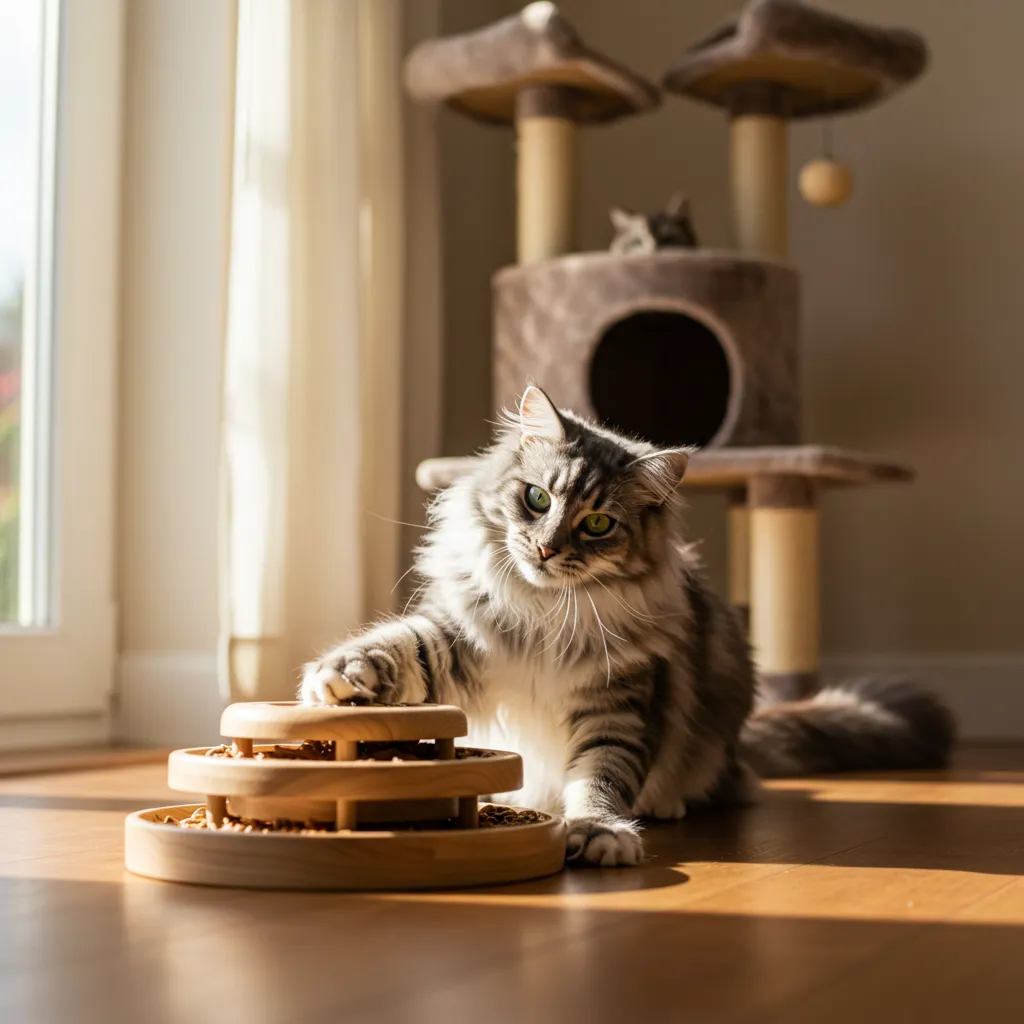
- Interactive toys: Puzzle feeders or laser pointers keep cats mentally engaged.
- Vertical spaces: Cat trees or shelves encourage climbing and exploration.
- Safe chewing options: Provide cat grass or edible plants to satisfy chewing urges.
- Rotate toys: Introduce new toys weekly to prevent boredom.
Comparison Table: Environmental Enrichment Strategies
| Strategy | Benefits | Cost | Ease of Implementation |
|---|---|---|---|
| Puzzle Feeders | Stimulates mental activity, slows eating | $10–$30 | Easy |
| Cat Trees | Encourages exercise, reduces stress | $50–$150 | Moderate |
| Cat Grass | Safe chewing alternative | $5–$15 | Very Easy |
| Interactive Toys | Promotes play, reduces boredom | $5–$25 | Easy |
Step 5: Natural Remedies for Cat Pica
For owners seeking natural remedies for cat pica, consider these vet-approved options:
- Herbal supplements: Valerian root or chamomile can reduce anxiety-related pica (consult your vet first).
- Probiotics: Improve gut health, which may reduce cravings caused by digestive issues.
- Catnip or silver vine: These can redirect chewing to safe, stimulating items.
Caution: Always check with a vet before introducing supplements to avoid interactions or overdosing.
Is Pica Dangerous for Cats?
Yes, pica in cats can be dangerous if left unaddressed. Potential risks include:
- Intestinal blockages: Swallowing items like string or plastic can require emergency surgery.
- Toxic ingestion: Chewing on toxic plants or chemicals can cause poisoning.
- Dental damage: Hard objects can fracture teeth or injure gums.
Prompt intervention with diet, enrichment, and veterinary care can mitigate these risks.
How to Stop Cat Pica: A Step-by-Step Plan
Here’s a comprehensive plan to stop cat pica:
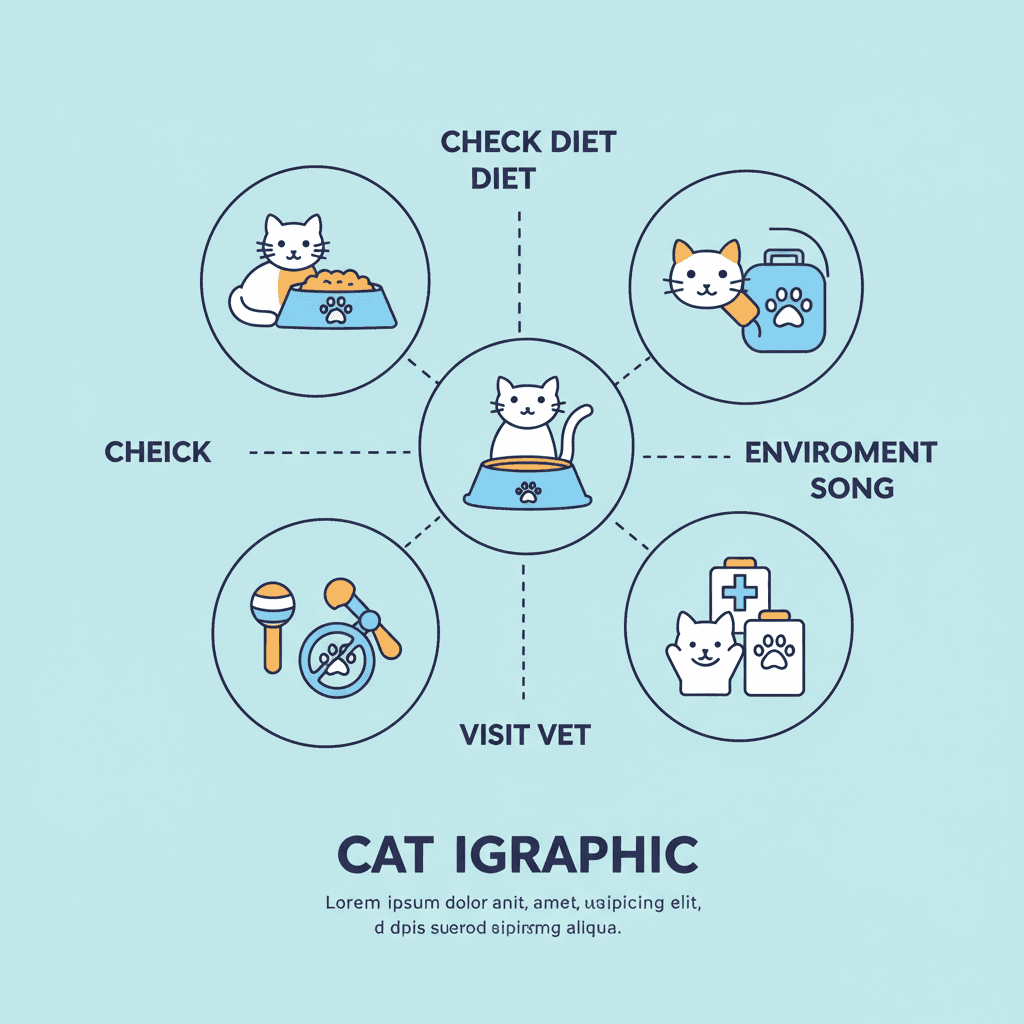
- Visit the Vet: Rule out medical causes with a full health check.
- Optimize Diet: Switch to a cat pica diet plan that addresses nutritional deficiencies in cats.
- Enrich the Environment: Add toys, climbing structures, and safe chewing options.
- Modify Behavior: Use redirection and positive reinforcement to curb chewing.
- Monitor Progress: Track your cat’s behavior and consult your vet if pica persists.
Cat Tongue Behavior and Pica: Is There a Connection?
You might wonder, “Is pica a reason why my cat may stick out their tongue?” Sometimes, yes. Excessive licking or tongue protrusion can signal discomfort from dental issues or neurological conditions linked to pica. If your cat’s cat tongue behavior seems unusual, have their mouth and overall health checked by a vet.
FAQs About Cat Pica
What is pica in cats?
Pica in cats is a condition where they compulsively eat or chew non-food items like plastic, fabric, or paper, often due to medical, nutritional, or behavioral issues.
What can contribute to the development of pica in cats?
Causes include genetic predisposition (e.g., Siamese breeds), nutritional deficiencies in cats, medical conditions (e.g., dental pain, anemia), stress, or lack of environmental enrichment for cats.
How can I manage cat pica with diet?
Provide a healthy diet for cats with high protein, fiber, and essential nutrients. A cat pica diet plan with wet food, fiber additives like pumpkin, and vet-approved treats can help.
What other strategies can help manage cat pica?
Use behavioral modification for pica (e.g., redirection, positive reinforcement), environmental enrichment for cats (e.g., toys, cat trees), and natural remedies for cat pica like probiotics or calming herbs.
How can I develop a comprehensive plan to manage cat pica?
Combine veterinary evaluation, a tailored cat pica diet plan, environmental enrichment for cats, and behavioral modification for pica. Monitor progress and adjust as needed.
Is pica dangerous for cats?
Yes, pica can lead to intestinal blockages, toxic ingestion, or dental damage. Early intervention is key to preventing complications.
Conclusion: Take Control of Cat Pica Today
Cat pica is a complex but manageable condition. By understanding the causes of pica in cats, addressing cat nutritional needs, and implementing environmental enrichment for cats, you can help your feline friend overcome their chewing habits. A healthy diet for cats, combined with behavioral modification for pica and vet-guided care, is the key to success. Start by scheduling a vet visit, tweaking your cat’s diet, and enriching their environment today.