The History of Cat Litter: From Ancient Sands to Modern Innovations
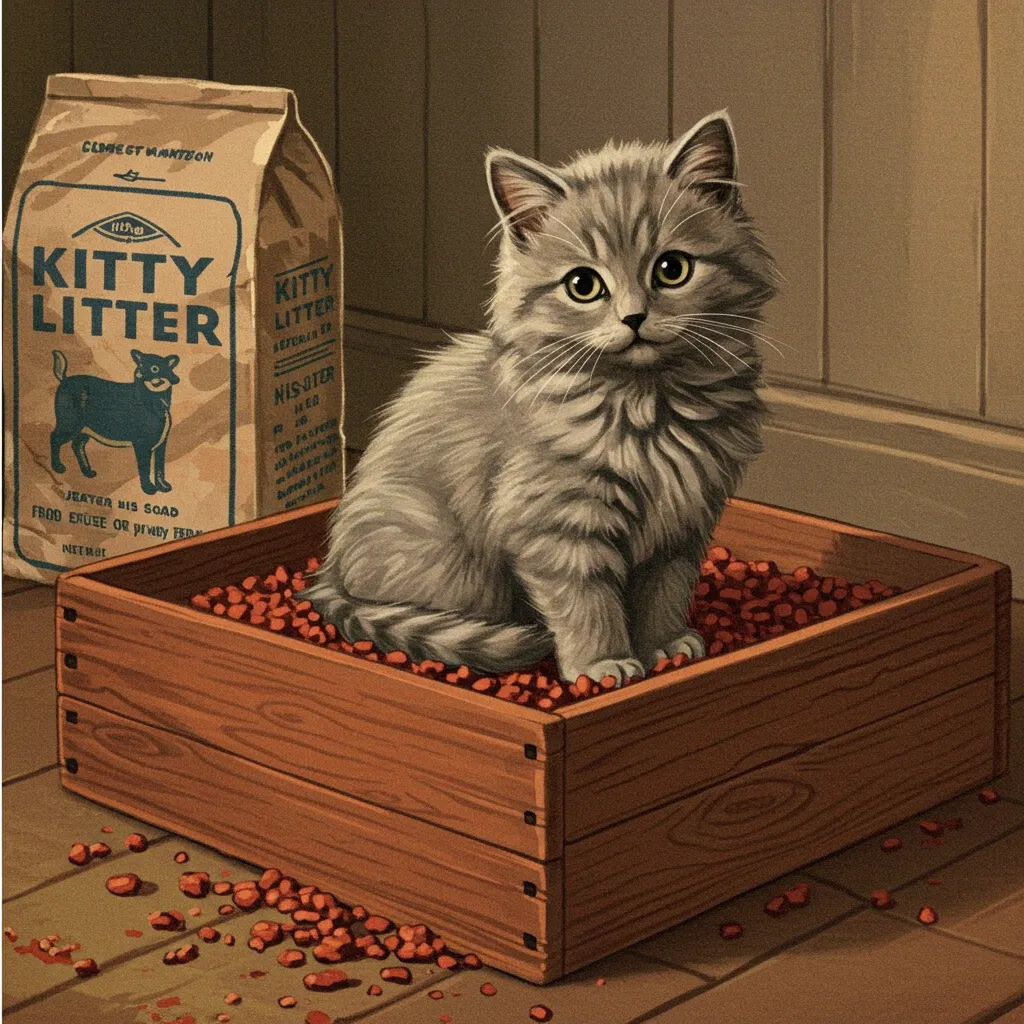
The history of cat litter is a fascinating journey that transformed how we care for our feline friends, making indoor pet ownership cleaner, easier, and more sustainable. From dusty ashes to eco-friendly plant-based formulas, the evolution of cat litter reflects human ingenuity and our deepening bond with cats.
In this comprehensive guide, we’ll explore when cat litter was invented, who pioneered it, and how it revolutionized pet care. You’ll discover the origins of kitty litter, the science behind clumping formulas, and what the future holds for sustainable cat litter options. Let’s dive into the story of this everyday essential that changed the cat-human relationship forever.
Key Takeaways
- Invention Milestone: Cat litter was invented in 1947 by Edward Lowe, who discovered the absorbent power of fuller’s earth clay.
- Before Cat Litter: People used sand, ashes, or dirt to manage cat waste, which was messy and less effective.
- Clumping Innovation: Biochemist Thomas Nelson introduced clumping cat litter in the 1980s, using sodium bentonite clay for superior absorption.
- Sustainability Shift: Modern cat litter includes eco-friendly options like plant-based, biodegradable materials.
- Impact on Pet Ownership: Cat litter made indoor cat care practical, strengthening the cat-human bond.
- Explore More: Learn about feline behavior and care in our cat training and behavior guide.
The Early Days: What Did People Use Before Cat Litter?
Before the invention of cat litter, cat owners faced a messy challenge. Indoor cats were less common, but those who kept cats indoors relied on makeshift solutions for waste management. Common materials included:
- Sand: Often sourced from beaches or backyards, sand was a go-to but clumped poorly and tracked easily.
- Ashes: Fireplace ashes were absorbent but dusty, creating respiratory issues for both cats and humans.
- Dirt or Soil: Rural households used dirt, which was readily available but lacked odor control.
- Newspaper or Rags: Urban dwellers sometimes lined boxes with paper or cloth, which quickly became soggy and smelly.
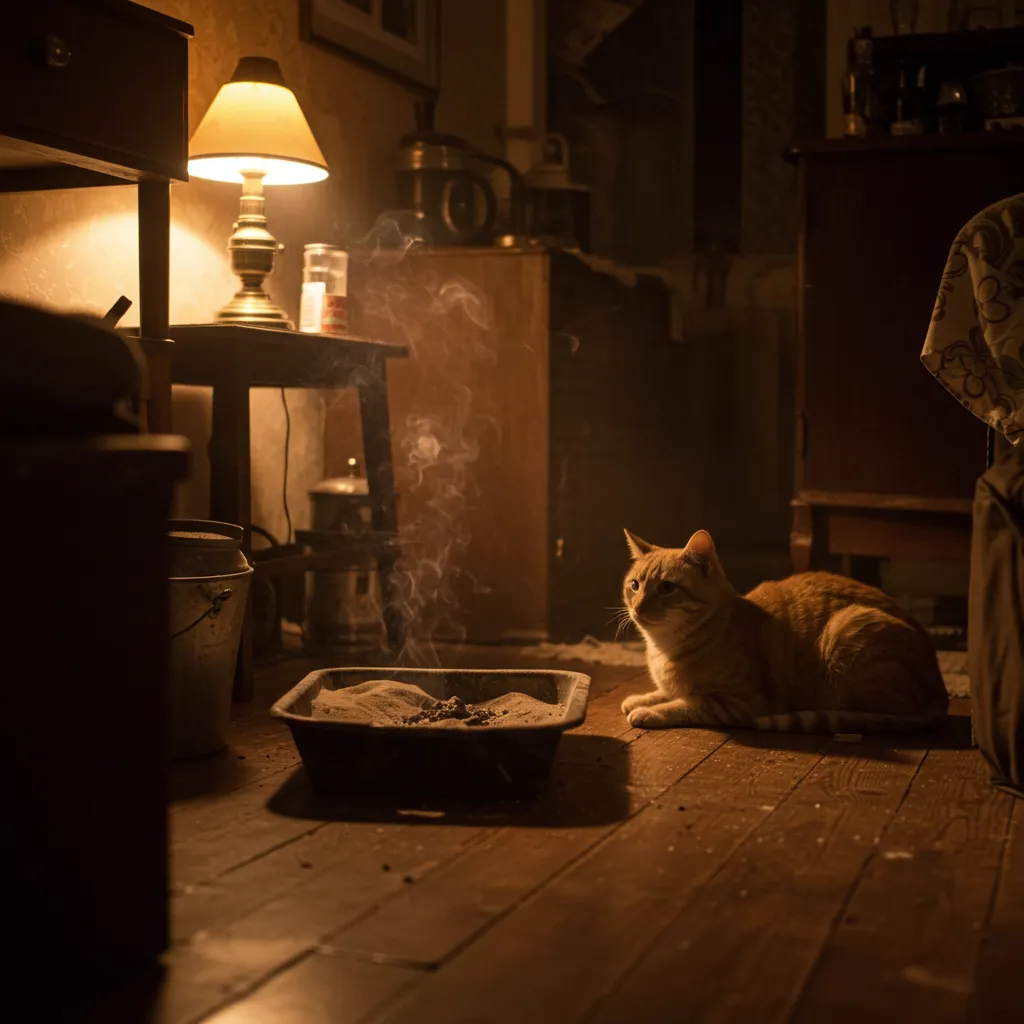
These solutions were far from ideal, often requiring frequent cleaning and offering little odor control. The need for a better option set the stage for a game-changing invention. Curious about how cats behave in their litter boxes? Check out our litter box frequency guide.
Edward Lowe’s Breakthrough: The Birth of Kitty Litter
The Accidental Discovery
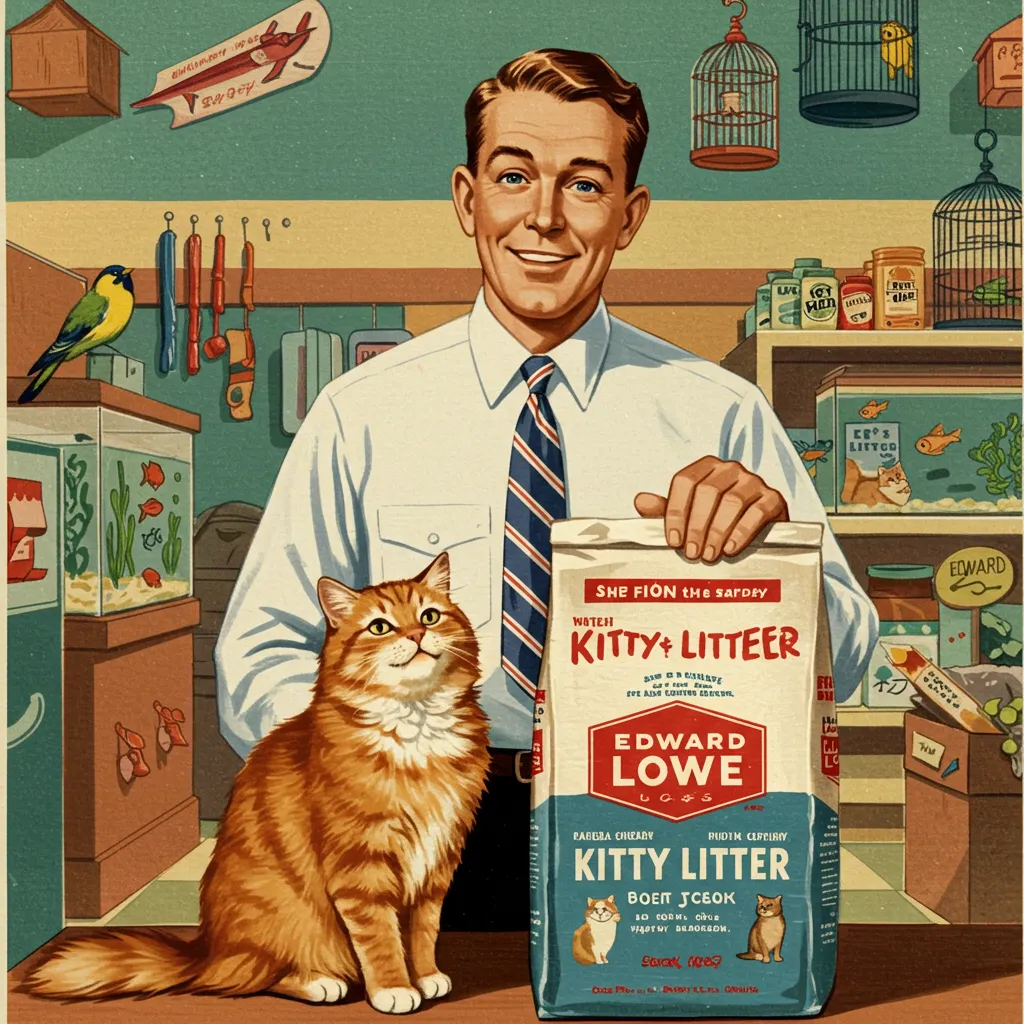
In 1947, Edward Lowe, a young entrepreneur from Michigan, stumbled upon a revolutionary idea. When a neighbor, Kay Draper, asked for sand to fill her cat’s litter box, Lowe, who worked in his family’s clay business, suggested trying fuller’s earth—a highly absorbent clay used in industrial cleanup. Draper was thrilled with the results: the clay absorbed moisture and odors far better than sand.
Lowe saw an opportunity. He packaged the clay in 5-pound bags, labeled it “Kitty Litter,” and began selling it for 65 cents at pet stores and hardware shops. At the time, sand cost just pennies, so convincing pet owners to pay more was a challenge. Lowe’s persistence paid off as he demonstrated the product at cat shows, proving its superior absorbency and convenience.
The Rise of the Kitty Litter Brand
By the 1950s, Kitty Litter became a household name. Lowe’s marketing savvy—handing out free samples and targeting cat enthusiasts—helped the product gain traction. He founded Edward Lowe Industries and later the Edward Lowe Foundation to support entrepreneurs, cementing his legacy as a pet care innovator. The Kitty Litter brand history is a testament to how one simple idea transformed an industry.
Want to learn more about how cats interact with their environment? Explore our cat pawing surfaces guide.
The Geological Backbone: Bentonite Clay and Cat Litter
Why Clay? The Science of Absorption
The magic of early cat litter lay in fuller’s earth, a clay rich in minerals like bentonite. Bentonite clay, particularly sodium bentonite, became the cornerstone of cat litter due to its unique properties:
- High Absorbency: Sodium bentonite can absorb up to 15 times its weight in liquid, locking in moisture.
- Odor Control: The clay traps ammonia and other odors, keeping litter boxes fresher longer.
- Clumping Potential: Sodium bentonite forms tight clumps when wet, a feature that would later revolutionize litter design.
Clay Mining for Cat Litter
Bentonite clay is primarily mined in states like Wyoming, Montana, and South Dakota, where vast deposits formed millions of years ago. Wyoming’s bentonite mines, in particular, supply much of the U.S. cat litter industry. The clay is extracted, processed, and ground into granules suitable for litter production. Non-clumping clays, like calcium bentonite, were used in early litters, but sodium bentonite’s clumping ability made it the gold standard.

For more on how cat products are made, check out our cat food nutrition guide.
The Clumping Revolution: A Biochemist’s Breakthrough
Enter Thomas Nelson
In the early 1980s, biochemist Thomas Nelson made a pivotal contribution to the cat litter industry. While researching absorbent materials, he discovered that sodium bentonite could form scoopable clumps when exposed to moisture. This led to the introduction of clumping cat litter, first marketed as “Tidy Cats” in 1984. Clumping litter allowed owners to remove waste easily without replacing the entire box, saving time and money.
Clumping vs. Non-Clumping Litter
- Clumping Litter: Made from sodium bentonite, it forms solid clumps for easy scooping. It accounts for about 60% of the U.S. cat litter market.
- Non-Clumping Litter: Typically made from calcium bentonite or other materials, it absorbs but doesn’t form clumps, requiring more frequent box changes.
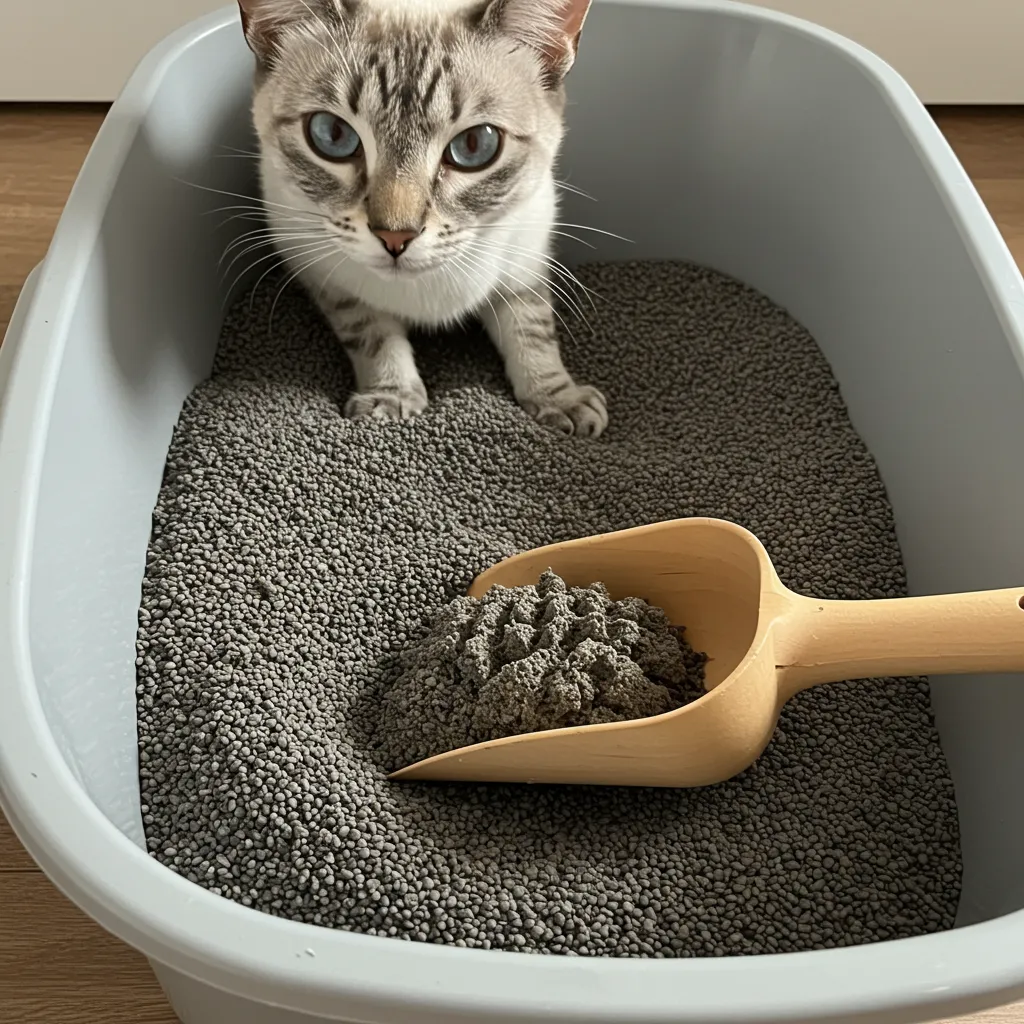
Clumping litter’s convenience made it a favorite among cat owners, though it’s less eco-friendly due to clay mining. Curious about keeping your cat’s litter box clean? See our litter training guide.
The Cat-Human Connection: How Litter Changed Pet Ownership
Cats Before Litter: A Historical Perspective
Cats have been domesticated for over 10,000 years, initially valued for their pest-control skills. In ancient Egypt, cats were revered, often mummified alongside their owners. In medieval Europe, they protected grain stores from rodents. However, keeping cats indoors was rare due to the lack of effective waste management. Early cat-human relationships were practical, not emotional.
The invention of cat litter in 1947 made indoor cat ownership feasible. Suddenly, apartments and urban homes could accommodate cats without the mess of sand or ashes. This shift deepened the emotional bond between cats and humans, turning felines into beloved companions. Learn more about this bond in our cat-human bond guide.

Cultural Shifts and Gender Roles
Interestingly, early cat litter marketing often targeted women, reinforcing gender roles of the time. Ads portrayed cat care as a homemaker’s duty, with slogans emphasizing cleanliness and convenience. Over time, as pet ownership diversified, marketing became more inclusive, reflecting cats’ universal appeal.
The Cat Litter Industry: Growth and Innovation
From Niche to Necessity
The cat litter industry exploded after Lowe’s invention. By the 1990s, brands like Tidy Cats, Fresh Step, and World’s Best Cat Litter competed fiercely, introducing innovations like scented litters and lightweight formulas. Today, the global cat litter market is worth over $5 billion, driven by rising pet ownership and demand for premium products.
Modern Cat Litter Types
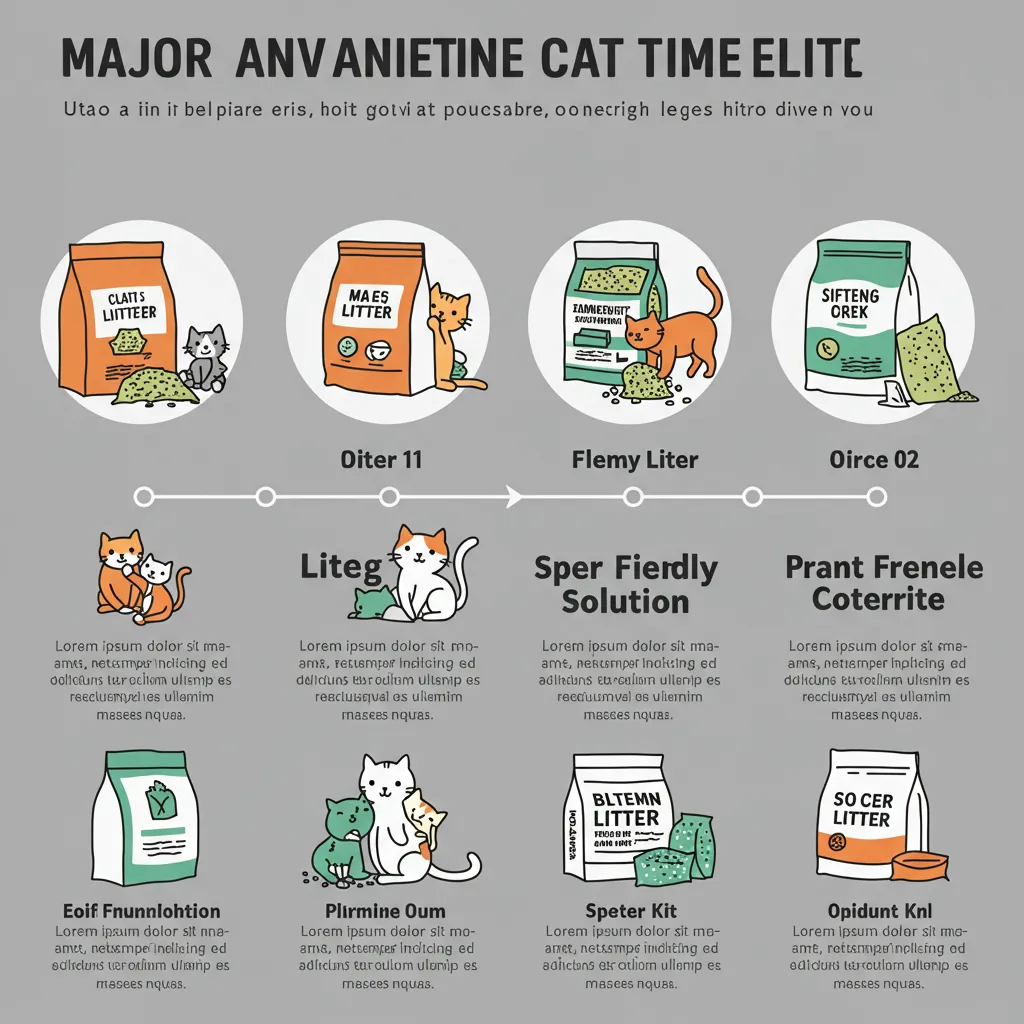
- Clay-Based: Still dominant, with clumping and non-clumping options.
- Silica Gel: Crystal-like granules that absorb moisture and control odors.
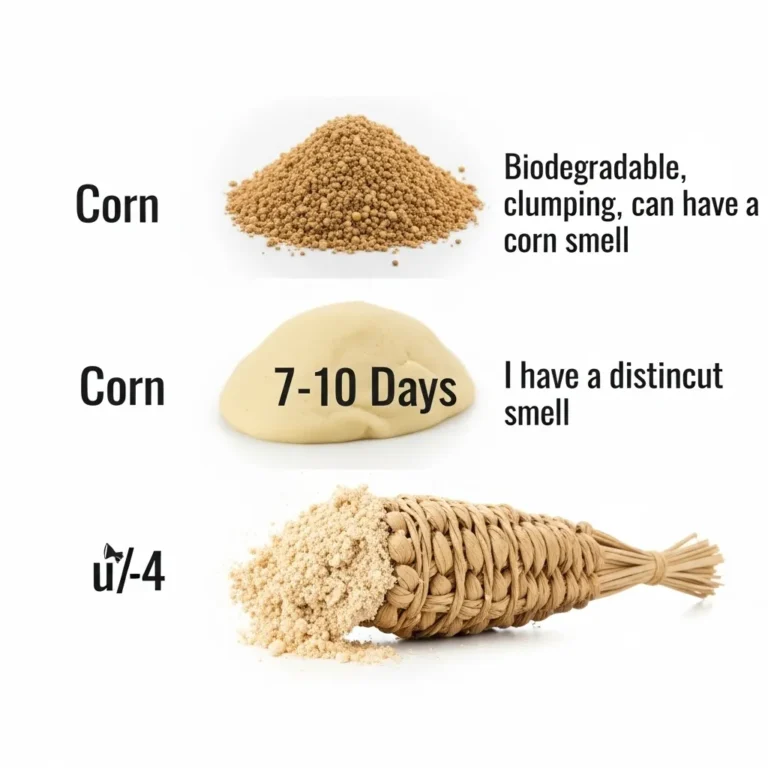
- Plant-Based: Made from corn, wheat, or pine, these are biodegradable and eco-friendly.
- Recycled Paper: Lightweight and dust-free, ideal for cats with respiratory issues.
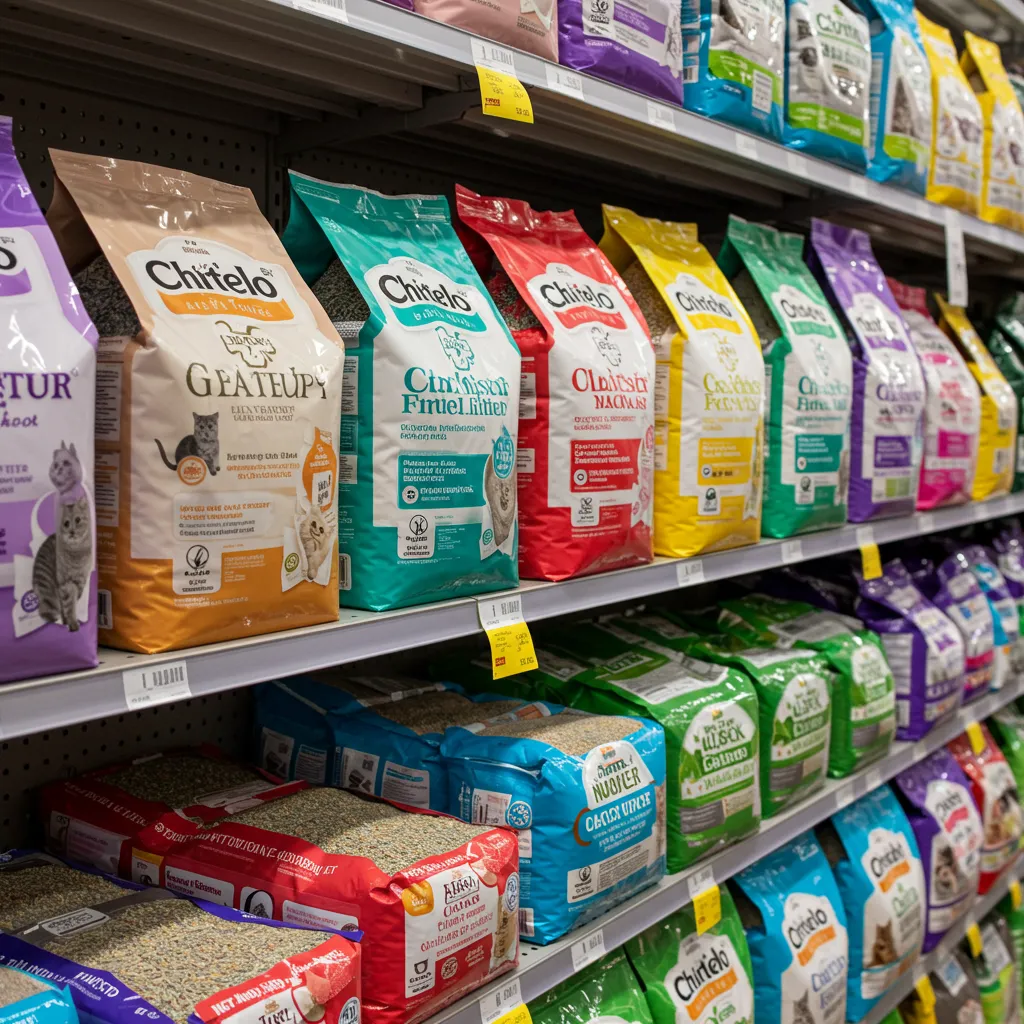
For tips on choosing the right litter for your cat, explore our cat care guide.
Eco-Friendly Innovations: The Future of Cat Litter
The Rise of Sustainable Options
As environmental concerns grow, the cat litter industry is shifting toward sustainability. Biodegradable cat litter, made from materials like corn, wheat, or walnut shells, is gaining popularity. These options break down naturally, reducing landfill waste compared to clay-based litters. Plant-based litters, like World’s Best Cat Litter, also offer clumping and odor control without the environmental toll of mining.
Chicken Feed as a Litter Alternative?
Some cat owners have experimented with chicken feed, like cracked corn or wheat, as a budget-friendly, biodegradable alternative. While it absorbs moisture, it lacks the odor control and clumping ability of commercial litters. Experts recommend sticking to purpose-made products to avoid health risks like mold growth or pest attraction. For safe alternatives, check out our homemade cat litter ideas.
What’s Next for Cat Litter?
The future of cat litter lies in innovation. Companies are developing:
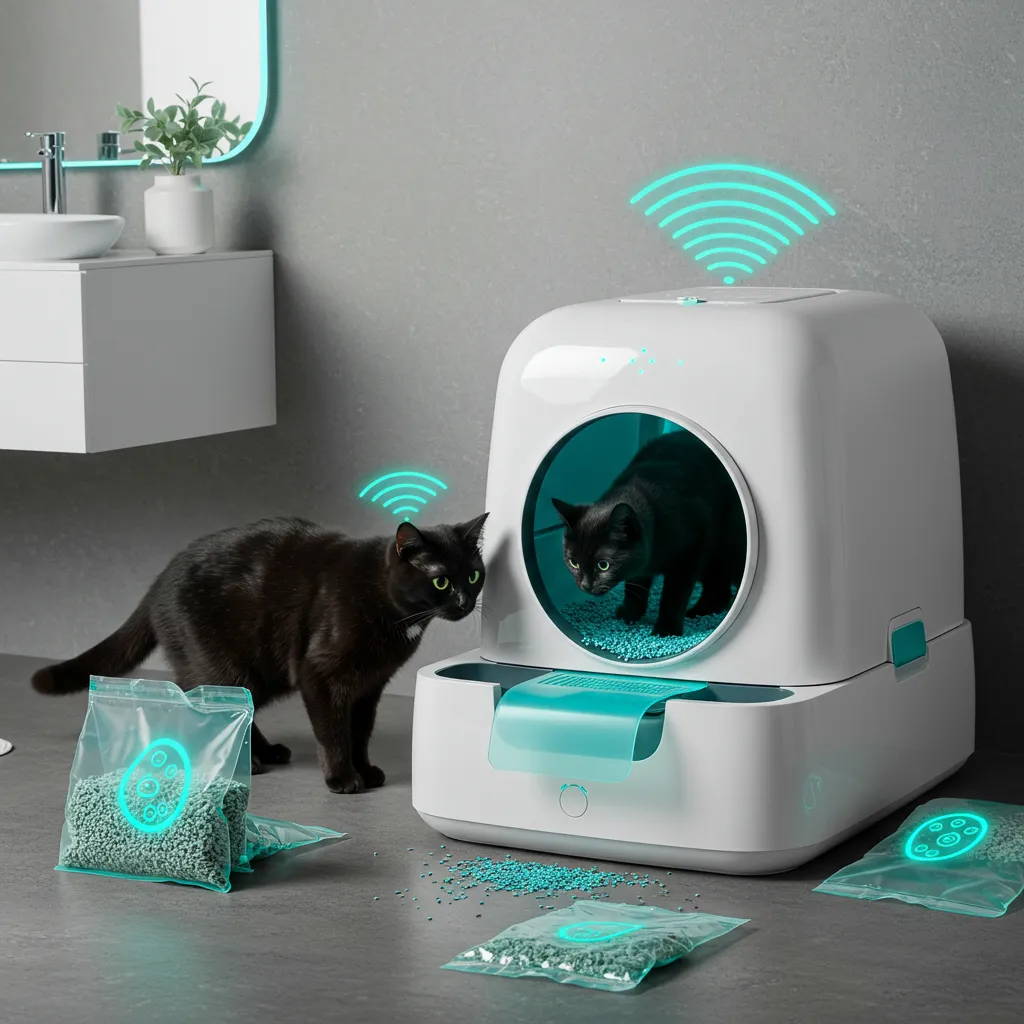
- Smart Litters: Sensors that monitor cat health through waste patterns.
- Compostable Litters: Fully biodegradable options that decompose in home compost systems.
- Recycled Materials: Litters made from upcycled agricultural byproducts.
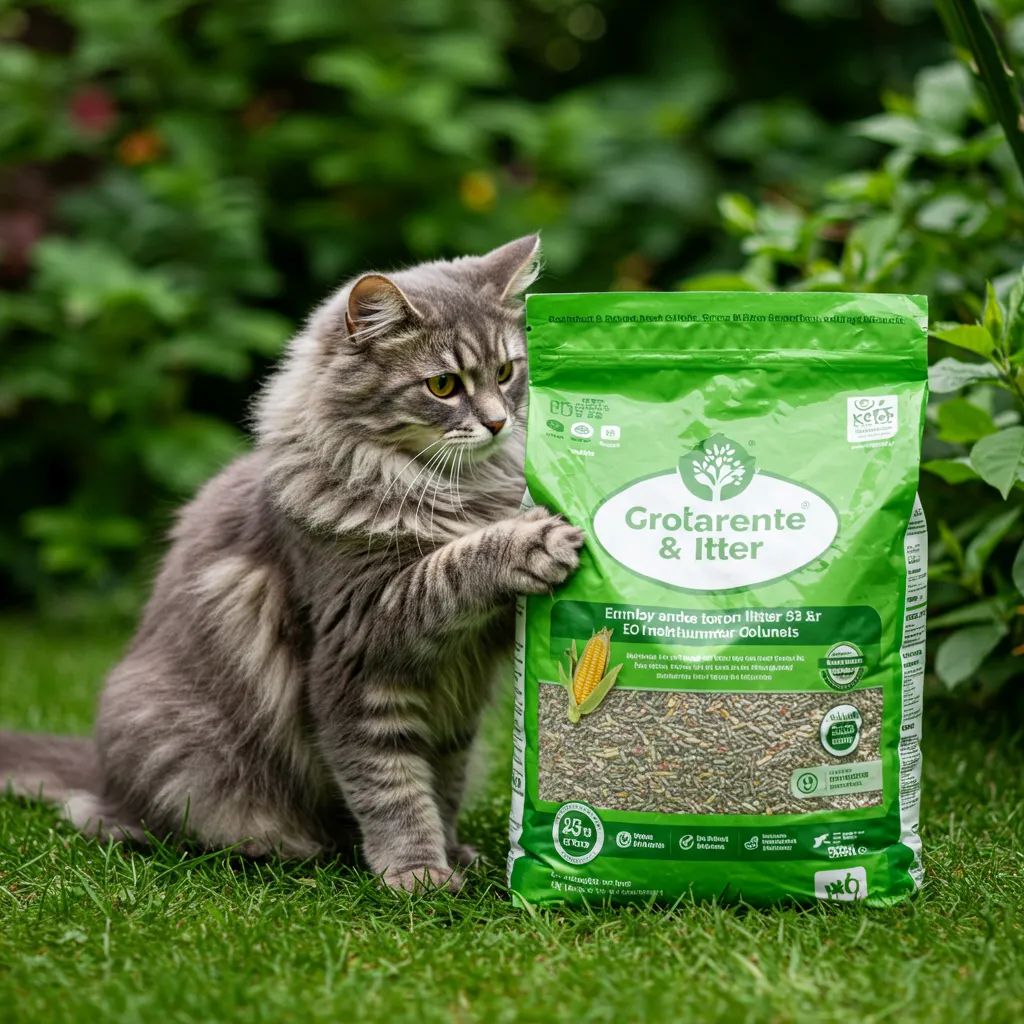
Stay updated on pet care trends with our cat litter market trends guide.
Cat Litter Timeline: Key Milestones
| Year | Event |
|---|---|
| Pre-1947 | Sand, ashes, and dirt used for cat waste management. |
| 1947 | Edward Lowe invents Kitty Litter using fuller’s earth clay. |
| 1950s | Kitty Litter brand gains popularity through cat shows and demos. |
| 1984 | Thomas Nelson introduces clumping cat litter with sodium bentonite. |
| 1990s | Plant-based and silica gel litters emerge as alternatives. |
| 2000s | Eco-friendly litters gain traction as sustainability becomes a priority. |
| 2025 | Smart and compostable litters pave the way for future innovations. |
FAQ: Quick Answers to Common Cat Litter Questions
When was cat litter invented?
Cat litter was invented in 1947 by Edward Lowe, who discovered the absorbent properties of fuller’s earth clay.
What did people use before cat litter?
Before 1947, cat owners used sand, ashes, dirt, or newspaper, which were messy and lacked odor control.
Who invented Kitty Litter?
Edward Lowe created the Kitty Litter brand, launching it after his 1947 discovery.
What is the Edward Lowe Foundation?
The Edward Lowe Foundation supports entrepreneurship, continuing Lowe’s legacy of innovation.
What are the main types of cat litter clay?
Sodium bentonite (clumping) and calcium bentonite (non-clumping) are the primary clays used.
Where is cat litter clay sourced?
Most U.S. cat litter clay comes from Wyoming, Montana, and South Dakota.
How did cat litter change pet ownership?
Cat litter made indoor cat care practical, increasing pet ownership and strengthening human-cat bonds.
What are eco-friendly cat litter options?
Plant-based litters (corn, wheat, pine) and recycled paper litters are sustainable alternatives.
Is chicken feed a safe cat litter alternative?
Chicken feed is not recommended due to poor odor control and potential health risks like mold.
What’s the future of cat litter?
Expect smart litters, compostable options, and recycled materials to dominate by 2025.
For more on keeping your cat healthy, see our cat health care guide.
Conclusion: A Legacy of Feline Care
The history of cat litter is more than a tale of clay and convenience—it’s a story of innovation that reshaped the cat-human relationship. From Edward Lowe’s accidental discovery to the rise of clumping and eco-friendly litters, this everyday product has made indoor cat ownership accessible and enjoyable. As we look to 2025, sustainable and tech-driven solutions promise to keep evolving, ensuring our feline friends live in comfort and our planet stays healthier.
Ready to dive deeper into cat care? Explore more expert tips and guides on Cat Bloom Haven to keep your kitty happy and healthy.