Why Does My Cat Fart When I Pick Him Up? A Complete Guide to Cat Flatulence
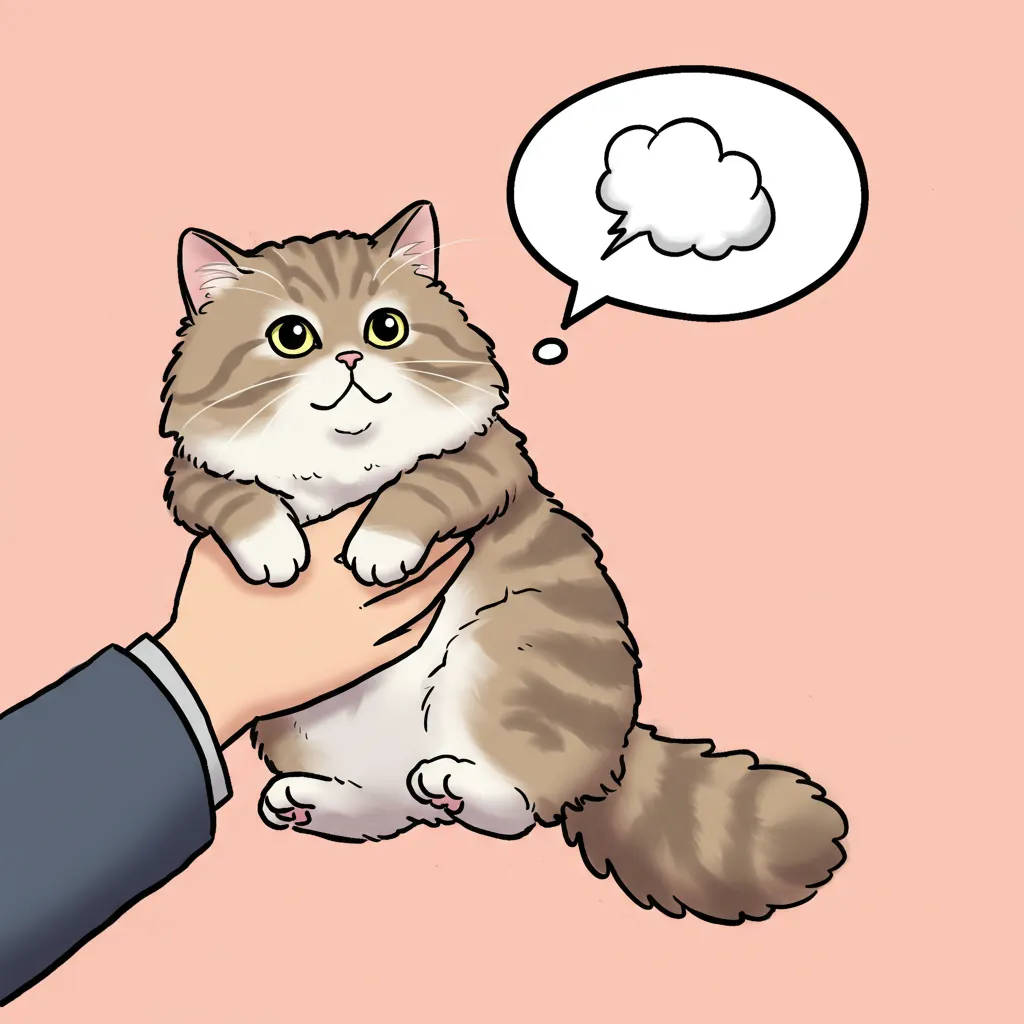
Ever scooped up your furry friend only to be met with an unexpected toot? If you’re wondering, “Why does my cat fart when I pick him up?” you’re not alone. Cat flatulence, especially when triggered by being lifted, can be both surprising and a bit embarrassing for you and your cat!
While it might spark a giggle (or a viral TikTok moment), persistent or smelly cat farts could signal something worth investigating. In this comprehensive guide, we’ll uncover why your cat might be gassing you out, explore the feline digestive system, and share vet-backed tips to reduce cat gas. Whether it’s diet, stress, or a health issue, we’ve got you covered with practical solutions to keep your cat—and your nose—happy.
Key Takeaways
- Cat farting when picked up is often caused by pressure on the abdomen, diet, or underlying health issues like food sensitivities or parasites.
- The feline digestive system is sensitive, and factors like diet, stress, or improper feeding can lead to gas buildup.
- Smelly or frequent cat farts may indicate gastrointestinal issues, requiring a vet’s attention.
- Simple changes like adjusting your cat’s diet, feeding techniques, or exercise routine can help prevent cat gas.
- Regular vet checkups are key to addressing cat gut health and catching issues early.
- Explore our detailed guide on cat health and nutrition for more tips.
Why Does My Cat Fart When I Pick Him Up?
When you lift your cat, you might unintentionally trigger a release of gas. This happens because picking up your cat puts gentle pressure on their abdomen, squeezing air out of their digestive tract. Think of it like squeezing a balloon—sometimes, the air has to go somewhere! But why is there gas in the first place? Let’s break it down:
- Physical Pressure: Lifting your cat compresses their stomach and intestines, pushing out trapped air. This is especially common if they’ve just eaten or are prone to bloating.
- Stress Response: Some cats get anxious when picked up, causing their digestive system to react. Stress can speed up digestion or cause muscle tension, leading to a fart.
- Dietary Causes: Foods that are hard to digest, like low-quality kibble or table scraps, can create excess gas in your cat’s gut.
- Health Issues: Underlying conditions like food sensitivities, parasites, or gastrointestinal disorders can make your cat gassier than usual.
If your cat’s farts are occasional and odorless, it’s likely harmless. But if they’re frequent, smelly, or paired with symptoms like vomiting or lethargy, it’s time to dig deeper. Let’s explore the feline digestive system to understand why this happens.
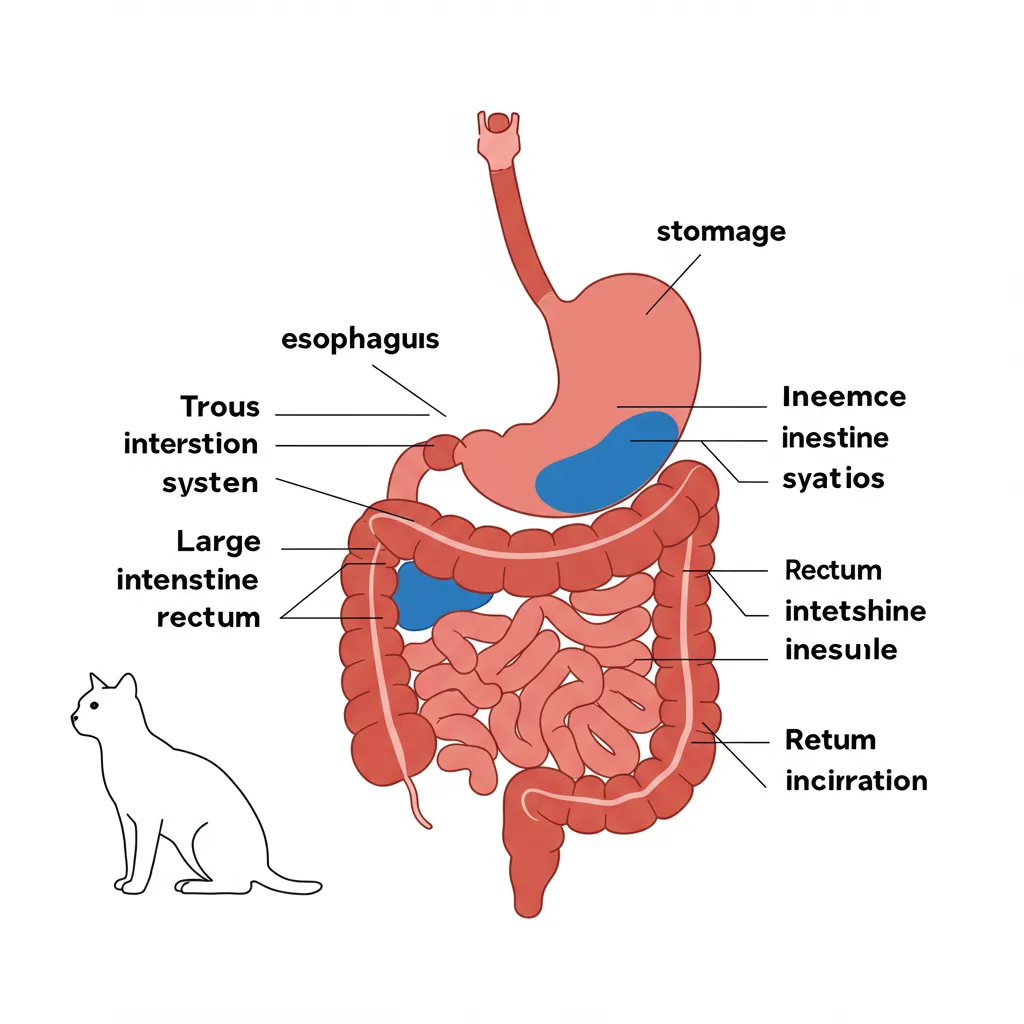
Understanding the Feline Digestive System
To get why your cat farts, we need to peek inside their digestive system. Cats are obligate carnivores, meaning their bodies are designed to process meat-based diets. Their digestive tract is shorter than a human’s, optimized for quick digestion but sensitive to imbalances. Here’s how it works:
- Mouth and Stomach: Digestion begins when your cat eats. Their stomach breaks down proteins with strong acids, but carbs or fillers can linger, causing gas.
- Small Intestine: Nutrients are absorbed here. If food moves too quickly or contains hard-to-digest ingredients, gas can form.
- Large Intestine: Bacteria ferment undigested food, producing gas. Excess fermentation from poor diet or health issues leads to flatulence.
- Rectum: Gas builds up here and is released as a fart, especially when external pressure (like lifting) forces it out.
When you pick up your cat, you’re essentially pressing on this system, expelling trapped gas. But what causes the gas to build up? Let’s dive into the culprits.
Common Causes of Cat Gas
Cat flatulence can stem from various factors, from diet to medical conditions. Here are the most common reasons your cat might be farting when you pick them up:
1. Dietary Issues
What your cat eats directly affects their gas levels. Common dietary culprits include:
- Low-Quality Food: Cheap cat foods often contain fillers like corn, soy, or wheat, which cats struggle to digest. These can ferment in the gut, producing gas.
- Sudden Diet Changes: Switching foods too quickly disrupts gut bacteria, leading to bloating and farts.
- Table Scraps: Human foods like dairy, spicy dishes, or high-carb snacks can upset your cat’s stomach.
- Overeating: Gobbling food too fast causes cats to swallow air, which builds up as gas.
Real-Life Example: Sarah, a cat owner, noticed her Maine Coon, Luna, farted every time she was picked up after meals. Switching Luna to a high-protein, grain-free diet reduced the issue significantly. Learn more about choosing the right food in our cat food nutrition guide.
2. Food Sensitivities in Cats
Some cats have sensitivities to specific ingredients, like lactose or certain proteins. Common signs include:
- Gas or bloating after eating.
- Diarrhea or soft stools.
- Itchy skin or ear infections.
If your cat farts frequently, try a limited-ingredient diet to pinpoint triggers. Consult your vet for food allergy testing.
3. Intestinal Parasites
Parasites like roundworms or giardia can wreak havoc on your cat’s gut, causing gas, diarrhea, and discomfort. Check out our guide on worms in cats for prevention tips.
4. Gastrointestinal Health Conditions
Chronic conditions like inflammatory bowel disease (IBD), pancreatitis, or bacterial imbalances can lead to excessive gas. Symptoms to watch for:
- Persistent smelly farts.
- Weight loss or poor appetite.
- Vomiting or diarrhea.
If you suspect a health issue, schedule a vet visit pronto. Our cat health care guide has more on spotting symptoms.
5. Stress or Anxiety
Cats are sensitive creatures, and stress from being picked up, loud noises, or changes in routine can disrupt digestion. This is especially true for breeds like Siamese, known for their nervous tendencies. Explore our Siamese cat behavior guide for calming tips.
6. Swallowing Air
Cats that eat too quickly or play vigorously right after meals can swallow air, leading to burping or farting. Slow-feed bowls can help.
7. Breed-Specific Sensitivities
Some breeds, like Munchkins or Persians, may have sensitive stomachs due to their unique physiology. For breed-specific care, check out our Munchkin cat care tips or Persian cat breed guide.

Why Are My Cat’s Farts So Smelly?
Smelly cat farts are often a red flag. The odor comes from sulfur-containing gases produced during digestion. Common causes include:
- High-Protein Diets: Too much protein can overwhelm the gut, leading to foul-smelling gas.
- Bacterial Imbalance: An overgrowth of bad gut bacteria can produce stenchy byproducts.
- Health Issues: Conditions like IBD or infections can cause particularly pungent farts.
If the smell is persistent, consult a vet to rule out serious issues. Our cat gastrointestinal issues guide offers more insight.
How to Prevent Cat Gas: Actionable Solutions
Reducing your cat’s flatulence involves addressing diet, lifestyle, and health. Here’s how to tackle it:
1. Optimize Your Cat’s Diet
Choosing the right food is critical for cat gut health. Follow these tips:
- High-Quality Food: Opt for wet or dry food with high protein and low fillers. Look for labels listing meat as the first ingredient.
- Gradual Transitions: Switch foods over 7–10 days to avoid digestive upset.
- Sensitive Stomach Formulas: Brands like Royal Canin or Hill’s Science Diet offer options for cats with gas or sensitivities.
- Avoid Human Food: Keep dairy, onions, and garlic off the menu.
Discover more in our best wet cat food guide.
2. Proper Feeding Techniques
How you feed your cat matters as much as what you feed them:
- Small, Frequent Meals: Divide daily portions into 3–4 meals to ease digestion.
- Slow Feeders: Use puzzle feeders or slow-feed bowls to prevent air swallowing.
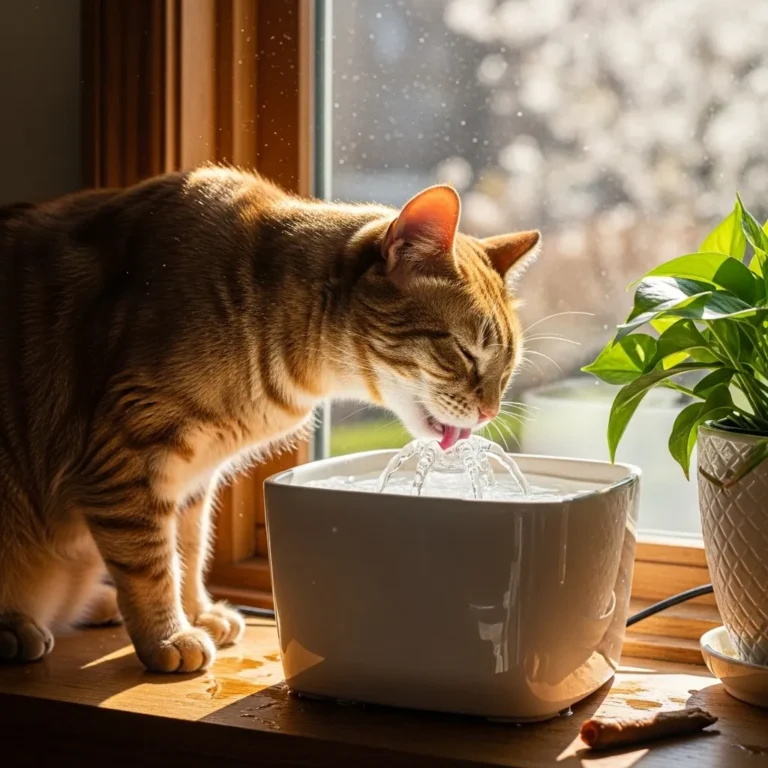
- Fresh Water: Ensure constant access to clean water to aid digestion.
Check out our automatic cat feeder guide for stress-free feeding.
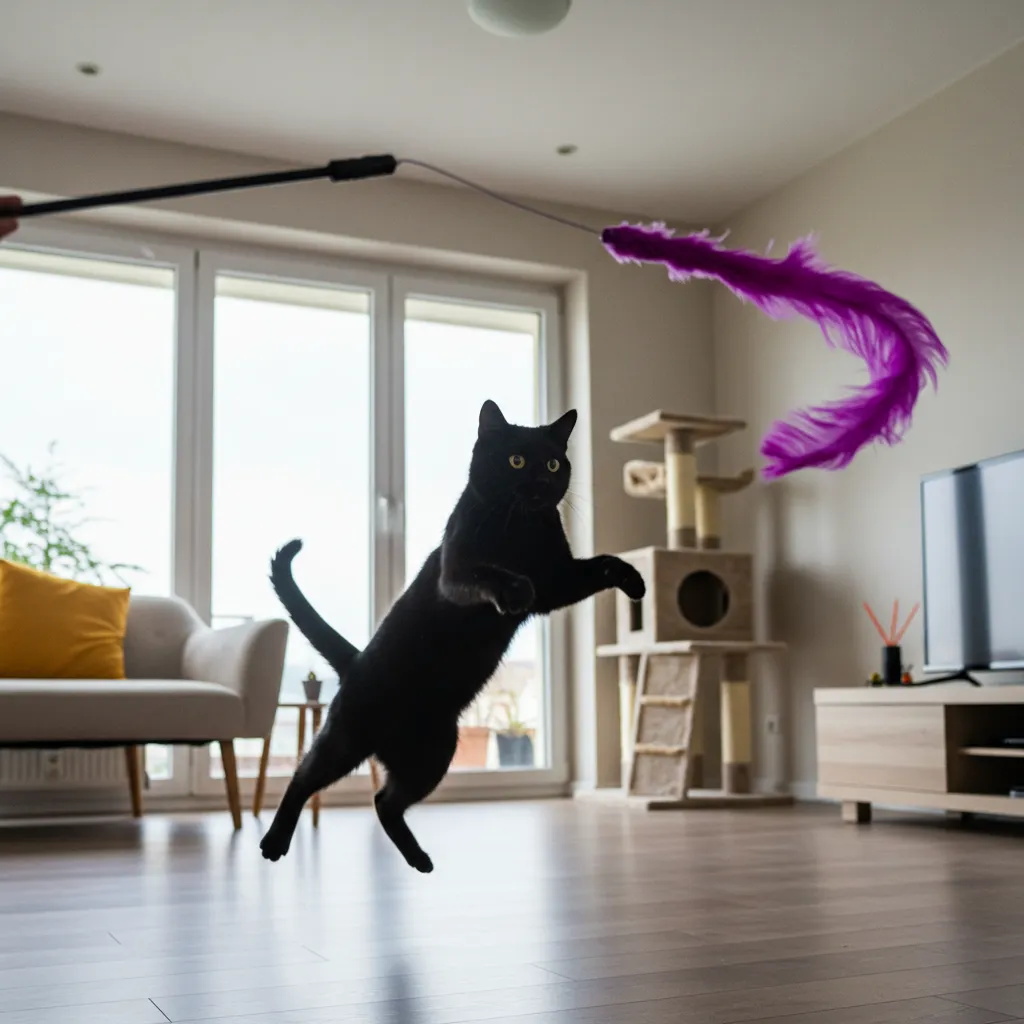
3. Regular Exercise for Cats
Exercise helps move gas through the digestive tract. Try:
- Interactive toys like feather wands or laser pointers.
- Cat trees or climbing shelves for active breeds like Bengals. See our Bengal cat playfulness guide.
- Daily play sessions of 15–20 minutes.
4. Stress Reduction
Minimize stress to keep your cat’s digestion smooth:
- Create a calm environment with quiet spaces.
- Use pheromone diffusers like Feliway for anxious cats.
- Handle your cat gently to avoid triggering stress farts.
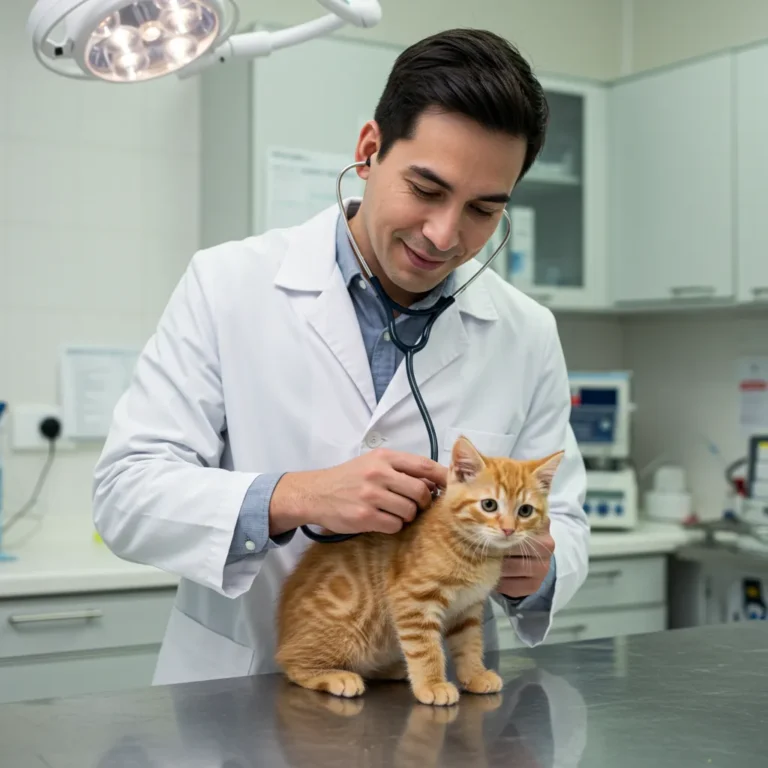
5. Regular Vet Checkups
Routine vet visits catch issues like parasites or IBD early. Ask about:
- Stool tests for parasites.
- Bloodwork for underlying conditions.
- Probiotics to support gut health.
Our finding the best vet guide can help you choose a trusted professional.
6. Supplements for Cat Digestion
Probiotics and digestive enzymes can balance gut bacteria and reduce gas. Always consult your vet before adding supplements.
When to See a Vet
While occasional farts are normal, these signs warrant a vet visit:
- Persistent or smelly farts.
- Bloating, vomiting, or diarrhea.
- Weight loss or appetite changes.
- Lethargy or discomfort when picked up.
For urgent issues, see our cat health care guide for first-aid tips.
Breed-Specific Considerations
Some cat breeds are more prone to digestive issues:
- Munchkin Cats: Short legs can affect abdominal positioning, making gas release easier when lifted. See our Munchkin cat health guide.
- Siamese Cats: Known for sensitive stomachs and stress-related issues. Check our Siamese cat care guide.
- Ragdolls: Prone to obesity, which can worsen gas. Explore our Ragdoll cat obesity guide.
Funny Cat Gas Videos and Social Media Buzz
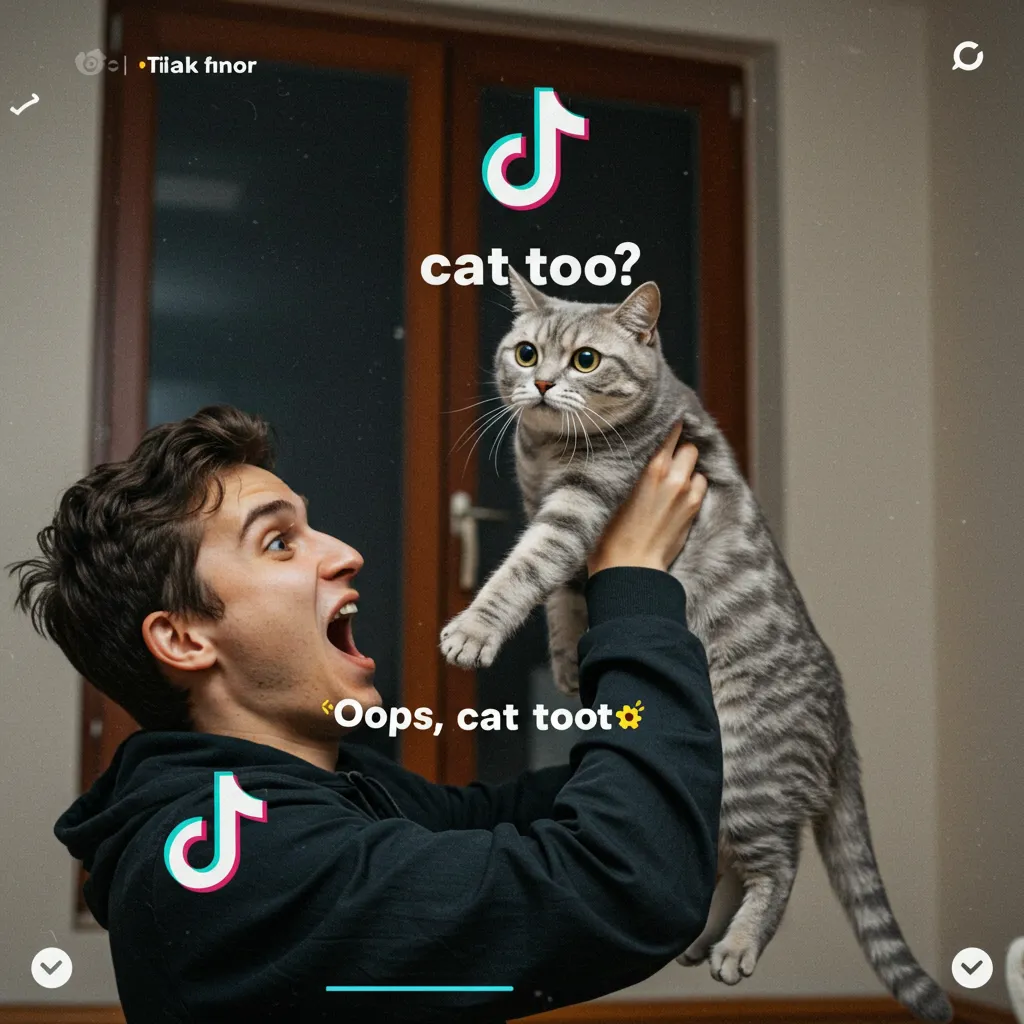
Cat farts have become a quirky topic on platforms like TikTok, with owners sharing hilarious clips of their cats’ unexpected toots. While these “cat farts when I pick him up” moments are funny, they can also raise awareness about feline health. Search for “funny cat gas videos” on social media for a laugh, but don’t ignore persistent gas—your cat might be trying to tell you something!
FAQ: Common Questions About Cat Flatulence
Why does my cat fart when I pick him up?
Lifting your cat puts pressure on their abdomen, releasing trapped gas. Causes include diet, stress, or health issues like parasites or sensitivities.
What contributes to cat flatulence?
Dietary issues (fillers, dairy), fast eating, stress, parasites, or gastrointestinal conditions can all cause gas.
How does the feline digestive system work?
Cats have a short digestive tract designed for meat. Undigested carbs or fillers ferment, creating gas that’s released as farts.
Can I prevent my cat’s flatulence?
Yes! Feed high-quality, low-filler food, use slow feeders, ensure regular exercise, and schedule vet checkups.
Why are my cat’s farts so smelly?
Smelly farts often stem from high-protein diets, bacterial imbalances, or health issues like IBD. Consult a vet if persistent.
How does diet affect cat gas?
Low-quality foods with fillers or sudden diet changes can cause gas. Opt for high-protein, grain-free options.
Does exercise help cat digestion?
Yes, regular play helps move gas through the digestive tract and reduces bloating.
For more answers, explore our cat health care guide.
Conclusion
Cat farting when you pick them up might seem like a quirky or funny behavior, but it’s often a clue to their digestive health. From dietary tweaks to stress reduction and regular vet visits, you can help your cat stay gas-free and comfortable. By understanding the feline digestive system and addressing issues like food sensitivities or parasites, you’ll keep your furry friend purring—not tooting. For more expert cat care and behavior tips, explore our guides at Cat Bloom Haven. Got a gassy cat story? Share it with us, and let’s keep the conversation going!