Why Does My Cat Attack My Hands? A Complete Guide to Understanding and Managing Cat Aggression
Ever reached out to pet your cat, only to have them pounce on your hands like they’re a toy mouse? If your cat attacks your hands, you’re not alone. This behavior, often tied to cat aggression or play aggression in cats, can be confusing and even painful. But don’t worry—there’s a reason behind those swipes and bites, and solutions are within reach. At Cat Bloom Haven, we’re here to help you decode why your cat is targeting your hands and how to foster a safer, happier bond with your feline friend.
In this guide, we’ll explore the root causes of cat biting hands, from predatory instincts to stress triggers, and share expert-backed strategies to manage aggressive cat behavior. You’ll learn how to read cat body language signs, distinguish cat play aggression vs real aggression, and apply cat training techniques to stop the attacks. Plus, we’ll provide practical tips for preventing cat bites and building a stronger cat-human relationship. Let’s dive in!
Key Takeaways for Understanding Cat Hand Attacks
- Play or Predatory Instincts: Cats often attack hands due to their natural prey drive in domestic cats, mistaking your movements for prey.
- Body Language Clues: Watch for feline communication cues like dilated pupils or a swishing tail to predict and prevent attacks.
- Stress Triggers: Stress-related aggression in cats can lead to hand attacks, often caused by environmental changes or overstimulation.
- Training Solutions: Use positive reinforcement for cats and redirect cat predatory behavior to toys to curb aggression.
- Safety First: Learn safe handling of aggressive cats to avoid bites and scratches while addressing the behavior.
- Explore more tips in our cat behavior explained guide.
Why Cats Attack Hands: Unpacking the Behavior
Cats are complex creatures, and hand attacks often stem from a mix of instinct, communication, and environment. Understanding why cats bite during play or act aggressively requires looking at their world through a feline lens. Here are the primary reasons your cat might be targeting your hands:
1. Predatory Instincts at Play
Cats are born hunters, and their prey drive in domestic cats doesn’t vanish just because they live indoors. When your hands move quickly—waving, petting, or dangling—they can trigger your cat’s hunting instincts. Your fingers mimic the skittering of prey, leading to play aggression in cats.
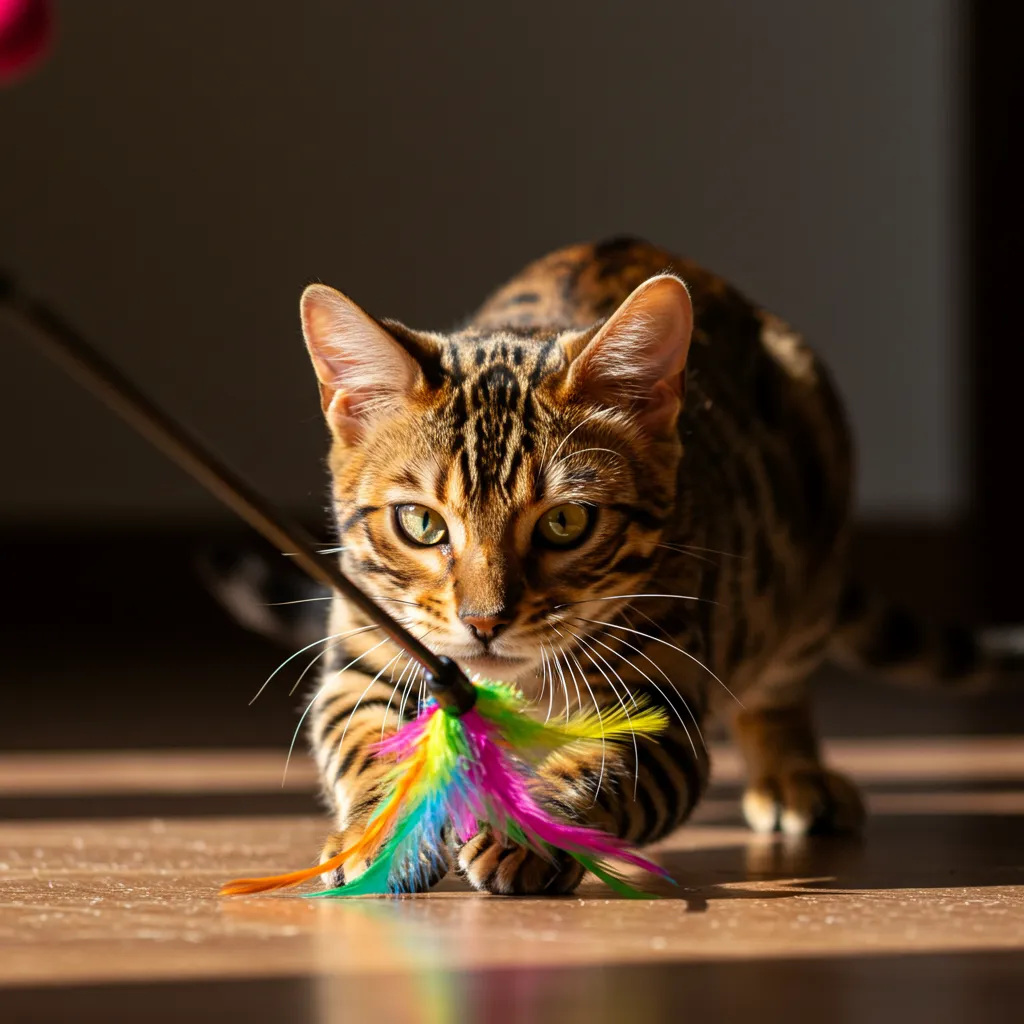
- Example: Sarah noticed her Bengal cat, Milo, pounced on her hands every time she played with a string. His dilated pupils and crouched posture showed he was in “hunter mode.” By redirecting his energy to a feather wand, she reduced hand attacks.
- Tip: Use toys like laser pointers or wand toys to satisfy your cat’s hunting instincts. Discover more in our interactive cat play ideas guide.
2. Overstimulation During Petting
Ever pet your cat and suddenly feel their teeth on your hand? This could be cat overstimulation signs at work. Cats have sensitive nervous systems, and too much petting can overwhelm them, leading to cat biting hands as a way to say, “Enough!”
- Signs of Overstimulation: Twitching tail, flattened ears, or sudden stiffness.
- Solution: Pet in short sessions and watch for cat body language signs. Stop before your cat gets overwhelmed. Learn more in our how to read cat body language guide.
3. Stress or Fear-Based Aggression
Stress-related aggression in cats can manifest as hand attacks, especially if your cat feels threatened or anxious. Changes like a new pet, loud noises, or a recent move can trigger sudden cat aggression.
- Example: After moving to a new apartment, Lisa’s Ragdoll, Bella, started swatting her hands. By creating a quiet space with familiar toys, Bella’s aggression decreased.
- Tip: Identify and reduce stressors. Check out our managing cat stress and anxiety guide for more strategies.
4. Communication Through Aggression
Cats use their bodies to communicate, and hand attacks might be your cat’s way of setting boundaries or expressing discomfort. Feline communication cues like hissing or swatting often signal, “I’m not okay with this.”

- Key Cues: Dilated pupils, arched back, or a low growl indicate discomfort.
- Solution: Respect your cat’s signals and give them space. Learn more in our cat body language guide.
5. Lack of Proper Play or Enrichment
Cats with pent-up energy often redirect their cat predatory behavior to your hands. Without enough cat enrichment toys for hunters or playtime, they may see your hands as the nearest “prey.”
- Tip: Schedule 15–20 minutes of interactive play daily. Explore our cat enrichment toys guide for ideas.
How to Read Cat Body Language to Prevent Attacks
Understanding how to read cat body language is key to predicting and preventing hand attacks. Cats give subtle cues before they strike, and recognizing these can help you intervene early.
| Body Language | Meaning | Action to Take |
|---|---|---|
| Dilated pupils | Excitement or aggression | Pause petting, redirect to a toy |
| Swishing tail | Irritation or focus | Give space, avoid sudden movements |
| Flattened ears | Fear or anger | Stop interaction, assess environment |
| Low growl or hiss | Defensive warning | Back off, identify stressors |
- Pro Tip: Watch for a combination of signals. A cat with dilated pupils and a swishing tail is likely in play aggression mode, while flattened ears with a hiss might indicate fear aggression in cats.
- Learn more in our cat tail language guide.

Common Triggers for Cat Hand Attacks
To stop cat attacks hands, you need to identify what sets your cat off. Here are common triggers and how to address them:
- Fast Hand Movements: Quick gestures mimic prey, triggering cat predatory behavior. Move slowly and deliberately around your cat.
- Over-Petting: Petting sensitive areas like the belly can lead to cat biting hands. Stick to head and chin scratches unless your cat shows they’re comfortable.
- Environmental Stress: Loud noises, new pets, or changes in routine can cause stress-related aggression in cats. Create a calm environment with hiding spots.
- Boredom: Lack of stimulation leads to play aggression in cats. Use cat enrichment toys for hunters to keep them engaged.
- Medical Issues: Pain from conditions like arthritis or dental problems can cause sudden cat aggression. Consult a vet if behavior changes suddenly. See our cat health care guide for more.
Cat Training Techniques to Stop Hand Attacks
Training your cat to stop attacking hands requires patience, consistency, and positive reinforcement for cats. Here’s how to tackle cat training for aggression:
1. Redirect Play to Toys
When your cat goes for your hands, redirect their energy to appropriate toys. This satisfies their prey drive in domestic cats without making you the target.
- How to Do It: Keep a wand toy or ball nearby. When your cat starts to pounce, toss the toy to shift their focus.
- Example: Tom used a laser pointer to redirect his Siamese cat’s energy from his hands to chasing the dot. Over time, his cat preferred the toy. Explore more in our teach cat to fetch guide.
2. Use Positive Reinforcement
Reward your cat for calm behavior with treats, praise, or playtime. This reinforces that calm interactions are more rewarding than attacking hands.
- Tip: Use high-value treats like freeze-dried chicken. Reward your cat when they interact gently or ignore your hands during play.
- Learn more in our cat training techniques guide.
3. Teach Boundaries with Time-Outs
If your cat bites or swats, calmly end the interaction by walking away or placing them in a quiet space for a brief time-out. This teaches that aggression stops fun.
- How to Do It: If your cat bites, say “no” firmly (not loudly), and leave the room for 1–2 minutes. Consistency is key.
- Note: Never yell or punish physically, as this can worsen aggressive cat behavior.
4. Desensitize to Hand Contact
Gradually get your cat used to gentle hand contact without triggering cat play aggression vs real aggression. Start with short, calm touches and reward calm responses.
- Example: Lisa slowly introduced hand petting with her Munchkin cat, rewarding calm behavior with treats. Over weeks, her cat stopped swatting.
- See our how to bond with your cat guide for more bonding tips.
5. Enrich Their Environment
A bored cat is more likely to exhibit play aggression in cats. Provide cat enrichment toys for hunters, scratching posts, and climbing trees to keep them engaged.
- Tip: Rotate toys weekly to keep things fresh. Check out our interactive cat play ideas for inspiration.
Safe Handling of Aggressive Cats
When dealing with aggressive cat behavior, safety is crucial to avoid bites or scratches. Here’s how to handle an aggressive cat:
- Stay Calm: Avoid sudden movements or loud noises, which can escalate fear aggression in cats.
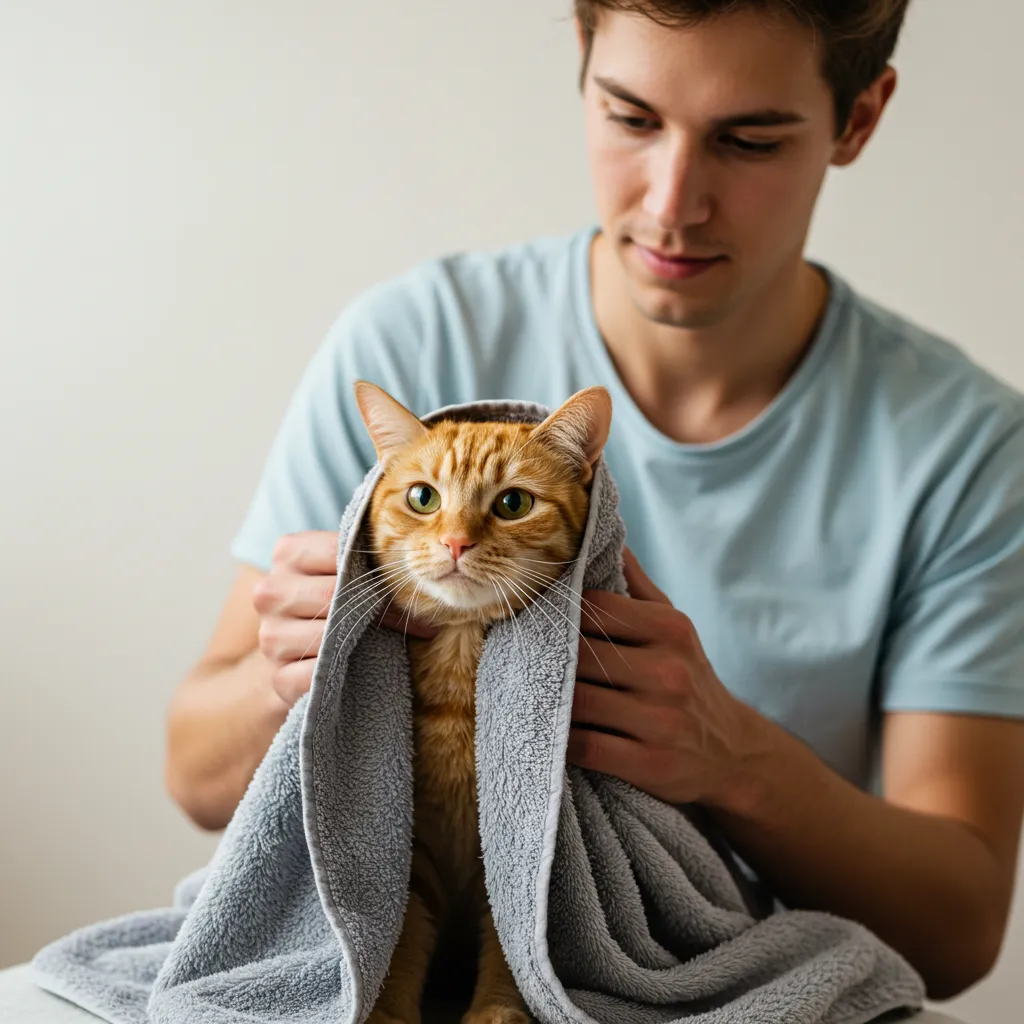
- Use Protective Gear: If you need to handle an aggressive cat, wear long sleeves or use a towel to wrap them gently.
- Create a Safe Space: Provide a quiet area with hiding spots to reduce stress-related aggression in cats.
- Know When to Seek Help: If aggression persists, consult a vet or behaviorist. Learn more in our cat health care guide.
Preventing Cat Bites: Do’s and Don’ts
To stop cat biting hands and ensure cat safety tips for owners, follow these guidelines:
| Do | Don’t |
|---|---|
| Use toys to redirect cat predatory behavior. | Wave hands to entice play, as it encourages attacks. |
| Watch for cat body language signs to stop petting early. | Pet sensitive areas like the belly without permission. |
| Schedule regular play to reduce play aggression in cats. | Punish or yell, as it can worsen aggressive cat behavior. |
| Consult a vet for sudden cat aggression. | Ignore persistent aggression, which could indicate pain. |
Explore more in our cat safety tips guide.
Calming Aggressive Cats: Long-Term Strategies
Managing how to calm an aggressive cat requires addressing the root causes and building a trusting cat-human relationship. Here are long-term strategies:
- Create a Routine: Cats thrive on predictability. Feed, play, and interact at consistent times to reduce managing cat stress and anxiety.
- Use Calming Aids: Pheromone diffusers like Feliway or calming treats can help soothe stress-related aggression in cats.
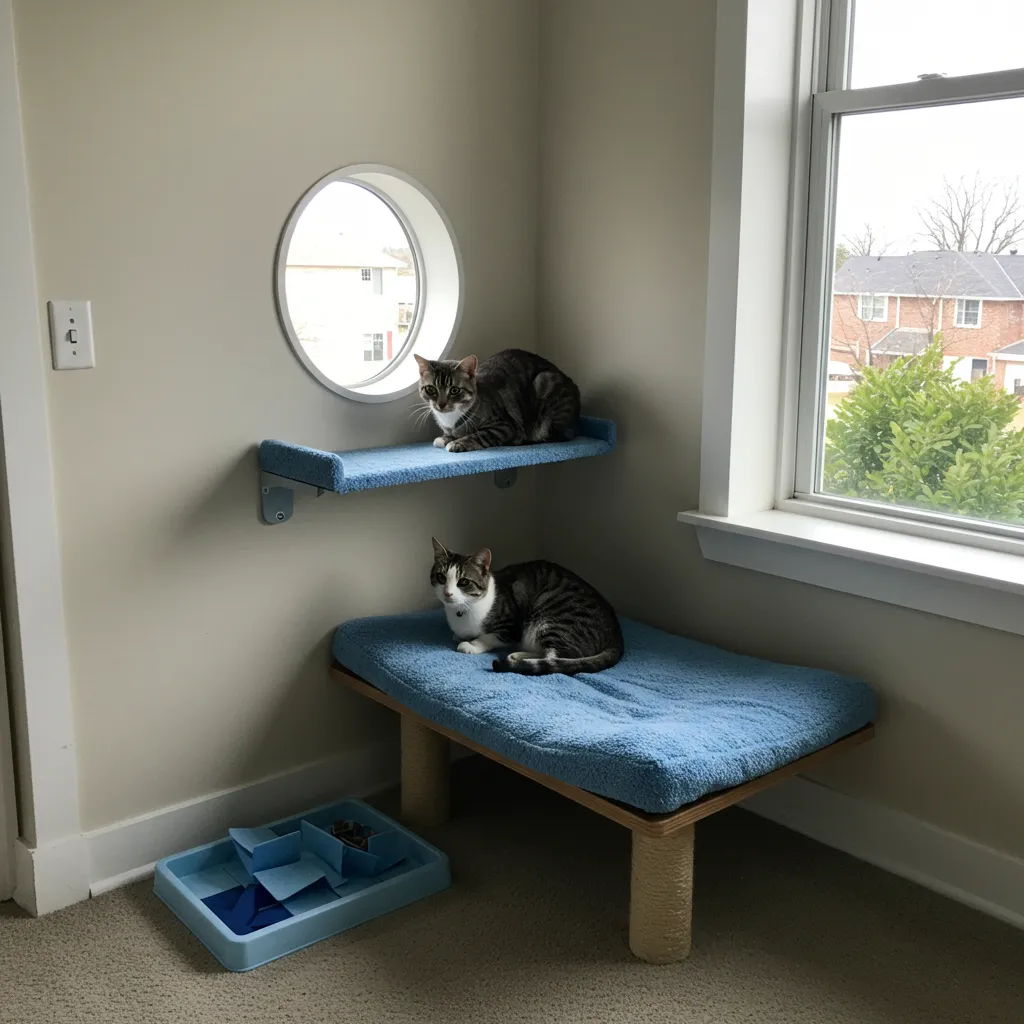
- Provide Enrichment: Puzzle feeders, window perches, and cat enrichment toys for hunters keep your cat mentally stimulated.
- Build Trust: Spend quiet time with your cat, using positive reinforcement for cats to reinforce calm behavior.
- Learn more in our how to calm an angry cat guide.
FAQ: Quick Answers to Common Questions
Why does my cat attack my hands?
Cats attack hands due to play aggression in cats, cat predatory behavior, or stress-related aggression in cats. Redirect their energy to toys and watch for cat body language signs.
How can I tell if it’s play or real aggression?
Cat play aggression vs real aggression can be distinguished by body language. Playful cats have relaxed ears and bodies, while aggressive cats show flattened ears, hissing, or dilated pupils. Learn more in our cat body language guide.
What triggers stress-related aggression in cats?
Changes in environment, loud noises, or lack of stimulation can cause stress-related aggression in cats. Create a calm space and use cat enrichment toys for hunters.
How can I train my cat to stop biting hands?
Use positive reinforcement for cats, redirect to toys, and set boundaries with time-outs. Consistency is key. See our cat training techniques guide.
How do I respond safely to aggressive behavior?
Stay calm, avoid sudden movements, and give your cat space. Use protective gear if needed. Check out our safe handling of aggressive cats guide.
How can I build a positive relationship with my cat?
Spend quality time, use positive reinforcement for cats, and respect their boundaries. Explore our how to bond with your cat guide.
Conclusion: Building a Happier Bond with Your Cat
When your cat attacks your hands, it’s not personal—it’s their way of expressing instincts, discomfort, or unmet needs. By understanding cat body language signs, addressing cat predatory behavior, and using cat training techniques, you can turn those painful swipes into playful, safe interactions. With patience and the right strategies, you’ll not only stop cat biting hands but also strengthen your cat-human relationship.
Ready to dive deeper into feline behavior? Explore more expert guides at Cat Bloom Haven for tips on cat behavior explained, cat training techniques, and creating a stress-free environment for your furry friend.