Things Cats Hate That Owners Don’t Realize (And How to Fix Them Fast)
Your cat seems perfectly happy one minute, then suddenly bolts from the room or gives you that slow, judgmental blink the next. Most owners chalk it up to “cats being cats.” The truth? You’re probably doing something they secretly hate, even if it feels like love to you.
After years of studying feline behavior, consulting with veterinarians, and living with some seriously opinionated cats, I’ve learned that the things cats hate that owners don’t realize usually fall into quiet, everyday habits. Fix even a few of these, and you’ll see a calmer, more affectionate cat almost overnight.
Here’s what actually stresses cats out (backed by science and real-life rescue experience), ranked from most common to surprisingly subtle.
Quick Summary: The 12 Things Cats Hate Most (That You’re Probably Doing)
- Being stared at directly in the eyes
- Strong citrus, perfume, or essential oil smells
- Belly rubs (for 90% of cats)
- Being hugged or held too tightly
- Loud, sudden noises (vacuum, blender, fireworks)
- Dirty litter boxes (even slightly dirty)
- Forced socialization when they want space
- Water bowls next to food bowls
- Being petted on the lower back or base of tail too roughly
- Changes in routine without slow transition
- Plastic bags or crinkly sounds at 3 a.m.
- Having their whiskers touched or pressed against bowl sides
Keep reading for the why behind each one, plus exactly how to stop triggering your cat without feeling like you’re walking on eggshells.
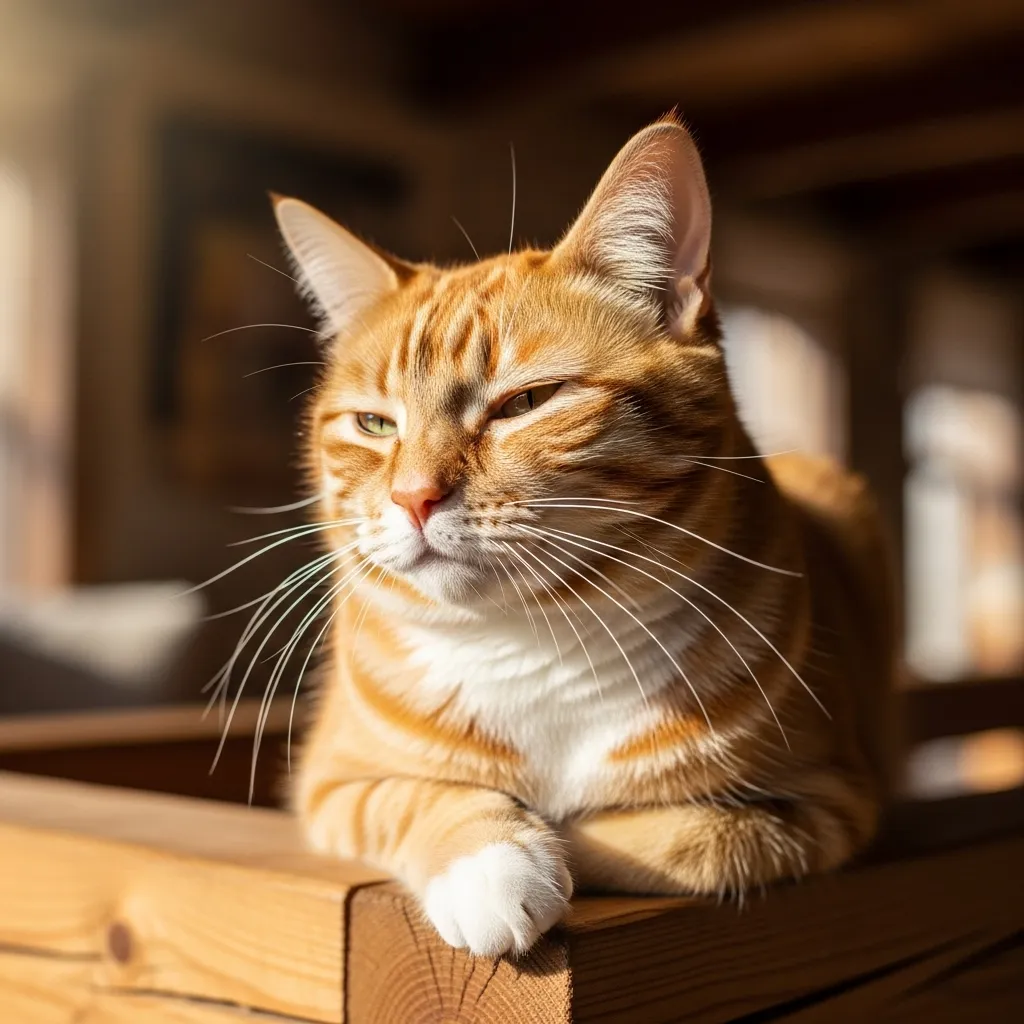
1. Direct Eye Contact (Yes, Even From Their Favorite Human)
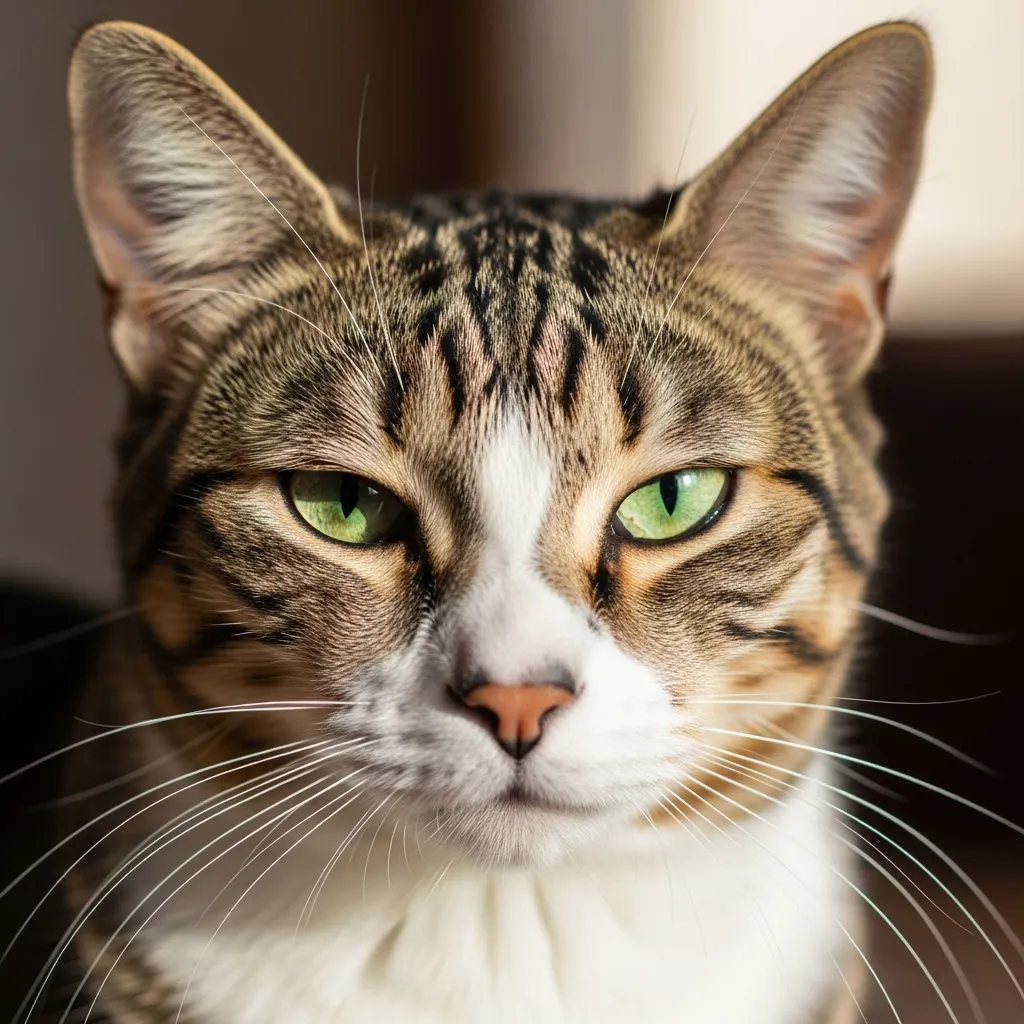
Cats see prolonged staring as a threat. In cat language, a slow blink means “I trust you,” but locking eyes without blinking screams confrontation.
What to do instead:
- Use slow blinks to say “I love you” in cat language.
- Look at their ears or forehead instead of directly into their eyes.
- If your cat stares first, slowly turn your head sideways and blink.
2. Strong Scents That Overpower Their Super Nose
A cat’s sense of smell is 14 times stronger than ours. That “fresh” lemon cleaner or your new perfume? To them, it’s like standing next to a fog machine blasting chemicals.
Common hidden offenders:
- Citrus-based cleaners
- Essential oil diffusers (especially tea tree, lavender, or eucalyptus)
- Strongly scented laundry detergent left on your clothes
- Plug-in air fresheners
Pro tip: Switch to unscented or lightly vinegar-based cleaners. Your cat will immediately relax.
3. Belly Rubs The Ultimate Betrayal for Most Cats
Showing the belly is a sign of trust, not an invitation. When cats roll over, they’re saying “I feel safe enough to expose my most vulnerable spot.” Grabbing that belly breaks the trust instantly.
Signs your cat actually hates belly rubs:
- Ears flick back the second your hand moves in
- Tail starts thumping
- Sudden bunny-kick or bite
Respect the belly. Admire from afar.
4. Being Picked Up or Held Like a Baby
Most cats tolerate being held for about 8–12 seconds before panic sets in. Their bodies are built for control; losing all four feet on the ground triggers a flight response.
Better ways to cuddle:
- Let them sit on your lap on their terms
- Support their back feet when you do pick them up (the “football hold”)
- Put them down the moment their ears go sideways
5. Dirty Litter Boxes (Even If You Can’t Smell It)
Cats are cleaner than most humans. If you can smell the box at all, it’s already way too late. They start holding it or going outside the box because the smell offends them.
Rule of thumb: Scoop twice daily, fully change litter weekly, and wash the box monthly with plain hot water.
6. Water Next to Food (They Think It’s Contaminated)
In the wild, water near a kill gets contaminated with bacteria. Your cat still has that instinct. Many cats refuse to drink enough if their water bowl sits right next to food.
Fix: Place water bowls in completely separate locations, ideally several feet away or even in another room.
7. Forced Interaction When They Want Space
That moment your cat walks away or hides under the bed? They’re not “playing hard to get.” They’re asking for alone time. Chasing them or dragging them out destroys trust fast.
Let them come to you. The affection is 10× sweeter when it’s their choice.
8. Rough Petting on the Lower Back or Tail Base
Most cats love head and cheek scratches. Many tolerate back strokes. Very few enjoy heavy petting near the base of the tail (that’s an erogenous zone, and overstimulation feels violating).
Watch the tail: One happy wag is fine. Rapid swishing or thumping means stop immediately.
9. Sudden Routine Changes
Moving furniture, new work schedule, different food brand, guests staying over – cats notice everything. Even positive changes stress them if introduced too fast.
How to help:
- Keep feeding times within the same 30-minute window
- Introduce new items gradually (leave the new cat tree covered for a few days)
- Use pheromone diffusers during big transitions
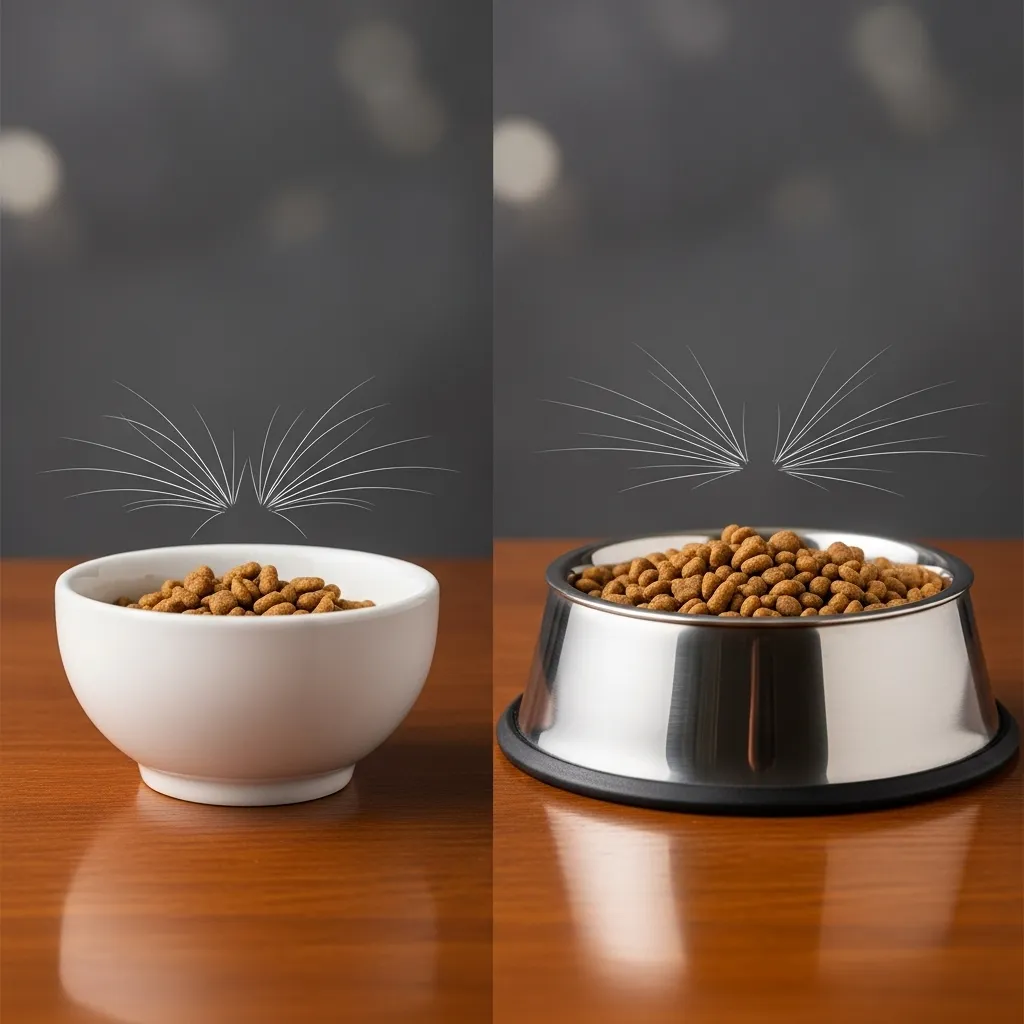
10. Whisker Fatigue from Narrow Bowls
Whiskers are hypersensitive. When they brush against the sides of a bowl every time your cat eats or drinks, it feels irritating, like someone constantly tapping your elbow.
Switch to wide, shallow bowls or flat plates. You’ll often see immediate improvement in eating and drinking habits.
11. Being Woken Up Abruptly
Cats sleep 15–20 hours a day, but much of it is light sleep. Waking them suddenly triggers a startle reflex and raises cortisol.
Never shake or clap to wake a sleeping cat. Gentle voice or light touch on the shoulder area is kinder.
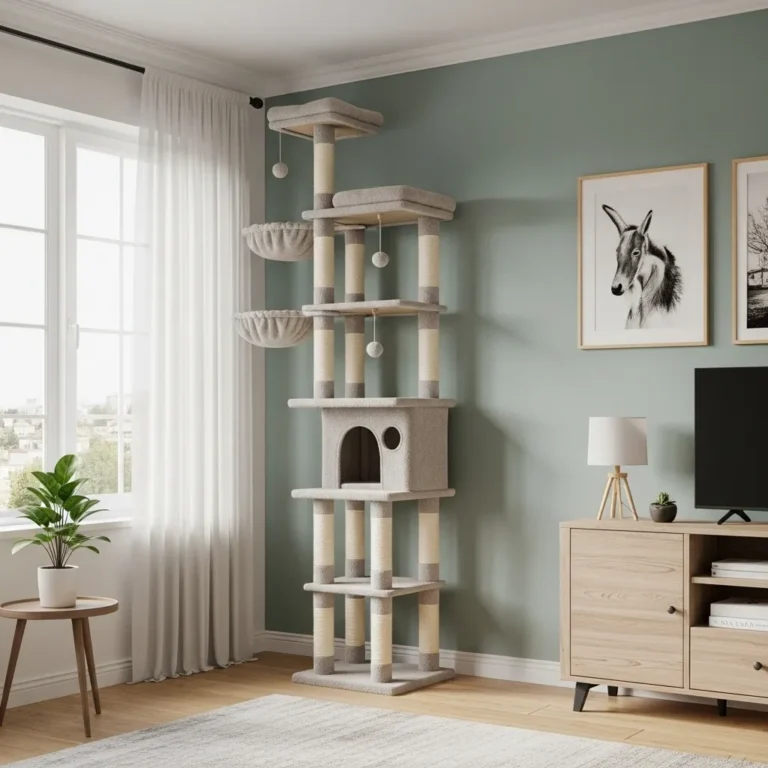
12. Lack of Vertical Territory
Flat apartments with no high perches make cats feel trapped and unsafe. Without places to climb and survey their kingdom, anxiety builds.
Simple fixes:
- One cat shelf or tall scratcher per cat
- Window perches with bird-feeder views
- Clear the top of bookcases (they will use them anyway)
Real-Life Example: How I Fixed My Own Cat’s Mystery Stress
My rescue Bengal, Luna, started peeing on the rug every time I ran the blender. I thought she was just dramatic. Turns out the high-pitched motor sound was torture to her sensitive ears, and the only place she felt safe was my laundry pile.
Solution: I moved smoothie-making to the garage and added a white-noise machine near her favorite bed. Problem solved in three days.
FAQ Quick Answers People Actually Search For
Why does my cat run away when I try to pet her?
She probably feels overstimulated or you’re touching a spot she doesn’t like (lower back, belly, or paws are common culprits).
Do cats hate being kissed?
Most do. Kissing involves leaning over them, loud breathing sounds, and sometimes strong human scents. Slow blinks work better.
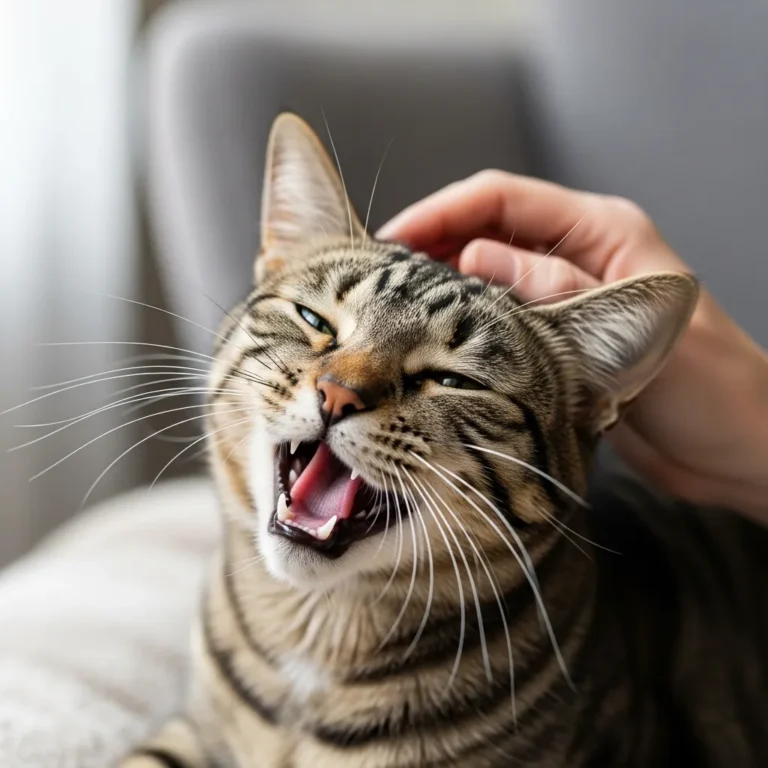
Why does my cat bite me when I’m just petting nicely?
Classic overstimulation. Pet in short sessions (3–5 strokes), watch the tail and ears, and stop before the bite comes.
Is it true cats hate water?
Many do, but it’s more about loss of control than the water itself. Breeds like Bengals and Maine Coons often enjoy playing in water when they choose it.
Why does my cat hate the vet so much?
Carrier trauma + car ride + strange smells + being handled by strangers. Start carrier training early and use calming treats.
Final Thought
Your cat doesn’t hate you. She just hates the tiny, innocent things you do that feel huge and scary in her world. Change even three or four of these habits, and you’ll probably notice her becoming more relaxed, more cuddly, and way more willing to hang out on your lap (on her terms, of course).
Want to go deeper into understanding what your specific breed loves or hates? Check out our personality guides for American Shorthair, Bengal, Siamese, Maine Coon, Ragdoll, and more right here on Cat Bloom Haven.
Your cat will thank you, probably with a slow blink and a quiet little trill when you finally get it right.