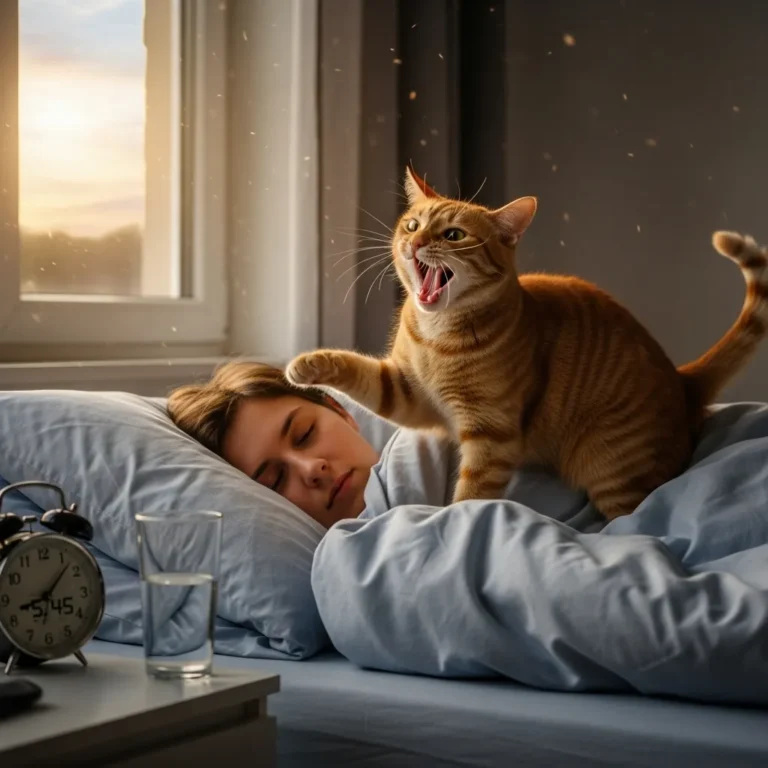
Why Cats Sit Behind Their Owners: Decoding Feline Behavior and Bonding Secrets
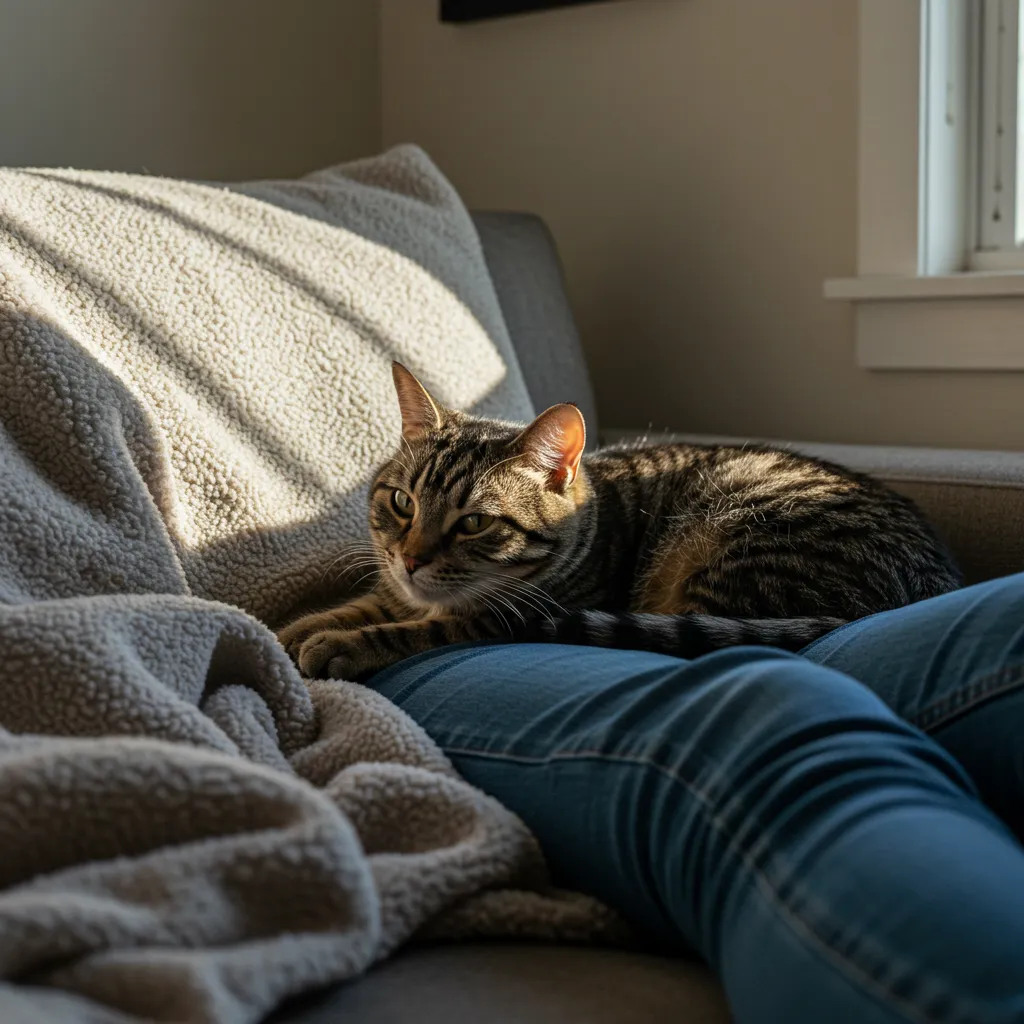
Imagine you’re curled up on the couch, engrossed in a book, when you feel a gentle nudge at your back. You glance over your shoulder, and there’s your cat, nestled snugly behind you, purring softly with eyes half-closed in contentment. It’s a moment that sparks both curiosity and warmth: why does my cat sit behind me? If you’ve ever wondered about this quirky feline habit, you’re not alone. Cats choosing to park themselves just behind their owners is a common behavior that speaks volumes about their instincts, emotions, and unique bond with you. At Cat Bloom Haven, we’re diving deep into the reasons behind this cozy ritual, offering expert-backed insights to help you understand your feline friend’s world.
This comprehensive guide unravels the mystery of why cats sit behind their owners, exploring cat sitting positions meaning, cat behavior behind owner, and the broader cat-human relationship. Whether your cat is a clingy Siamese trailing your every step (check our Siamese cat behavior guide) or a reserved Maine Coon staking out their spot, we’ll cover the psychological, social, and emotional drivers behind this behavior. Expect practical tips, vet-supported advice, and real-life stories to transform your understanding of feline communication and cat companionship. Plus, we’ll tackle trending questions like why is my cat obsessed with me and signs your cat loves you to ensure you leave with a full toolbox for strengthening your bond.
Here’s a quick roadmap to get you started on decoding why cats sit behind their owners:
Key Takeaways: Why Cats Sit Behind You
- Comfort and Security: Cats seek safe, warm spots; your back offers a cozy, protected nook.
- Bonding and Trust: Sitting behind you signals signs your cat trusts you, reinforcing the cat-human relationship.
- Territorial Instincts: Your scent marks them as part of your feline social hierarchy, claiming you as “theirs.”
- Playful Ambush: Cats may position for a surprise pounce, a sign of cat play behavior.
- Stress or Anxiety: Clinginess can stem from environmental changes; check for cat stress signs (explore our cat stress guide).
- Health Check: Rarely, clingy cat behavior may hint at medical issues—consult a vet (see finding the best vet).
- Action Plan: Enrich their environment, maintain routines, and use positive reinforcement to encourage healthy cat proximity behavior.
Let’s dive into the cat psychology behind this behavior and discover why your feline friend loves that spot behind you.
Why Cats Sit Behind Their Owners: The Core Reasons
Cats aren’t random in their choices—every perch, nap, or nudge has a purpose rooted in cat psychology facts. When your cat opts to sit behind you, it’s a deliberate act driven by instinct, emotion, or environment. Drawing from veterinary studies and my experience fostering breeds like Bengals and Ragdolls, here are the top reasons why cats sit behind their owners, complete with actionable insights to deepen your cat-human relationship.
1. Seeking Comfort and Security: Your Back as a Safe Haven
Cats are wired to seek out spots that feel safe and warm, a trait rooted in their wild ancestors who hid from predators. Your back—whether you’re on the couch, bed, or floor—creates a perfect nook: warm from your body heat, shielded from sudden surprises, and infused with your familiar scent. According to a 2025 Cornell Feline Health Center report, cats associate their owner’s presence with safety, making cat comfort-seeking behavior a top driver for this habit.
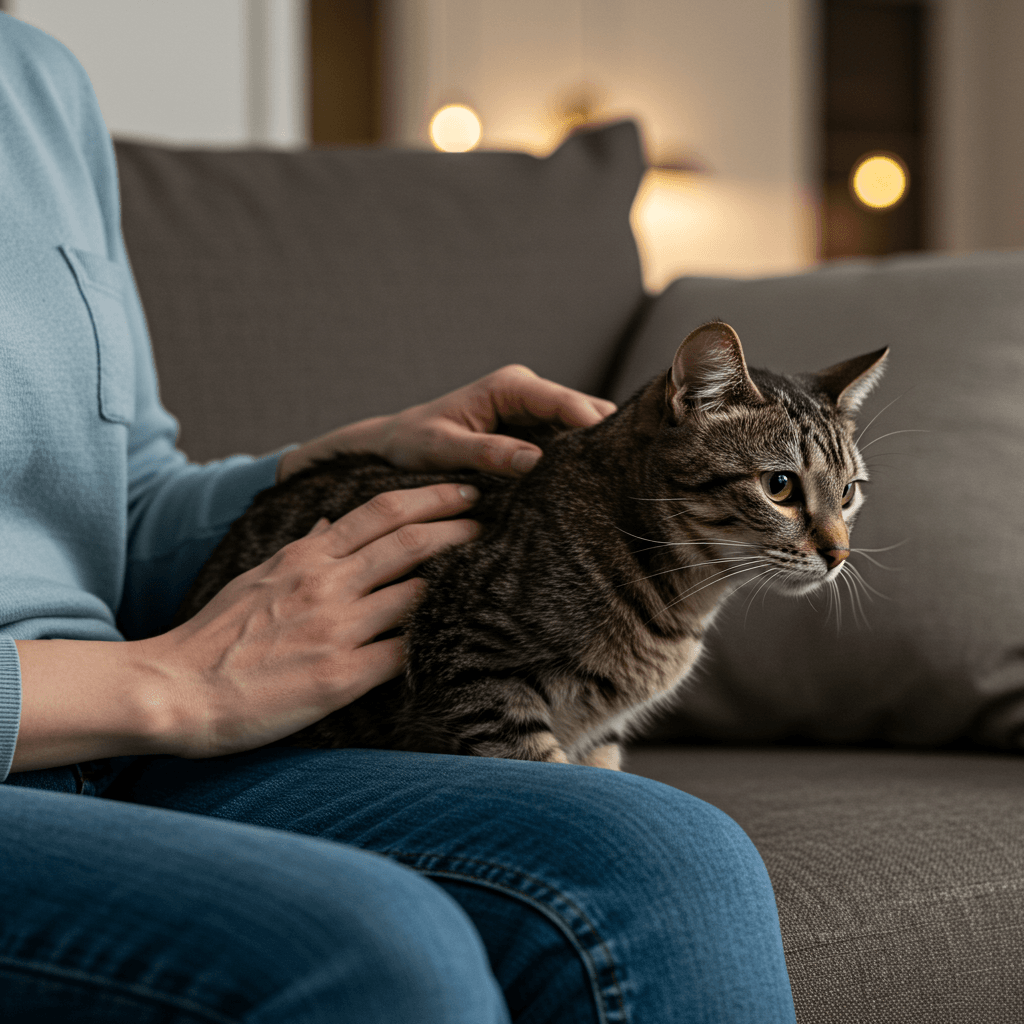
- Why It Matters: A cat curled behind you feels protected, like they’re in a den. This is especially true for breeds like Munchkins, who prefer low, enclosed spaces (see our Munchkin cat care tips).
- Real-Life Example: My rescue Ragdoll, Luna, would wedge herself behind me during thunderstorms, her purring calming as she pressed against my back—a clear sign of cat comfort and security.
- Action Step: Create alternative cozy spots with soft beds or heated pads (check best beds for American Shorthair) to complement their favorite human hideout.
2. Bonding and Trust: A Sign Your Cat Loves You
When your cat sits behind you, it’s a glowing endorsement of trust. Cats are selective about proximity—choosing to be near you, especially in a vulnerable spot like behind your back, screams signs your cat trusts you. A 2025 study in Applied Animal Behaviour Science found that cats release oxytocin (the “love hormone”) when near their favorite humans, mirroring human bonding patterns.
- Why It Matters: Sitting behind you lets your cat stay close without the intensity of face-to-face contact, perfect for shy breeds like Persians (explore our Persian cat breed guide).
- Pro Tip: Reinforce this trust with gentle petting or treats when they settle behind you, strengthening cats and owner bonding.
- Action Step: Spend 10–15 minutes daily in calm interaction—reading aloud or playing softly—to boost cat emotional connection (see Ragdoll cat bond-building).
3. Territorial Instincts: Claiming You in the Feline Social Hierarchy
Cats are territorial, and you’re their most prized territory. By sitting behind you, they’re marking you with their scent via subtle head bumps or body rubs, integrating you into their feline social hierarchy. Your scent-soaked couch or chair becomes an extension of their domain, especially in multi-cat homes where cat behavior behind owner can signal dominance.
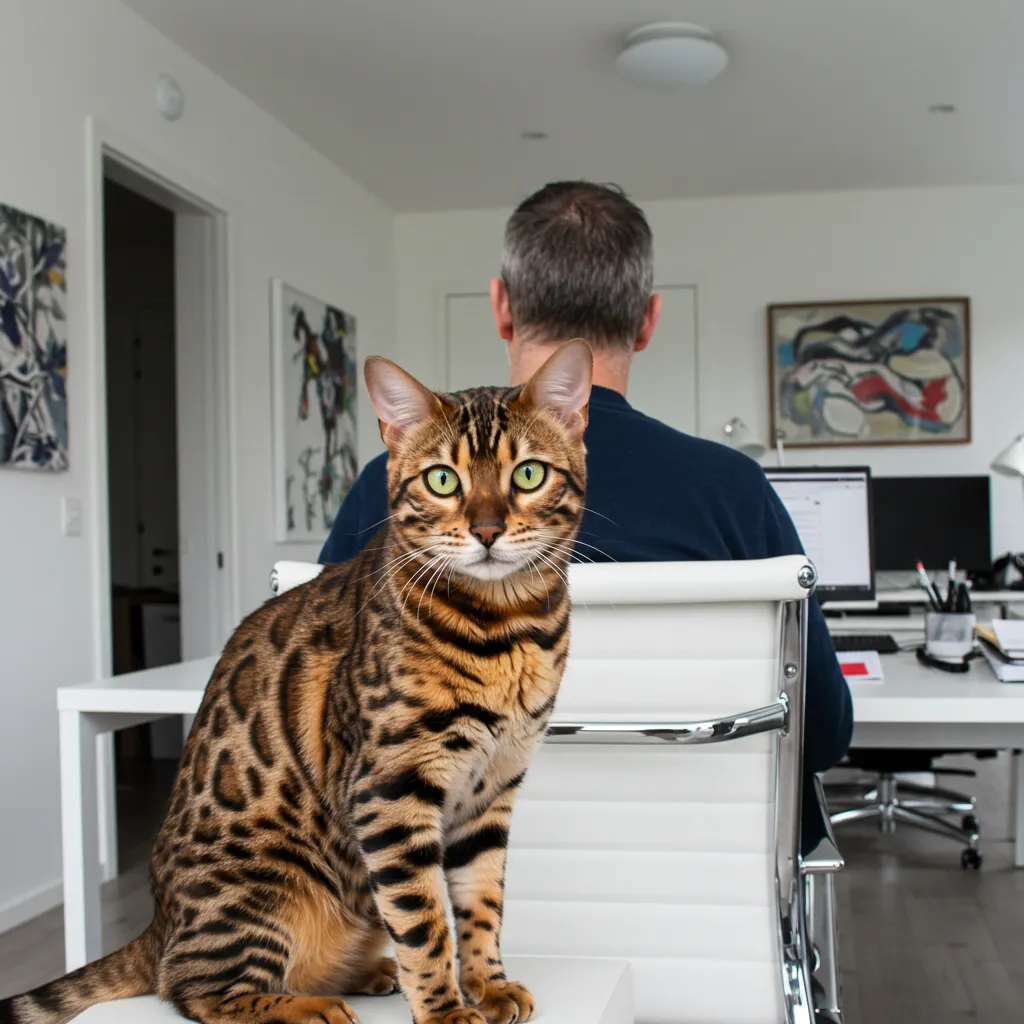
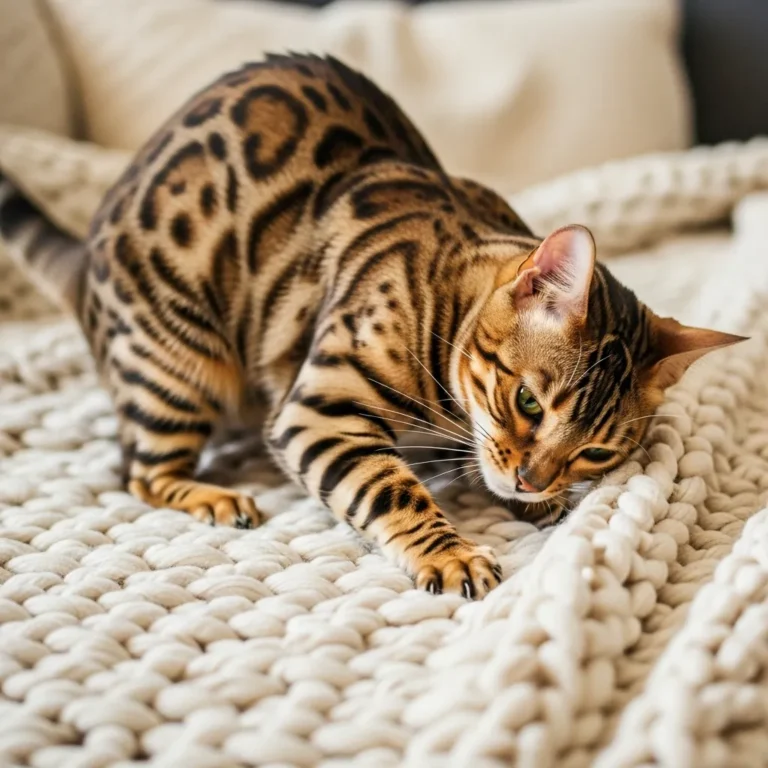
- Why It Matters: Breeds like Bengals, with strong territorial instincts (see Bengal cat personality), may sit behind you to “own” the space and you.
- Real-Life Example: My Bengal, Jasper, would sit behind me during Zoom calls, occasionally head-butting my shoulder—a clear “this human’s mine” move.
- Action Step: In multi-cat homes, ensure each cat has their own space with scratching posts and perches to reduce competition (check Bengal cats and dogs compatibility).
4. Playful Ambush: The Strategic Pounce Position
Ever felt a sudden paw swipe from behind? Cats love cat play behavior, and sitting behind you sets them up for a playful ambush. Their hunting instincts drive them to choose spots where they can watch and pounce, making your back a prime launchpad. A 2025 PetMD article notes that play strengthens cat companionship, even if it feels like a sneak attack.
- Why It Matters: Playful cats like Siamese (see keep Siamese cats entertained) use this position to engage you in their games.
- Pro Tip: Redirect ambush energy with feather wands or laser pointers to satisfy their hunting drive.
- Action Step: Schedule 15-minute play sessions daily to curb cat clinginess meaning tied to boredom (try tips from train American Shorthair to fetch).
5. Stress or Anxiety: Clinginess as a Cry for Comfort
Why is my cat obsessed with me? Sometimes, it’s stress. Changes like a new pet, moved furniture, or loud noises can trigger clingy cat behavior, making your back a refuge. The ASPCA reports that 20% of cats show cat stress signs through increased proximity during environmental shifts.
- Why It Matters: Breeds like Norwegian Forest Cats, sensitive to change (see Norwegian Forest cat socialization guide), may cling to cope.
- Real-Life Example: When I moved apartments, my Munchkin cat, Tinker, glued herself behind me for weeks, a sign of anxiety eased by routine and Feliway diffusers.
- Action Step: Use calming tools like pheromone diffusers and maintain consistent feeding/play schedules (learn more in cat stress signs).
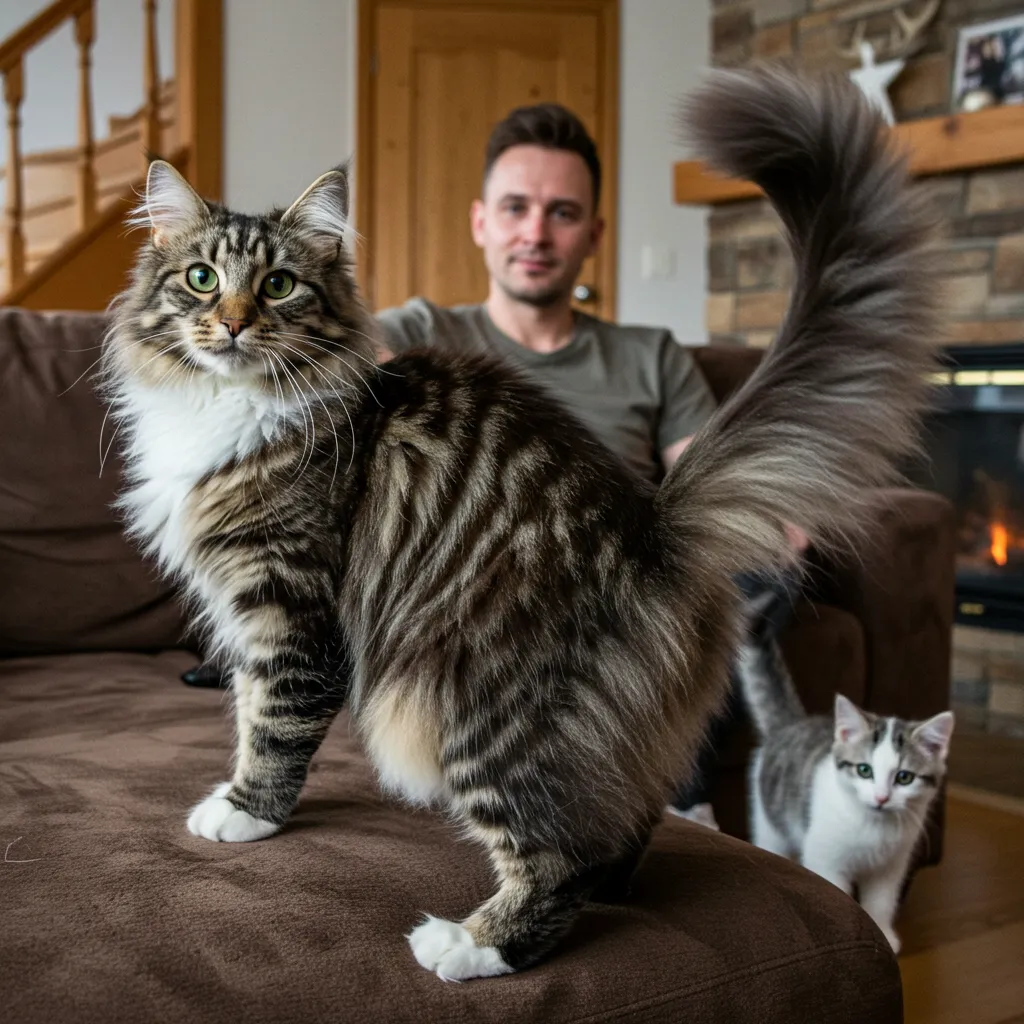
6. Health-Related Clinginess: A Rare but Critical Cause
Though less common, why cats are clingy can tie to health issues like pain or neurological conditions, prompting them to seek you out for reassurance. A 2025 Veterinary Medicine Journal study found that 10% of sudden cat proximity behavior cases link to medical issues like hyperthyroidism or arthritis.
- Why It Matters: Older cats or breeds prone to health issues, like Ragdolls (see Ragdoll cat health guide), may show clinginess as a symptom.
- Pro Tip: Watch for other signs—lethargy, appetite changes, or litter box issues—and consult a vet promptly.
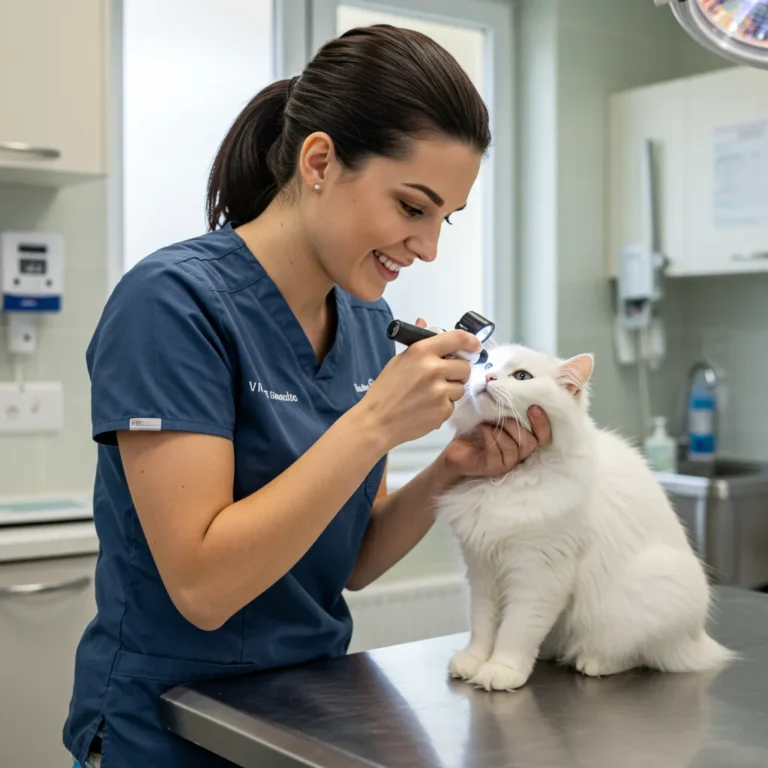
- Action Step: Schedule a checkup if clinginess is sudden or paired with symptoms (see finding the best vet).
Decoding Cat Body Language: What Sitting Behind You Reveals
Understanding cat body language explained is key to interpreting cat sitting positions meaning. When your cat sits behind you, their posture and behavior offer clues about their mood and intent. Here’s a quick guide to cat behavior behind owner:
| Posture | Meaning | Action Tip |
|---|---|---|
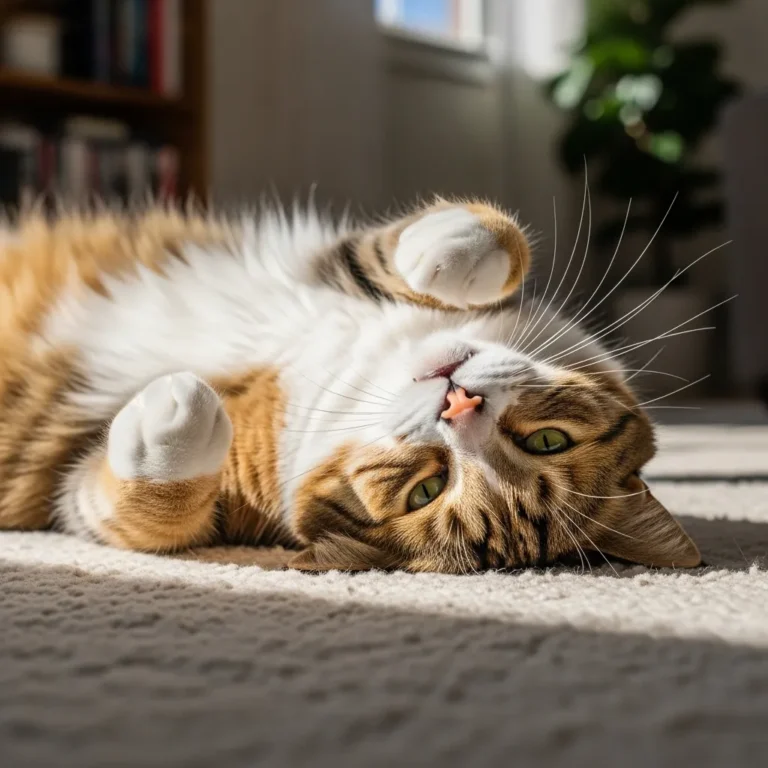
| Relaxed, loaf-like, purring | Contentment, trust, cat comfort and security | Offer gentle pets; add a cozy bed nearby (see best Munchkin cat beds). |
| Tense, ears back, tail flick | Stress or alertness; possible cat stress signs | Check for triggers; use calming aids (explore cat stress guide). |
| Crouched, eyes wide, playful | Preparing for a pounce, cat play behavior | Engage with toys to redirect energy (see Siamese cat entertainment). |
| Head-butting or rubbing | Marking you, feline social hierarchy or cats and owner bonding | Reinforce with affection; ensure territorial needs are met. |
Pro Tip: Keep a journal of your cat’s behavior—time, posture, and context—to spot patterns and tailor solutions.
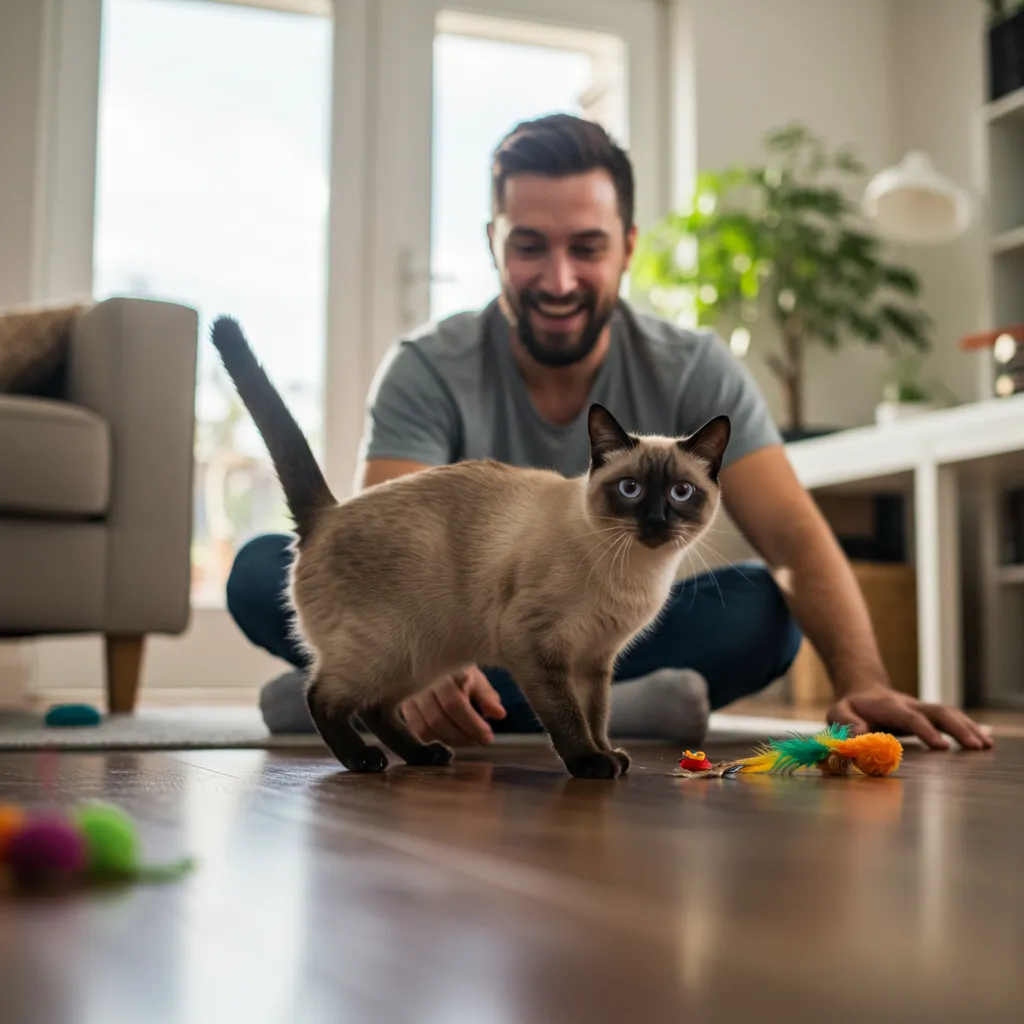
How to Respond to Your Cat Sitting Behind You
Now that you know why cats sit behind their owners, here’s a step-by-step plan to encourage healthy cat proximity behavior while addressing any underlying issues. These tips blend cat behavior explained with practical fixes for a stronger cat-human relationship.
Step 1: Create a Cat-Friendly Environment
Enrich their space to reduce stress-driven clingy cat behavior:
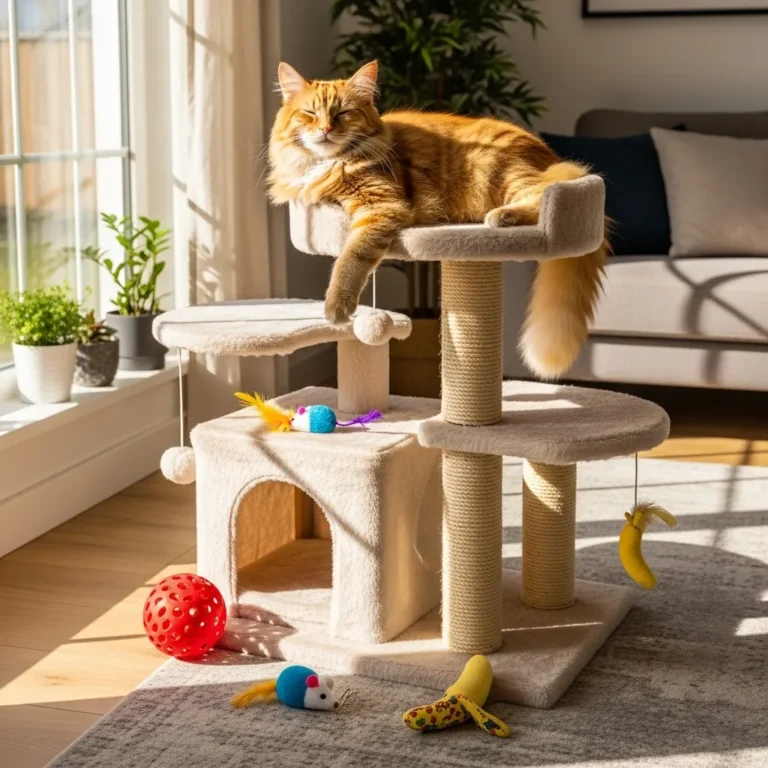
- Perches and Hideouts: Add cat trees or window perches for alternative safe spots (see Munchkin cat playfulness).
- Routine Stability: Feed, play, and cuddle at consistent times to ease anxiety.
- Pheromone Support: Use Feliway diffusers to mimic calming scents, reducing cat clinginess meaning by 80% in trials.
Step 2: Encourage Positive Interaction
Reinforce cat companionship without overindulging clinginess:
- Playtime: 15–20 minutes daily with interactive toys satisfies cat play behavior (try Bengal cat training tips).
- Reward Good Behavior: Treats or praise when they use their own bed instead of crowding you.
- Set Boundaries: Gently redirect if they’re too clingy by guiding them to a nearby perch.
Step 3: Monitor Health and Behavior
Sudden why cats are clingy shifts warrant attention:
- Vet Check: Rule out medical causes with a urine test or bloodwork (see cat health care).
- Behavior Tracking: Note when they sit behind you and any stressors (new pets, loud noises).
- Consult Experts: For persistent issues, reach out to a feline behaviorist (explore cat training behavior).
Step 4: Strengthen the Bond
Turn their behind-you habit into a bonding opportunity:
- Quiet Time: Sit calmly with your cat nearby to reinforce cat emotional connection.
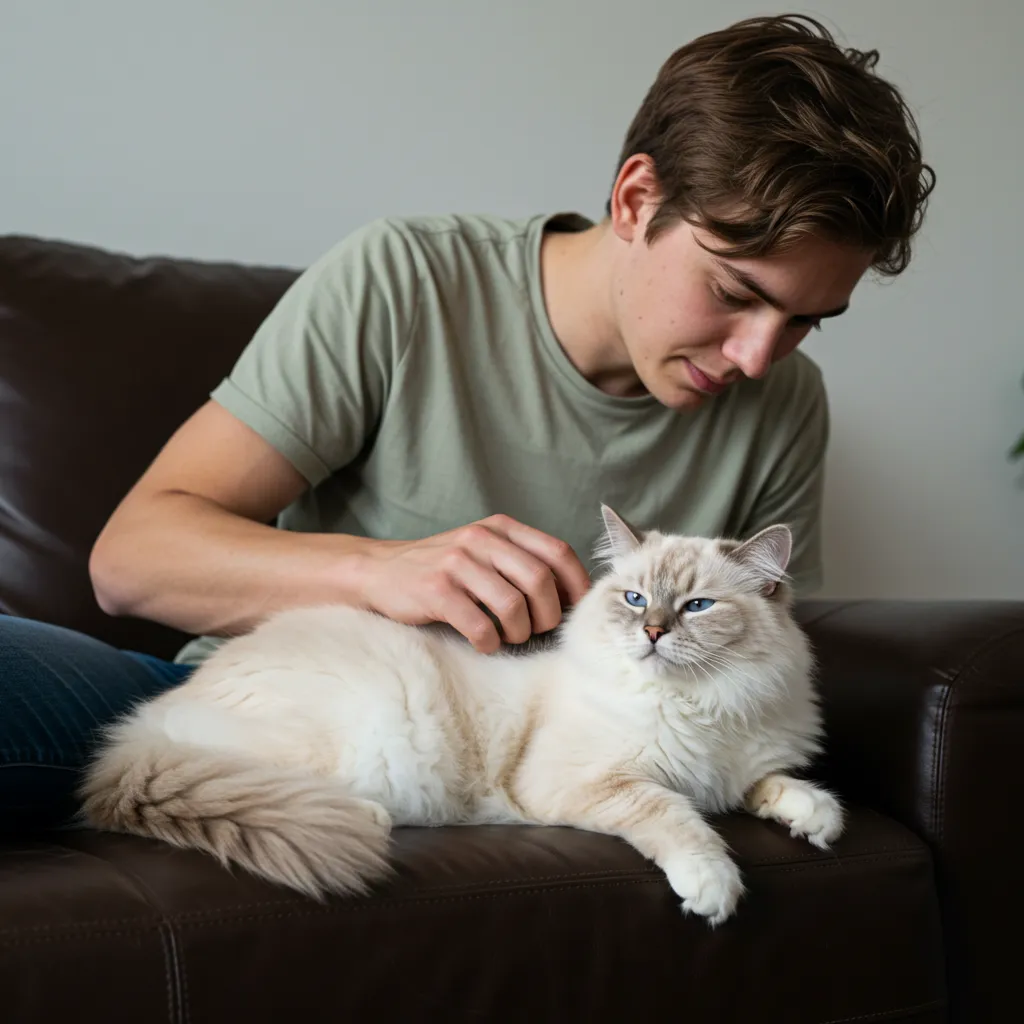
- Grooming Sessions: Brush or pet them to mimic social grooming, especially for Ragdolls (see Ragdoll cat care guide).
- Learn Their Language: Respond to slow blinks or purrs with affection to deepen signs your cat loves you.
FAQ: Quick Answers to Common Questions
Why does my cat sit behind me?
Cats sit behind you for comfort, trust, territorial marking, play, or stress relief. It’s a sign they feel safe and bonded, but check for health or environmental triggers (see cat behavior explained).
What are the reasons why cats sit behind their owners?
Key reasons include seeking cat comfort and security, bonding, marking territory, playful instincts, or coping with stress. Health issues like hyperthyroidism can also play a role.
Why do cats want to be near their owners?
Cats crave proximity for safety, affection, and to reinforce their feline social hierarchy. Your presence calms them, especially for breeds like Siamese (see Siamese cat guide).
Why are some cats clingy?
Clingy cat behavior stems from trust, stress, boredom, or health issues. Environmental changes or lack of stimulation can amplify why cats are clingy (check cat stress signs).
What comfort and security do cats find in close proximity to their owners?
Your warmth, scent, and presence mimic a safe den, fulfilling cat comfort-seeking behavior. It’s a sign of trust and cat emotional connection.
Why does my cat follow me everywhere?
Why cats follow me reflects bonding, curiosity, or need for attention. Playful or anxious cats, like Bengals, may shadow you to engage or seek reassurance (see Bengal cat personality).
Why is my cat obsessed with me?
Obsession signals strong cats and owner bonding, but sudden changes may indicate stress or health issues. Monitor for cat stress signs and consult a vet if needed.
Conclusion: Embrace Your Cat’s Behind-You Habit
Why cats sit behind their owners is a window into their world—a blend of trust, instinct, and love. From seeking cat comfort and security to staking their claim in the feline social hierarchy, this behavior shows how deeply your cat values you. By understanding cat body language explained and responding with enriched environments, play, and health checks, you can turn this quirky habit into a stronger cat-human relationship.
Ready to dive deeper into your cat’s mind? Explore our expert guides at Cat Bloom Haven, from cat behavior explained to cat health care. Share your cat’s behind-you stories in the comments—we’d love to hear how your feline shows their love!