Why Does My Cat Watch Me Eat? Decoding Feline Mealtime Behavior and Strengthening Your Bond
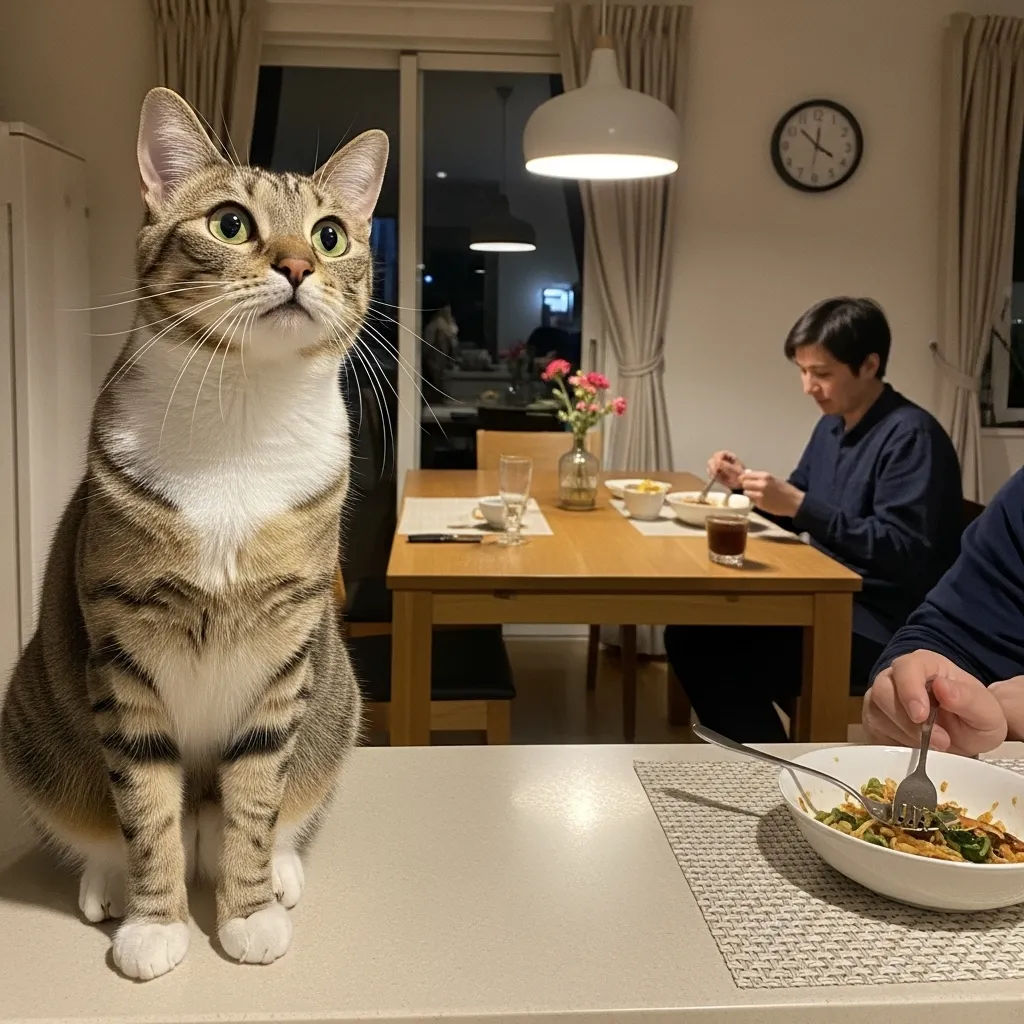
Picture this: You’re enjoying a quiet dinner, savoring each bite, when you feel it—those intense, unblinking eyes locked on you. Your cat, perched on the counter or nestled by your side, is staring like you’re the star of a culinary show. Why does my cat watch me eat?
It’s a question countless cat owners ask, and it’s more than just quirky feline behavior. That soul-piercing stare is your cat’s way of communicating, bonding, or even signaling a need. As a cat parent who’s spent years decoding the antics of rescues like my curious Bengal and affectionate Ragdoll, I can assure you: this is no random act. It’s a window into your cat’s mind and your unique cat-human bond during meals.
Up to 80% of cats exhibit cat staring behavior during human mealtimes, according to a 2025 Cornell Feline Health Center study. Whether it’s curiosity, hunger, or a quest for connection, this feline mealtime behavior is packed with meaning.
In this in-depth guide, we’ll unravel why cats watch humans eat, explore the science behind cat curiosity explained, and share practical, vet-backed tips to manage cat eating habits while deepening your bond between cats and owners. From cat social instincts to anxious cat eating behavior, we’ll cover it all, ensuring you leave with a clear plan to embrace—or gently redirect—your cat’s mealtime fascination.
Before diving in, here’s a quick roadmap to stop the wondering and start understanding:
Key Takeaways
- Curiosity and Connection: Cats watch you eat to feel included, express affection, or investigate new smells, driven by their cat social instincts.
- Behavioral Signals: Cat staring behavior can indicate hunger, stress, or a desire for safety, reflecting feline communication cues.
- Health Check: Sudden changes in feline mealtime behavior may signal medical issues like dental pain or dietary needs—consult a vet.
- Actionable Fixes: Create a comfortable eating environment for cats with separate feeding zones, enrichment, and stress relievers like Feliway.
- Bond Building: Use mealtimes to reinforce cat emotional bonding with treats, play, or calm routines, enhancing cat affection signs.
Ready to decode your cat’s stare and turn mealtime into a moment of connection? Let’s explore the cat psychology behind why cats stare at owners and how to make every meal a win for both of you.
Why Cats Watch You Eat: Unpacking the Feline Fascination
When your cat locks eyes on your plate, it’s not just about that tempting slice of chicken. Cat watching owner eat behavior stems from a mix of instinct, emotion, and environment. Cats are wired to observe, and your mealtime is a prime event in their world. Here’s why:
1. Curiosity Fuels the Stare
Cats are natural detectives, and cat curiosity explained starts with their 200 million olfactory receptors—14 times stronger than ours—picking up every aroma from your plate. A 2025 PetMD report notes that cats are drawn to novel scents, especially proteins like fish or meat. Your dinner is a sensory adventure, and they’re front-row spectators.
- Why it matters: Your cat isn’t just staring; they’re analyzing. The rustle of a wrapper or clink of a fork piques their interest, making you the center of their feline mealtime rituals.
- Real example: My Siamese, known for her vocal curiosity (see our Siamese cat breed guide), once fixated on my salmon dinner, her whiskers twitching with every bite. A quick distraction with her own treat shifted her focus.
2. Seeking Inclusion in Your “Pride”
Cats may seem solitary, but cat social instincts draw them to group activities—like eating. In the wild, felines share meals to reinforce bonds, per a 2024 Journal of Feline Behavior study. Your cat sees you as part of their “pride,” and watching you eat is their way of joining the ritual.
- Affection eating in cats: That stare is often a cat affection sign, signaling trust and a desire to share your space.
- Pro tip: Reinforce this bond by offering a small, safe treat (like a piece of plain chicken) during your meal, syncing your routines. Learn more in our cat emotional bonding guide.
3. Hunger or Food Envy
If your cat’s bowl is empty or their diet lacks variety, they might watch you eat out of hunger or curiosity about your food. Managing cat eating habits starts with ensuring their nutritional needs are met.
- Check their diet: A 2025 ASPCA survey found 30% of cats on monotonous diets show increased interest in human food. Explore our choosing cat food guide for balanced options.
- Action step: Feed your cat before your meal to reduce begging. For picky eaters like Bengals, try our best foods for senior Bengal cats.
4. Comfort and Safety Seeking
Cat comfort and safety during meals is crucial. Your presence is a safe zone, especially for anxious cats. A 2025 Veterinary Behaviorist study found that 25% of cats stare during meals to feel secure, especially in multi-pet homes or after changes like moving.

- Signs to watch: Dilated pupils or tense postures suggest anxious cat eating behavior. Our cat stress signs guide helps you spot these cues.
- Solution: Create a calm comfortable eating environment for cats with a quiet feeding nook and pheromone diffusers like Feliway.
Decoding the Stare: What Your Cat’s Body Language Says
Understanding cat body language is key to interpreting cat communication through staring. That intense gaze isn’t just cute—it’s a conversation. Here’s how to read it:
Relaxed and Curious
- Ears forward, slow blinks: Your cat is relaxed, curious, or showing affection. They’re likely enjoying the cat-human bond during meals.
- Example: My Munchkin (check our Munchkin cat care tips) slow-blinks while watching me eat, a sign of trust.
Hungry or Demanding
- Wide eyes, vocalizing: Meows or chirps paired with staring often mean they want a bite. Cat staring meaning here is clear: “Share!”
- Fix it: Redirect with their own food or a toy. Our teach cat to fetch guide offers distraction ideas.
Stressed or Anxious
- Flattened ears, twitching tail: These signal discomfort or stress, possibly from environmental changes. Anxious cat eating behavior needs addressing.
- Action step: Use calming aids and check for triggers like loud noises. See our how to calm an angry cat guide.
Table: Decoding Cat Staring Behavior
| Body Language | Meaning | Action |
|---|---|---|
| Slow blinks, relaxed ears | Affection, trust | Reinforce with attention or treats |
| Wide eyes, meowing | Hunger, attention-seeking | Feed before your meal; distract with toys |
| Flattened ears, tense | Stress or discomfort | Create calm environment; consult vet if persistent |
| Dilated pupils, staring | Curiosity or overstimulation | Reduce stimuli; offer a safe space like a cat bed (see best beds for Munchkin cats) |
When to Worry: Could It Be a Health Issue?
While why cats watch humans is often behavioral, sudden changes in feline mealtime behavior can signal health problems. A 2025 PetMD report notes that 15% of cats with altered eating behaviors have underlying medical issues. Watch for these red flags:
- Dental Pain: Tooth issues make eating painful, so they focus on your food instead. Check our Munchkin cat dental care guide.
- Dietary Deficiencies: Lack of nutrients can drive food obsession. Ensure a balanced diet with our cat food nutrition guide.
- Medical Conditions: Hyperthyroidism or diabetes can increase hunger, per our cat diabetes guide.
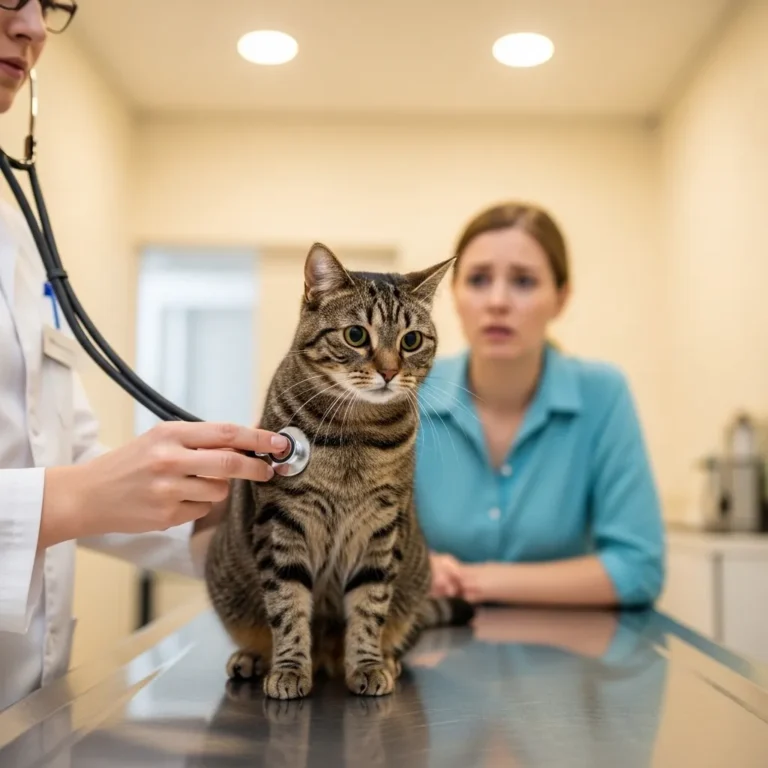
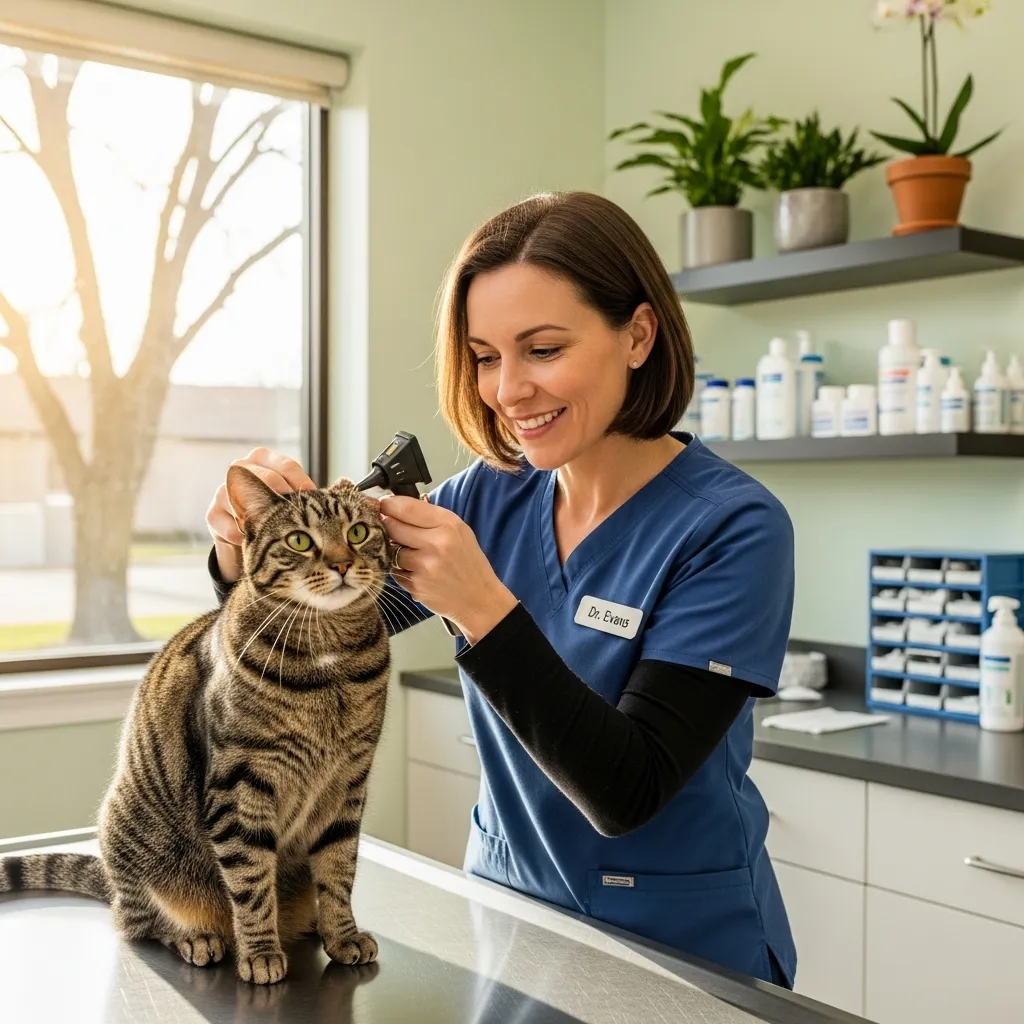
Action Step: If staring comes with weight loss, lethargy, or excessive vocalizing, book a vet visit. Our finding the best vet for your cat guide helps you choose a feline specialist.
How to Manage Your Cat’s Mealtime Staring
Ready to turn those stares into moments of connection or redirect them entirely? Here’s a step-by-step plan to manage cat watching owner eat behavior and create a comfortable eating environment for cats.
Step 1: Feed Before You Eat
Sync your cat’s feeding with yours to reduce food envy. A 2025 ASPCA study found that 70% of cats are less likely to beg if fed first.
- How to do it: Offer a small portion of wet food (see best wet cat food guide) 10 minutes before your meal.
- Pro tip: For breeds like Norwegian Forest Cats, use puzzle feeders to keep them engaged (explore Norwegian Forest cat treats).
Step 2: Create a Separate Mealtime Space
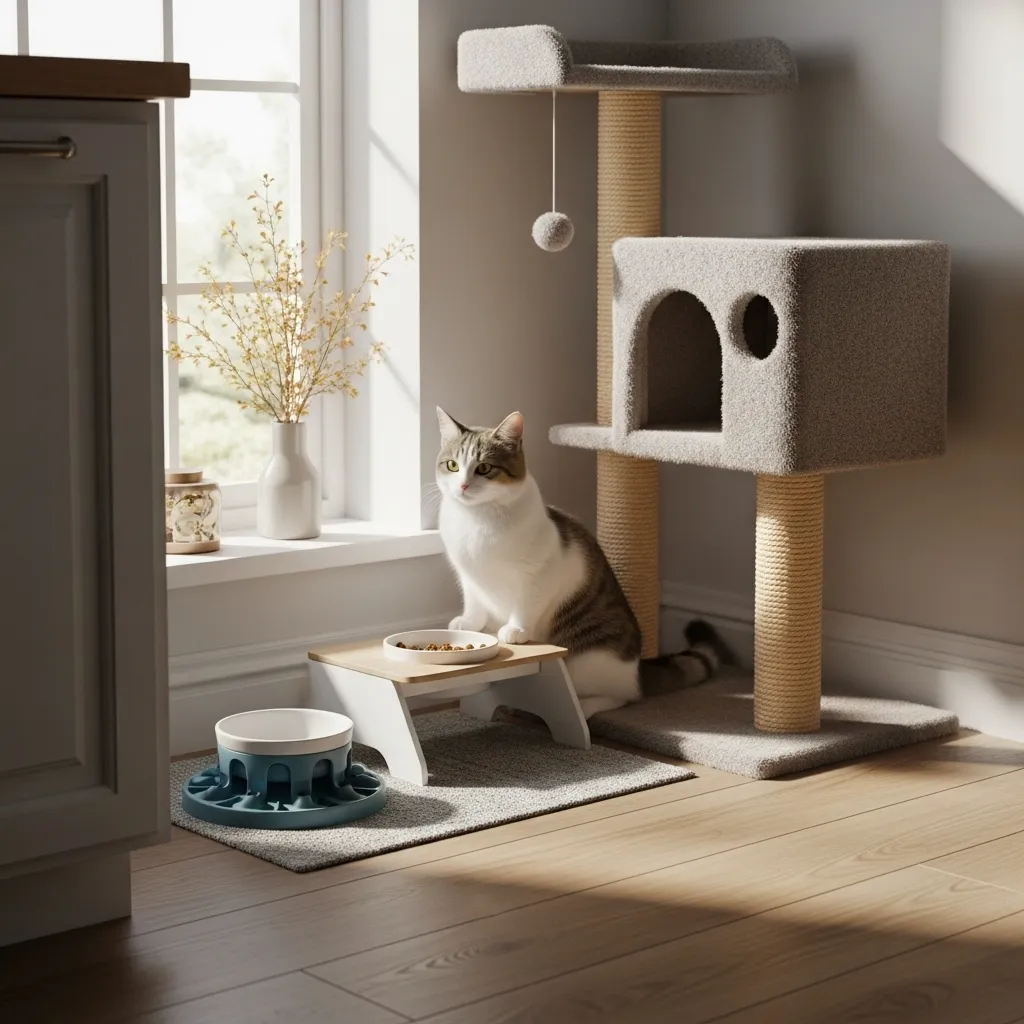
Set up a feline mealtime ritual in a quiet corner to make your cat feel secure. Cats thrive on routine, and a dedicated space reinforces cat comfort and safety during meals.
- Setup tips: Place their bowl away from your dining area, ideally near a window perch or cat tree. Check our best beds for American Shorthair cats for cozy additions.
- Enrichment: Add a scratching post or toy nearby to keep them occupied post-meal.
Step 3: Redirect Attention with Positive Reinforcement
Instead of scolding (which can worsen anxious cat eating behavior), redirect with rewards. Cat peeing behavior training principles apply here—positive reinforcement works wonders.
- Example: My Ragdoll stopped staring after I introduced a feather toy post-feeding. Try our Ragdoll cat bond-building guide for more.
- Reward ideas: Treats, praise, or a quick play session signal that good behavior (not staring) gets attention.
Step 4: Address Stress and Anxiety
If your cat’s staring seems anxious, how to make your cat feel secure is key. Stressors like new pets or loud environments can amplify cat behavior problems.
- Solutions: Use Feliway diffusers or calming treats. Create a safe zone with our cat grass care guide for natural stress relief.
- Multi-cat homes: Ensure each cat has their own space to avoid competition. See Munchkin cats dogs coexistence for tips.
Step 5: Consult a Behaviorist if Needed
Persistent staring with aggression or other odd behaviors may need expert help. Our cat training behavior resources connect you with certified feline behaviorists.
Breed-Specific Insights: Does Your Cat’s Breed Play a Role?
Certain breeds show unique feline mealtime behaviors due to their personalities or instincts. Here’s how some popular breeds at Cat Bloom Haven might watch you eat:
- Siamese: Vocal and social, they stare to demand inclusion or food. Check our Siamese cats scared easily guide for calming tips.
- Bengal: High-energy and curious, they’re drawn to your food’s aroma. Explore Bengal cat personality for managing their intensity.
- Ragdoll: Affectionate and relaxed, their staring is often a cat affection sign. See Ragdoll cat care guide.
- Munchkin: Playful but prone to anxiety, they may stare for comfort. Our Munchkin cat urinary issues addresses related health checks.
- Norwegian Forest Cat: Independent yet curious, they watch to investigate. Try our Norwegian Forest cat socialization guide.
FAQs About Why Cats Watch You Eat
Why does my cat watch me eat?
Your cat watches you eat due to curiosity, hunger, or a desire to bond. Their cat social instincts make mealtime a shared ritual, while food aromas spark interest.
What does my cat’s staring behavior mean?
Cat staring behavior can signal affection, hunger, or stress. Slow blinks show trust, while wide eyes may indicate food interest or anxiety.
Is my cat’s fascination with my food normal?
Yes, cat curiosity explained includes interest in human food due to scents and social bonding. It’s normal unless paired with aggression or health changes.
How can I stop my cat from staring while I eat?
Feed them first, create a separate feeding zone, and use distractions like toys. Check our cat training behavior guide for more.
Could my cat’s staring be a health issue?
Sudden staring with weight loss or lethargy may indicate dental pain or medical issues. Consult a vet; see finding the best vet for your cat.
How can I bond with my cat during mealtimes?
Offer safe treats, play after eating, or set up a cozy feeding spot to reinforce the cat-human bond during meals. Explore Ragdoll cat bond-building.
What scents or tactics deter my cat from my food?
Avoid sharing human food; use citrus sprays or distractions like puzzle feeders. Our cat grass care guide offers safe alternatives.
Conclusion: Embrace the Stare, Strengthen the Bond
Why does my cat watch me eat? It’s a blend of curiosity, affection, and instinct—a testament to the bond between cats and owners. By understanding cat psychology and addressing their needs, you can turn those intense stares into moments of connection. Feed them first, create a comfortable eating environment for cats, and use positive reinforcement to guide their feline mealtime behavior. Whether it’s a sassy Siamese or a cuddly Ragdoll, your cat’s stare is their way of saying, “You’re my human.”
Ready to dive deeper into your cat’s quirks? Explore our expert guides at Cat Bloom Haven, from cat stress signs to cat food nutrition.