Cat Threw Up Worms: Your Complete Guide to Spotting, Treating, and Preventing Intestinal Parasites
Seeing your cat throw up worms is every pet parent’s nightmare moment one second you’re cleaning a hairball, the next you’re staring at wriggling parasites in the mess. If your cat vomited worms recently, you’re not alone, and more importantly, you’re in the right place. This expert guide breaks down everything from identifying worms in cat vomit to safe deworming treatments, prevention strategies, and when to rush to the vet. By the end, you’ll know exactly how to protect your feline friend from intestinal worms in cats and keep parasite infections at bay.
Key Takeaways Upfront (for quick answers):
- Worms in cat vomit are often roundworms or tapeworms both treatable but require immediate action.
- Never use over-the-counter dewormers without vet confirmation; misdiagnosis can harm your cat.
- Indoor cats aren’t immune fleas, prey, or contaminated soil bring risks.
- Prevention beats cure: monthly flea control + routine deworming = 95% lower infestation rates (per CAPC guidelines).
- Kittens need deworming every 2 weeks until 12 weeks old, then monthly until 6 months.
Ready to dive deeper? Let’s get your cat back to purring health.
What Does It Mean When Your Cat Throws Up Worms?
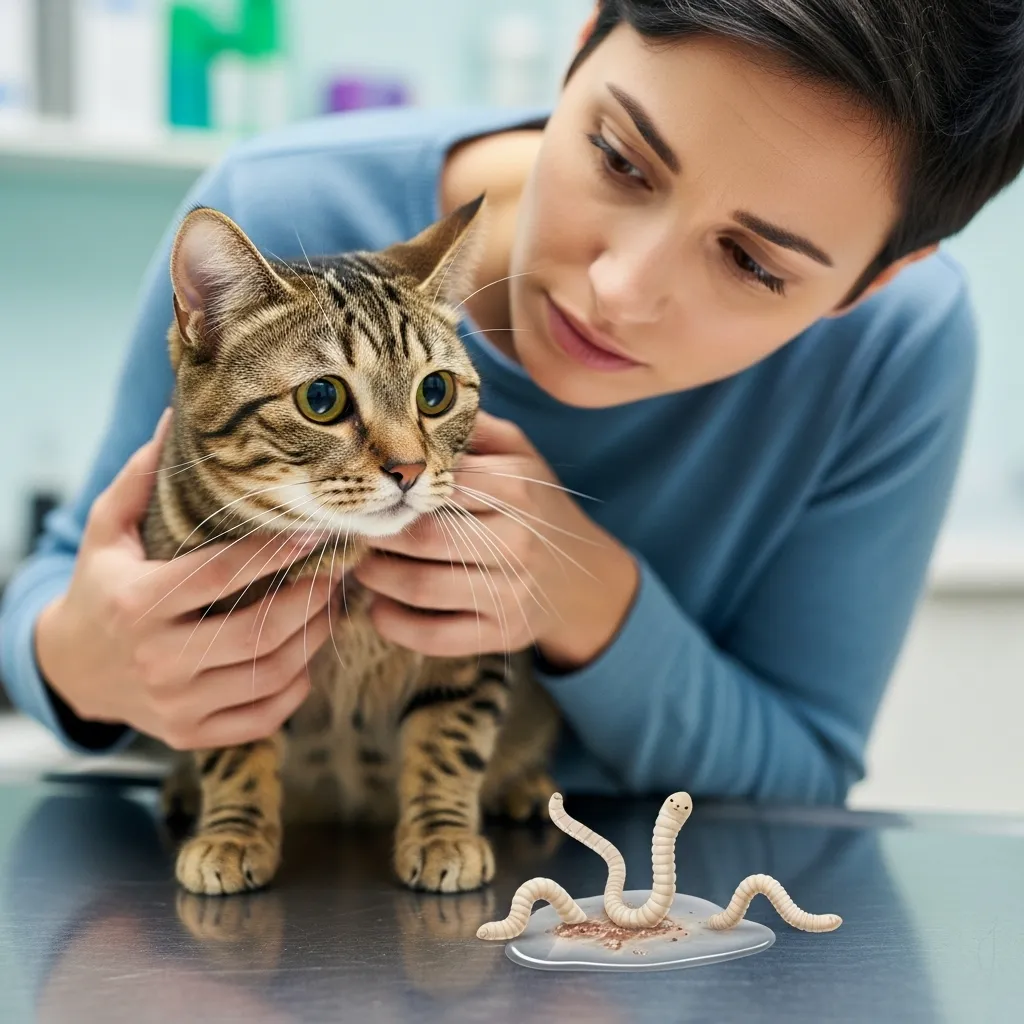
Discovering worms in cat vomit isn’t just gross it’s a red flag for an active parasite infection. Cats regurgitate or vomit worms when the parasite load overwhelms their system or when adult worms migrate upward. Unlike hairballs or food, live or dead worms signal intestinal worms in cats that need treatment.
Vet Insight: “I see this panic moment weekly,” says Dr. Emily Chen, DVM, feline specialist with 15+ years in parasite medicine. “The good news? Early intervention stops complications like anemia or intestinal blockage.”
Common triggers for cat vomiting worms:
- Heavy roundworm burden (especially in kittens)
- Tapeworm segments breaking off and irritating the stomach
- Stress, diet changes, or concurrent illness forcing worms upward
Pro Tip: Snap a photo of the vomit (yes, really) before cleaning. Your vet can identify worm types instantly.
Identifying Worms in Cat Vomit: What Do They Actually Look Like?
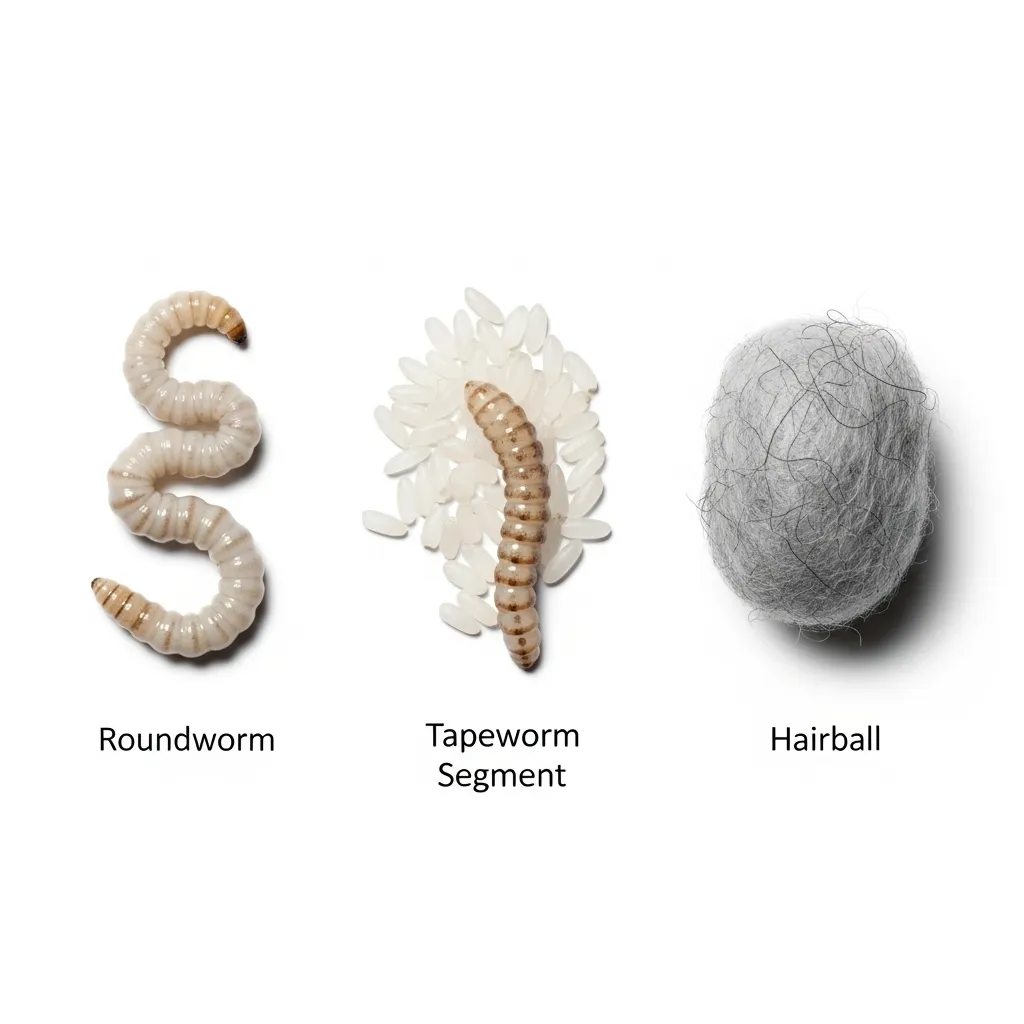
Not all stringy things in vomit are worms. Here’s how to tell parasites from spaghetti or yarn:
| Worm Type | Appearance in Vomit | Length | Movement | Common in |
|---|---|---|---|---|
| Roundworms | Long, white/cream, spaghetti-like | 3–6 inches | Often still wiggling | Kittens, outdoor cats |
| Tapeworms | Flat, rice-grain segments (proglottids); sometimes long ribbons | ½ inch segments; up to 2 feet | Rarely move; may be dried | Flea-infested cats |
| Hookworms | Rarely vomited (more in stool) | Microscopic | N/A | Rare in vomit |
| NOT worms | Yarn, grass, hairballs | Varies | No segmentation | Misidentification |
What worms look like in cat vomit: Roundworms curl like cooked pasta; tapeworm segments resemble sesame seeds stuck together. If segments are moving after vomiting, that’s a tapeworm proglottid releasing eggs gross but diagnostic gold.
Types of Worms in Cats: The Usual (and Unusual) Suspects
Let’s meet the parasites:
1. Roundworms in Cats (Toxocara cati, Toxascaris leonina)
- Most common intestinal worms in cats
- Kittens infected via mom’s milk
- Can grow to 6+ inches in intestines
- Risks: pot-bellied appearance, stunted growth, pneumonia if larvae migrate to lungs
2. Tapeworms in Cats (Dipylidium caninum, Taenia spp.)
- Transmitted via fleas or infected prey (mice, birds)
- Live in small intestine; release egg packets that look like rice
- Rarely cause vomiting unless heavy load
3. Hookworms (Ancylostoma spp.)
- Blood-sucking parasites → anemia
- More common in warm, humid climates
- Rarely seen in vomit; look for black, tarry stool
4. Less Common: Lungworms, Stomach Worms
- Coughing, wheezing, weight loss
- Outdoor cats hunting snails/slugs at risk
Explore more: Confused about your cat’s breed and parasite risks? Check our American Shorthair Cats Guide some breeds groom more, increasing flea exposure.
Causes of Worm Infestation in Cats: How Did This Happen?
No cat is immune even indoor-only cats. Here’s how parasites sneak in:
- Fleas → Tapeworms
Cat swallows infected flea while grooming → tapeworm develops in 2–3 weeks. - Hunting → Multiple worms
Mice, birds, lizards carry roundworms, tapeworms, lungworms. - Contaminated Environment
Soil, grass, or water with worm eggs/larvae. Indoor cats track it in on shoes. - Mother-to-Kitten Transmission
Roundworm larvae in mom’s milk → nearly 100% of unsheltered kittens infected. - Shared Litter Boxes
Multi-cat homes spread eggs fast if one cat is infected.
Indoor vs. Outdoor Cat Parasite Risks:
| Risk Factor | Indoor Cats | Outdoor Cats |
|---|---|---|
| Flea exposure | Low (but possible) | High |
| Prey hunting | None | Very high |
| Soil contact | Minimal | Daily |
| Deworming need | Every 3–6 months | Monthly |
Symptoms of Worms in Cats: Beyond Vomiting
Cat vomiting worms is dramatic, but subtler cat parasite signs appear first:
Physical Symptoms
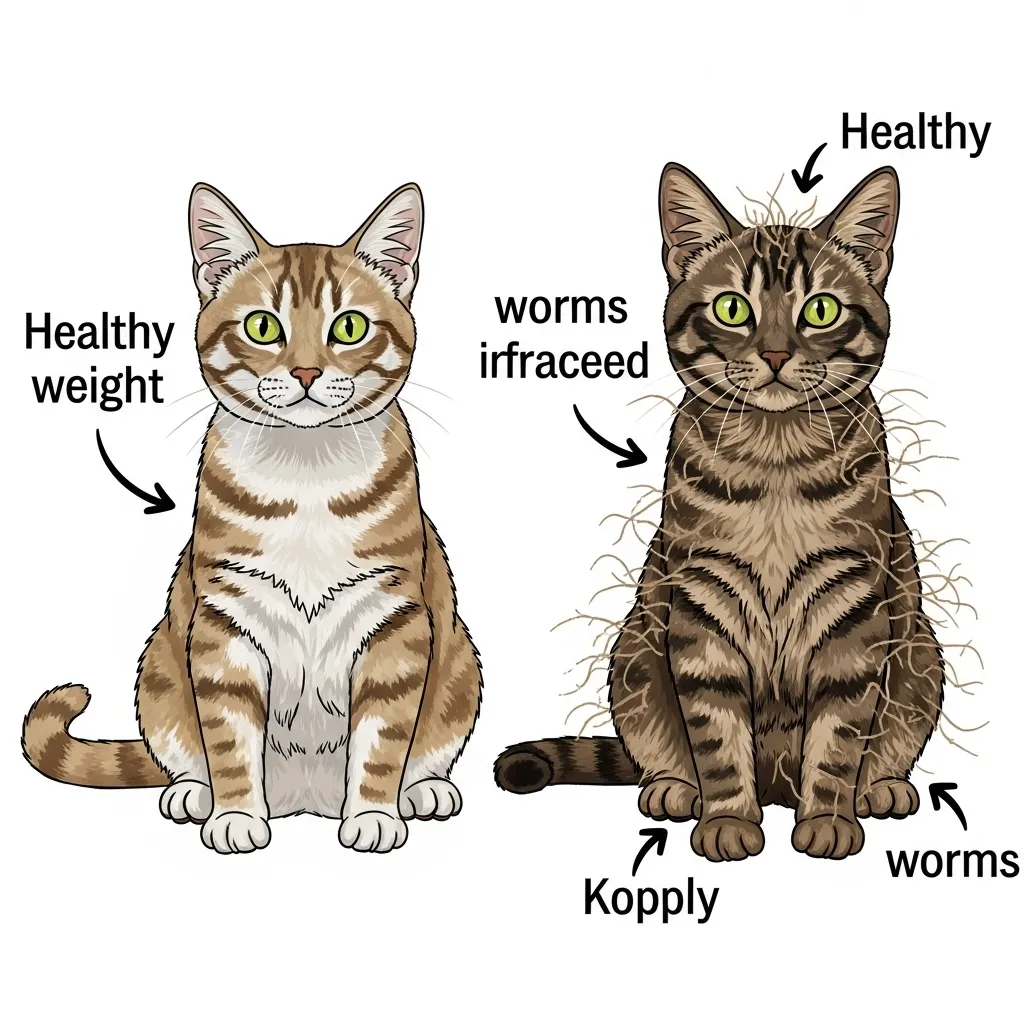
- Pot-bellied appearance (especially kittens)
- Dull, rough coat
- Weight loss despite normal appetite
- Diarrhea or constipation
- Blood in stool (hookworms)
- Anemia → pale gums, lethargy
Cat Health and Behavior Changes
- Scooting or licking rear excessively
- Increased appetite (tapeworms steal nutrients)
- Coughing or wheezing (lungworm migration)
- Vomiting food with worms
Emergency Symptoms in Cats (Go to ER now):
- Repeated vomiting + worms
- Black, tarry stool
- Severe lethargy or collapse
- Visible worms crawling from anus
When to See a Vet for Worms: Don’t Guess, Test
Rule #1: Never treat blindly. Over-the-counter dewormers for cats can fail against resistant strains or harm cats with underlying conditions.
What Happens at the Vet
- Fecal Exam – Microscopic egg detection (gold standard)
- Physical Exam – Check for anemia, dehydration
- Bloodwork – If anemia or organ stress suspected
- Prescription Dewormer – Targeted to worm type
Safe Dewormers for Kittens? Only vet-prescribed. Praziquantel, pyrantel, or milbemycin are common.
Explore more: Preparing for vet visits? Read our Siamese Cat Vet Visits guide same principles apply.
How to Treat Worms in Cats: Step-by-Step Plan
Step 1: Collect Sample
- Bring fresh stool (or photo of vomit) to vet
Step 2: Administer Prescription Meds
| Worm Type | Common Meds | Doses |
|---|---|---|
| Roundworms | Pyrantel, Fenbendazole | 1–2 doses, 2 weeks apart |
| Tapeworms | Praziquantel | Single dose |
| Hookworms | Fenbendazole, Milbemycin | 3–5 days |
Step 3: Treat Environment
- Wash bedding in hot water
- Vacuum daily for 2 weeks
- Use flea prevention (Revolution, Advantage Multi)
Step 4: Retest in 2–3 Weeks
- Confirm worms are gone
Natural Remedies for Cat Worms? Pumpkin seeds, diatomaceous earth, or coconut oil lack scientific backing. Stick to vet care.
Home Care Tips for Worm-Infested Cats:
- Feed bland diet (boiled chicken + rice) for 48 hours
- Encourage water intake (fountain helps)
- Isolate infected cat from others
Best Deworming Medications for Cats (Vet-Approved)
| Product | Targets | Safe For | Notes |
|---|---|---|---|
| Drontal | Round + Tape | 8 weeks+ | Broad-spectrum |
| Profender | All intestinal worms | Topical | Great for pill-haters |
| Revolution Plus | Fleas + worms | Monthly | Prevents reinfection |
How Often to Deworm Cats?
- Kittens: Every 2 weeks until 12 weeks → monthly until 6 months
- Adult indoor: Every 3–6 months
- Outdoor/hunters: Monthly
Preventing Worms in Cats: Your Long-Term Strategy
1. Year-Round Flea Control
“Fleas causing tapeworms in cats is the #1 preventable link,” says Dr. Chen. Use vet-recommended topicals or orals.
2. Routine Vet Check-Ups for Cats
- Annual fecal tests
- Wellness bloodwork in seniors
3. Environmental Parasite Control
- Keep litter boxes scooped daily
- Wash food bowls in hot, soapy water
- Avoid raw meat diets
4. Pet Hygiene and Parasite Control
- Groom regularly to spot fleas early
- Wipe paws after outdoor time
Explore more: Love cat memes but hate parasites? Laugh off stress with Naughty Cat Memes 2025

Worms and Fleas Connection in Cats: Break the Cycle
Fleas aren’t just itchy they’re tapeworm taxis. One swallowed flea = one tapeworm in 3 weeks. Break the cycle:
- Treat all pets in home
- Wash bedding at 140°F
- Vacuum + flea spray (pet-safe)
- Repeat flea treatment monthly
Over-the-Counter Dewormers: Proceed with Caution
| Product | Safe? | Risks |
|---|---|---|
| Tape worm tabs | Sometimes | Ineffective vs roundworms |
| Generic pyrantel | Risky | Underdosing common |
| Herbal dewormers | No | Zero efficacy data |
Bottom line: Only use OTC if vet confirms worm type and recommends brand/dose.
Cat Deworming Treatment: What to Expect Post-Med
- Mild diarrhea (1–2 days)
- Increased appetite
- Worms in stool (dead = good!)
- Retest in 14 days
When to worry post-treatment:
- Vomiting >24 hours
- Bloody stool
- Lethargy
FAQ: Your Top Questions Answered
What do worms in cat vomit look like?
Roundworms: long, white, spaghetti-like, may wiggle. Tapeworms: rice-grain segments, flat, sometimes in chains.
Are worms in cat vomit an emergency?
Not always but if paired with lethargy, blood, or repeated vomiting, go to ER.
How can I treat worms in cats at home?
You can’t safely. Supportive care (hydration, bland diet) yes medication no. Vet visit required.
What are the best deworming medications for cats?
Drontal, Profender, Revolution Plus (prescription). Avoid OTC unless vet-approved.
How often should I deworm my cat?
Kittens: every 2 weeks until 3 months, then monthly to 6 months. Adults: every 3–6 months (more if outdoor).
Can indoor cats get worms?
Yes via fleas, tracked-in soil, or mother’s milk (kittens).
Are natural remedies effective for cat worms?
No. Pumpkin seeds, garlic, etc., lack evidence and can be toxic.
When should I worry about worm infestation risks in cats?
Any weight loss, pot belly, or visible worms = vet now.
Final Thoughts: Your Cat Deserves a Worm-Free Life
Finding your cat threw up worms is scary but it’s 100% manageable with fast action and smart prevention. From identifying roundworms in cats to breaking the fleas-and-tapeworms cycle, you now have a vet-level playbook.
Next Steps:
- Call your vet today (bring sample!)
- Start monthly flea prevention
- Schedule routine deworming
Your cat’s health is in your hands—and you’ve got this.
Explore more expert cat care and behavior guides on Cat Bloom Haven. Whether you’re decoding Why Cats Rub on Shoes or tackling Cat Hairballs, we’ve got your back.