How Long Can a Cat Stay in a Carrier? Your Complete Guide to Safe Feline Travel in 2025
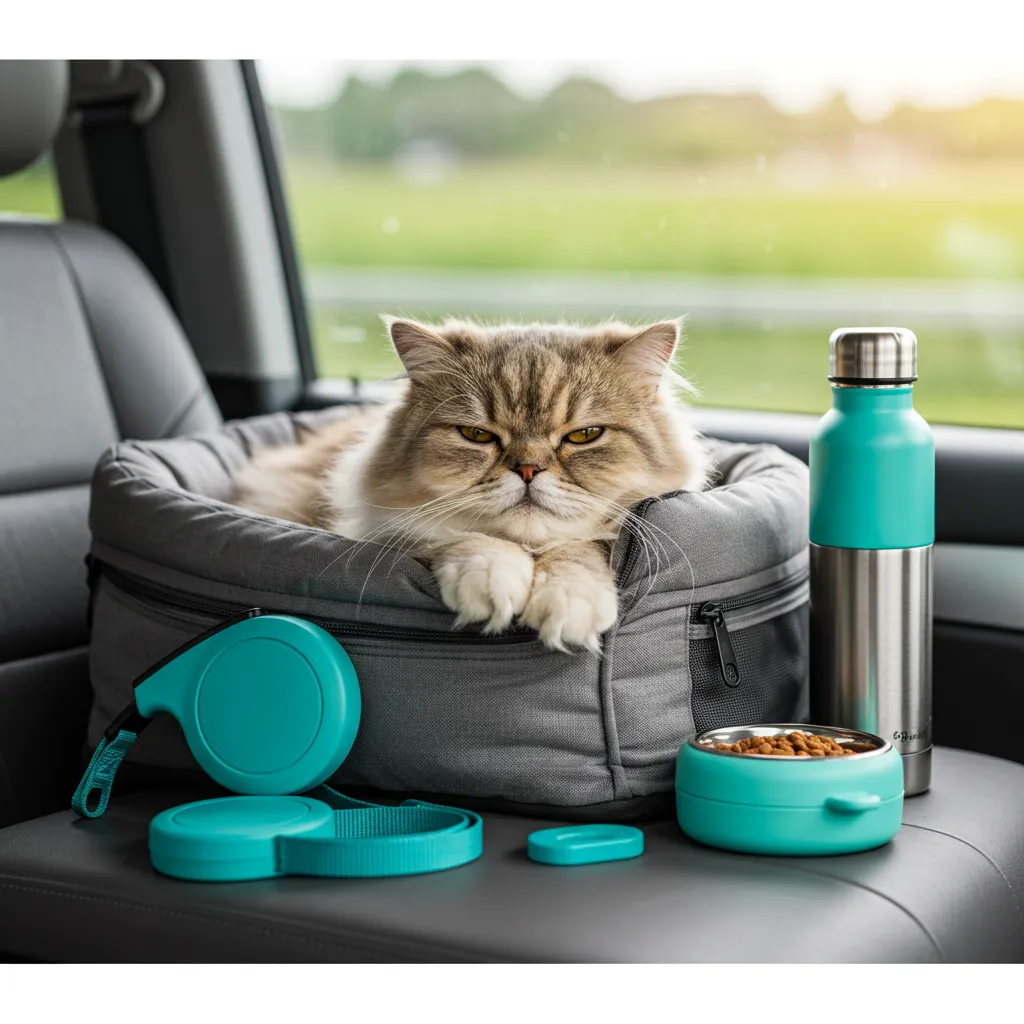
Imagine this: You’re gearing up for a family road trip or a quick flight, and your furry feline friend is staring at you with those big, judgmental eyes as you pull out the carrier. We’ve all been there wondering, “How long can a cat stay in a carrier without turning into a stressed-out furball?” It’s a common dilemma for cat owners, especially when traveling with cats becomes necessary for vet visits, moves, or vacations.
The good news? With the right prep and knowledge, you can make carrier time comfortable and safe for your kitty. This ultimate guide dives deep into cat carrier duration, cat travel tips, and everything in between, drawing from vet insights and real-world experiences to help you outrank the stress and enjoy the journey. Whether you’re hitting the road or the skies, we’ve got you covered.
Why Cats Need Carriers: The Basics of Safe Travel for Cats
Carriers aren’t just a box to stuff your cat into—they’re a lifeline for safe travel. Think about it: Cats are natural explorers, but in unfamiliar environments like cars or airports, they can panic, leading to escapes or injuries. A good carrier keeps them secure while providing a cozy den-like space that mimics their instinctual need for hiding spots.
From my years of chatting with fellow cat parents and vets, I’ve learned that carriers are essential for several reasons:
- Safety First: In a car, an unrestrained cat can become a projectile during sudden stops. Airlines require carriers for obvious reasons—no one wants a loose kitty in the cabin!
- Stress Reduction: Familiar carriers can actually calm cats by offering a “safe zone” amid chaos.
- Legal and Practical Requirements: Many states mandate pet restraints in vehicles, and airlines have strict rules on cat travel carrier airline approved options.
According to experts at the ASPCA and veterinary sites like PetMD, using a carrier prevents accidents and reduces cat travel stress. For instance, in a crash, a secured carrier can save lives. Plus, it’s a must for public transport or hotels.
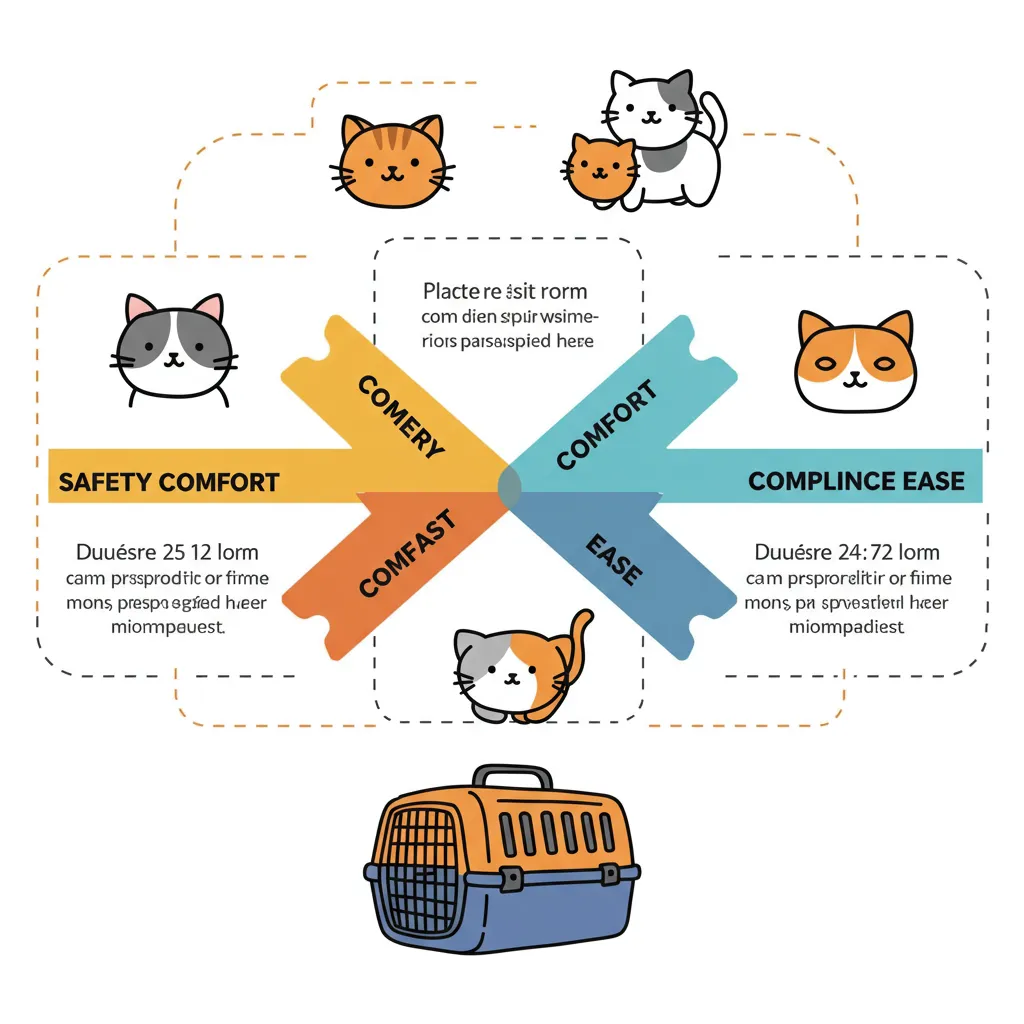
Top Reasons to Always Use a Cat Carrier (Infographic-Style List)
Here’s a quick breakdown:
- Protection During Transit: Shields from bumps, noise, and other animals.
- Ease of Handling: Makes vet trips or airport security smoother.
- Health Compliance: Required for international travel with health certificates.
- Comfort Zone: Line it with familiar bedding to mimic home.
If you’re new to this, start by leaving the carrier out at home—cats are curious, and they’ll often explore it on their own terms.
How Long Can a Cat Stay in a Carrier? Key Factors and Guidelines
Ah, the million-dollar question: How long can a cat stay in a carrier? There’s no one-size-fits-all answer, but based on vet recommendations and real experiences, most healthy adult cats can handle 4-6 hours comfortably, with breaks. For longer trips, like cross-country drives, aim for no more than 8 hours without a pit stop. Kittens or seniors might need shorter stints—think 2-4 hours max.
From sources like All Feline Hospital and Catster, short trips under 6 hours are fine if the carrier is spacious and ventilated. But extended time? That’s where cat carrier duration becomes crucial to avoid stress or health issues.
Key Considerations for Cat Carrier Duration
Several factors play into this:
- Age and Health: Young kittens or cats with conditions like arthritis need more frequent breaks. A vet-recommended rule: No more than 4 hours for vulnerable cats.
- Carrier Size and Comfort: The carrier should allow your cat to stand, turn, and lie down easily. Aim for dimensions like 24″ x 16″ x 16″ for medium cats.
- Trip Type: For cat in carrier for long trips, like road trips, stop every 2-3 hours. On flights, it’s often 4-8 hours max, per airline rules.
- Temperature and Ventilation: Keep it between 60-75°F; overheating is a big risk.
- Hydration and Bathroom Needs: Offer water via a drip bottle; for long hauls, use absorbent pads.
Real-life example: A friend moved cross-country with her two cats. She limited carrier time to 5 hours daily, with hotel stops for playtime. No meltdowns!
| Short Vet Visit | 1-2 hours | Cover with a blanket for calm. |
| Road Trip | 4-6 hours per stretch | Breaks for litter, water, and stretches. |
| Airplane | Flight duration (up to 8 hours) | Choose airline-approved; no sedatives without vet OK. |
| 28 | ||
| Senior/Kitten | 2-4 hours | Monitor for signs of distress like excessive meowing. |
Remember, if your cat shows signs of stress (panting, yowling), shorten the time.
Cat Carrier Comfort: Making the Space Feel Like Home
Cat carrier comfort is key to extending safe durations. A cramped, unfamiliar box? Recipe for anxiety. But with tweaks, it becomes a mobile sanctuary.
Start with padding: Use soft, washable bedding or a familiar blanket to absorb scents from home. Add toys or a shirt with your smell for reassurance.
Pros and Cons of Carrier Types
- Hard-Sided: Pros: Durable, easy clean. Cons: Heavier, less flexible for airlines.
- Soft-Sided: Pros: Lightweight, compressible. Cons: Less protection in crashes.
- Backpack Style: Pros: Hands-free. Cons: Not for long hauls.
For 2025, top picks include the Sherpa Deluxe (airline-friendly) and Petseek Extra Large for car travel.
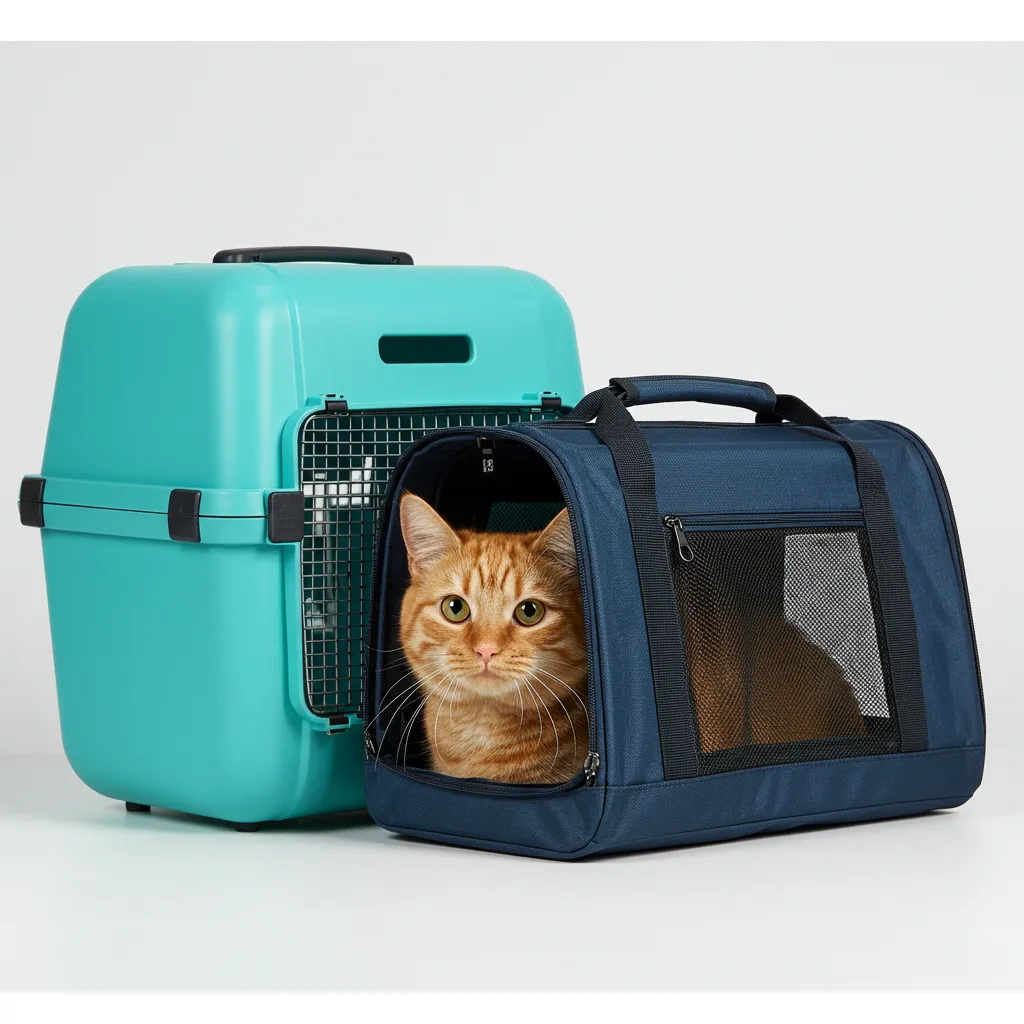
Best cat carriers for travel in 2025 emphasize ventilation and security straps.
How to Prepare a Cat for a Carrier: Step-by-Step Training Guide
Don’t spring the carrier on your cat last-minute—that’s a surefire way to amp up cat travel stress. Instead, train them gradually using positive reinforcement.
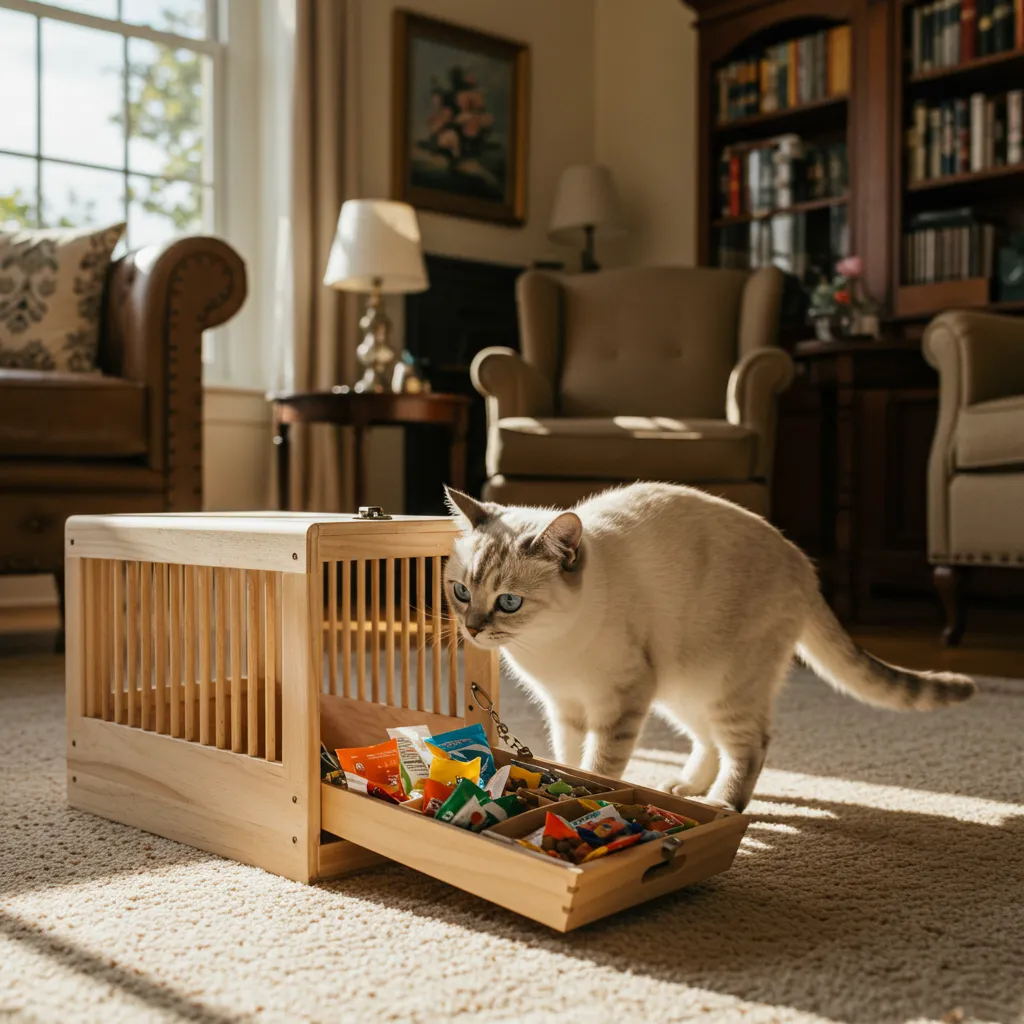
- Introduce Slowly: Leave the carrier open in a quiet room with treats inside. Let curiosity take over.
- Positive Associations: Feed meals near or in the carrier. Use toys or clicker training for rewards.
- Short Sessions: Close the door for 30 seconds, then increase time. Praise lavishly.
- Car Practice: Take short drives to desensitize.
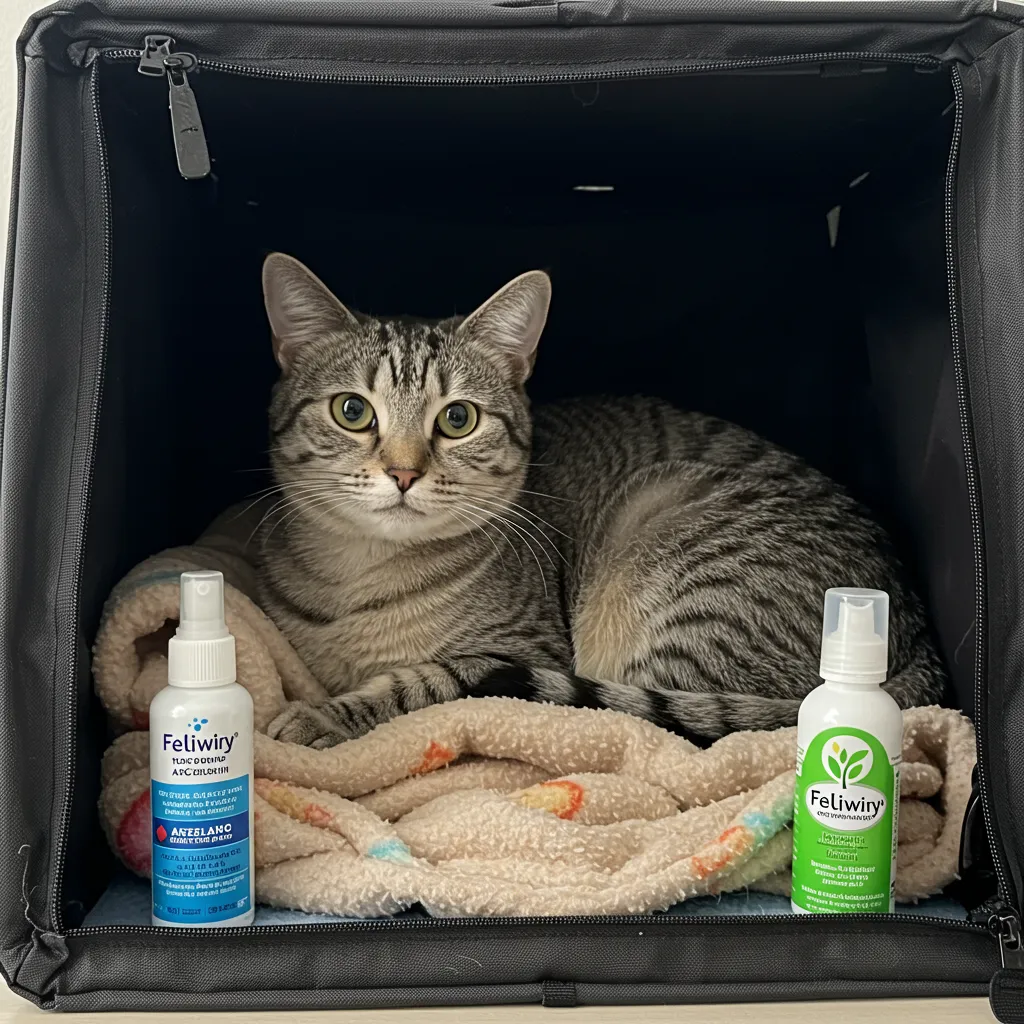
- Pheromone Help: Spray Feliway to reduce anxiety.
One cat owner on Reddit shared: After weeks of training, their kitty now naps in the carrier voluntarily!
Preparing Cats for Long Trips
For cat in carrier for long trips, add these:
- Vet check-up: Ensure vaccinations are up-to-date.
- Microchip: Essential for lost pets.
- Trial Runs: Simulate the trip at home.
Keeping Cat Calm in Carrier: Tips to Reduce Cat Travel Anxiety
Cat travel stress is real—symptoms include yowling, panting, or hiding. But you can keep your cat calm while traveling with these vetted strategies.
- Calming Aids: Pheromone collars or sprays like Feliway.
- Music and Covers: Play calming cat music; cover the carrier to block visuals.
- Natural Remedies: CBD treats (vet-approved) or rescue remedy.
- Harness Training: For breaks, use a leash to let them stretch safely.
During flights, position the carrier under the seat and talk soothingly.
How to keep a cat calm while traveling? Consistency and prep are your best friends.
Traveling with Cats on Airplanes: 2025 Guidelines and Essentials
Traveling with cats on airplanes? In 2025, rules are stricter for safety. Most airlines like Delta and United allow small cats in-cabin if the carrier fits under the seat (max 18″ x 11″ x 11″).
How long can a cat stay in a carrier on a flight? Typically the flight length, but no more than 8-10 hours without breaks on layovers.
Essentials:
- Health certificate (within 10 days).
- Airline-approved carrier.
- No food during flight; water yes.
Tip: Book direct flights to minimize time.
Cat Road Trip Essentials 2025: Gear for Smooth Journeys
For cat road trip essentials 2025, pack smart:
- Portable litter box.
- Collapsible bowls.
- Harness and leash.
- First-aid kit.
From Hepper and Petful, stop every 2-3 hours for breaks.
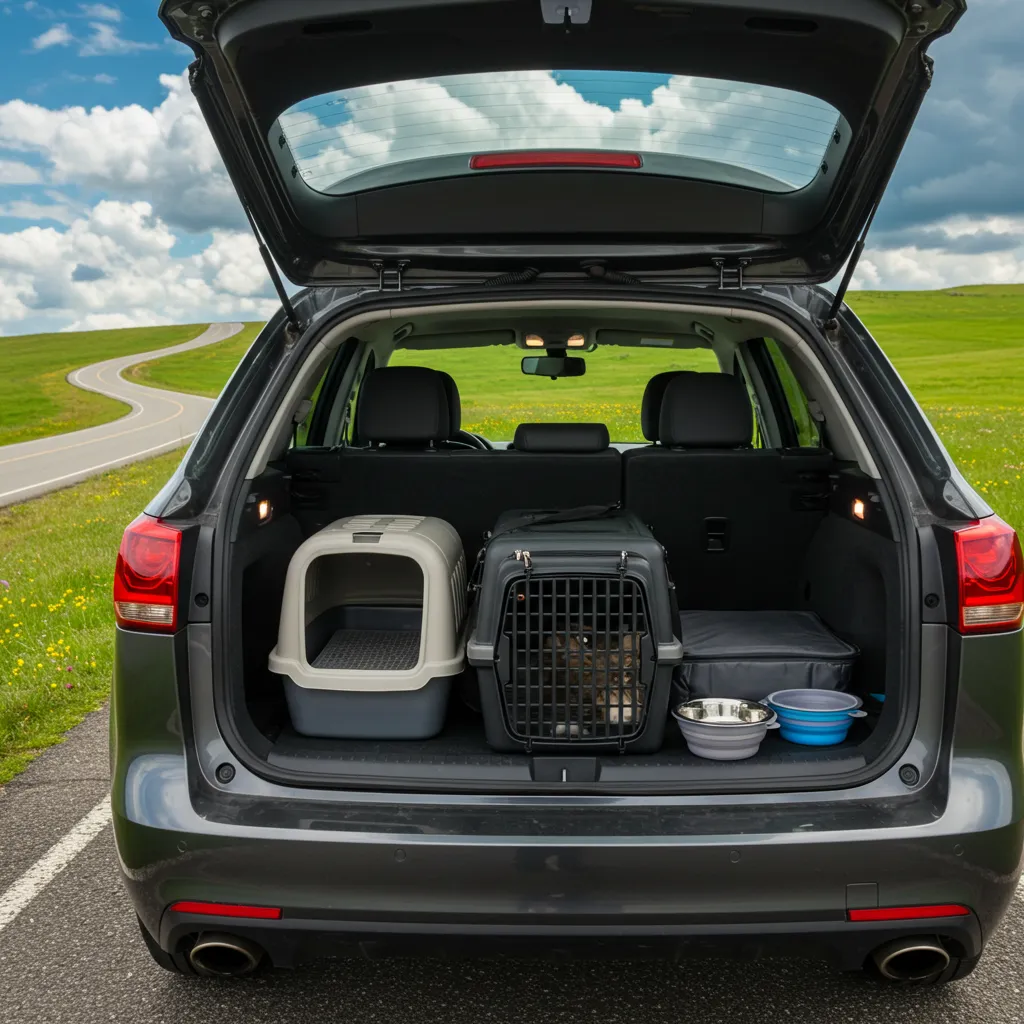
Cat travel accessories like foldable beds make hotels feel homey.
Best Cat Carriers for Travel: Top Picks for 2025
Looking for the best cat carriers for travel? Here’s a comparison:
| Carrier | Type | Best For | Price Range |
|---|---|---|---|
| Sherpa Deluxe | Soft-Sided | Airlines | $50-80 |
| Petseek Extra Large | Soft-Sided | Car Trips | $60-100 |
| Travel Cat Navigator | Backpack | Hiking/Short | $80-120 |
These are airline-approved and comfy.
Cat Travel Safety Tips: Avoiding Common Pitfalls
Cat travel safety tips include:
- Never leave cats in hot cars.
- Secure carrier in vehicle.
- Monitor for dehydration.
Reducing cat anxiety during travel? Use the tips above.
Alternatives to Carriers for Traveling with Cats
Not all trips need carriers. Alternatives:
- Pet Strollers: Great for airports; pros: Mobility, cons: Bulky.
- Slings/Backpacks: For short walks.
- Harnesses: In secure areas.
But for transport, carriers are safest.
FAQ
How long can a cat stay in a carrier?
Healthy adults: 4-6 hours with breaks; max 8 for long trips.
Why do cats need to be in a carrier?
For safety, stress reduction, and compliance.
How to prepare a cat for staying in a carrier?
Gradual training with treats and positive vibes.
What are the alternatives to a carrier for traveling with a cat?
Strollers, slings, but use carriers for core travel.
How long can a cat stay in a carrier on a flight?
Flight duration, up to 8-10 hours.
Conclusion: Hit the Road with Confidence
Wrapping up, understanding how long a cat stay in a carrier boils down to prep, comfort, and your cat’s needs. By following these cat travel tips—from training to essentials—you’ll minimize stress and maximize fun. Whether it’s a quick vet run or a 2025 road trip, safe travel for cats is achievable. Ready to adventure? Check out related posts on cat health basics or visit ASPCA for more. Share your stories in the comments— what’s your top tip? Subscribe for more feline wisdom!