The Subtle Art of Happiness: Small Changes That Improve a Cat’s Life
For generations, we’ve shared our homes with cats, yet we often view their world through a human lens. We fill our carts with plush beds and electronic toys, believing extravagance equates to feline joy. But what if the secret to a profoundly content cat isn’t found in a pet store aisle, but in the quiet, almost invisible adjustments we make to their daily reality?
The truth is, monumental improvements in your cat’s well-being often hinge not on grand gestures, but on understanding and refining the micro-details of their existence. These small changes that improve a cat’s life are the unsung heroes of feline welfare, transforming routine into enrichment, cohabitation into companionship, and a house into a true sanctuary.
This guide moves beyond generic advice to explore the nuanced, science-backed, and behaviorally-informed tweaks that address a cat’s core needs as an obligate predator, a creature of habit, and a sensitive being. We’ll delve into the environmental, social, and routine-based adjustments that collectively build a life of security, stimulation, and quiet contentment for your cat.
Understanding the Feline Blueprint: Why Small Changes Make a Big Impact
Before we implement, we must understand. The domestic cat, Felis catus, retains 95% of its wild ancestor’s genetic makeup. This means their needs are not those of a small, decorative dog, but of a highly adaptable yet hardwired predator. Stress in cats is cumulative; it’s the drip-drip of a water dish they dislike, the glare from a window with no escape, the constant low-level conflict with another household pet. Conversely, well-being is also cumulative. It’s the sum of consistent, predictable, and species-appropriate satisfactions.
The Core Fiche (The Cat’s “Bill of Rights”):
- Security: A predictable environment with safe retreats.
- Predatory Expression: The ability to perform the hunt-catch-kill-eat-groom-sleep sequence.
- Choice and Control: Access to resources without competition or threat.
- Sensory Comfort: An environment that respects their sensitive hearing, smell, and touch.
When we make small changes aligned with this blueprint, we speak our cat’s native language. We reduce chronic stress, which is a root cause of so-called “behavioral problems” like inappropriate elimination, over-grooming, and aggression. We promote physical health through activity and mental health through engagement. In short, we don’t just own a cat; we successfully host one.
Environmental Enrichment: The Foundation of Feline Contentment
Your home is your cat’s entire universe. Small, thoughtful modifications to this landscape are the most powerful changes you can make.
1. Optimize Vertical Territory
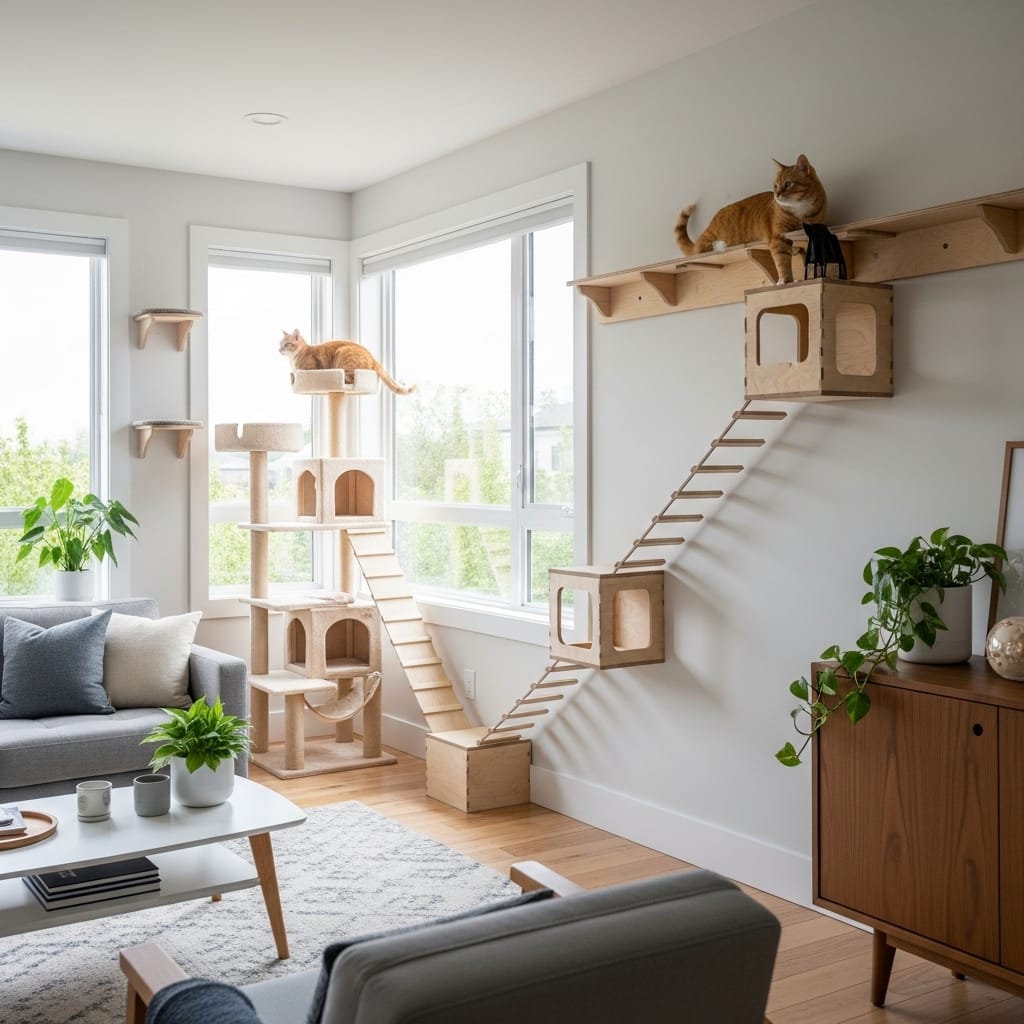
Cats are climbers. Height equals safety, observation points, and confidence. This isn’t just about a cat tree it’s about creating a connected vertical highway.
- Small Change: Install wall-mounted shelves or walkways that allow your cat to travel from one side of the room to another without touching the floor. A simple floating shelf by a window becomes a premier bird-watching station.
2. Strategize Resource Placement
Resources are food, water, and litter boxes. Their placement can cause silent stress or promote profound peace.
- Small Change: The Water Station Revolution. Place multiple water bowls away from food bowls. Cats instinctively prefer drinking water separate from their eating area. Try a ceramic fountain (stainless steel or ceramic are best to avoid bacterial film) and place one in a quiet corner, another in a frequently passed hallway. Discover more on feline hydration in our guide on how to get a cat to drink more water.
- Small Change: The Litter Box Rule of +1. Have one more litter box than the number of cats, placed in different, low-traffic locations. Avoid covered boxes if your cat seems hesitant; they trap odor and limit escape sightlines. For persistent issues, our article on cat litter box problems offers deeper solutions.
- Small Change: Separate Food Stations. In multi-cat homes, feed cats in separate, visually distinct areas to prevent food guarding and stress-eating.
3. Curate Sensory Input
A cat’s world is rich with smells, sounds, and textures we barely notice.
- Small Change: Provide “Passive Entertainment.” Create a “cat TV” station by setting up a bird feeder outside a secure window with a sturdy perch. For indoor-only enrichment, offer videos designed for cats (featuring birds, fish, or rodents) on a tablet for short, supervised sessions.
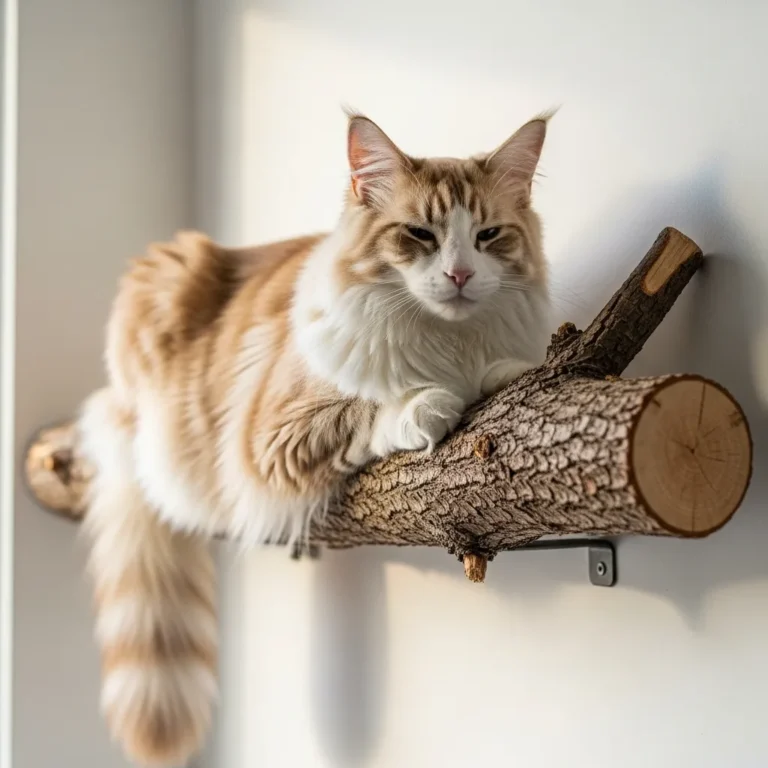
- Small Change: Introduce Safe Textures. Offer a variety of scratching surfaces vertical sisal, horizontal cardboard, even a log with bark. Scratching is marking, stretching, and claw maintenance, not destruction.
- Small Change: Manage Overwhelming Smells. Use unscented litter. Avoid plug-in air fresheners and strong cleaning products near their areas. Their sense of smell is far superior to ours.
The Ritual of Play: Transforming Interaction
Play is not optional; it is the behavioral manifestation of the hunting sequence. How you play is a small change with massive implications for behavior and bonding.
1. Master the “Hunt”
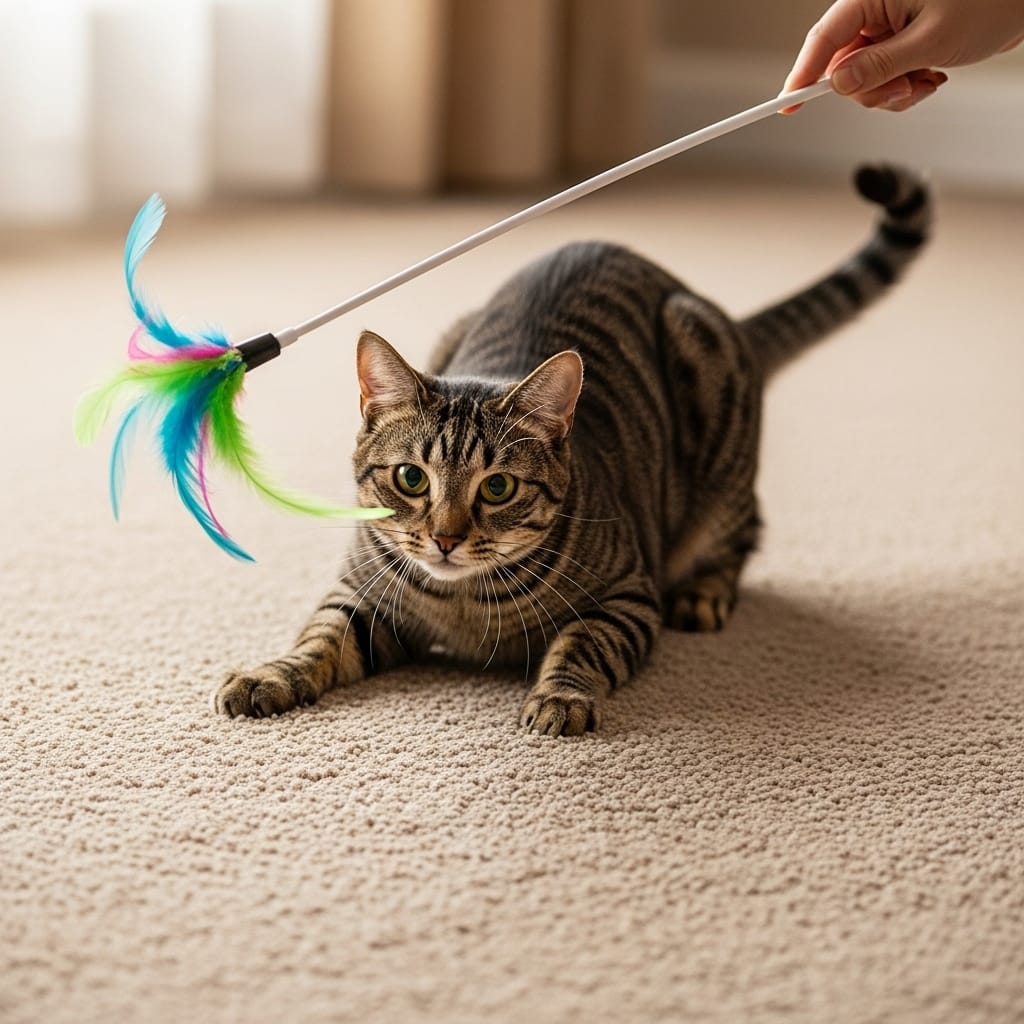
The goal is to mimic prey. A wand toy is your best tool.
- Small Change: Move the toy like prey: erratically, darting behind furniture, pausing under rugs, and “fleeing.” Let your cat “catch” and “kill” the toy every few minutes to complete the sequence and avoid frustration. End the session with a small meal or treat to simulate the “eat” phase, leading to a contented groom and sleep.
2. Schedule Short, Predictable Sessions
Two 10-minute sessions per day are more valuable than one hour-long, erratic one. Predictability reduces attention-seeking behaviors.
- Small Change: Tie play sessions to existing routines one before your morning coffee, one before the evening meal. This creates a reliable structure your cat can anticipate. For high-energy cats, explore our tips on how to calm a hyper cat at night.
3. Rotate “Prey”
Cats habituate. A toy left on the floor becomes furniture.
- Small Change: Keep a box of toys and rotate 3-4 out each week. The novelty reignites interest. Simple DIY options are often favorites; learn to make engaging DIY cat toys at home.
Communication & Bonding: Speaking Their Language
The bond with a cat is built on mutual respect and understanding, not dominance or forced affection.
1. Implement Choice-Based Affection
Let your cat initiate and end petting sessions.
- Small Change: Offer a finger to sniff as an invitation. Pet in their preferred areas (often cheeks, under chin, base of tail). Watch for subtle signs of overstimulation: tail twitching, skin rippling, ears rotating sideways. Stop before they feel the need to signal more forcefully. Understand more subtle cues in our guide to what is my cat thinking.
2. Use the “Slow Blink”
The slow blink is a feline signal of trust and relaxation.
- Small Change: Catch your cat’s gaze, slowly close your eyes, hold for a moment, and slowly open. If they slow blink back, you’ve just had a feline “I love you” conversation. Dive deeper into this behavior in our article on the cat slow blink meaning.
3. Respect the Retreat
A hiding cat is a stressed cat trying to cope. Denying them this outlet increases anxiety.
- Small Change: Ensure they always have access to a safe, enclosed space a dedicated cat cave, a carrier left out with a soft bed, or a shelf with a draped blanket. Never pull them out. This is crucial for helping a cat scared and hiding outside or a new cat adjusting.
Health & Grooming: Proactive, Not Reactive
Small, consistent habits in care prevent big health crises and build trust.
1. Integrate Paw-sitive Handling
Make routine health checks a normal part of life.
- Small Change: Gently handle your cat’s paws, ears, and mouth during calm, relaxed moments, pairing it with treats. This makes future nail trims, ear cleaning, and vet exams less traumatic. Learn the proper technique in our guide on how to trim a cat’s nails.
2. Become a Monitoring Expert
You are the best detector of early illness.
- Small Change: Perform a weekly “mini-check.” Note the quality of their coat, the clarity of their eyes, their energy level, and their litter box output. A sudden increase or decrease in water consumption, for instance, is a critical early sign of issues like kidney disease or diabetes. Our resource on early warning signs of cat health issues can help.
3. Refine the Diet for Health, Not Just Hunger
Nutrition is the bedrock of health.
- Small Change: If feasible, incorporate more moisture into their diet. This can mean switching to or adding high-quality wet food, or adding a bit of water or broth to their meals. Proper hydration supports urinary and kidney health immensely. Compare options in our analysis of wet vs. dry cat food.
FAQ: Small Changes That Improve a Cat’s Life
What is the single most important small change I can make for my cat?
Provide multiple, separated key resources especially litter boxes and water stations. This directly addresses core needs for security and control, reducing competition and stress in multi-cat homes and offering choice in single-cat homes.
My cat ignores expensive toys. What am I doing wrong?
Your cat is behaving perfectly normally. Expensive toys often lack the novelty and prey-like movement of simple, interactive play. Rotate simple toys and use a wand toy correctly. As we explore in why cats ignore expensive toys, it’s about engagement, not expense.
How can I tell if my cat is stressed from small environmental factors?
Look for subtle signs: excessive sleeping in hidden places, reduced play, over-grooming (especially creating bald patches), changes in appetite, or avoiding certain family members/other pets. These are detailed in our guide to cat stress signs.
Are these changes relevant for senior cats?
Absolutely, but with adaptation. Senior cats need easier access to vertical spaces (ramps vs. jumps), softer bedding for arthritic joints, and more predictable, gentle routines. Focus on comfort and accessibility. Find comprehensive advice in our senior cat care guide.
How long before I see results from these small changes?
Some changes, like providing a new water fountain or vertical perch, may show immediate interest. Behavioral changes stemming from reduced stress (like better litter box use or less inter-cat tension) can take several weeks as the cat’s anxiety levels gradually decrease. Consistency is key.
The Cumulative Effect of Caring Intentionally
Improving your cat’s life isn’t about a single, monumental overhaul. It’s a philosophy of attentive, intentional care the art of seeing the world through their eyes and refining it, one small, thoughtful change at a time. It’s the quiet satisfaction of seeing your cat choose the water fountain you carefully placed, use the scratching post instead of the couch, or slow blink at you from their sunny perch. These are the moments that signify a life not just lived, but thriving.
By implementing these subtle shifts in environment, interaction, and routine, you build a foundation of trust and well-being that echoes through every aspect of your cat’s existence. You move from being a provider to a true companion, fluent in the subtle language of feline contentment.
Explore more expert guides on creating a harmonious, enriching life for your feline friend at Cat Bloom Haven. From breed-specific insights like our American Shorthair guide to solving common behavioral puzzles, we’re here to help you cultivate the perfect bloom of happiness in your cat’s life.