Why Did My Cat Lose His Voice? Uncovering Causes, Symptoms, and Recovery Strategies
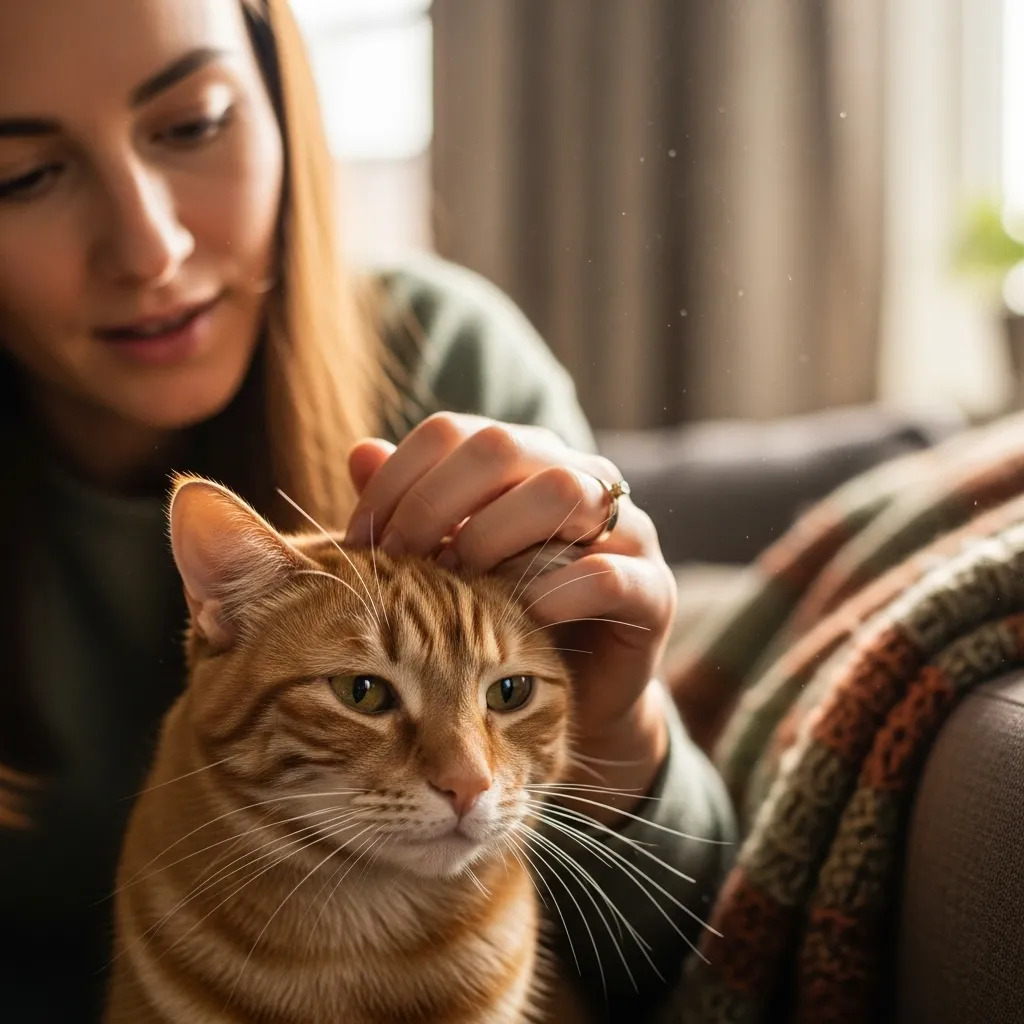
Imagine waking up to your usually chatty feline companion greeting you with nothing more than a faint rasp or complete silence instead of their signature meow. It’s a heart-sinking moment for any cat parent, sparking immediate worry: “Why did my cat lose his voice?” This sudden change can feel alarming, but understanding the underlying reasons from common cat laryngitis to more serious vocal cord issues can empower you to act swiftly and help your kitty regain their vocal prowess.
In this comprehensive guide, we’ll dive deep into the world of feline laryngeal health, exploring everything from subtle signs of cat hoarse voice to effective cat voice loss recovery tips. Whether your cat can’t meow properly or has stopped meowing suddenly, you’ll walk away with actionable insights, vet-backed advice, and strategies to prevent future episodes. Let’s unravel this mystery and get your furry friend purring and meowing again.
Key Takeaways
- Cat losing voice is often a symptom of underlying issues like respiratory infections, rather than a standalone problem; early detection is key to quick recovery.
- Common signs include a hoarse or silent meow, sneezing, runny nose, and lethargymonitor these closely to decide if a vet visit is needed.
- Causes range from viral cat throat infections to physical obstructions or even stress-induced changes in cat vocalization.
- Treatment for cat laryngitis typically involves supportive care, such as humidified air and soft foods, with antibiotics for bacterial cases; home remedies can aid mild symptoms but aren’t substitutes for professional care.
- Prevention focuses on vaccinations, a clean environment, and regular check-ups to safeguard against larynx inflammation in cats.
- If your cat has no voice but eats fine, it might still warrant attention if other symptoms persist don’t delay consulting a vet.
- For behavioral angles, a cat whispering or silent meow could signal discomfort, not just a “quiet phase.”
By addressing these points head-on, this article aims to equip you with the knowledge to support your cat’s health holistically.
The Anatomy Behind Your Cat’s Meow: How Feline Vocalization Works
To truly grasp why your cat might experience voice loss, it’s essential to start with the basics of how cats produce sounds. At the heart of it all is the larynx, often called the voice box, a small but mighty structure in your cat’s throat that houses the vocal cords. These cords vibrate as air passes through, creating the familiar meows, purrs, and hisses that make up your cat’s unique “language.”
In healthy cats, the larynx functions smoothly, allowing for a range of vocalizations from soft chirps to demanding yowls. But when inflammation strikes known as laryngitis the vocal cords swell, disrupting this process and leading to cat sound changes like a hoarse voice or complete silence. Factors like age, breed, and overall health play roles too; for instance, older cats or breeds prone to respiratory issues, such as Persians, might be more susceptible to feline laryngeal health problems.
Real-life example: Picture a Siamese cat, known for their talkative nature. If they suddenly go quiet, it could point to larynx inflammation rather than a personality shift. Explore our detailed guide on Siamese cat personality traits for more on breed-specific behaviors.

Understanding this foundation helps demystify issues like cat vocal cord problems. It’s not just about the voice—it’s tied to breathing, swallowing, and overall comfort. If your cat’s meow sounds weak, it’s often the first clue that something’s amiss in this delicate system.
Spotting the Signs: Symptoms of Cat Voice Loss You Can’t Ignore
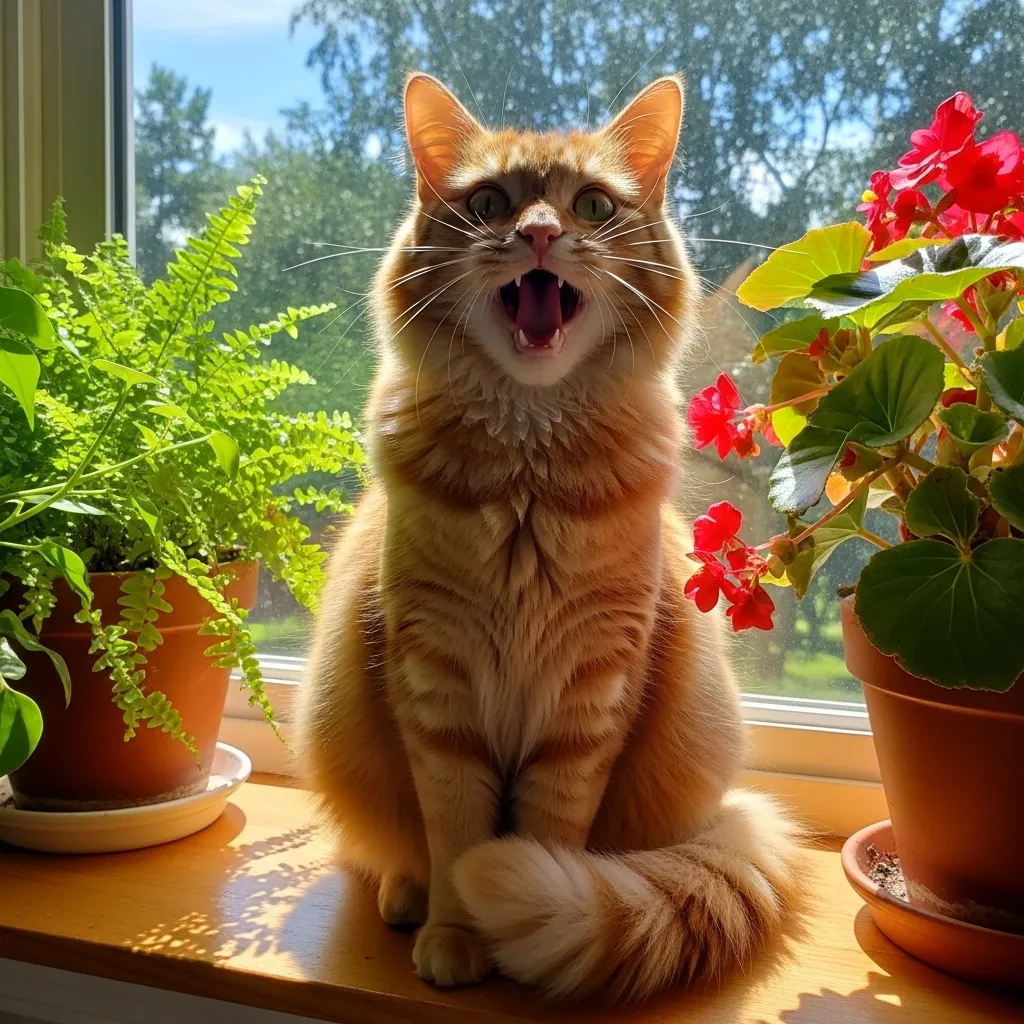
One of the most frustrating aspects of cat health issues is their subtlety cats are masters at hiding discomfort. But when it comes to cat hoarse voice or loss, certain red flags stand out. The hallmark symptom is a change in vocalization: your cat might attempt to meow but produce only a raspy whisper, a squeak, or nothing at all. This cat whispering or silent meow isn’t cute it’s a signal of potential distress.
Other telltale signs include:
- Respiratory clues: Sneezing, a runny nose, or watery eyes, often linked to upper respiratory infections in cats.
- Behavioral shifts: Lethargy, reduced appetite, or hiding more than usual, indicating your cat feels under the weather.
- Physical indicators: Noisy breathing, difficulty swallowing, or coughing, which could point to larynx inflammation or obstructions.
- Appetite anomalies: If your cat has no voice but eats fine, it might suggest a milder issue, but watch for weight loss or reluctance to eat dry food, as a sore throat makes crunching painful.
In trending searches, pet parents often query “cat meow sounds weak” or “viral cat respiratory infection symptoms,” especially after events like grooming or travel stress. A sudden onset, like cat lost voice after grooming or stress, could tie into environmental triggers. If these symptoms linger beyond 24-48 hours or worsen, it’s time to act delaying can exacerbate conditions like cat throat infection.
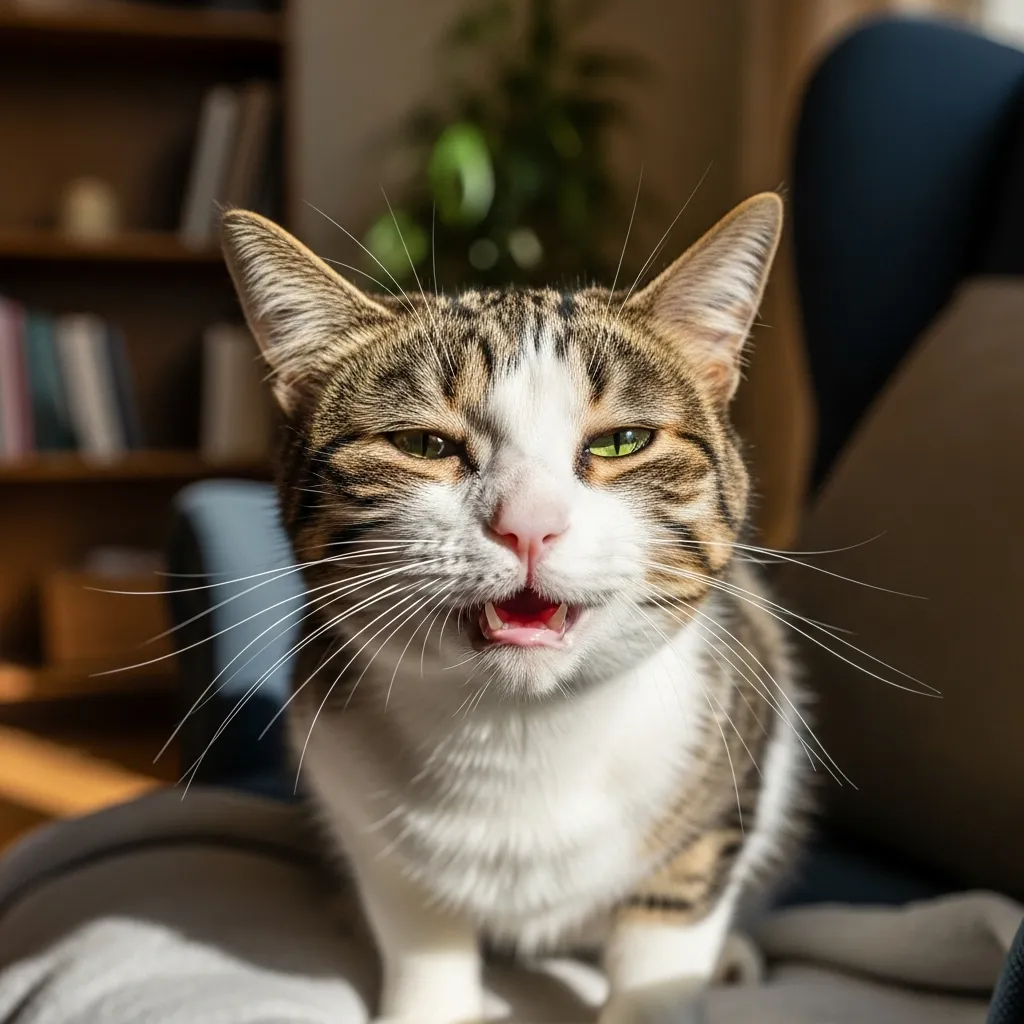
For a visual aid, consider how these symptoms manifest. Cats with cat vocalization issues might paw at their mouth or throat, or exhibit open-mouth breathing in severe cases. If you’re dealing with breed-specific concerns, check out our Siamese cat hiding behavior guide for insights into how stress amplifies these signs.
Decoding the Culprits: Common Causes of Cat Losing Voice
“Why did my cat lose his voice suddenly?” This question tops search trends, and the answers often boil down to a handful of key causes. Let’s break them down with expert depth, drawing from veterinary insights to help you pinpoint the issue.
Infectious Invaders: Respiratory Infections and Viral Threats
The most frequent offender? Upper respiratory infections (URIs), aka the “cat cold.” These viral or bacterial assaults, often from feline herpesvirus (rhinotracheitis) or calicivirus, inflame the larynx, leading to cat laryngitis. Symptoms like sneezing and discharge are common companions, making your cat’s voice hoarse or absent.
Bacterial secondary infections can worsen things, turning a mild cat throat infection into a full-blown voice loss. In multi-cat households or shelters, these spread rapidly via shared spaces. A behavioral twist: Stressed cats, perhaps from a new environment, are more prone explaining queries like “cat stopped meowing suddenly” after a move.
Blockages and Irritants: Physical Factors Affecting Vocal Cords
Sometimes, it’s not an infection but something tangible. Inhaled irritants like smoke, dust, or allergens can swell the vocal cords, causing temporary cat voice box infection or irritation. More alarmingly, foreign objects—think grass blades or small toys—can lodge in the throat, obstructing airflow and muting meows.
Polyps or growths in the larynx are rarer but serious, especially in older cats. These benign or malignant masses disrupt normal function, leading to chronic cat hoarse meow. Trauma from rough play or fights can also bruise the area, mimicking laryngitis symptoms.
Serious Conditions: Laryngeal Paralysis and Beyond
For deeper concerns, cat laryngeal paralysis—a nerve issue preventing proper vocal cord movement—can cause permanent changes if untreated. This might stem from thyroid problems, neuromuscular diseases, or even idiopathic causes. Signs include labored breathing alongside voice loss, demanding immediate vet attention.
Other contributors: Hyperthyroidism in seniors can indirectly affect vocalization through systemic strain, while allergies or acid reflux irritate the throat over time. In 2025 viral trends, “cat hoarse meow viral trend” highlights how social media amplifies awareness of these issues, often linking to behavioral interpretations like “cat silent meow meaning” as a plea for help.
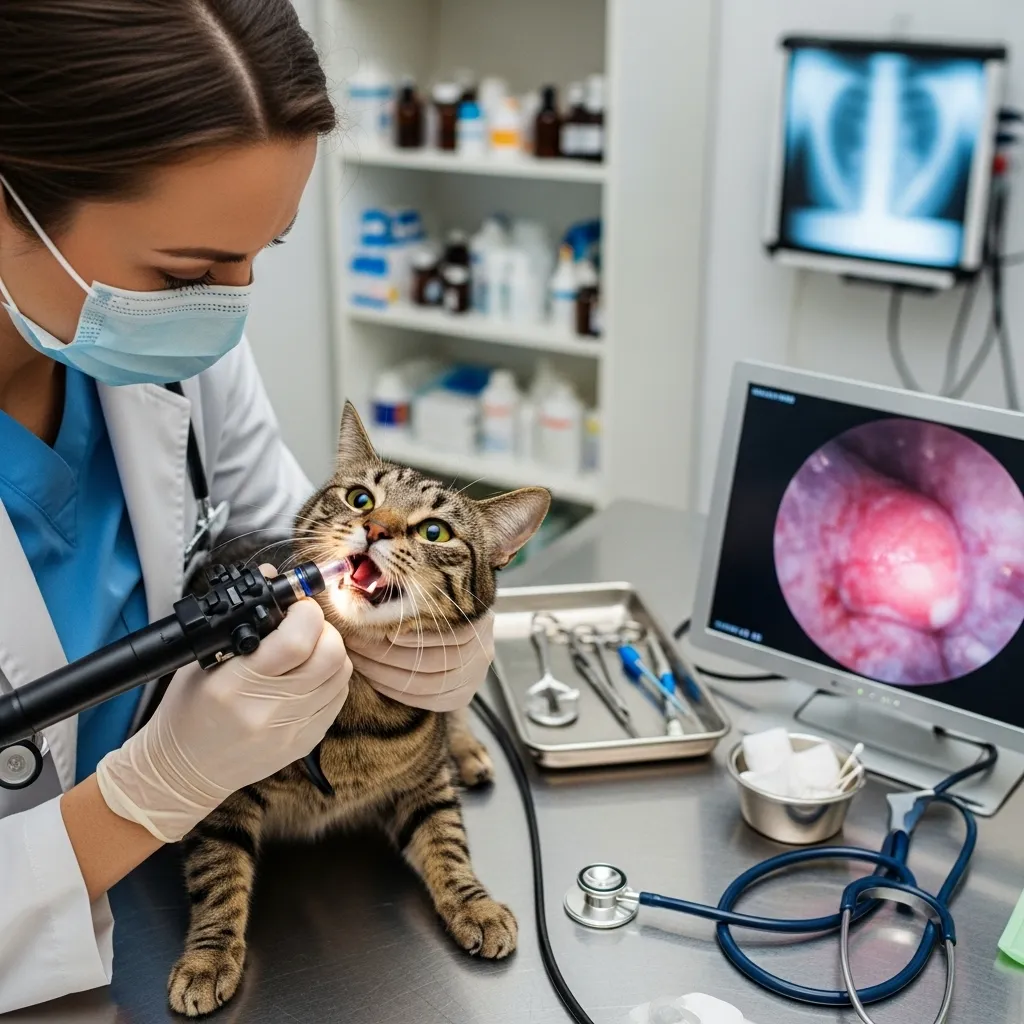
To illustrate causes clearly, here’s a quick comparison table:
| Cause | Key Symptoms | Common in… | Risk Level |
|---|---|---|---|
| Respiratory Infection | Sneezing, discharge, hoarse meow | Kittens, multi-cat homes | Moderate; treatable with care |
| Physical Obstruction | Difficulty swallowing, coughing | Curious explorers | High; may need surgery |
| Laryngeal Paralysis | Noisy breathing, voice loss | Older cats, certain breeds | High; requires vet intervention |
| Irritants/Allergies | Mild rasp, occasional sneezing | Indoor cats in dusty environments | Low; often resolves with changes |
If your cat fits these profiles, linking to our cat allergies guide can provide more tailored advice.
When to Rush to the Vet: Red Flags for Cat Voice Loss
Not every hoarse meow demands an emergency trip, but knowing when to see a vet for cat voice loss can be lifesaving. As a rule of thumb, if symptoms persist beyond 2-3 days or include severe signs like open-mouth breathing, blue gums, or refusal to eat, seek help immediately these could indicate life-threatening blockages or advanced infections.
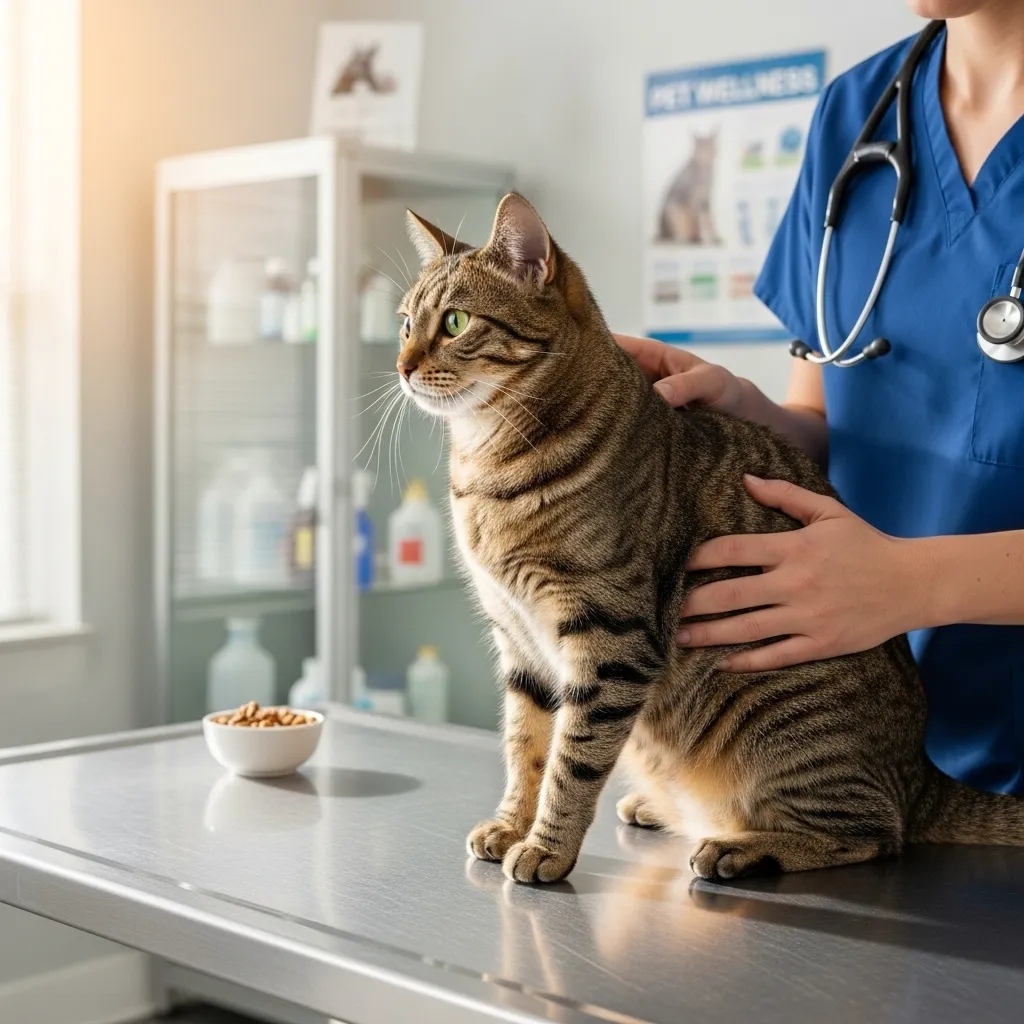
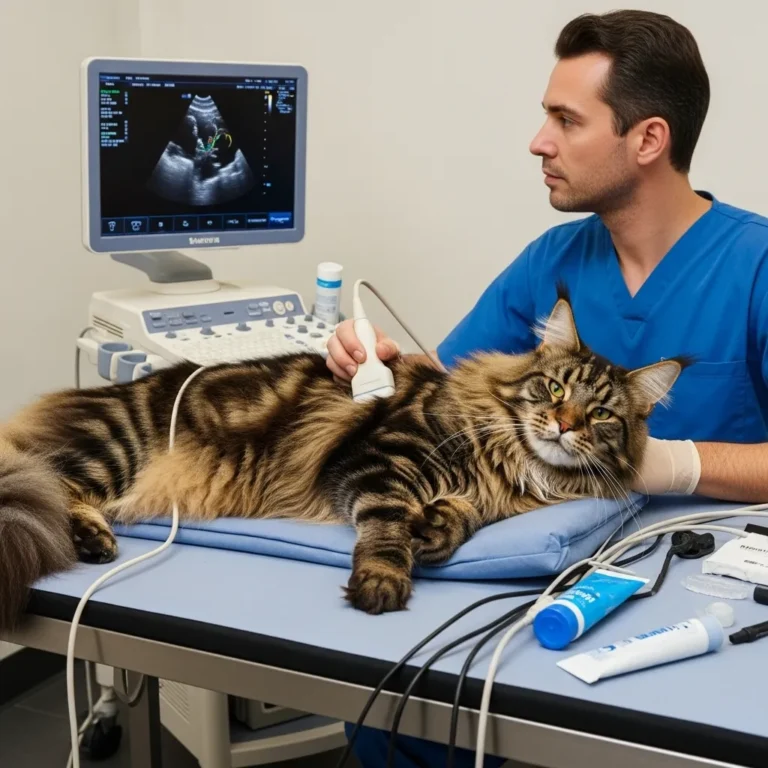
For milder cases, monitor closely: A cat with a weak meow but normal energy might recover at home, but lethargy or dehydration signals urgency. Vets often diagnose via physical exams, swabs for infections, or even X-rays for obstructions. Early intervention prevents complications like pneumonia.
Pro tip: Building a relationship with a reliable vet is crucial. Discover more tips in our finding the best vet for your cat article to ensure your furry friend gets top-notch care.
Restoring the Roar: Treatment Options for Cat Laryngitis and Voice Recovery
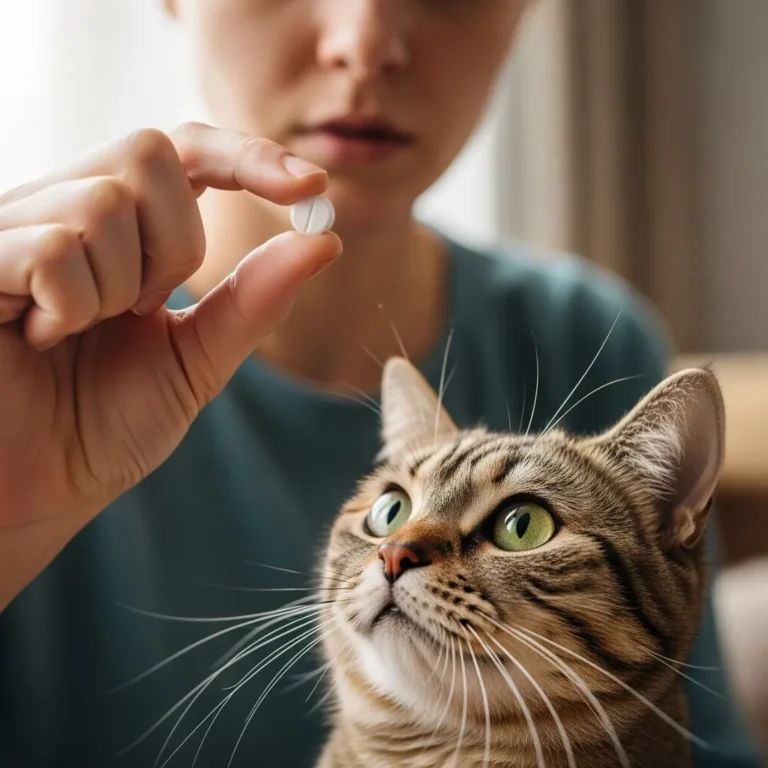
Once diagnosed, cat laryngitis treatment varies by cause but focuses on reducing inflammation and addressing the root issue. For viral URIs, supportive care reigns supreme think rest, hydration, and immune-boosting supplements. Bacterial infections might require antibiotics, while anti-inflammatories ease swelling.
In severe scenarios, like laryngeal paralysis, surgery (arytenoid lateralization) could be necessary to open airways. Recovery timelines? Mild cases resolve in 5-7 days; chronic ones might take weeks with ongoing management.
Vet-backed insight: Always follow prescribed meds, and avoid over-the-counter human remedies—they can harm cats. For breed-specific recovery, our ragdoll cat care guide offers parallels for gentle handling during healing.
Gentle Support at Home: Remedies to Help Your Cat with a Sore Throat
While professional care is paramount, home remedies for cat throat infection can complement treatment and speed cat voice loss recovery. Here’s how to create a soothing environment:
- Humidify the air: Run a humidifier or place your cat in a steamy bathroom to moisten dry throats and ease breathing—ideal for larynx inflammation in cats.
- Soften their diet: Switch to wet food or softened kibble; it’s easier on sore vocal cords. Add warm broth for hydration without strain.
- Clean and comfort: Gently wipe discharge from eyes and nose with a damp cloth. Provide a quiet, stress-free space to rest—stress exacerbates cat vocalization issues.
- Natural aids: Consider vet-approved herbal throat soothers, like those with honey (in tiny, safe amounts) or licorice root extracts, but consult first to avoid risks.
- Monitor hydration: Encourage drinking with fountains or flavored water; dehydration worsens symptoms.
How to treat cat laryngitis at home isn’t about DIY cures—it’s supportive. For example, if your cat lost voice after grooming or stress, reduce triggers like loud noises. Avoid essential oils or diffusers, as they can irritate further.
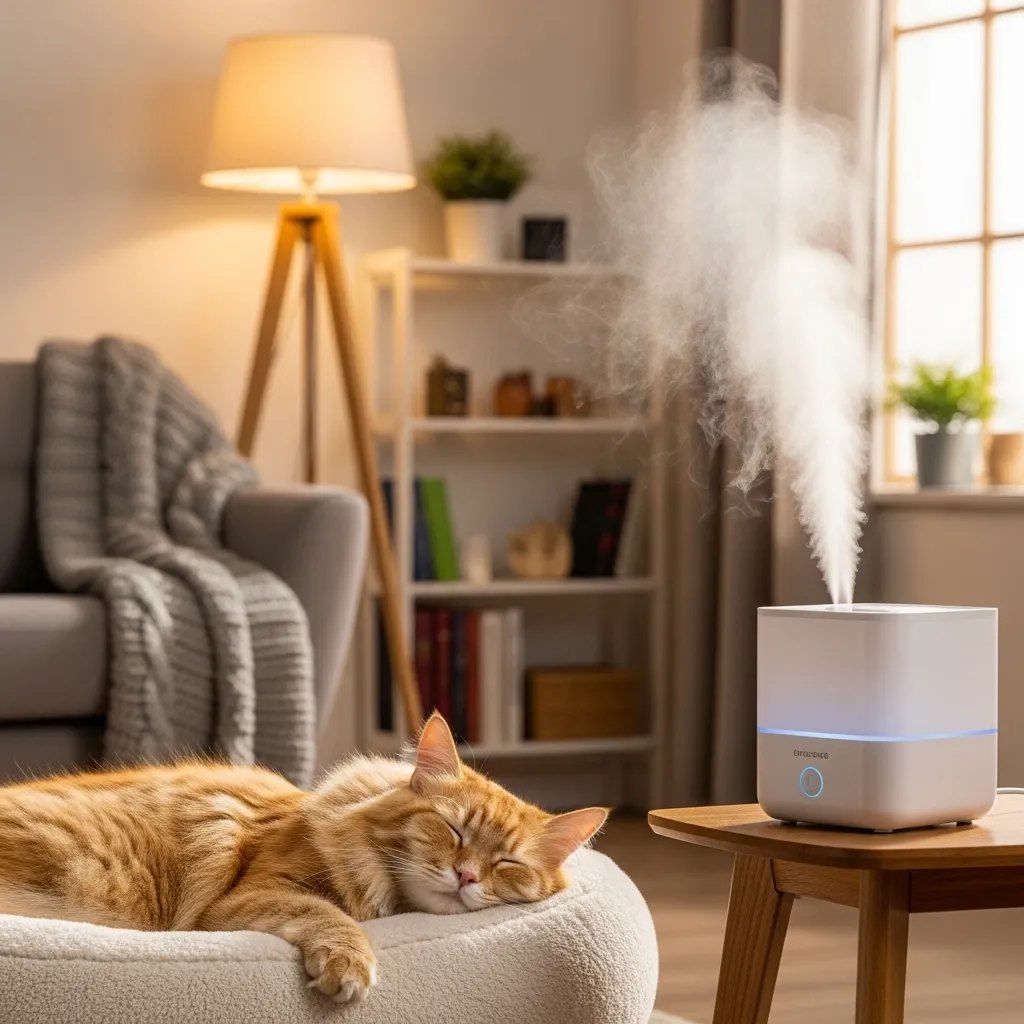
Real example: A Bengal cat owner reported success with humidified rooms post-URI; their kitty’s meow returned in days. Learn more in our Bengal cat guide for active breeds’ needs.
Safeguarding the Future: Preventing Cat Throat Problems and Vocal Issues
Prevention is your best ally against recurring cat stopped meowing episodes. Start with core vaccinations against calicivirus and herpesvirus to ward off URIs. Maintain a clean home—regular litter changes and air filters reduce irritants.
Routine vet visits catch early signs of cat voice change causes, like allergies or growths. For seniors, monitor thyroid health to prevent indirect vocal strain. Diet matters too: Omega-3-rich foods support immune function, potentially averting infections.
Behavioral prevention: Minimize stress with enrichment toys and safe spaces. If your cat growls while playing or shows aggression, it might mask underlying pain address it promptly. Our cat stress signs article dives deeper into spotting these cues.
Wrapping Up: Empowering You to Help Your Silent Companion
Navigating “why did my cat lose his voice” can be stressful, but armed with knowledge on causes like cat laryngitis, symptoms such as cat can’t meow, and recovery paths, you’re better equipped to advocate for your pet. Remember, most cases are treatable with timely care, blending vet expertise and home support. Prioritize prevention to keep those meows coming strong.
For more expert cat care and behavior guides, explore Cat Bloom Haven’s resources like our comprehensive cat health care section. Your cat’s voice is their way of connecting; let’s keep it vibrant.
FAQ
Why did my cat lose his voice?
Cat losing voice often stems from laryngitis caused by respiratory infections, irritants, or obstructions. Viral culprits like calicivirus inflame the larynx, leading to temporary silence.
What are the signs and symptoms of cat laryngitis?
Look for a hoarse or silent meow, sneezing, runny nose, watery eyes, lethargy, and reduced appetite. Noisy breathing or swallowing difficulties signal urgency.
What could be the reasons behind my cat whispering or being silent?
A cat whispering or silent meow might indicate inflammation from infections, stress, or minor irritants. Behavioral changes like hiding can accompany this.
How can respiratory infections lead to a cat becoming voiceless?
URIs swell the vocal cords, disrupting sound production. Secondary bacterial infections prolong the issue, common in unvaccinated cats.
Can a physical obstruction really affect my cat’s ability to vocalize?
Yes, lodged objects or growths block the larynx, muting meows and causing distress. Immediate vet removal is often needed.
What laryngeal conditions could be affecting my cat’s voice?
Beyond laryngitis, paralysis or polyps can impair vocal cords. These require diagnostics like endoscopy for accurate treatment.
When should I take my cat to the vet for voice loss?
Head in if symptoms last over 48 hours, or include breathing issues, no eating, or lethargy. Early checks prevent complications.
What are the treatment options for cat laryngitis?
Supportive care like humidifiers, antibiotics for bacteria, and pain relief. Severe cases may need surgery or fluids.
Are there home care tips I can follow to help my cat with vocal problems?
Yes use humidified air, offer soft foods, ensure rest, and clean discharge gently. Always pair with vet advice for safety.