Why Is My Cat So Big? Your Complete Cat Size Guide to Genetics, Breeds, Weight, and Wellness
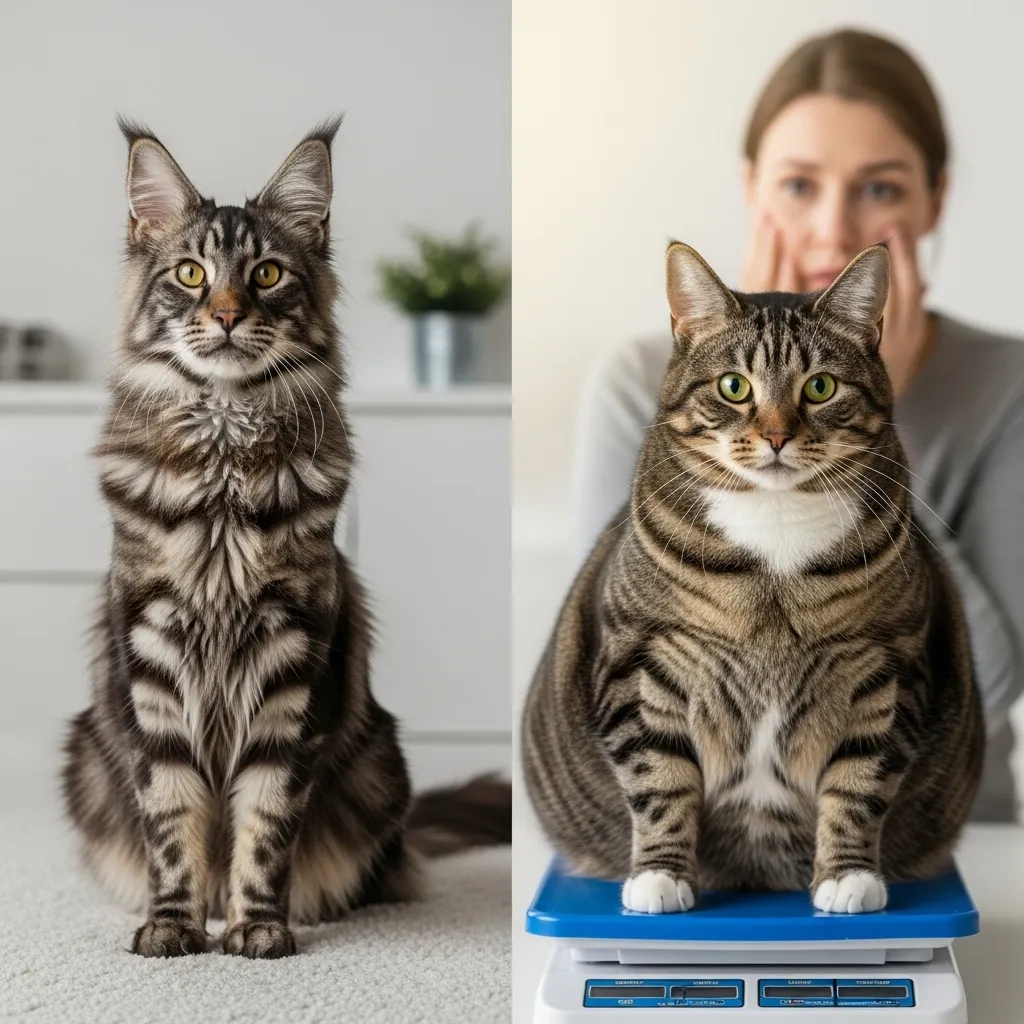
Picture this: You scoop up your fluffy companion for a cuddle, only to realize she feels more like a small dog than a typical house cat. If you’ve ever whispered, “Why is my cat so big?” you’re not alone. From majestic Maine Coons that tip the scales at 25 pounds to chubby tabbies waddling across the kitchen floor, feline size varies wildly and not always for healthy reasons.
In this ultimate cat size guide, we’ll unpack every factor behind your cat’s stature: cat genetics and size, big cat breeds, healthy cat weight, and the sneaky culprits of cat obesity. You’ll discover how to assess your cat’s body condition score, create a healthy cat diet, spark cat fitness with fun cat exercise ideas, and master cat weight management like a pro. Plus, we’ll tackle trending worries like “Why is my cat so fat all of a sudden?” and “Why is my cat so muscular?” with vet-backed insights.
By the end, you’ll know exactly whether your cat’s size is a badge of breed pride, a call for portion control for cats, or a red flag needing veterinary checkups for cats. Let’s dive in.
Key Takeaways: Is Your Cat Big, Fit, or Overweight?
- Genetics set the blueprint—some breeds naturally reach 15–25 lbs.
- Cat weight above 20% of ideal signals overweight cats or cat obesity.
- Use a cat weight chart by age and cat body condition score (1–9 scale) for accuracy.
- Feline weight gain causes include overfeeding, inactivity, and medical issues.
- Preventing cat obesity starts with measured meals and daily play.
- Sudden size changes? See a vet—explore our finding the best vet for your cat guide.
Decoding Cat Size: The Science Behind “Why Is My Cat So Big?”
Cats aren’t one-size-fits-all. A healthy adult can range from 6 to 25+ pounds depending on breed, sex, and lifestyle. Understanding the interplay of cat genetics and size, nutrition, and activity levels is your first step to answering the big question.
The Genetic Lottery: How DNA Shapes Your Cat’s Frame
Your cat’s parents passed down more than eye color—they gifted bone structure, muscle density, and growth potential. Cat genetics and size are the #1 predictor of adult stature.
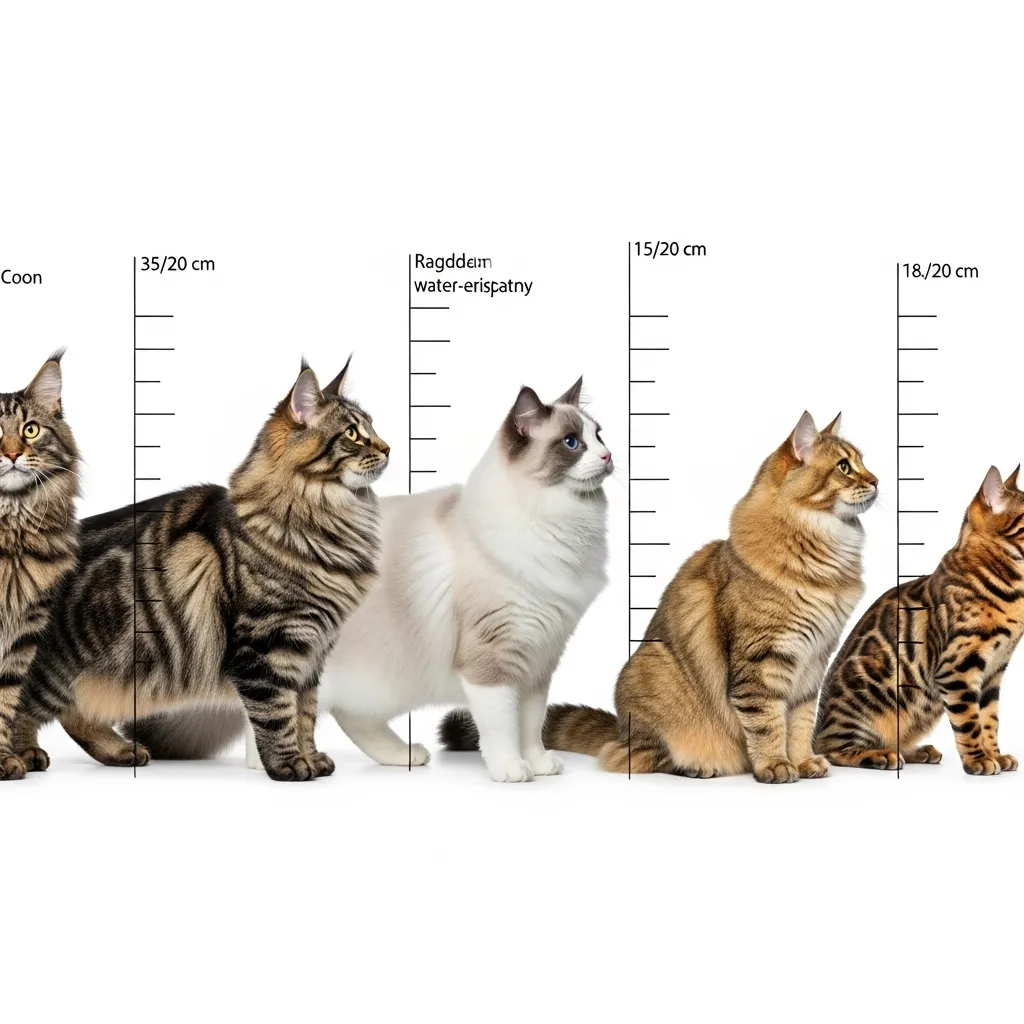
- Large domestic cat breeds like Maine Coons, Norwegian Forest Cats, and Ragdolls are bred for impressive size. Males often hit 18–25 lbs of lean muscle.
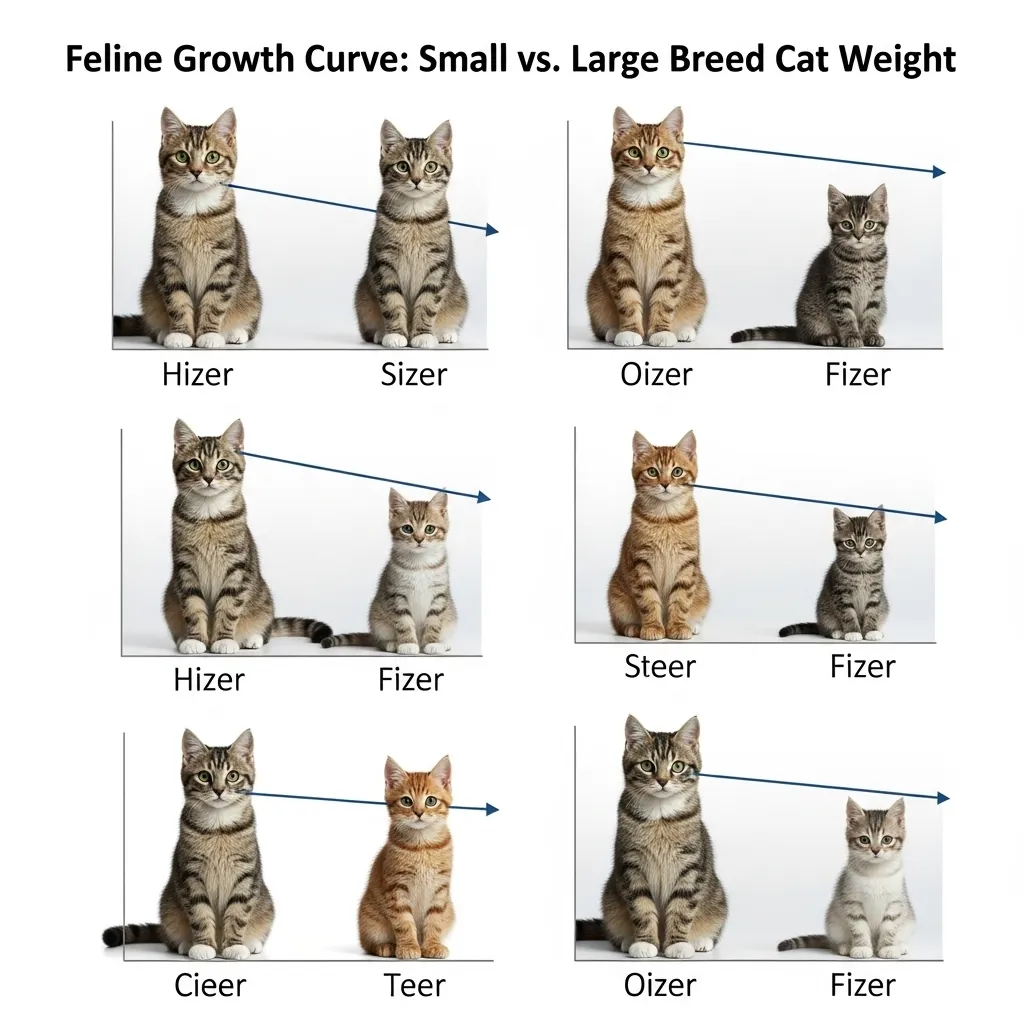
- Cat weight chart by age shows kittens of giant breeds grow slowly, reaching full size at 3–5 years versus 1 year for average cats.
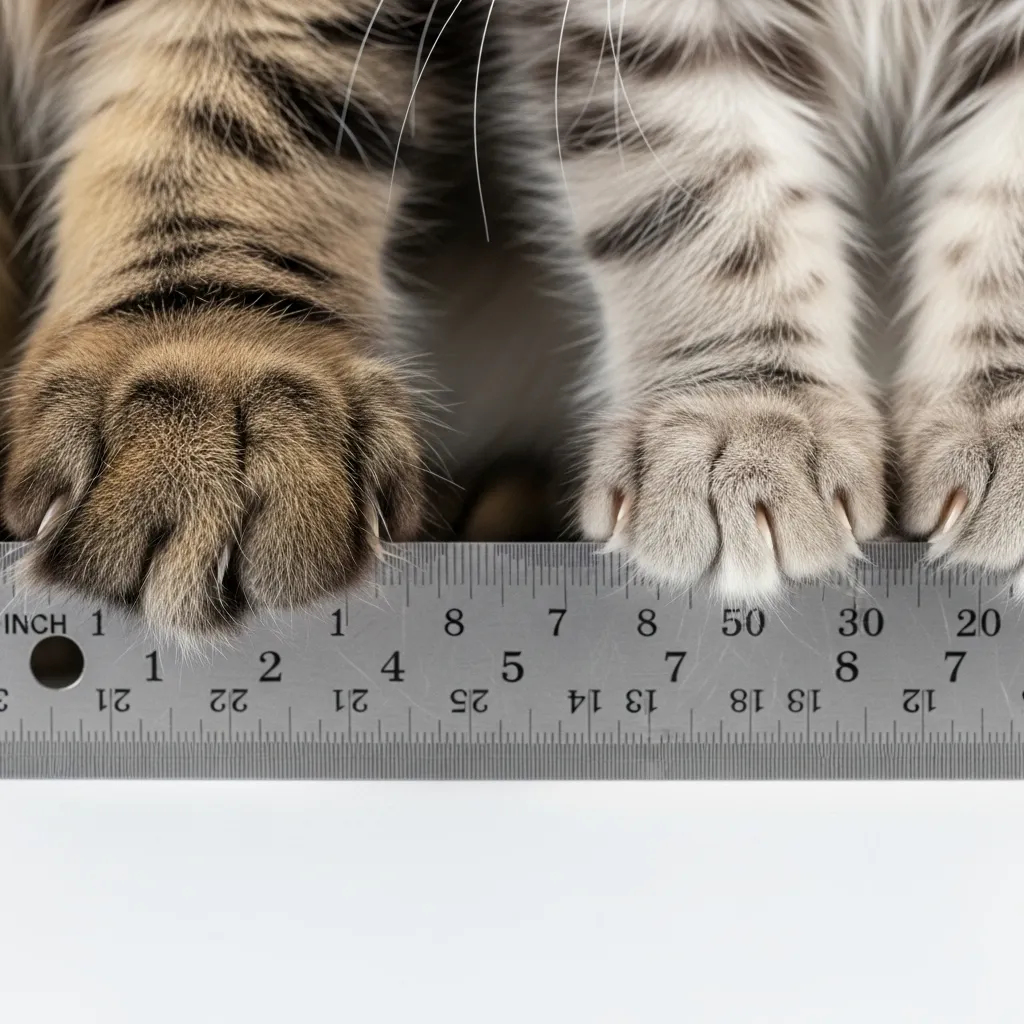
- Mixed-breed cats? Look at paw size and parental history. Big paws in kittens often forecast a hefty adult.
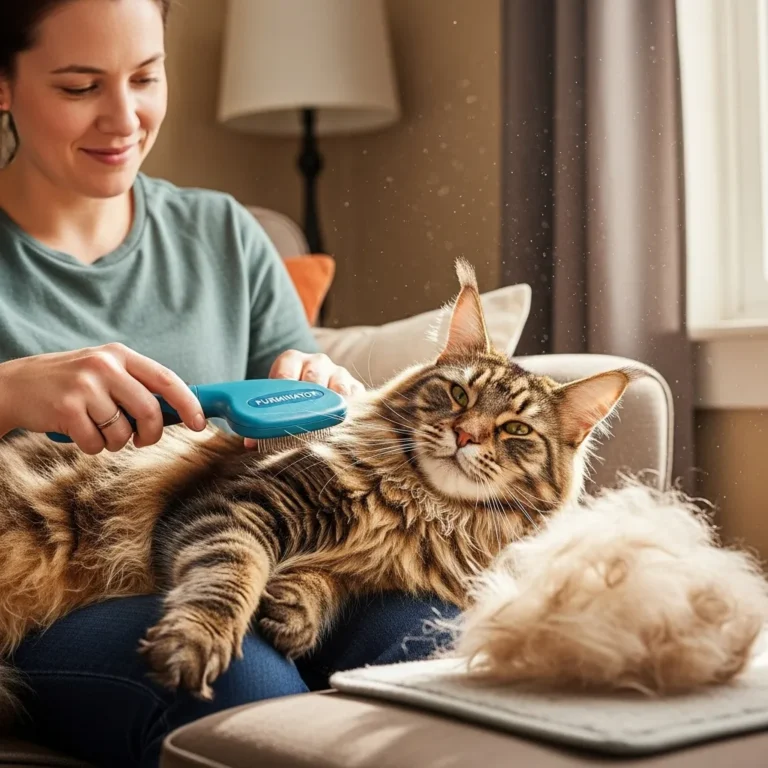
Real-life example: A client’s “tabby” turned out to be a Maine Coon mix—18 lbs at maturity, all muscle, zero fat. Learn more in our Maine Coon cat guide.
Breed Spotlight: Big Cat Breeds That Naturally Tower
Not all “big” equals “fat.” These big cat breeds are designed to impress:
| Breed | Avg. Male Weight | Avg. Female Weight | Key Traits |
|---|---|---|---|
| Maine Coon | 15–25 lbs | 10–15 lbs | Tufted ears, bushy tail, slow growth |
| Norwegian Forest Cat | 13–22 lbs | 9–12 lbs | Thick coat, muscular build—see our Norwegian Forest cat weight guide |
| Ragdoll | 15–20 lbs | 10–15 lbs | Floppy demeanor, rapid early growth |
| Siberian | 15–20 lbs | 10–15 lbs | Hypoallergenic, dense bone structure |
| Bengal (F5+) | 12–18 lbs | 8–12 lbs | Athletic, spotted—explore Bengal cat personality |
Pro tip: If your cat resembles these but lacks papers, a DNA test can confirm. Discover breed traits in our cat breeds personalities hub.
Is It Muscle, Fluff, or Fat? Assessing Healthy Cat Weight
A fluffy coat can hide trouble. Skip the scale—use these vet-approved tools for truth.
The Body Condition Score: Your 60-Second Health Check
The cat body condition score (BCS) rates 1–9 (1 = emaciated, 5 = ideal, 9 = obese). Feel, don’t just look:
- Ribs: Easily felt with slight fat cover (BCS 4–5). Hard to find under blubber? BCS 7+.
- Waist: Visible tuck behind ribs when viewed from above.
- Abdomen: Gentle slope from chest to hind legs—no sagging pouch.
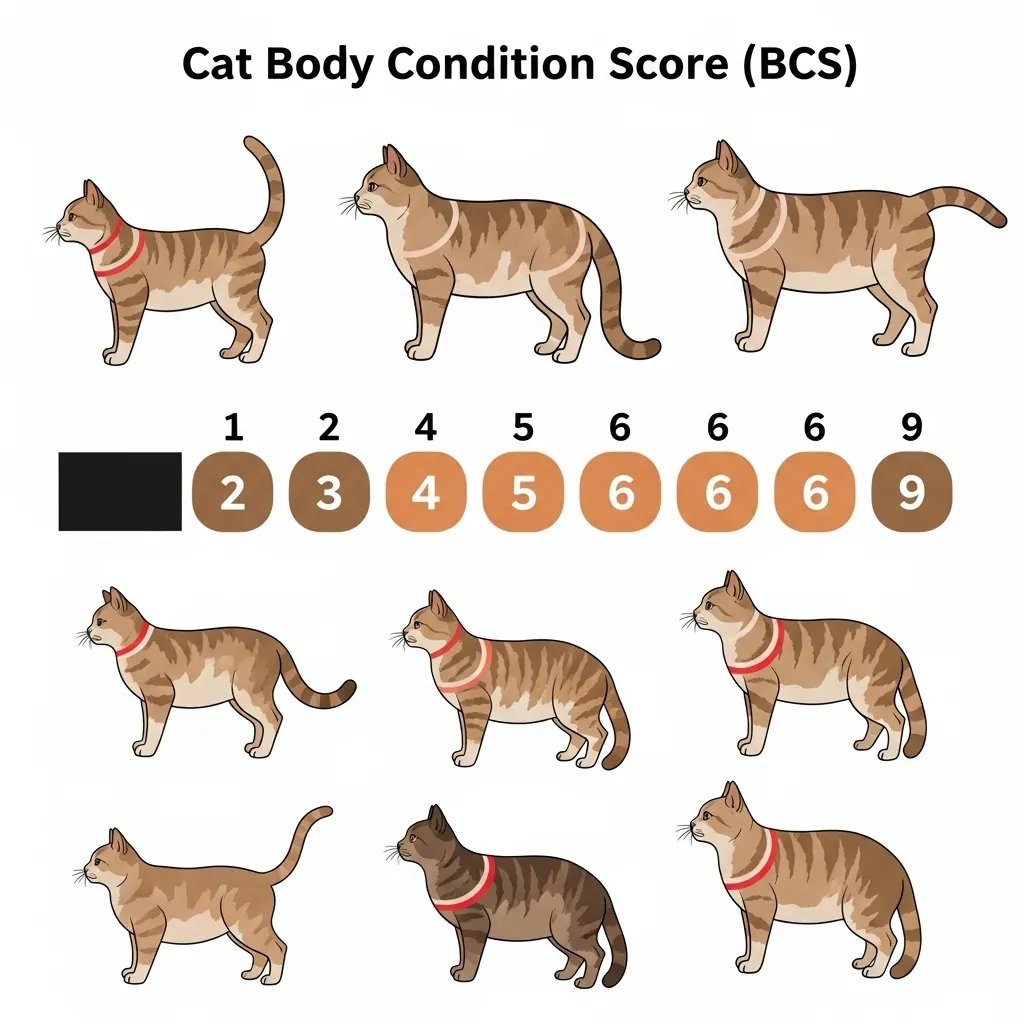
Download a visual chart from our cat health care section
Cat Weight Chart by Age: Growth Milestones
Kittens double birth weight weekly until 4–5 months. Use this cat weight chart by age:
| Age | Small/Medium Breed | Large Breed |
|---|---|---|
| 8 weeks | 1.5–2.5 lbs | 2–3.5 lbs |
| 6 months | 5–8 lbs | 7–10 lbs |
| 1 year | 7–10 lbs | 10–15 lbs |
| Adult (3+ years) | 8–12 lbs | 15–25 lbs |
Sudden jumps? Investigate feline weight gain causes like free-feeding or stress eating.
“Is My Cat Overweight?” Quiz (Interactive-Ready)
Answer yes/no—3+ “yes” = time for action:
- Can you feel ribs without pressing hard?
- Is there a visible waist from above?
- Does the belly sway when walking?
- Does your cat tire after 5 minutes of play?
- Do you free-feed dry kibble?
Take the full version in our cat obesity guide (applies to all breeds).
Why Is My Cat So Fat All of a Sudden? Unmasking Weight Gain Culprits
Weight creeps up 1–2 ounces weekly—hard to notice until pants don’t fit (or the cat carrier won’t close). Common feline weight gain causes:
1. Diet Disasters: The Portion Control Myth
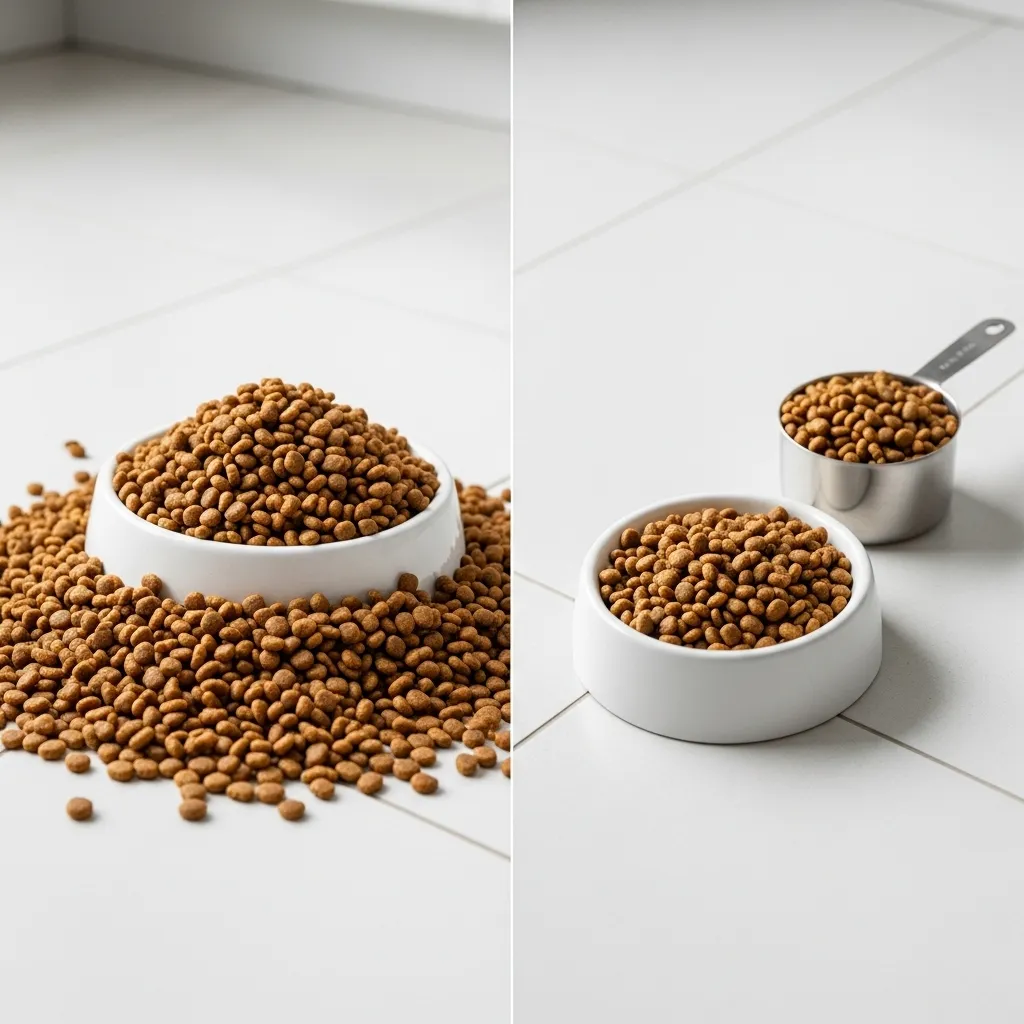
- Free-feeding leads to 30% overeating.
- Treats >10% of calories = cat obesity risk.
- Switching to adult food too early stalls metabolism.
Fix it: Measure meals with a kitchen scale. See our best wet cat food for low-cal options.
2. Couch Potato Syndrome: Lack of Cat Exercise
Indoor cats burn 20% fewer calories than outdoor roamers. Cat fitness prevents overweight cats.
3. Medical Red Flags
- Hypothyroidism (rare but rising)
- Cushing’s disease
- Insulin resistance
- Steroid medications
Trending alert: Spayed/neutered cats need 25% fewer calories post-surgery. Read our spaying a cat guide.
4. Age & Metabolism Slowdown
Senior cats (7+) lose muscle mass, gaining fat. Transition to senior formulas—explore best foods for senior Bengal cat.
How to Help My Cat Lose Weight: A Step-by-Step Cat Weight Management Plan
Ready for transformation? This 90-day plan blends cat diet and exercise for safe 1–2% weekly loss.
Step 1: Vet Clearance & Baseline
- Full bloodwork rules out disease.
- Calculate ideal weight (e.g., 10-lb cat aiming for 8 lbs = 20% reduction).
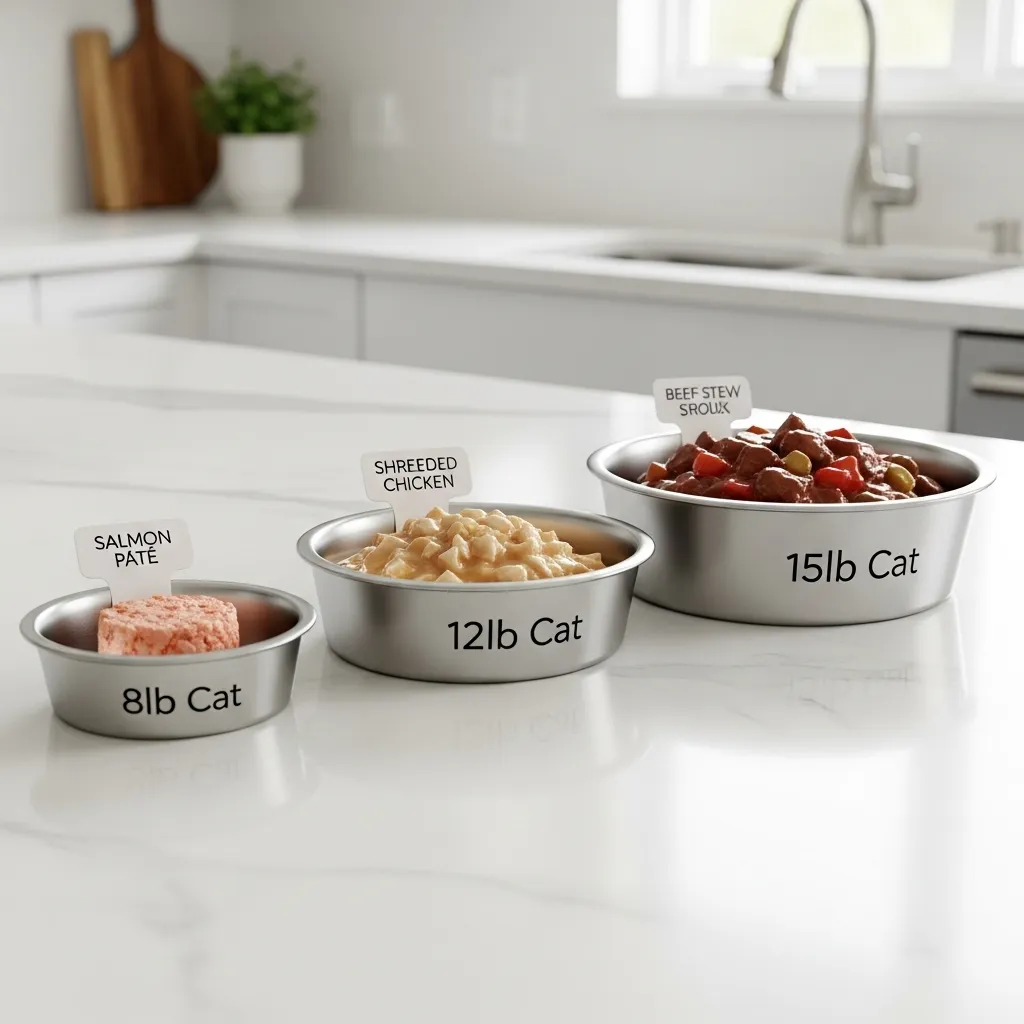
Step 2: Master Portion Control for Cats
| Cat Weight | Daily Calories | Wet Food (3oz can) | Dry Food (1 cup) |
|---|---|---|---|
| 8 lbs | 180–200 | 1.5–2 cans | 1/3–1/2 cup |
| 12 lbs | 220–250 | 2–2.5 cans | 1/2–2/3 cup |
| 15+ lbs | 280–320 | 3 cans | 3/4 cup |
Best food for overweight cats: High-protein, low-carb wet food. See our cat food nutrition breakdown.
Step 3: Cat Exercise Ideas That Actually Work
Turn play into fitness:
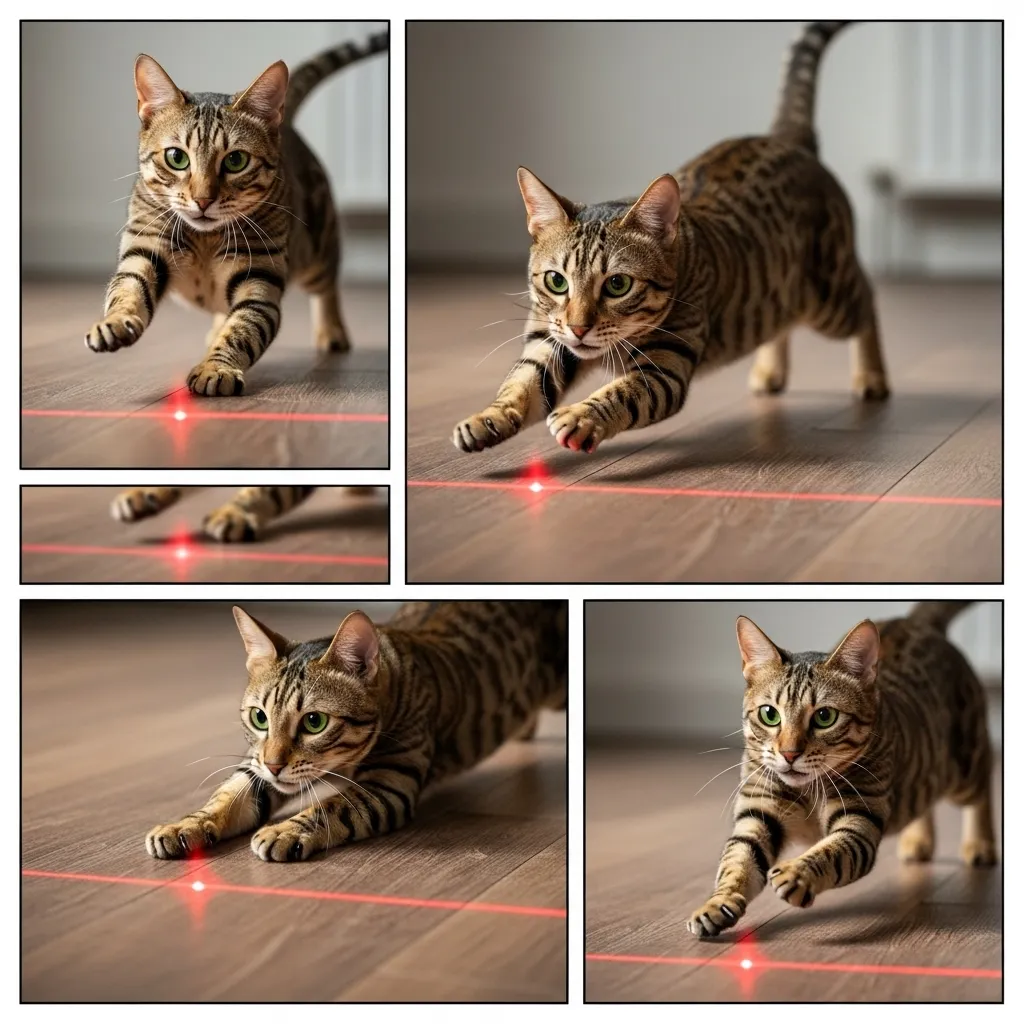
- Laser chase: 10 minutes = 50 calories burned.
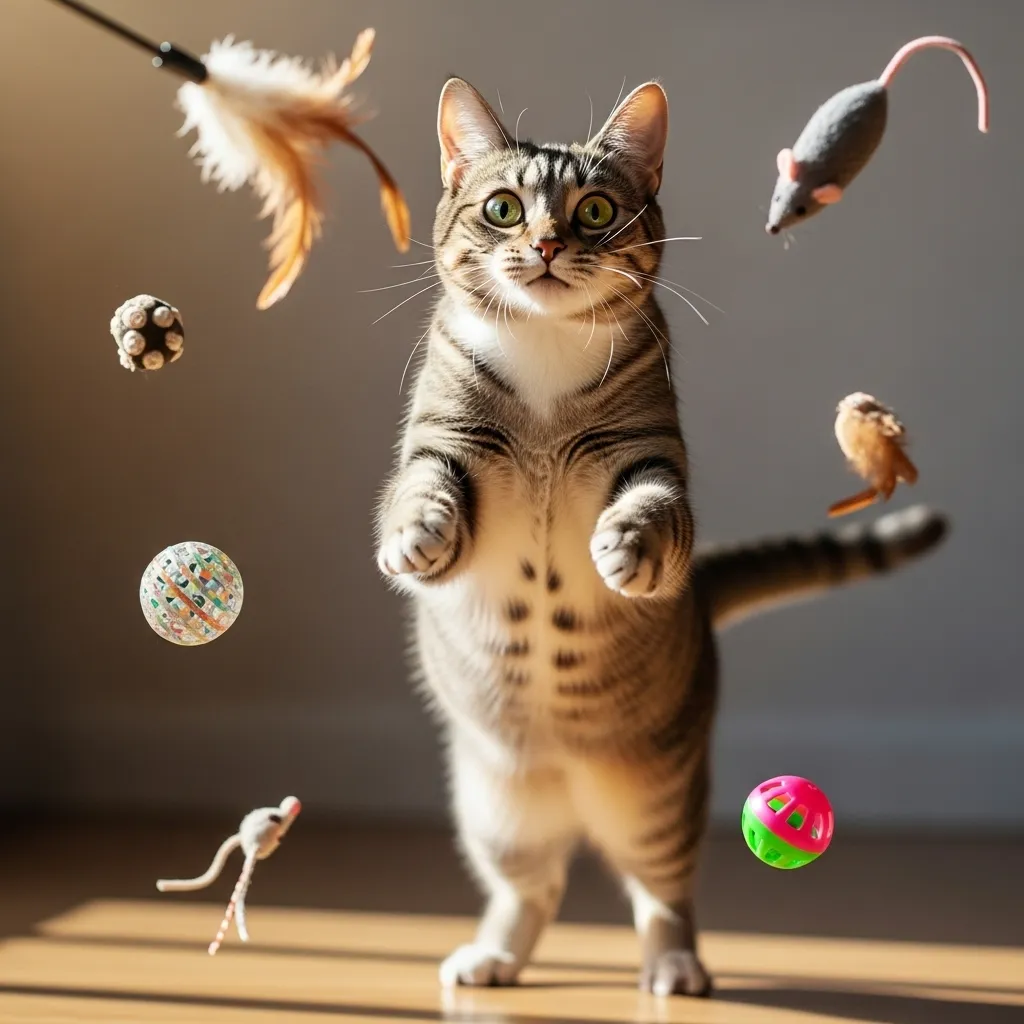
- Feather wand: Mimics prey, builds muscle.
- Puzzle feeders: Mental + physical workout.
- Cat wheels: Ideal for Bengals—discover Bengal cat training.
Pro hack: Schedule three 5-minute sessions daily. Tired cat = happy cat.
Step 4: Track Progress Weekly
- Weigh on baby scale.
- Recalculate calories every 2 lbs lost.
- Celebrate with new toys, not treats.
Stuck? Explore our how to get my cat to exercise deep dive.
Why Is My Cat So Muscular? When “Big” Is a Superpower
Not all bulk is bad. Some cats pack lean mass from:
- High-protein diets (30%+)
- Daily play building hindquarter strength
- Breeds like Savannahs or Abyssinians
Signs of healthy muscle:
- Firm, springy feel under skin
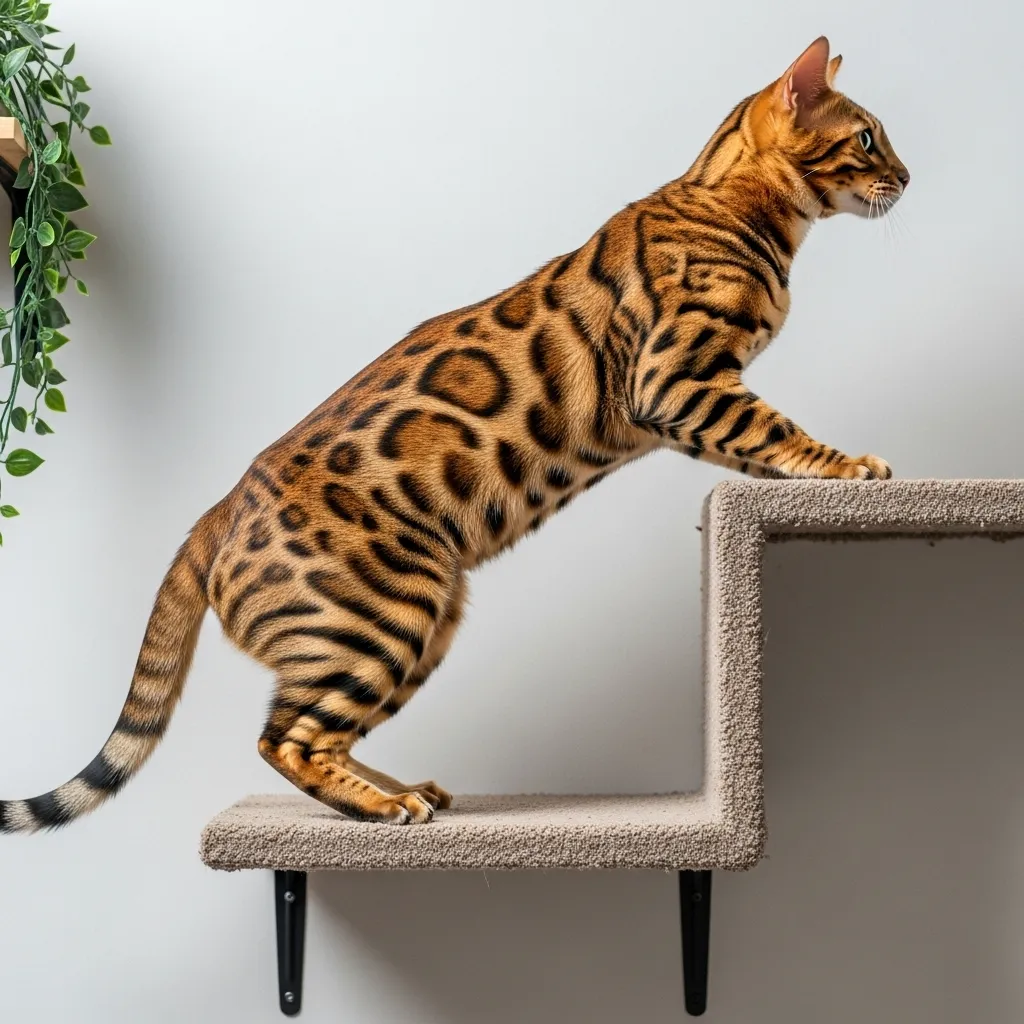
- Ability to jump 5–6 feet vertically
- No belly sway
Compare to cat obesity—soft, jiggly fat vs. defined muscle.
Signs of a Healthy Cat: Beyond the Scale
Weight is one metric. True cat wellness shows in:
- Shiny an shiny coat (not dull or greasy)
- Bright eyes, pink gums
- Playful energy at any age
- Normal litter box habits (1–2 poops daily)
Spot issues early with our cat health tips.
Preventing Cat Obesity: Your Long-Term Cat Wellness Guide
- Annual veterinary checkups for cats—catch trends early.
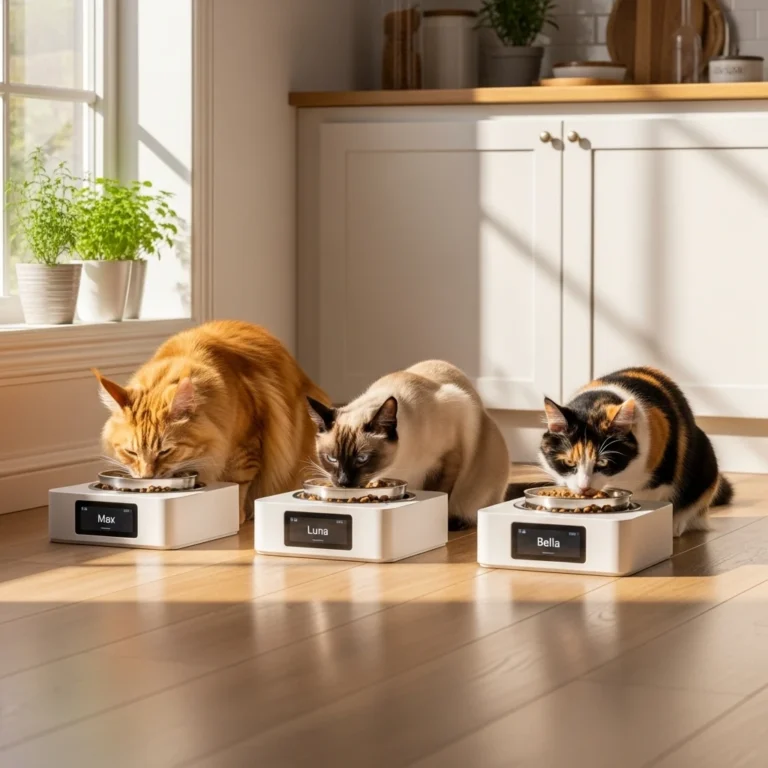
- Automated feeders for precision—see our automatic cat feeder guide.
- Enrichment rotations to prevent boredom eating.
- Hydration focus—wet food + fountains reduce calorie intake.
When “Big” Becomes Dangerous: Health Risks of Overweight Cats
Extra weight isn’t just cosmetic:
- Diabetes: 60% of obese cats develop it.
- Arthritis: Joint stress shortens playtime.
- Heart disease: Fat strains the ticker.
- Urinary issues: Less movement = crystal formation.
Early intervention adds 2–3 quality years. Learn more in our cat urinary health guide.
FAQ: Your Top Cat Size & Weight Questions Answered
How do genetics affect my cat’s size?
DNA determines 70–80% of adult size. Large breeds like Maine Coons have specific growth genes—mixed cats vary widely.
What are the signs my cat is overweight?
- Ribs not palpable
- No waistline
- Lethargy after short play
- Belly drags when walking
How can I tell if my cat is at a healthy weight?
Use the cat body condition score (BCS 4–5/9). Feel for ribs, check waist tuck, and weigh monthly.
Why is my cat so fat all of a sudden?
Common causes: spay/neuter metabolism drop, stress eating, medical conditions, or free-feeding. Vet visit recommended.
What’s the best food for overweight cats?
High-protein (>40%), low-carb (<10%) wet food. Measure precisely—see our best wet cat food picks.
How do I get my cat to exercise?
Short, frequent play sessions with lasers, wands, or puzzle toys. Aim for 15–20 minutes daily.
Is my cat overweight or just big-boned?
Big cat breeds carry 15–25 lbs lean. Use BCS—if fat covers ribs, it’s overweight, not “big-boned.”
When should I see a vet about my cat’s size?
- Sudden 10%+ weight change
- Difficulty jumping
- Breathing issues
- Lethargy
Book smarter with our finding the best vet for your cat tips.
Final Purr: Love Your Cat at Every Size
Whether your feline is a majestic Maine Coon, a chunky house panther, or a muscular Bengal, size tells a story of genetics, care, and love. Celebrate the big breeds, manage the fluff, and always prioritize healthy cat weight through balanced cat nutrition, playful cat fitness, and regular veterinary checkups for cats.
Your cat’s perfect size? The one where they leap, play, and purr with ease.
Ready for more? Explore our expert cat care and behavior guides on Cat Bloom Haven—from American Shorthair playful personality to Ragdoll cat weight guide. Your cat’s best life starts here. 🐾