The Feline Frontier: How Technology Is Changing Cat Care for the Modern Pet Parent
Key Takeaways: How Technology Is Changing Cat Care
Before we dive deep, here’s what every modern cat owner should know about the tech revolution in feline care:
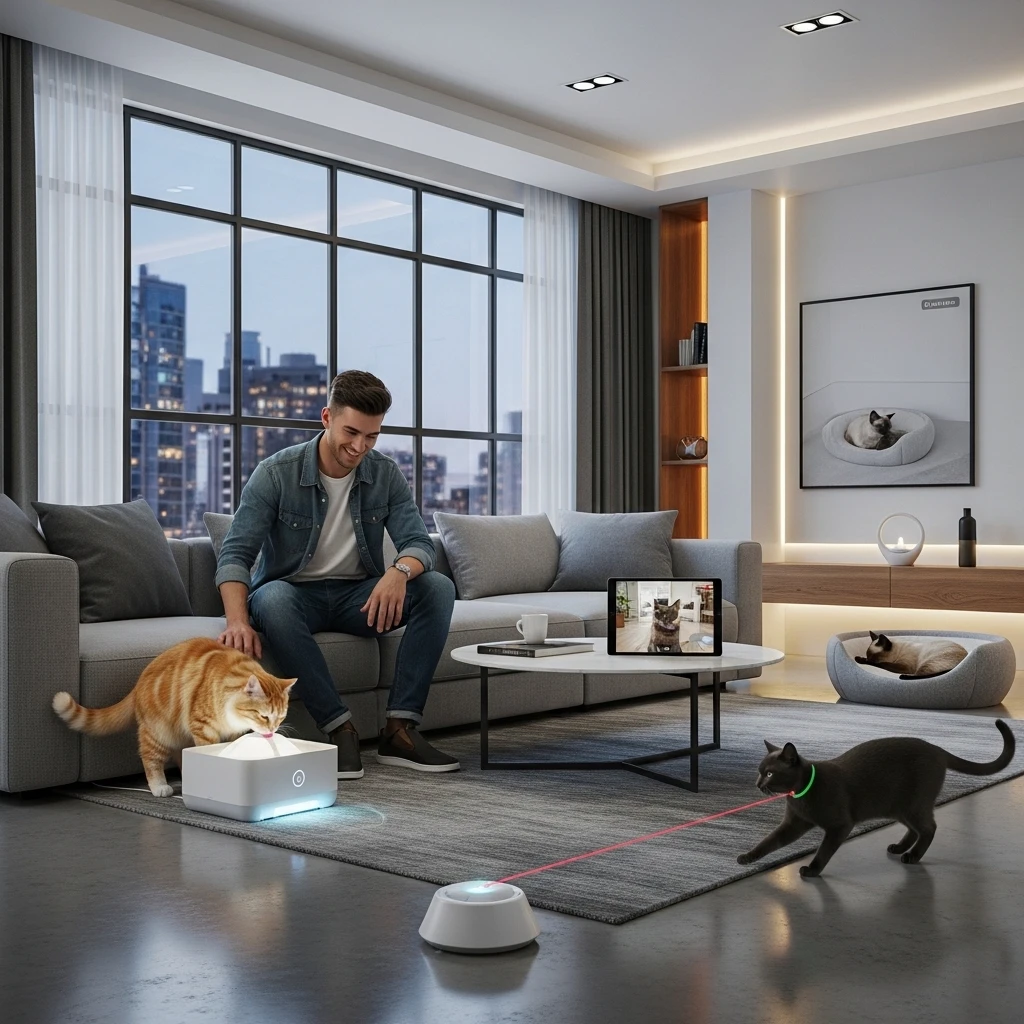
- Hyper-Personalized Health Monitoring: Smart collars and litter boxes now track vital signs, weight, and bathroom habits, detecting health issues like UTIs, kidney problems, or stress long before visible symptoms appear.
- The End of Guesswork Feeding: AI-powered feeders dispense perfect portions based on your cat’s unique profile, managing weight and accommodating special diets with precision timing.
- Behavior Decoded Through Data: Pet cameras and sensors translate mysterious meows, nighttime zoomies, and litter box aversions into understandable patterns and actionable insights.
- Enhanced Environmental Enrichment: Automated laser toys, puzzle feeders, and interactive apps provide mental stimulation, combating boredom and associated behavioral issues even when you’re away.
- Veterinary Care at a Distance: Telehealth platforms connect you with vets for quick consultations, while digital records and at-home test kits streamline preventative care.
The bond between humans and cats is ancient, but the tools we use to nurture it are undergoing a revolution. If you’ve ever wondered why your cat suddenly refuses their food, what those 3 AM zoomies really mean, or felt a pang of guilt leaving them alone, technology is providing answers and solutions. This isn’t about replacing the warm lap or the gentle stroke behind the ears; it’s about enhancing our understanding and capability to provide the best possible care. From smart litter boxes that send health alerts to interactive toys that simulate prey, how technology is changing cat care is fundamentally reshaping our role from puzzled observers to informed, proactive guardians.
Beyond the Food Bowl: The Rise of Intelligent Nutrition
Gone are the days of simply filling a bowl. The modern approach to cat food nutrition is data-driven and precise.
Smart Feeders: Portion Control, Scheduling, and Diet Management
These devices do much more than just dispense kibble. The best smart feeders allow you to:
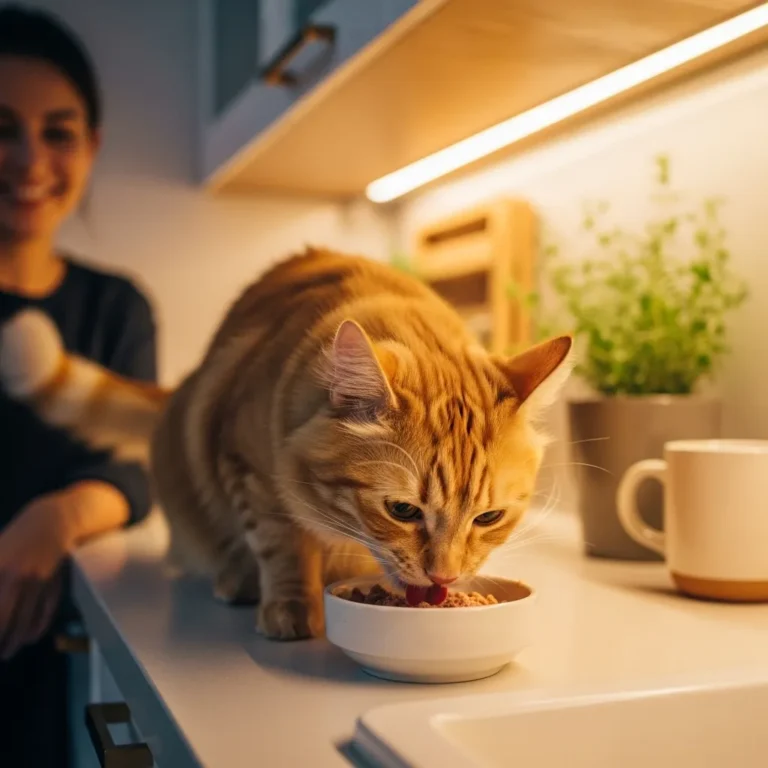
- Schedule precise meals throughout the day, aligning with your cat’s natural hunting instincts for smaller, more frequent meals.
- Control exact portion sizes down to the gram, a critical tool for cat weight management and preventing obesity.
- Record each feeding session, so you know exactly when and how much your cat eats. A change in appetite is often the first sign of illness.
- Integrate with microchips or collar tags to ensure multi-cat households don’t experience food theft, allowing for specialized diets like best foods for senior Bengal cat or weight loss plans.
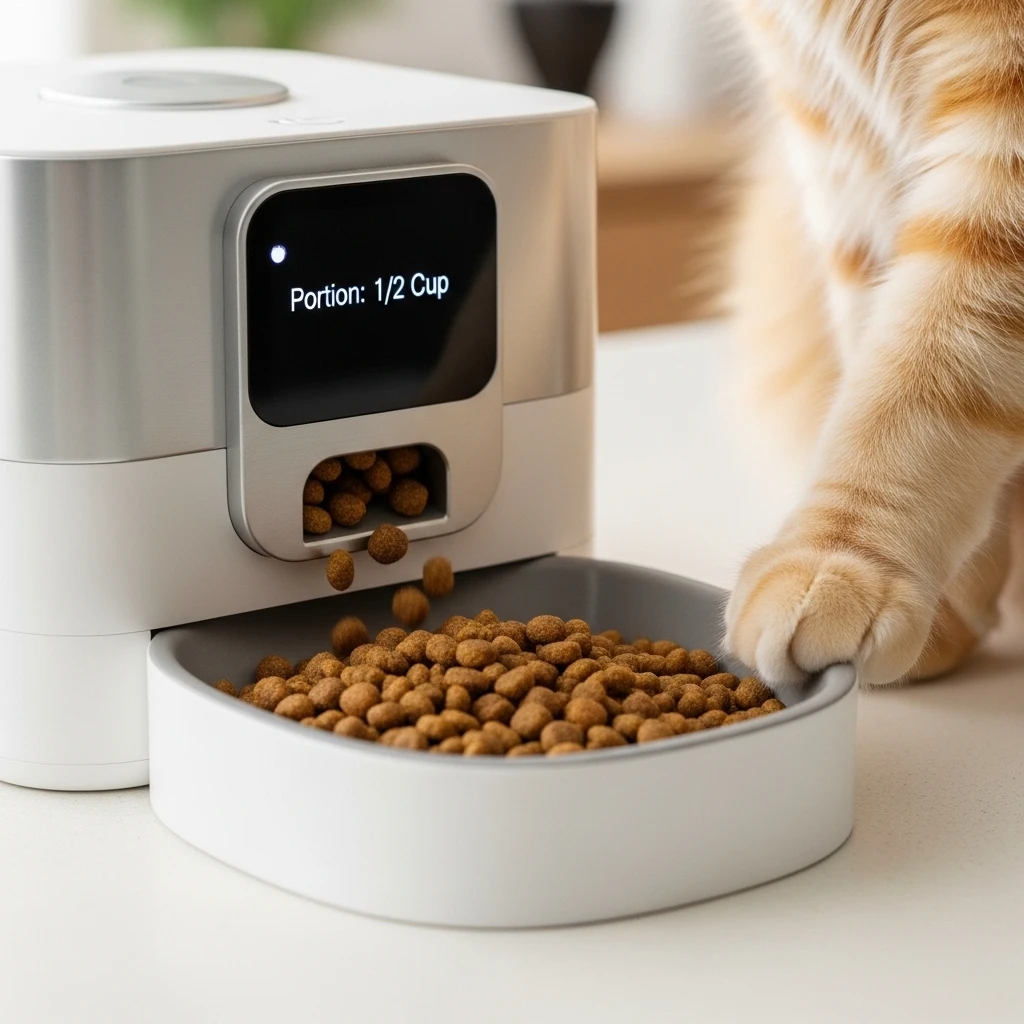
This technology directly addresses common concerns like cat obsessed with food or helping a skinny cat gain weight with structured, monitored programs.
Hydration Tech: Ensuring Vital Water Intake
Chronic low hydration is a silent contributor to cat urinary health issues, including blockages and CKD. Technology intervenes with:
- Smart Water Fountains: Filtered, flowing water encourages drinking. Advanced models track water consumption and send alerts if intake drops abnormally.
- Hydration Monitors: Some smart bowls measure the volume of water consumed per session, providing invaluable data, especially for breeds prone to kidney issues or cats on dry food diets.
For breeds with specific needs, like ensuring proper Ragdoll cat hydration, these tools are game-changers. Discover more strategies in our guide on how to get a cat to drink more water.
The Litter Box Revolution: From Chore to Health Dashboard
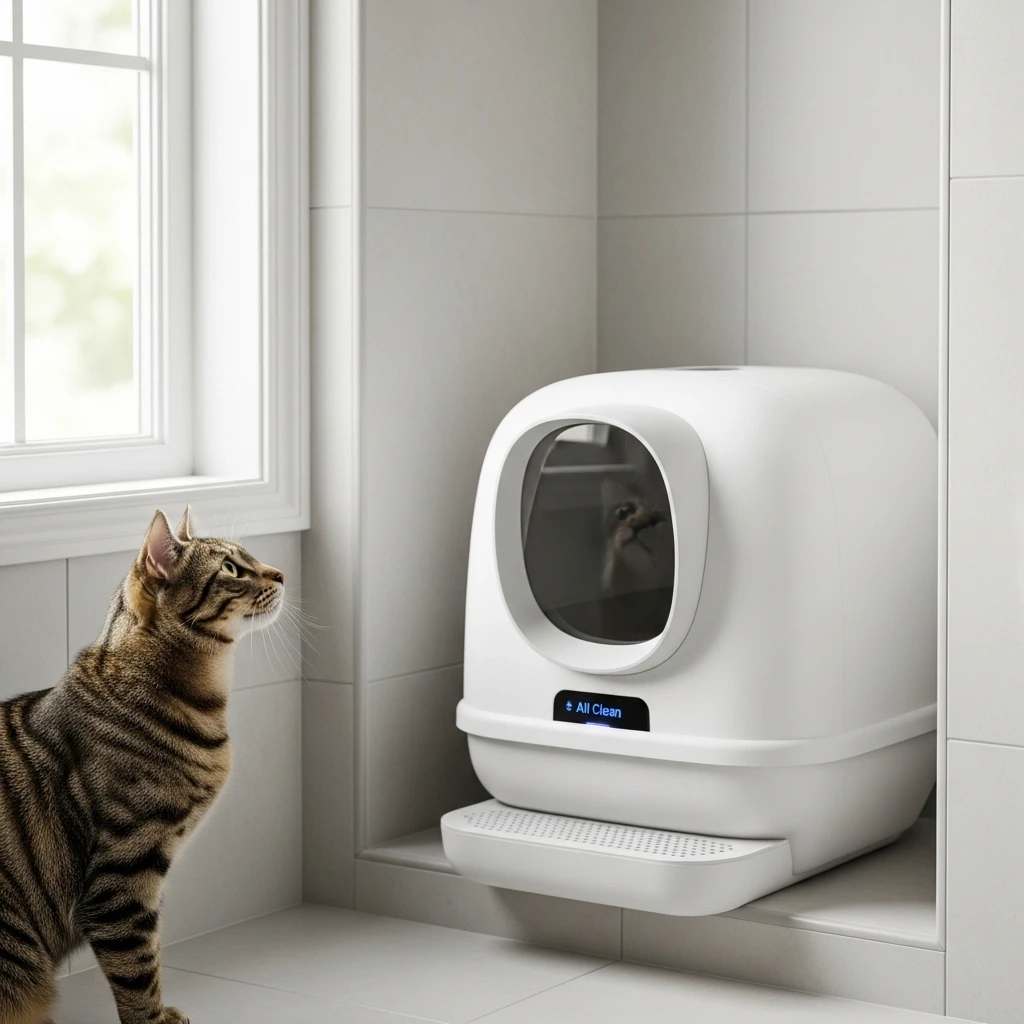
The most dreaded pet care chore has become a cornerstone of predictive health. Modern smart litter boxes are sophisticated bio-monitoring stations.
Health Monitoring Through Waste Analysis
High-tech litter boxes now offer:
- Usage Frequency & Duration Tracking: Alerts for potential constipation, diarrhea, or painful urination (a key sign of Feline Lower Urinary Tract Disease).
- Weight Sensors: Monitor your cat’s weight every time they visit essential for catching sudden loss or gain.
- “Smart” Waste Analysis: Some models claim to analyze urine for pH levels and detect blood, although these should complement, not replace, vet tests.
This continuous monitoring can provide early warnings for conditions like cat diabetes, kidney issues, and cat urinary blockage, allowing for earlier, less expensive interventions. For those dealing with existing cat litter box problems, technology can also help identify behavioral versus medical causes.
Self-Cleaning and Odor-Control Systems
Beyond health, technology tackles the “ick” factor:
- Automatic Scooping: Robots rake waste into a sealed compartment after each use, maintaining a pristine environment that encourages consistent use.
- Odor-Neutralizing Tech: Built-in carbon filters, UV light, and air purifiers keep spaces smelling fresh, a boon for small apartments. For traditional setups, our tips on how to remove cat litter smell are still invaluable.
Behavior & Wellness: Understanding the Inscrutable Feline Mind
Why does my cat yowl at night? Are they stressed while I’m at work? Technology is translating feline mysteries.
Interactive Cameras & Treat Dispensers
Pet cameras have evolved into interactive communication hubs:
- Two-Way Audio & Laser Toys: You can talk to your cat and play with them via a controlled laser pointer from your phone, alleviating cat separation anxiety.
- Treat Tossing: Reward good behavior or simply provide a distraction, useful for calming a hyper cat at night.
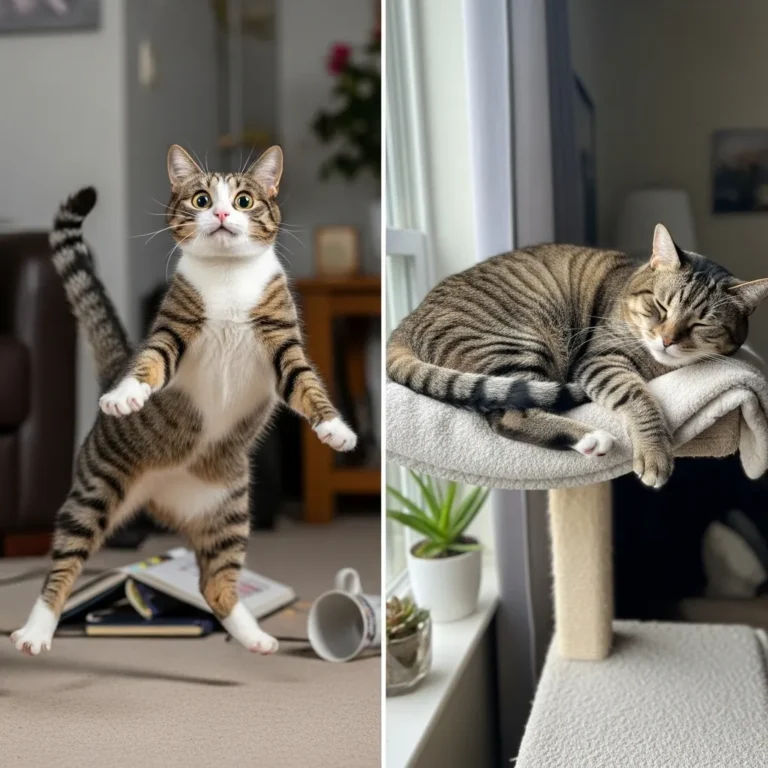
- Behavioral Logs: The camera can log periods of high activity (zoomies), excessive meowing, or prolonged sleep, helping you understand their true routine.
Smart Collars & Activity Trackers
Like a Fitbit for felines, these devices track:
- Activity Levels: Ensure your indoor cat is getting enough exercise to prevent obesity. Compare the needs of a Munchkin cat playfulness level to a Bengal cat personality.
- Sleep Patterns: Monitor quality and duration of sleep; restlessness can indicate pain or discomfort.
- Location Tracking (GPS): For indoor/outdoor cats or escape artists, GPS collars provide peace of mind and aid in lost cat recovery.
This data is crucial for cat enrichment and can explain behaviors like cat hyperactivity at night or sudden cat acting weird.
Telehealth & Connected Veterinary Care
Access to veterinary expertise is becoming faster and more seamless.
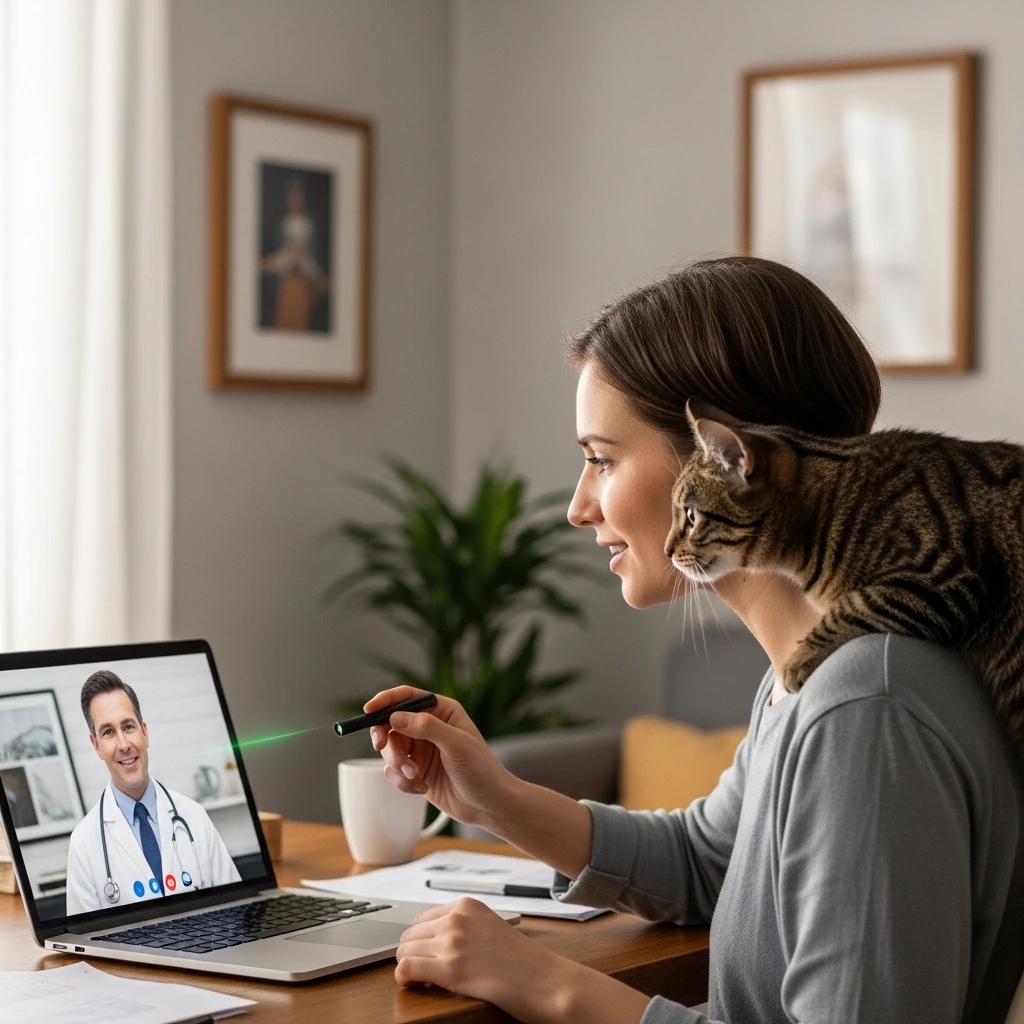
Virtual Vet Visits
Telehealth platforms allow for:
- Quick Triage: Is that cat vomiting white foam an emergency, or can it wait? Get professional advice instantly.
- Behavioral Consultations: Discuss issues like cat scratching furniture or sudden cat aggression with a specialist without the stress of a clinic visit.
- Follow-up Appointments: For stable chronic conditions like managed feline diabetes, check-ins can be virtual.
Digital Health Records & At-Home Test Kits
- Centralized Profiles: All your cat’s vet visits, vaccines, and notes are in one cloud-based file, easily shared with sitters or new clinics.
- Home Testing: Mail-in kits for allergies, UTIs, or DNA/genetic screening provide insights that inform discussions with your vet about issues like cat skin bumps or food sensitivities.
Learn how to build a strong relationship with your vet in our guide to finding the best vet for your cat.
Enrichment & Environment: Tech for a Happier, Stimulated Cat
Boredom leads to trouble. Technology offers novel ways to engage a cat’s hunting instincts and curiosity.
Automated Play Systems
- Programmable Laser Toys: Move in unpredictable patterns to simulate prey, providing exercise even when you’re busy.
- Motorized “Prey” Toys: Feather wands that dart under rugs, rolling balls controlled by an app—these keep a cat engaged physically and mentally.
Ambient Environment Control
- Smart Thermostats & Cameras: Ensure your home stays at a safe, comfortable temperature, whether you’re worried about how cold is too cold for cats or how hot is too hot for cats.
- Automated Window Shades: Schedule “cat TV time” by opening blinds for bird-watching during the day.
For DIY solutions that blend with your decor, explore our ideas for cat wall climbing setups and DIY cat toys.
The Human Element: Balancing Tech with Touch
It’s critical to remember that technology is a tool, not a replacement. The core of cat care remains the emotional bond.
- Tech Should Reduce Anxiety, Not Cause It: Introduce new devices slowly. A fearful cat doesn’t care if a feeder is “smart.” Use our guide on how to destress a cat during introductions.
- Data is for Insight, Not Obsession: Tracking should inform your care, not cause constant worry over minor fluctuations. Understand normal cat sleeping habits before pathologizing.
- The Irreplaceable Lap: No app can replicate the purr that vibrates through you when your cat chooses your lap. Technology’s goal is to solve solvable problems, freeing up more quality time for connection.
As we look to the future, trends like AI-driven behavior prediction and even more integrated home ecosystems will continue to evolve how technology is changing cat care. The goal remains constant: longer, healthier, and happier lives for our feline companions.
FAQ: How Technology Is Changing Cat Care
Q: Is all this pet technology really worth the cost?
A: It depends on your cat’s needs. For a healthy young cat, a simple camera may suffice. For cats with medical conditions like diabetes or kidney disease, a smart feeder or litter box can provide vital early-warning data that may save on much larger vet bills down the line. It’s an investment in preventative care.
Q: Will my cat be scared of smart devices?
A: Many cats adapt quickly, especially to food-dispensing devices! The key is slow introduction. Place the device unplugged with treats nearby for a few days, then turn it on at its quietest setting. Use positive association. For noise-sensitive cats, opt for models with “quiet mode.”
Q: Can technology help with my cat’s behavioral problems?
A: Absolutely. Automated play can reduce boredom-related cat scratching. Smart feeders can address food aggression in multi-cat homes. Cameras can help you diagnose the trigger for cat crying at night. However, severe issues should be addressed with a vet or behaviorist.
Q: How do I choose which tech to start with?
A: Identify your biggest pain point or worry. Is it cat weight management? Start with a smart feeder. Worried about cat urinary health? A smart litter box may help. Need peace of mind while at work? A pet camera is a great first step. Our cat care guide can help you prioritize.
Q: Is my data and my pet’s data secure with these devices?
A: Reputable companies invest in security. Before purchasing, check the privacy policy. Use strong, unique passwords for device accounts and ensure your home Wi-Fi network is secure. Avoid devices that seem to request unnecessary personal information.
Conclusion: Embracing a Smarter, More Connected Way to Care
The journey of how technology is changing cat care is ultimately one of empowerment. It empowers us to move from reactive to proactive care, from guessing to knowing, from managing problems to preventing them. These tools demystify our cats’ hidden lives, giving us a window into their health, happiness, and unique personalities. While a robot will never replace the comforting weight of a purring cat on your chest, it can ensure that cat is healthier, less stressed, and more engaged between cuddles. This is the promise of the modern feline frontier: not a colder, more robotic relationship, but a deeper, more informed, and profoundly nurturing bond.
Ready to explore more ways to understand and care for your feline friend? Dive into our comprehensive library of expert-backed guides on everything from cat behavior and training to breed-specific advice and creating the perfect enriching cat home environment at Cat Bloom Haven.