Decoding Feline Secrets: The Hidden Signals Cats Use Every Day
Key Takeaways
- Cats communicate through a complex, multi-sensory language of subtle signals far beyond meows
- Tail positions, ear orientations, whisker movements, and blinking patterns all carry specific meanings
- Scent marking through cheek rubbing, scratching, and bunting creates a familiar “scent map” of security
- Understanding these hidden signals can prevent behavioral issues and deepen your bond with your cat
- A cat’s communication system is deeply tied to their emotional state and environmental perception
Introduction: The Unspoken Language Living in Your Home
Your cat isn’t just sitting there looking cute they’re having an entire conversation with you and their environment through a sophisticated system of hidden signals cats use daily. While we humans rely heavily on verbal communication, cats have evolved a nuanced, multi-modal language that speaks through body posture, subtle movements, scent markers, and micro-expressions. These hidden signals form a rich tapestry of communication that most cat owners only partially understand.
Imagine if you could understand what your cat is really saying when they slowly blink at you, or why they rub their cheek against the corner of your bookshelf, or what their tail position truly means during different interactions. This isn’t just interesting trivia it’s the key to building a deeper, more harmonious relationship with your feline companion. By learning to read these hidden signals cats use daily, you can prevent misunderstandings, reduce stress for both of you, and create an environment where your cat truly thrives.
The Anatomy of Feline Communication: More Than Meows
Before diving into specific signals, it’s essential to understand why cats communicate the way they do. Unlike pack animals like dogs, cats are solitary hunters who needed to communicate over distances without attracting predators or alerting prey. This evolutionary background explains why their hidden signals are often subtle, silent, and multi-layered.
Cats use a combination of:
- Visual signals (body language, facial expressions)
- Olfactory signals (scent marking through glands)
- Tactile signals (touch, kneading)
- Auditory signals (vocalizations beyond meows)
The most fascinating aspect is how these systems work together. A cat might combine a specific tail position (visual) with cheek rubbing (olfactory) to create a compound message. Learning to read these hidden signals cats use daily requires paying attention to the whole picture, not just isolated behaviors.
The Tail: A Feline Mood Barometer
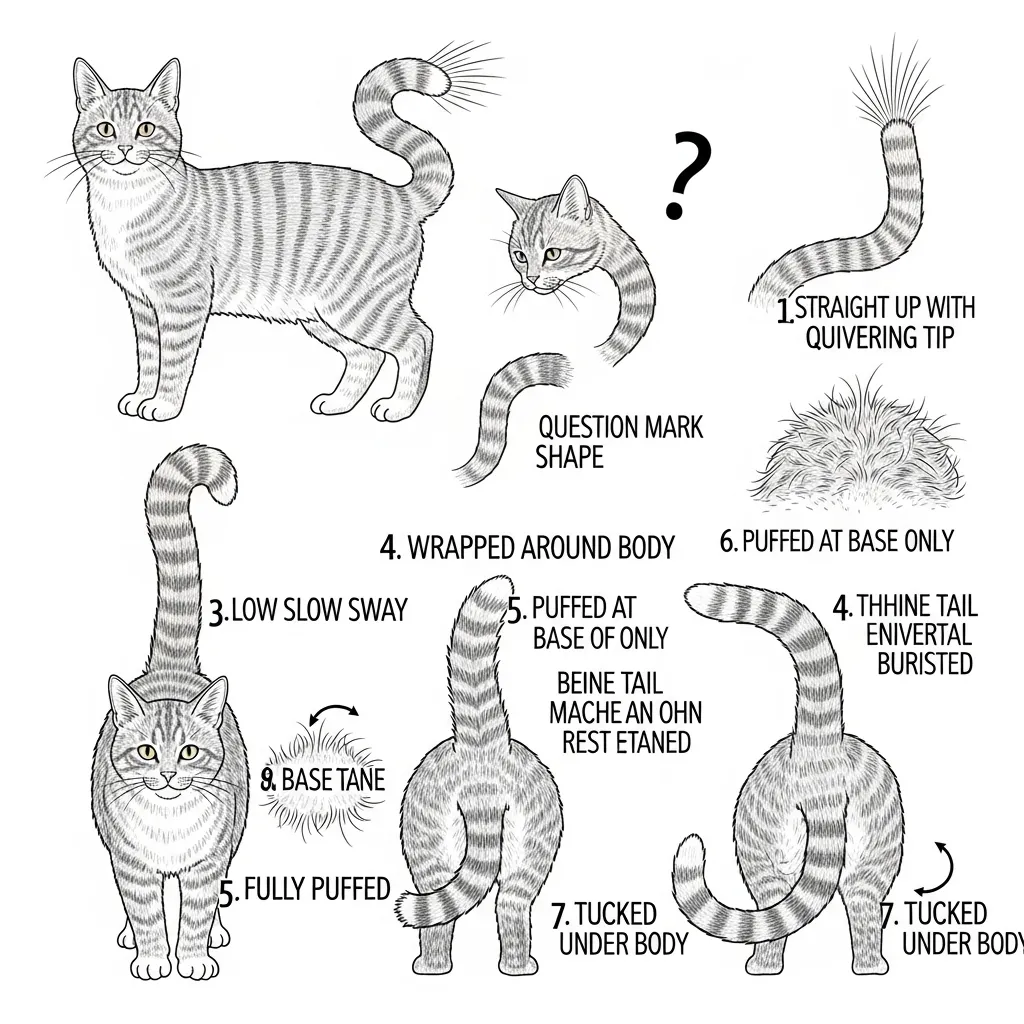
A cat’s tail is perhaps their most expressive communication tool, acting as a real-time emotional barometer. While many people know a puffed tail indicates fear, the subtle variations tell a much richer story.
Vertical Tail with a Quivering Tip
When your cat approaches you with their tail straight up and the tip making tiny quivering motions, they’re expressing extreme happiness and excitement to see you. This is often accompanied by friendly chirps or trills. This hidden signal is essentially a feline “hello!” and indicates your cat feels safe and affectionate toward you.
Question Mark Tail
A tail held upright with a curved tip resembling a question mark indicates curiosity and playfulness. Your cat is in a friendly, engaged mood and likely open to interaction. This is one of the most common hidden signals cats use daily when exploring their environment or inviting play.
Low, Slow-Swaying Tail
Contrary to dogs, a slowly swaying low tail often indicates concentration, mild irritation, or uncertainty. If you’re petting your cat and their tail begins this movement, it’s one of the hidden signals that they may be becoming overstimulated and you should give them space.
Tail Wrapped Around Their Body or Another Cat
When a cat wraps their tail around their own body or gently around another cat (or your leg), it signals contentment and affection. It’s a self-soothing gesture that also serves as a friendly embrace when directed outward.
Tail Puffed at Base Only
A partially puffed tail, particularly at the base, can indicate conflicted emotions—often excitement mixed with hesitation. You might see this during play when a cat is deciding whether to pounce or retreat.
Understanding these hidden signals in tail language can help you gauge your cat’s mood and respond appropriately, preventing misunderstandings that could lead to stress or aggression.
Ear Semaphore: The Direction of Attention and Emotion
While less mobile than other animals’ ears, cat ear positions provide crucial information about their focus and emotional state. Since cats can move each ear independently, they can literally point their attention in two directions while their body faces another.
Ears Forward and Alert
This indicates curiosity, interest, and engagement. Your cat is focused on something in front of them—whether it’s a toy, a bird outside, or you with a treat. This is generally a positive, attentive state.
Ears Rotated Sideways or Backward
Often called “airplane ears,” this position indicates irritation, anxiety, or uncertainty. The further back the ears rotate, the more concerned or defensive the cat feels. This is one of the crucial hidden signals cats use daily to indicate they need space or that something in their environment is bothering them.
Ears Flattened Against Head
When ears are completely flattened, this signals fear, aggression, or pain. This is a defensive posture meant to protect the ears during conflict. If you see this hidden signal, your cat feels seriously threatened or unwell.
Ears Twitching Independently
When cats move each ear separately, they’re monitoring multiple sound sources simultaneously. This shows they’re in an alert state, assessing their environment for potential threats or opportunities. It’s a hidden signal of environmental scanning that reveals how tuned-in cats are to their surroundings.
Understanding ear positions in context with other body language provides a more complete picture of your cat’s emotional state. For example, ears back with a twitching tail means something different than ears back with a crouched body.
The Eyes Have It: Blinking, Staring, and Pupil Dilation
A cat’s eyes are not just beautiful they’re communicative tools that reveal emotional states and intentions. Learning to read these hidden signals can transform how you interact with your feline friend.
The Slow Blink: “Cat Kisses”
When your cat looks at you and slowly closes their eyes, holding them shut for a second before opening them again, they’re expressing trust and affection. This hidden signal is essentially a feline “I love you.” You can return this gesture by slowly blinking back, which most cats recognize as a reciprocal sign of affection and non-threat.
Dilated Pupils in Normal Light
While pupil size naturally adjusts to light, dilated pupils in normal lighting can indicate excitement, fear, or playfulness. Context matters: dilated pupils during play indicate high arousal, while dilated pupils with a crouched body signal fear. Learn more about reading feline body language in our guide to what your cat is thinking.
Half-Closed Eyes
Relaxed, half-closed eyes indicate contentment and trust. Your cat feels safe enough to let their guard down. This is often seen during petting sessions or when they’re lounging in a favorite spot.
Direct, Unblinking Stare
A hard stare with focused attention usually precedes play behavior or indicates a challenge. In multi-cat households, prolonged staring can be a dominance display. If your cat is giving this hidden signal to another cat, it may be time to distract or separate them to prevent conflict.
Looking Away Deliberately
When a cat deliberately breaks eye contact and looks away, they’re signaling non-aggression and deference. This is a polite feline gesture meaning “I’m not a threat.” Understanding this hidden signal can help you approach shy or nervous cats more effectively.
Whisker Wisdom: More Than Navigation Tools
A cat’s whiskers (vibrissae) are incredibly sensitive organs that serve multiple functions, including communication. Whisker positions provide subtle hidden signals about mood and intention.
Forward-Facing Whiskers
When whiskers are pushed forward, your cat is curious, engaged, and likely in hunting or play mode. This position often accompanies the “pre-pounce” crouch.
Whiskers Flattened Against Cheeks
Pulled-back whiskers indicate fear, anxiety, or defensiveness. Your cat is trying to make themselves appear smaller and protect these sensitive organs. This hidden signal often accompanies other fear behaviors like crouching or hiding.
Relaxed, Side-Facing Whiskers
Whiskers positioned naturally at the sides of the face indicate a calm, content state. Your cat is relaxed and comfortable in their environment.
Twitching Whisker Tips
Small, rapid movements at the tips of the whiskers often indicate heightened interest or slight agitation. This micro-expression is one of the more subtle hidden signals cats use daily that reveals their level of engagement with something in their environment.
The Secret Language of Scent: Invisible Messages Everywhere
Cats live in a world dominated by scent, and their communication system reflects this reality. Through various scent-marking behaviors, cats create an invisible map of security, ownership, and social information.
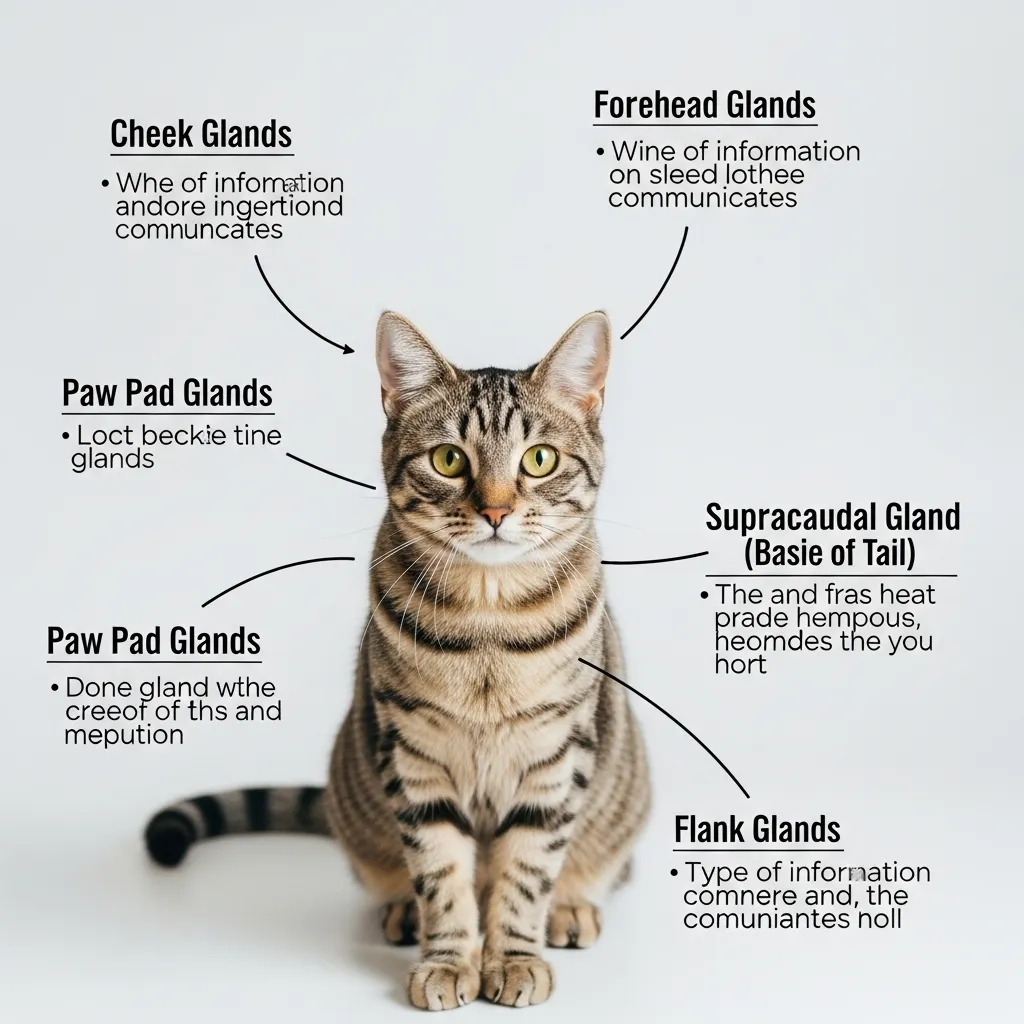
Cheek Rubbing: Creating a Scent of Security
When your cat rubs their cheek against furniture, corners, or you, they’re depositing pheromones from scent glands located in that area. This hidden signal serves multiple purposes: marking territory as safe, mixing scents to create a familiar environment, and showing affection. Unlike urine marking, cheek rubbing is a positive behavior that indicates comfort.
Scratching: Visual and Olfactory Marking
Cats scratch not just to maintain their claws but to leave both visual marks and scent from glands in their paw pads. This dual-signal territory marking is one of the most important hidden signals cats use daily to establish security in their environment. Providing appropriate scratching surfaces can prevent this natural behavior from being directed at furniture.
Bunting: The Ultimate Compliment
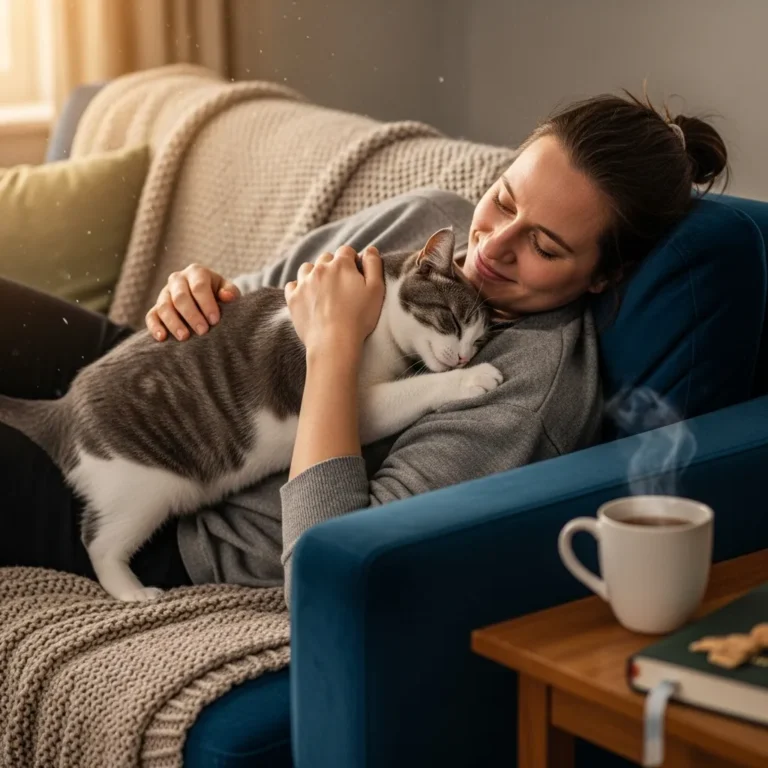
When a cat head-butts you gently with their forehead, they’re engaging in “bunting”—depositing scent from glands located there. This hidden signal is a significant gesture of trust and affection, essentially marking you as “theirs” and mixing your scents together to create a communal family scent.
Kneading: A Throwback to Kittenhood
The rhythmic pushing with front paws, often called “making biscuits,” originates from kittenhood nursing behavior. In adult cats, kneading releases endorphins and scent from paw glands, creating a comforting, familiar scent marker. This hidden signal indicates ultimate relaxation and contentment.
Understanding this olfactory dimension of feline communication explains why cats react strongly to new smells and why maintaining consistent scent markers is crucial for their emotional well-being. For more on creating a scent-secure environment, explore our guide to calming cat environments.
Vocalizations Beyond Meows: The Subtle Soundscape
While meows get most of the attention, cats have a repertoire of subtle vocalizations that form part of their hidden signals system.
Purring: Not Always Contentment
While purring often indicates contentment, cats also purr when injured, frightened, or in pain. The frequency of a cat’s purr (25-150 Hz) has been shown to promote healing and reduce pain. This dual-purpose hidden signal can mean “I’m happy” or “I need comfort.”
Chirps and Trills
These bird-like sounds, often made with a closed mouth, are greeting sounds and expressions of friendly interest. Mother cats use them to call kittens, and adult cats use them to greet trusted humans or feline friends.
Chattering
The rapid teeth-chattering sound cats make when watching birds or squirrels may be a frustrated hunting response or an expression of intense interest. This hidden signal reveals your cat’s strong predatory instincts at work.
Silent Meows
Some cats open their mouths as if to meow but produce no sound. This isn’t a vocal cord issue but rather an exaggerated facial gesture meant to get attention. It’s a learned hidden signal that many cats discover gets a strong human response.
Body Posture: The Full Picture of Feline Feelings
A cat’s overall body posture provides context for all the other hidden signals, creating a complete emotional picture.
The Halloween Cat
Arched back, puffed tail, and sideways stance: This classic posture makes the cat appear larger to threats. It signals fear, defensiveness, or surprise. Understanding this hidden signal helps you recognize when your cat feels genuinely threatened.
The Crouch
Body low to ground, tail wrapped close: This indicates fear, submission, or preparation to pounce (during play). The context determines which a crouch with dilated pupils during play is different from a crouch with ears back when startled.
The Roll and Exposed Belly
Contrary to dogs, a cat showing their belly is not always an invitation for belly rubs. Often it’s a display of trust (“I feel safe enough to expose my vulnerable areas”) or a defensive posture (all four sets of claws are ready if needed). This complex hidden signal requires reading other cues to interpret correctly.
Loaf Position
Paws tucked under, tail wrapped around: The “cat loaf” indicates relaxed alertness. Your cat is comfortable but still aware of their surroundings. It’s one of the most common hidden signals cats use daily when resting in familiar environments.
Putting It All Together: Reading Compound Signals
The true art of understanding hidden signals cats use daily comes from reading combinations of cues. A single signal can mean different things depending on context and accompanying signals.
Example 1: Play vs. Aggression
Both play and real aggression can involve similar behaviors, but the hidden signals differ:
- Play: Ears forward, tail up with slight quiver, pupils dilated but with relaxed body
- Aggression: Ears flattened, tail lashing, pupils dilated with tense body, possible growling
Example 2: Contentment vs. Pain
Both can involve stillness and purring, but:
- Contentment: Relaxed body, half-closed eyes, purring when petted in favorite spots
- Pain: Tense body, purring when not being petted, hiding, changes in appetite
Learning to read these compound hidden signals takes time and observation but dramatically improves your ability to meet your cat’s needs accurately.
Practical Applications: Using This Knowledge Daily
Understanding these hidden signals isn’t just academic—it has practical applications for daily life with your cat.
Improving Human-Cat Interactions
- Recognize when your cat has had enough petting (tail swishing, skin twitching, ears rotating back)
- Understand when they’re inviting play (question mark tail, chirping, play bows)
- Know when to give space (flattened ears, hiding, dilated pupils in non-play context)
Preventing Behavioral Issues
Many “behavior problems” stem from misreading hidden signals. A cat who scratches furniture might be trying to create scent security markers because they feel anxious. A cat who bites during petting might be giving subtle “stop” signals that we’re missing. By learning their language, we can address the root causes rather than just the symptoms.
Enhancing Multi-Cat Household Harmony
Cats in multi-cat households use subtle hidden signals to establish hierarchy and avoid conflict. Understanding these can help you:
- Recognize tension before it escalates to fighting
- Provide adequate resources (litter boxes, feeding stations) based on social dynamics
- Introduce new cats more successfully by reading their comfort levels
Monitoring Health Changes
Many hidden signals change when a cat isn’t feeling well. A normally social cat who starts hiding, changes in grooming habits, or alterations in scent-marking behaviors can all indicate health issues before more obvious symptoms appear. This early detection can be crucial for timely veterinary care.
Creating a Communication-Rich Environment
You can actively encourage positive communication by creating an environment where your cat feels safe expressing their natural hidden signals.
Provide Vertical Space
Cats feel more secure when they can observe their environment from above. Cat trees, shelves, and window perches allow them to survey their territory comfortably, reducing stress and the defensive hidden signals that come with it.
Respect Their Communication
When your cat gives a “stop” signal during petting, respect it immediately. This builds trust and teaches them that their hidden signals are effective, reducing the likelihood they’ll escalate to biting or scratching.
Use Their Language
Try “talking back” to your cat using their own hidden signals. Slow blink at them, mimic their relaxed postures, and pay attention to how they respond. Many cats appreciate this cross-species communication effort.
Maintain Scent Consistency
Since scent is so crucial to feline communication, avoid washing all their bedding at once or using strong-smelling cleaners that erase their scent markers. This helps maintain their sense of security.
Common Misinterpretations: What We Often Get Wrong
Even experienced cat owners sometimes misinterpret their cat’s hidden signals. Here are some common misunderstandings:
“My cat is angry when their tail is swishing”
Not necessarily. A slow swish often indicates concentration (like during hunting or play), while a fast lashing indicates irritation. Context is everything.
“My cat wants belly rubs when they roll over”
Often, they’re showing trust, not requesting belly contact. Many cats will grab and bite if you touch their exposed belly because it triggers a defensive response.
“Purring means my cat is happy”
As mentioned, cats also purr when in pain, frightened, or giving birth. Always consider the full context of hidden signals.
“My cat is ignoring me when they look away”
Actually, deliberately breaking eye contact is a polite feline gesture meaning “I’m not a threat.” It’s a sign of respect, not rejection.
FAQ: Answering Common Questions About Feline Signals
How long does it take to learn my cat’s specific signals?
Most owners see improvement within a few weeks of focused observation. However, each cat has individual variations, so ongoing learning is part of the journey. The key is consistency and attention to context.
Do all cats use the same signals?
While there’s a universal feline “language,” individual cats have variations based on personality, breed tendencies, and past experiences. For example, some breeds like Siamese are more vocal while others rely more on body language. Explore our breed guides for specific insights.
Can I change my cat’s signals through training?
You can’t change their natural communication system, but you can influence what they’re communicating about through positive reinforcement, environmental management, and meeting their needs consistently.
What if my cat suddenly changes their signaling patterns?
Sudden changes in communication patterns can indicate stress, illness, or environmental changes. If your cat’s hidden signals change dramatically without an obvious cause, a veterinary checkup is recommended.
How do I know if I’m reading the signals correctly?
Watch for consistency and outcomes. If you respond to what you believe is a “play invitation” and your cat engages happily, you’re likely reading correctly. If they consistently react negatively to your interpretations, reassess with additional context.
Conclusion: The Rewarding Journey of Cross-Species Understanding
Learning to read the hidden signals cats use daily is one of the most rewarding aspects of sharing your life with these fascinating creatures. It transforms the relationship from one of guesswork and misunderstanding to a genuine dialogue between species. Each subtle tail flick, ear rotation, and slow blink becomes a meaningful exchange that deepens your bond.
Remember that this is a journey, not a destination. Even after decades with cats, you’ll continue to notice new nuances in their communication. The most important elements are observation, patience, and respect for their unique way of experiencing the world.
By honoring their language and learning to speak it back in our limited human way, we create relationships built on mutual understanding rather than dominance or frustration. We learn to see the world through their eyes or rather, through their whiskers, tails, ears, and scent glands.
Your cat is talking to you every day in a hundred subtle ways. Now you have the vocabulary to listen.
Explore more expert guides on feline behavior, health, and care at CatBloomHaven.com, where we help you build the most rewarding relationship possible with your feline companions. From understanding breed-specific behaviors to creating the perfect home environment, our resources are designed to help you become the cat parent your feline friend deserves.