Why Does My Cat Eat My Plants? A Comprehensive Guide to Feline Behavior and Safe Greenery
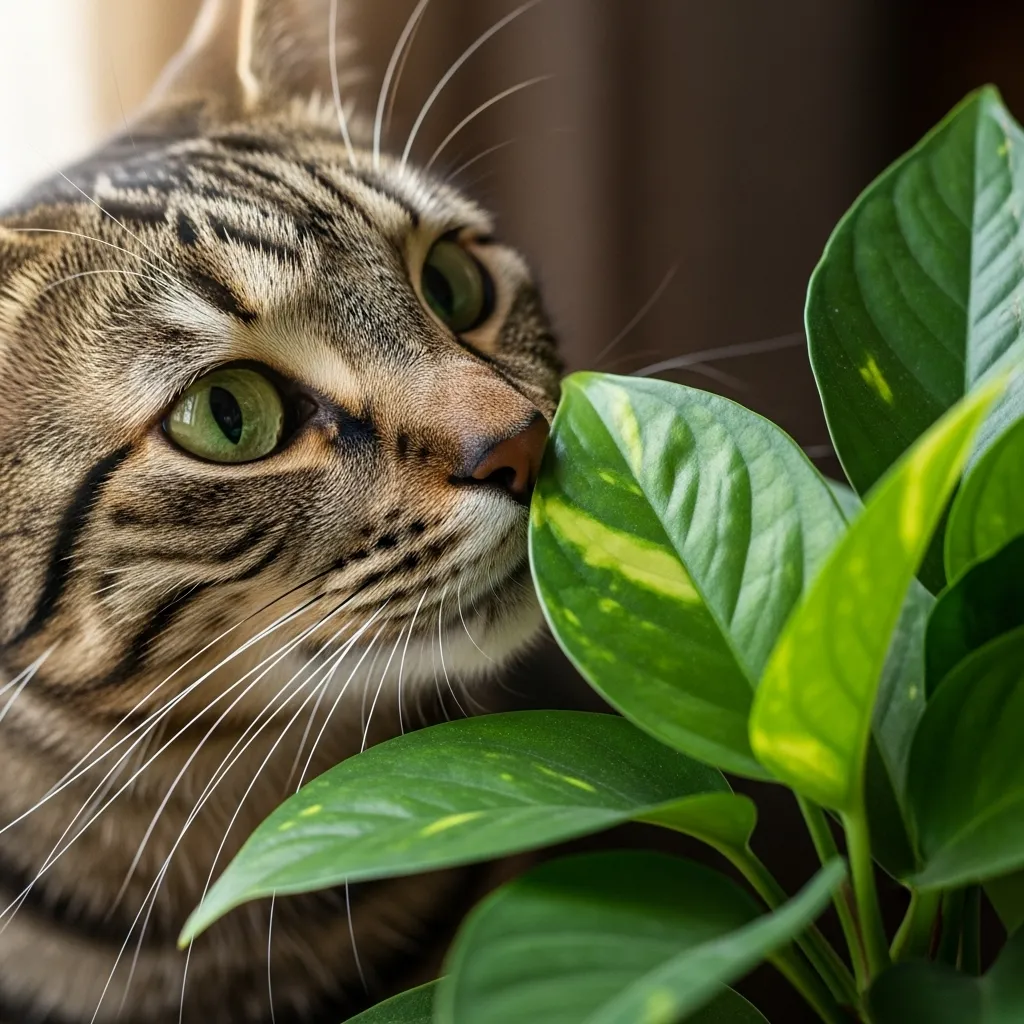
Ever caught your cat nibbling on your favorite houseplant and wondered, why does my cat eat my plants? You’re not alone. Many cat owners face this quirky feline behavior, which can range from harmless curiosity to a potential health hazard. Whether your cat is chomping on your pothos or just chewing on leaves, understanding why cats eat plants and how to manage it is key to keeping both your furry friend and your indoor jungle safe.
In this guide, we’ll dive deep into the reasons behind cat behavior towards plants, explore cat plant-eating habits, and provide actionable solutions to prevent plant munching while ensuring your cat’s health. From safe plants for cats to spotting signs of plant poisoning in cats, we’ve got you covered with expert-backed insights and practical tips. Let’s get started!
Key Takeaways for Cat Owners
- Cats may eat plants due to instinct, boredom, nutritional needs, or curiosity.
- Some houseplants are toxic to cats, causing symptoms like vomiting or lethargy.
- Safe alternatives like cat grass can satisfy your cat’s grazing urges.
- Behavioral enrichment and deterrents can stop cats from eating plants.
- Always consult a vet if you suspect your cat ate a toxic plant.
Explore more tips on keeping your cat happy and healthy in our cat care and health guide.
Why Do Cats Eat Plants? Unraveling the Feline Fascination
Cats eating houseplants is a common behavior, but what drives it? Let’s break down the main reasons behind this leafy obsession.
Instinctual Grazing Behavior
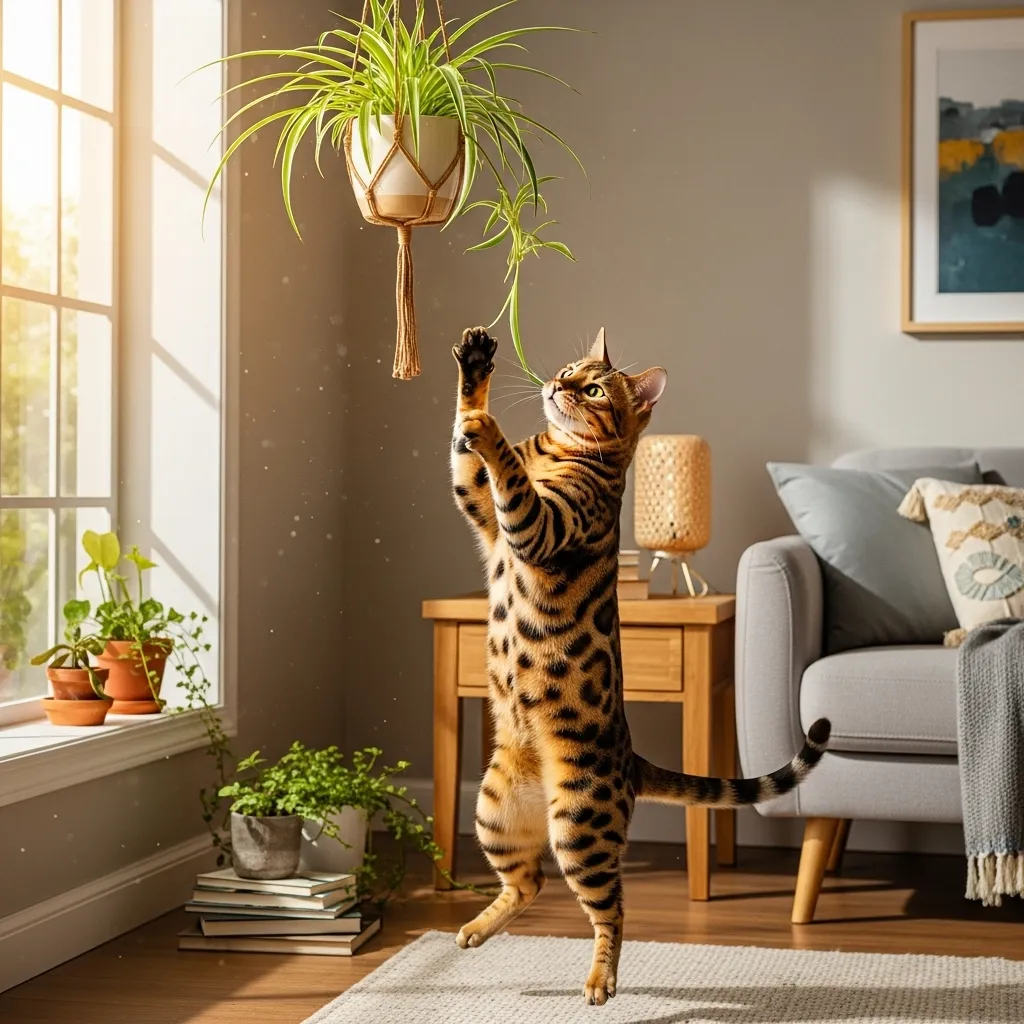
Cats are natural explorers, and their wild ancestors often nibbled on grass or plants. This instinct carries over to domestic cats, who may chew on plants to mimic hunting or foraging. Eating grass or leaves can also help with digestion, as it may induce vomiting to clear hairballs or other stomach irritants. Learn more about feline instincts in our cat behavior explained guide.
Nutritional Needs or Deficiencies
Some cats turn to plants when their diet lacks certain nutrients, like fiber. While cats are obligate carnivores, meaning their primary diet should be meat, small amounts of plant matter can aid digestion. If your cat is obsessively eating plants, it might signal a dietary gap. Check out our cat food and nutrition guide for tips on balanced diets.
Boredom or Lack of Stimulation
Indoor cats, especially breeds like the Siamese or Bengal, are prone to boredom. Chewing on plants can be a way to alleviate stress or entertain themselves. Providing enrichment, like toys or climbing structures, can redirect this behavior. Discover more in our cat enrichment ideas for indoor cats.
Curiosity and Playfulness
Cats are naturally curious, and plants—especially those with dangling leaves or interesting textures—are tempting playthings. Breeds like the Munchkin or American Shorthair, known for their playful personalities, may see your plants as toys. Explore breed-specific behaviors in our American Shorthair cats playful personality guide.
Stress or Anxiety
Changes in the home, like moving or introducing a new pet, can lead to stress-related behaviors, including plant eating. If your cat is acting out, check for signs of stress in our cat stress signs guide.
The Risks: Cats and Plant Toxicity
Not all plants are safe for cats. Many common houseplants can cause mild to severe health issues. Understanding cats and plant toxicity is crucial for any cat owner.
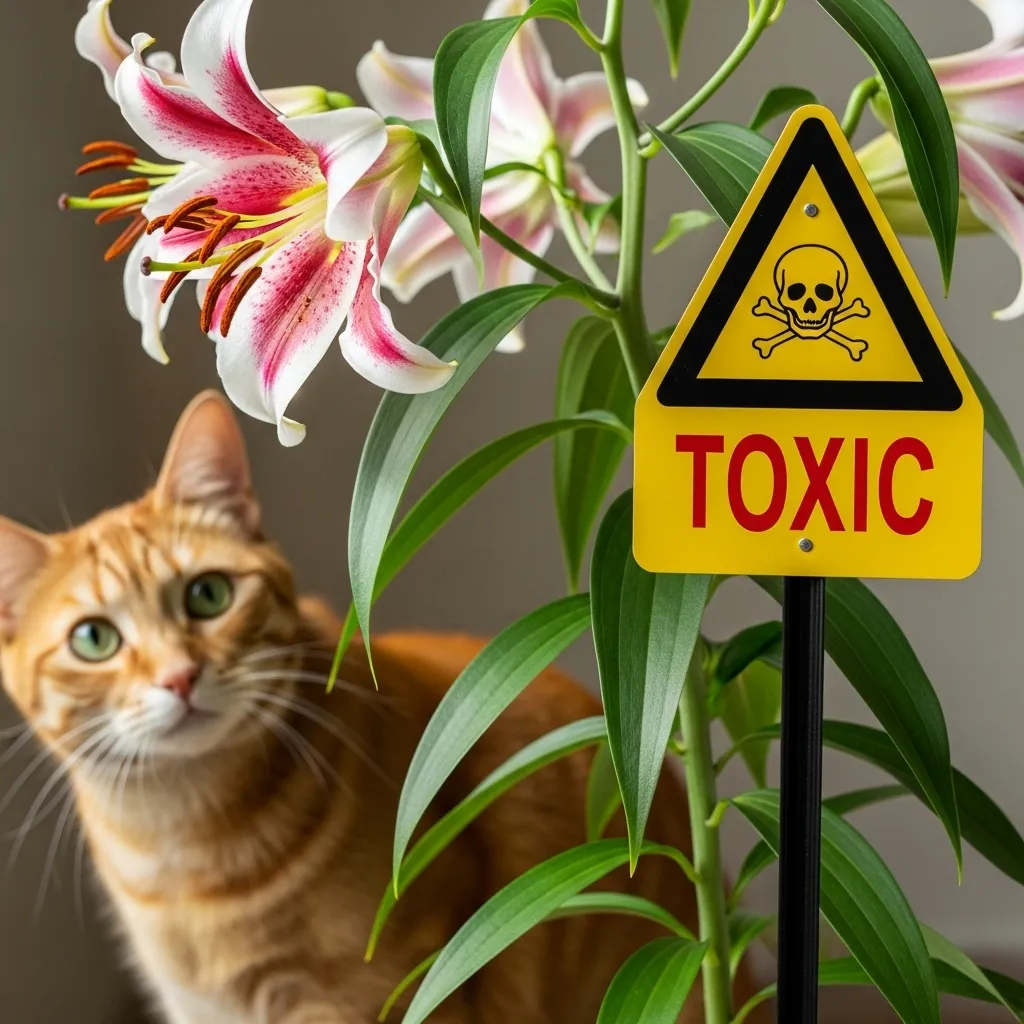
Common Toxic Plants for Cats
Some popular houseplants are dangerous for cats. Here’s a quick list of plants to avoid:
| Plant | Toxicity Symptoms |
|---|---|
| Lilies | Kidney failure, vomiting, lethargy |
| Pothos | Oral irritation, vomiting, difficulty swallowing |
| Dieffenbachia | Swelling, drooling, breathing issues |
| Sago Palm | Liver failure, seizures, vomiting |
| Aloe Vera | Diarrhea, lethargy, tremors |
For a full list, see our common toxic plants for cats guide.
Signs of Plant Poisoning in Cats
If your cat has eaten a toxic plant, symptoms may appear quickly. Watch for:
- Vomiting or diarrhea
- Excessive drooling
- Lethargy or weakness
- Difficulty breathing
- Loss of appetite
If you notice these plant toxicity symptoms in cats, contact your vet immediately. Our cat ate toxic plant guide offers emergency steps.
When to Seek Veterinary Help
Act fast if you suspect poisoning. Bring a sample of the plant to the vet for identification, and monitor your cat’s symptoms. Learn more about vet visits in our cat vet visit schedule guide.
Why Cats Chew on Plants but Don’t Eat Them
Some cats chew on plants without swallowing, which can be puzzling. This behavior often stems from:
- Texture Exploration: Cats may enjoy the feel of leaves in their mouth.
- Teething or Dental Health: Kittens or cats with dental issues may chew to soothe their gums. Check out our cat dental care guide for tips.
- Playful Instincts: Chewing can be part of play, especially for energetic breeds like the Bengal. See our Bengal cat personality guide.
How to Stop Cats from Eating Plants
Preventing your cat from eating plants requires a mix of deterrence, redirection, and creating a cat-friendly environment. Here are proven strategies:
1. Make Plants Inaccessible
- Elevate Plants: Place plants on high shelves or in hanging baskets out of your cat’s reach.
- Use Barriers: Install plant cages or decorative screens to block access.
- Choose Heavy Pots: Cats are less likely to knock over sturdy, weighted pots.
2. Use Safe Deterrents
- Citrus Scents: Cats dislike citrus. Spray diluted lemon or orange oil around plants.
- Double-Sided Tape: Place sticky tape around plant bases to discourage climbing.
- Bitter Sprays: Use pet-safe, bitter-tasting sprays on leaves to deter chewing.
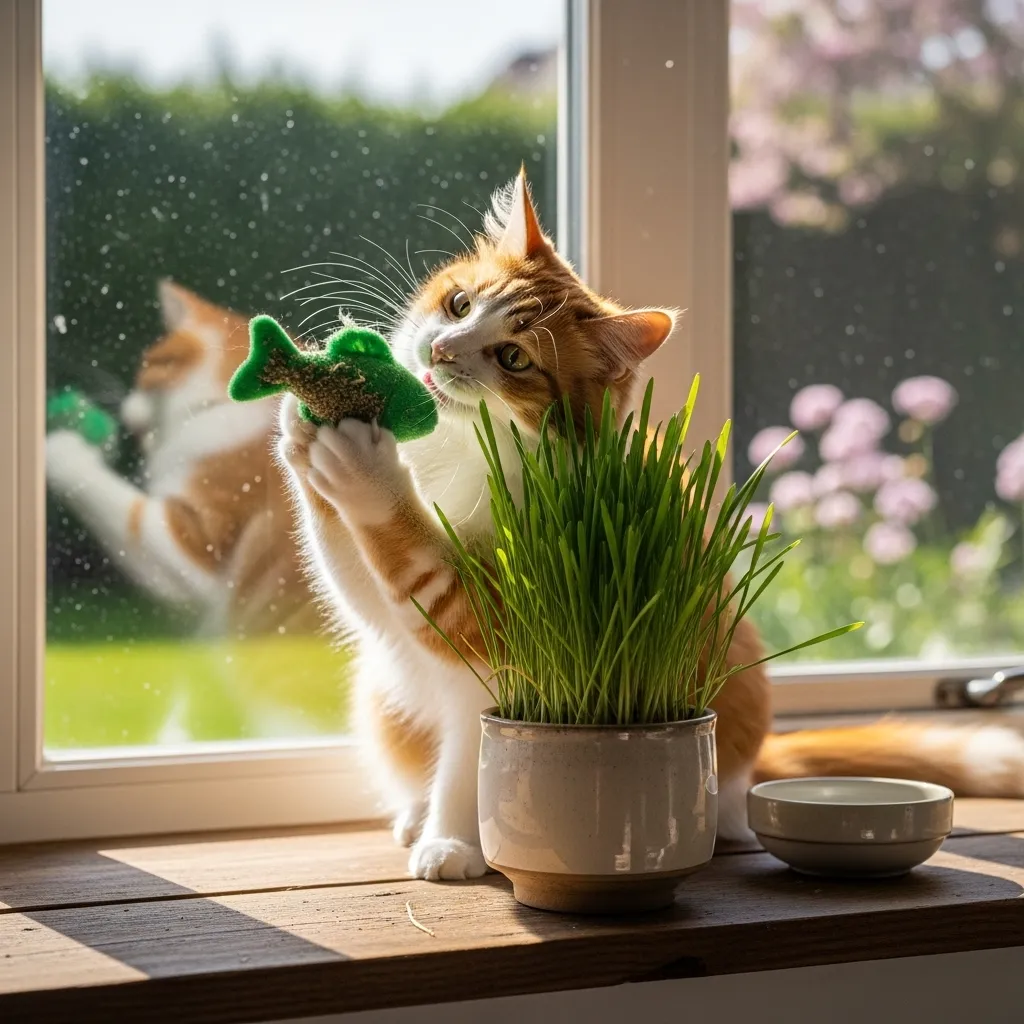
3. Provide Alternatives
Offer cat-friendly indoor plants or alternatives to satisfy your cat’s grazing instincts:
- Cat Grass: Wheatgrass or oat grass is safe and aids digestion. Learn how to grow it in our cat grass care guide.
- Catnip: This herb is a safe, stimulating treat for most cats.
- Silver Vine: Another plant-based treat that many cats love.
4. Enrich Your Cat’s Environment
Boredom often drives plant-eating. Keep your cat engaged with:
- Interactive toys like feather wands or laser pointers.
- Scratching posts or cat trees to redirect energy.
- Regular playtime to reduce stress. See our cat enrichment ideas for more.
5. Address Underlying Issues
If plant-eating persists, it may signal health or behavioral issues. Consult a vet to rule out nutritional deficiencies or stress. Our cat health care guide has more details.
Safe Plants for Cats: Building a Cat-Friendly Indoor Garden
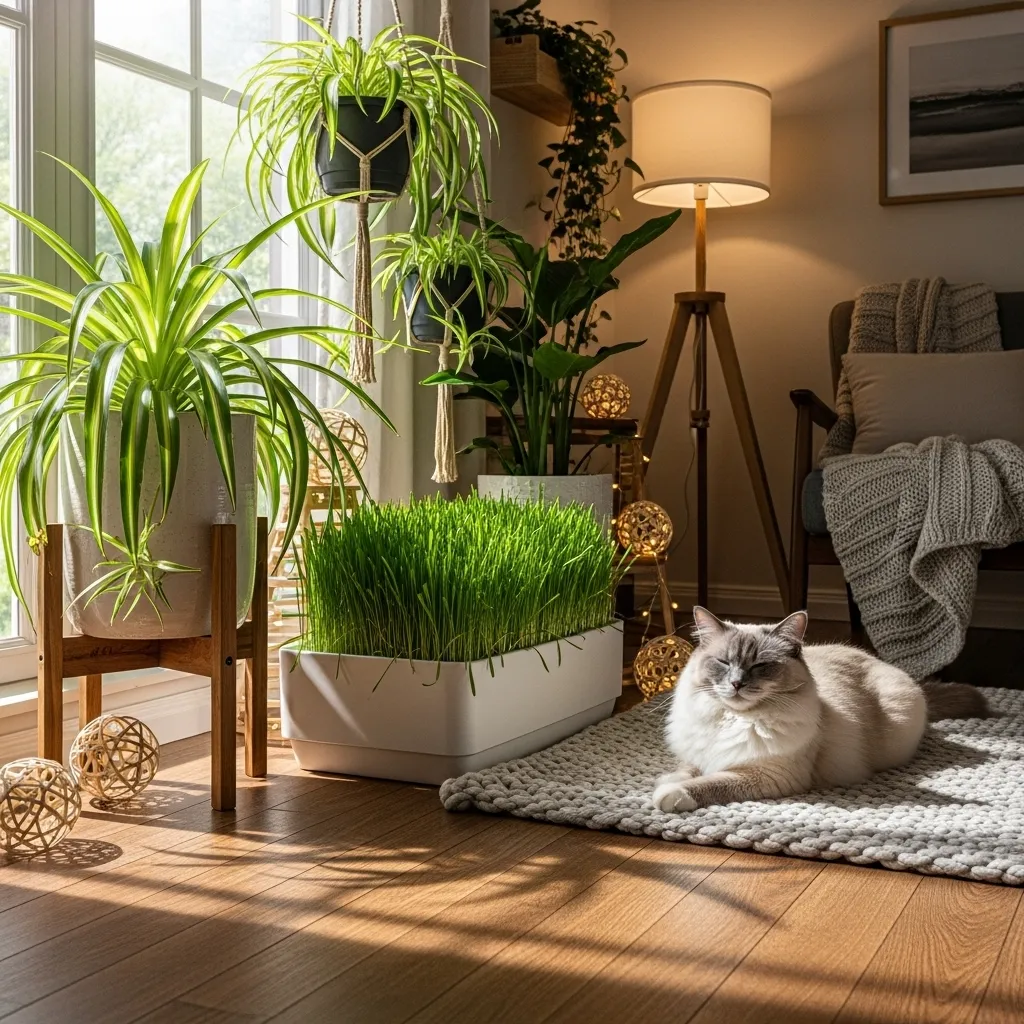
Creating a pet-safe indoor garden is a win-win for you and your cat. Here are some non-toxic plants for cats to consider:
| Plant | Benefits |
|---|---|
| Spider Plant | Easy to grow, safe, and cats love the texture |
| Boston Fern | Lush, non-toxic, and visually appealing |
| Areca Palm | Safe and adds a tropical vibe |
| Catnip | Stimulates play and satisfies grazing urges |
| Cat Grass | Aids digestion and is easy to grow indoors |
For more ideas, check out our safe indoor plants for cats guide.
Natural Remedies to Stop Cats from Eating Plants
If you prefer natural solutions, try these:
- Herbal Repellents: Sprinkle dried rosemary or lavender around plants (cats dislike these scents).
- Vinegar Spray: A diluted vinegar solution can deter cats without harming plants.
- Cayenne Pepper: Lightly dust plant soil with cayenne to discourage digging.
Always test remedies on a small plant area first to avoid damage. For more tips, see our natural remedies to stop cats from eating plants.
Can Eating Plants Help with Cat Digestion?
In small amounts, cats eating grass and leaves can aid digestion by:
- Helping pass hairballs through vomiting or stool.
- Adding fiber to ease constipation.
- Stimulating gut motility.
However, overeating plants can cause stomach upset. If your cat frequently eats grass, ensure their diet is balanced. Learn more in our cat digestion and plant eating guide.
Cat Behavior Myths: Debunking Common Misconceptions
Let’s clear up some myths about cat behavior towards plants:
- Myth: All plant-eating is harmful.
- Truth: Eating small amounts of safe plants like cat grass is normal and can be beneficial.
- Myth: Cats only eat plants when sick.
- Truth: Cats may eat plants out of curiosity, boredom, or instinct, not just illness.
- Myth: All houseplants are dangerous.
- Truth: Many plants, like spider plants, are safe and cat-friendly.
For more myth-busting, check our cat behavior myths guide.
Cat Enrichment Ideas for Indoor Cats
Prevent plant-eating by keeping your cat mentally and physically stimulated:
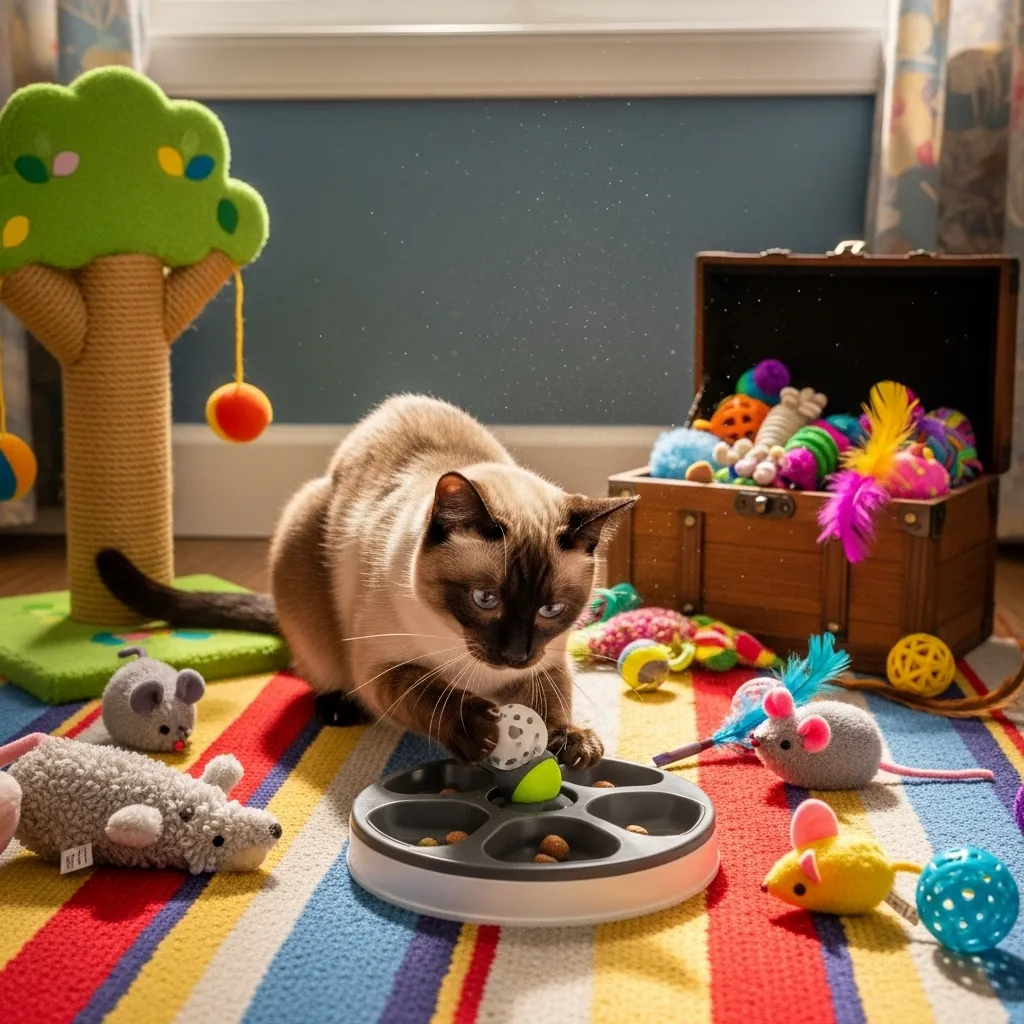
- Puzzle Feeders: Encourage foraging behavior with food puzzles.
- Window Perches: Let your cat watch birds or outdoor activity.
- Rotating Toys: Introduce new toys regularly to maintain interest.
- Training: Teach tricks like fetching to engage active breeds. See our teach cat to fetch guide.
FAQ: Quick Answers to Common Questions
Why does my cat eat my plants?
Cats eat plants due to instinct, boredom, curiosity, or nutritional needs. Providing safe alternatives like cat grass can redirect this behavior.
What are the harmful effects of cats eating plants?
Toxic plants can cause vomiting, lethargy, or severe issues like kidney failure. Always check if your plants are safe for cats.
How can I prevent my cat from eating plants?
Use deterrents like citrus sprays, elevate plants, or offer cat-safe greenery like catnip. Enrichment also helps reduce boredom-driven chewing.
Which plants are safe for cats?
Safe plants include spider plants, Boston ferns, catnip, and cat grass. See our safe indoor plants for cats guide.
What should I do if my cat ate a toxic plant?
Contact your vet immediately, monitor symptoms, and bring a plant sample for identification. Check our cat ate toxic plant guide.
Why is my cat only chewing on plants and not eating them?
Chewing without eating can be due to playfulness, teething, or exploring textures. Dental health or boredom may also play a role.
Are there natural remedies to stop cats from eating plants?
Yes, try citrus sprays, vinegar solutions, or dried herbs like rosemary. Always test on plants first to avoid damage.
Can eating plants help with my cat’s digestion?
Small amounts of safe plants like cat grass can aid digestion by helping with hairballs or constipation, but overeating may cause issues.
Is it a sign of illness if my cat is eating plants?
Not always. Plant-eating is often normal, but excessive behavior may indicate stress, boredom, or nutritional deficiencies. Consult a vet if concerned.
Conclusion: Keeping Your Cat and Plants in Harmony
Understanding why cats eat plants is the first step to creating a safe, enriching environment for your feline friend. By addressing the root causes—whether it’s instinct, boredom, or curiosity—you can protect your plants and your cat’s health. Offer cat-safe houseplants like cat grass, use deterrents, and keep your cat engaged with toys and playtime. If you suspect your cat ate a toxic plant, act quickly and consult a vet.
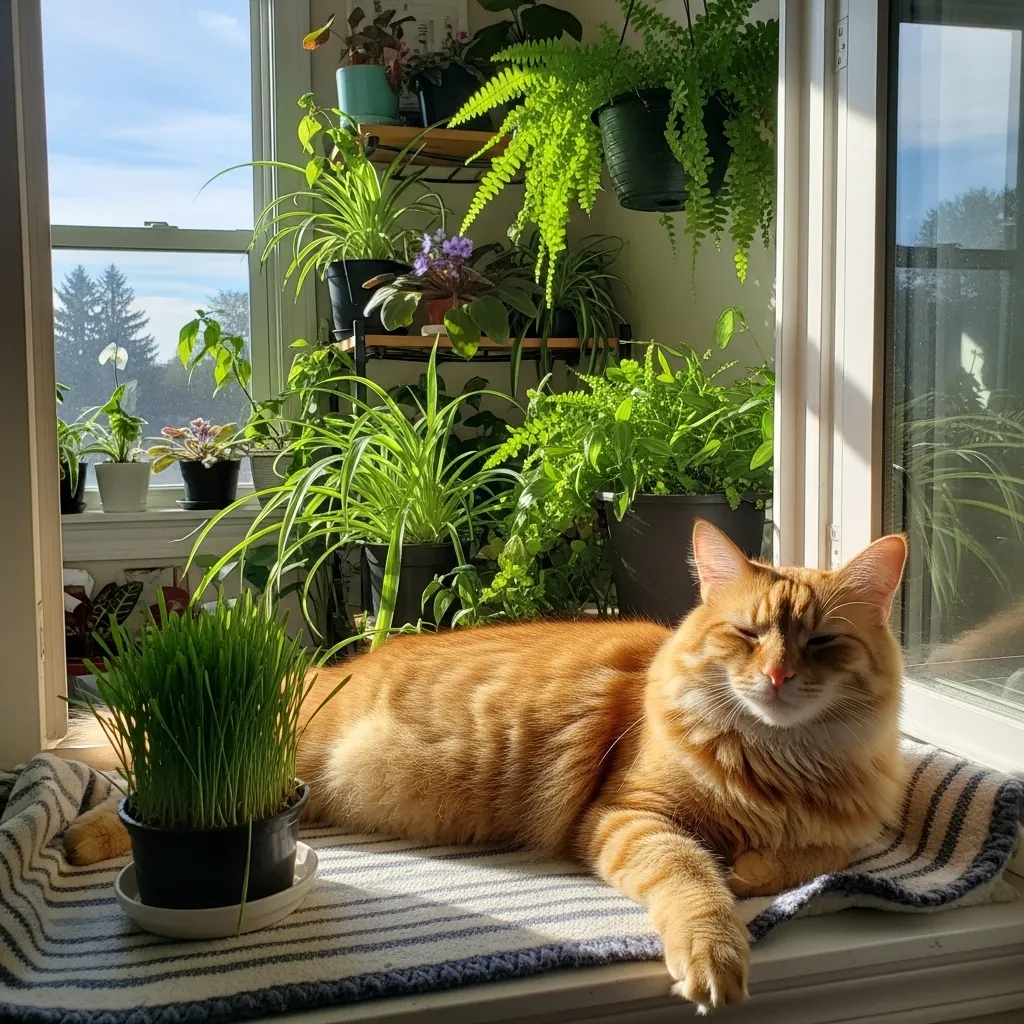
For more expert tips on feline behavior and care, explore our cat health and behavior guides at Cat Bloom Haven. Keep your cat happy, healthy, and away from your prized plants!