The Link Between Cat Behavior Changes and Underlying Illness
Your cat’s sudden shift from playful purring to quiet withdrawal can feel worrying. Many owners miss these early clues because cats instinctively hide discomfort, a trait from their wild ancestors that helped them avoid predators. Yet, these behavior changes often signal the first signs of underlying illness, catching problems early can make all the difference in treatment and recovery.
In this guide, we’ll explore how cats mask pain and sickness, break down the most common behavior changes linked to health issues, and help you spot when something isn’t right. You’ll learn practical ways to monitor your cat at home, understand potential causes, and know exactly when to reach out to your vet. By the end, you’ll feel more confident reading your cat’s subtle signals and keeping them healthy.
Key Takeaways: Spotting Trouble Early
- Cats hide illness well; behavior shifts like hiding, lethargy, or appetite changes are often the only early warnings.
- Common red flags include reduced grooming, litter box avoidance, increased vocalization, or sudden aggression.
- Always rule out medical causes first many “behavioral” problems stem from pain or disease.
- Regular vet check-ups (at least annually, twice yearly for seniors) catch hidden issues before they worsen.
- Trust your instincts: if your cat seems “off,” don’t wait contact your vet.
Why Cats Hide Signs of Illness
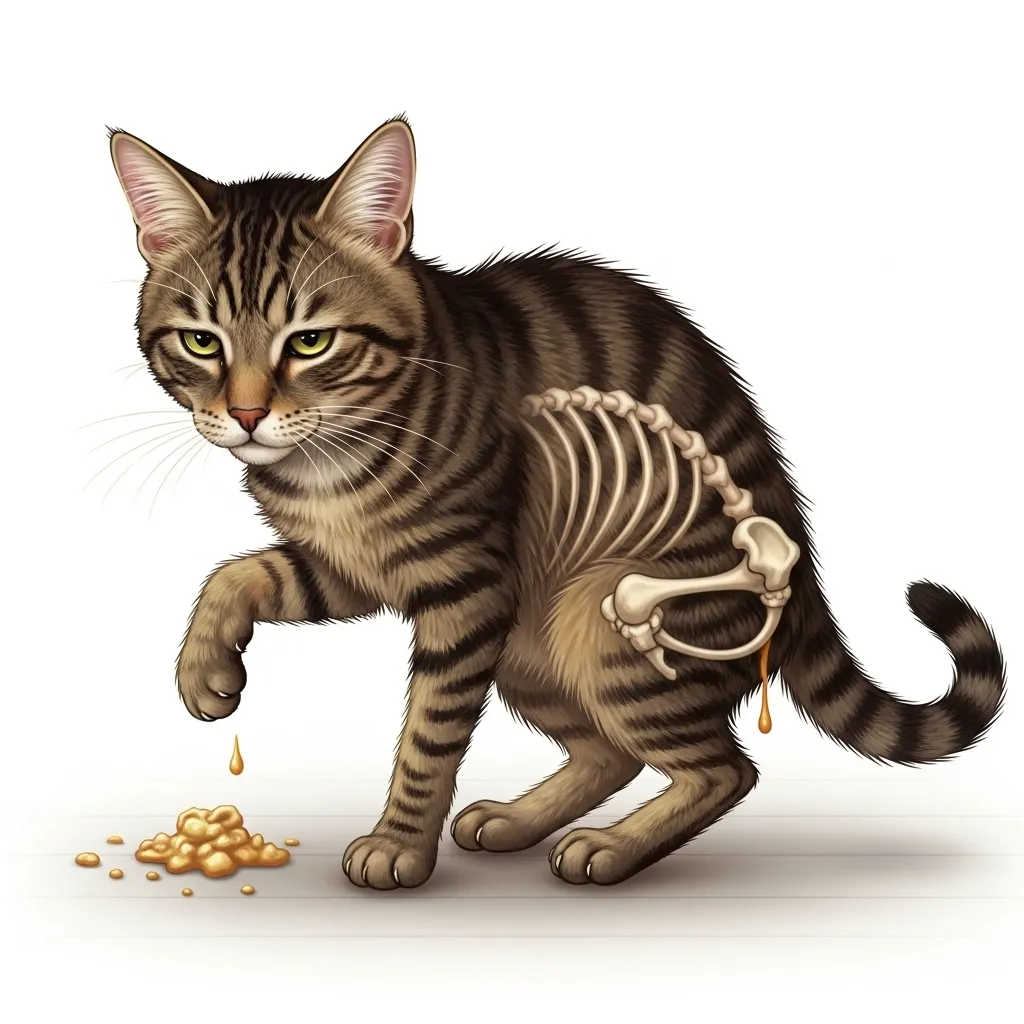
Cats evolved as both predators and prey. Showing weakness in the wild could mean becoming a target, so they’ve become experts at masking pain and sickness. Vets often see cats who appear “fine” to owners but are actually quite ill upon examination.
This instinct means physical symptoms like limping or obvious wounds might not appear until late stages. Instead, the link between cat behavior changes and underlying illness becomes crucial. A normally affectionate cat turning distant, or an active one sleeping all day, could indicate anything from dental pain to kidney disease.
Understanding this helps you act faster. Early intervention often leads to simpler, more successful treatments.
Common Behavior Changes That Signal Illness
Here are the most frequent shifts owners notice, backed by veterinary insights.
1. Hiding or Withdrawal
One of the strongest links between cat behavior changes and underlying illness is sudden hiding. If your outgoing cat starts spending hours under the bed or in closets, avoiding interaction, it often means they’re feeling vulnerable due to pain or nausea.
- Possible causes: Arthritis (making movement painful), urinary issues, respiratory infections, or gastrointestinal upset.
- What to watch: Refusal to come out for meals or treats—a big red flag.
2. Lethargy or Reduced Activity
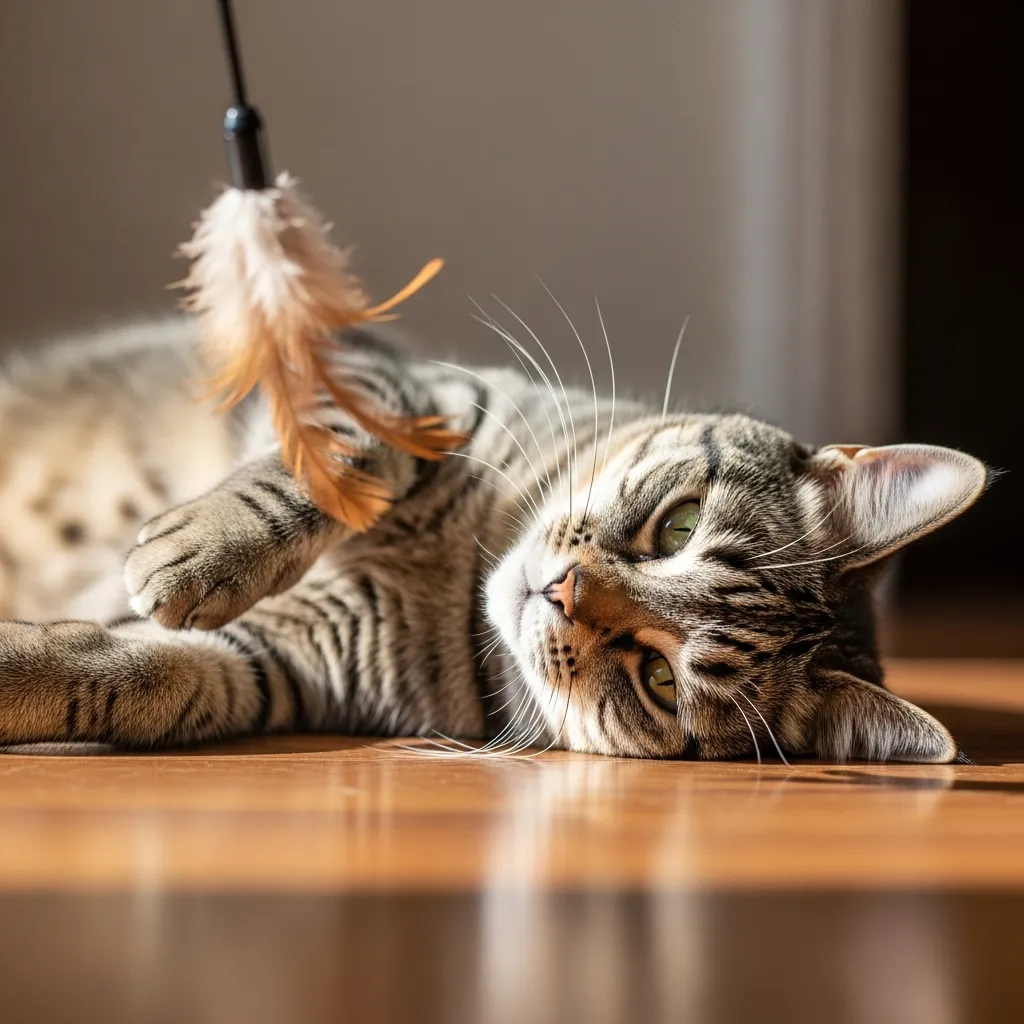
Cats sleep a lot, but true lethargy means disinterest in play, greetings, or even favorite perch jumps. A playful cat turning into a “couch potato” overnight warrants attention.
- Linked illnesses: Anemia, heart disease, infections, hyperthyroidism (in seniors), or chronic conditions like kidney failure.
- Tip: Test with an interactive toy. No response? Time to check in.
3. Changes in Appetite or Thirst
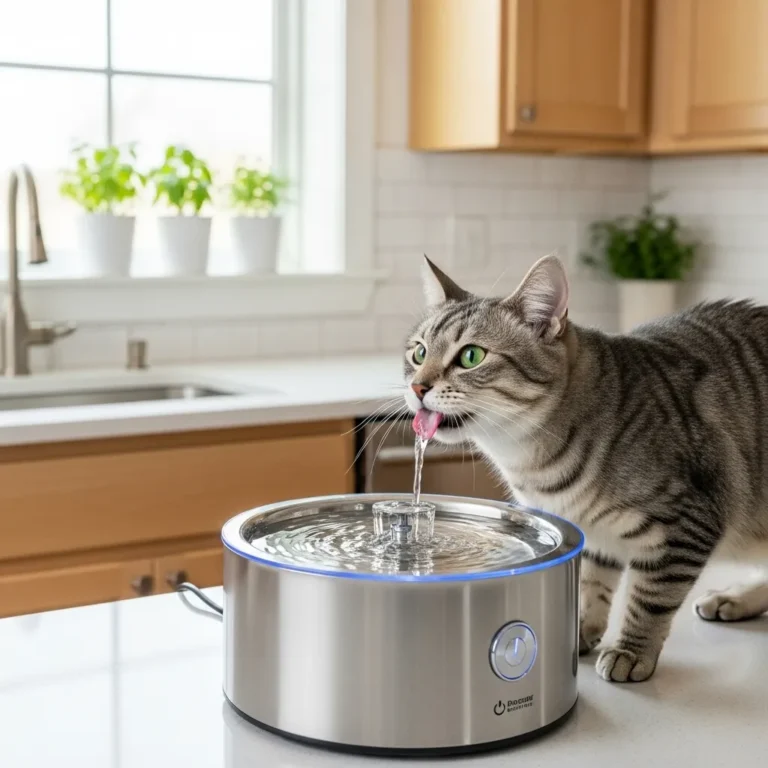
Eating less (or more) than usual, or drinking excessively, ties directly to many diseases.
- Decreased appetite: Dental pain, nausea from GI issues, or cancer.
- Increased thirst: Diabetes, kidney disease, or hyperthyroidism.
- Sudden pickiness in a non-picky cat often signals mouth pain or stomach upset.
4. Litter Box Issues
Avoiding the box, straining, or accidents outside it aren’t just “bad behavior”—they’re often medical.
- Causes: Urinary tract infections/blockages (emergency in males), constipation, arthritis (hard to climb in), or kidney problems.
- Blood in urine, frequent small pees, or crying in the box: See a vet immediately.
5. Grooming Changes
Cats are meticulous groomers. Stopping leads to matted, dull fur; over-grooming causes bald patches.
- Under-grooming: Pain (hard to reach areas), obesity, or depression from illness.
- Over-grooming: Skin allergies, fleas, or stress from internal discomfort.
6. Vocalization Shifts
More meowing, yowling (especially at night), or growling when touched.
- Increased: Hyperthyroidism, pain, or cognitive decline in seniors.
- Hissing/aggression: Often pain-related cats lash out to protect sore spots.
7. Other Subtle Signs
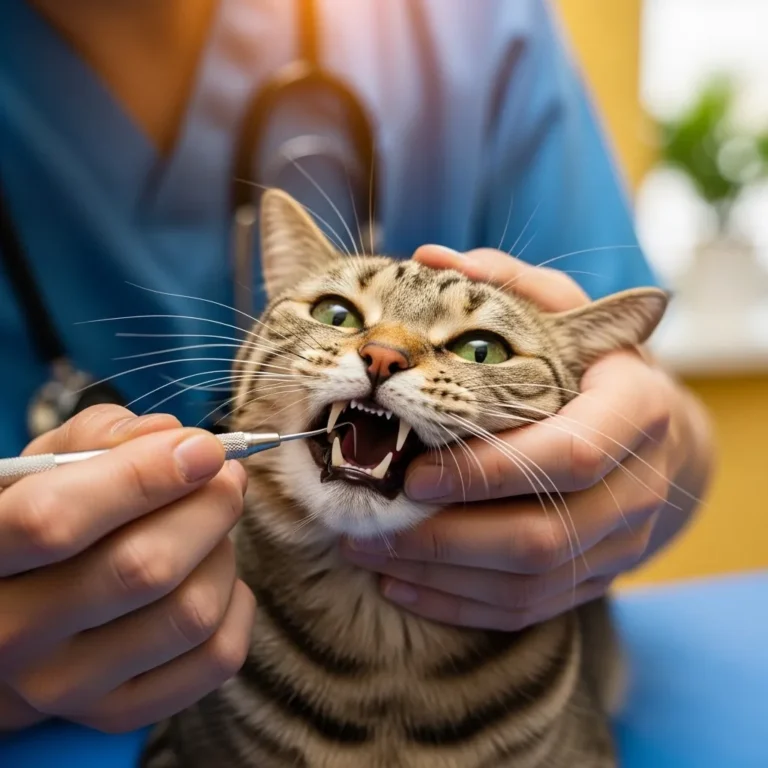
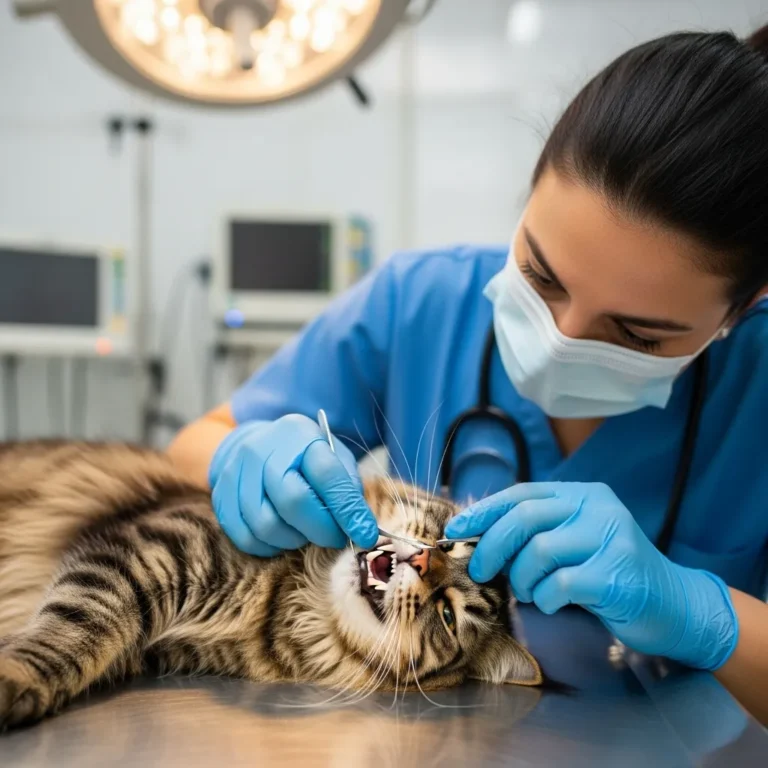
- Bad breath: Dental disease or kidney issues.
- Weight loss without diet change: Parasites, diabetes, cancer.
- Breathing changes: Open-mouth breathing or rapid pants signal distress.
Real-Life Examples: How Behavior Saved Cats
Consider a 10-year-old tabby who started hiding and eating less. Owners thought stress from home renovations, but a vet visit revealed early kidney disease managed now with diet, she’s back to normal.
Or a young Bengal suddenly aggressive when petted: Turned out to be abdominal pain from inflammatory bowel disease. Early diagnosis prevented worse complications.
These stories show the vital link between cat behavior changes and underlying illness. Ignoring them risks progression.
When to See the Vet: Red Flags vs. Monitor
Not every change means emergency, but err on caution.
Immediate vet visit (same day/emergency):
- No urination for 24 hours (blockage risk).
- Repeated vomiting/diarrhea with lethargy.
- Labored breathing.
- Sudden inability to walk or severe pain signs.
Schedule soon (within 1-2 days):
- Persistent appetite loss >24 hours.
- Hiding/lethargy >48 hours.
- Litter box avoidance.
- Unexplained weight loss or grooming changes.
Monitor but note:
- One-off vomit (hairball likely).
- Temporary stress hiding (new environment).
For more on vet visits, explore our guide on finding the best vet for your cat.

Home Monitoring Tips
Track your cat’s normal baseline:
- Weigh monthly (kitchen scale works).
- Note daily eating/drinking.
- Photo fur condition weekly.
- Log litter box use.
Apps or journals help spot trends.
Provide enrichment to rule out boredom: Puzzle feeders, perches. Still off? Medical likely.
Underlying Illnesses Often Linked to Behavior Changes
| Behavior Change | Common Linked Illnesses | Other Symptoms |
|---|---|---|
| Hiding/Withdrawal | Pain (arthritis, dental), GI upset, infections | Lethargy, appetite loss |
| Lethargy | Kidney disease, anemia, heart issues | Weight loss, pale gums |
| Appetite/Thirst Changes | Diabetes, hyperthyroidism, kidney failure | Vomiting, frequent urination |
| Litter Box Problems | UTI/blockage, constipation, arthritis | Straining, blood in urine |
| Grooming Changes | Skin issues, pain, obesity | Matted fur, bald spots |
| Aggression/Vocalization | Pain, cognitive dysfunction (seniors) | Touch sensitivity |
Early bloodwork/ultrasounds often catch these.
Discover more in our cat health care overview.
FAQ: Common Questions on Cat Behavior and Illness
Why does my cat hide when sick?
Hiding is an instinct to protect from threats while vulnerable. It’s one of the earliest signs.
Can stress cause behavior changes without illness?
Yes, but always rule out medical first stress can worsen health issues.
How long should I wait if my cat stops eating?
No more than 24 hours, especially adults. Kittens/seniors: Immediate.
Are senior cats more prone?
Yes, conditions like arthritis or kidney disease often show as behavior shifts first.
What if my cat seems painful when touched?
This strongly indicates underlying illness book a vet exam promptly.
Do indoor cats get these issues?
Absolutely; age, diet, and genetics play roles.
For senior-specific tips, see our senior cat care guide.
Final Thoughts: Trust Your Bond
The link between cat behavior changes and underlying illness is your best tool for keeping your feline friend healthy. You know their quirks better than anyone if something feels off, it probably is.
Regular check-ups, attentive observation, and quick action can prevent small issues from becoming big ones. Your cat relies on you to interpret their silent signals.
Explore more expert cat care and behavior guides on Cat Bloom Haven, from breed personalities like Bengal cat personality to health topics such as cat vomiting brown liquid or cat hairballs guide. We’re here to help you give your cat the best life possible.