Simple Daily Habits That Improve a Cat’s Overall Wellness
Owning a cat brings quiet joy into your home. Those soft purrs and playful antics remind you daily why they steal hearts. Yet many cats face hidden health struggles from overlooked basics. Simple daily habits that improve a cat’s overall wellness can change that. Small, consistent actions keep your feline friend thriving physically and emotionally.
Research from veterinary sources like Cornell University and the ASPCA shows these routines prevent common issues such as obesity, dental disease, urinary problems, and stress-related behaviors. Cats hide discomfort well, so prevention matters most. This guide covers practical, vet-backed habits you can start today. You will learn how to support nutrition, hydration, play, grooming, and more, all tailored to fit busy lives.
Key Takeaways for Quick Reference:
- Aim for 20–40 minutes of interactive play daily, split into short sessions.
- Brush your cat’s coat several times a week (daily for long-haired breeds) to reduce hairballs and spot issues early.
- Provide fresh water daily and encourage drinking through fountains or wet food.
- Incorporate dental care like brushing or treats to fight plaque buildup.
- Monitor weight, litter box habits, and energy levels every day for early signs of trouble.
- Keep routines consistent; cats feel secure with predictability.
These habits build over time. Start with one or two, then add more as they become natural.
Why Daily Habits Matter for Cat Wellness
Cats evolved as desert hunters, getting most moisture from prey and staying active through short bursts of energy. Indoor life changes that. Without stimulation, they gain weight, develop boredom behaviors, or face dehydration risks.
Veterinarians note over 50% of cats become overweight, leading to diabetes or joint pain. Poor hydration contributes to urinary crystals, while neglected grooming causes mats or skin infections. Simple daily habits that improve a cat’s overall wellness address these directly. They boost immunity, maintain healthy weight, sharpen minds, and strengthen your bond.
Owners who adopt these routines often see shinier coats, more playful energy, and fewer vet visits. The payoff comes in longer, happier years together.
Habit 1: Prioritize Quality Nutrition and Consistent Feeding
Food forms the foundation. A balanced diet fuels energy, supports organs, and prevents deficiencies.
Feed high-quality, age-appropriate food meeting AAFCO standards. Adult cats thrive on portion-controlled meals twice daily to avoid overeating. Wet food provides moisture and appeals to picky eaters.
Limit treats to 10% of calories. Rotate proteins gently to prevent boredom without upsetting digestion.
Daily check: Weigh portions and observe eating enthusiasm. Sudden changes signal health concerns.
Explore our detailed guide on cat food nutrition for label-reading tips and breed-specific advice.
Habit 2: Encourage Proper Hydration Every Day
Cats often drink less than needed, especially on dry diets, raising urinary and kidney risks.
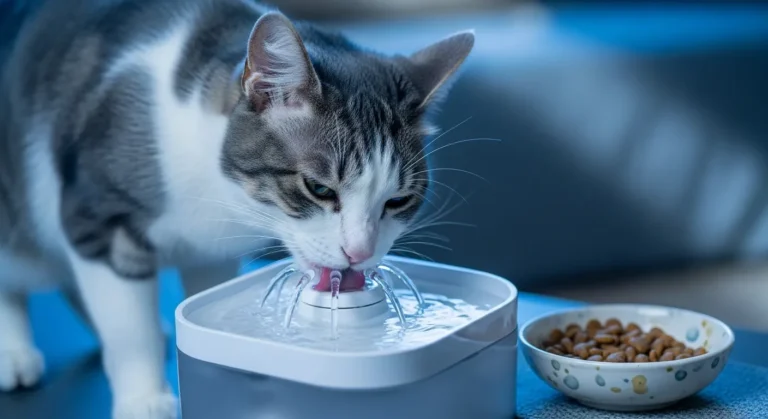
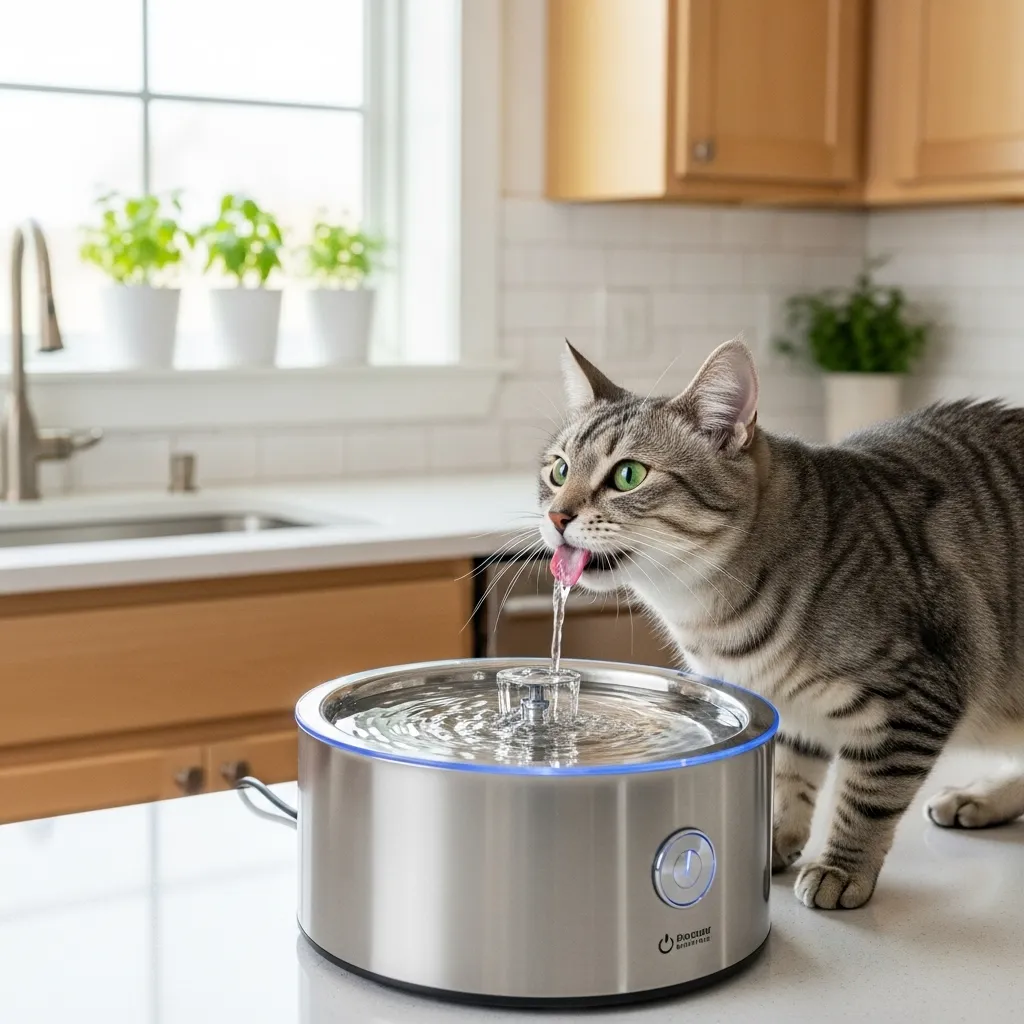
Offer fresh water daily in clean bowls, placed away from food and litter. Many prefer running water, so a fountain works wonders.
Add water to kibble or switch to wet food for built-in moisture. Broth ice cubes provide a fun treat.
Aim for about one cup per 10 pounds of body weight, adjusted for diet.
Tip: Multiple stations around the home encourage sips throughout the day.
For more ideas, check our cat hydration guide.
Habit 3: Make Playtime a Non-Negotiable Daily Ritual
Play keeps cats fit, sharpens instincts, and curbs destructive behaviors.
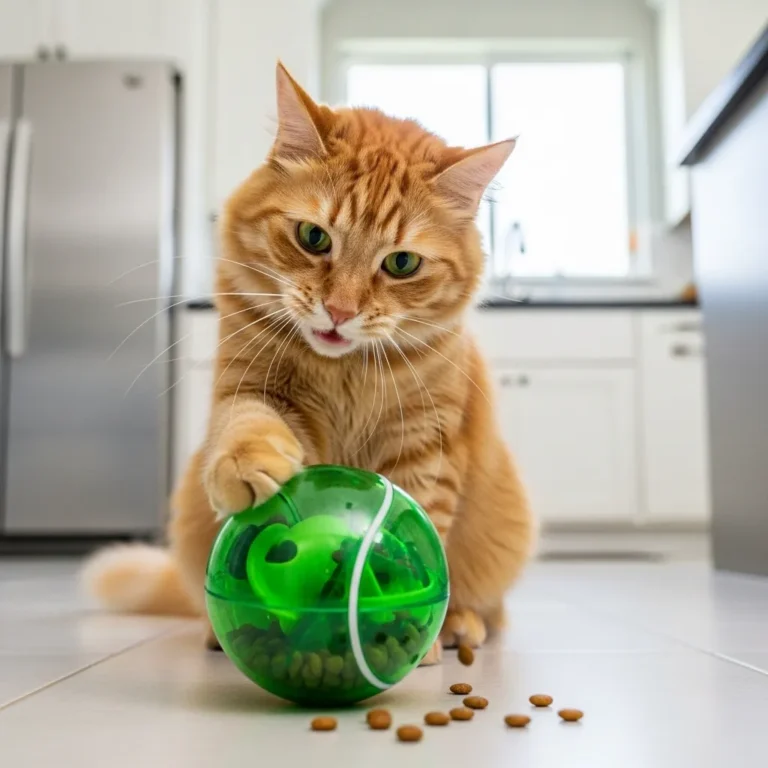
Schedule two to three 10–15 minute sessions daily, mimicking hunt-catch-eat cycles. Use wand toys, lasers, or puzzle feeders.
Rotate toys to maintain interest. End sessions with a small treat for satisfaction.
Benefits include weight control, reduced anxiety, and stronger bonds.
Kittens need more; seniors benefit from gentler play. Watch energy levels and adjust.
Discover enrichment ideas in our cat training behavior section.
Habit 4: Incorporate Regular Grooming Sessions
Grooming distributes oils, removes loose fur, and allows health checks.
Brush short-haired cats weekly; long-haired daily or every other day. Use appropriate tools to avoid discomfort.
Check ears, eyes, nails, and skin during sessions. Trim nails weekly if needed.
It reduces hairballs and helps spot lumps, fleas, or irregularities early.
Make it positive with treats and short sessions.
Long-haired owners might like tips from our Persian cat breed or Ragdoll care guide.
Habit 5: Support Dental Health Through Daily Efforts
Dental disease affects up to 90% of cats by age four, causing pain and systemic issues.
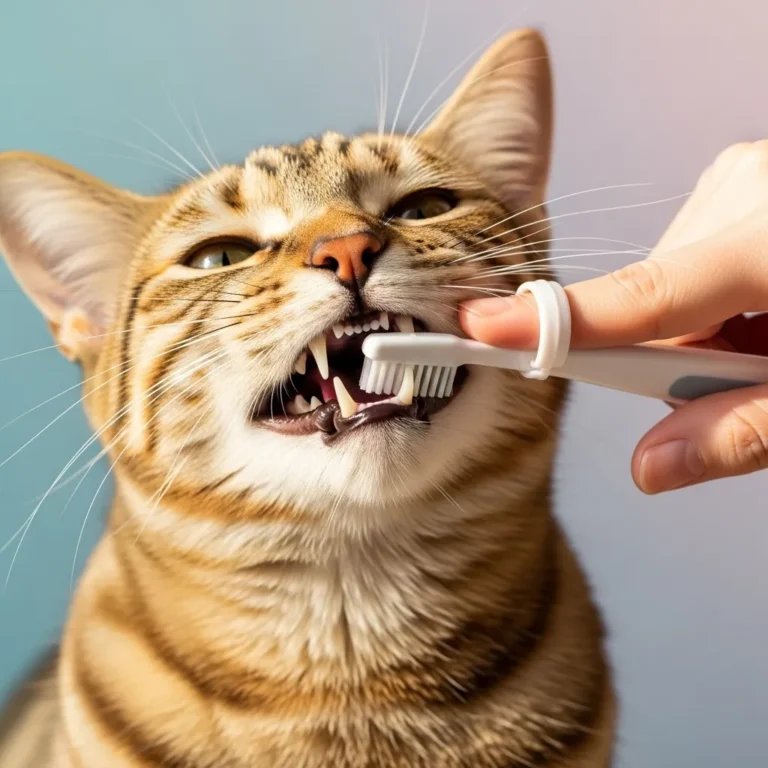
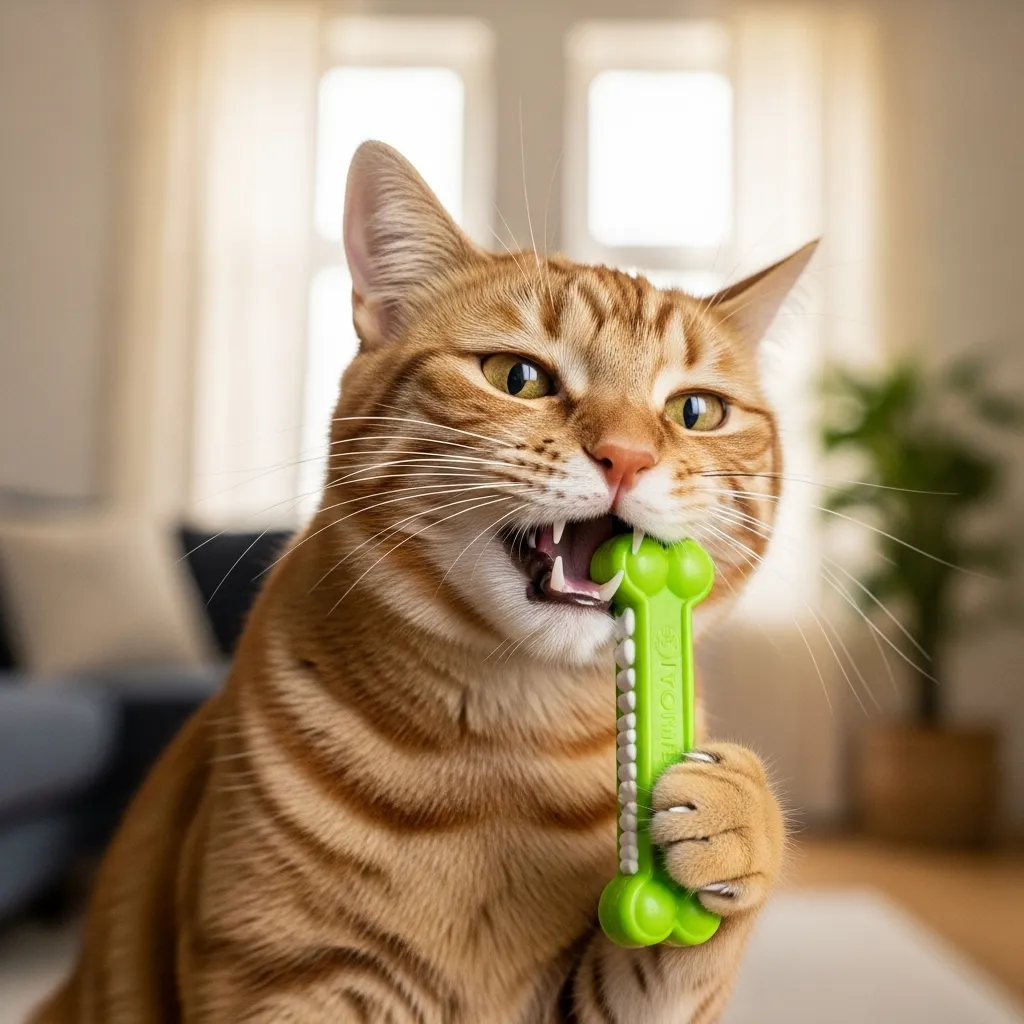
Brush ideally daily or at least three times weekly with cat-safe toothpaste and a soft brush. Start slow for acceptance.
Offer dental treats, chews, or VOHC-approved diets as alternatives.
Watch for bad breath, drooling, or appetite changes.
Annual professional cleanings complement home care.
See our cat health care resources for more.
Habit 6: Maintain a Clean Environment and Monitor Litter Habits
A tidy space reduces stress and prevents issues.
Scoop litter daily; full changes weekly. Consistent routines encourage proper use.
Clean bowls, beds, and play areas regularly.
Daily litter monitoring reveals hydration, digestion, or urinary clues early.
Multi-cat homes need extra boxes for harmony.
Habit 7: Observe and Weigh Regularly
Daily glances catch subtle shifts.
Note appetite, energy, coat condition, and mood. Weigh monthly to track trends.
Early detection of weight loss, lethargy, or hiding prevents escalation.
Combine with annual vet exams for comprehensive care.
Our senior cat care guide offers age-specific monitoring tips.
Habit 8: Foster Mental Stimulation and Calm Routines
Mental health drives physical well-being.
Provide window perches, scratching posts, and puzzle toys daily.
Keep feeding, play, and bedtime consistent for security.
Short training with treats builds confidence and engagement.
Stressed cats benefit from quiet spaces and pheromone diffusers.
Explore more in keep cat indoors guide.
Building These Habits Into Your Routine
Start small: Pick two habits, like fresh water and 10 minutes of play. Track progress for a week, then add another.
Involve family for consistency. Reward yourself and your cat; bonding makes it enjoyable.
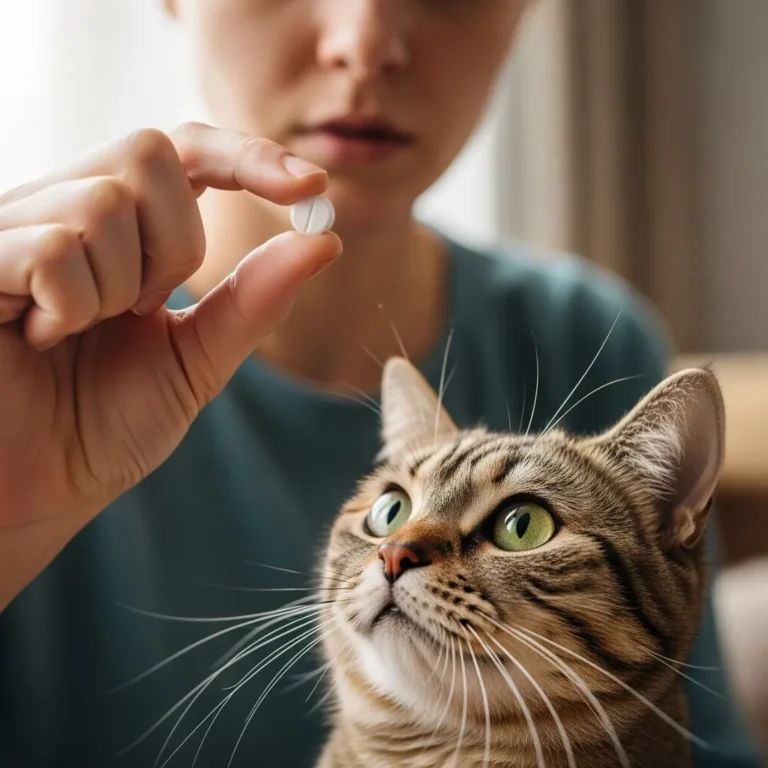
Challenges arise, but persistence pays off. Consult your vet for tailored advice, especially with health conditions.
These simple daily habits that improve a cat’s overall wellness create profound differences. Your cat will show it through brighter eyes, playful leaps, and deeper affection.
Ready for more? Explore expert cat care and behavior guides on Cat Bloom Haven, from breed personalities to health troubleshooting.
Frequently Asked Questions
How much playtime does my cat need daily?
Most adults benefit from 20–40 minutes split into short sessions. Kittens need more; seniors less but gentler.
What’s the easiest way to encourage my cat to drink more?
Use a fountain, offer wet food, or place multiple bowls around the home with daily fresh water.
Do indoor cats really need daily grooming?
Short-haired cats need weekly brushing; long-haired daily. It reduces hairballs and helps spot issues.
How can I start brushing my cat’s teeth if they resist?
Begin with finger rubs and cat toothpaste for taste. Build to a brush gradually with rewards.
What are signs my cat’s wellness habits need adjustment?
Watch for weight changes, low energy, poor coat, litter avoidance, or appetite shifts. Consult a vet promptly.
![Cats thriving with daily wellness habits like play, hydration, grooming, and nutrition.]](https://catbloomhaven.com/wp-content/uploads/2026/01/Whisk_9695802b6f926a3a1ac499c72c5c7a97dr.webp "Simple Daily Habits That Improve a Cat’s Overall Wellness 4")