How Nutrition Directly Impacts a Cat’s Long-Term Health
Many cat owners wonder if the food they pour into the bowl really matters beyond keeping their feline friend full. The truth is simple: what your cat eats day after day shapes everything from their energy levels to their risk of serious diseases years down the line. Poor nutrition can quietly lead to obesity, kidney problems, or diabetes, while a thoughtful diet supports a vibrant, longer life.
Research from veterinary sources like Cornell University and the Association of American Feed Control Officials shows that balanced nutrition prevents common chronic conditions and helps cats stay active into their senior years. In this guide, you will learn the key nutrients cats need, how diet influences major health areas, and practical steps to choose and feed food that promotes lasting wellness.
Key Takeaways
- Cats are obligate carnivores; they thrive on high-protein, animal-based diets with minimal carbohydrates.
- Essential nutrients like taurine, high-quality protein, and omega-3 fatty acids prevent heart disease, vision loss, and inflammation.
- Maintaining ideal weight through portion control and proper feeding reduces risks of diabetes, arthritis, and reduced lifespan.
- Wet food often supports better hydration and urinary health compared to dry alone, though quality matters most.
- Regular vet check-ups and life-stage-appropriate food maximize health benefits.

Use render components for images 0, 1, 2, 3 (from first search).
Why Cats Have Unique Nutritional Needs
Cats evolved as hunters. Their bodies require nutrients found mainly in animal tissues. Unlike dogs or humans, they cannot efficiently convert plant-based sources into essentials like taurine or arachidonic acid.
A diet mismatched to these needs leads to deficiencies over time. For example, low taurine once caused widespread heart and eye problems before commercial foods added it. Today, quality foods prevent such issues, but imbalances in protein, fats, or hydration still drive many chronic diseases.
Studies show well-nourished cats live longer and face fewer age-related problems. One long-term study found cats on nutrient-optimized diets maintained better body condition and slower health declines.
Essential Nutrients and Their Long-Term Roles
Certain nutrients form the foundation of feline health. Here are the most critical ones.
High-Quality Protein
Protein provides amino acids for muscle maintenance, immune function, and tissue repair. Cats need more than most animals, around 30-40% of calories from protein.
Long-term benefits include preserved lean muscle (especially in seniors) and lower risk of sarcopenia (age-related muscle loss). Low-protein diets cause weight loss, poor coat quality, and weakened immunity.
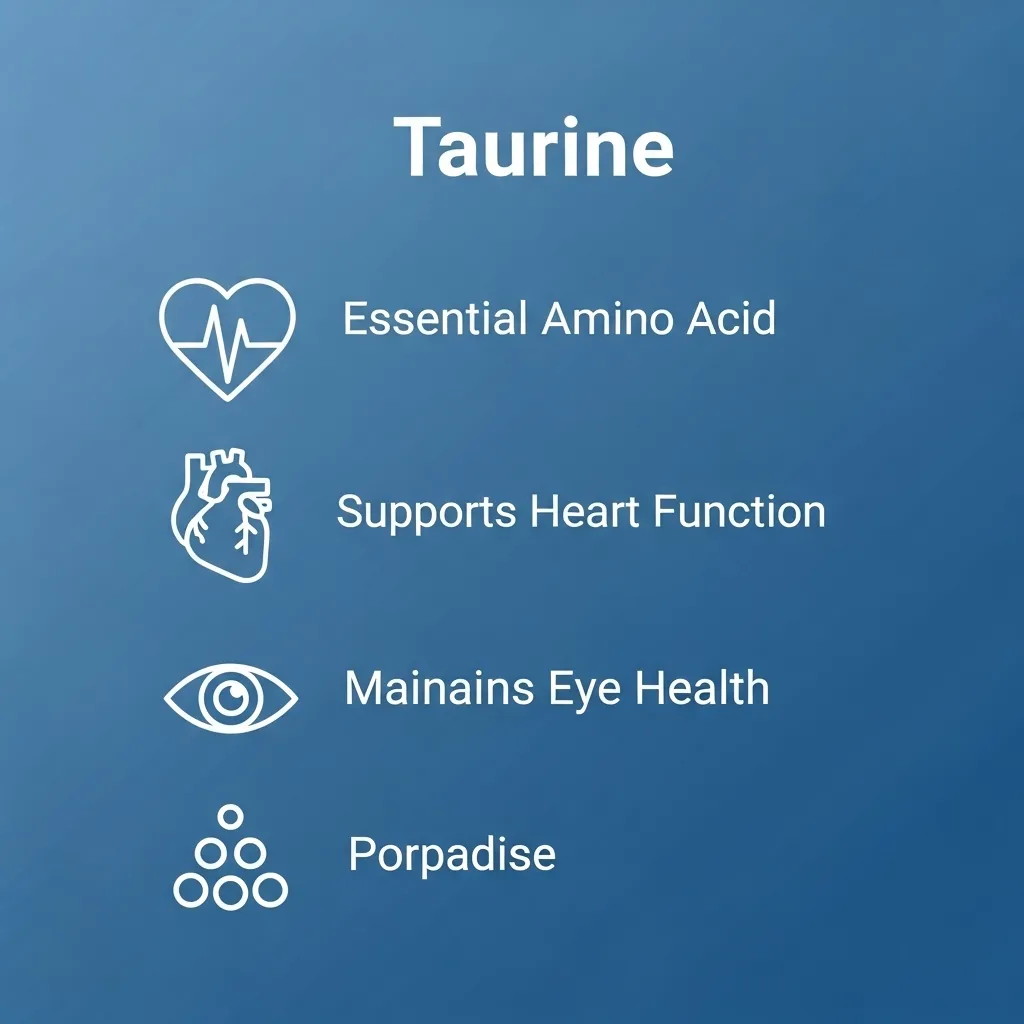
Taurine
This amino acid supports heart muscle, vision, and reproduction. Deficiency leads to dilated cardiomyopathy or retinal degeneration, often irreversible.
Modern foods supplement taurine, but whole-animal sources provide it naturally.
Omega-3 Fatty Acids (EPA and DHA)
These reduce inflammation, support joint health, and promote shiny coats and brain function.
Over years, they help manage arthritis and may slow kidney disease progression.
Vitamins and Minerals
Vitamin A aids vision and immunity (from animal sources only). Balanced calcium and phosphorus prevent urinary stones and bone issues.
Antioxidants like vitamin E combat oxidative stress linked to aging.
Water
Hydration flushes toxins and prevents urinary crystals. Cats on dry food alone often drink less, increasing kidney and bladder risks.
How Poor Nutrition Contributes to Chronic Diseases
Nutrition plays a direct role in many feline health problems.
Obesity and Diabetes
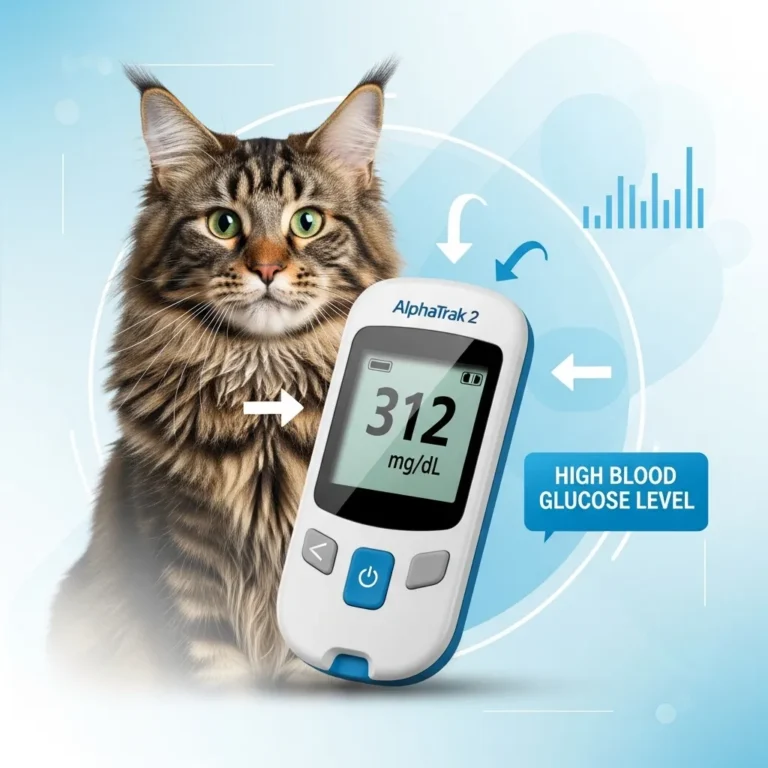
Excess calories, especially from carbohydrates, cause weight gain. Obese cats face four times higher diabetes risk, plus arthritis and heart strain.
Dry foods are often calorie-dense and carb-heavy, contributing to overeating.

Kidney Disease
Chronic kidney disease affects up to 40% of cats over 10. High phosphorus or poor hydration accelerates decline; low-quality protein adds stress.
Therapeutic diets slow progression.
Urinary Tract Issues
Concentrated urine from low moisture promotes crystals and stones. Proper mineral balance and hydration prevent recurrence.
Heart and Eye Health
Taurine deficiency causes irreversible damage, though rare now.
Dental Health
No food fully prevents plaque, but nutrition supports gum health indirectly.
Wet vs. Dry Food: Long-Term Considerations
Both can be complete if high-quality, but differences matter.
| Aspect | Wet Food Advantages | Dry Food Advantages |
|---|---|---|
| Hydration | High moisture (70-80%) supports kidneys/urinary health | Lower moisture; encourage water intake |
| Protein/Carbs | Often higher protein, lower carbs | Convenient, may aid minor plaque reduction |
| Calories | Lower density helps weight control | Higher density; easier overfeeding |
| Long-Term Impact | Better for hydration-related issues | Shelf-stable, dental texture benefit |
Many vets recommend wet or mixed feeding for optimal hydration and lower carb intake.
Nutrition Across Life Stages
Needs change over time.
Kittens
High protein and calories for growth. Feed kitten formulas until 12 months.
Adults
Maintain weight with balanced adult food. Monitor portions.
Seniors (7+ Years)
Adjusted phosphorus, higher antioxidants, and easy-to-digest protein support kidneys and joints.

Practical Tips for Optimal Feeding
- Choose AAFCO-complete foods from reputable brands.
- Prioritize animal-based proteins as first ingredients.
- Measure portions; avoid free-feeding dry food.
- Encourage water with fountains or wet food.
- Transition diets gradually over 7-10 days.
- Schedule annual vet exams for body condition checks.
Explore our detailed guide on choosing cat food or best wet cat food.
Common Myths Debunked
- Myth: Dry food cleans teeth better. Reality: Brushing or dental diets work best.
- Myth: All commercial foods are equal. Reality: Quality varies widely.
- Myth: Grain-free is always better. Reality: Carbs from grains or alternatives both matter in moderation.
Frequently Asked Questions
How does nutrition affect a cat’s lifespan?
Balanced diets with proper nutrients and weight management add years by preventing chronic diseases. Studies show optimized nutrition extends healthy life by about one year on average.
Is wet food essential for long-term health?
Not essential for all cats, but its hydration benefits reduce urinary and kidney risks significantly.
What if my cat is picky?
Offer variety in textures/flavors. Consult a vet if refusal persists; it may signal health issues.
Can homemade diets work long-term?
Only if formulated by a veterinary nutritionist; imbalances risk deficiencies.
How often should I change my cat’s food?
Stick to consistent quality food unless health needs change. Abrupt switches cause digestive upset.
For more on senior care, check our senior cat care guide.
Final Thoughts
How nutrition directly impacts a cat’s long-term health boils down to consistent, species-appropriate choices. Prioritize high-protein, balanced meals with adequate hydration, and monitor weight closely. Small daily decisions compound into years of vitality.
Your cat relies on you for these choices. Partner with your vet, observe changes, and adjust as needed.
Explore more expert cat care and behavior guides on Cat Bloom Haven, from cat food nutrition to breed-specific tips like our Bengal cat guide.