Indoor Cat Health Risks Many Owners Overlook
Keeping your cat indoors is one of the kindest choices you can make. It shields them from traffic accidents, fights, predators, and many infectious diseases that shorten the lives of outdoor cats. Indoor cats often live 10 to 15 years or longer, compared to just 2 to 5 years for those who roam freely. But this safer lifestyle comes with its own set of challenges. Many owners assume their housebound felines are immune to serious problems, yet certain indoor cat health risks creep up quietly and affect a surprising number of cats.
These overlooked issues stem from limited activity, household environments, and subtle changes in daily routines. Obesity, for instance, impacts up to 60% of indoor cats, leading to diabetes, joint pain, and urinary troubles. Dental disease affects over half of cats by age three, while boredom can trigger stress-related behaviors and weaken immunity. The good news? Most of these risks are preventable with awareness and simple adjustments.
In this guide, we’ll explore the most common indoor cat health risks many owners overlook, backed by veterinary insights. You’ll learn the signs to watch for, why they happen, and practical steps to protect your cat. By the end, you’ll have a clear plan to keep your indoor companion thriving.
Key Takeaways: Top Indoor Cat Health Risks at a Glance
- Obesity: Affects 50-60% of indoor cats; increases risk of diabetes, arthritis, and urinary issues.
- Dental Disease: Seen in 50-90% of cats over age four; can lead to pain, infections, and organ damage.
- Urinary Tract Problems: Common in sedentary, overweight indoor cats; stress and diet play big roles.
- Chronic Kidney Disease: Impacts up to 80% of cats over age 15; early detection is key.
- Stress and Behavioral Issues: Boredom leads to overeating, aggression, or inappropriate elimination.
- Household Toxins and Parasites: Even indoors, exposure to plants, cleaners, or fleas is possible.
Regular vet checkups, a stimulating environment, and mindful feeding can drastically reduce these risks.
The Rise of Indoor Living: Benefits and Hidden Trade-Offs
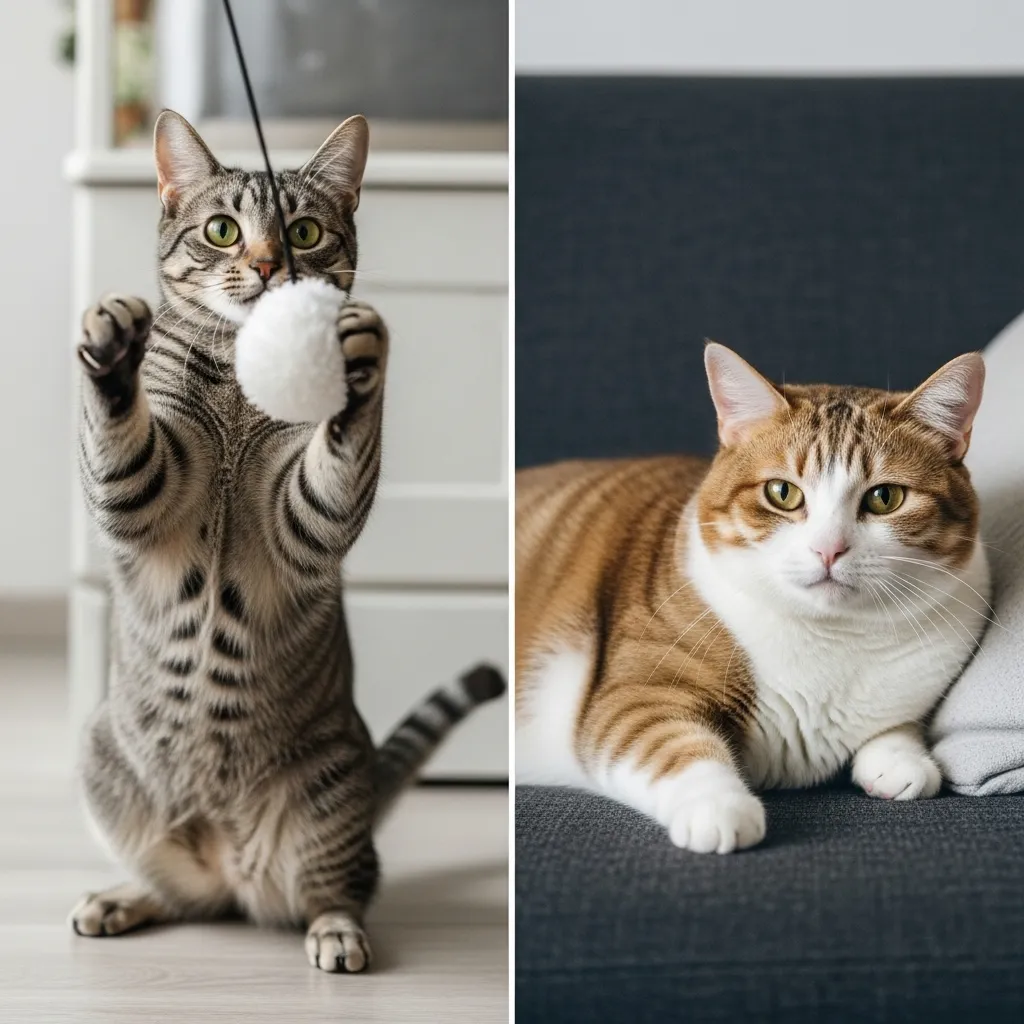
More cat owners choose indoor-only lifestyles today, driven by safety concerns and urban living. This shift has extended feline lifespans dramatically. Yet veterinary data shows indoor cats face higher rates of lifestyle-related conditions.
Limited space and fewer natural stimuli mean less exercise and more grazing on food. Indoor air can harbor dust, chemicals from cleaners, or mold in humid homes, affecting sensitive respiratory systems. Multi-cat households add stress, which suppresses immunity and exacerbates urinary issues.
Understanding these trade-offs helps you create a balanced indoor life.
1. Obesity: The Silent Epidemic in Indoor Cats
Obesity tops the list of indoor cat health risks many owners overlook. With no need to hunt or evade dangers, indoor cats burn fewer calories. Free-feeding dry kibble, treats, and boredom eating compound the problem.
Veterinary studies estimate 50-60% of indoor cats are overweight or obese. Excess weight strains joints, leading to arthritis, and raises diabetes risk fivefold. It also contributes to hepatic lipidosis, a potentially fatal liver condition if cats stop eating suddenly.
Signs Your Indoor Cat May Be Overweight
- Ribs hard to feel under fat layers.
- No visible waist when viewed from above.
- Sagging belly pouch.
- Reluctance to jump or play.
Prevention and Management Tips
Measure meals instead of free-feeding. Use puzzle feeders to make eating engaging. Schedule daily play sessions with wand toys or laser pointers for 15-20 minutes. Aim for weight loss of 1-2% body weight per week under vet guidance.
Switch to high-protein, low-carb wet food to mimic natural diets. For breed-specific advice, explore our detailed guide on American Shorthair cats’ playful personality.
2. Dental Disease: Pain Hidden in Plain Sight
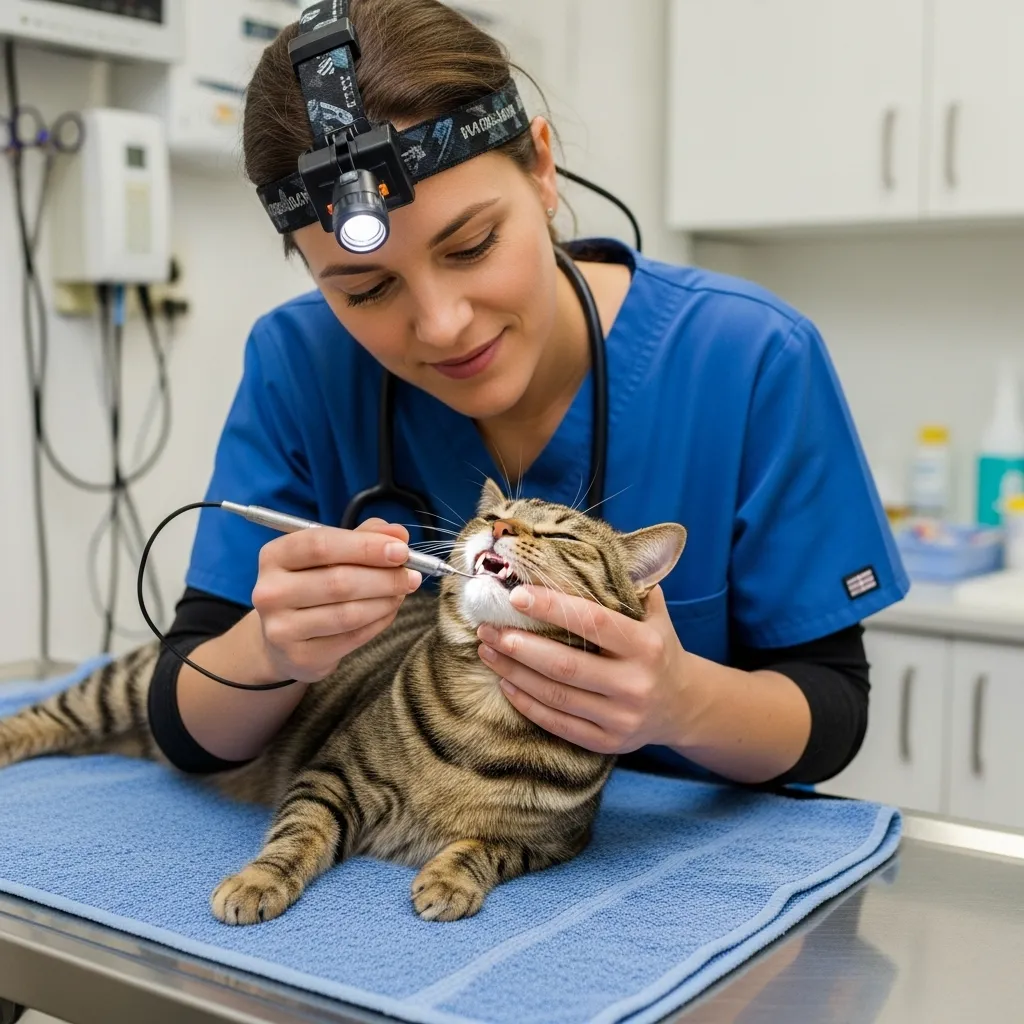
Cats hide pain well, so dental issues often go unnoticed until advanced. Plaque builds quickly on teeth, hardening into tartar and causing gingivitis. By age three, 70% of cats show signs.
Indoor cats may face higher risks due to softer diets lacking natural chewing action. Untreated dental disease spreads bacteria to heart, kidneys, and liver.
Common Symptoms
- Bad breath.
- Drooling or pawing at mouth.
- Reduced appetite or dropping food.
- Red, swollen gums.
How to Prevent Dental Problems
Brush teeth weekly with cat-safe toothpaste. Offer dental treats or kibble designed to scrape plaque. Schedule professional cleanings as recommended by your vet.
Discover more in our guide on finding the best vet for your cat.
3. Urinary Tract Issues: Stress and Diet Culprits
Feline lower urinary tract disease (FLUTD) affects many indoor cats, especially males. Crystals, stones, or inflammation block the urethra, creating life-threatening emergencies.
Indoor factors like stress from routine changes, multi-cat tension, or low water intake increase risk. Obesity and dry-food-only diets concentrate urine.
Warning Signs
- Frequent litter box visits with little output.
- Blood in urine.
- Crying during urination.
- Inappropriate elimination.
Prevention Strategies
Encourage water intake with fountains or wet food. Provide multiple clean litter boxes in quiet areas. Minimize stress with consistent routines and pheromone diffusers.
Manage weight to reduce strain. For hydration tips, see our Ragdoll cat hydration guide.
4. Chronic Kidney Disease: A Senior Indoor Cat Concern
Kidney function declines with age, affecting 30-40% of cats over 10. Indoor cats may show subtle signs longer due to stable environments.
Dehydration from low-moisture diets accelerates decline. Early bloodwork detects issues before symptoms appear.
Subtle Early Indicators
- Increased thirst and urination.
- Weight loss despite normal eating.
- Mild lethargy or coat dullness.
Protective Measures
Feed moisture-rich diets. Schedule senior wellness exams with blood and urine tests twice yearly. Maintain ideal weight.
Learn more about cat health care basics.
5. Stress and Boredom: Mental Health Risks
Indoor cats miss natural hunting and exploration, leading to chronic stress. Signs include overgrooming, hiding, aggression, or house soiling.
Stress weakens immunity, worsening physical issues like FLUTD or diabetes.
Ways to Enrich Your Indoor Cat’s Life
- Vertical spaces: Cat trees and shelves.
- Interactive toys: Rotating selection to prevent boredom.
- Window perches for birdwatching.
- Daily play mimicking hunting.
For ideas, check our articles on cat training and behavior or keep Siamese cats entertained.
6. Other Overlooked Risks: Toxins, Parasites, and More
Even indoors, dangers lurk. Lilies, essential oils, and human medications are highly toxic. Parasites like fleas hitch rides on shoes or visitors.
Poor air quality from dust or cleaners irritates lungs. Over-reliance on dry food contributes to dehydration.
Quick Safety Checklist
- Cat-proof home: Secure cords, hide strings.
- Use pet-safe cleaners.
- Year-round parasite prevention.
- Choose cat-friendly plants.
FAQ: Common Questions About Indoor Cat Health Risks
Are indoor cats really healthier overall?
Yes, they live longer and avoid trauma, but proactive care prevents lifestyle diseases.
How often should indoor cats visit the vet?
Annually for adults; twice yearly for seniors or those with risks.
Can indoor cats get parasites?
Absolutely from humans, visitors, or open windows. Use preventives.
Is dry food bad for indoor cats?
Not inherently, but wet food aids hydration and weight control.
What if my cat seems bored?
Add enrichment gradually. Puzzle feeders and play reduce stress eating.
Do indoor cats need dental care?
Yes. Brushing and chews prevent painful issues.
Keeping Your Indoor Cat Healthy: Your Action Plan
Indoor cat health risks many owners overlook are real, but manageable. Focus on weight control, dental hygiene, stress reduction, hydration, and regular vet care.
Your cat relies on you to spot subtle changes. Small daily efforts playtime, measured meals, enrichment pay off in years of happy companionship.
Explore more expert cat care and behavior guides on Cat Bloom Haven, from breed-specific tips like our Bengal cat guide to general advice on cat food nutrition.
Your indoor cat deserves the best. Start today.