Beyond the Bowl: The Essential Guide to Modern Cat Care Trends
For today’s cat owner, providing a loving home has evolved far beyond simply filling a food dish and cleaning a litter box. Modern cat care is a dynamic blend of science, technology, and a deeper understanding of our feline companions’ complex needs. Driven by a surge in pet humanization, owners are now investing in their cats’ mental well-being, physical health, and environmental enrichment with the same dedication they apply to their own lives.
This guide will walk you through the latest trends shaping contemporary cat ownership. From the smart technology revolutionizing daily routines to the holistic philosophies addressing a cat’s entire being, we’ll explore how to build a lifestyle that ensures your cat not only lives but truly thrives. Whether you’re a new kitten parent or a seasoned cat guardian, these insights will help you navigate the modern landscape of feline wellness.
Article-at-a-Glance: Key Modern Cat Care Trends
- Tech-Enhanced Care: Smart feeders, litter boxes, and AI monitors provide convenience and crucial health data.
- Holistic Health Focus: Trends like grain-free, raw, and premium foods prioritize species-appropriate nutrition.
- Mental & Environmental Wellness: Preventing boredom and anxiety through interactive toys, puzzles, and catios is now essential.
- Sustainable & Conscientious Choices: Eco-friendly litters, toys, and a focus on ethical sourcing reflect owner values.
- Proactive Veterinary Partnership: Regular, preventive vet visits and pet insurance are pillars of modern health management.
The Tech-Enabled Home: Smart Devices Revolutionizing Daily Care
The connected home has officially gone feline. Technology is no longer a novelty but a practical tool for enhancing care, providing peace of mind, and gathering vital health information. These innovations are designed to seamlessly integrate into your life while significantly improving your cat’s daily experience.
Intelligent Nutrition & Hydration Management
Gone are the days of guesswork with feeding. Modern cat care embraces precision.
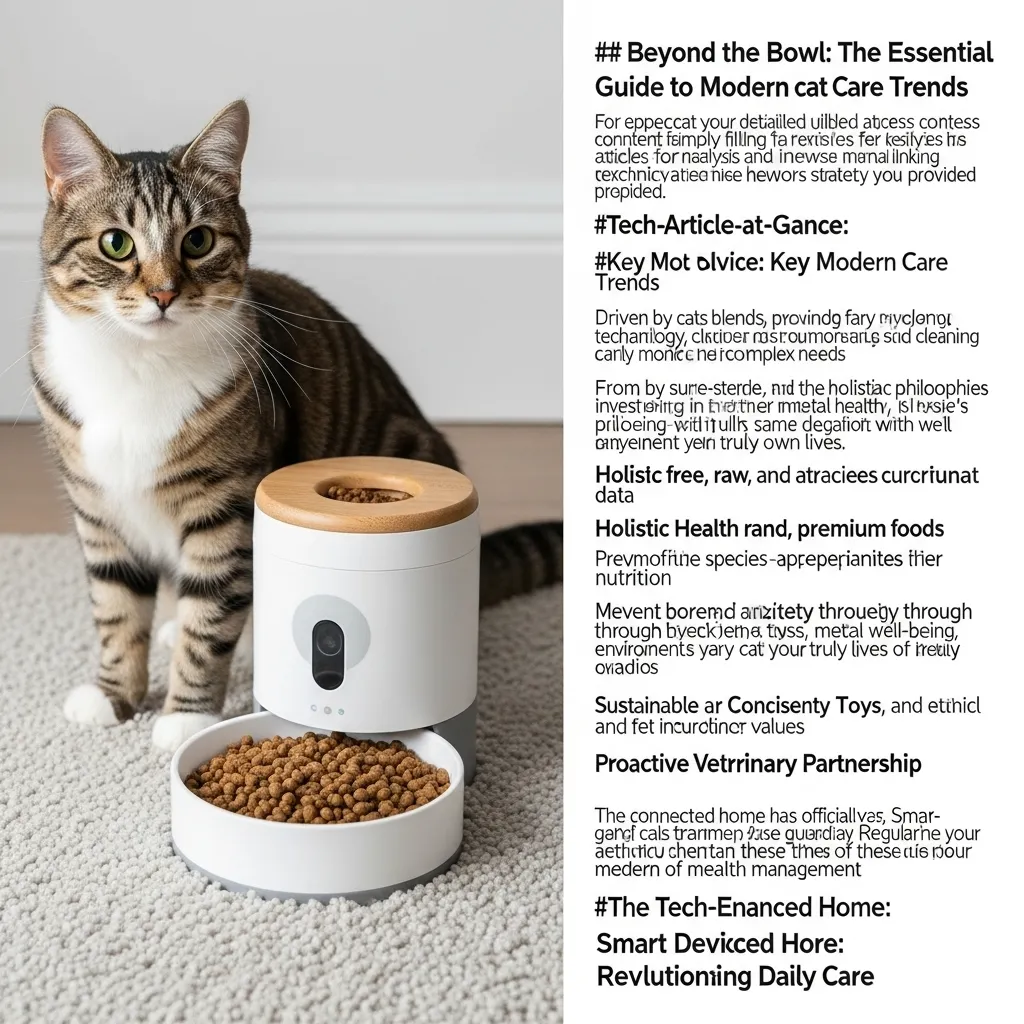
- Smart Feeders: Devices like the Petlibro Granary or SureFeed Microchip Feeder allow for scheduled, portion-controlled meals, which are critical for weight management. They can also curb food anxiety in multi-cat households by ensuring each cat accesses only their designated bowl.
- Interactive Food Puzzles & Slow Feeders: These tools turn mealtime into a brain game, slowing down fast eaters and providing essential mental stimulation that satisfies natural hunting instincts.
- Smart Water Fountains: Circulating fountains like those from Catit or Pioneer Pet encourage higher water intake, which is a key preventive measure for urinary and kidney health. Many now feature filters for cleaner water and quiet pumps for cat (and human) comfort.
The Connected Litter Box: From Chore to Health Monitor
The smart litter box is arguably the most transformative piece of pet wellness technology. Brands like Litter-Robot and PetKit not only automate cleaning but also track usage metrics.
- How They Work: Sensors detect when your cat enters and exits, automatically sifting waste into a sealed compartment after a set delay. This maintains a clean environment and drastically reduces odor.
- Health Monitoring: The true innovation lies in data tracking. These devices can log the frequency and duration of bathroom visits via an app. Sudden changes in these patterns—such as more frequent, shorter visits—can be an early, non-invasive indicator of potential cat urinary health issues like a UTI or cystitis, prompting a timely vet visit.
AI-Powered Observation & Behavior Insights
AI pet monitoring devices like camera systems from Petcube or Furbo offer more than just a cute livestream.
- Advanced Features: Beyond two-way audio, these devices can distinguish between people and pets, send activity alerts, and even dispense treats remotely.
- Behavioral Analysis: Some advanced models use AI algorithms to classify your cat’s activities (sleeping, playing, eating) and establish behavioral baselines. Noticing a deviation from these norms, such as a significant increase in lethargy or nighttime activity, can provide early clues about your cat’s mental health or physical well-being. For insights into quirky feline actions, our article on cat chaos memes explores the lighter side of their behavior.
Redefining Feline Nutrition: From Ingredients to Philosophy
Modern cat nutrition is a field driven by research, ethics, and a return to feline biological needs. Owners are critically examining labels and seeking diets that support long-term vitality.
The Premium & Specialized Food Movement
The demand for high-quality, transparent ingredients is at an all-time high.
- Premium Cat Food Trends: Look for foods that list a high-quality animal protein (like chicken, salmon, or rabbit) as the first ingredient, avoid vague by-products, and minimize fillers like corn and wheat. Many brands now also include functional supplements such as probiotics for digestion, omega fatty acids for skin and coat, and glucosamine for joint support.
- Grain-Free & Limited Ingredient Diets: While “grain-free” has been a major trend, it’s important to understand its purpose. These diets are often chosen for cats with specific grain allergies or sensitivities. The focus should be on high protein and low carbohydrates, aligning more closely with a cat’s obligate carnivore physiology.
- The Raw Diet Debate: The raw diet for cats aims to mimic a cat’s ancestral diet. Proponents cite benefits like healthier coats, cleaner teeth, and higher energy. However, significant risks include bacterial contamination (e.g., Salmonella, E. coli) and nutritional imbalances if not carefully formulated. Vet-approved cat care guidelines strongly recommend consulting your veterinarian before transitioning to raw to ensure it’s done safely and completely.
Hydration: The Cornerstone of Health
Cats have a low thirst drive, making proactive hydration a critical component of modern cat care.
- Wet Food Advantage: Incorporating best wet cat food into their diet is the most effective way to increase moisture intake. The high water content supports kidney function and urinary tract health.
- Encouraging Water Intake: Multiple water stations, away from food and litter areas, are essential. A smart pet technology fountain with flowing water can be more enticing than a stagnant bowl. Some owners even add a splash of water or low-sodium broth to their cat’s meals.
Holistic Wellness: Enriching the Mind, Body, and Environment
Holistic cat care recognizes that a cat’s physical health is deeply intertwined with its mental state and living environment. Preventing problems through enrichment is now prioritized over simply treating them.
Environmental Enrichment: Building a Feline-Friendly Home
Indoor cat care tips are all about creating a stimulating environment that allows for natural behaviors: climbing, scratching, hiding, and observing.
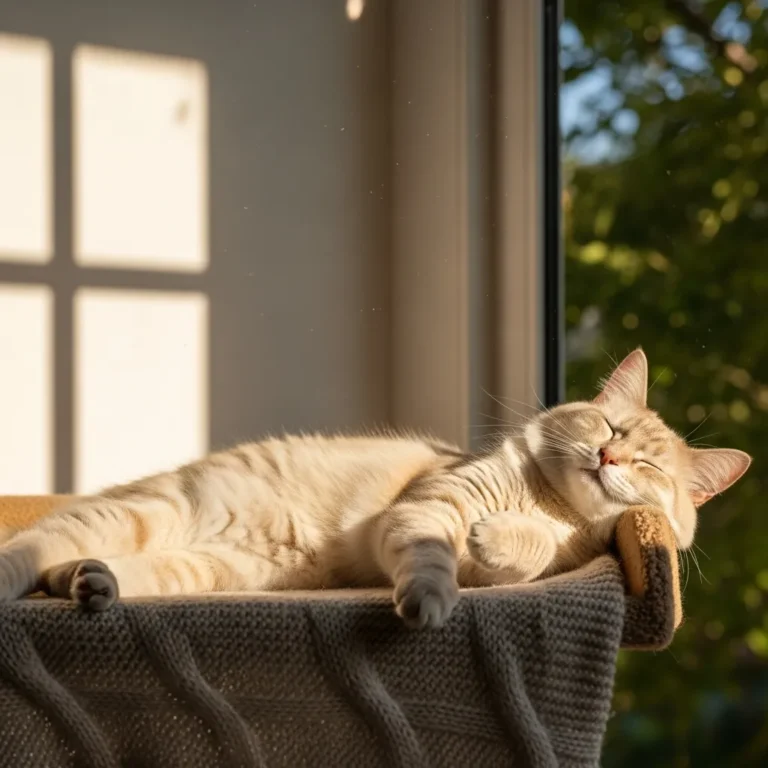
- Vertical Territory: Cats feel secure when they can survey their domain from above. Cat trees, wall-mounted shelves, and window perches are non-negotiable for cat enrichment ideas. For DIY inspiration, check out our guide on cat wall climbing setups.
- Designated Scratching Surfaces: Provide a variety of scratchers (vertical, horizontal, sisal, cardboard) in key areas to protect your furniture and satisfy this innate need.
- Safe Hideaways & Cozy Nooks: Cardboard boxes, dedicated cat beds in quiet corners, or even a strategically placed paper bag offer essential retreats for when your cat feels overwhelmed. Creating these cat cozy corners is a simple way to boost their sense of security.
Combatting Boredom & Anxiety
A bored cat is often a destructive or stressed cat. Modern solutions go beyond a simple feather wand.
- Interactive & Puzzle Toys: These require your cat to solve a problem to get a treat, providing excellent mental exercise. They are fantastic cat anxiety solutions and can help manage weight.
- Scheduled Playtime: Dedicate 10-15 minutes, twice a day, to interactive play that mimics the hunt (chase, pounce, capture). This burns energy and strengthens your bond.
- Calming Aids: For cats with chronic stress, products like Feliway diffusers (which release synthetic feline pheromones), calming collars, or vet-recommended supplements can help create a more relaxed atmosphere.
The Sustainable & Eco-Conscious Cat Owner
As consumers become more environmentally aware, this extends to pet products. Sustainable cat products are a growing and impactful trend.
- Eco-Friendly Litters: Options made from recycled paper, pine, wheat, corn, or walnut shells are biodegradable, often have lower dust, and are more environmentally friendly than traditional clay litters, which are strip-mined and non-biodegradable.
- Conscious Consumption: Owners are seeking out toys made from natural materials (like felt, wool, or organic catnip), biodegradable poop bags, and brands with ethical sourcing and recycling programs. This shift towards eco-friendly cat products allows owners to care for their pet and the planet simultaneously.
Proactive & Preventative Health: The New Veterinary Standard
The modern approach to feline health is characterized by partnership and prevention, moving away from the “see the vet only when sick” model.
The Rise of Preventive Care Plans
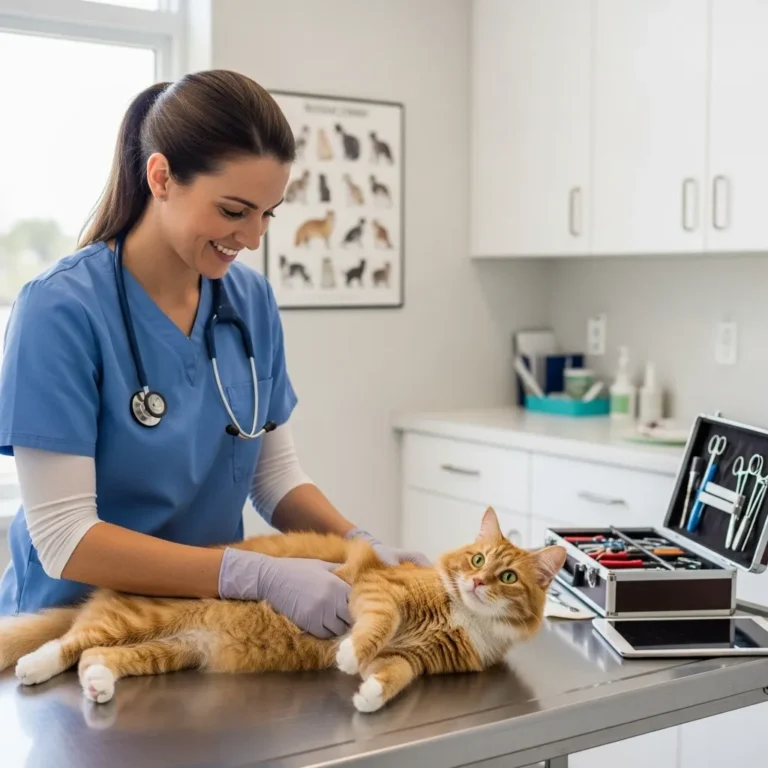
Regular wellness exams are the foundation. For adult cats, this typically means an annual check-up, transitioning to biannual visits for seniors (cats over 11). These visits allow vets to establish baselines and catch issues like dental disease, early kidney changes, or arthritis long before they become severe.
- At-Home Health Monitoring: Technology aids this proactive stance. Tracking weight with a smart scale, monitoring litter box habits with a smart litter box, and noting changes in water consumption or activity levels are all forms of at-home preventive care.
Pet Insurance & Financial Planning
Unexpected veterinary emergencies for complex issues like urinary blockages or surgeries can cost thousands. Modern cat care increasingly views pet insurance as a responsible part of pet ownership, providing a financial safety net and ensuring cost isn’t a barrier to life-saving care. Exploring options early, before any pre-existing conditions develop, is key.
Behavioral Health as Integral to Veterinary Care
Veterinarians now recognize that behavior is a direct reflection of health. Issues like inappropriate elimination, excessive hiding, or aggression are medical concerns until proven otherwise. A sudden change in behavior often warrants a veterinary exam to rule out pain or illness first, followed by a possible referral to a certified cat behavior consultant.
Frequently Asked Questions: Modern Cat Care Unpacked
What is the single most impactful modern cat care trend?
The integration of smart pet technology, particularly health-monitoring litter boxes and feeders. These devices provide objective, continuous data on your cat’s habits, turning everyday routines into powerful tools for early illness detection and proactive health management.
Are grain-free or raw diets actually better for my cat?
Not universally. Grain-free can benefit the small subset of cats with true grain allergies, but the core benefit is often the higher protein and lower carbohydrate content. Raw diets carry significant risks of pathogens and nutritional imbalance. Any major dietary change must be made under the guidance of a veterinarian to ensure it is complete, balanced, and safe for your individual cat.
How can I provide enrichment for my indoor cat on a budget?
Cat enrichment ideas don’t need to be expensive. Simple DIY projects are highly effective:
- Create puzzle feeders from empty toilet paper rolls.
- Build a fort from cardboard boxes.
- Place a bird feeder outside a secure window for “cat TV.”
- Rotate a selection of toys to keep them novel.
- Dedicate consistent time for interactive wand play. Our article on DIY cat toys is full of creative, low-cost ideas.
What should I look for in sustainable cat products?
Prioritize products that are biodegradable, made from recycled or renewable materials, and have minimal packaging. For litter, consider plant-based options. For toys, look for natural fibers and non-toxic dyes. Support companies with transparent, ethical supply chains.
How often should I really take my cat to the vet?
All cats should have a vet-approved cat care schedule. Kittens need several visits in their first year for vaccines and check-ups. Healthy adult cats (1-10 years) require an annual wellness exam. Senior cats (11+) benefit from examinations every six months, as age-related conditions can develop quickly. This proactive schedule is the best way to ensure a long, healthy life.
Embracing a New Standard of Care
Modern cat care is an empowering and evolving journey. It combines the best of innovation—from AI monitors that offer peace of mind to sustainable cat products that align with our values—with timeless principles of love, observation, and respect for the feline spirit. By focusing on proactive nutrition, holistic environmental enrichment, and a strong partnership with your veterinarian, you’re doing more than just caring for a pet. You’re cultivating a deep, mutual bond and providing the foundation for a life of vibrant health and shared happiness.
Ready to dive deeper into understanding your unique feline friend? Explore our comprehensive guides on cat breeds and personalities to better tailor your care approach, or find more cat care tips and behavior insights across all our expert articles here on Cat Bloom Haven.
For today’s cat owner, providing a loving home has evolved far beyond simply filling a food dish and cleaning a litter box. Modern cat care is a dynamic blend of science, technology, and a deeper understanding of our feline companions’ complex needs. Driven by a surge in pet humanization, owners are now investing in their cats’ mental well-being, physical health, and environmental enrichment with the same dedication they apply to their own lives.
This guide will walk you through the latest trends shaping contemporary cat ownership. From the smart technology revolutionizing daily routines to the holistic philosophies addressing a cat’s entire being, we’ll explore how to build a lifestyle that ensures your cat not only lives but truly thrives. Whether you’re a new kitten parent or a seasoned cat guardian, these insights will help you navigate the modern landscape of feline wellness.
Article-at-a-Glance: Key Modern Cat Care Trends
- Tech-Enhanced Care: Smart feeders, litter boxes, and AI monitors provide convenience and crucial health data.
- Holistic Health Focus: Trends like grain-free, raw, and premium foods prioritize species-appropriate nutrition.
- Mental & Environmental Wellness: Preventing boredom and anxiety through interactive toys, puzzles, and catios is now essential.
- Sustainable & Conscientious Choices: Eco-friendly litters, toys, and a focus on ethical sourcing reflect owner values.
- Proactive Veterinary Partnership: Regular, preventive vet visits and pet insurance are pillars of modern health management.
The Tech-Enabled Home: Smart Devices Revolutionizing Daily Care
The connected home has officially gone feline. Technology is no longer a novelty but a practical tool for enhancing care, providing peace of mind, and gathering vital health information. These innovations are designed to seamlessly integrate into your life while significantly improving your cat’s daily experience.
Intelligent Nutrition & Hydration Management
Gone are the days of guesswork with feeding. Modern cat care embraces precision.
- Smart Feeders: Devices like the Petlibro Granary or SureFeed Microchip Feeder allow for scheduled, portion-controlled meals, which are critical for weight management. They can also curb food anxiety in multi-cat households by ensuring each cat accesses only their designated bowl.
- Interactive Food Puzzles & Slow Feeders: These tools turn mealtime into a brain game, slowing down fast eaters and providing essential mental stimulation that satisfies natural hunting instincts.
- Smart Water Fountains: Circulating fountains like those from Catit or Pioneer Pet encourage higher water intake, which is a key preventive measure for urinary and kidney health. Many now feature filters for cleaner water and quiet pumps for cat (and human) comfort.
The Connected Litter Box: From Chore to Health Monitor
The smart litter box is arguably the most transformative piece of pet wellness technology. Brands like Litter-Robot and PetKit not only automate cleaning but also track usage metrics.
- How They Work: Sensors detect when your cat enters and exits, automatically sifting waste into a sealed compartment after a set delay. This maintains a clean environment and drastically reduces odor.
- Health Monitoring: The true innovation lies in data tracking. These devices can log the frequency and duration of bathroom visits via an app. Sudden changes in these patterns—such as more frequent, shorter visits can be an early, non-invasive indicator of potential cat urinary health issues like a UTI or cystitis, prompting a timely vet visit.
AI-Powered Observation & Behavior Insights
AI pet monitoring devices like camera systems from Petcube or Furbo offer more than just a cute livestream.
- Advanced Features: Beyond two-way audio, these devices can distinguish between people and pets, send activity alerts, and even dispense treats remotely.
- Behavioral Analysis: Some advanced models use AI algorithms to classify your cat’s activities (sleeping, playing, eating) and establish behavioral baselines. Noticing a deviation from these norms, such as a significant increase in lethargy or nighttime activity, can provide early clues about your cat’s mental health or physical well-being. For insights into quirky feline actions, our article on cat chaos memes explores the lighter side of their behavior.
Redefining Feline Nutrition: From Ingredients to Philosophy
Modern cat nutrition is a field driven by research, ethics, and a return to feline biological needs. Owners are critically examining labels and seeking diets that support long-term vitality.
The Premium & Specialized Food Movement
The demand for high-quality, transparent ingredients is at an all-time high.
- Premium Cat Food Trends: Look for foods that list a high-quality animal protein (like chicken, salmon, or rabbit) as the first ingredient, avoid vague by-products, and minimize fillers like corn and wheat. Many brands now also include functional supplements such as probiotics for digestion, omega fatty acids for skin and coat, and glucosamine for joint support.
- Grain-Free & Limited Ingredient Diets: While “grain-free” has been a major trend, it’s important to understand its purpose. These diets are often chosen for cats with specific grain allergies or sensitivities. The focus should be on high protein and low carbohydrates, aligning more closely with a cat’s obligate carnivore physiology.
- The Raw Diet Debate: The raw diet for cats aims to mimic a cat’s ancestral diet. Proponents cite benefits like healthier coats, cleaner teeth, and higher energy. However, significant risks include bacterial contamination (e.g., Salmonella, E. coli) and nutritional imbalances if not carefully formulated. Vet-approved cat care guidelines strongly recommend consulting your veterinarian before transitioning to raw to ensure it’s done safely and completely.
Hydration: The Cornerstone of Health
Cats have a low thirst drive, making proactive hydration a critical component of modern cat care.
- Wet Food Advantage: Incorporating best wet cat food into their diet is the most effective way to increase moisture intake. The high water content supports kidney function and urinary tract health.
- Encouraging Water Intake: Multiple water stations, away from food and litter areas, are essential. A smart pet technology fountain with flowing water can be more enticing than a stagnant bowl. Some owners even add a splash of water or low-sodium broth to their cat’s meals.
Holistic Wellness: Enriching the Mind, Body, and Environment
Holistic cat care recognizes that a cat’s physical health is deeply intertwined with its mental state and living environment. Preventing problems through enrichment is now prioritized over simply treating them.
Environmental Enrichment: Building a Feline-Friendly Home
Indoor cat care tips are all about creating a stimulating environment that allows for natural behaviors: climbing, scratching, hiding, and observing.
- Vertical Territory: Cats feel secure when they can survey their domain from above. Cat trees, wall-mounted shelves, and window perches are non-negotiable for cat enrichment ideas. For DIY inspiration, check out our guide on cat wall climbing setups.
- Designated Scratching Surfaces: Provide a variety of scratchers (vertical, horizontal, sisal, cardboard) in key areas to protect your furniture and satisfy this innate need.
- Safe Hideaways & Cozy Nooks: Cardboard boxes, dedicated cat beds in quiet corners, or even a strategically placed paper bag offer essential retreats for when your cat feels overwhelmed. Creating these cat cozy corners is a simple way to boost their sense of security.
Combatting Boredom & Anxiety
A bored cat is often a destructive or stressed cat. Modern solutions go beyond a simple feather wand.
- Interactive & Puzzle Toys: These require your cat to solve a problem to get a treat, providing excellent mental exercise. They are fantastic cat anxiety solutions and can help manage weight.
- Scheduled Playtime: Dedicate 10-15 minutes, twice a day, to interactive play that mimics the hunt (chase, pounce, capture). This burns energy and strengthens your bond.
- Calming Aids: For cats with chronic stress, products like Feliway diffusers (which release synthetic feline pheromones), calming collars, or vet-recommended supplements can help create a more relaxed atmosphere.
The Sustainable & Eco-Conscious Cat Owner
As consumers become more environmentally aware, this extends to pet products. Sustainable cat products are a growing and impactful trend.
- Eco-Friendly Litters: Options made from recycled paper, pine, wheat, corn, or walnut shells are biodegradable, often have lower dust, and are more environmentally friendly than traditional clay litters, which are strip-mined and non-biodegradable.
- Conscious Consumption: Owners are seeking out toys made from natural materials (like felt, wool, or organic catnip), biodegradable poop bags, and brands with ethical sourcing and recycling programs. This shift towards eco-friendly cat products allows owners to care for their pet and the planet simultaneously.
Proactive & Preventative Health: The New Veterinary Standard
The modern approach to feline health is characterized by partnership and prevention, moving away from the “see the vet only when sick” model.
The Rise of Preventive Care Plans
Regular wellness exams are the foundation. For adult cats, this typically means an annual check-up, transitioning to biannual visits for seniors (cats over 11). These visits allow vets to establish baselines and catch issues like dental disease, early kidney changes, or arthritis long before they become severe.
- At-Home Health Monitoring: Technology aids this proactive stance. Tracking weight with a smart scale, monitoring litter box habits with a smart litter box, and noting changes in water consumption or activity levels are all forms of at-home preventive care.
Pet Insurance & Financial Planning
Unexpected veterinary emergencies for complex issues like urinary blockages or surgeries can cost thousands. Modern cat care increasingly views pet insurance as a responsible part of pet ownership, providing a financial safety net and ensuring cost isn’t a barrier to life-saving care. Exploring options early, before any pre-existing conditions develop, is key.
Behavioral Health as Integral to Veterinary Care
Veterinarians now recognize that behavior is a direct reflection of health. Issues like inappropriate elimination, excessive hiding, or aggression are medical concerns until proven otherwise. A sudden change in behavior often warrants a veterinary exam to rule out pain or illness first, followed by a possible referral to a certified cat behavior consultant.
Frequently Asked Questions: Modern Cat Care Unpacked
What is the single most impactful modern cat care trend?
The integration of smart pet technology, particularly health-monitoring litter boxes and feeders. These devices provide objective, continuous data on your cat’s habits, turning everyday routines into powerful tools for early illness detection and proactive health management.
Are grain-free or raw diets actually better for my cat?
Not universally. Grain-free can benefit the small subset of cats with true grain allergies, but the core benefit is often the higher protein and lower carbohydrate content. Raw diets carry significant risks of pathogens and nutritional imbalance. Any major dietary change must be made under the guidance of a veterinarian to ensure it is complete, balanced, and safe for your individual cat.
How can I provide enrichment for my indoor cat on a budget?
Cat enrichment ideas don’t need to be expensive. Simple DIY projects are highly effective:
- Create puzzle feeders from empty toilet paper rolls.
- Build a fort from cardboard boxes.
- Place a bird feeder outside a secure window for “cat TV.”
- Rotate a selection of toys to keep them novel.
- Dedicate consistent time for interactive wand play. Our article on DIY cat toys is full of creative, low-cost ideas.
What should I look for in sustainable cat products?
Prioritize products that are biodegradable, made from recycled or renewable materials, and have minimal packaging. For litter, consider plant-based options. For toys, look for natural fibers and non-toxic dyes. Support companies with transparent, ethical supply chains.
How often should I really take my cat to the vet?
All cats should have a vet-approved cat care schedule. Kittens need several visits in their first year for vaccines and check-ups. Healthy adult cats (1-10 years) require an annual wellness exam. Senior cats (11+) benefit from examinations every six months, as age-related conditions can develop quickly. This proactive schedule is the best way to ensure a long, healthy life.
Embracing a New Standard of Care
Modern cat care is an empowering and evolving journey. It combines the best of innovation from AI monitors that offer peace of mind to sustainable cat products that align with our values with timeless principles of love, observation, and respect for the feline spirit. By focusing on proactive nutrition, holistic environmental enrichment, and a strong partnership with your veterinarian, you’re doing more than just caring for a pet. You’re cultivating a deep, mutual bond and providing the foundation for a life of vibrant health and shared happiness.
Ready to dive deeper into understanding your unique feline friend? Explore our comprehensive guides on cat breeds and personalities to better tailor your care approach, or find more cat care tips and behavior insights across all our expert articles here on Cat Bloom Haven.