Common Cat Health Problems by Age (Kitten to Senior)
Owning a cat brings joy, companionship, and those quiet moments of connection. But as cats move through life, their health needs shift. What affects a playful kitten rarely troubles a senior cat, and vice versa. Understanding common cat health problems by age helps you spot issues early and keep your feline friend thriving longer.
This guide breaks down typical health concerns from kittenhood to senior years. It draws from veterinary insights and real-world patterns. Early detection often makes all the difference. Regular vet visits remain key, but knowing what to watch for empowers you at home.
Key Takeaways for Cat Owners
- Kittens (0–6 months): Focus on infections, parasites, and growth issues. Vaccinations and deworming are critical.
- Junior/Young Adults (7 months–2 years): Trauma, reproductive issues (if unspayed/neutered), and parasites top the list.
- Adults (3–6 years): Dental disease, obesity, and urinary problems emerge.
- Mature Adults (7–10 years): Kidney changes, thyroid issues, and weight shifts begin.
- Seniors (11+ years): Chronic conditions like arthritis, kidney disease, and cancer become more common. Twice-yearly checkups help catch them early.

Health Challenges in Kittens (Birth to 6 Months)
Kittens grow fast, but their immune systems lag behind. They face risks from infections, parasites, and developmental hiccups.
Upper Respiratory Infections (URIs)
These viral issues, often from herpesvirus or calicivirus, spread easily in shelters or multi-cat homes. Symptoms include sneezing, runny eyes/nose, fever, and lethargy. Severe cases lead to pneumonia.
Prevention and Care: Vaccinate starting at 6–8 weeks. Keep new kittens isolated initially. Supportive care like fluids and nutrition aids recovery.
Intestinal Parasites
Roundworms, hookworms, and giardia pass from mothers or environments. Signs: diarrhea, vomiting, pot-bellied look, or poor growth.
Prevention and Care: Deworm every 2–4 weeks until 6 months. Fecal tests confirm clearance.
Flea Infestation and Anemia
Fleas drain blood quickly in tiny bodies, causing severe anemia. Itchiness and pale gums signal trouble.
Prevention and Care: Use kitten-safe preventives from 8 weeks. Treat all household pets.
Fading Kitten Syndrome
This catches weak newborns with hypothermia, low blood sugar, or infections. Quick vet intervention is essential.
Kittens need frequent vet visits for vaccines, checks, and guidance. Early socialization builds resilience too.
Junior and Young Adult Cats (7 Months to 2 Years)
Energy peaks here, but risks come from curiosity and hormones.
Trauma and Accidents
Exploratory jumps or outdoor dangers lead to fractures or wounds.
Prevention and Care: Keep indoors or supervised. Spay/neuter reduces roaming.
Parasites Persist
Fleas, worms, and ear mites remain threats.
Prevention and Care: Use year-round preventives.
Reproductive Issues
Unspayed females risk pyometra; males face fights and abscesses.
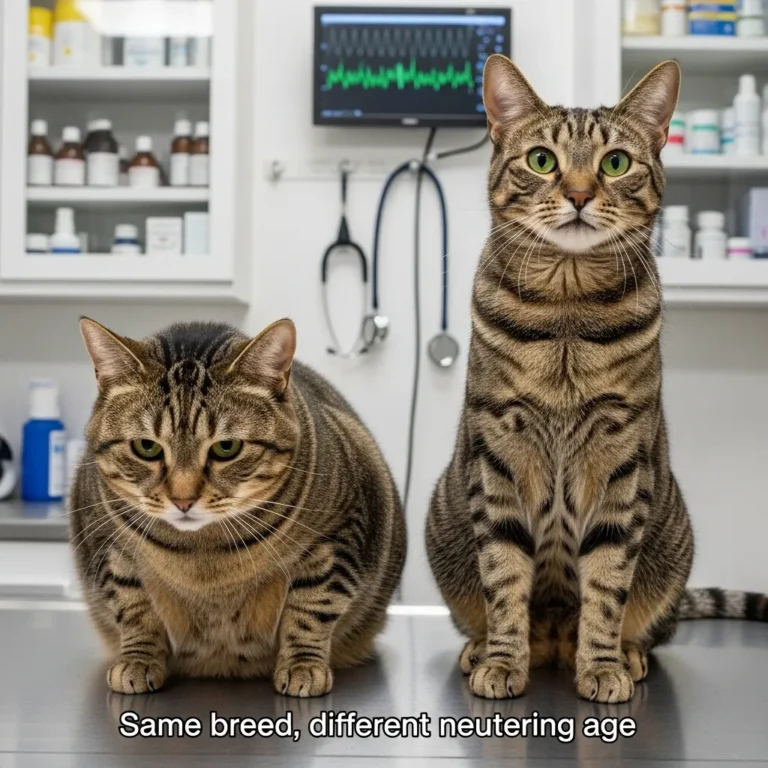
Prevention and Care: Spay/neuter by 5–6 months.
These cats seem invincible, but annual exams catch subtle shifts
![Adult cat relaxing on window sill, symbolizing the prime years of feline health.]](https://catbloomhaven.com/wp-content/uploads/2026/01/Whisk_b30a298e7de39c6ad834cb748fa5b287dr.webp "Common Cat Health Problems by Age (Kitten to Senior) 2")
Adult Cats (3 to 6 Years)
Prime time, but lifestyle issues creep in.
Dental Disease
Plaque builds, causing gingivitis and pain. Bad breath or drooling hints at it.
Prevention and Care: Brush regularly. Schedule professional cleanings.
Obesity
Indoor life and overfeeding add pounds, raising diabetes and joint risks.
Prevention and Care: Portion control and playtime maintain weight.
Lower Urinary Tract Disease (FLUTD)
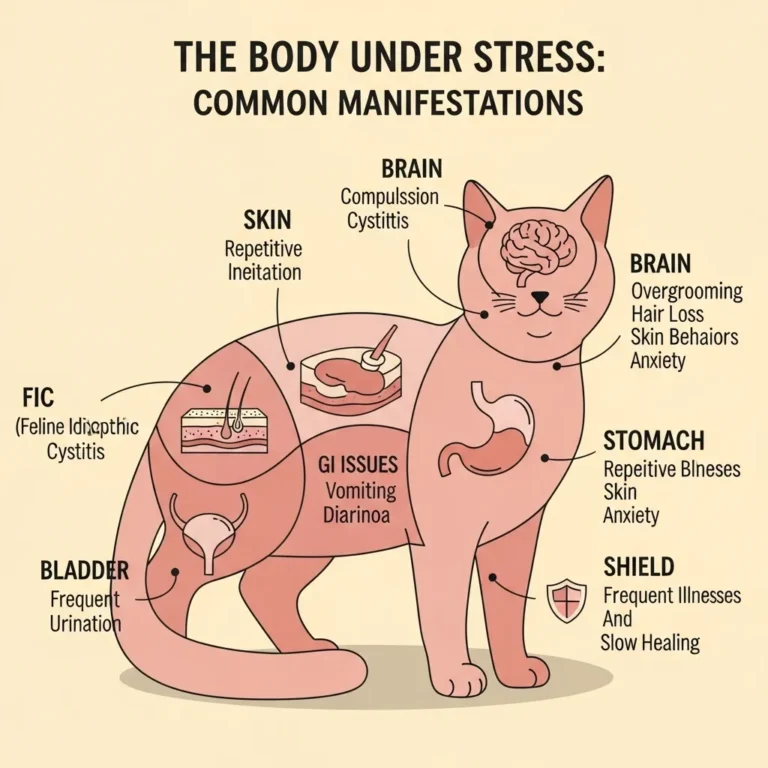
Stress or diet triggers cystitis or blockages, especially in males.
Prevention and Care: Encourage water intake. Use wet food if needed.
Adults benefit from yearly bloodwork baselines.
Mature Adult Cats (7 to 10 Years)
Subtle declines start. Organs work harder.
Early Kidney Changes
Chronic kidney disease (CKD) begins silently. Increased thirst/urination signals it.
Prevention and Care: Annual screening. Switch to kidney-supportive diets early.
Hyperthyroidism
Overactive thyroid causes weight loss despite big appetite.
Prevention and Care: Blood tests detect it. Treatments manage well.
Weight and Mobility Shifts
Metabolism slows; mild arthritis appears.
Prevention and Care: Adjust calories. Add joint supplements.
Explore our detailed guide on senior cat care for transitioning tips.
Senior Cats (11 Years and Older)
Seniors face chronic issues, but many live comfortably into late teens with care.
Chronic Kidney Disease
Top concern. Waste buildup causes nausea, weight loss, and lethargy.
Prevention and Care: Twice-yearly blood/urine tests. Use renal diets and fluids.
Arthritis
Joint wear limits jumping or grooming.
Prevention and Care: Provide ramps, soft beds, and pain meds.
Hyperthyroidism and Diabetes
Both common. Hyperthyroidism speeds metabolism; diabetes affects insulin.
Prevention and Care: Regular screening and tailored treatments.
Dental Disease Intensifies
Tooth loss or infections spread systemically.
Prevention and Care: Frequent cleanings.
Cancer
Lumps or unexplained weight loss warrant checks.
Sensory Decline and Cognitive Changes
Vision/hearing fade; some show confusion.
Prevention and Care: Adapt homes with night lights and routines.

Preventive Care Across All Ages
Tailor prevention to life stages.
Vaccination Schedule
Core vaccines (panleukopenia, herpesvirus, calicivirus, rabies) start in kittens. Boosters continue lifelong based on risk.
Parasite Control
Year-round flea, tick, heartworm, and intestinal prevention.
Nutrition
Kitten food for growth; adult maintenance; senior formulas for kidneys/joints.
Regular Checkups
Kittens: Every 3–4 weeks initially.
Adults: Annually.
Seniors: Every 6 months.
Home Monitoring
Track weight, appetite, litter habits, and energy. Subtle changes matter.
See our cat vet visit schedule for reminders.
![Illustration of common symptoms in cat health problems for easy identification.]](https://catbloomhaven.com/wp-content/uploads/2026/01/Whisk_b63825b619aca67bdab40607b8bfde43dr.webp "Common Cat Health Problems by Age (Kitten to Senior) 4")
Signs Your Cat Needs Veterinary Attention (Any Age)
Contact your vet if you notice:
- Persistent vomiting or diarrhea
- Sudden weight loss or gain
- Increased thirst/urination
- Lethargy or hiding
- Difficulty breathing
- Lumps, wounds, or discharge
- Changes in appetite or grooming
Cats hide pain well. Trust your instincts.
FAQ: Common Questions on Cat Health Problems by Age
What are the most common health problems in kittens?
Upper respiratory infections, parasites, fleas, and fading syndrome. Vaccinations and deworming prevent most.
When do senior cat health issues typically start?
Around 7–10 years for early signs like kidney changes; more pronounced after 11.
How often should senior cats see the vet?
Every 6 months for bloodwork, urinalysis, and exams.
Can diet prevent common cat health problems by age?
Yes. Age-appropriate food supports growth in kittens, weight in adults, and organs in seniors. Discover more in our cat food nutrition guide.
Are indoor cats less prone to age-related issues?
They avoid trauma and some parasites, but face higher obesity and urinary risks.
What role does spaying/neutering play?
It prevents reproductive cancers and behaviors that lead to injury.
Wrapping Up: Partnering for Your Cat’s Best Life
Common cat health problems by age follow predictable patterns, but individual cats vary. Stay observant, prioritize prevention, and build a strong vet relationship. Many issues manage well when caught early, letting your cat enjoy more healthy years.
Explore more expert cat care and behavior guides on Cat Bloom Haven, from breed-specific tips like our Bengal cat guide to everyday advice in why cats sneeze. Your cat counts on you. Stay informed.