Cat Eye Surgery: A Comprehensive Guide to Feline Ophthalmic Procedures, Recovery, and Restoring Your Cat’s Vision
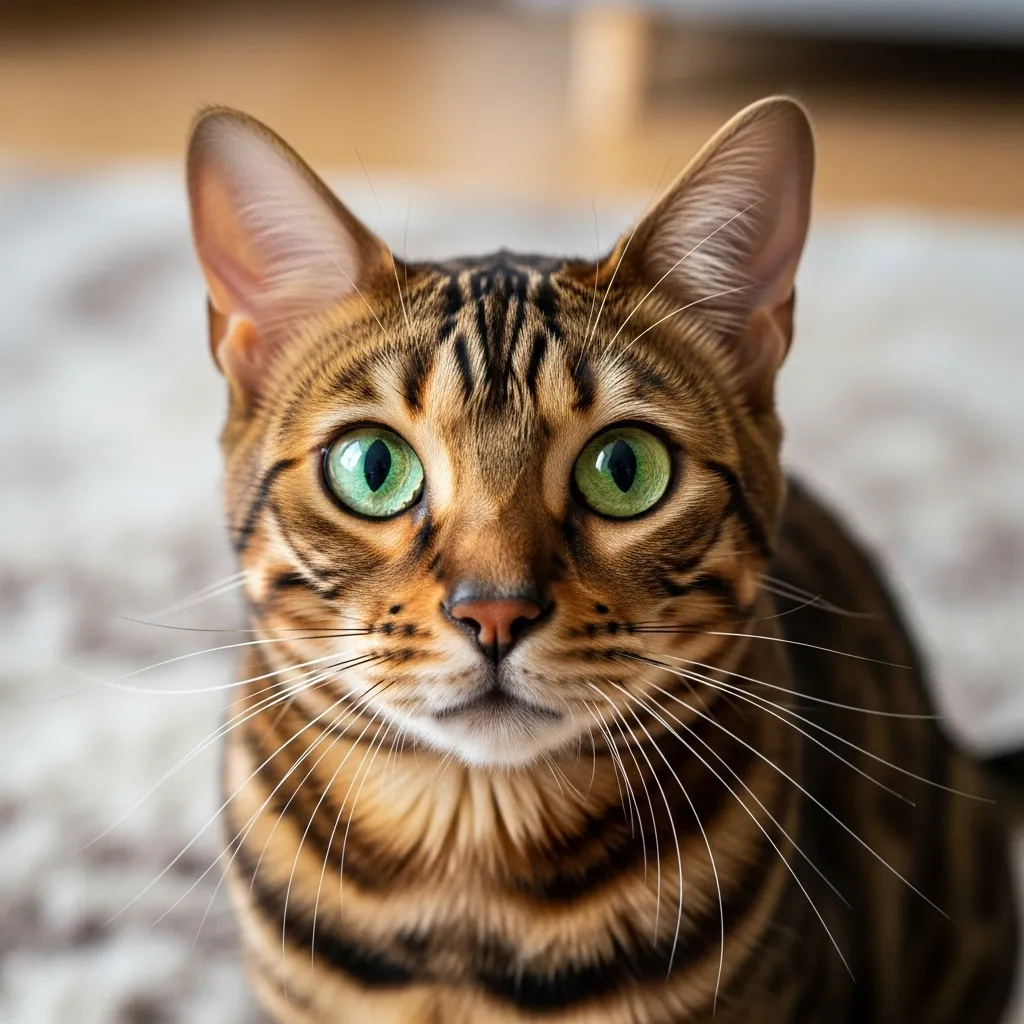
Imagine this: Your once-playful tabby, Whiskers, who used to chase laser pointers across the living room with laser-focused precision, now hesitates at every corner, bumping into furniture and squinting against the light. Those vibrant green eyes that lit up at the sound of a can opener now seem cloudy, irritated, or half-closed in discomfort. If you’re a cat parent facing this heartbreaking shift, you’re not alone—cat eye problems affect thousands of felines each year, often leading to the tough decision of feline eye surgery. But here’s the good news: Modern veterinary ophthalmology offers life-changing solutions that can restore vision, alleviate pain, and get your furry friend back to pouncing on toys in no time.
As a seasoned cat health advocate with years of collaborating alongside veterinary ophthalmologists, I’ve seen firsthand how cat eye surgery transforms lives—both feline and human. In this in-depth guide, we’ll dive deep into everything from spotting early signs of trouble to navigating the cat eye surgery procedure, costs (including cat cataract surgery cost 2025 estimates), recovery timelines, and advanced options like laser eye surgery for cats. Whether you’re dealing with a stubborn corneal ulcer or debating enucleation for severe glaucoma, you’ll walk away with actionable insights, expert-backed tips, and peace of mind. By the end, you’ll know exactly how to advocate for your cat’s eye health and prevent future issues.
Key Takeaways: Quick Insights on Cat Eye Surgery
Before we unpack the details, here’s a snapshot of what every cat parent needs to know about feline ophthalmic surgery:
- Common Triggers: Conditions like cataracts, corneal ulcers, entropion (inward-rolling eyelids), and glaucoma often necessitate surgery; early detection via routine vet checks can prevent escalation.
- Procedure Basics: Most surgeries use general anesthesia for safety, with options ranging from lens replacement (for cataracts) to eyelid correction or full eye removal (enucleation) in severe cases.
- Cost Range (2025 Estimates): Expect $500–$2,000 for eyelid surgeries or enucleation; $2,700–$4,000 per eye for cataract removal, influenced by location and complexity.
- Recovery Timeline: 1–2 weeks for minor procedures, up to 4 weeks for cataract surgery; focus on wound protection, meds, and quiet rest to avoid infections.
- Success Rates: Over 90% vision restoration in eligible cataract cases; cats adapt remarkably well to one-eyed life if needed.
- Prevention Power: Regular eye exams, indoor living, and prompt infection treatment slash risks—more on cat eye health tips later.
These takeaways are your roadmap, but let’s explore why cat eye surgery might be the compassionate choice when meds fall short.
Why Cat Eye Surgery? Understanding When Feline Ophthalmic Intervention is Essential
Cats’ eyes are marvels of evolution—slit pupils for nocturnal hunting, a reflective tapetum lucidum for low-light vision, and a third eyelid for extra protection. But these assets make them prone to unique vulnerabilities. Unlike dogs, where cataracts are often genetic, feline eye problems frequently stem from infections, trauma, or inflammation. Left unchecked, they cascade into vision loss or chronic pain, dimming that spark in your cat’s gaze.
Spotting the Red Flags: Common Cat Eye Problems Requiring Surgery
As a cat lover, you’ve probably noticed subtle shifts: excessive tearing, squinting (blepharospasm), or a blueish haze over the pupil. These aren’t just “old cat quirks”—they signal deeper issues. Here’s a breakdown of the most frequent culprits:
| Condition | Symptoms | Why Surgery? | Breed Predispositions |
|---|---|---|---|
| Cataracts | Cloudy lens, bumping into objects, reluctance to jump | Blocks light to retina; surgery removes and replaces lens for vision restoration | Siamese, Himalayan |
| Corneal Ulcers | Squinting, pawing at eye, discharge | Deep ulcers won’t heal alone; grid keratotomy or grafts prevent rupture | Persians, outdoor cats |
| Entropion (Eyelid Rolling In) | Irritated cornea, tearing, vision blur | Eyelashes scratch cornea; surgical tacking corrects alignment | Maine Coons |
| Glaucoma | Enlarged eye, cloudiness, pain (dilated pupil) | Pressure damages optic nerve; laser or enucleation relieves suffering | Any breed, often secondary to uveitis |
| Cherry Eye (Third Eyelid Prolapse) | Red mass in eye corner | Gland exposure leads to dryness; surgical repositioning | Rare in cats, more brachycephalic breeds |
Take Luna, a 7-year-old Bengal I once advised on—she presented with feline corneal ulcer treatment needs after a scratch fight. What started as a minor infection escalated to a deep ulcer threatening her cornea. Without prompt surgery, it could have led to rupture and permanent scarring. Early intervention via a veterinary ophthalmologist turned it around, restoring her sharp hunter’s gaze.
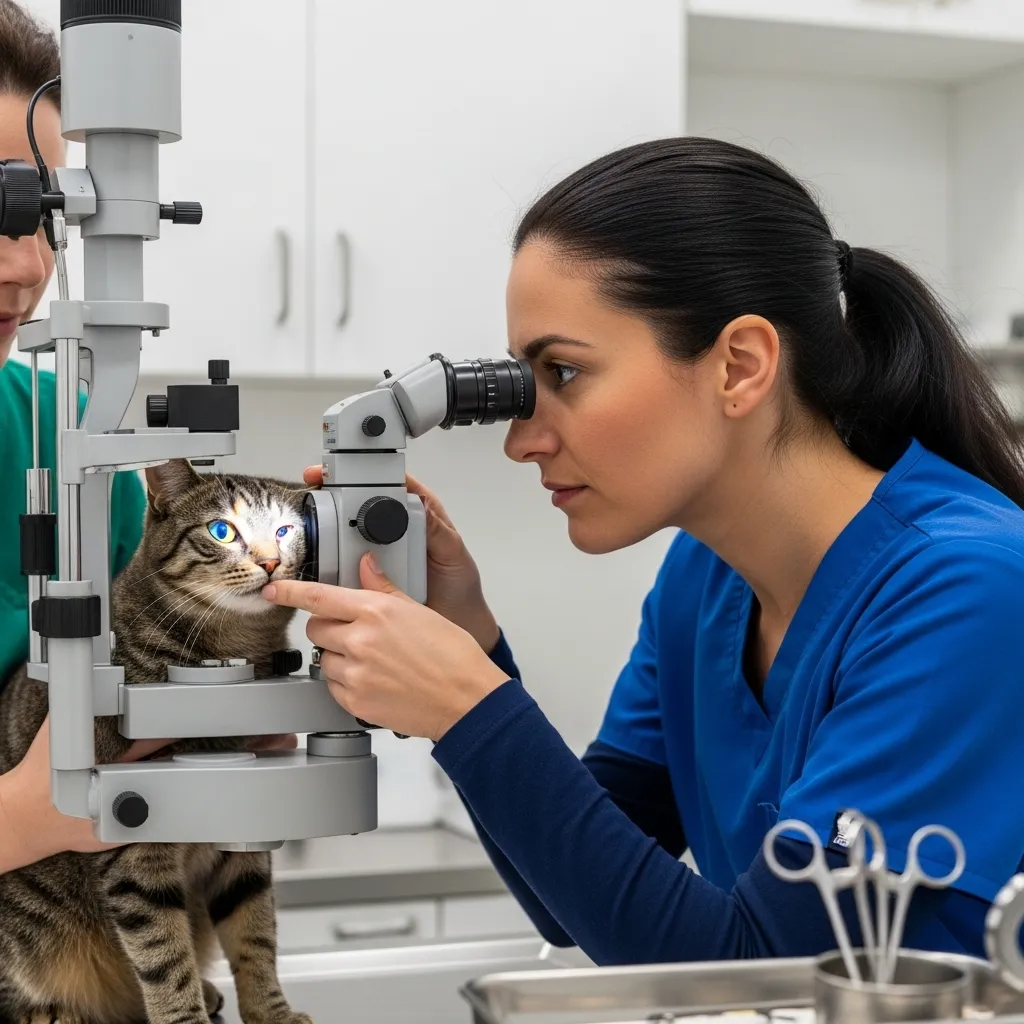
Trending now: Cat vision loss recovery stories highlight how advanced feline eye treatments, like diode laser for iris melanomas, halt progression in 96% of cases. If your cat shows these signs, don’t wait—schedule that exam. For more on breed-specific risks, explore our detailed guide on Bengal cat personality.
The Road to Surgery: Evaluating Candidates and Preparing for Feline Eye Surgery
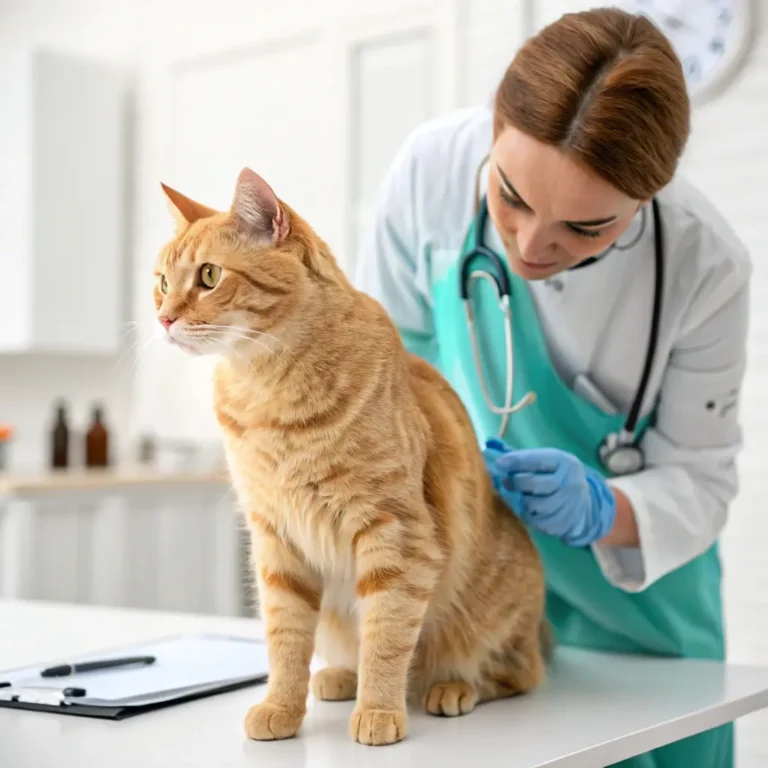
Not every cloudy eye needs the scalpel. A board-certified veterinary ophthalmologist—think of them as your cat’s eye whisperer—will conduct a thorough assessment to weigh benefits against eye surgery risks for cats.
Health Checks: Is Your Cat a Good Fit?
Eligibility hinges on overall health. Expect:
- Ocular Ultrasound & ERG: To scan behind the lens and test retinal function ($95–$160).
- Bloodwork & Urinalysis: Rules out diabetes or hypertension, common cataract triggers.
- Intraocular Pressure (IOP) Test: Essential for glaucoma suspects.
Senior cats or those with heart issues face higher cat anesthesia safety concerns, but modern protocols minimize this—mortality rates are under 0.1% in healthy felines. For instance, pre-anesthetic IV fluids stabilize vitals, while ECGs screen cardiac risks.
Real talk: If your cat’s like my friend’s elderly Ragdoll with watery eyes from entropion, a quick eligibility check revealed she was prime for eyelid surgery. Post-op, her tearing vanished, and she reclaimed her sunny window perch.
Pet Surgery Preparation: Your Pre-Op Checklist
Ease the stress with these steps:
- Fasting: 12 hours pre-op to avoid anesthesia complications—no food after midnight, water until morning.
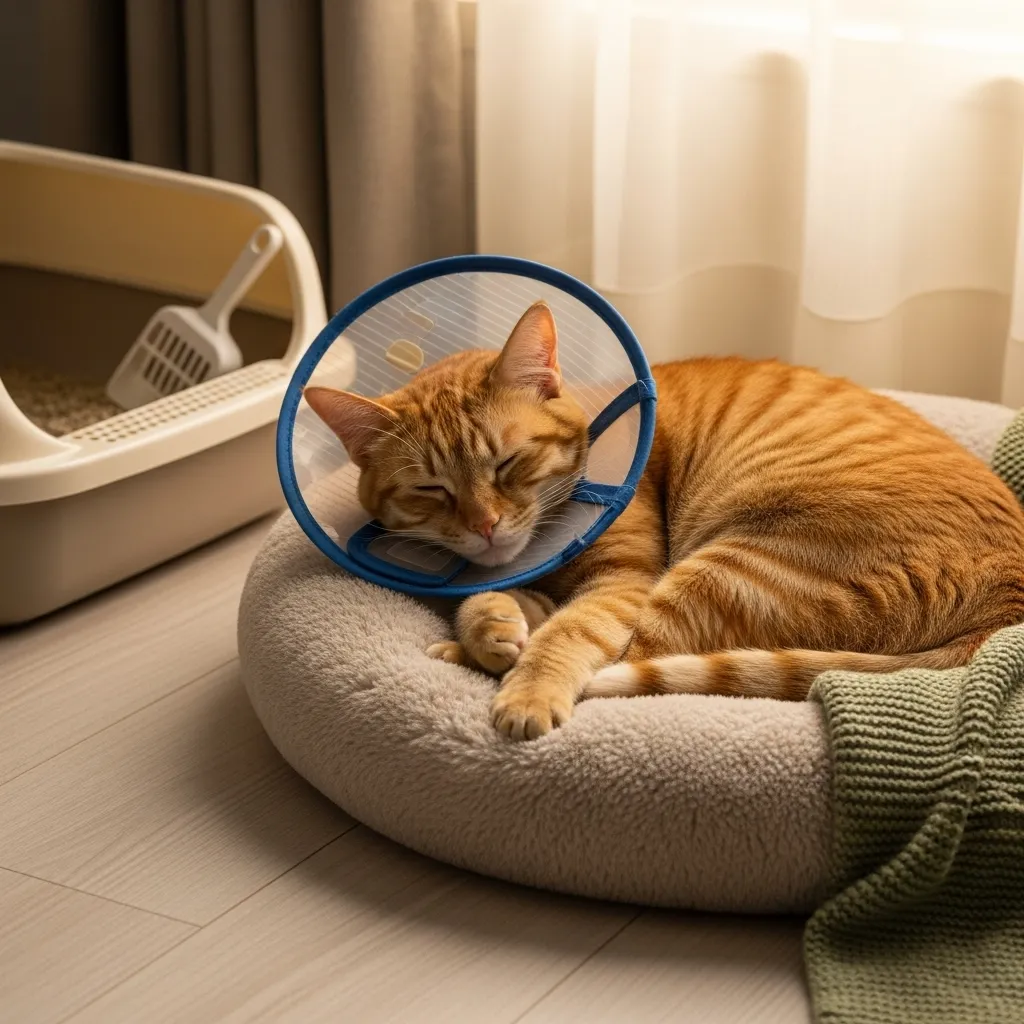
- Home Setup: Designate a quiet recovery room with soft bedding and easy litter access.
- Med Tweaks: Pause blood thinners; discuss ongoing treatments with your vet.
Pro Tip: For multi-pet homes, separate your cat pre-surgery to reduce anxiety. And remember, explore our Ragdoll cat watery eyes guide for breed-tailored prep advice.
Inside the OR: Demystifying the Cat Eye Surgery Procedure
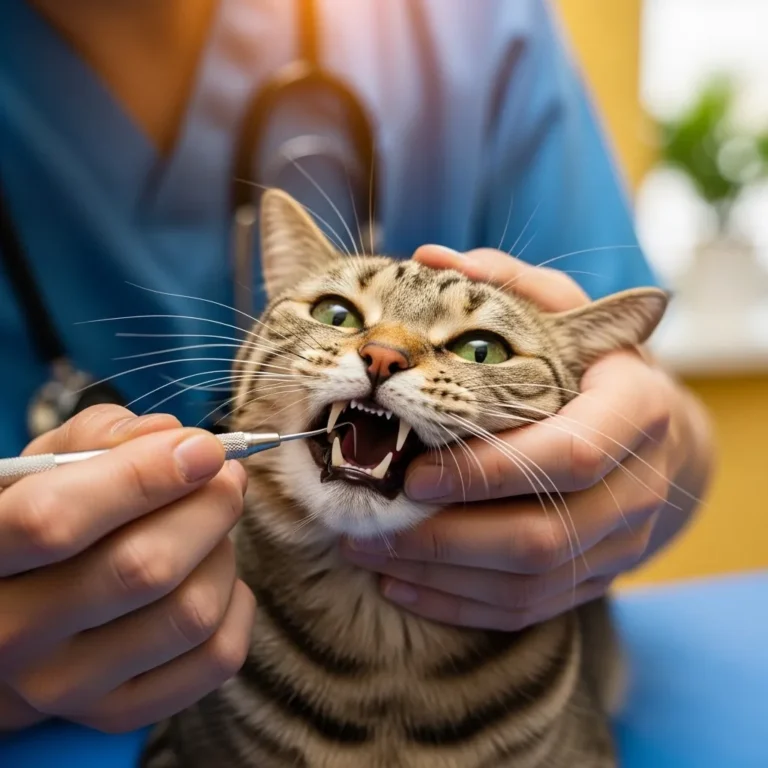
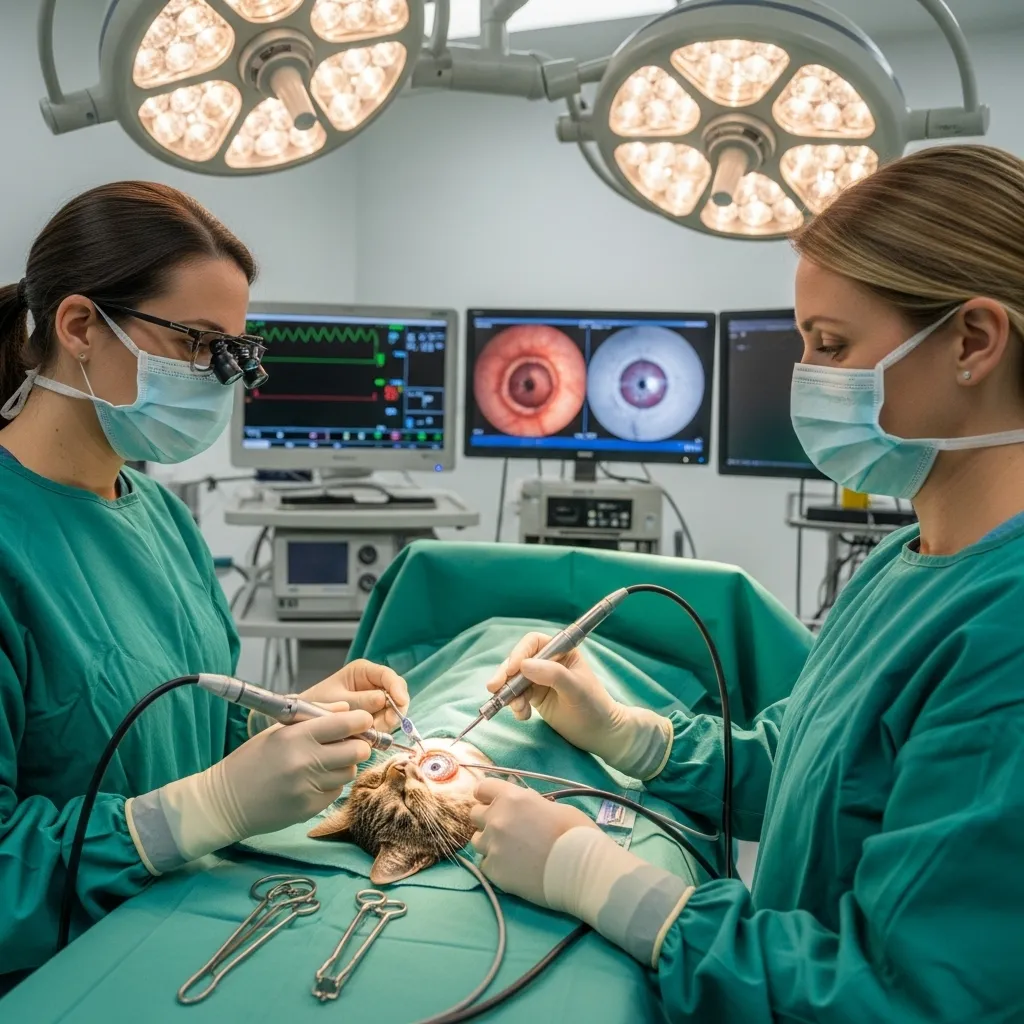
Feline ophthalmic surgery is precision artistry under general anesthesia, typically lasting 30–90 minutes. Your cat drifts off via IV induction, intubated for airway protection, and monitored with pulse oximetry and capnography.
Step-by-Step: What Happens During Surgery
- Sterile Prep: Fur trimmed, eye irrigated to banish bacteria.
- Incision & Repair: For cat cataract surgery, phacoemulsification emulsifies the cloudy lens via ultrasound, then implants a prosthetic IOL. Eyelid surgeries tuck or reshape tissues with microsutures.
- Advanced Twists: Enter laser eye surgery for cats—diode lasers ablate tumors or reduce glaucoma pressure without incisions, cutting recovery by days. In 2025, endoscopic laser cyclophotocoagulation is booming for precise, minimally invasive glaucoma control.
Case in point: A Siamese with progressive iris pigmentation underwent diode laser ablation. Before: Shadowy vision. After: Clear sight, no progression in 18 months. Cats wake in a warm recovery suite, often purring within hours.
For travel-loving cats, check our Siamese cat travel guide on safe post-op journeys.
Breaking Down Cat Eye Operation Cost: Budgeting for 2025
Money talks, especially when vet bills loom. Average costs vary by type and locale—urban clinics run 20–30% higher than rural ones.
| Surgery Type | Estimated Cost (One Eye, 2025) | Factors Influencing Price |
|---|---|---|
| Eyelid Surgery (Entropion/Cherry Eye) | $300–$1,000 | Surgeon expertise, add-ons like grafts |
| Corneal Ulcer Repair | $500–$1,500 | Depth; laser vs. traditional |
| Cataract Removal | $2,700–$4,000 | Bilateral doubles it; includes IOL |
| Enucleation (Eye Removal) | $600–$2,000 | Diagnostics, pathology |
| Laser Treatments (Glaucoma/Tumors) | $1,000–$2,500 | Session count; emerging tech premium |
Add 10–20% for anesthesia, meds, and follow-ups. Pet insurance covers 70–90% if pre-existing exclusions are dodged—shop policies covering hereditary conditions like in Himalayans. For senior care budgeting, dive into our best foods for senior Bengal cat guide.
The Healing Phase: Cat Eye Surgery Recovery and Postoperative Cat Eye Care
Recovery is where your TLC shines. Most cats bounce back swiftly, but vigilance prevents hiccups like infections (5–10% risk if unprotected).
Immediate Post-Op: First 24–48 Hours
- Monitor Vitals: Watch for lethargy or fever; normal swelling peaks Day 1.
- Pain Management: Oral meds like buprenorphine ease discomfort—administer on schedule.
- E-Collar Duty: Essential for 7–10 days to thwart pawing; soft alternatives exist for stress-sensitive kitties.
Week-by-Week Roadmap: From Swelling to Scarring
- Days 1–3: Rest in dim light; ice packs (wrapped, 10 mins) reduce bruising. Offer soft food if chewing hurts.
- Days 4–7: Stitches dissolve; gentle cleaning with vet-approved saline prevents crusting.
- Weeks 2–4: Follow-up exam; resume light play. For cataract patients, vision sharpens gradually—celebrate those first confident leaps!
Infection red flags: Pus, foul odor, or prolonged swelling—rush to the vet. Hydration is key; syringe water if needed, as in our hydrate cat syringe guide.
Cat Eye Surgery Before and After: Real Transformations
Before: A Norwegian Forest Cat with untreated entropion, constant tearing, and corneal scratches. After eyelid surgery: Dry eyes gone, fur regrown over a faint scar, back to forest-like zoomies. Or consider glaucoma lasers: Pre-op pain grimace yields to post-op curiosity, with IOP stabilized.
For grooming during recovery, see our Norwegian Forest cat grooming tips.
Navigating Risks: Eye Surgery Risks for Cats and How to Mitigate Them
No surgery’s risk-free, but transparency empowers you. Top concerns:
- Anesthesia Reactions: Rare (0.05–0.1%), but pre-screens slash odds. Opt for clinics with dedicated monitoring.
- Infection/Complications: 2–5% post-op; prophylactic antibiotics and e-collars are your shields.
- Retinal Detachment (Cataract-Specific): 5–10% risk; laser retinopexy ($250) bolsters prevention.
- Vision Loss: Enucleation cases adapt via enhanced hearing/smell—cats thrive one-eyed.
Vet insight: In a 2025 study, laser advancements dropped glaucoma recurrence by 40%. Choose ACVO-certified pros for 95%+ success.
Long-Term Wins: Benefits of Cat Eye Surgery and Vision Restoration
Beyond relief, surgery unlocks joy. Restored sight means rekindled hunts, safer navigation, and fewer vet trips. For cataracts, 90% regain functional vision; enucleation ends pain cycles, boosting appetite and play.
Satisfaction surveys? Over 95% of owners report happier cats post-op. One Munchkin owner shared: “Post-ulcer surgery, my little short-leg wonder chases feathers again—no more hiding in fear.”
For playful breeds, our Munchkin cat playfulness guide offers post-recovery games.
Everyday Armor: Cat Eye Care Tips and Preventing Infections
Surgery’s a reset, but prevention’s your superpower. Integrate these into your routine:
- Routine Checks: Annual vet exams catch issues early.
- Indoor Bliss: Slashes trauma by 80%; pair with cat escape behavior tips.
- Hygiene Hacks: Wipe eyes with saline; avoid irritants.
- Nutrition Boost: Omega-3s fend off dry eye—try fish-based kibble.
- Infection Blockers: Vaccinate against herpesvirus; treat scratches ASAP.
Bonus: Cat grass soothes grooming urges, per our cat grass care guide.
FAQ: Your Burning Questions on Cat Eye Surgery Answered
What is cat eye surgery, and why is it done?
Feline eye surgery encompasses procedures like cataract removal or eyelid correction to treat infections, trauma, or degenerative issues, restoring vision and easing pain when meds fail.
What are the most common cat eye problems requiring surgery?
Cataracts, corneal ulcers, entropion, glaucoma, and tumors top the list—often from infections or genetics.
How do I know if my cat’s a good candidate for eye surgery?
A veterinary ophthalmologist assesses via exams, ultrasounds, and bloodwork; healthy cats with salvageable vision qualify best.
What pre-op steps prepare my cat for surgery?
Fasting, med reviews, and a calm environment; bloodwork ensures anesthesia safety.
How much does cat eye surgery cost in 2025?
$300–$4,000 depending on type; cataract ops hit $2,700–$4,000 per eye.
What’s involved in cat eye surgery recovery?
E-collar for 7–10 days, meds, rest; full healing in 2–4 weeks with infection vigilance.
What risks and side effects come with cat eye surgery?
Anesthesia reactions (rare), infection (preventable), or detachment (5–10%); lasers minimize these.
How long until full recovery from feline eye surgery?
1–4 weeks; vision sharpens progressively in cataract cases.
Can laser eye surgery help my cat?
Yes—for glaucoma or tumors, 2025 advancements like diode ablation halt progression effectively.
How to care for a cat after surgery?
Quiet space, timed meds, wound checks; follow how to care for a cat after surgery tips for seamless healing.
Wrapping Up: Empower Your Cat’s Bright Future
Cat eye surgery isn’t just a procedure it’s a gateway to renewed vitality, turning hesitant steps into confident bounds. From decoding cat eye problems to mastering postoperative cat eye care, you’ve got the tools to champion your feline’s health. Remember, early action and expert care make all the difference in cat vision restoration.
Ready to keep your cat thriving? Explore more expert cat care and behavior guides on Cat Bloom Haven, like our senior cat care essentials or preventing cat eye infections strategies. Your questions fuel our passion—drop a comment below or book that vet visit today. Here’s to eyes sparkling with mischief once more! 🐾