Cat Urinary Blockage Treatment Costs: A Comprehensive Guide to Saving Your Feline Friend

A cat urinary blockage is a pet parent’s nightmare a sudden, life-threatening emergency that demands quick action and can come with a hefty price tag. If your cat is straining to urinate, crying in pain, or showing signs of distress, you’re likely wondering: How much will it cost to treat a cat urinary blockage?
At Cat Bloom Haven, we understand the stress of facing a feline health crisis. This guide breaks down everything you need to know about cat urinary blockage treatment costs, from diagnosis to recovery, while offering practical tips to manage expenses and keep your cat healthy. You’ll learn about causes, symptoms, treatment options, and how to navigate veterinary costs without breaking the bank.
Key Takeaways: What to Expect in This Guide
- Understand the Costs: Discover the average cost to treat cat urinary blockage, including diagnostics, hospitalization, and surgery.
- Recognize Symptoms: Learn the signs of feline urinary blockage to act fast and save on emergency vet bills.
- Explore Treatment Options: Compare non-surgical and surgical treatments, including cat urinary catheterization cost and cat urinary blockage surgery cost.
- Save Money: Find affordable care options and tips on pet insurance for urinary blockage.
- Prevent Future Issues: Get expert advice on how to prevent urinary blockage in cats to avoid repeat emergencies.
What Is a Cat Urinary Blockage? Understanding the Condition
A feline urinary obstruction occurs when a cat’s urethra the tube that carries urine from the bladder to the outside becomes blocked, preventing urination. This is a medical emergency, most common in male cats due to their narrower urethras. If untreated, a blockage can lead to kidney failure or bladder rupture within 24–48 hours, making prompt treatment critical.
Common Causes of Urinary Blockages in Cats
Several factors can contribute to a cat urinary blockage. Understanding these can help you take preventive steps:
- Uroliths (Bladder Stones): Mineral crystals like struvite or calcium oxalate can form stones that block the urethra.
- Mucus or Tissue Plugs: Inflammation or debris in the urinary tract can create a plug.
- Diet and Hydration: Dry diets or low water intake can concentrate urine, increasing crystal formation.
- Stress: Environmental changes, like moving or new pets, can trigger urinary issues in susceptible cats.
- Infections or Inflammation: Urinary tract infections (UTIs) or cystitis can cause swelling that narrows the urethra.
For more on cat health issues, check out our guide on cat urinary health.
Recognizing Cat Urinary Blockage Symptoms
Spotting symptoms early can reduce treatment costs and save your cat’s life. Watch for these red flags:
- Straining or crying in the litter box without producing urine.
- Frequent trips to the litter box with little to no output.
- Blood in urine or discolored urine.
- Lethargy, vomiting, or loss of appetite.
- Painful abdomen or vocalizing when touched.
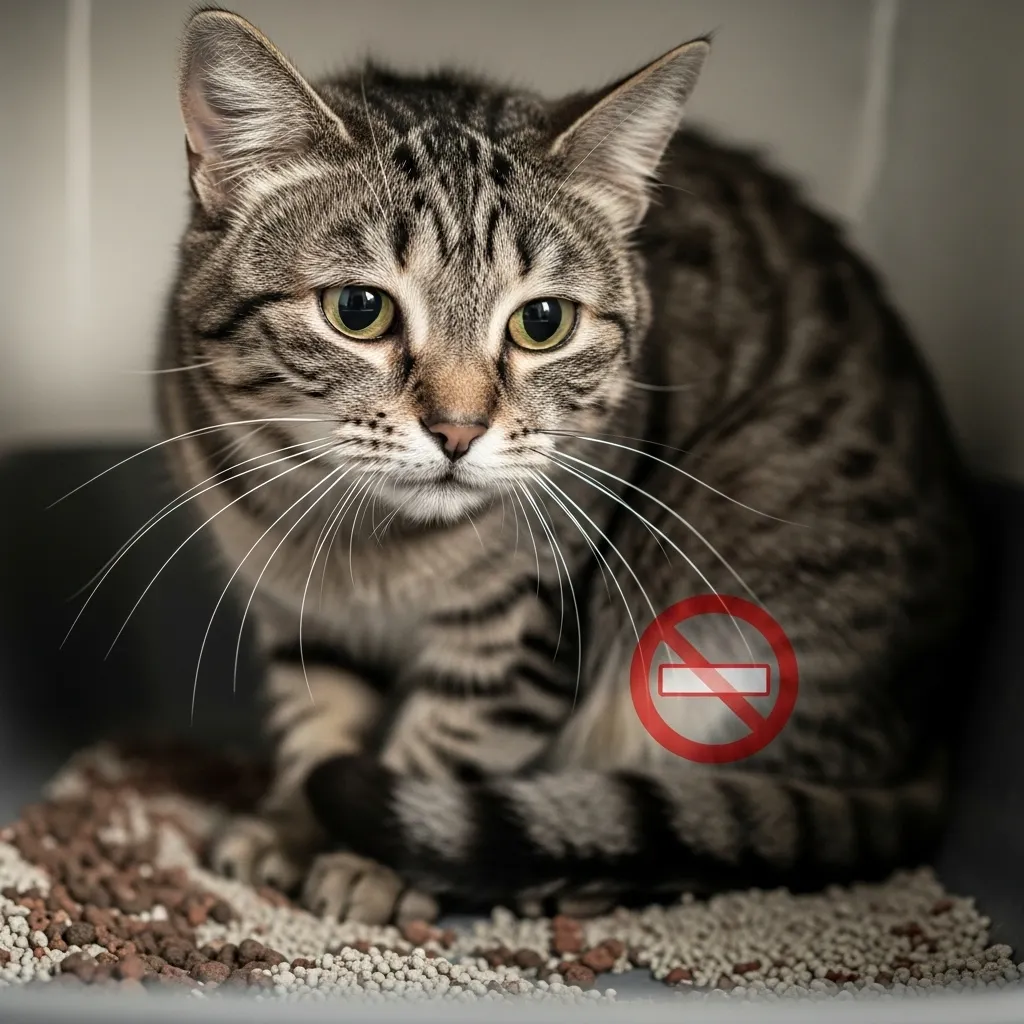
If you notice these signs, don’t wait contact a vet immediately. Learn more about identifying health issues in our cat stress signs guide.
How Much Does It Cost to Treat a Cat Urinary Blockage?
The cost to treat cat urinary blockage varies widely based on location, treatment type, and the severity of the condition. On average, expect to pay $1,000–$4,000 for comprehensive care, including diagnostics, treatment, and follow-up. Here’s a detailed breakdown:
| Service | Average Cost | Details |
|---|---|---|
| Initial Exam & Diagnostics | $100–$300 | Includes physical exam, bloodwork, urinalysis, and X-rays or ultrasound. |
| Urinary Catheterization | $500–$1,500 | Involves sedation, catheter placement, and flushing the urethra. |
| Hospitalization | $500–$2,000 | Covers IV fluids, pain meds, and monitoring for 1–3 days. |
| Surgery (e.g., Perineal Urethrostomy) | $1,500–$3,500 | Required for recurrent blockages; includes anesthesia and post-op care. |
| Medications | $50–$200 | Pain relievers, antibiotics, or anti-spasmodics for recovery. |
| Follow-Up Visits | $50–$150 per visit | Monitoring recovery and preventing recurrence. |
Note: Costs are approximate and vary by region, vet clinic, and case complexity. Urban areas or specialty clinics may charge more.
Factors Affecting Cat Urinary Blockage Costs
- Location: Veterinary costs in cities like New York or Los Angeles are higher than in rural areas.
- Severity: Partial blockages treated early are cheaper than severe cases requiring surgery.
- Clinic Type: Emergency vet clinics charge more than general practices due to 24/7 availability.
- Additional Tests: Advanced diagnostics like ultrasounds or blood panels increase costs.
- Hospitalization Duration: Longer stays for complications raise the bill.
For tips on choosing the right vet, explore our guide on finding the best vet for your cat.
The Treatment Process for Feline Urinary Blockage
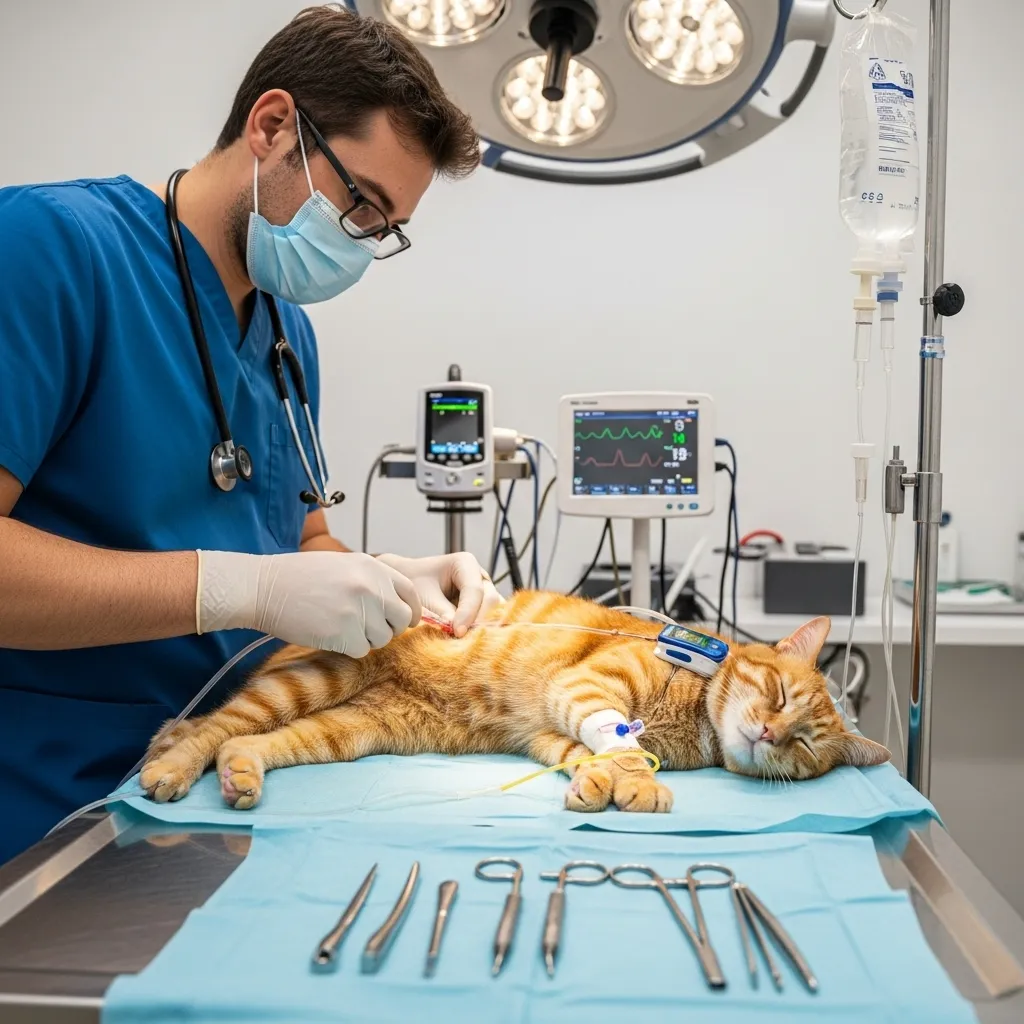
Treating a cat urethral obstruction involves several steps, tailored to the blockage’s cause and severity. Here’s what to expect:
Step 1: Diagnosis
Your vet will:
- Perform a physical exam to feel for a distended bladder.
- Run diagnostics like urinalysis, bloodwork, or imaging to identify the blockage’s cause (e.g., stones or plugs).
- Assess kidney function, as blockages can cause toxin buildup.
Step 2: Immediate Treatment
Most cases require cat urinary catheterization under sedation:
- A catheter is inserted to clear the blockage and restore urine flow.
- IV fluids flush toxins and rehydrate your cat.
- Pain meds and antibiotics address discomfort and potential infections.
Step 3: Hospitalization
Cats typically stay 1–3 days for:
- Monitoring urine output and kidney function.
- Administering fluids and medications.
- Ensuring the blockage doesn’t recur.
Step 4: Surgical Options (if Needed)
For recurring blockages, a vet may recommend a perineal urethrostomy (PU surgery), which widens the urethra to prevent future obstructions. This is more common in male cats with chronic issues.
Step 5: Recovery and Follow-Up
Post-treatment care includes:
- A special diet to prevent crystal formation (e.g., wet food or prescription diets).
- Medications to reduce inflammation or pain.
- Regular vet checkups to monitor urinary health.
For recovery tips, see our cat catheter removal recovery guide.
Breaking Down Treatment Costs: Non-Surgical vs. Surgical
Non-Surgical Interventions and Pricing
Non-surgical treatments are often the first step for feline urinary blockage treatment. These include:
- Cat Urinary Catheterization Cost: $500–$1,500, covering sedation, catheter placement, and flushing.
- Medications: $50–$200 for pain relief, antibiotics, or muscle relaxants.
- IV Fluids: $100–$500, depending on hospitalization length.
- Diagnostics: $100–$300 for initial tests like urinalysis or X-rays.

Non-surgical options are less invasive and cheaper but may not work for severe or recurrent blockages.
Cat Urinary Blockage Surgery Cost
For persistent blockages, cat urinary blockage surgery cost ranges from $1,500–$3,500. This includes:
- Perineal Urethrostomy (PU Surgery): Creates a wider urethral opening to prevent future blockages.
- Anesthesia and Monitoring: Ensures safety during the procedure.
- Post-Op Care: Includes pain management and wound care.
Surgery is a last resort but may be necessary for cats with repeated obstructions. Discuss long-term costs and risks with your vet.
Additional Veterinary Costs to Consider
- Hospitalization for Urinary Blockage: $500–$2,000, depending on the duration and level of care.
- Follow-Up Tests: $50–$150 per visit for urinalysis or bloodwork.
- Prescription Diets: $30–$80/month to prevent recurrence.
- Emergency Vet Fees: Cat emergency vet costs can add $100–$500 for after-hours care.
For more on managing vet visits, check out our cat vet visit schedule guide.
Affordable Care Options for Cat Urinary Blockage
Facing high veterinary costs for cat urinary issues? Here are ways to make treatment more affordable:
- Pet Insurance for Urinary Blockage: Policies covering emergencies can reduce out-of-pocket costs. Compare plans to ensure urinary issues are included.
- Payment Plans: Many vets offer financing through services like CareCredit.
- Low-Cost Clinics: Search for affordable emergency vet near me or nonprofit clinics offering discounted services.
- Preventive Care: Invest in wet food, stress reduction, and regular checkups to avoid costly emergencies.
- Crowdfunding or Charities: Platforms like GoFundMe or pet-specific charities can help cover costs.
Discover more cost-saving tips in our cat adoption guide, which includes advice on budgeting for pet care.
Cat Urinary Blockage Recovery Time
Recovery from a cat urinary blockage depends on the treatment:
- Non-Surgical: Cats may recover in 3–7 days with catheterization, fluids, and meds. Full recovery, including dietary changes, can take 2–4 weeks.
- Surgical: PU surgery recovery takes 7–14 days for initial healing, with full recovery in 4–6 weeks. Cats need restricted activity and close monitoring.
To support recovery, ensure your cat stays hydrated and stress-free. Learn more about hydration in our cat hydration guide.
How to Prevent Urinary Blockage in Cats
Preventing urinary problems in cats saves money and stress. Try these vet-recommended tips:
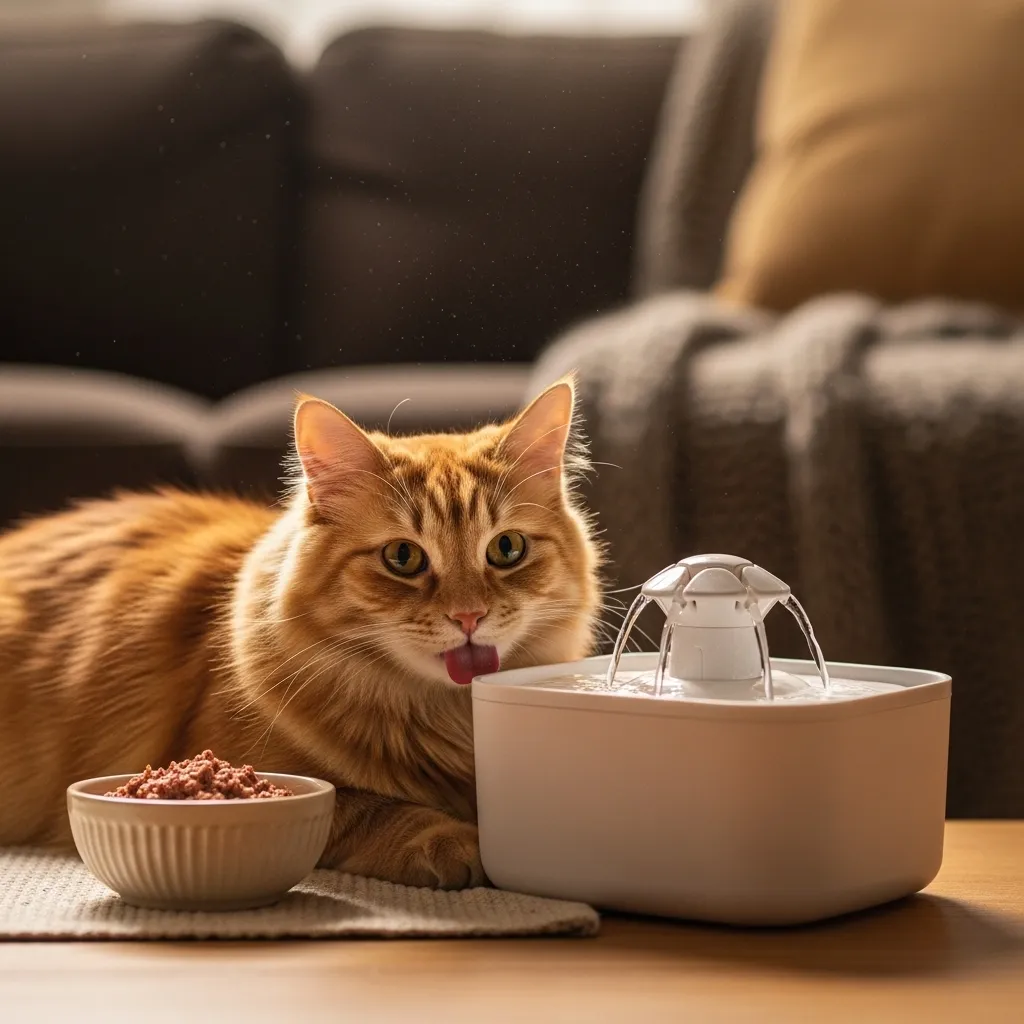
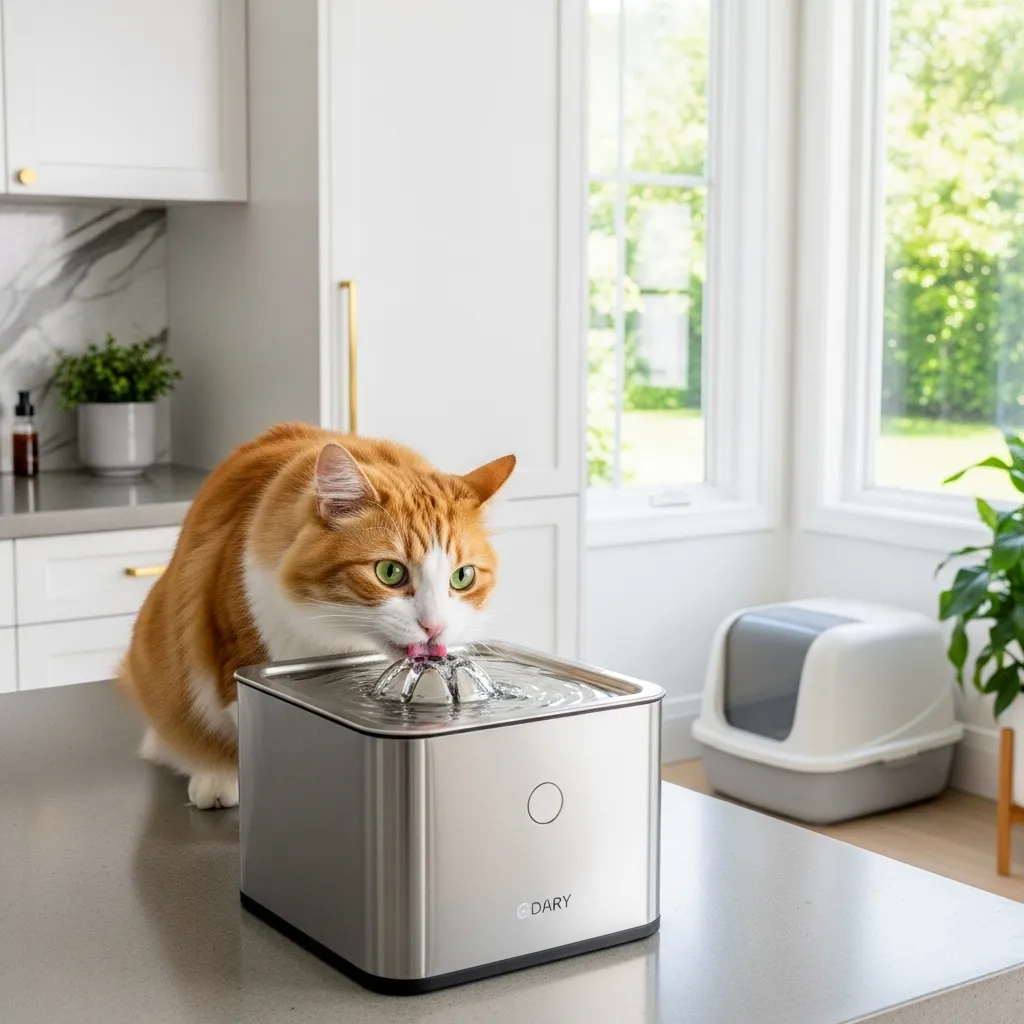
- Increase Water Intake: Use a pet water fountain or add water to wet food to promote urination.
- Feed a Balanced Diet: Choose wet or prescription foods to reduce crystal formation. See our choosing cat food guide for tips.
- Reduce Stress: Provide a calm environment with hiding spots and consistent routines.
- Regular Vet Checkups: Annual exams catch early signs of urinary issues.
- Litter Box Hygiene: Keep boxes clean and accessible to encourage regular urination.
For more on litter box habits, explore our cat litter box frequency guide.
FAQ: Quick Answers to Common Questions
What is a urethral obstruction in cats?
A urethral obstruction is a blockage in a cat’s urethra, preventing urine flow. It’s a life-threatening emergency requiring immediate vet care.
What causes urinary blockages in cats?
Causes include bladder stones, mucus plugs, stress, poor diet, or urinary tract infections.
How can I recognize symptoms of a urinary blockage in my cat?
Look for straining in the litter box, little to no urine, blood in urine, lethargy, or vocalizing in pain.
What is the average cost of treating a cat urinary blockage?
Costs range from $1,000–$4,000, depending on diagnostics, treatment (catheterization or surgery), and hospitalization.
What does the treatment process for feline urinary blockage involve?
It includes diagnostics (urinalysis, imaging), catheterization or surgery, IV fluids, medications, and follow-up care.
What are non-surgical interventions and their pricing?
Non-surgical treatments like catheterization cost $500–$1,500, with medications and fluids adding $150–$700.
How much does urinary blockage surgery cost for cats?
Surgery, like perineal urethrostomy, costs $1,500–$3,500, including anesthesia and post-op care.
Are there additional veterinary costs I should be aware of?
Yes, expect costs for hospitalization ($500–$2,000), follow-ups ($50–$150), and prescription diets ($30–$80/month).
How can I find affordable urinary blockage treatment for my cat?
Consider pet insurance, payment plans, low-cost clinics, or charities. Preventive care also reduces long-term costs.
Conclusion: Take Control of Your Cat’s Urinary Health
A cat urinary blockage is a serious but treatable condition. By understanding the cost to treat cat urinary blockage—from diagnostics to surgery—you can budget wisely and act fast to save your cat’s life. With average costs ranging from $1,000 to $4,000, exploring affordable cat urinary blockage treatment options like pet insurance or low-cost clinics can ease the financial burden. Most importantly, proactive steps like a balanced diet and stress management can prevent future blockages, keeping your feline friend healthy and happy.
Ready to dive deeper into cat care? Explore more expert tips and guides on Cat Bloom Haven to ensure your cat thrives. From cat urinary health to senior cat care, we’ve got you covered!