Cats Trying (and Failing) to Be Sneaky
Every cat owner knows the scene: your feline creeps across the floor with exaggerated slowness, eyes locked on target, body low to the ground. They believe they are masters of stealth, invisible predators. Then… crash. A tail knocks over a lamp, or their paw hits a creaky floorboard. The mission fails spectacularly.
Cats trying (and failing) to be sneaky ranks among the most endearing and hilarious behaviors our companions display. These moments remind us that beneath the cool exterior lives a creature driven by instinct, yet hilariously outmatched by everyday household physics and their own anatomy.
In this guide, we’ll explore why cats attempt these stealth operations, the common ways they spectacularly fail, the science and instincts behind it all, and how to turn these fails into fun bonding opportunities. You’ll get practical tips, real examples, and plenty of laughs along the way.
Key Takeaways: Why Cats’ Sneaky Attempts Often End in Comedy
- Instinct drives cats to stalk and hide, rooted in hunting and survival.
- Physical traits like upright tails, fluffy bodies, and poor spatial judgment sabotage their efforts.
- Failures usually stem from overconfidence, environmental factors, or simple feline biology.
- These moments strengthen the human-cat bond through shared humor.
- Enrichment and play can channel this energy positively.
Why Do Cats Even Try to Be Sneaky?
Cats are natural-born hunters. In the wild, stealth means survival: stalking prey without detection, avoiding larger threats. Domestic cats retain this drive, even when the “prey” is a toy mouse, your feet under the blanket, or that forbidden snack on the counter.
Experts note that sneaking satisfies deep instincts. Cats move quietly to conserve energy and maintain the element of surprise. Yet indoor life flips the script. No real danger exists, so their attempts become playful or attention-seeking.
Sometimes, sneaking signals boredom. An understimulated cat invents missions. Other times, it’s affection disguised as mischief: stalking you for a pounce-hug.
The Top Reasons Cats Fail at Being Sneaky (And Why It’s Hilarious)
Cats overestimate their invisibility. Here are the most common culprits behind the fails.
1. The Telltale Tail
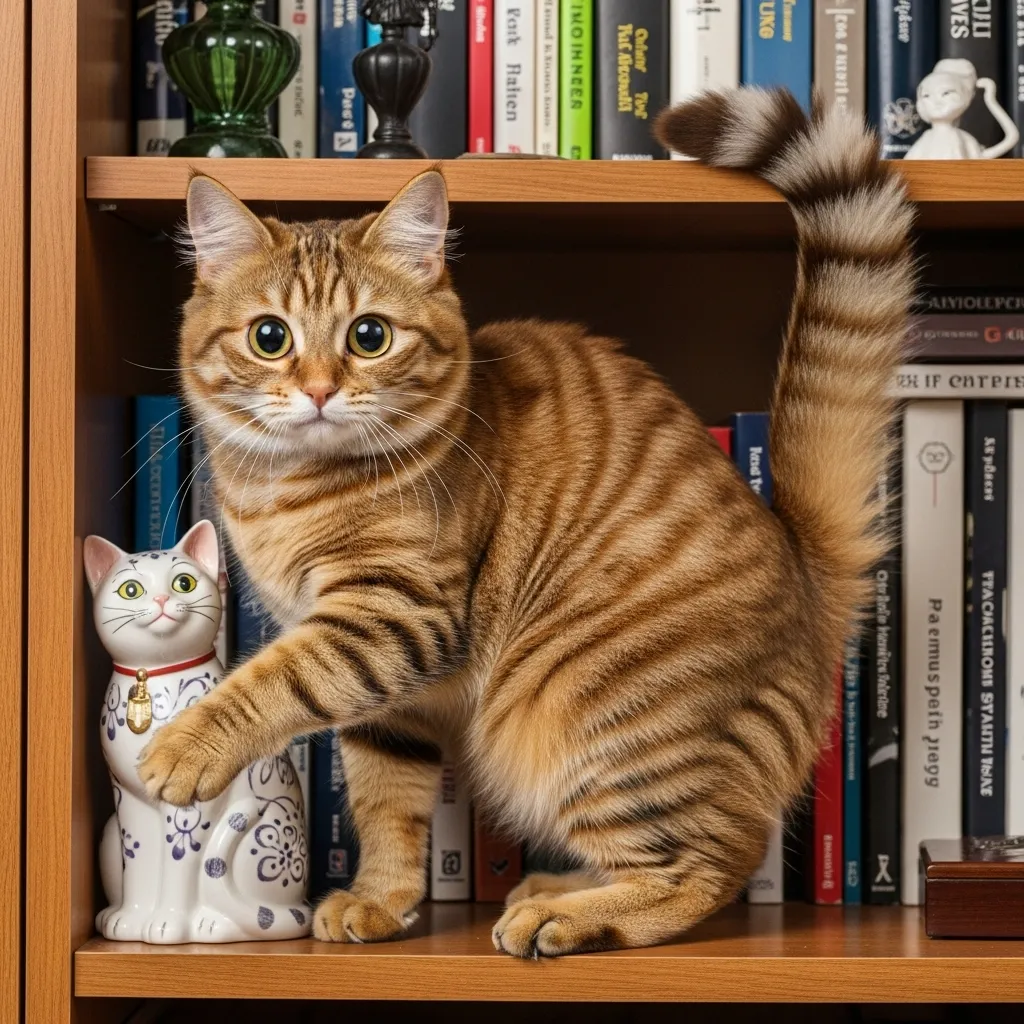
A cat’s tail often stays upright or twitches during excitement. In hunting mode, it should stay low, but emotion betrays them. That fluffy antenna waves like a flag.
Many owners report their cat “sneaking” toward a laser dot, tail high and proud, giving away position instantly.
2. The “I’m Invisible” Box Illusion
Cats love small spaces. They squeeze into boxes, bags, or behind curtains, convinced they’re hidden. But the rest of their body sticks out. Larger breeds like Maine Coons suffer most – their size turns tiny hiding spots into comedy.
One viral example shows a cat cramming into a shoebox, head and front paws inside, while the back half and tail remain fully exposed.
3. The Accidental Crash
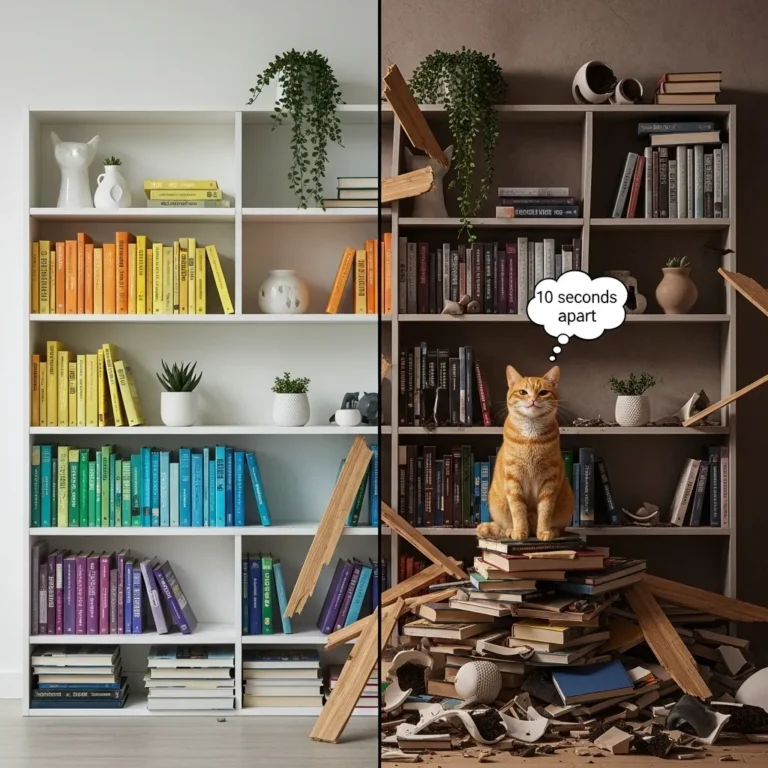
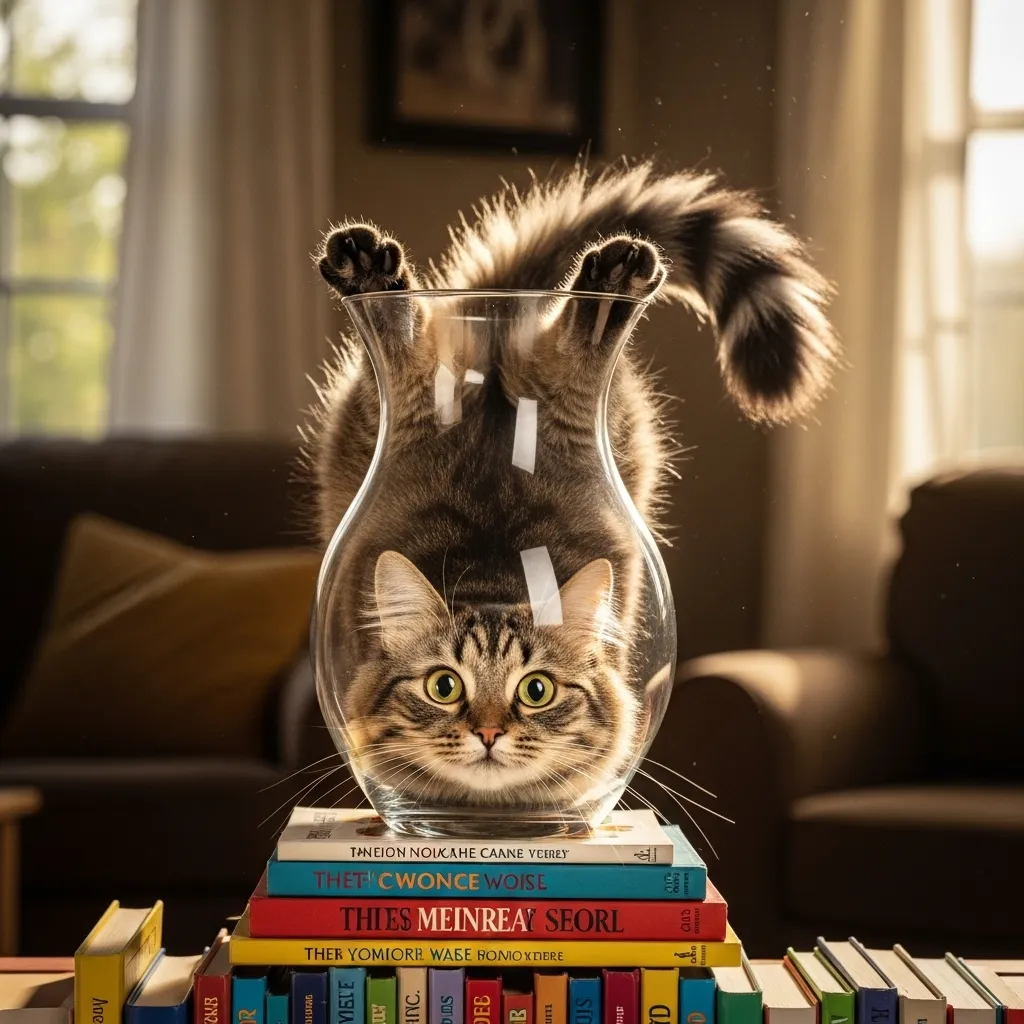
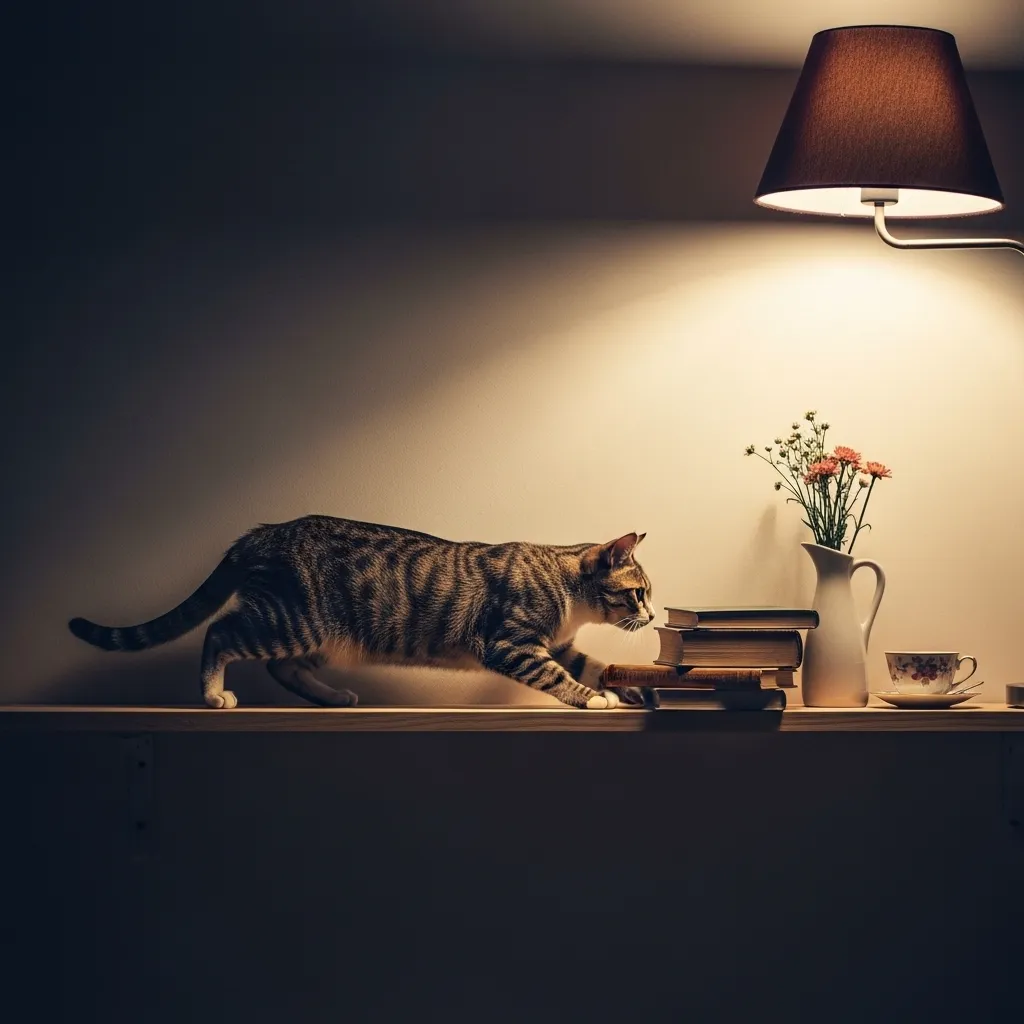
Cats creep slowly… until they don’t. A paw hits a loose object, or they misjudge distance. The result? A knocked-over plant, sliding stack of books, or startled human.
This ties to their focus: intense concentration on the target makes them oblivious to surroundings.
4. The Overconfident Stalk
Cats often stalk in plain sight. They freeze mid-step, thinking motionlessness equals invisibility. But humans notice the frozen statue with glowing eyes.
This behavior echoes wild hunting: freeze, assess, pounce. Indoors, it just looks silly.
5. The Belly Drag Fail
Some cats low-crawl like commandos. Their belly fur drags, making noise, or their legs splay awkwardly. It’s effortful and rarely subtle.
6. The Mirror or Reflection Confusion
Cats sometimes stalk their own reflection, convinced it’s another cat. They creep up, only to pounce on glass.
Real-Life Examples That Will Make You Laugh
From online compilations to personal stories, these fails are universal.
One cat attempts a ninja leap onto a counter for treats but lands in a bowl of water. Splash.
Another hides behind a thin plant, tail fully visible, waiting to ambush a roommate.
Videos show cats “sneaking” up on sleeping dogs, only to sneeze or hiccup at the last second.
These aren’t rare. Cat owners share thousands of similar stories every year.
The Science Behind the Stealth (and the Fails)
Cats move with precision. Their soft paws and flexible spines allow quiet steps. But stealth costs energy. Studies show cats prioritize balance and silence over efficiency, unlike dogs.
This high-cost movement works in short bursts for hunting. Indoors, prolonged sneaking leads to fatigue and mistakes.
Anatomy plays a role too. Forward-facing eyes give excellent depth perception for pouncing, but peripheral vision isn’t perfect. They miss side obstacles.
Whiskers help navigate tight spaces, yet excitement overrides caution.
How to Encourage Healthy Sneaky Play (Without the Chaos)
Channel instincts positively.
- Interactive toys: Wand toys mimic prey, satisfying stalking urges.
- Puzzle feeders: Hide treats to engage hunting skills.
- Cat trees and shelves: Vertical spaces for ambushing.
- Play sessions: Schedule 15-minute games daily to burn energy.
These reduce destructive sneaking and strengthen your bond.
When Sneaky Behavior Signals Something Else
Most fails are harmless fun. But excessive hiding or sudden stealth changes can indicate stress, pain, or illness. If your cat hides more than usual, consult a vet.
FAQ: Common Questions About Cats Trying (and Failing) to Be Sneaky
Why does my cat sneak up on me?
Usually play or affection. They enjoy the surprise pounce and your reaction.
Do all cats fail at being sneaky?
Most do indoors. Their instincts clash with modern environments.
Is it normal for cats to knock things over while sneaking?
Yes. It’s common when focus overrides awareness.
How can I stop my cat from sneaking into forbidden areas?
Provide alternatives like perches or toys. Use positive redirection.
Why do cats think they’re hidden when they’re not?
Object permanence and self-perception differ in cats. They prioritize their view over yours.
Final Thoughts
Cats trying (and failing) to be sneaky capture everything we love about them: instinct, confidence, and pure goofiness. These moments turn ordinary days into stories we share and laugh about for years.
Next time your cat attempts a stealth mission, grab your phone. The fail might be viral-worthy.
For more laughs and expert cat care tips, explore the full collection of funny cat memes and behavior guides on Cat Bloom Haven. Discover relatable reads like our hilarious-cat-memes or cat-chaos-memes-2025, and deepen your bond with your furry friend today.