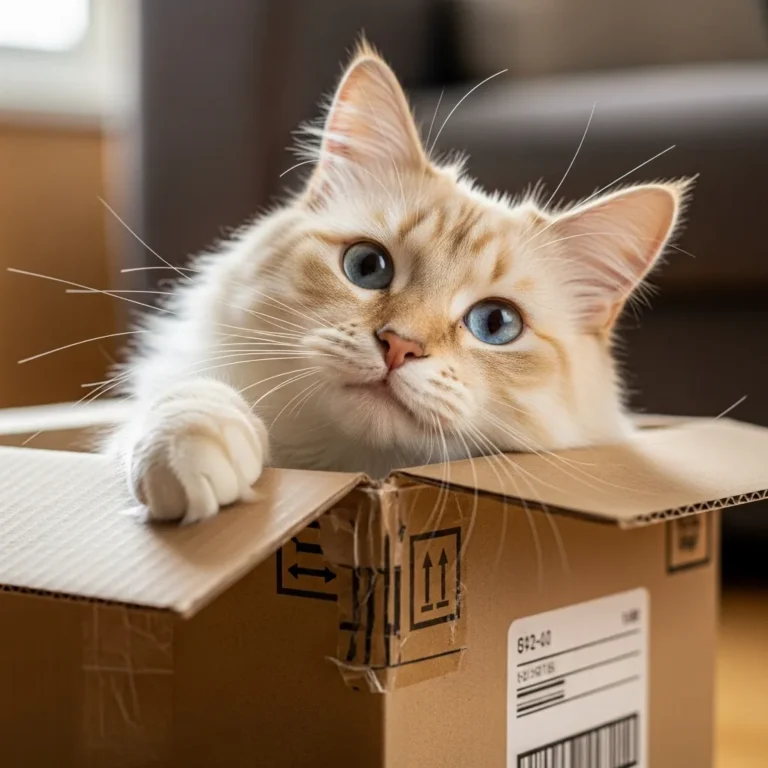
The Feline CEO of Your Home: Decoding Cats Who Act Like They Run the House
Key Takeaways:
- Cats don’t just “act” like they run the house their territorial nature, social structure, and communication methods inherently position them as the resident authority.
- Dominant feline behaviors, from door guarding to “loafing” on your laptop, are rooted in instinct, not spite.
- Understanding the “why” behind these behaviors territory, security, social bonds is the key to harmonious cohabitation.
- You can lovingly establish household routines and boundaries without breaking your cat’s confident spirit.
- This dynamic is a sign of a secure, healthy cat who views your home as their rightful domain.
We’ve all been there. You settle into your favorite armchair, only to be met with a slow, judgmental blink from the cat who was there first. You try to work, but a furry body sprawls across your keyboard, declaring a mandatory petting session. You fill a food bowl to the precise specifications, only to receive a dismissive tail flick. Welcome to life with a cat who acts like they run the house. But here’s the secret: in their mind, they’re not acting. From their perspective, the deed is signed, the title is clear, and you are the fortunate if somewhat clumsy staff.
This isn’t about a “naughty” pet. This is a fascinating display of feline psychology, a complex interplay of instinct, communication, and social bonding. The cat perched on the highest shelf isn’t just being aloof; they’re surveying their kingdom. The one who leads you to their empty bowl isn’t just hungry; they’re directing resources. They are the miniature CEOs of our homes, managing security, resources, and staff (that’s us) with quiet, unwavering assurance.
In this deep dive, we’ll move beyond the funny memes to understand the why. We’ll decode the behaviors that signal a cat in charge, explore the instinctual roots of their “bossiness,” and offer expert-backed strategies for living in blissful harmony with your feline overlord. Because the goal isn’t to demote them it’s to become their most trusted and appreciated executive assistant.
The Blueprint of a Feline Executive: Instincts That Dictate Behavior
To understand the cat who runs the house, we must first go back to the wild blueprint. Domestic cats, despite our cozy couches, retain the core instincts of their solitary-hunting ancestors. Their behavior is a sophisticated system for survival, translated into a domestic setting.
1. The Territory Imperative:
For a cat, territory isn’t just where they live; it’s an extension of their security and identity. Unlike pack animals, cats are solitary survivors who must control their resources. Your home is their absolute territory. Every piece of furniture, every sunbeam, every corner is mapped in their mind as theirs to control, patrol, and defend. This is why they guard bedroom doors or stare intently out windows they are monitoring the borders of their realm.
2. The Social Hierarchy Paradox:
Cats are not truly hierarchical like dogs (with clear alpha/beta roles), but they are masters of resource control. The cat who “runs the house” is often the one who feels most secure controlling the prime resources: the best sleeping spot (your pillow), the food source (you, the provider), and the attention. Their confidence allows them to claim these without conflict. In multi-cat households, this dynamic becomes more pronounced, with subtle negotiations determining who gets the sunny windowsill. For insights into smooth introductions, see our guide on cat accept kitten guide.
3. Communication is Command:
Cats communicate their status and needs constantly, but on their terms. A slow blink from a lofty perch isn’t just cute; it’s a sign of trust and possession “I am comfortable enough here to close my eyes in your presence.” A headbutt (or bunting) deposits pheromones from scent glands on their face, literally marking you and objects as “theirs.” Even a cat who brings you socks or toys isn’t just playing; they may be contributing to the shared resources of their colony (your family) or teaching you, their less-skilled hunter, how it’s done.
The Daily Briefing: Behaviors of a Cat in Charge
How does this instinctual blueprint translate to daily life? Here are the unmistakable signs your cat is the managing director.
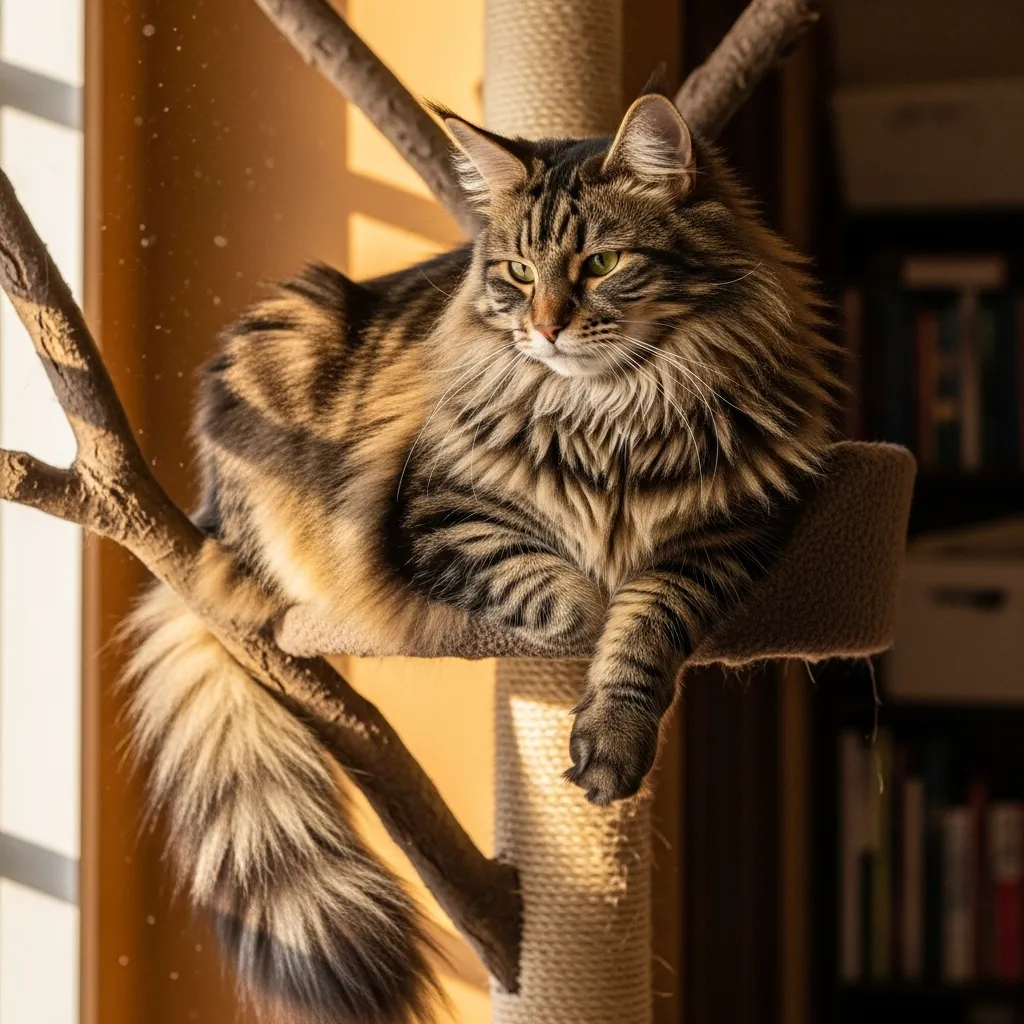
The Strategic Loaf: This isn’t just napping. A cat who plops down in the exact center of the hallway, the kitchen floor, or your paperwork is controlling the flow of traffic. They are a furry roadblock, ensuring all movement happens on their terms. Discover more about their quirky habits in why cats like sinks.
The Executive Door Guard: Whether it’s the bathroom or bedroom, a cat sitting sentinel by a door is managing access. It’s a blend of curiosity (“What resources are in there?”), territorial control (“This is my barrier”), and sometimes, separation anxiety (“My staff should be visible”).
The Resource Manager (Food & Water): The cat who acts like they run the house doesn’t just eat; they inspect, demand, and critique. They may lead you to the bowl, meow at specific times, or paw at smooth surfaces near their food. This is resource solicitation directing you, their staff, to maintain supplies. Some may even try to stop cat eating other cats food in multi-pet households, asserting control over distribution.
The Supreme Nap Coordinator: The choice of sleeping location is a power move. Your laptop? It’s warm and it halts your work, directing attention to them. Your pillow? It smells most strongly of you, their favorite resource. A cat sleeping pressed against you is the ultimate sign of claiming and bonding.
The Unignorable Meeting Requester (The 5 AM Yell): This classic behavior is peak executive management. Your cat isn’t “waking you up.” They are conducting a dawn patrol, ensuring their staff is awake, securing breakfast service, and confirming their territory is intact after the night. It’s a stark contrast to a cat who lost its voice, which signals a different issue entirely.

The Psychology Behind the Throne: It’s Not Spite, It’s Security
It’s crucial to frame these behaviors correctly. A cat who acts like they run the house is, paradoxically, a cat who feels incredibly secure in that house. Their “bossiness” is a sign of deep-seated comfort. They are not anxious or fearful; they are confident in their ownership and their relationship with you.
Confidence vs. Anxiety: Anxious cats hide, over-groom, or exhibit sudden cat aggression. A confident “boss cat” takes up space, initiates interaction, and moves with purpose. Their actions are proactive, not reactive.
The Bond of “Staff”: When your cat headbutts you, follows you, or sleeps with their bum towards you, it’s a sign of ultimate trust. You are part of their inner circle, their most trusted resource. They are not giving you the cold shoulder; they trust you to watch their back. This is a core component of the feline-human bond.
The Need for Environmental Control: At its heart, all this “running the house” is about predictability and control. Cats are creatures of habit who thrive on routine. By “dictating” feeding times, nap locations, and human activity, they create a stable, low-stress world. This is why changes can be so disruptive, leading to behaviors like cat peeing everywhere.
Negotiating a Peace Treaty: How to Live in Harmony with Your Feline Executive
You don’t need to stage a coup. The goal is respectful co-management. Here’s how to meet your cat’s needs for control while maintaining your sanity.
1. Provide Abundant “Controllable” Resources:
- Vertical Territory: Install shelves, cat trees, and perches. The cat who can survey from up high feels secure and in charge without being underfoot. Explore cat wall climbing setups for ideas.
- Multiple Stations: Have more than one litter box, water bowl, and sleeping area. This prevents resource guarding and gives them choices, satisfying their managerial instincts.
- Predictable Routines: Feed, play, and groom at consistent times. A predictable staff is a good staff. This can even help with issues like cat hyperactivity at night.
2. Communicate on Their Terms:
- Respect the Slow Blink: Return it. It’s a conversation that says, “I acknowledge your authority, and we are at peace.”
- Let Them Initiate: Don’t force cuddles. Let the cat come to you for petting. This allows them to control the social interaction.
- Learn Their “Tells”: Understand the difference between a demand meow and a distress meow. Is their tail twitching in irritation or swishing in play? Recognizing cat tail language is key.
3. Redirect, Don’t Punish:
- If they scratch the couch, don’t yell. Provide a superior, strategically placed scratching post and use pheromone sprays on the furniture. Learn how to stop cats scratching furniture.
- If they wake you at 5 AM, ignore them. Do not feed or engage. Invest in an automatic cat feeder to disassociate you from the food delivery.
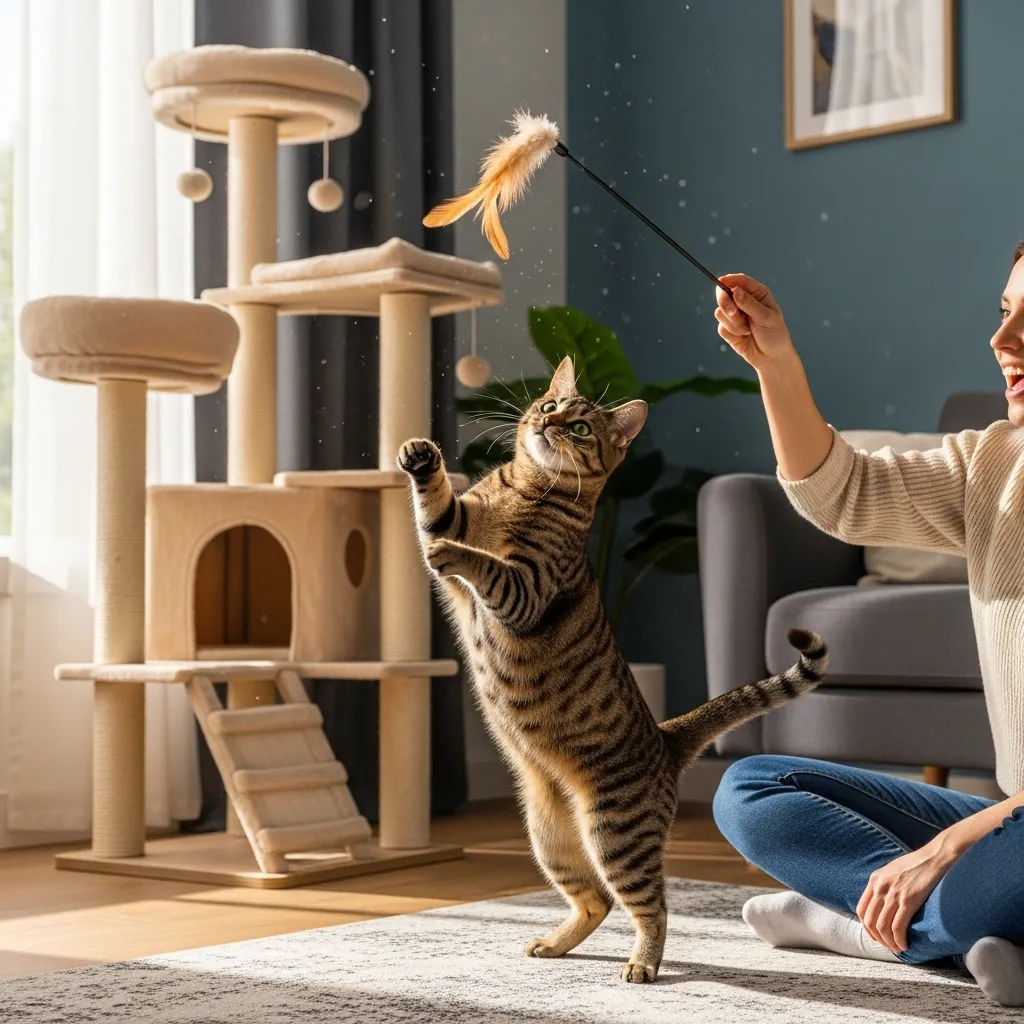
- Use play, not punishment, to modify behavior. A tired cat from a good play session is a less “demanding” manager.
4. Enrich Their Kingdom:
A bored CEO will micromanage. Provide puzzle feeders, regular interactive play sessions (simulating the hunt), and novel experiences like cat-safe plants or window perches. Enrichment is critical for all cats, especially energetic breeds like the Bengal.
When “Bossiness” Crosses a Line: Signs to Watch For
While confidence is healthy, certain behaviors can signal underlying stress, pain, or illness. It’s important to distinguish normal “running the house” from problematic conduct.
- Sudden Changes: If a normally confident cat becomes clingy, hides, or shows sudden aggression, consult a vet. Pain from conditions like cat arthritis can manifest as irritability.
- Resource Aggression: Hissing, swatting, or blocking other pets or people from food, beds, or litter boxes consistently is a problem that may need professional behavioral intervention.
- Over-Grooming or Elimination Issues: A cat who feels their territory is threatened (by a new pet, construction, etc.) may start over-grooming or peeing outside the box. These are distress signals, not dominance.
- Excessive Vocalization: While some demand meowing is normal, constant, distressed yowling, especially in senior cats, can indicate cognitive decline, hyperthyroidism, or other issues. Compare with cat crying at night for context.
Always rule out medical causes first with a visit to a trusted vet. You can find guidance on finding the best vet for your cat.
Conclusion: Embracing the Feline Partnership
The cat who acts like they run the house is offering you a unique partnership. They have chosen you to share their territory, trusting you with their security and well-being. Their “commands” are simply their way of communicating needs and maintaining a stable, predictable world a world they generously let you live in.
By understanding the instinctual roots of their behavior the territorial imperatives, the communication methods, the need for controlled resources we can shift from seeing a demanding pet to appreciating a confident, secure companion. We can provide the right environment, communicate respectfully, and meet their needs, transforming a power struggle into a peaceful, mutually respectful cohabitation.
So, the next time your cat commandeers your chair or delivers a pre-dawn briefing, remember: you’re not being managed by a pet. You’re living in the well-run kingdom of a tiny, magnificent creature who considers you the most important part of their domain.
Ready to deepen your understanding of your feline overlord’s mind and needs? Explore our library of expert behavior, care, and breed guides at Cat Bloom Haven. From decoding cat sitting positions to choosing the best beds for your particular boss, we’re here to help you be the best staff possible.
Frequently Asked Questions (FAQ)
Q: Is my cat dominant or just confident?
A: True dominance in cats is less about social rank and more about resource control. A confident, secure cat will claim prime resources (best spots, your attention) without aggression. “Dominant” aggression (blocking, fighting) is often rooted in fear or insecurity, not healthy confidence.
Q: How can I stop my cat from waking me up at 5 AM?
A: Completely ignore the behavior no talking, touching, or feeding. Use an automatic feeder for breakfast. Ensure they have a stimulating evening play session and provide quiet, solo toys for dawn. Consistency is key.
Q: Why does my cat sit on my laptop/paperwork/book?
A: They are seeking your attention (warmth + your focus), marking the object with their scent, and controlling your activity. It’s the ultimate “notice me” power move from a creature who wants to be your priority.
Q: Is it bad that my cat acts like they run the house?
A: Generally, no. It’s a sign of a secure, happy cat who feels completely at home. It only becomes a problem if the behaviors are stressful for you, destructive, or accompanied by aggression or anxiety signs.
Q: Can I train my cat to be less “bossy”?
A: You can’t train out their instinct, but you can manage the expression. Provide ample outlets for their control (vertical space, puzzles, routines) and use positive reinforcement to reward calm, independent behavior. It’s about co-management, not submission. For training insights, see how to train a cat without punishment.