Cats Interrupting Daily Life: Why They Do It and How to Embrace the Chaos
Key Takeaways
- Cats interrupt daily activities as a form of communication, not just mischief
- Most interruptions stem from instinctual needs for attention, food, or stimulation
- Understanding your cat’s motivation helps you respond appropriately
- Strategic environmental changes can reduce unwanted interruptions
- Many interruptions strengthen the human-cat bond when viewed differently
Introduction
Your video call with an important client just hit the critical moment. Then a warm body plants itself directly between your face and the camera. A tail sweeps across the keyboard. A loud meow demands attention right now.
Cats interrupting daily life is a universal experience for cat owners. Whether you work from home, try to read a book, or attempt to eat a meal in peace, your feline companion has their own timeline. Their priorities rarely align with yours.
But here’s what most articles won’t tell you: these interruptions aren’t random acts of chaos. They follow patterns. They communicate specific needs. And once you understand why your cat interrupts, you can actually reduce the frequency while deepening your connection.
This guide draws on feline behavior science and practical experience to help you navigate life with a cat who believes your attention belongs to them. We’ll explore why cats interrupt, what they’re really saying, and how to create harmony without losing your sanity.
Why Cats Interrupt: The Psychology Behind the Behavior
Cats don’t interrupt to annoy you. They interrupt because something in their world needs addressing. Understanding the motivation transforms frustration into insight.
Instinctual Drives
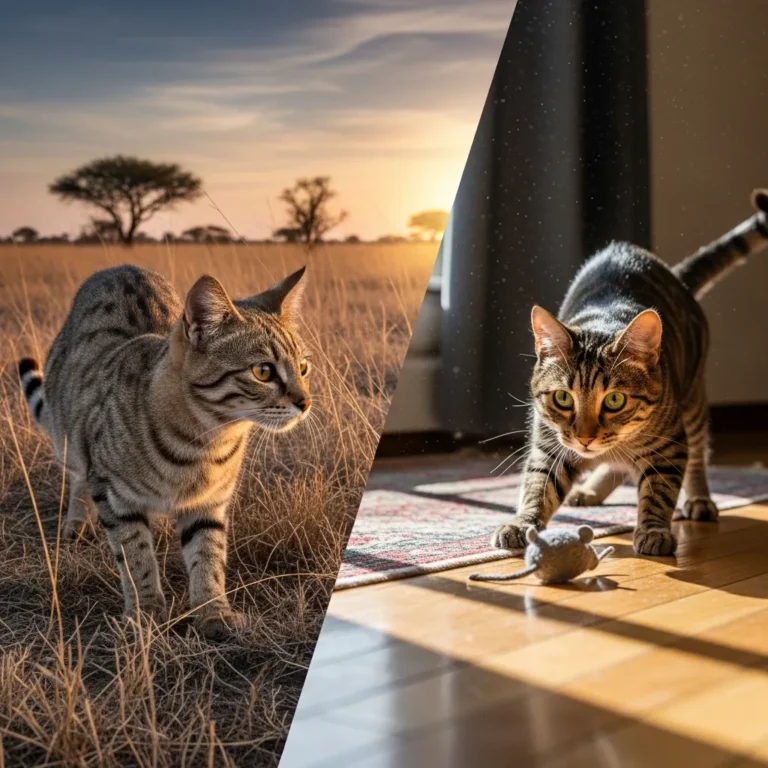
Your domestic cat carries the wiring of a solitary hunter. In the wild, survival depends on seizing opportunities immediately. When your cat sees you sitting still, their instinct says: “This is the moment. Engage now.”
This explains why cats often interrupt during focused activities. Your stillness signals availability. Your cat doesn’t understand that typing an email requires concentration. They see a motionless human who could be petting them instead.
Learned Associations
Cats learn quickly. If meowing gets you out of bed, they’ll meow. If jumping on your laptop gets a reaction, they’ll jump. Even negative reactions count as attention.
Your cat doesn’t distinguish between “good” attention and “frustrated” attention. They only know that a particular behavior made you respond. This creates cycles that can feel impossible to break.
Social Bonding
For cats, being near you is bonding time. Sitting on your keyboard isn’t about blocking your work. It’s about being as close as physically possible to their favorite human. Your lap, your chest, and yes, your laptop all smell like you. These spots carry your scent and your warmth.
When your cat interrupts, they’re often saying: “I want to be with you right now.”
The Most Common Ways Cats Interrupt Daily Life
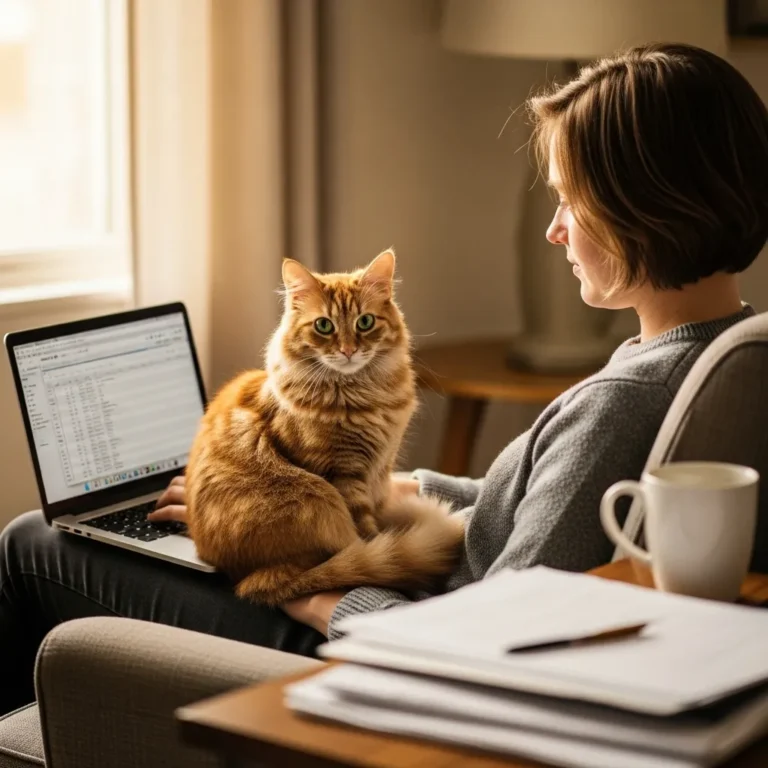
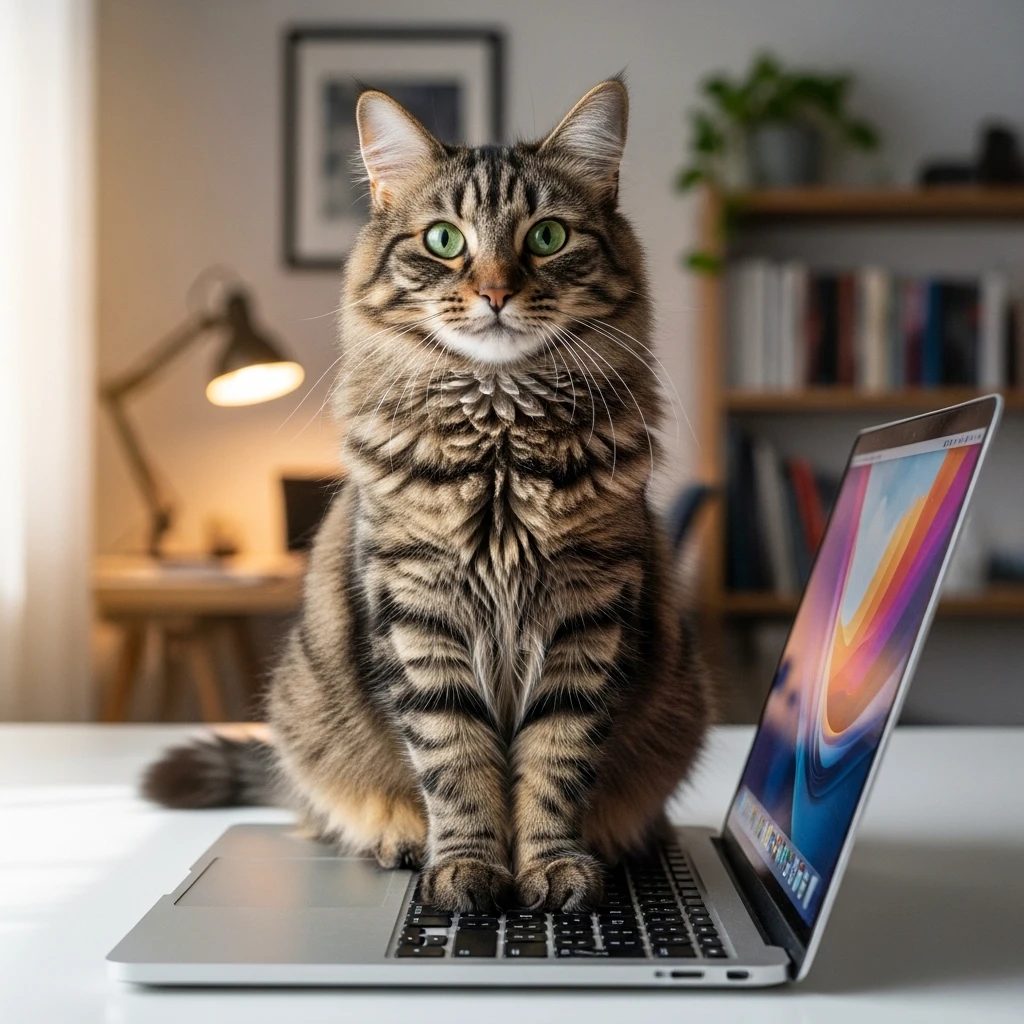
1. The Keyboard Invasion
You sit down to work. Within seconds, a cat appears and walks across your keyboard. They might sit directly on it, occasionally tapping keys with apparent purpose.
This happens because:
- Keyboards are warm from use
- Your hands are there, and cats want to be near your hands
- The clicking sounds interest them
- You’re focused on something other than them
Explore more: For a lighter take on this behavior, check out our cat laptop meme 2025 collection.
2. The Morning Wake-Up Call
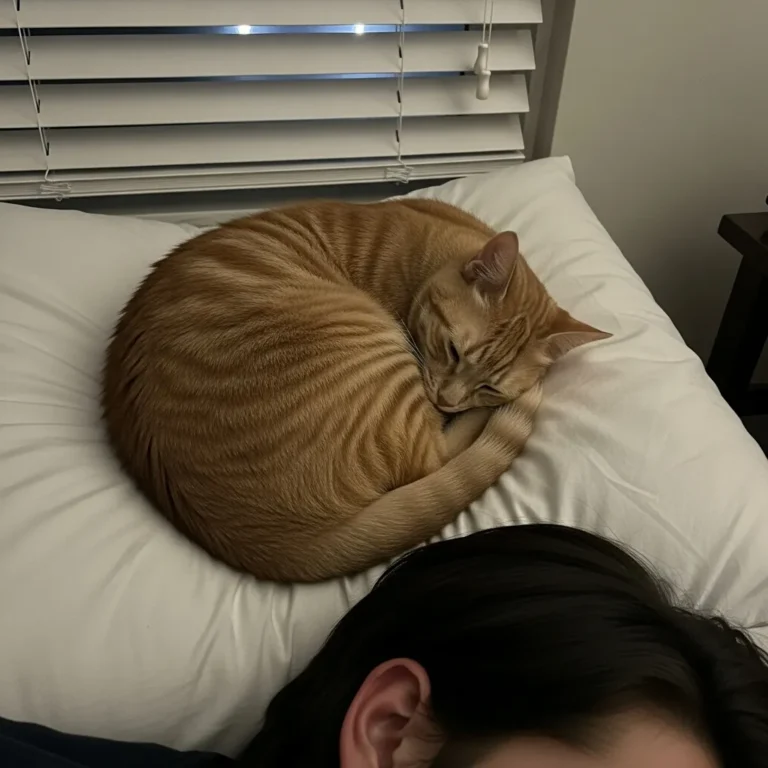
Your alarm hasn’t gone off. But your cat has. They might paw at your face, knock items off your nightstand, or sing the song of their people at full volume.
Cats are crepuscular, meaning most active at dawn and dusk. Your 5 AM wake-up call aligns with their natural hunting schedule. They’re not trying to ruin your sleep. They’re wondering why you’re not joining them for the morning hunt.
3. The Meeting Cameo
Remote work has given cats a global audience. Your cat doesn’t understand that the rectangle you stare at contains real humans. They only know you’re talking, and they want to participate.
Some cats insert themselves into every video call. Others wait for the exact moment you unmute to announce their presence. This isn’t coincidence. Cats sense shifts in your attention and energy. They respond accordingly.
Related: Our funny cat memes working from home captures these moments perfectly.
4. The Meal Interruption
You prepare food. Your cat appears. You sit to eat. Your cat stares. You take a bite. A paw reaches for your plate.
Food interruption stems from several factors:
- Your cat smells something interesting
- They’ve learned that human food sometimes gets shared
- They want to be part of your activity
- Their own bowl might be empty
5. The Bathroom Audience
Few cat owners experience privacy. Your cat may scratch at the door, slide paws underneath, or simply walk in and make themselves comfortable while you use the bathroom.
This behavior relates to vulnerability. In the wild, elimination is when animals are most exposed. Your cat guards you during this time. They’re not being weird. They’re protecting you.
6. The Book or Phone Barrier
You try to read. Your cat sits on the book. You check your phone. Your cat headbutts it out of your hand. Anything that diverts attention from them becomes the enemy.
Cats interpret focused attention on objects as competition. Your book, phone, or tablet steals your gaze. They want your gaze back.
Decoding Your Cat’s Interruption Style
Not all interruptions mean the same thing. Learning to read your cat’s specific signals helps you respond appropriately.
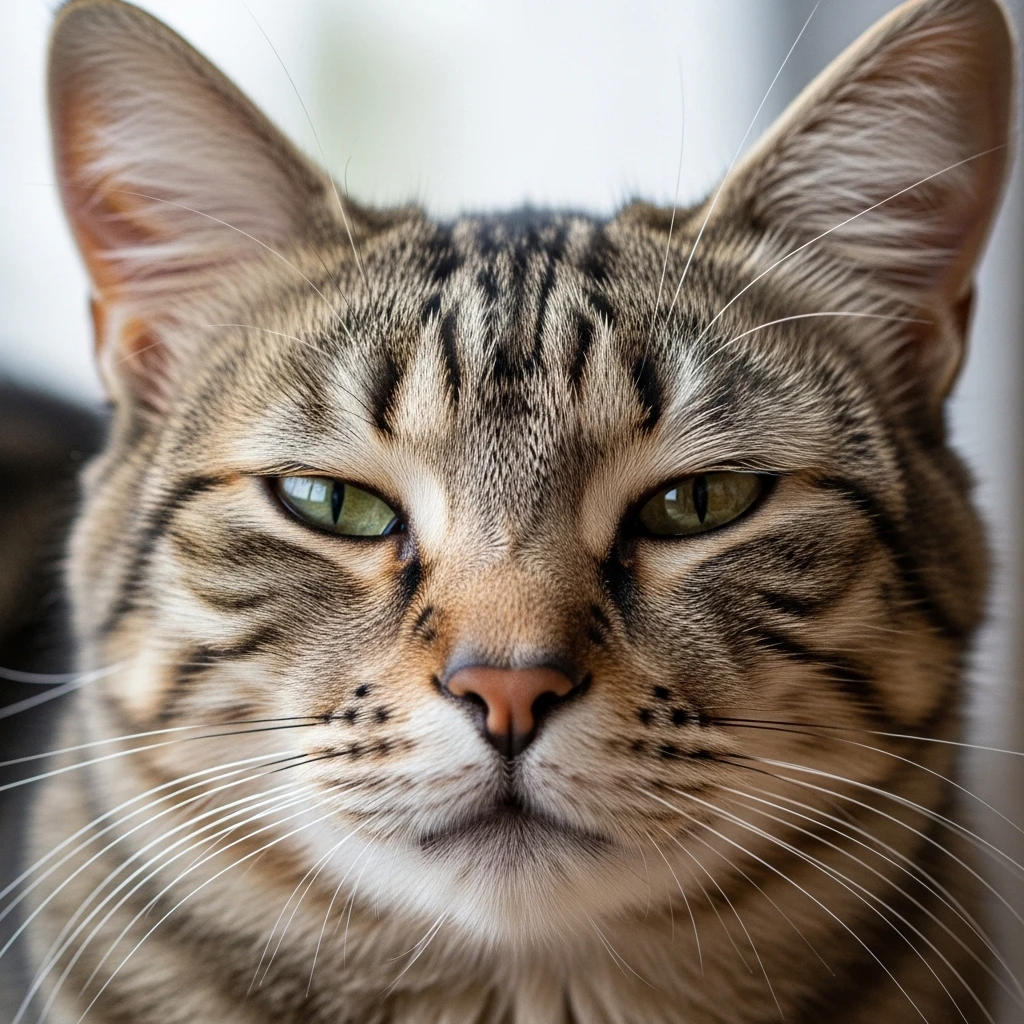
The Attention Seeker
Signs: Purring, kneading, rubbing against you, settling on your lap or work surface
Message: “I want connection right now”
Best response: Give 2-3 minutes of focused attention, then redirect
The Hunger Signal
Signs: Leading you toward the kitchen, meowing near food bowls, pawing at cabinets
Message: “My bowl needs attention”
Best response: Check food and water. If supplied, offer play instead of food to break the association
The Boredom Statement
Signs: Knocking items off surfaces, attacking your feet, zooming around the room
Message: “I have energy to burn and nothing to burn it on”
Best response: Initiate active play with wand toys or laser pointers
The Comfort Request
Signs: Kneading on soft surfaces, settling on your chest or lap, purring loudly
Message: “I feel safe with you and want to rest here”
Best response: If timing allows, enjoy the moment. If not, gently move them to a nearby cozy spot
The Instinctual Urge
Signs: Staring at walls, chattering at birds, sudden intense focus
Message: “My hunting instincts are activated”
Best response: Provide window access or engage in hunting-style play
How to Reduce Unwanted Interruptions Without Damaging Your Bond
The goal isn’t to stop your cat from interacting with you. The goal is to shift the timing and method of their interactions to moments that work for both of you.
Establish Predictable Routines
Cats thrive on predictability. When they know when attention comes, they’re less likely to demand it randomly.
Create routines around:
- Morning play sessions before work
- Midday check-ins (even just 5 minutes)
- Evening wind-down time together
- Pre-bed play to reduce night activity
Consistency matters more than duration. A reliable 10-minute play session beats an unpredictable 30-minute session every time.
Create Satisfying Alternatives
Your cat interrupts because you’re the most interesting thing in their environment. Make other things interesting too.
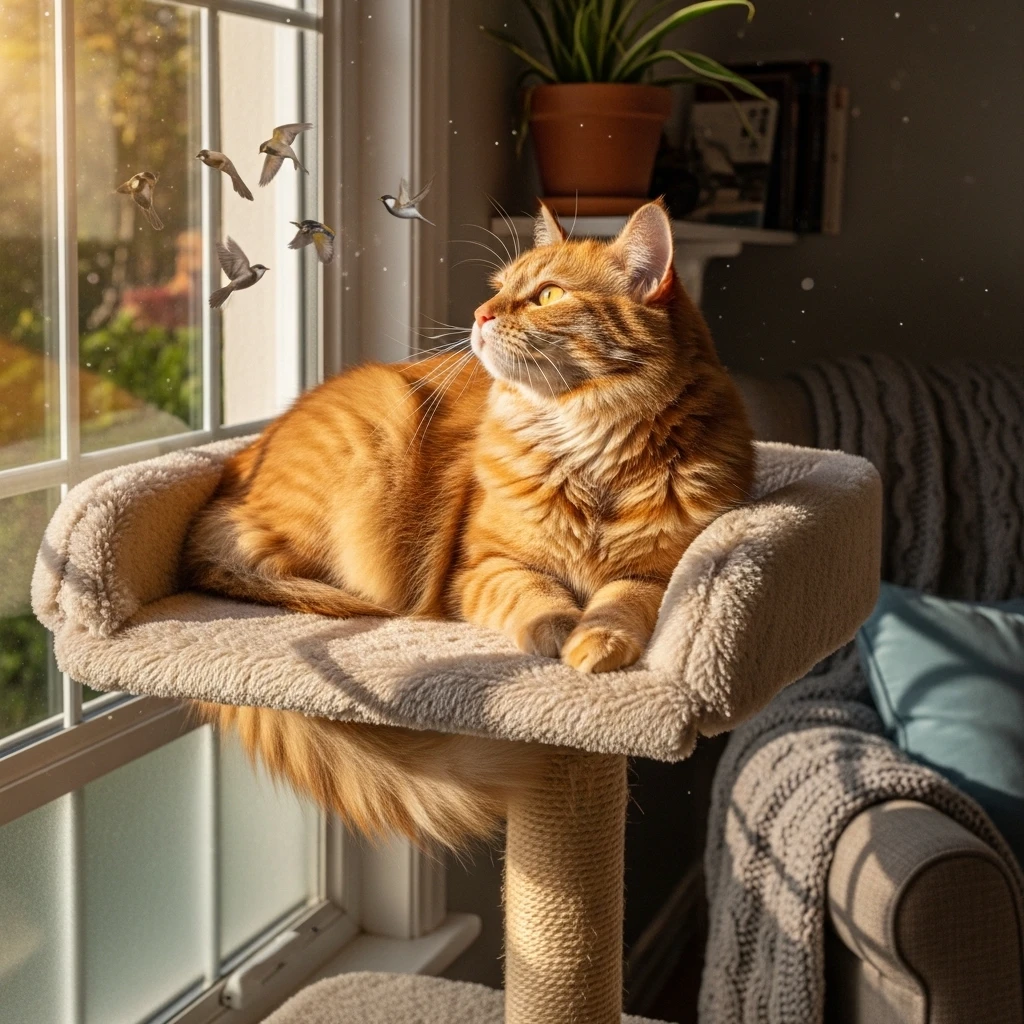
Window perches provide entertainment for hours. Birds, squirrels, and passing cars offer stimulation you can’t compete with. Position perches near your workspace so your cat can watch the world while staying close to you.
Puzzle feeders engage your cat’s brain and extend meal times. Instead of eating from a bowl in two minutes, your cat works for food, satisfying hunting instincts and reducing boredom.
Interactive toys that move unpredictably can capture attention when you’re busy. Battery-operated toys under rugs or automated laser pointers give your cat something to chase without your involvement.
Learn more: Our guide on cat enrichment ideas look expensive offers creative solutions for keeping your cat engaged.
Use Positive Reinforcement Strategically
Reward the behaviors you want. Ignore (as much as possible) the behaviors you don’t.
When your cat sits quietly nearby while you work, offer a treat or gentle praise. When they use their scratching post instead of your chair, acknowledge it. Your cat will repeat behaviors that earn rewards.
For interruptions, the challenge is ignoring without anger. If your cat jumps on your keyboard, gently move them to the floor without eye contact or words. Return your attention to work. No drama. No reaction. Eventually, they learn that keyboards don’t produce results.
Create Physical Boundaries
Some spaces need to be cat-free. Your bed during sleep hours. Your desk during focused work. Your lap when you’re eating.
Use consistent cues to mark these boundaries:
- A specific blanket on your lap that signals “not now”
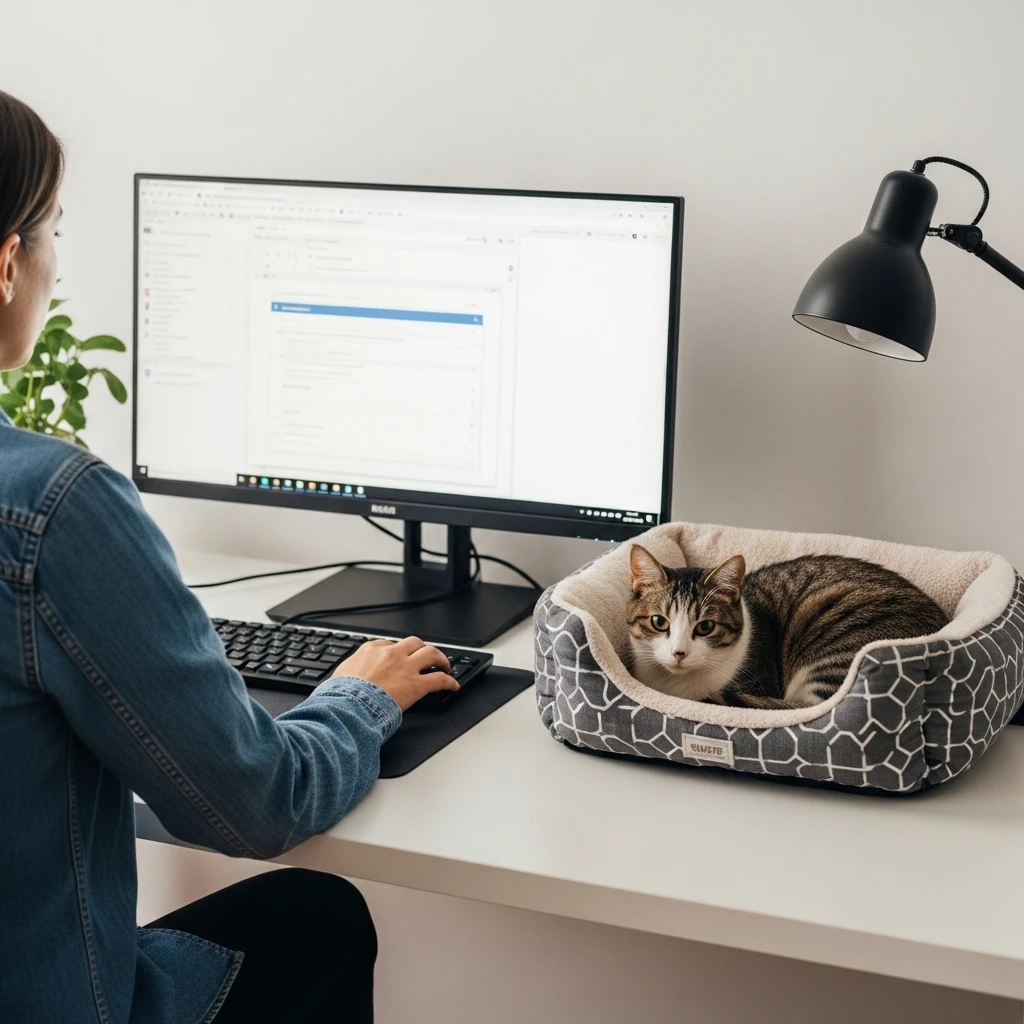
- A designated cat bed on your desk (so they can be near without being on your keyboard)
- A closed door policy for rooms that must stay off-limits
Consistency matters more than the specific method. If you sometimes allow your cat on your desk and sometimes don’t, they’ll keep trying every time.
Meet Needs Before They Arise
Most interruptions happen because something is missing. A full play session before your workday starts reduces mid-meeting zoomies. A meal scheduled before your dinner time reduces plate-pawing. Attention given on your terms reduces attention demanded on theirs.
Observe when interruptions typically occur. Then proactively meet the underlying need 15-30 minutes before that time.
When Interruptions Signal Something More
Not all interruptions are simple bids for attention. Sometimes they communicate physical or emotional needs that require your attention.
Health-Related Interruptions
Sudden changes in behavior warrant attention. If your usually independent cat suddenly demands constant contact, they might not feel well. If they interrupt your sleep with excessive vocalization, pain or discomfort could be the cause.
Watch for patterns:
- Increased urgency around litter box use (possible urinary issues)
- Excessive vocalization combined with hiding (possible pain)
- Sudden aggression when touched in specific areas (possible injury)
Related: Understanding your cat’s health is crucial. Our cat health care section covers common concerns and when to consult your vet.
Anxiety-Driven Interruptions
Cats under stress seek comfort from their humans. If your cat’s interruptions coincide with changes in your household, they might need reassurance more than anything else.
Common stressors include:
- New pets or family members
- Changes in your schedule
- Moving or remodeling
- Loud noises or construction
During stressful periods, offer extra reassurance and maintain routines as much as possible. Your presence calms them, even if you’re busy.
Senior Cat Considerations
Older cats interrupt differently. They may need more frequent bathroom breaks at night. They might meow because their hearing or vision is declining. They could seek warmth more often as their bodies change.
If your senior cat’s interruption patterns shift significantly, a vet check helps rule out age-related health issues. Cognitive dysfunction in cats can cause confusion and increased vocalization, especially at night.
The Unexpected Benefits of Cat Interruptions
Before you solve every interruption, consider what you’d lose.
Forced Mindfulness
Your cat dragging a toy onto your keyboard forces you to stop. To breathe. To look at something other than a screen. These micro-breaks, however annoying in the moment, prevent the hours-long trance of deep work.
Cats don’t understand deadlines. They understand now. And sometimes, now is exactly what you need.
Strengthened Bond
Every interruption is an interaction. Every interaction builds your relationship. The cat who sits on your chest while you try to read is also the cat who knows your scent, your heartbeat, your rhythm.
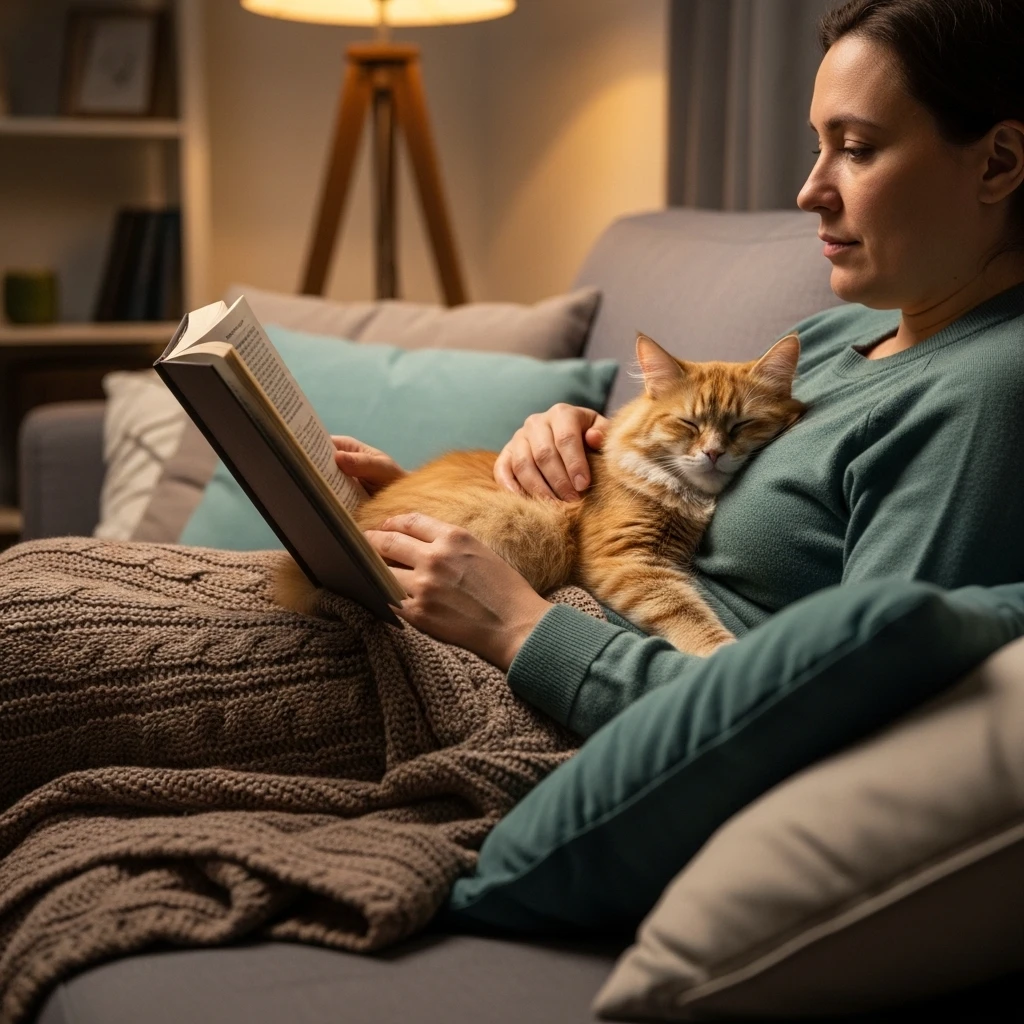
Years from now, you won’t remember the emails you sent. You’ll remember the cat who insisted on being part of your life, every single day.
Conversation Starters
The cat who appears in your video calls becomes part of your professional identity. Colleagues ask about them. Clients remember them. In a world of impersonal transactions, your interrupting cat makes you human.
Humor and Perspective
Cats remind us not to take ourselves too seriously. When a meeting goes sideways because your cat knocked over a plant, you have two choices: stress or laugh. Cats choose laugh every time.
For a smile: Our collection of cat chaos memes 2025 celebrates these perfectly imperfect moments.
Real Stories: How Cat Owners Learned to Embrace the Interruptions
Sarah, Remote Graphic Designer
“My cat Oliver used to walk across my drawing tablet constantly. I’d spend hours on a piece, and he’d add a line right through the middle. I tried everything to stop him.
Then I started keeping a small sketchbook beside me. When Oliver interrupted, I’d do a 30-second sketch of him instead of getting frustrated. Those sketches became my favorite work. Now I have a whole collection of ‘Oliver interruptions,’ and they remind me that perfection isn’t the point.”
James, Writer
“My cat Luna meows every morning at 4 AM. For years, I fought it. I tried ignoring her. I tried feeding her later. Nothing worked.
Then I shifted my schedule. Now I wake up at 4, write for two hours while she curls beside me, and go back to sleep if I need to. Those early morning hours became my most productive. Luna wasn’t interrupting my sleep. She was offering me quiet time I wouldn’t have claimed otherwise.”
Maria, Therapist
“I used to apologize when my cat joined video sessions. Now I let clients meet her. You’d be surprised how often a cat appearing on screen helps someone open up. There’s something about animals that lowers defenses.
One client who struggled with trust spent an entire session watching my cat sleep on my lap. At the end, she said, ‘If your cat trusts you that much, maybe I can too.'”
Practical Strategies for Specific Interruption Scenarios
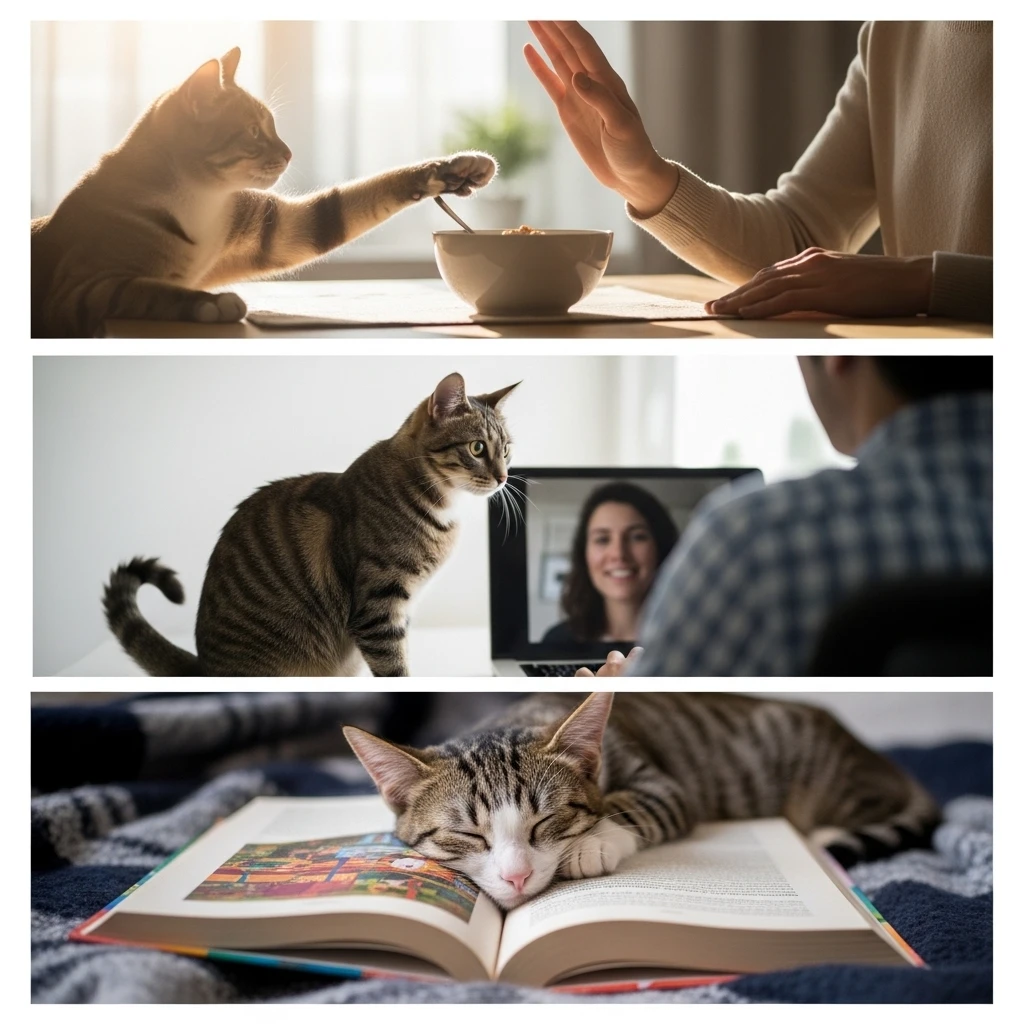
For Video Call Interruptions
Before the call: Give your cat a vigorous play session. A tired cat interrupts less.
During the call: Keep a small box or bed near your workspace. Some cats settle in confined spaces. If your cat must be near, give them an acceptable near-space.
The treat station: Place a small dish of treats across the room. When your cat approaches during calls, toss a treat away from you. They learn that approaching you during calls earns treats elsewhere.
The decoy keyboard: Keep an old keyboard on your desk. Some cats just want to sit on something that looks like what you’re using. Redirect them to the decoy.
For Meal Time Interruptions
The pre-meal play: Engage your cat in active play 15 minutes before you eat. This satisfies hunting instincts and may reduce food interest.
The designated spot: Train your cat to go to a specific place during meals. A mat, bed, or chair across the room. Reward them for staying there while you eat.
Their own meal: Feed your cat at the same time you eat. If they’re eating, they’re less interested in your food.
The ignore strategy: If your cat paws at your plate, gently remove them without reaction. No eye contact. No words. Just removal. Repeat as needed. Consistency teaches them that plate-pawing produces nothing.
For Sleep Interruptions
Late play: Schedule active play right before your bedtime. Follow with a small meal. This mimics the hunt-eat-sleep cycle and encourages rest.
Ignore the 3 AM chorus: If your cat wakes you meowing, do not respond. No talking, no feeding, no attention of any kind. Responding teaches them that 3 AM is productive. It may take weeks of ignoring, but they will eventually stop.
Auto-feeder: If your cat wakes you for food, let a machine handle it. An auto-feeder set for early morning breaks the association between you and food. Your cat learns to wait for the machine, not your sleepy hands.
Separate spaces: Some cats need their own room at night. This isn’t cruel. It’s sleep hygiene. Provide everything they need: bed, litter, water, toys. Close your door. Everyone sleeps better.
For Work Interruptions
Scheduled breaks: Build cat breaks into your work day. Every 90 minutes, take 5 minutes for focused cat interaction. Your cat learns when to expect you.
The “work perch”: Place a cat bed or mat near your workspace. Train your cat to settle there while you work. Reward calm presence.
Rotating toys: Keep a collection of toys and rotate them weekly. Novelty maintains interest. A toy that’s been in a drawer for two weeks feels new and exciting.
Window entertainment: Ensure your cat has window access near your workspace. Bird feeders outside the window provide endless entertainment.
Training Techniques That Actually Work With Cats
Unlike dogs, cats don’t respond to dominance-based training. They respond to motivation-based training. Work with their nature, not against it.
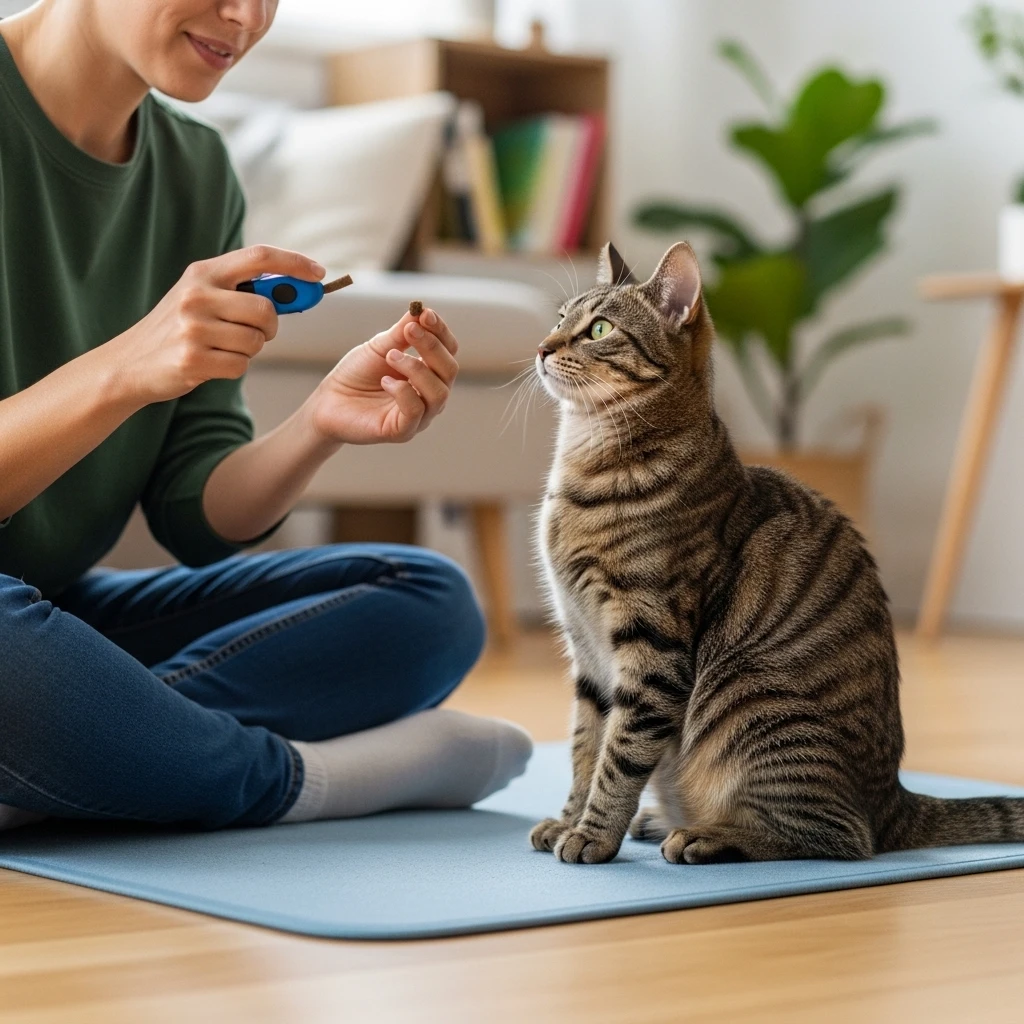
The Power of Clicker Training
Clicker training works beautifully with cats. The click marks the exact moment they do something right. Follow with a treat. Within days, your cat understands that clicks equal rewards.
Use clicker training to:
- Teach your cat to go to a mat on command
- Reinforce quiet sitting near your workspace
- Build positive associations with boundaries
Shaping Calm Behavior
When your cat settles quietly nearby, mark and reward. They learn that calm presence pays better than disruptive behavior. This takes time but creates lasting change.
Start with one second of calm. Reward. Gradually extend the time before rewarding. Your cat learns to maintain calm for longer periods.
Teaching “Go to Your Spot”
Choose a bed, mat, or perch as your cat’s designated spot. Lure them onto it with treats. When all four paws are on the spot, mark and reward. Add a verbal cue like “bed” or “place.”
Practice when you’re not busy. Gradually increase distance and duration. Eventually, you can cue your cat to their spot while you work, and they’ll stay for reasonable periods.
Discover more: Our guide on how to train cat without punishment offers additional techniques that strengthen your relationship.
When to Seek Professional Help
Most interruptions resolve with consistent strategies. But some situations benefit from professional guidance.
Signs You Might Need Help
- Your cat’s interruptions involve aggression (biting, scratching with intent to harm)
- Interruptions coincide with litter box avoidance
- Your cat seems genuinely distressed, not just demanding
- You’ve tried consistent strategies for months without improvement
- Your stress about interruptions affects your relationship with your cat
Who Can Help
Veterinarians rule out medical causes for behavioral changes. Always start here. Pain or illness often looks like behavior problems.
Certified cat behavior consultants specialize in feline behavior. They observe your specific situation and create customized plans. Look for credentials like IAABC or CCPDT.
Veterinary behaviorists are veterinarians with additional behavior specialization. They can prescribe medication if needed, combined with behavior modification.
Creating a Home That Works for Both of You
Vertical Space Matters
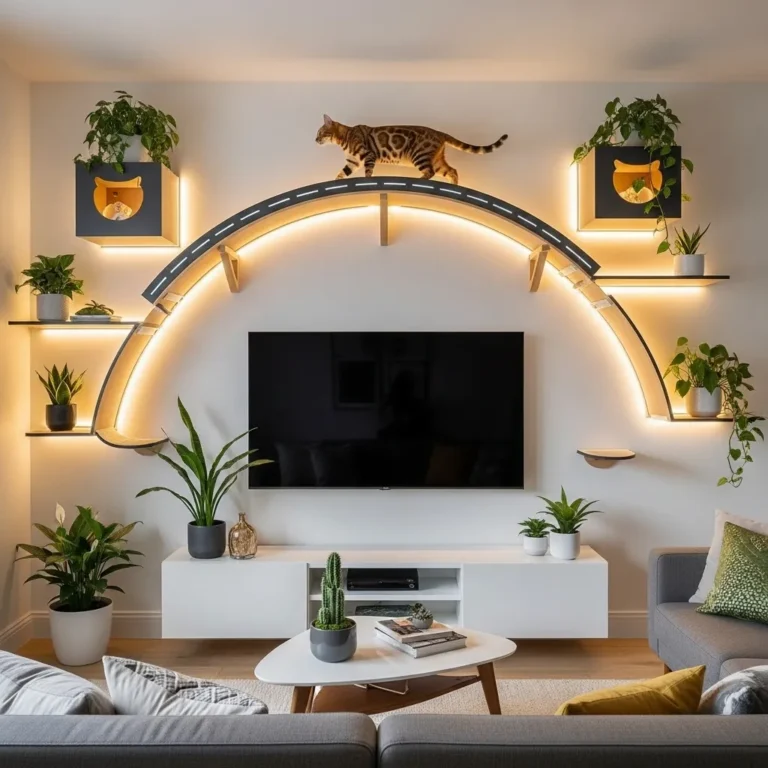
Cats feel secure when they can observe from above. Wall shelves, cat trees, and window perches give them territory that doesn’t compete with your workspace.
Position vertical spaces near where you spend time. Your cat can be near you without being on you. Everyone wins.
Multiple Resources Reduce Competition
In multi-cat homes, ensure enough resources for everyone. Multiple litter boxes, food stations, water sources, and resting spots reduce stress-driven interruptions.
The general rule: one resource per cat, plus one extra. Three cats need four litter boxes, four feeding stations, etc.
Environmental Enrichment
A bored cat interrupts more. Rotate toys, provide puzzle feeders, create hiding spots, and ensure window access. The more interesting your cat’s environment, the less they need you to entertain them.
Safe Outdoor Access
If safely possible, consider catios or harness training. Outdoor time satisfies deep instincts. A cat who spends 30 minutes watching birds outside interrupts less inside.
For guidance: Our catio designs 2025 article offers inspiration for safe outdoor spaces.
FAQ: Cats Interrupting Daily Life
Why does my cat walk on my keyboard when I’m working?
Your keyboard is warm, your hands are there, and your attention is focused elsewhere. Your cat wants to be near you and redirect your focus to them. It’s a bid for connection, not destruction.
How do I stop my cat from waking me at 4 AM?
Ignore all attention-seeking at night. No response whatsoever. Add an auto-feeder for early morning meals. Provide late-night play to tire them out. This combination usually resolves night waking within a few weeks.
Is my cat interrupting because they’re bored?
Often yes. Bored cats create their own entertainment, which often involves you. Increase environmental enrichment, schedule regular play sessions, and provide puzzle toys to reduce boredom-driven interruptions.
Why does my cat only interrupt during important calls?
Cats sense when your attention is fully engaged elsewhere. They also notice changes in your voice and body language during calls. Your focused attention signals to them that you’re available (since you’re sitting still) but not engaging with them. This contradiction prompts them to intervene.
Can I train my cat to stop interrupting?
You can train alternative behaviors. Teach your cat to settle on a nearby mat during your work hours. Reward calm presence. Most cats learn that quiet observation pays better than active interruption.
Does my cat interrupt because they’re hungry?
Sometimes. If interruptions consistently happen near meal times, hunger could be the trigger. But cats also learn that food-related behaviors (leading to kitchen, meowing at bowls) produce results. Check that their nutritional needs are met, then rule out other causes.
Why does my cat bring toys to interrupt me?
This is hunting behavior. Your cat has “caught” something and wants to share it with you or show off their skill. It’s a compliment, even when it happens mid-meeting. Accept the gift, offer praise, and return to work.
Should I punish my cat for interrupting?
Never. Punishment damages trust and increases anxiety, which often worsens unwanted behaviors. Instead, focus on reinforcing behaviors you want and managing the environment to make interruptions less appealing.
How do I handle interruptions in a multi-cat household?
Watch for patterns. One cat might interrupt for attention while another interrupts due to resource guarding. Address each cat’s underlying motivation separately. Ensure enough resources for everyone to reduce competition-driven interruptions.
When should I worry about interruption behavior?
If interruptions suddenly change in frequency or intensity, or if they’re accompanied by other behavioral changes (hiding, aggression, litter box issues), consult your vet. Sudden behavioral shifts sometimes indicate medical problems.
Conclusion
Cats interrupting daily life isn’t a problem to solve. It’s a relationship to navigate. Your cat’s interruptions communicate needs, desires, and their deep connection to you. Understanding the message behind each interruption transforms frustration into insight.
The strategies in this guide help you reduce unwanted interruptions while honoring your cat’s nature. Consistent routines, environmental enrichment, and positive reinforcement create balance. Your cat learns when attention comes. You learn to read their signals. Both of you get more of what you need.
Some interruptions will always happen. The cat who appears during your most important call. The paw that reaches for your plate at dinner. The warm body that settles on your chest at exactly the wrong moment. These moments define life with cats.
Embrace them when you can. Manage them when you must. And remember that years from now, you won’t remember the work you finished. You’ll remember the cat who insisted on being part of every moment, no matter how inconvenient.
Explore more expert cat care and behavior guides on Cat Bloom Haven. From breed-specific advice to training tips and health resources, we help you understand and celebrate your feline companion every day.
Image Placement Guide
Image 1: Opening Hook
Placement: After first paragraph, before “Key Takeaways”
Prompt: A tabby cat sitting directly on a laptop keyboard, looking at the camera with an innocent expression, home office background slightly blurred
Alt text: Tabby cat sitting on laptop keyboard interrupting work