Dominant Cat Behaviors: Decoding Feline Hierarchies for a Harmonious Home
Is your cat ruling the roost, hissing at others, or claiming the best spots in the house? Understanding dominant cat behaviors can transform chaos into calm in your multicat household. Cats are not pack animals like dogs, but they do establish social hierarchies that influence their interactions. From subtle body language to outright resource guarding, recognizing and managing these behaviors is key to a peaceful home. In this guide, we’ll dive deep into cat dominance, explore cat social dynamics, and share vet-backed strategies to manage dominant vs submissive cats. Whether you’re curious about cat hierarchy or need solutions for managing dominant cats, you’ll find actionable insights to foster harmony.
Key Takeaways for Understanding Dominant Cat Behaviors
- Dominance Defined: Dominance in cats is about establishing control over resources like food, territory, or attention, often through subtle or overt behaviors.
- Signs to Spot: Look for body language like staring, blocking, or swatting, and vocal cues like growling to identify a dominant cat.
- Hierarchy Matters: Cats form loose social structures, especially in multicat homes, where one cat may assert dominance.
- Not Always Aggression: Dominance can be mistaken for play or stress, so understanding cat body language is crucial.
- Management Tips: Proper resource distribution, environmental enrichment, and behavior redirection can reduce conflicts.
- Vet Insights: Persistent dominance or aggression may signal health issues—consult a vet for a thorough check.
Explore more in our cat behavior guide to decode your feline’s actions.
What Is Cat Dominance? Unraveling Feline Social Dynamics
Cats aren’t pack animals, but they’re not solitary loners either. In the wild, feral cats form colonies with loose hierarchies based on resource access and survival. In your home, cat social dynamics mirror this, where one cat may take the lead in controlling key resources like food bowls, litter boxes, or prime napping spots. Cat dominance isn’t about being the “alpha” in a dog-like sense but about securing priority in a shared space.
Dominance can show up as:
- Blocking access: A cat sitting in a doorway to prevent others from passing.
- Resource guarding: Hovering over food or litter boxes to claim them.
- Attention-seeking: Pushing other cats away to get more human affection.
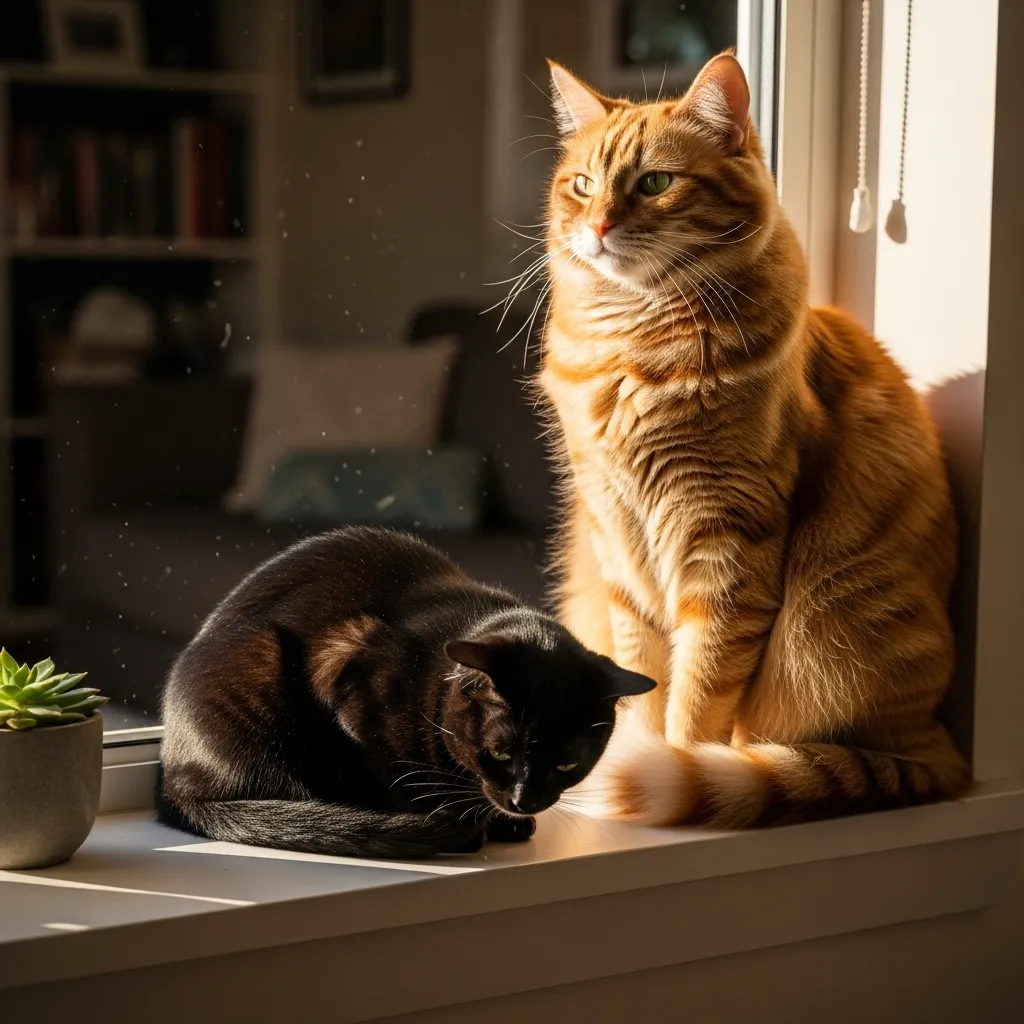
Unlike aggression, which often stems from fear or pain, dominance is about control. However, the line can blur, so distinguishing between cat aggression vs play is essential. Learn more about why cats get aggressive at night for deeper insights.
The Role of Cat Hierarchy in Multicat Homes
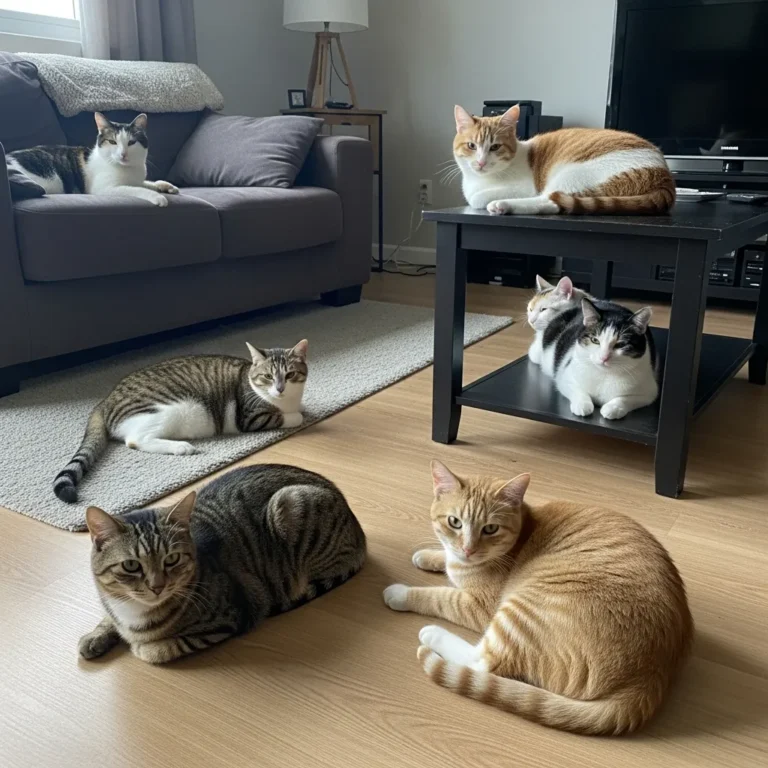
In a multicat household, cat hierarchy forms naturally but can lead to tension if not managed. The dominant cat often claims the best resources, while submissive cats adapt by avoiding conflict. This hierarchy isn’t fixed—changes like new cats, moves, or health issues can shift dynamics.
Why does hierarchy matter?
- It influences who eats first, uses the litter box, or gets the sunny windowsill.
- It can lead to stress or fights if resources are scarce.
- Understanding it helps you create a balanced environment.
For tips on introducing new cats to avoid hierarchy clashes, check out our cat introduction guide.
Recognizing Dominant Cat Signs: What to Look For
Spotting dominant cat signs starts with observing cat body language and cat communication signals. Dominant cats use subtle or bold cues to assert control, and misinterpreting these as play or aggression can escalate conflicts.
Key Dominant Cat Behaviors
Here’s a breakdown of behaviors to watch for:
| Behavior | Description | Example |
|---|---|---|
| Staring | Intense, unblinking eye contact to intimidate. | A cat locks eyes with another until the other looks away. |
| Blocking | Physically preventing access to spaces or resources. | A cat sits in a hallway, swatting at others trying to pass. |
| Swatting/Hissing | Quick swats or vocal warnings to establish boundaries. | A cat hisses when another approaches their food bowl. |
| Body Posture | Ears forward, tail up, or puffed-up fur to appear larger. | A cat stands tall with a raised tail on the couch. |
| Resource Guarding | Claiming food, toys, or litter boxes. | A cat looms over the water bowl, growling at others. |
| Vocalization | Growling, yowling, or loud meowing to assert presence. | A cat yowls when another cat nears their favorite perch. |

Dominant vs Submissive Cats: Spotting the Difference
Dominant cats exude confidence, while submissive cats show deference. Submissive behaviors include:
- Lowered ears or tucked tail.
- Avoiding eye contact.
- Crouching or slinking away.
- Yielding resources like food or beds.
If your cat shows submissive traits, ensure they have safe spaces to retreat. Our cat stress signs guide offers more on creating a calm environment.
Is It Dominance or Play? Decoding Cat Interaction Cues
Dominance can look like play, especially in energetic breeds like Bengals. Cat aggression vs play can be tricky to distinguish, but here are clues:
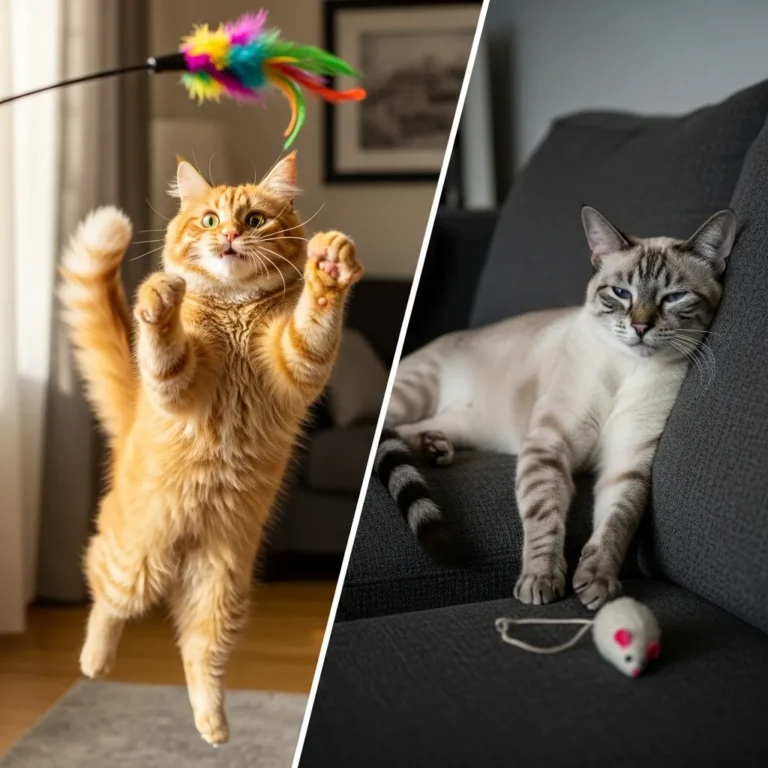
- Play: Loose body, reciprocal chasing, no vocalization, claws retracted.
- Dominance: Stiff posture, one-sided pursuit, hissing, or ears pinned back.
If you’re unsure, observe interactions over time. Persistent one-sided aggression may need vet attention to rule out pain or illness. Dive into our Bengal cat personality guide for breed-specific behaviors.
Why Is My Cat Dominant? Common Triggers
Why is my cat dominant? Several factors can spark dominant cat behavior:
- Territorial Instincts: Cats naturally defend their space, especially in multicat household behavior.
- Resource Scarcity: Limited food, litter boxes, or attention can trigger competition.
- Stress or Change: New pets, moves, or routine shifts can upset the cat hierarchy.
- Health Issues: Pain or hormonal changes (e.g., unneutered cats) can amplify dominance.
- Personality: Breeds like Siamese or Maine Coons may naturally assert more control.
For example, a client once shared that their unneutered male Siamese began marking furniture after a new kitten arrived. Neutering and adding extra litter boxes resolved the issue. Learn more about spaying and neutering benefits.
Managing Dominant Cats: Practical Solutions for a Peaceful Home
Managing dominant cats requires a mix of environmental tweaks, behavior redirection, and patience. Here’s how to create harmony in your multicat household.
1. Optimize Your Cat’s Environment
A well-designed cat environment management plan reduces competition and stress:
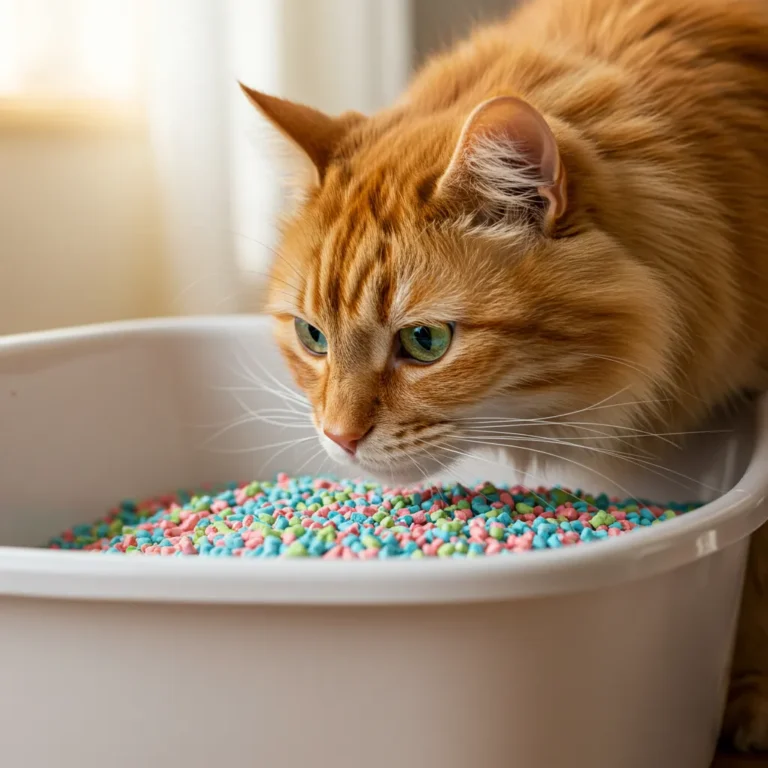
- Multiple Resources: Provide one litter box per cat plus one extra, spread across the house. The same goes for food and water stations.
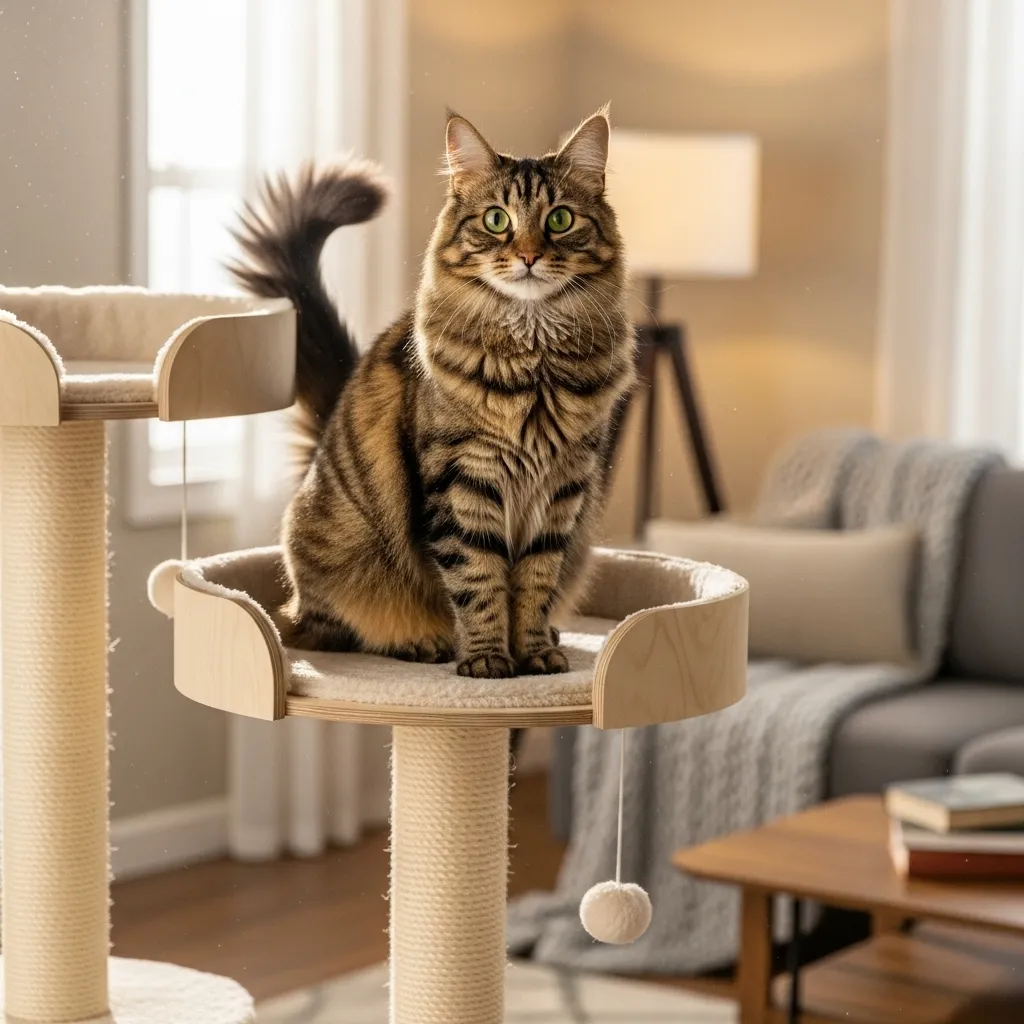
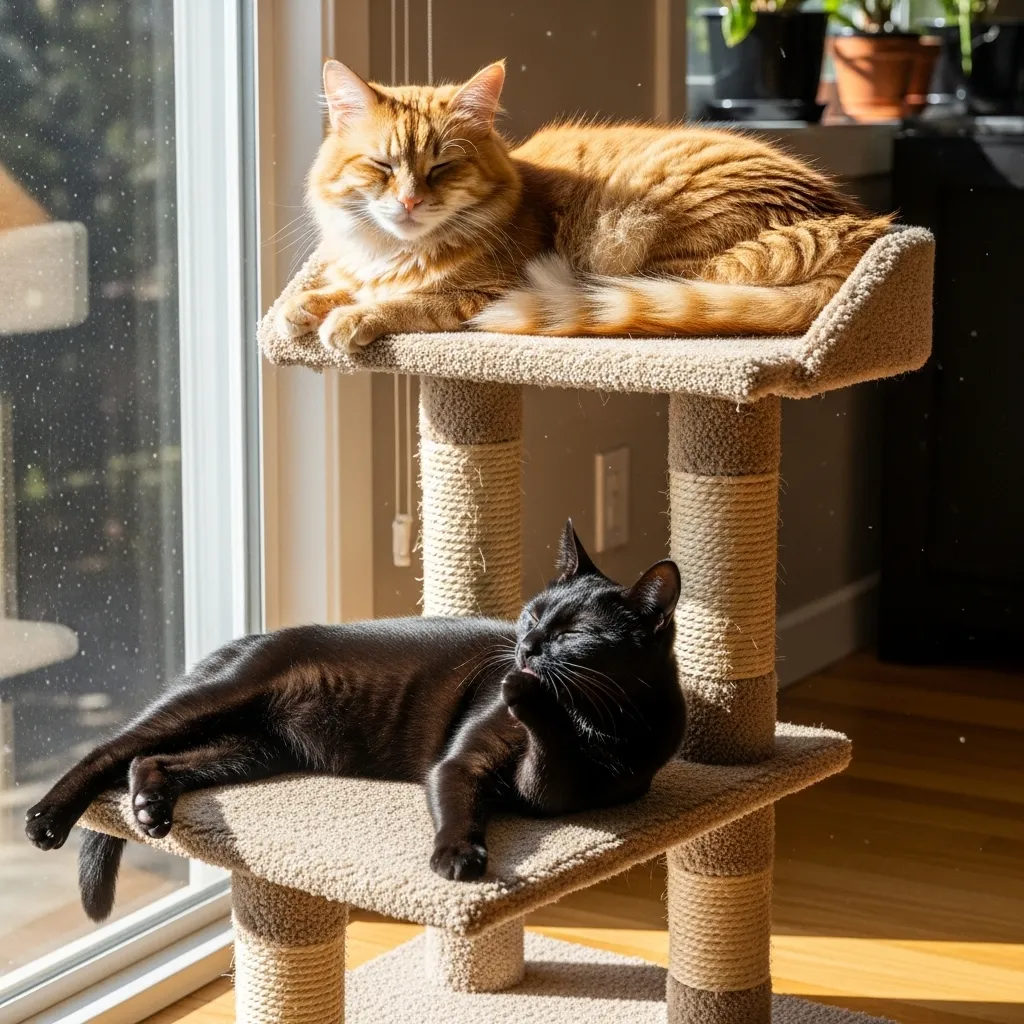
- Vertical Space: Add cat trees, shelves, or perches to give cats their own territories. Dominant cats often claim high spots.
- Safe Zones: Ensure submissive cats have hideaways or quiet areas. Check out our cat hiding behavior guide for tips.
- Enrichment: Puzzle feeders, toys, and playtime reduce boredom-driven dominance. Explore how to keep cats entertained.
Real-Life Tip: A vet I spoke with recommended placing food bowls in separate rooms for a client’s two cats. This simple change stopped their dominant cat from guarding the shared bowl.
2. Decode and Redirect Cat Behavior
Understanding cat communication signals lets you intervene early:
- Interrupt Aggression: Use a loud clap or toy to distract during tense moments.
- Reward Calm Behavior: Treats or praise for peaceful interactions reinforce good habits.
- Separate Feeding Times: Feed dominant and submissive cats in different areas to avoid cat resource guarding.
For persistent issues, consult our how to calm an angry cat guide.
3. Address Health and Stress Triggers
Dominance can mask underlying issues:
- Vet Checkups: Rule out pain, dental issues, or hormonal imbalances. Our cat health care guide has more.
- Spay/Neuter: Unaltered cats are more likely to show dominance. See neutering guidelines.
- Stress Reduction: Calming pheromones or diffusers can ease tension in feline relationships.
4. Introduce Cats Thoughtfully
New cats can disrupt the cat behavior hierarchy. Follow gradual introductions:
- Scent swapping before face-to-face meetings.
- Separate spaces with shared items like blankets.
- Supervised interactions with treats for positive behavior.
Our Munchkin cat introduction guide offers a step-by-step plan.
5. Debunking Cat Dominance Myths
Cat dominance myths can lead to missteps:
- Myth: Cats are pack animals with a strict alpha. Reality: Cats form flexible hierarchies based on resources, not rigid packs.
- Myth: Punishment stops dominance. Reality: Punishment increases stress and aggression.
- Myth: Dominance is always bad. Reality: Mild dominance is normal and manageable with proper setup.
Breed-Specific Dominance Tendencies
Certain breeds show stronger dominant cat behaviors due to their personalities:
- Siamese: Vocal and attention-seeking, they may dominate through meowing or pushing others aside. See Siamese cat behavior.
- Bengal: High-energy and territorial, they may guard resources. Check Bengal cat guide.
- Maine Coon: Confident and large, they often take charge naturally. Explore Maine Coon behavior.
FAQ: Quick Answers to Common Questions
How can I tell which cat is dominant in my household?
Look for signs of cat dominance like staring, blocking, or resource guarding. The dominant cat often claims prime spots or eats first.
Are there specific body language cues for dominance?
Yes, cat body language includes upright tails, forward ears, and direct stares. Submissive cats show lowered ears or avoid eye contact.
Is cat dominance the same as aggression?
No, dominance is about control, while aggression often stems from fear or pain. Learn more in our cat aggression guide.
Can dominant behavior be mistaken for playfulness?
Yes, cat aggression vs play can look similar. Play is reciprocal with loose postures; dominance involves stiff, one-sided actions.
How do I manage resources in a multicat home?
Provide one litter box and feeding station per cat plus one extra, spread out to avoid cat resource guarding.
Can changes in environment cause dominance?
Yes, moves, new pets, or scarce resources can trigger dominant cat behavior. See our cat stress signs guide.
How do I redirect a dominant cat’s behavior?
Use distractions like toys, reward calm interactions, and ensure ample resources. Check cat training tips.
Conclusion: Create a Harmonious Multicat Home
Understanding dominant cat behaviors is the first step to a peaceful household. By recognizing cat hierarchy, decoding cat body language, and implementing cat environment management, you can reduce conflicts and foster happy feline relationships. Whether it’s adding extra litter boxes, creating vertical spaces, or consulting a vet for persistent issues, small changes make a big difference.
Ready to dive deeper? Explore more expert cat care and behavior guides on Cat Bloom Haven to keep your feline friends thriving.