The Ultimate Guide to Cat Hairballs: What They Are, Why They Happen, and How to Manage Them
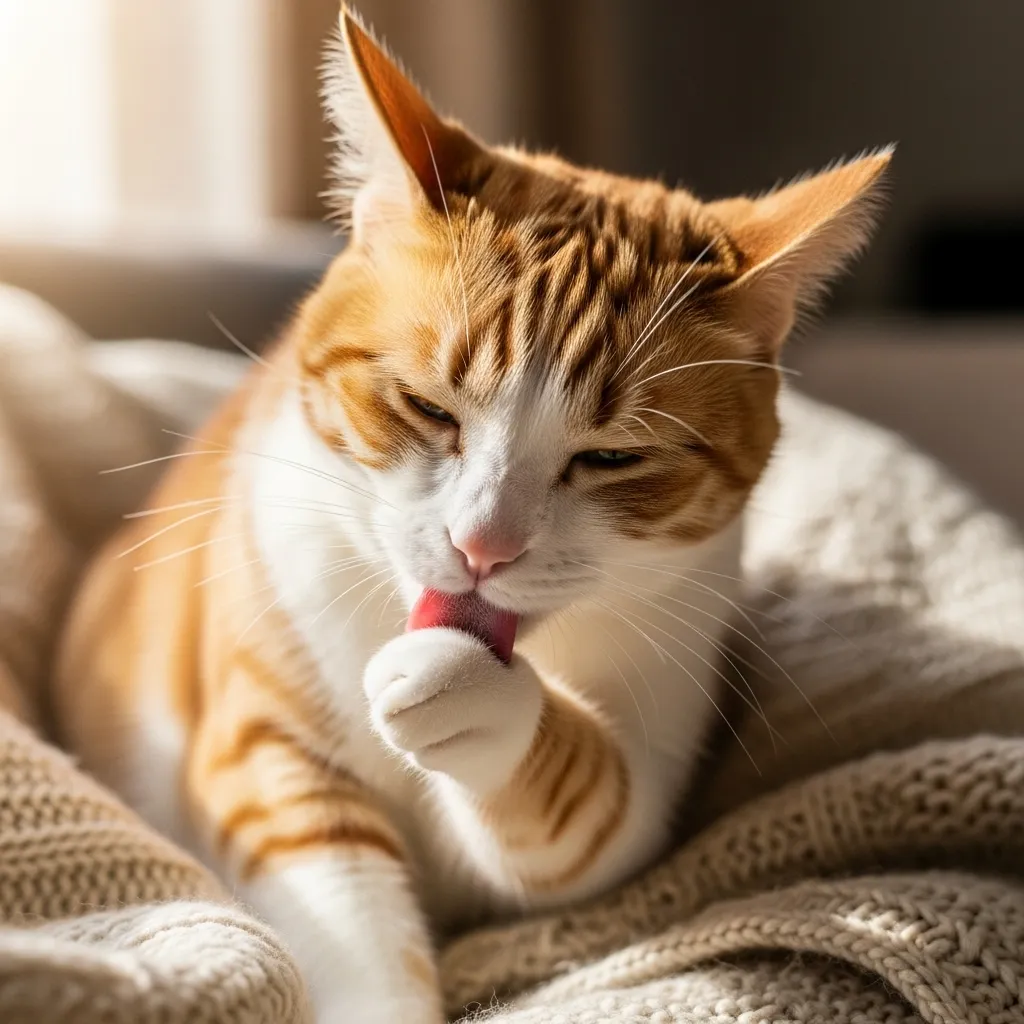
If you’ve ever heard your cat make that unmistakable hacking sound, only to find a mysterious, furry clump on your floor, you’re no stranger to cat hairballs. These peculiar feline phenomena can leave pet parents puzzled and worried. Are hairballs normal? What does a cat hairball look like?
And how can you prevent or treat them effectively? At Cat Bloom Haven, we’re here to demystify hairballs in cats, offering expert-backed insights and practical solutions to keep your furry friend healthy and happy. In this comprehensive guide, you’ll learn everything about cat hairball causes, symptoms, treatments, and prevention strategies, plus natural remedies and vet-approved tips to tackle this common issue.
Key Takeaways
- What Are Cat Hairballs? Hairballs are clumps of fur, mixed with mucus and bile, that cats vomit due to grooming habits.
- Appearance: Typically tubular, cat hairballs can be wet or dry, varying in color based on your cat’s fur and diet.
- Causes: Excessive grooming, long fur, or digestive issues can lead to frequent hairballs in cats.
- Symptoms: Hacking, gagging, or vomiting are common cat hairball symptoms.
- Prevention: Regular grooming, a balanced diet, and cat hairball control food can reduce occurrences.
- Treatment: Home remedies like petroleum jelly or professional care can address persistent issues.
- When to Worry: Frequent or painful hairballs may signal underlying health concerns—consult a vet.
Explore our detailed guide on cat health and grooming tips for more ways to keep your cat thriving.
What Are Cat Hairballs and Why Do They Happen?
Cats are meticulous groomers, spending up to 50% of their day licking their fur. This grooming habit, while keeping them clean, leads to hairballs in cats when ingested fur accumulates in the stomach. Normally, most fur passes through the digestive tract and is eliminated in the litter box. However, when fur clumps together and can’t pass, your cat’s body expels it through vomiting, resulting in a cat hairball.
Causes of Hairballs in Cats
Several factors contribute to hairball causes in cats:
- Excessive Grooming: Cats with long or dense fur, like Persian cats, are prone to swallowing more hair.
- Shedding Seasons: Spring and fall increase loose fur, especially in breeds like the Norwegian Forest Cat.
- Dietary Issues: Low-fiber diets can slow digestion, trapping fur in the stomach.
- Skin Conditions: Allergies or fleas may cause overgrooming, increasing hair ingestion.
- Digestive Problems: Motility issues in the stomach or intestines can prevent fur from passing naturally.
Did You Know? Breeds like the Maine Coon and Ragdoll are more susceptible due to their thick coats. Learn more in our cat breeds guide.
What Does a Cat Hairball Look Like?
If you’re wondering, “What does a cat hairball look like?”, you’re not alone. Recognizing a hairball is key to distinguishing it from other vomiting issues. Here’s what to look for:
Visual Characteristics
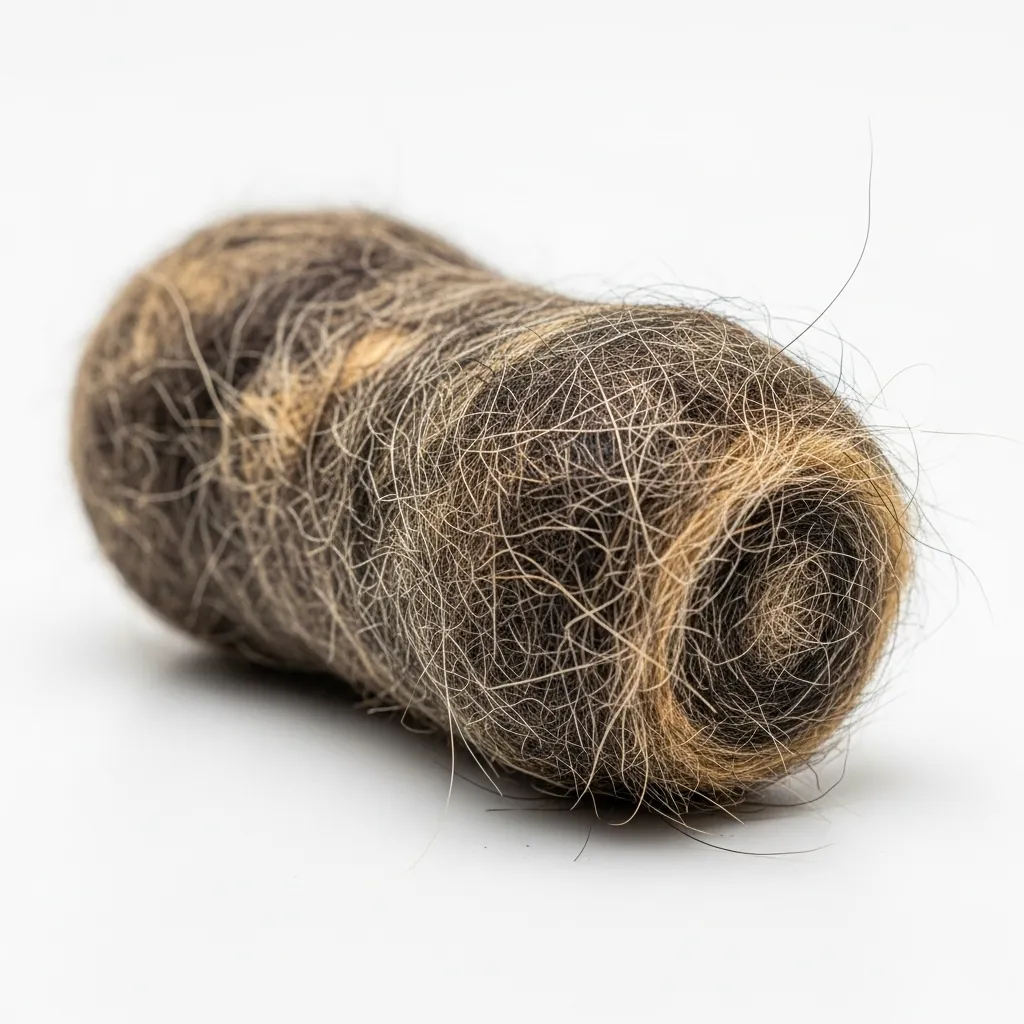
- Shape: Most cat hairballs are tubular or cylindrical, resembling a small sausage, due to the shape of the esophagus.
- Size: Typically 1–3 inches long, though size varies based on the amount of fur.
- Texture: Can be wet vs dry hairball—wet ones are slimy with mucus or bile, while dry ones are more compact and fur-heavy.
- Color: Reflects your cat’s fur color (e.g., gray, black, or tabby hues) but may include yellow or green bile. For example, a Siamese cat may produce lighter-colored hairballs.
- Composition: Primarily fur, mixed with mucus, bile, or undigested food particles.
Wet vs Dry Hairball: What’s the Difference?
- Wet Hairball: Slimy, often accompanied by fluid or bile, and may look messier. Common when a cat vomits soon after grooming.
- Dry Hairball: Dense, tightly packed fur with minimal liquid. More common in cats with slower digestion.
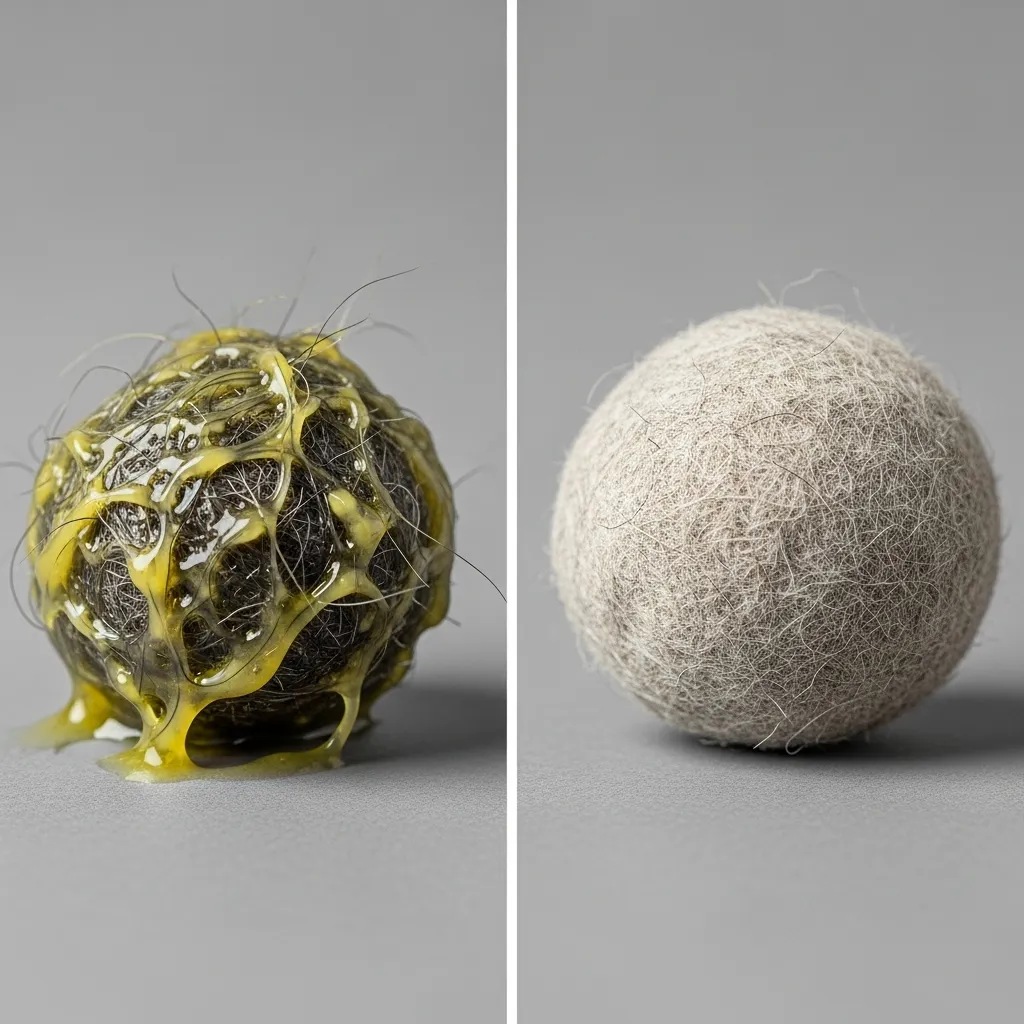
Pro Tip: If you’re unsure whether it’s a hairball or vomit, check for the tubular shape and fur content. For more on vomiting issues, see our guide on cat vomiting brown liquid.
How to Tell It’s a Hairball and Not Something Else
Not all vomiting is hairball-related. Cat hairball symptoms include:
- Hacking or gagging sounds (often described as a “cough-like” noise).
- Repeated attempts to vomit before expelling the hairball.
- Visible discomfort or retching.
If your cat is vomiting food, liquid, or objects without fur, it could indicate cat pica or a digestive issue. Persistent vomiting warrants a vet visit—learn more in our cat health care guide.
Identifying Cat Hairball Symptoms
Spotting cat hairball symptoms early can help you manage them effectively. Common signs include:
- Hacking or Gagging: A distinctive, repetitive sound as your cat tries to expel the hairball.
- Cat Vomiting Hairball: Vomiting once or twice to pass the hairball, often after gagging.
- Reduced Appetite: Temporary disinterest in food if the hairball causes discomfort.
- Constipation or Lethargy: If a hairball is stuck in the digestive tract, your cat may strain in the litter box or seem sluggish.
- Abdominal Discomfort: Rare, but a large hairball may cause bloating or sensitivity.
When to Seek Help: If your cat shows cat hairball symptoms vomiting more than twice a week, has blood in vomit, or seems in pain, contact a vet. Explore our guide on finding the best vet for your cat.
Why Do Some Cats Get More Hairballs?
Certain cats are more prone to hairballs in cats due to:
- Breed: Long-haired breeds like Ragdolls or Norwegian Forest Cats ingest more fur.
- Age: Senior cats may have slower digestion, increasing hairball frequency. See our senior cat care guide.
- Overgrooming: Stress or skin issues like cat allergies can lead to excessive licking.
- Diet: Lack of fiber or poor-quality food can hinder fur passage.
Real-Life Example: Sarah, a cat owner from Texas, noticed her Bengal cat had frequent hairballs during spring shedding. After switching to a high-fiber diet and regular brushing, the hairballs reduced significantly.
How to Prevent Cat Hairballs
Preventing hairballs in cats is easier than cleaning them up! Here are vet-backed strategies to reduce hairball frequency:
1. Regular Grooming
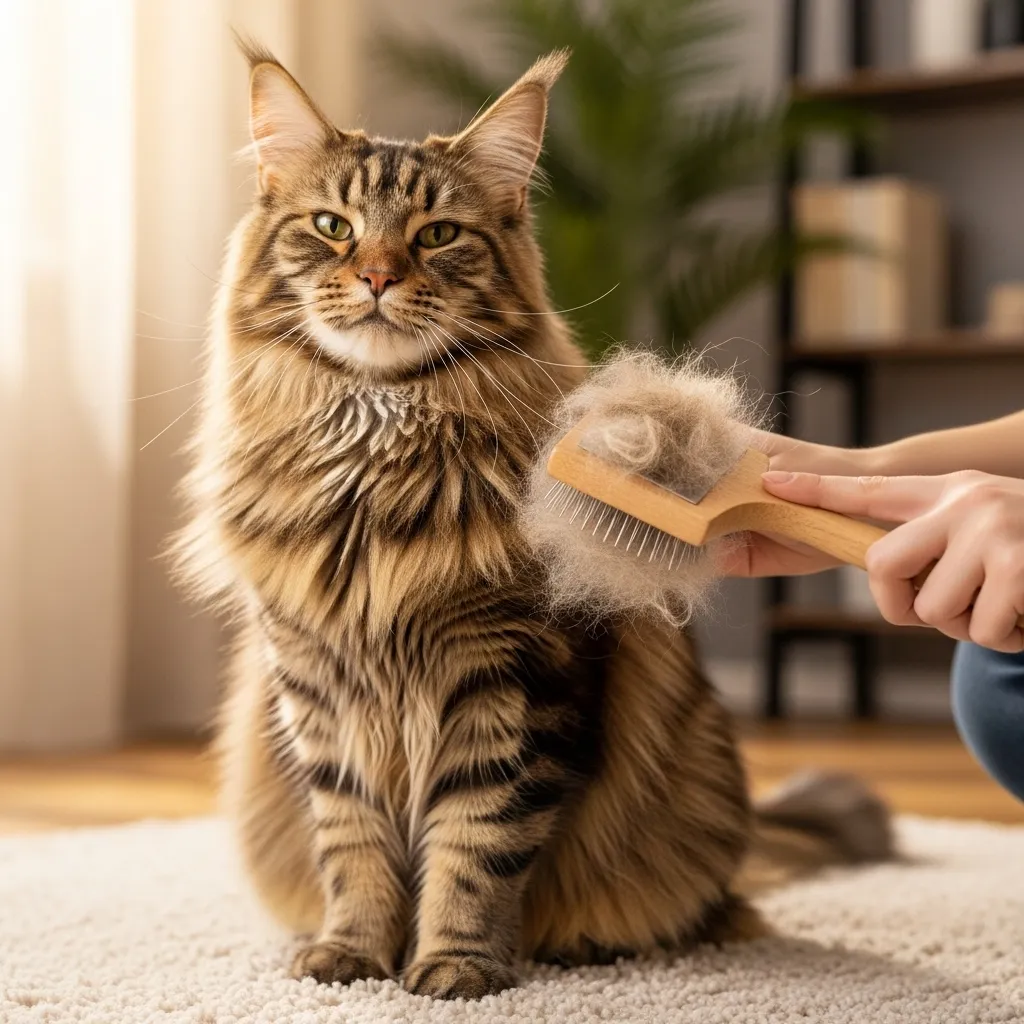
Brushing your cat daily removes loose fur before it’s ingested. For long-haired breeds, use a deshedding tool. Learn more in our cat grooming guide.
- Short-haired Cats: Brush 2–3 times weekly (e.g., American Shorthair).
- Long-haired Cats: Daily brushing is ideal (e.g., Persian).
- Bathing: Occasional baths can reduce loose fur—see our bathing guide for Bengals.
2. High-Fiber Diet
A diet rich in fiber helps move fur through the digestive tract. Look for cat hairball control food with ingredients like:
- Psyllium husk
- Cellulose
- Beet pulp
Explore our cat food nutrition guide for diet tips.
3. Hydration
Adequate water intake supports digestion. Encourage drinking with:
- Water fountains
- Wet food (see our best wet cat food guide)
- Adding water to dry kibble
Check our cat hydration guide for more tips.
4. Hairball-Control Products
- Lubricants: Petroleum-based gels (e.g., Laxatone) help fur pass through the digestive system.
- Treats: Hairball remedy treats with fiber or lubricants can be effective.
- Supplements: Omega-3 oils reduce shedding and improve coat health.
5. Stress Reduction
Stress can lead to overgrooming. Keep your cat calm with:
- Interactive toys (see our keep Siamese cats entertained guide).
- A stable routine.
- A safe, enriched environment.
Table: Top Hairball Prevention Tips
| Method | Benefit | Best For |
|---|---|---|
| Daily Brushing | Reduces loose fur ingestion | Long-haired breeds |
| High-Fiber Food | Improves digestion, moves fur | All cats, especially seniors |
| Hydration | Prevents fur buildup in stomach | Cats on dry food diets |
| Hairball Gels | Lubricates digestive tract | Cats with frequent hairballs |
| Stress Management | Reduces overgrooming | Anxious or stressed cats |
Cat Hairball Treatment: Home Remedies and Professional Care
When prevention isn’t enough, cat hairball treatment options range from home remedies to vet interventions.
Natural Hairball Remedy for Cats
- Petroleum Jelly: A small dab (1/4 tsp) on your cat’s paw encourages licking and helps fur pass. Use sparingly—once or twice weekly.
- Pumpkin Puree: High in fiber, a teaspoon mixed into food aids digestion. Ensure it’s plain, unsweetened pumpkin.
- Cat Grass: Stimulates digestion and can help expel hairballs. Learn more in our cat grass care guide.
- Olive Oil: A few drops in food can lubricate the digestive tract (use sparingly to avoid diarrhea).
Caution: Always consult a vet before trying new remedies, especially for senior cats or those with health issues.
Cat Hairball Medicine
For persistent hairballs, vets may recommend:
- Laxatives: Prescription gels or pastes to aid fur passage.
- Fiber Supplements: Powders to mix with food.
- Medicated Diets: Specialized cat hairball control food for chronic cases.
When to Seek Professional Care
Most hairballs are harmless, but frequent or severe cases may indicate:
- Intestinal Blockages: A hairball stuck in the intestines (rare but serious).
- Underlying Conditions: Issues like cat diabetes or feline IBD can worsen hairballs.
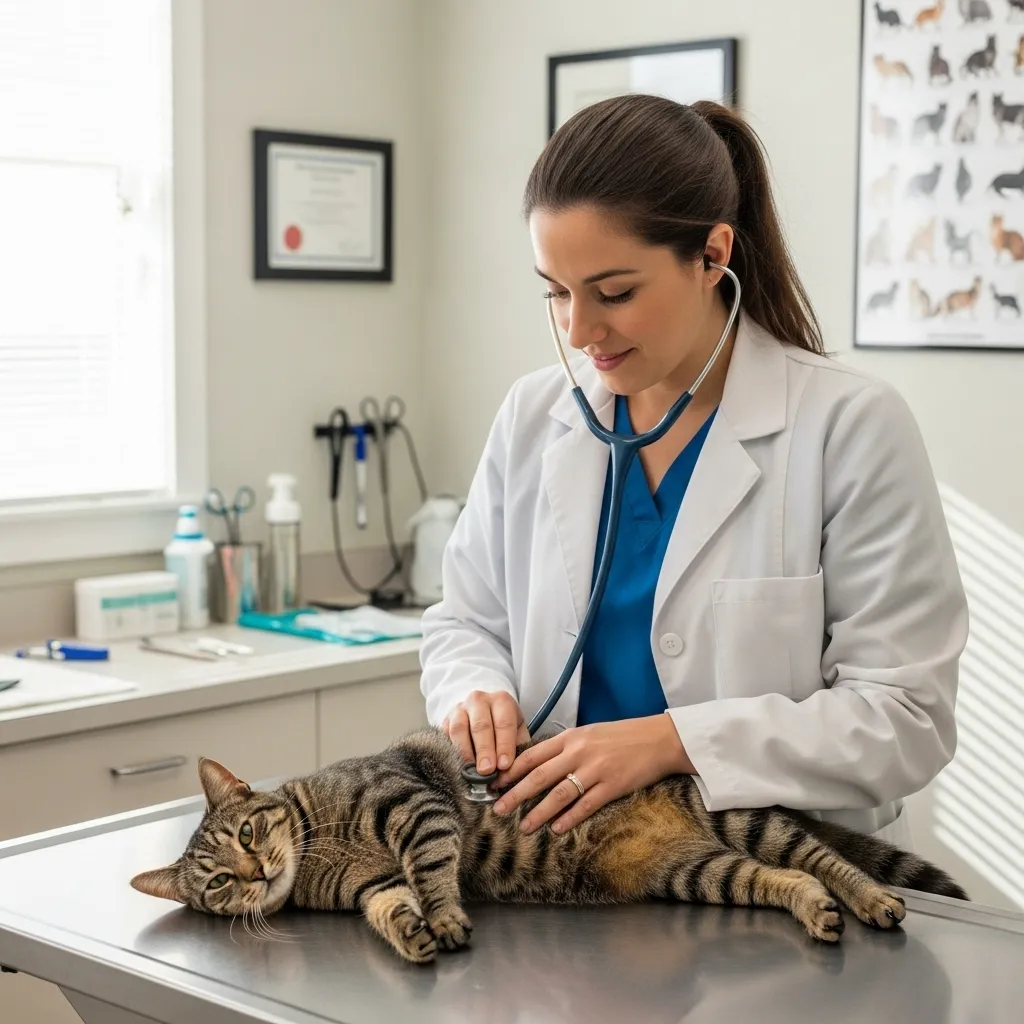
- Chronic Vomiting: If your cat vomits more than twice weekly, see a vet.
Vet Tip: Dr. Emily Carter, a feline specialist, recommends monitoring hairball frequency. “One or two hairballs a month is normal, but weekly episodes or signs of distress mean it’s time for a checkup.”
Cat Grooming and Hairballs: A Winning Combo
Regular grooming is your first line of defense against hairballs in cats. Here’s how to make it effective:
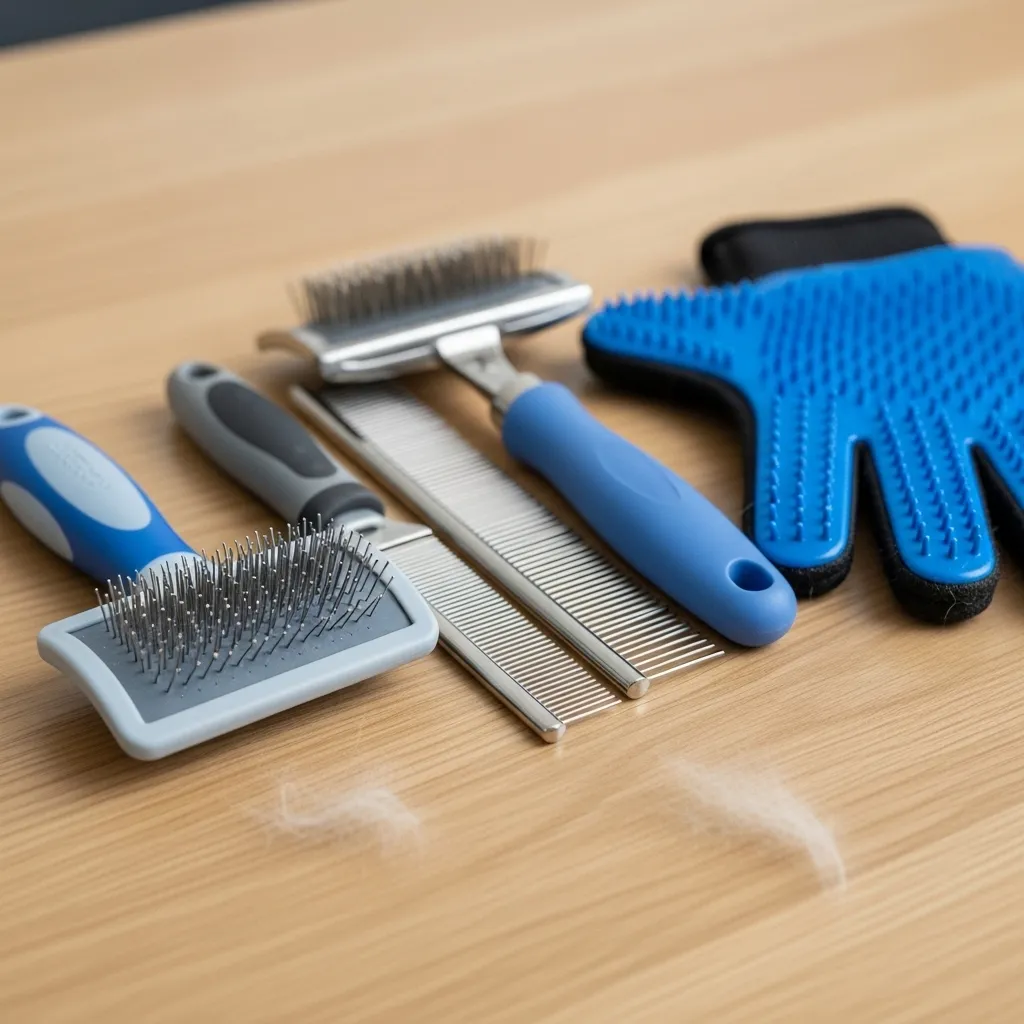
- Use the Right Tools: A slicker brush for long-haired cats or a rubber grooming glove for short-haired breeds like the Munchkin.
- Groom During Shedding Seasons: Spring and fall require extra brushing.
- Check for Skin Issues: Fleas or cat allergies can increase grooming and hairballs.
For breed-specific grooming tips, see our Norwegian Forest Cat grooming guide.
FAQ: Common Questions About Cat Hairballs
What Are the Visual Characteristics of a Cat Hairball?
A cat hairball is typically tubular, 1–3 inches long, and matches your cat’s fur color. It may be wet (slimy with bile) or dry (compact fur).
What Does a Cat Hairball Look Like When It’s Wet vs Dry?
Wet hairballs are slimy, often with mucus or bile, while dry hairballs are dense and fur-heavy, with less liquid.
Are There Different Colors and Textures of Cat Hairballs?
Yes, colors vary based on fur (e.g., gray, black, or tabby) and may include yellow/green bile. Textures range from slimy to compact.
What Causes Frequent Hairballs in Cats?
Excessive grooming, long fur, low-fiber diets, or digestive issues increase hairball frequency.
How Can You Tell It’s a Hairball and Not Something Else?
Look for a tubular shape, fur content, and gagging sounds. Non-hairball vomit may include food or liquid without fur.
Can Hairballs Consist of More Than Just Hair?
Yes, hairballs often contain mucus, bile, or food particles, making them appear wet or mixed.
What Are Effective Home Remedies for Treating Hairballs in Cats?
Try petroleum jelly, pumpkin puree, or cat grass. Always consult a vet first.
When Should I Seek Professional Care for My Cat’s Hairballs?
See a vet if hairballs occur weekly, include blood, or are paired with lethargy, constipation, or pain.
For more on cat vomiting, check our guide on cat vomiting brown liquid.
Conclusion: Keep Your Cat Hairball-Free and Healthy
Cat hairballs are a normal part of feline life, but with the right strategies, you can minimize their frequency and keep your cat comfortable. From regular grooming and high-fiber diets to natural hairball remedies for cats, you have plenty of tools to manage this common issue. By understanding what a cat hairball looks like, recognizing cat hairball symptoms, and knowing when to seek professional care, you’re empowering yourself to be the best pet parent possible.
Explore more expert cat care and behavior guides on Cat Bloom Haven to ensure your feline friend thrives. Have a hairball horror story or a tip that worked for you? Share it with us, and keep your cat purring happily!