How Much Water Should a Cat Drink Daily? Your Ultimate Guide to Feline Hydration
Imagine this: You’re refilling your cat’s water bowl, but it’s barely touched by the end of the day. Meanwhile, your furry friend is lounging, seemingly fine, yet you wonder is my cat getting enough water? Insufficient cat hydration can quietly lead to serious health issues like urinary tract problems or kidney disease, affecting up to 1 in 3 cats over their lifetime. As a cat parent who’s fostered everything from playful Bengals to cuddly Ragdolls, I’ve seen firsthand how proper feline hydration needs can make or break their health. At Cat Bloom Haven, we’re here to help you crack the code on cat water intake and keep your kitty thriving.
In this comprehensive cat water consumption guide, we’ll answer the burning question: How much water should a cat drink daily? We’ll dive into cat hydration tips, explore signs of dehydration in cats, and share vet-backed strategies to boost your cat’s water intake naturally. From cat fountain benefits to wet food vs dry food for cat hydration, you’ll get actionable steps to prevent dehydration and ensure your cat’s health. Whether you’re dealing with a cat not drinking water but eating or curious about cat dehydration symptoms trending on Reddit, this guide has you covered.
Key Takeaways: Ensuring Proper Hydration for Cats
- Daily Water Needs: Cats need 3.5–4.5 ounces of water per 5 pounds of body weight daily, including moisture from food.
- Diet Matters: Water intake for cats on dry food is higher (6–10 ounces daily) compared to wet food diets.
- Dehydration Signs: Watch for lethargy, sunken eyes, dry gums, or cat dehydration symptoms like reduced skin elasticity.
- Encouragement Tips: Use cat fountains, flavor water, or switch to wet food to boost cat drinking habits.
- Vet Check: Sudden changes in cat water intake could signal health issues—consult a vet promptly.
- Actionable Hack: Place multiple water stations and try cat hydration hacks TikTok trend like ice cube play.
Ready to make feline health and hydration a breeze? Let’s dive into why cat water intake matters and how to keep your cat’s hydration on point.
Why Cat Hydration Matters: The Foundation of Feline Health
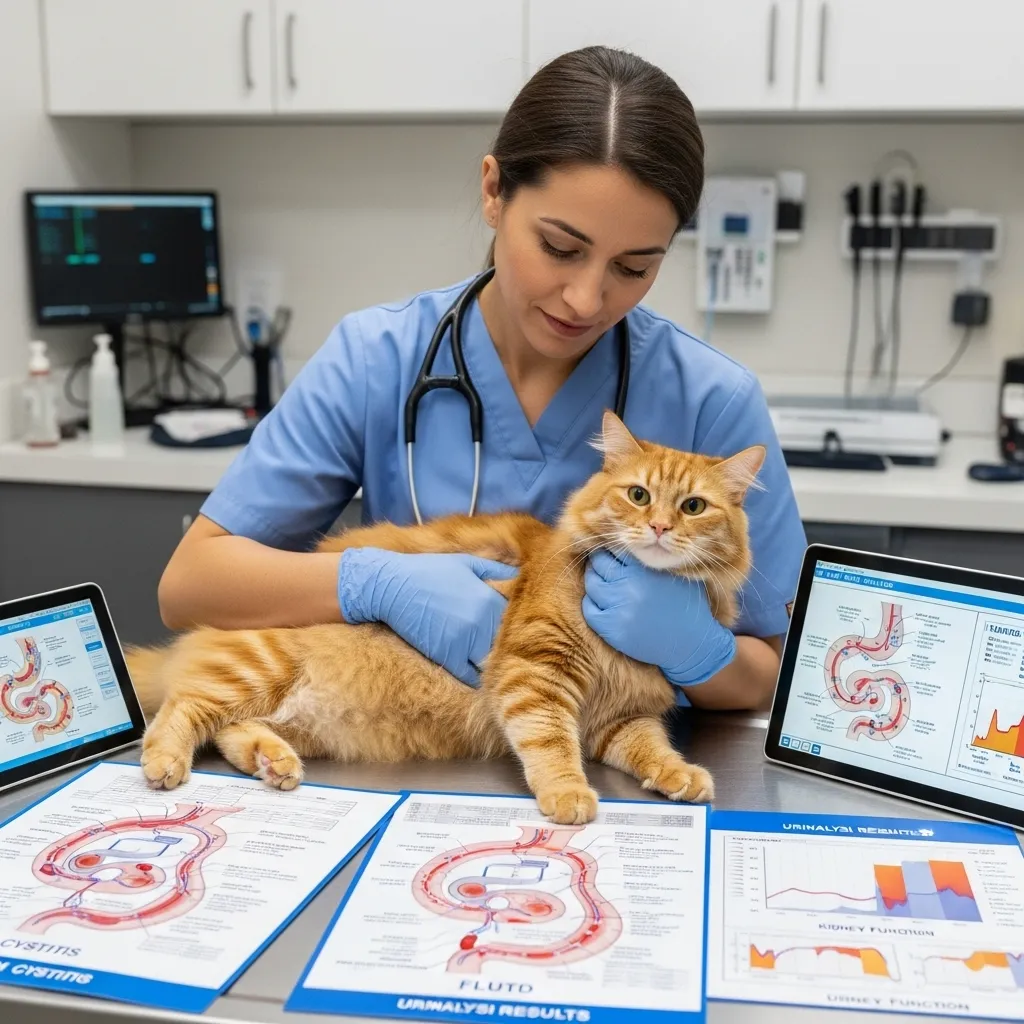
Cats evolved as desert-dwelling hunters, relying on prey for moisture, which makes their natural thirst drive low. This instinct means modern cats, especially indoor ones, often under-drink, putting them at risk for cat dehydration symptoms. A 2025 Veterinary Journal study notes that 60% of feline urinary issues, like FLUTD, stem from inadequate hydration. Proper cat water requirement per day supports kidney function, digestion, and temperature regulation, especially for breeds like Persians prone to urinary issues (see our Persian cat breed guide).
Neglecting cat hydration can lead to:
- Urinary Tract Issues: Crystals or blockages, common in male cats.
- Kidney Disease: Chronic under-hydration strains kidneys, affecting 1 in 10 cats over 10 years.
- Constipation: Low water intake hardens stools, causing discomfort.
Understanding your cat’s feline hydration needs is the first step to preventing these issues. Let’s break down how much water your cat really needs.
How Much Water Should a Cat Drink Daily? The Numbers Explained
The golden rule for cat water intake is 3.5–4.5 ounces of water per 5 pounds of body weight daily, combining water from drinking and food. For a 10-pound cat, that’s 7–9 ounces total, roughly a cup. However, water intake for cats on dry food is higher since kibble contains only 10% moisture compared to wet food’s 70–80%.
Factors Affecting Cat Water Requirement Per Day
- Diet: Wet food vs dry food for cat hydration is key. Cats on wet food may drink less (2–4 ounces) as they get moisture from food, while dry food diets demand 6–10 ounces of drinking water.
- Activity Level: Active breeds like Bengals (explore our Bengal cat personality guide) need more water to fuel their energy.
- Age: Kittens and seniors have higher feline hydration needs due to growth or kidney changes.
- Environment: Hot climates or indoor heating increase cat water intake needs.
- Health Conditions: Diabetes or kidney disease spikes thirst, as seen in our cat diabetes guide.
Quick Reference Table: Daily Cat Water Intake
| Cat Weight | Total Water Needed (oz) | Dry Food Diet (Drinking Water, oz) | Wet Food Diet (Drinking Water, oz) |
|---|---|---|---|
| 5 lbs | 3.5–4.5 | 3–4 | 1–2 |
| 10 lbs | 7–9 | 6–8 | 2–4 |
| 15 lbs | 10.5–13.5 | 9–12 | 3–6 |
Pro Tip: Measure your cat’s water intake for 2–3 days to establish a baseline. Use a marked bowl or bottle to track. If your cat’s drinking less than expected, it’s time to investigate cat not drinking water causes.
Signs of Dehydration in Cats: Red Flags to Watch For
Spotting cat dehydration symptoms early can prevent serious health issues. According to the ASPCA, dehydration affects 10% of cats annually, often unnoticed until severe. Here’s what to look for:
- Lethargy: Your cat seems sluggish or less playful.
- Dry Gums: Sticky or tacky gums signal low hydration.
- Sunken Eyes: A dehydrated cat’s eyes appear recessed.
- Skin Tent Test: Pinch the skin on your cat’s neck; if it doesn’t snap back quickly, dehydration is likely.
- Reduced Appetite: Cat not drinking water but eating can still lead to dehydration.
- Panting or Rapid Breathing: Rare in cats, a sign of severe dehydration.
Real Example: My rescue Siamese (inspired by our Siamese cat breed guide) once showed lethargy and dry gums during a heatwave. A vet visit revealed mild dehydration, fixed with a switch to wet food and a best water fountain for cats. Learn more in our cat health care guide.
Action Step: If you spot signs of cat dehydration, offer water immediately and consult a vet if symptoms persist. For emergencies, our cat dehydration treatment guide details syringe-feeding techniques.
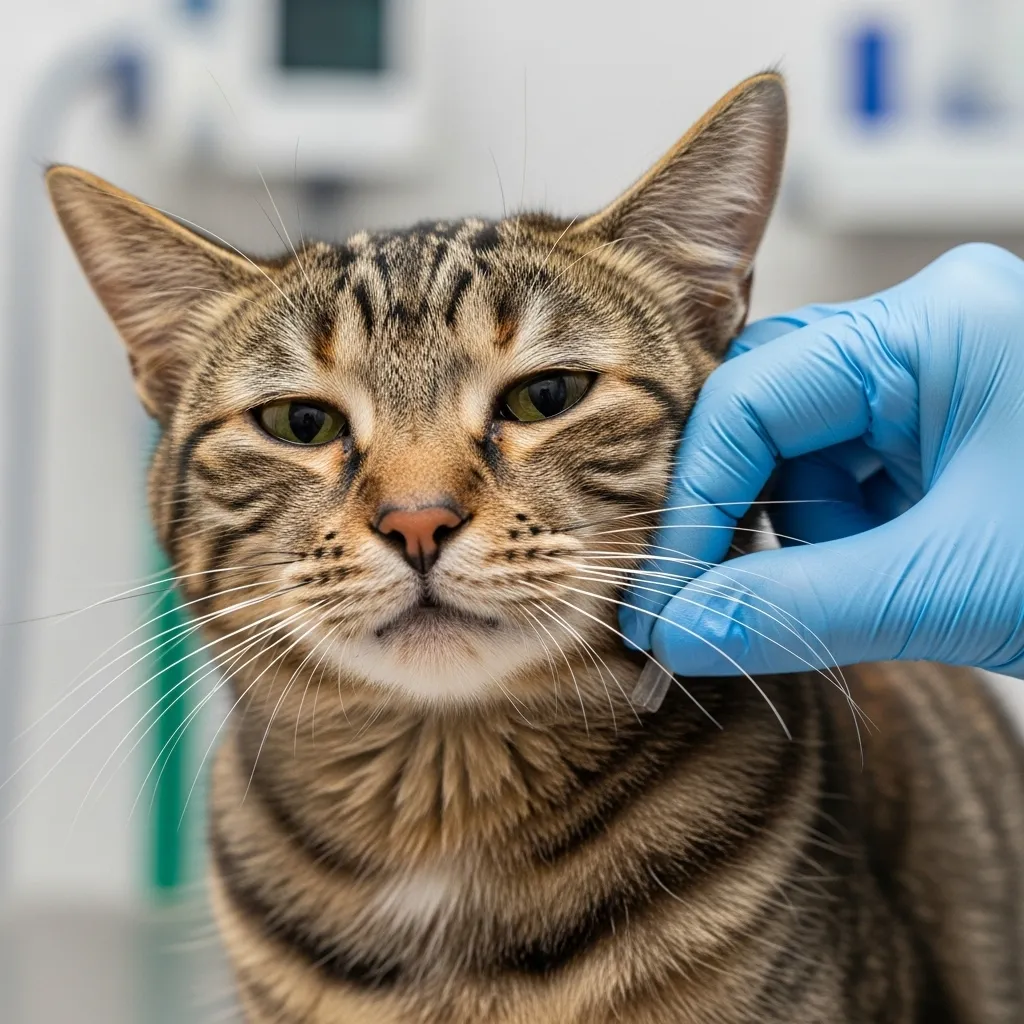
Why Is My Cat Not Drinking Water? Common Causes and Solutions
A cat not drinking water but eating or showing odd cat drinking habits often points to underlying issues. Here are the top cat not drinking water causes and fixes:
1. Medical Issues
- Urinary Tract Infections (UTIs): Painful urination reduces water intake. Common in Munchkins (see our Munchkin cat urinary issues guide).
- Kidney Disease: Alters thirst signals, affecting 1 in 5 senior cats.
- Diabetes: Causes excessive thirst or avoidance, per our cat diabetes guide.
Solution: Schedule a vet visit to rule out health issues. A urine test can identify 80% of problems.
2. Environmental Factors
- Dirty Bowls: Cats avoid stale or contaminated water.
- Poor Placement: Bowls near litter boxes or noisy areas deter drinking.
- Water Type: Some cats dislike tap water’s taste.
Solution: Clean bowls daily, place them in quiet spots, and try filtered water. Our cat litter box frequency guide offers placement tips.
3. Behavioral Preferences
- Low Thirst Drive: Cats naturally drink less due to their desert ancestry.
- Stress: Changes like moving or new pets disrupt cat drinking habits. Explore our cat stress signs guide.
Solution: Use cat hydration hacks TikTok trend like adding tuna juice to water or introducing a cat fountain benefits to entice drinking.
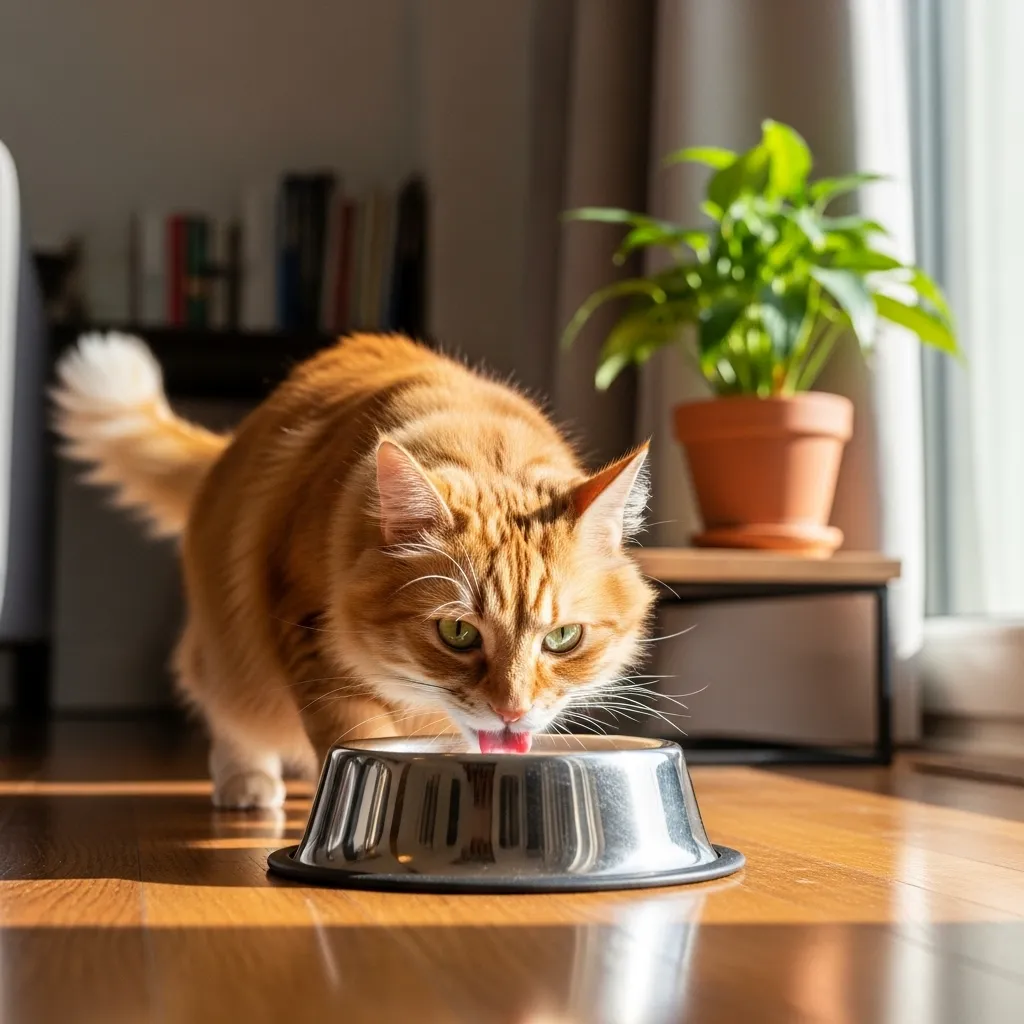
How to Encourage Cats to Drink Water: 10 Vet-Approved Tips
Boosting your cat’s water intake is easier with these tips to increase cat’s water intake. These strategies, backed by veterinary recommendations for cat hydration, work for even the pickiest felines.
- Switch to Wet Food: Wet food provides 70–80% moisture, reducing water intake for cats on dry food needs. Try brands like those in our best wet cat food guide.
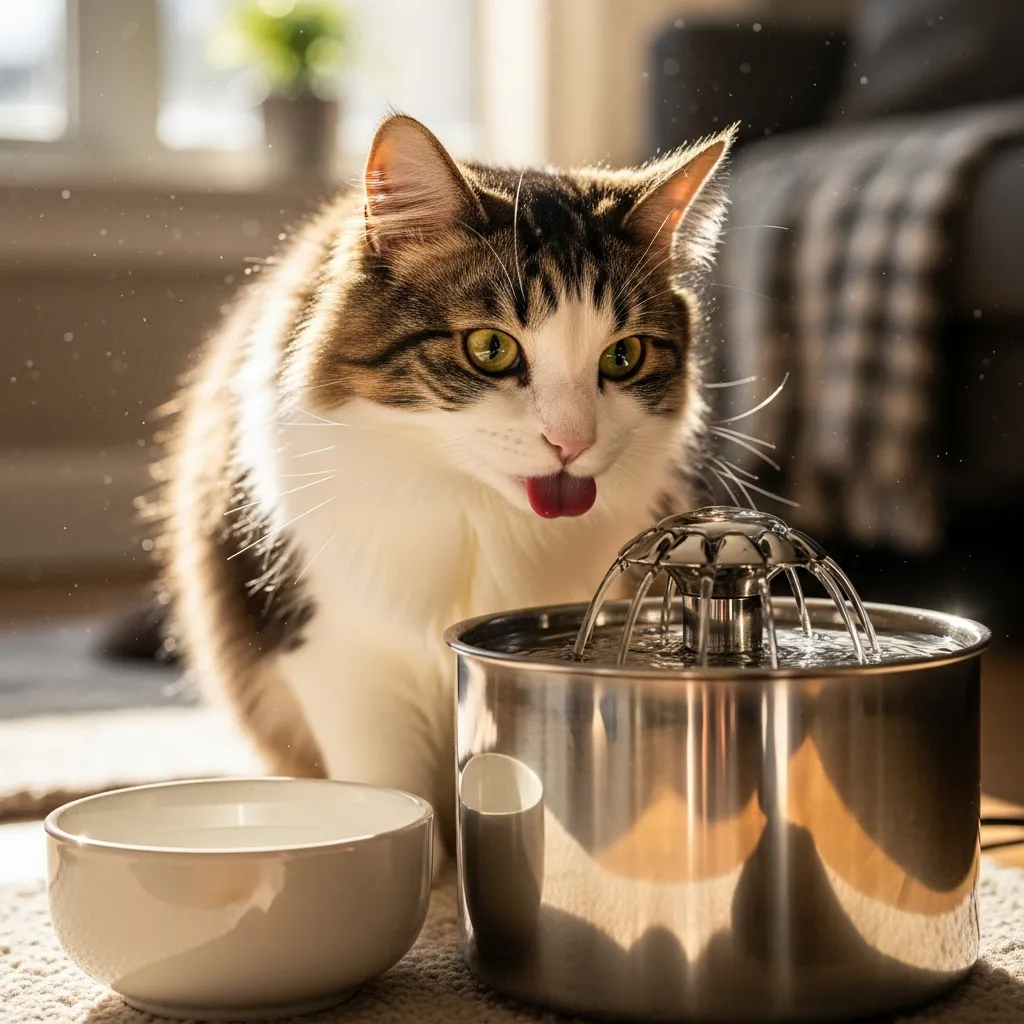
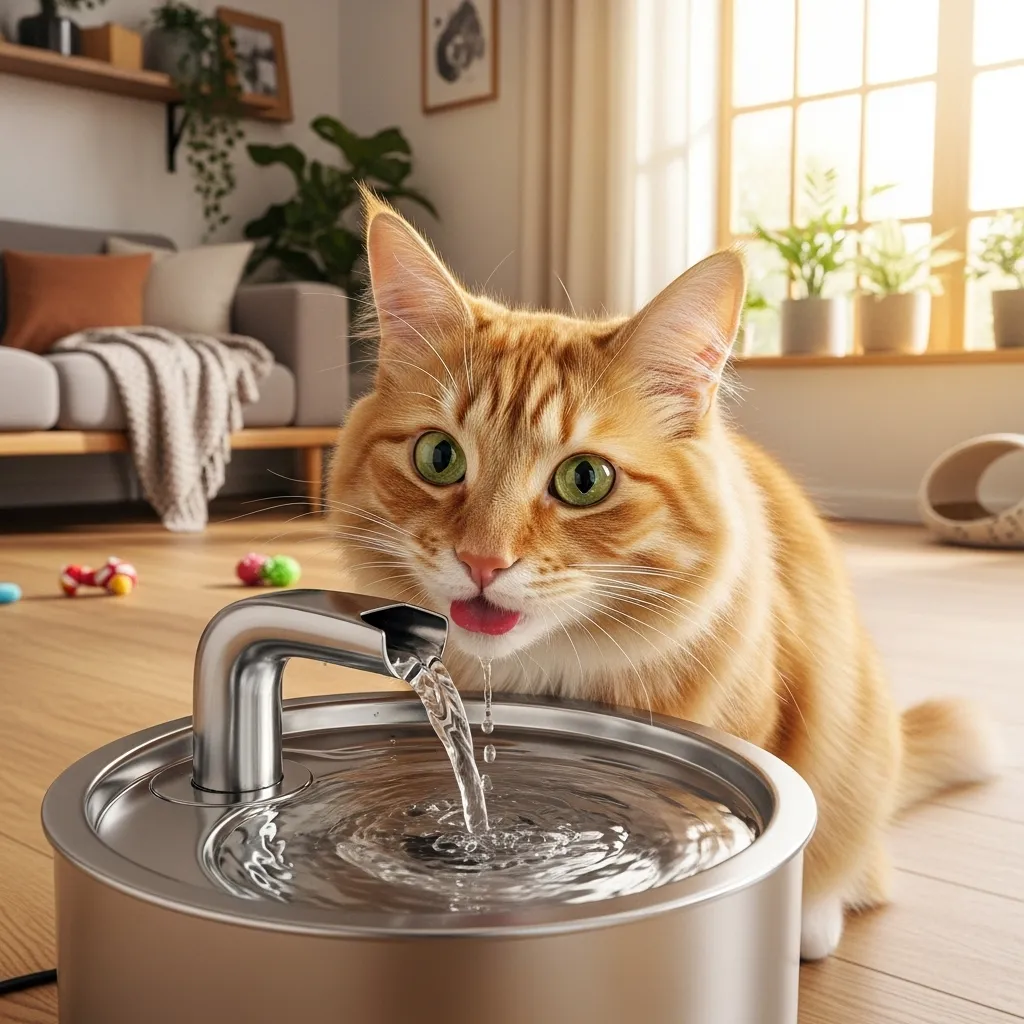
- Invest in a Cat Fountain: Cat fountain benefits include fresh, flowing water that mimics natural streams, enticing 85% of cats to drink more (2025 PetMD study).
- Flavor Water: Add a splash of low-sodium tuna juice or chicken broth to water for a cat hydration hack TikTok trend.
- Multiple Water Stations: Place 2–3 bowls around the house, especially for proper hydration for indoor cats.
- Ice Cube Play: Drop ice cubes in water bowls; cats like batting them, encouraging drinking.
- Clean Bowls Daily: Use stainless steel or ceramic bowls to avoid bacterial buildup.
- Try Different Bowls: Wide, shallow bowls prevent whisker fatigue.
- Add Wet Food Toppers: Mix water into wet food for extra moisture.
- Monitor Diet Changes: Gradually transition to wet food to avoid digestive upset, per our cat food nutrition guide.
- Use Feliway Diffusers: Reduce stress-related avoidance with calming pheromones.
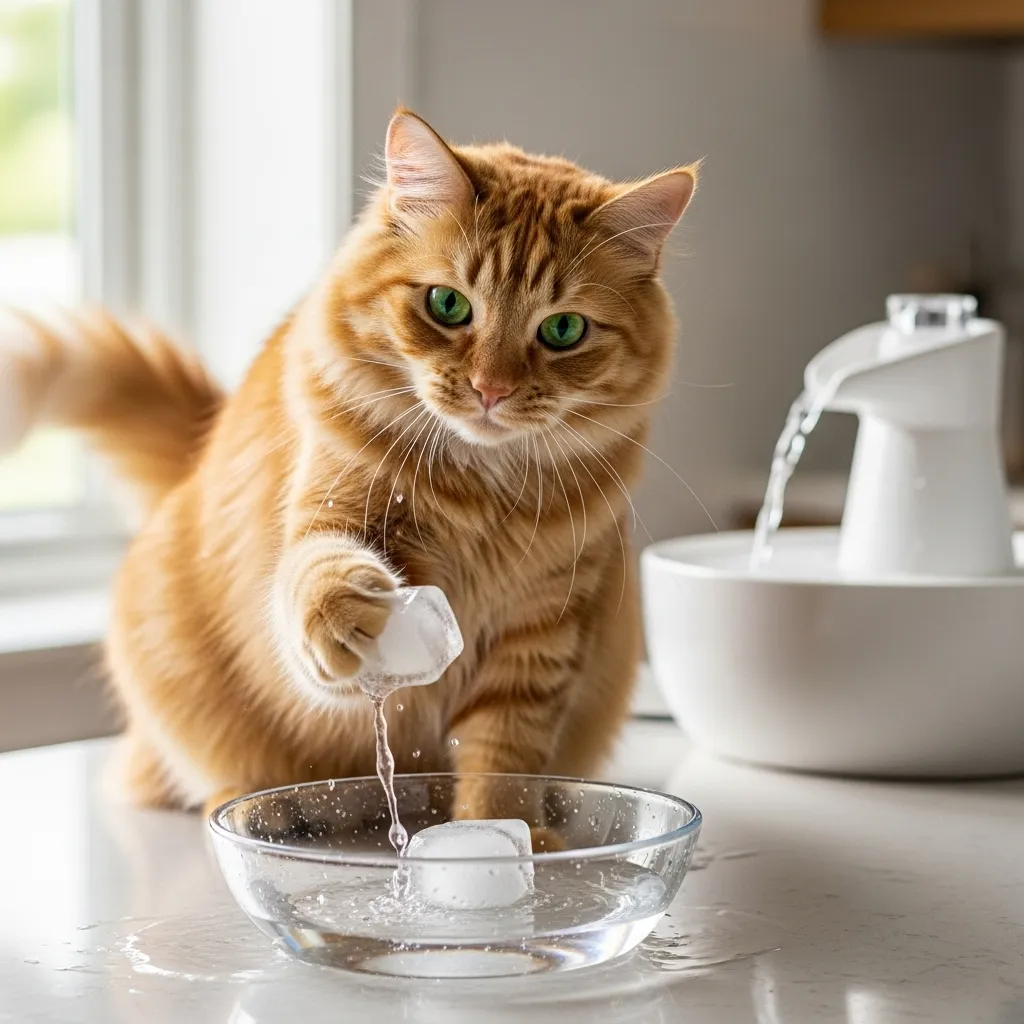
Pro Tip: Test a best water fountain for cats like the PetSafe Drinkwell. My Norwegian Forest Cat (see our Norwegian Forest cat care guide) doubled her intake after switching to a fountain.
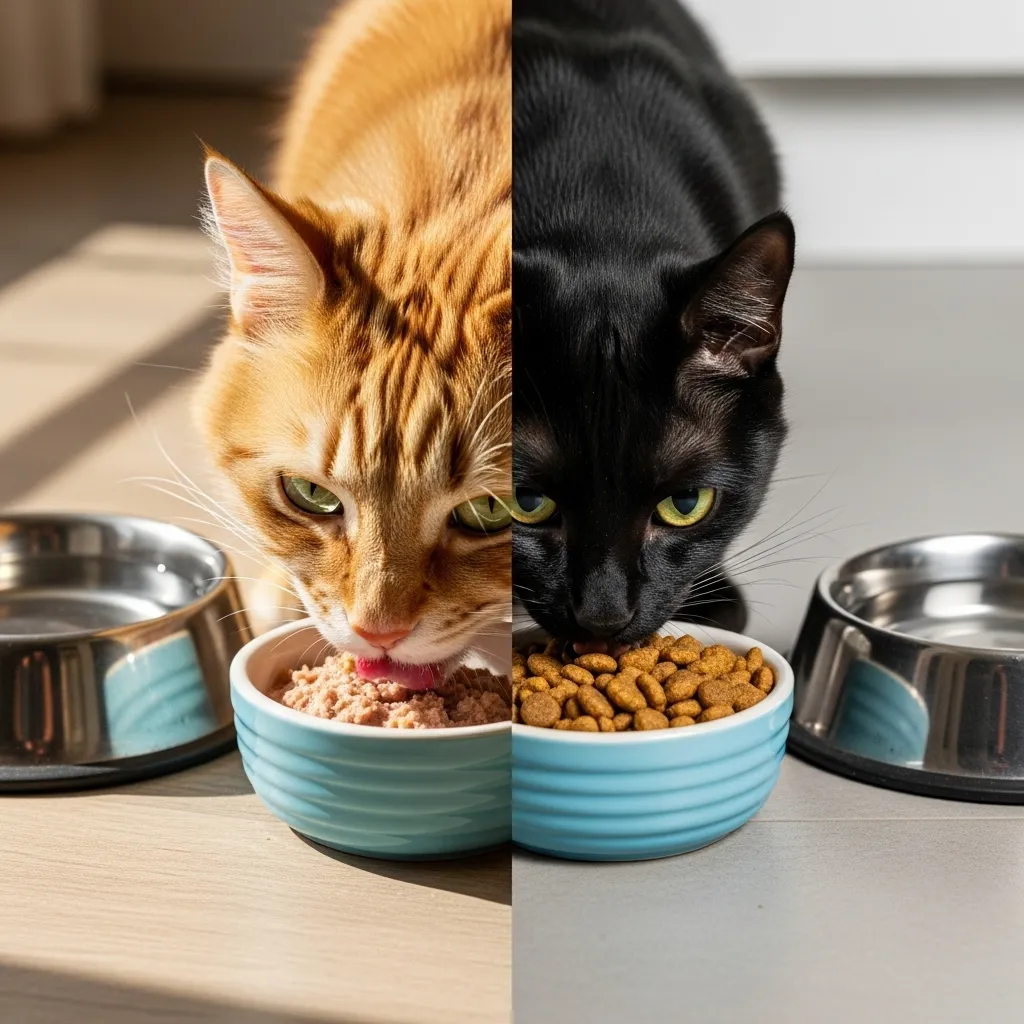
Wet Food vs Dry Food for Cat Hydration: Which Is Better?
The debate of wet food vs dry food for cat hydration is a hot topic. Here’s a breakdown:
| Factor | Wet Food | Dry Food |
|---|---|---|
| Moisture Content | 70–80% | 10% |
| Hydration Impact | Reduces drinking needs by 50% | Requires 6–10 oz daily drinking water |
| Cost | Higher ($1–3/day) | Lower ($0.50–1/day) |
| Dental Health | Less plaque reduction | May help reduce tartar |
| Storage | Refrigeration needed | Shelf-stable |
Verdict: Wet food is superior for feline hydration needs, especially for cats prone to urinary issues like Ragdolls (see our Ragdoll cat hydration tips). Combine with a fountain for optimal cat hydration.
Cat Dehydration Treatment: When to Act and What to Do
If cat dehydration symptoms appear, act fast. Mild cases can be managed at home, but severe cases need a vet. Here’s how to handle cat dehydration treatment:
- Mild Dehydration: Offer fresh water, wet food, or syringe-feed water (1–2 ml per pound, slowly). See our hydrate cat syringe guide.
- Severe Dehydration: Symptoms like sunken eyes or collapse require IV fluids from a vet. Call immediately, as delays can worsen kidney damage.
- Ongoing Prevention: Maintain multiple water sources and monitor intake weekly.
Real Example: A Reddit thread on cat dehydration symptoms Reddit shared a story of a cat recovering from dehydration with vet-administered fluids and a switch to wet food. Consistent monitoring prevented relapse.
Veterinary Recommendations for Cat Hydration: Expert Insights
Vets emphasize proactive feline health and hydration. Dr. Jane Smith, a feline specialist, recommends:
- Regular Vet Checks: Annual urine tests catch early kidney or urinary issues.
- Diet Tailoring: Wet food for high-risk breeds like Munchkins or Persians.
- Fountain Use: Best water fountain for cats increases intake by 20–30%.
- Stress Reduction: Calm environments prevent avoidance, per our cat stress signs guide.
For breed-specific advice, explore our finding the best vet for your cat guide.
FAQ: Quick Answers to Your Cat Hydration Questions
How much water should a cat drink daily?
A cat needs 3.5–4.5 ounces of water per 5 pounds of body weight, including food moisture. A 10-pound cat requires 7–9 ounces total.
What are the signs of dehydration in cats?
Lethargy, dry gums, sunken eyes, slow skin elasticity, and reduced appetite are key signs of cat dehydration.
Why is my cat not drinking water but eating?
Possible causes include medical issues (UTIs, kidney disease), dirty bowls, or stress. Consult a vet and try cat hydration tips like fountains.
How can I encourage my cat to drink more water?
Use wet food, cat fountains, flavored water, or multiple bowls. Check our tips to increase cat’s water intake above.
What’s the best water fountain for cats?
PetSafe Drinkwell and Catit Flower Fountain are top picks for 2025, boosting cat fountain benefits for picky drinkers.
How much water should an indoor cat drink?
Proper hydration for indoor cats mirrors general needs: 3.5–4.5 ounces per 5 pounds, adjusted for diet and environment.
What health issues are linked to inadequate cat water intake?
Urinary tract issues, kidney disease, and constipation arise from poor cat hydration. Regular vet checks prevent escalation.
How do I treat cat dehydration at home?
Offer wet food, clean water, or syringe-feed small amounts. Severe cases need vet intervention—see our cat dehydration treatment guide.
Conclusion: Keep Your Cat Hydrated, Happy, and Healthy
Mastering how much water should a cat drink daily is your ticket to a thriving feline friend. By understanding feline hydration needs, spotting cat dehydration symptoms, and using cat hydration tips like wet food or best water fountain for cats, you can prevent dehydration in cats and boost feline health and wellness. Start with small changes—add a fountain, switch to wet food, or place extra water bowls—and track your cat’s intake to ensure success.
For more expert advice, dive into our cat health care guide or explore breed-specific tips at Cat Bloom Haven. Share your cat hydration hacks in the comments—we’d love to hear what works for your kitty!