Ultimate Ragdoll Cat Care Guide: How to Make Your Ragdoll Feel Right at Home
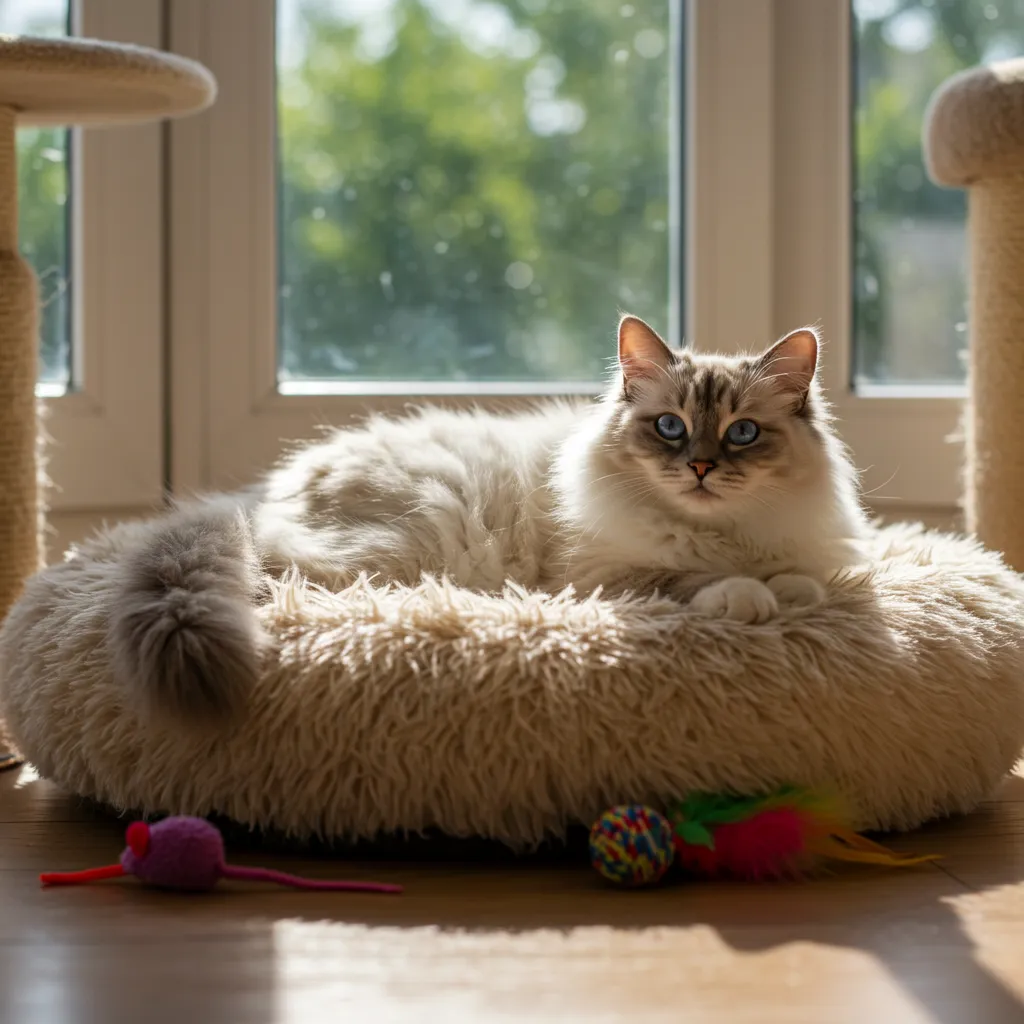
Bringing a Ragdoll cat into your life is like adding a fluffy, blue-eyed bundle of love to your family. But here’s the thing—Ragdolls aren’t your average independent feline. These gentle giants crave companionship, and if they’re not feeling secure in their new digs, you might end up with a stressed-out kitty hiding under the bed. Whether you’re a first-time cat parent or an experienced one welcoming a new Ragdoll, mastering Ragdoll cat care is key to helping them thrive. In this ultimate guide, we’ll dive deep into everything from understanding their unique Ragdoll cat personality to setting up a Ragdoll cat safe space, establishing a Ragdoll cat routine, and meeting their Ragdoll cat needs. Drawing from expert insights and real cat owner experiences, this article is your one-stop solution to make your Ragdoll cat feel at home—no more guesswork, just actionable tips that work. Let’s turn your home into a purr-fect paradise!
Decoding the Ragdoll Cat Personality: What Makes Them Tick?
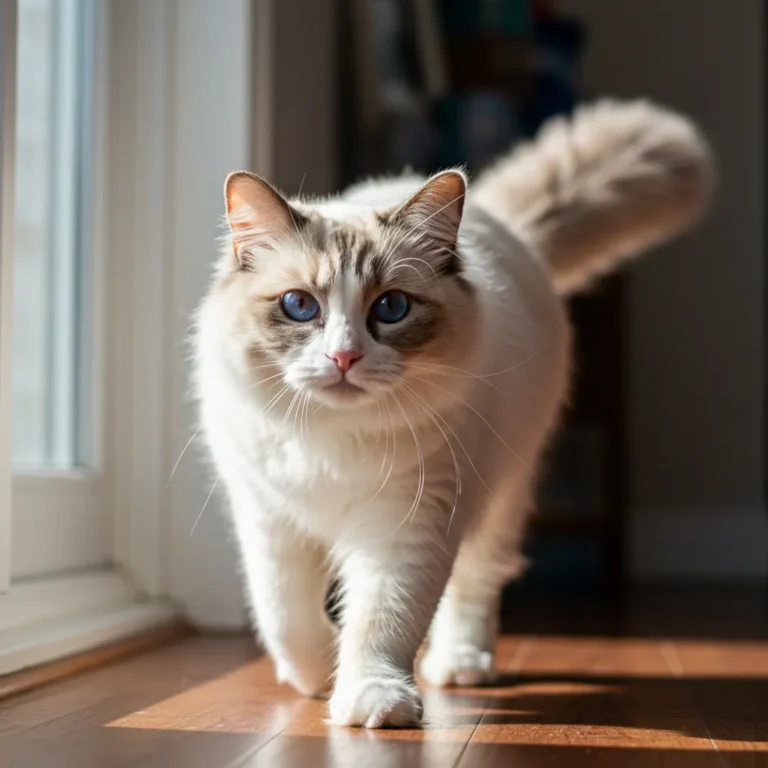
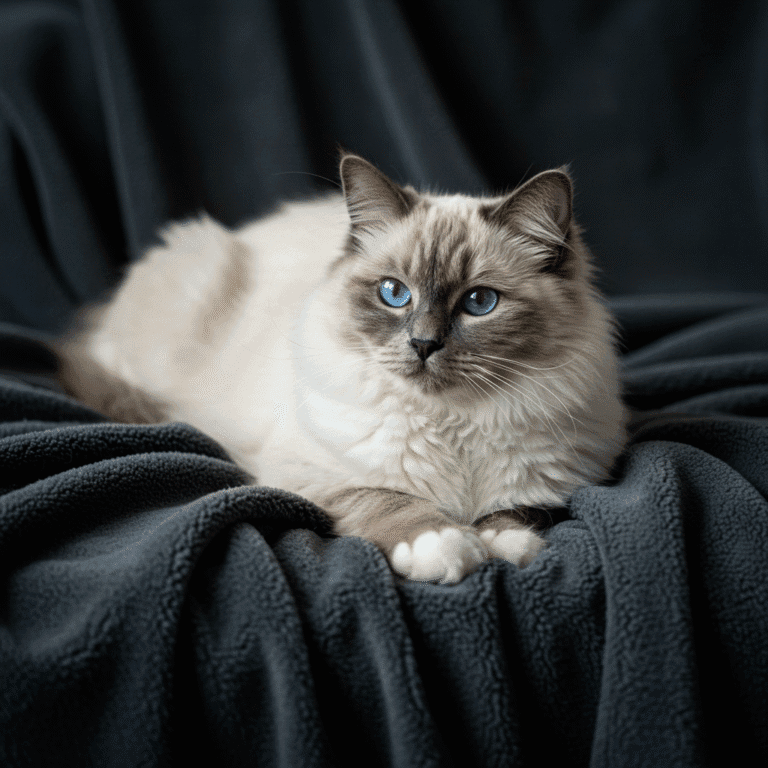
Ragdoll cats are often called “puppy cats” for a reason—they’re incredibly affectionate and people-oriented. If you’ve ever picked one up and felt them go completely limp in your arms, that’s the signature trait that gives them their name. But let’s break it down further to really understand what drives these beautiful furballs.
From my years of researching and chatting with Ragdoll owners, their personality shines through in their docile, laid-back nature. They’re not the type to climb curtains or knock over vases for fun; instead, they prefer lounging with you on the couch, following you from room to room, and demanding gentle pets. Expect bright blue eyes staring up at you with pure adoration—these cats are smart, gentle, and super social, making them ideal for families or anyone who wants a companion that’s more like a shadow than a solitary hunter.
However, this affectionate side comes with a caveat: Ragdolls can be a bit needy. They’re not fans of being left alone for long periods, and their curiosity might lead them into gentle mischief if bored. One owner shared on a forum how their Ragdoll “talks” constantly—loud meows that demand attention! Knowing this Ragdoll cat personality helps you tailor your care to keep them happy and balanced.
Key Traits of Ragdoll Cats
To make it easy, here’s a quick table summarizing their standout characteristics:
| Trait | Description | Why It Matters for Care |
|---|---|---|
| Affectionate | Loves cuddles, follows owners around, goes limp when held | Prioritize bonding with your Ragdoll cat through daily interaction |
| Docile & Gentle | Patient, not aggressive; great with kids and other pets | Ideal for multi-pet homes, but monitor play to avoid overwhelming them |
| Social & Curious | Enjoys company, explores calmly | Provide interactive cat toys for bonding to satisfy their playful side |
| Laid-Back | Low-energy, prefers relaxation over high activity | Create a stress-free environment for cats with quiet zones |
| Vocal (Sometimes) | May “talk” to express needs | Listen to cues for emotional needs of cats like hunger or affection |
This insight sets the foundation for everything else in Ragdoll cat care. If you’re nodding along thinking, “That’s exactly what I want in a cat,” keep reading—we’ll cover how to meet those needs next.
Essential Ragdoll Cat Needs: Physical and Emotional
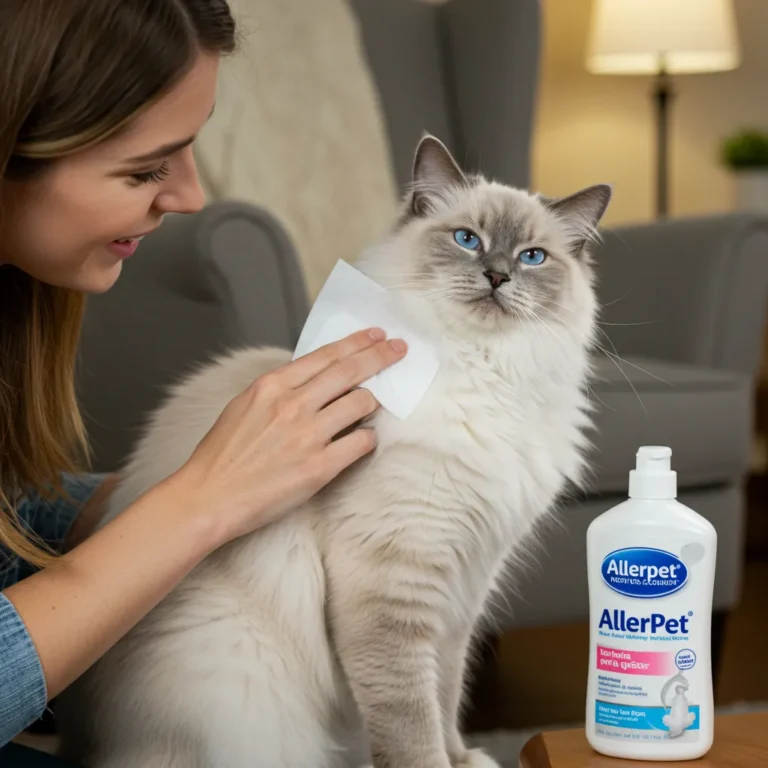
Ragdolls aren’t high-maintenance divas, but they do have specific Ragdoll cat needs that go beyond basic food and water. Physically, these large cats (males can weigh up to 20 pounds!) require regular grooming to keep their semi-long, silky coat mat-free. Brush them 2-3 times a week with a wide-toothed comb, and consider a bath every few months if they get dirty—use lukewarm water and cat-specific shampoo to avoid skin issues. They also need nail trims and dental care to prevent overgrowth and plaque.
On the emotional side, Ragdolls thrive on human connection. Their emotional needs of cats include plenty of attention to avoid loneliness—think daily play sessions and cuddles. They’re sensitive to changes, so a stable routine helps reduce anxiety. One tip from vets: If you’re away often, consider a companion cat or puzzle toys to keep them mentally stimulated.
Pros and Cons of Meeting Ragdoll Needs
- Pros: Fulfills their affectionate nature, leading to a happier, healthier cat; strengthens your bond.
- Cons: Requires time commitment; neglecting emotional needs can lead to behavioral issues like excessive meowing.
By addressing both physical and emotional needs of cats, you’ll have a content Ragdoll who’s as relaxed as they look.
Preparing Your Home for a Ragdoll Cat: Creating a Cat-Friendly Environment
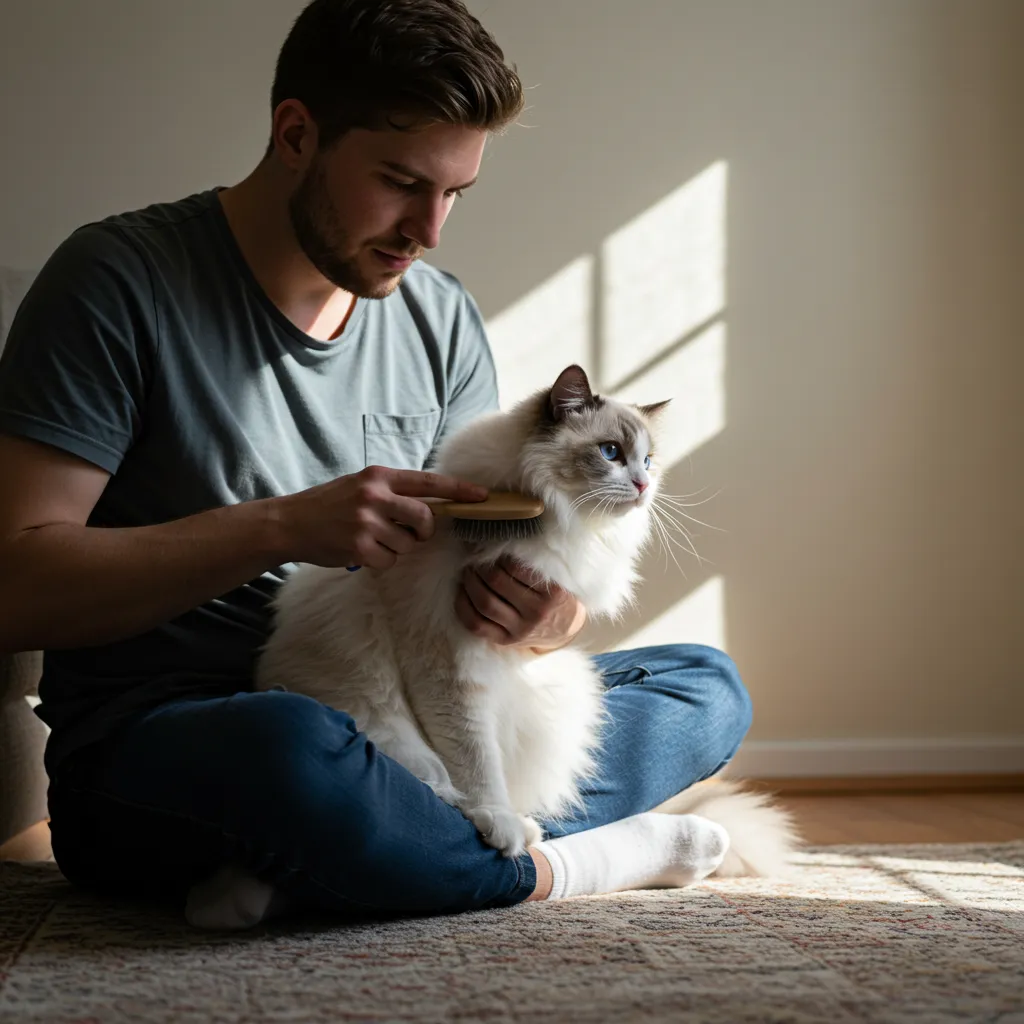
Preparing home for Ragdoll cat starts before they even arrive. These cats love a best environment for Ragdoll cats that’s safe, stimulating, and cozy. Cat-proof your space by securing cords, hiding toxic plants (like lilies), and installing window screens—Ragdolls are indoor-only cats to protect their trusting nature from outdoor dangers.
Set up vertical spaces like cat trees for climbing, as they enjoy perching high. Add scratching posts to save your furniture, and scatter litter boxes in quiet spots—Ragdolls prefer clean, private areas.
Step-by-Step Guide to Creating a Cat-Friendly Home
- Assess Hazards: Remove small objects they could swallow and secure cabinets.
- Add Enrichment: Install shelves or tunnels for exploration.
- Incorporate Comfort: Place soft blankets in sunny spots for naps.
- Test Layout: Walk through as if you’re the cat—ensure easy access to food, water, and litter.
This setup ensures a smooth transition period for new cats and promotes long-term happiness.
Setting Up a Ragdoll Cat Safe Space: The Ultimate Cozy Retreat
Every Ragdoll needs a Ragdoll cat safe space where they can retreat when overwhelmed. Choose a quiet room like a spare bedroom or laundry area, away from high-traffic zones. Stock it with essentials: a litter box, food/water bowls (kept separate to mimic natural habits), and a comfy bed.
For a cozy cat environment setup, include hiding spots like caves or boxes—these reduce stress and fulfill their instinctual need for security. Add pheromone diffusers like Feliway to create a calming vibe.
Must-Have Items for a Safe Space
- Litter box with low sides for easy access.
- Elevated perches for observation.
- Soft bedding (more on best cat comfort beds 2024 later).
- Toys for solo play.
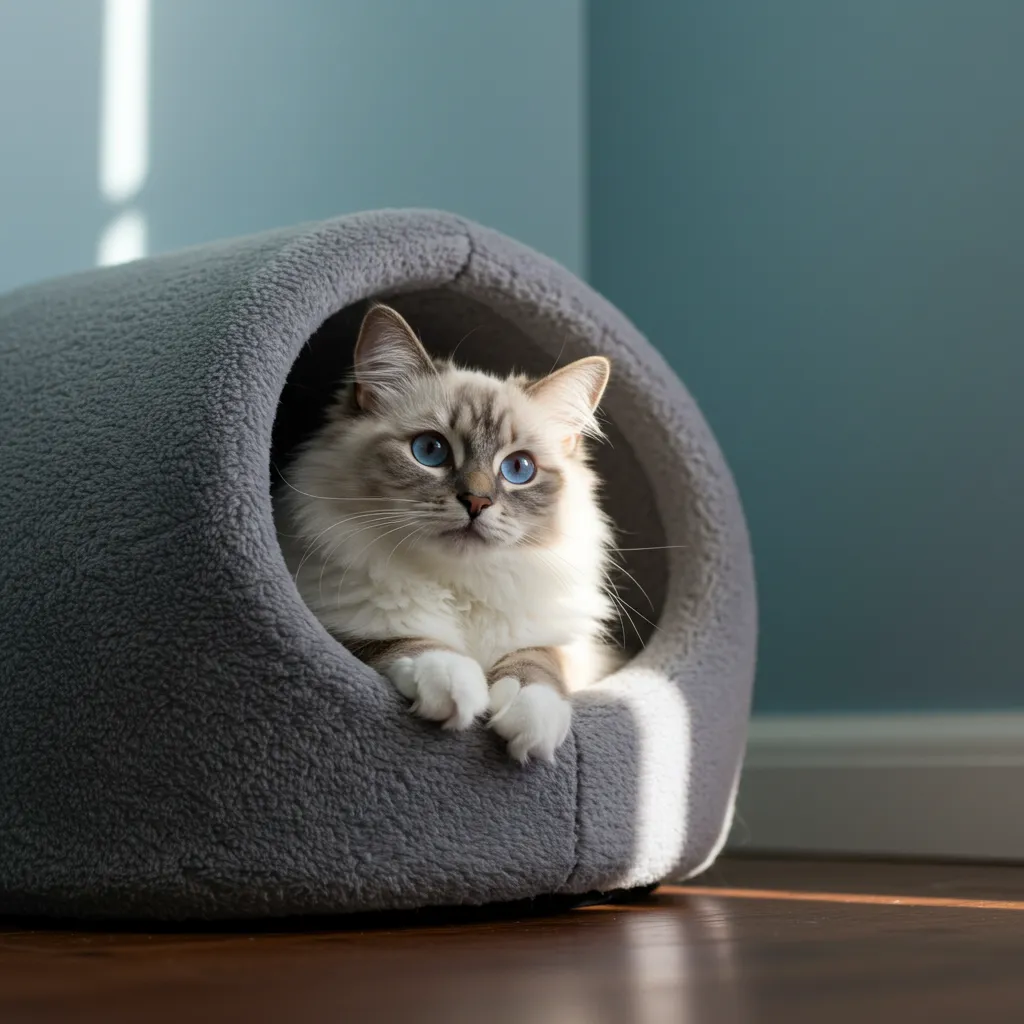
Real-life example: A new Ragdoll owner confined their kitty to a bathroom for the first week, gradually expanding access—this prevented overwhelm and built trust.
Establishing a Ragdoll Cat Routine: Feeding, Play, and Daily Habits
Routines are gold for Ragdolls—they provide predictability in a changing world. Start with a Ragdoll cat feeding routine: Feed adults twice a day with high-protein, meat-based wet food to support their size and hydration needs. Kittens need 3-4 meals, transitioning to adult portions by 6 months. Aim for 60-80g per day, split into portions, and always have fresh water.
Incorporate play into the Ragdoll cat routine for exercise—15-20 minutes daily keeps them fit without overexertion. Bedtime rituals like gentle brushing reinforce bonds.
Sample Daily Ragdoll Cat Routine
| Time | Activity | Tips |
|---|---|---|
| 7 AM | Breakfast & Play | Wet food + interactive session |
| Noon | Check-In & Grooming | Quick brush to prevent mats |
| 6 PM | Dinner & Cuddles | Evening meal followed by lap time |
| 10 PM | Wind-Down | Dim lights, provide calming toys |
This structure addresses Ragdoll cat comfort and prevents issues like obesity.
Bonding with Your Ragdoll Cat: Tips and Activities
How to bond with a Ragdoll cat? It’s all about patience and consistency. Start with slow blinks to signal trust—cats see this as a “kitty kiss.” Let them approach you, offering treats or gentle pets on their terms.
Bonding activities include reading aloud (they love your voice) or puzzle feeders for shared “hunts.” One owner noted their Ragdoll warmed up after daily play, turning from distant to cuddly.
Top Bonding Tips
- Use positive reinforcement with treats.
- Respect their space—don’t force holds.
- Schedule daily one-on-one time.
These build a deep connection, satisfying their social cravings.
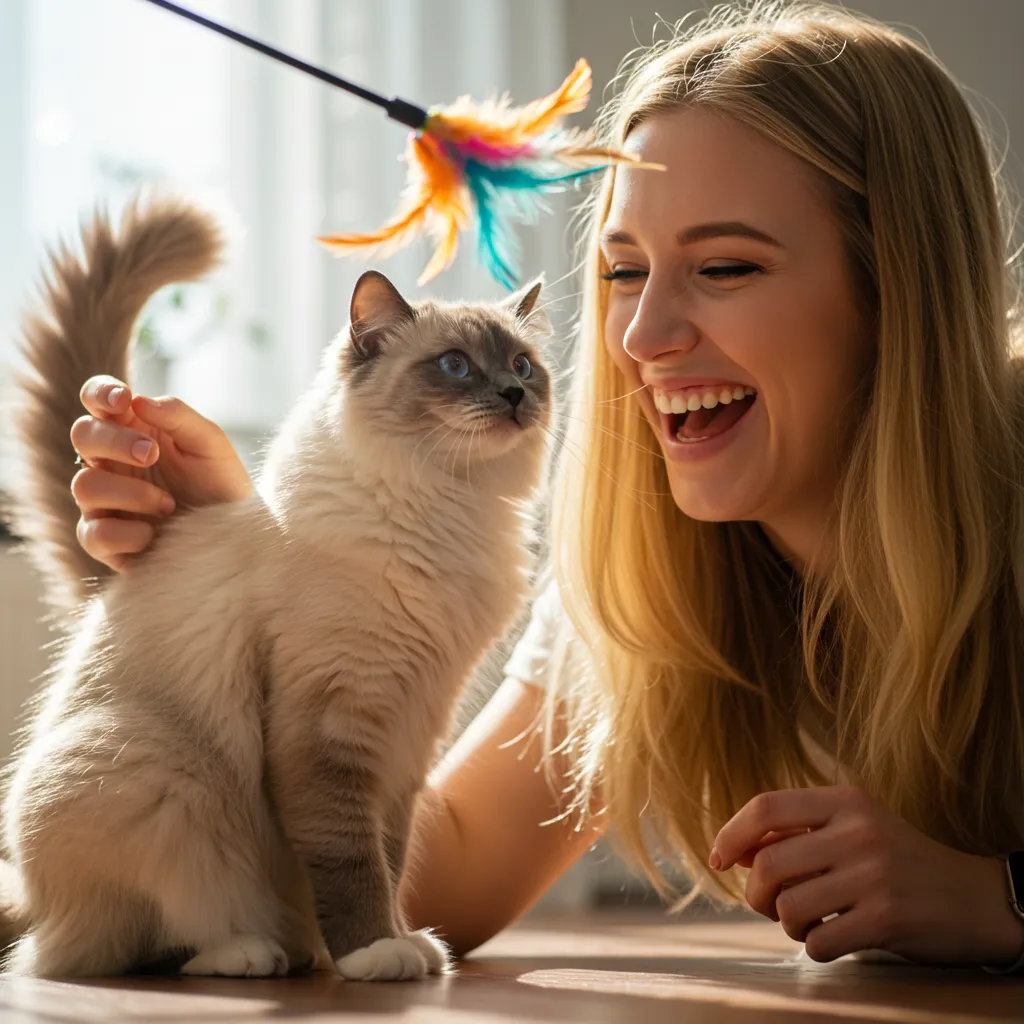
Recommended Toys for Ragdoll Cats: Fun Ragdoll Cat Playtime Ideas
Ragdolls aren’t hyper, but they adore gentle play. Recommended toys for Ragdoll cats include wand toys for chasing, catnip bananas for kicking, and ball tracks to bat around—perfect for their curious side. Calming toys for cats like heartbeat plushies soothe during alone time.
For Ragdoll cat playtime ideas, try feather teasers or laser pointers, but always end positively to avoid frustration. Rotate toys to keep interest high.
Best Toys Table (2024 Picks)
| Toy Type | Examples | Benefits |
|---|---|---|
| Interactive | Da Bird Wand, Laser Pointer | Builds bond, exercise |
| Solo Play | Ripple Rug, Spring Toys | Mental stimulation |
| Catnip | Yeowww! Banana, Kick Sticks | Relaxation and fun |
These keep your Ragdoll engaged without overwhelming their chill vibe.
Best Cat Comfort Beds 2024: Cozy Options for Your Ragdoll
For ultimate Ragdoll cat comfort, invest in a quality bed. Based on recent reviews, the Frisco Elevated Faux Fur Bed tops lists for its supportive design, ideal for larger Ragdolls. Cave beds like Meowfia Felt provide enclosed security, while bolster styles offer headrests for lounging.
Cat comfort items and accessories like heated pads add extra coziness, especially in cooler climates.
Top 5 Best Cat Comfort Beds 2024
- Frisco Elevated: Orthopedic support, washable.
- Meowfia Cave: Handmade wool, eco-friendly.
- Best Friends by Sheri: Plush donut for burrowing.
- Bedsure Couch: Mini sofa style for style-savvy homes.
- Petmate Bolster: Affordable, durable edges.
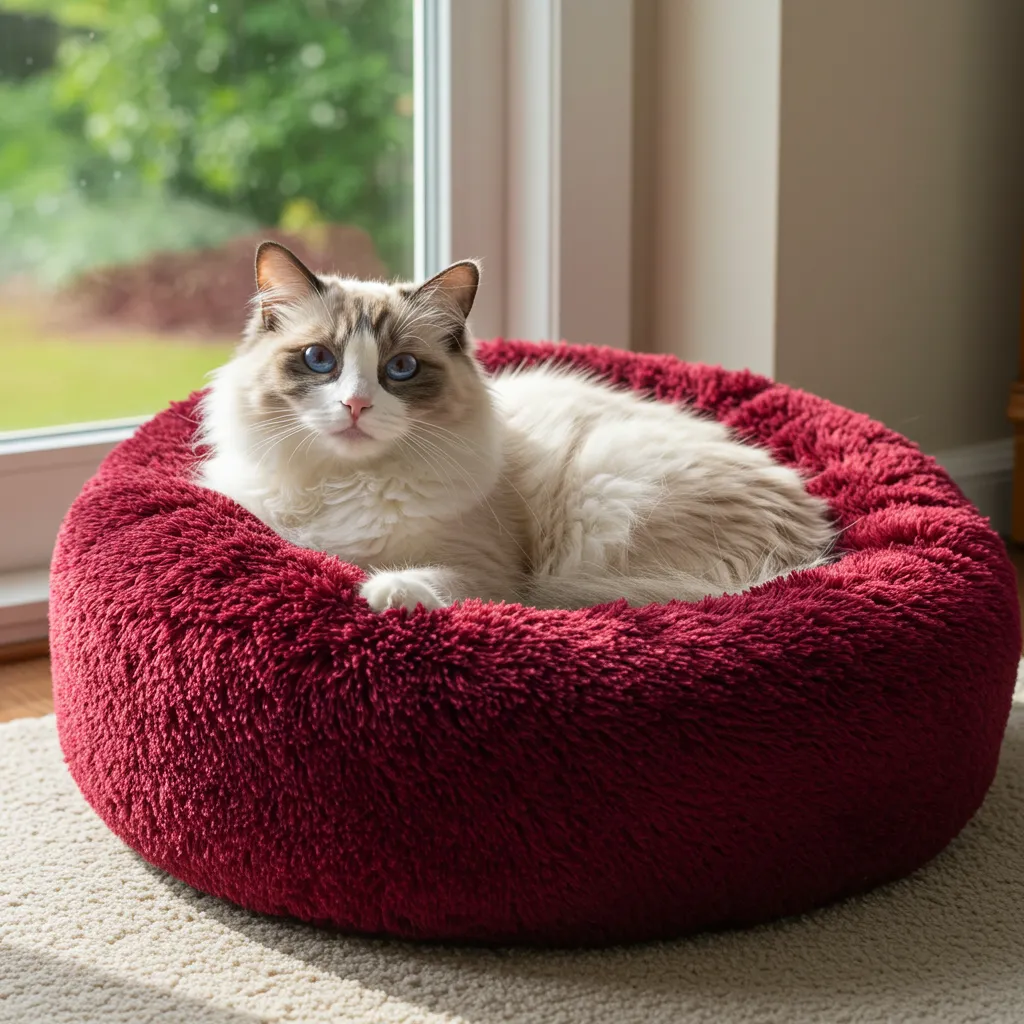
Choose based on your cat’s preferences—test a few!
Handling the Transition Period: New Cat Transition Tips
The transition period for new cats can be tough, but with new cat transition tips, it’s smoother. Confine them to one room for 3-7 days, using the “Rule of Three”: First 3 days for detox, 3 weeks for personality emergence, 3 months for full settling.
Introduce scents gradually if you have other pets—swap bedding to build familiarity.
Overcoming Homesickness: Reducing Cat Homesickness
Signs include hiding or reduced appetite. Combat with familiar items like a blanket from their old home, pheromone sprays, and extra affection. Play soft music or use heartbeat toys to mimic companionship.
Patience is key—one cat took weeks but blossomed with consistent care.
FAQ
How can I make my Ragdoll cat feel at home?
Create a safe space for cats at home with familiar scents, routines, and plenty of affection. Start small and expand access gradually.
What are the unique aspects of a Ragdoll’s personality?
Ragdolls are affectionate, docile, and social, often going limp when held. They’re gentle but need companionship to thrive.
How should I prepare a safe space for my Ragdoll?
Choose a quiet room with litter, food, bed, and hiding spots. Add vertical elements like cat trees for security.
Why is routine important for my Ragdoll cat?
Routines provide stability, reducing stress and meeting their emotional needs of cats. Consistent feeding and play build trust.
What items should I include in a cozy environment for my Ragdoll cat?
Cat comfort items and accessories like soft beds, scratching posts, toys, and pheromone diffusers create a welcoming space.
How should I handle the initial transition period for my Ragdoll cat?
Use confinement, gradual introductions, and positive reinforcement. Monitor for stress and adjust as needed.
What kind of interaction and play does a Ragdoll cat enjoy?
Gentle, interactive play with wands or puzzles. Focus on Ragdoll cat playtime ideas that encourage bonding without high energy.
Wrapping Up: Your Path to a Happy Ragdoll
Mastering Ragdoll cat care boils down to understanding their loving personality, meeting physical and emotional needs, and creating a nurturing environment. From preparing home for Ragdoll cat to daily routines and bonding, these tips ensure your furry friend feels secure and adored. Remember, a happy Ragdoll is a cuddly one—invest the time, and you’ll have a lifelong companion.