How to Tell If Your Cat Will Accept a Kitten: Expert Tips for a Smooth and Stress-Free Introduction
Imagine this: You’ve fallen head over heels for an adorable fluffy kitten at the shelter, but back home, your beloved resident cat let’s call her Whiskers rules the roost with a mix of affection and territorial flair. The big question pops up: how to tell if your cat will accept a kitten? It’s a common dilemma for cat lovers everywhere.
Bringing a new kitten into the fold can spark joy, but it can also lead to hissing matches, hidden claws, or even full-blown feline feuds if not handled right. The good news? With the right approach, most cats can learn to coexist peacefully, or even become best buddies.
As a seasoned cat enthusiast who’s helped countless pet parents navigate multi, I know the stakes. Rushing things often backfires, leading to stress for everyone involved. But fear not this ultimate guide is your roadmap. We’ll dive deep into cat introduction tips, from reading subtle cat body language to preparing your home for a new cat. By the end, you’ll have actionable steps to gauge compatibility, avoid common pitfalls, and foster a harmonious multi-cat household. Let’s turn potential chaos into cuddles!
Key Takeaways for Successful Cat Introductions
Before we jump in, here’s a quick overview to set the stage:
- Patience is Key: Gradual cat introductions can take days to weeks—rushing leads to aggression.
- Observe Closely: Look for signs your cat will accept a new kitten, like relaxed postures or curious sniffing.
- Prep Smart: Use tools like Feliway Classic for cats to ease tension.
- Monitor and Adjust: Cat behavior during introductions tells you when to proceed or pause.
- Expert Backing: Backed by vet-recommended strategies from sources like Cornell University’s Feline Health Center.
Now, let’s break it down step by step.
Understanding Your Resident Cat’s Personality: The First Step in Predicting Compatibility
Before you even bring home that bundle of fur, assess your current cat’s vibe. Not all cats are wired for companionship—some are lone wolves (or should I say, lone lions?), while others thrive in a pack. How do you know if your resident cat and new kitten will click? Start by evaluating personality traits.
Cats are individuals, just like us. A playful, social cat under 5 years old is more likely to warm up to a kitten, according to cat behavior experts. If your cat is energetic and enjoys interactive toys, that’s a green light. On the flip side, an older, set-in-their-ways feline might view a hyper kitten as an intruder.
Quiz: Is Your Cat Ready for a Kitten?
Take this quick self-assessment to gauge readiness:
- Does your cat seek out playtime? Yes = Good sign for kitten energy match.
- Has your cat lived with other pets before? Positive history boosts chances.
- Is your cat territorial (e.g., guards food or spots)? If yes, proceed with extra caution.
- Age factor: Kittens often pair well with younger adults; seniors might prefer calm companions.
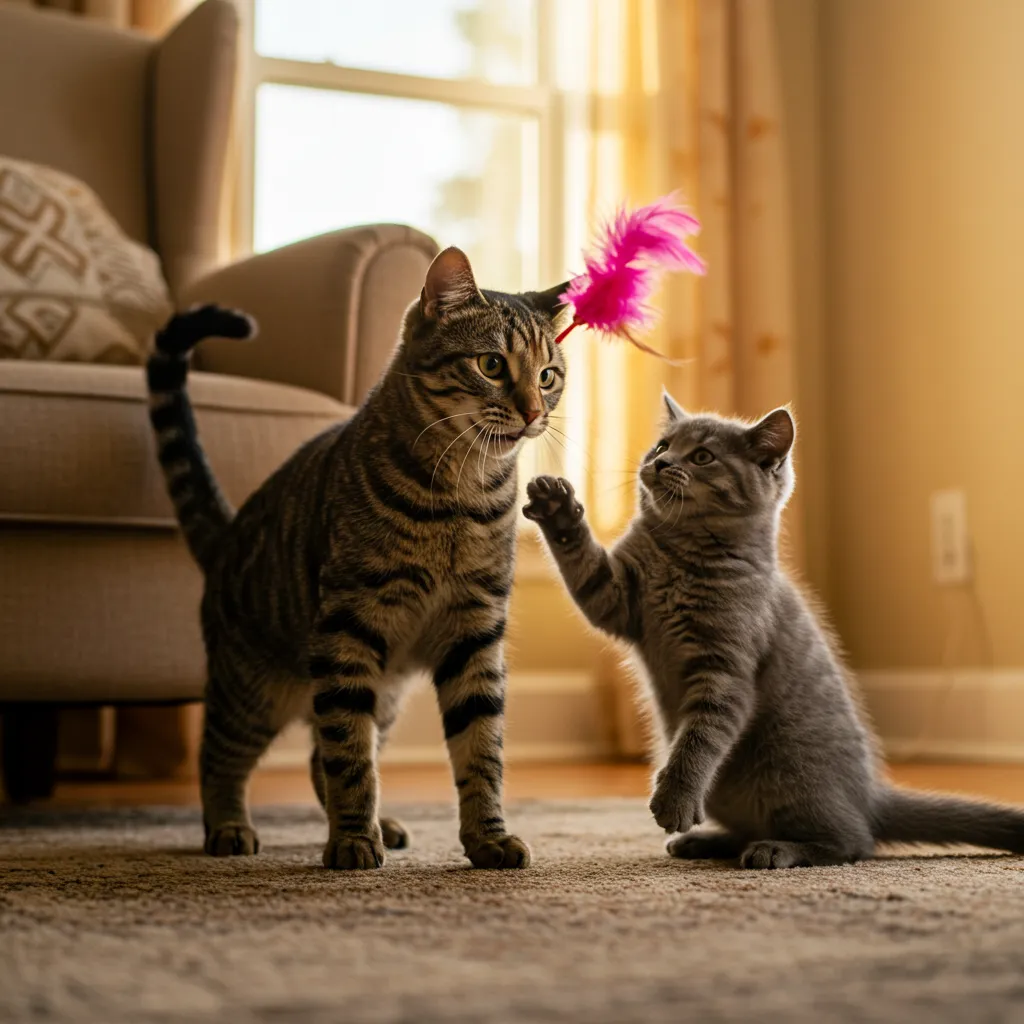
Real-life example: My friend Sarah had a 3-year-old tabby who loved chasing laser pointers. When she introduced a playful kitten, they bonded over zoomies within weeks. Contrast that with my neighbor’s 12-year-old Persian, who needed months of slow intros to tolerate a new addition.
Preparing Your Home for a New Cat: Setting the Stage for Success
Bringing a kitten home without prep is like inviting a toddler to a china shop—disaster waiting to happen. Preparing your home for a new cat minimizes stress and sets up positive first impressions. This is crucial for how to make cats get along from day one.
Create a Safe Sanctuary Room
Start by designating a “base camp” for the new kitten—a quiet room with all essentials: food, water, litter box, scratching post, and cozy bed. This space allows the kitten to acclimate without overwhelming your resident cat.
- Why it works: It prevents immediate territorial clashes.
- Tip: Stock it with kitten-specific items, like shallow litter boxes for tiny paws.
Stock Up on Multi-Cat Essentials
In a multi-cat household, resources are key to reducing cat stress. Follow the “n+1” rule: For two cats, have three litter boxes, food bowls, etc.
| Resource | Recommendation | Why It Helps |
|---|---|---|
| Litter Boxes | One per cat + one extra | Prevents bullying over “territory.” |
| Food Stations | Separate areas | Reduces competition during meals. |
| Vertical Spaces | Cat trees, shelves | Offers escape routes and perches. |
| Toys | Interactive and solo | Burns energy, curbs boredom aggression. |

Signs Your Cat Will Accept a New Kitten: Decoding Cat Body Language and Behavior
Here’s the heart of it: how to tell if your cat will accept a kitten. It’s all about observation. Cats communicate volumes through body language, so learning these cues can predict success or signal a need to slow down.
Positive Cat Compatibility Signs
Look for these during early interactions:
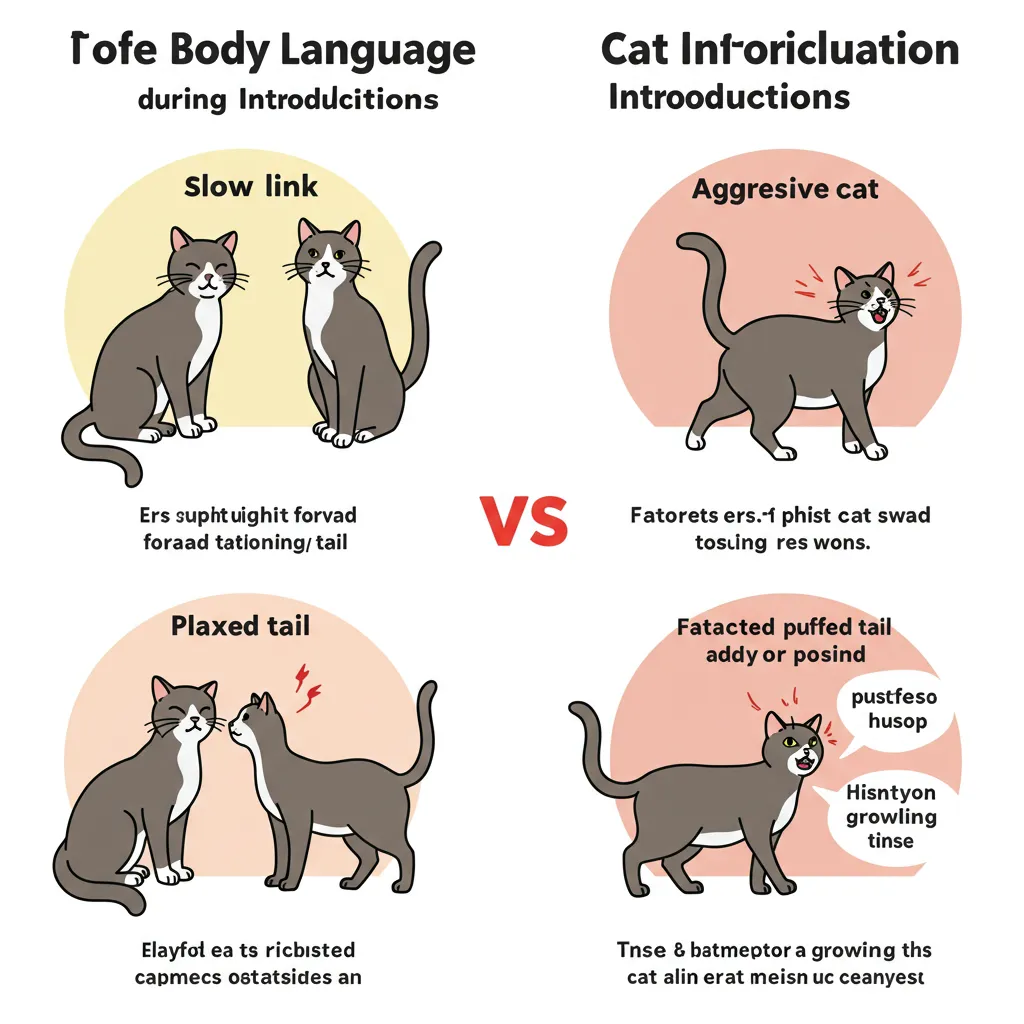
- Relaxed Posture: Ears forward, tail up (like a question mark)—this means curiosity and friendliness.
- Sniffing Without Hissing: Gentle nose touches or scent investigation shows interest, not threat.
- Playful Behavior: Gentle batting or chasing (no claws out) indicates acceptance.
- Shared Spaces: If your cat doesn’t bolt or guard areas, it’s a win.
Table of Acceptance vs. Rejection Signs:
| Sign | Acceptance | Rejection/Aggression |
|---|---|---|
| Ears | Forward, perky | Flattened, back |
| Tail | High, quivering | Low, thrashing |
| Eyes | Soft, blinking | Dilated pupils, staring |
| Vocalization | Soft chirps | Growling, hissing |
| Body | Loose, approaching | Arched back, puffed fur |
From personal anecdotes shared on forums like Reddit, many owners spot these signs after a week of scent swapping. If you see aggression, pause and consult a vet—better safe than scratched!
Step-by-Step New Kitten Introduction Guide: The Best Way to Introduce Cats in 2025
Ready for action? This gradual cat introduction process, endorsed by pros like Jackson Galaxy, ensures safety and success.
- Day 1-3: Isolation and Scent Swapping
Keep the kitten in their room. Swap bedding or toys between cats to familiarize scents. Use a sock to rub facial pheromones—cats love this trick! - Day 4-7: Visual Contact Without Touch
Use a baby gate or cracked door for supervised peeks. Reward calm behavior with treats. - Week 2+: Supervised Meetings
Short sessions in neutral space. Watch for cat aggression towards new kitten; separate if needed. - Ongoing: Full Integration
Gradually increase time together. If issues arise, revert to previous steps.
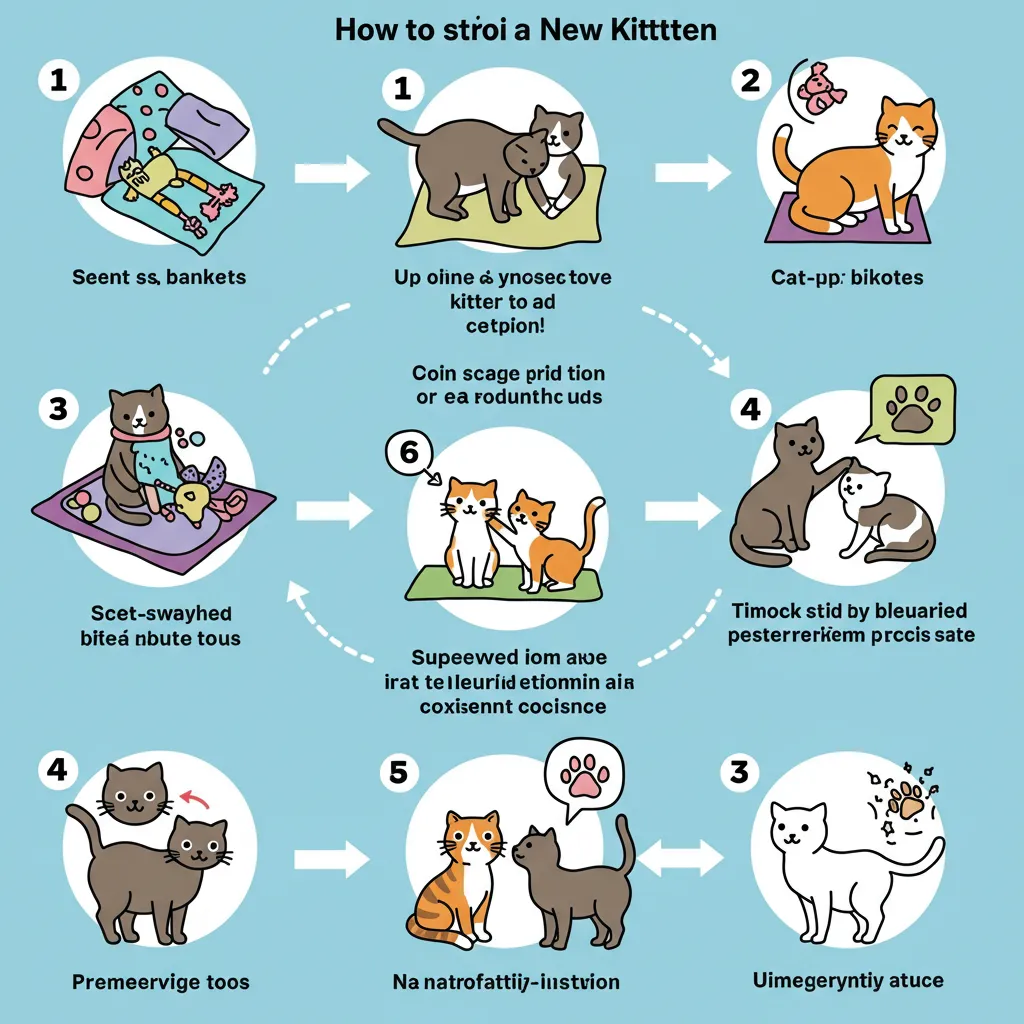
Common timeline: Most pairs settle in 2-4 weeks, but some take months. Example: A Reddit user shared how tiring the kitten out with play before meetings turned hisses into harmony.
Using Feline Pheromones for Cat Introduction: The Magic of Feliway Classic
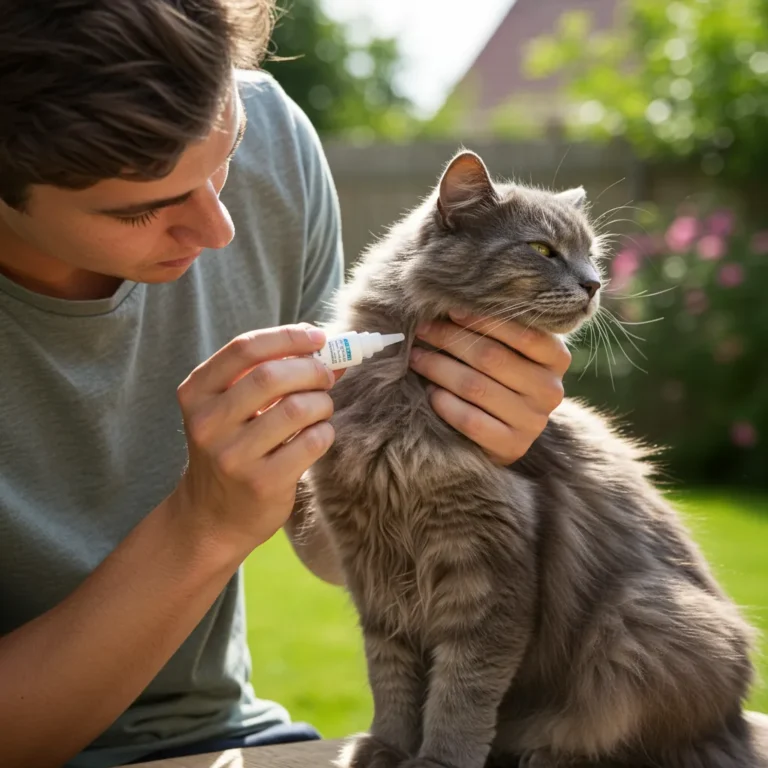
Feline pheromones for cat introduction? Absolutely—they mimic calming scents cats produce naturally. Feliway Classic diffuser is a game-changer, with studies showing it reduces stress in 9 out of 10 cats.
How Feliway Classic Works
Plug it in where cats hang out—it releases “happy” pheromones for up to 30 days, covering 700 sq ft.
Pros and Cons:
- Pros: Vet-recommended, non-drug, effective for introductions (reviews praise smoother transitions).
- Cons: Not a miracle cure; works best with behavioral steps. Some cats show no change.
Place one in the kitten’s room and resident cat’s area. User story: One owner reported her aggressive Siamese calmed within days, preventing fights.

Common New Kitten Introduction Mistakes and How to Avoid Them
Even with the best intentions, pitfalls abound. Avoid these to keep things smooth:
- Rushing Physical Meetings: Always start with scents, not face-to-face.
- Ignoring Warning Signs: Hissing? Back off—don’t force it.
- Insufficient Resources: Skimping on litter boxes sparks turf wars.
- No Supervision: Early intros need your watchful eye.
From expert advice, rushing is the #1 error, often leading to long-term grudges. Lesson from a real case: One family skipped separation, resulting in vet visits for scratches—slow and steady wins.
Multi-Cat Household Tips: Building Long-Term Harmony
Once accepted, maintain peace with these multi-cat household tips:
- Vertical Territory: Cat shelves and trees let cats “own” heights without conflict.
- Play Sessions: Daily play reduces boredom aggression.
- Routine Stability: Consistent feeding and affection prevent jealousy.
Calming cats naturally? Try herbal supplements or background music, per vet tips.

How to Reduce Cat Stress Naturally During Transitions
Stress is the enemy of introductions. Beyond pheromones, try:
- Herbal Remedies: Catnip or valerian for mild calming.
- Enrichment: Puzzle feeders keep minds busy.
- Vet Check: Rule out health issues amplifying tension.
In 2025, apps like cat calming music playlists are trending for natural relief.
Conclusion: Paving the Way for Feline Friendship
Wrapping up, figuring out how to tell if your cat will accept a kitten boils down to preparation, observation, and patience. From prepping your home and reading cat body language to using Feliway Classic and avoiding mistakes, you’ve got the tools for success. Remember, every cat duo is unique—some bond instantly, others need time, but the payoff is a happier, more enriched home.
FAQ
How can I tell if my cat will accept a new kitten?
Observe cat body language: Relaxed ears, curious sniffing, and no hissing are positive signs. Start with scent swapping to gauge initial reactions.
How should I set up my home for a new cat?
Create a separate room with essentials, add extra litter boxes, and use vertical spaces to prevent territorial stress.
What are the signs that my new cat is comfortable in its environment?
Look for eating well, exploring, and relaxed postures—no hiding or excessive meowing.
How do I gradually introduce scents between my cats?
Swap bedding or use a sock to transfer facial pheromones; do this daily for familiarity.
How do I introduce visual contact between my cats?
Use a baby gate for safe peeks, rewarding calm behavior with treats.
How can I increase the chances of my cat accepting a new kitten?
Use gradual introductions, Feliway Classic, and match energies—patience and positive reinforcement are key.