Why Does My Cat Sleep Face Down? Unlocking the Secrets of Cat Sleeping Positions and What They Reveal About Your Feline Friend
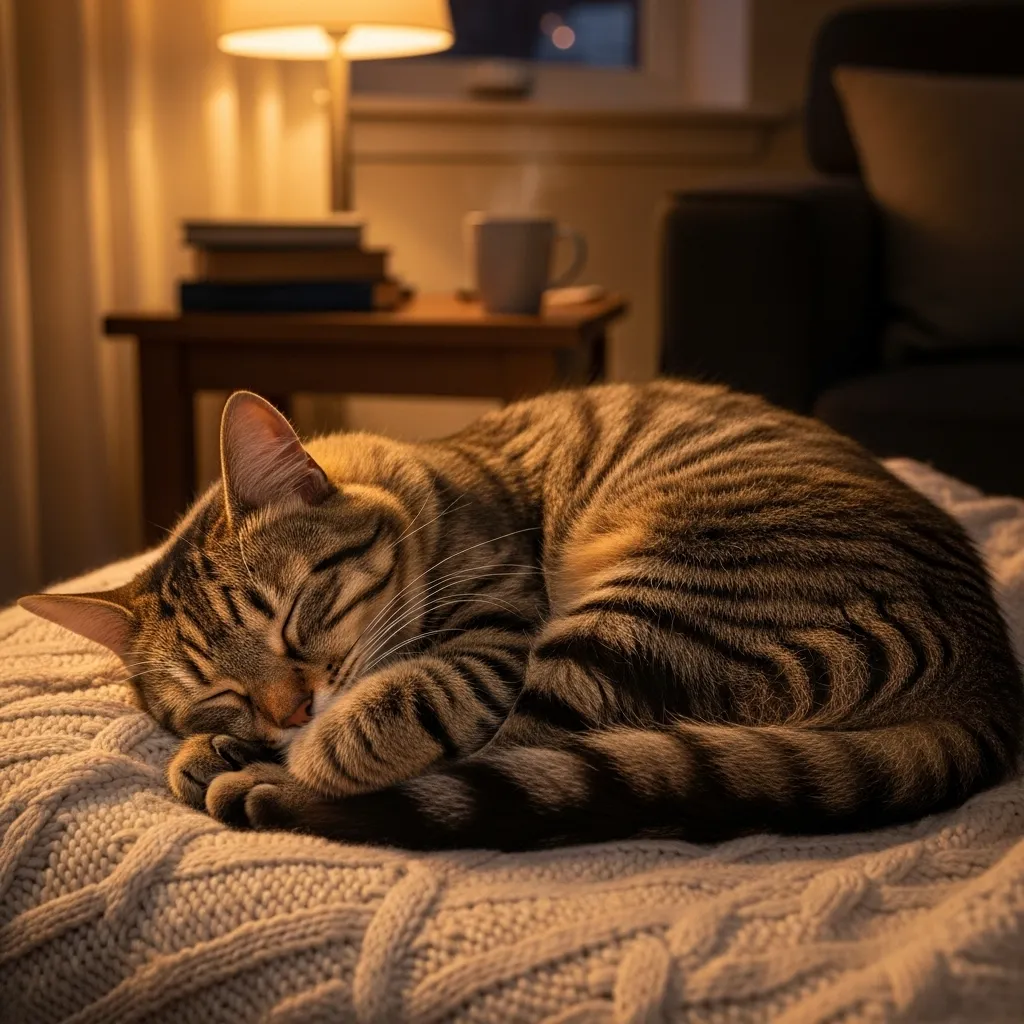
Picture this: You tiptoe into the living room after a long day, and there’s your cat sprawled across the couch, face buried deep into a pillow, paws tucked under, looking like they’ve melted into pure bliss. Why does my cat sleep face down? It’s adorable, a little mysterious, and honestly, one of the most common quirks cat parents notice. But this isn’t just random cuteness. That face-down snooze is packed with meaning from instinctual survival tactics to signs of deep trust and comfort.
In this ultimate guide from Cat Bloom Haven, we dive deep into cat sleeping positions, decode cat sleep behavior, and reveal exactly why cats sleep face down. You’ll learn what your cat’s posture says about their mood, health, and bond with you. Plus, we’ll share vet-approved tips to optimize your cat’s sleep environment and spot when a change in cat sleeping habits might signal something more.
Key Takeaways (Quick Read for Busy Cat Parents):
- Face-down sleeping usually means your cat feels safe, warm, and relaxed.
- Cats sleep 12–16 hours daily—face-down is a natural, energy-conserving position.
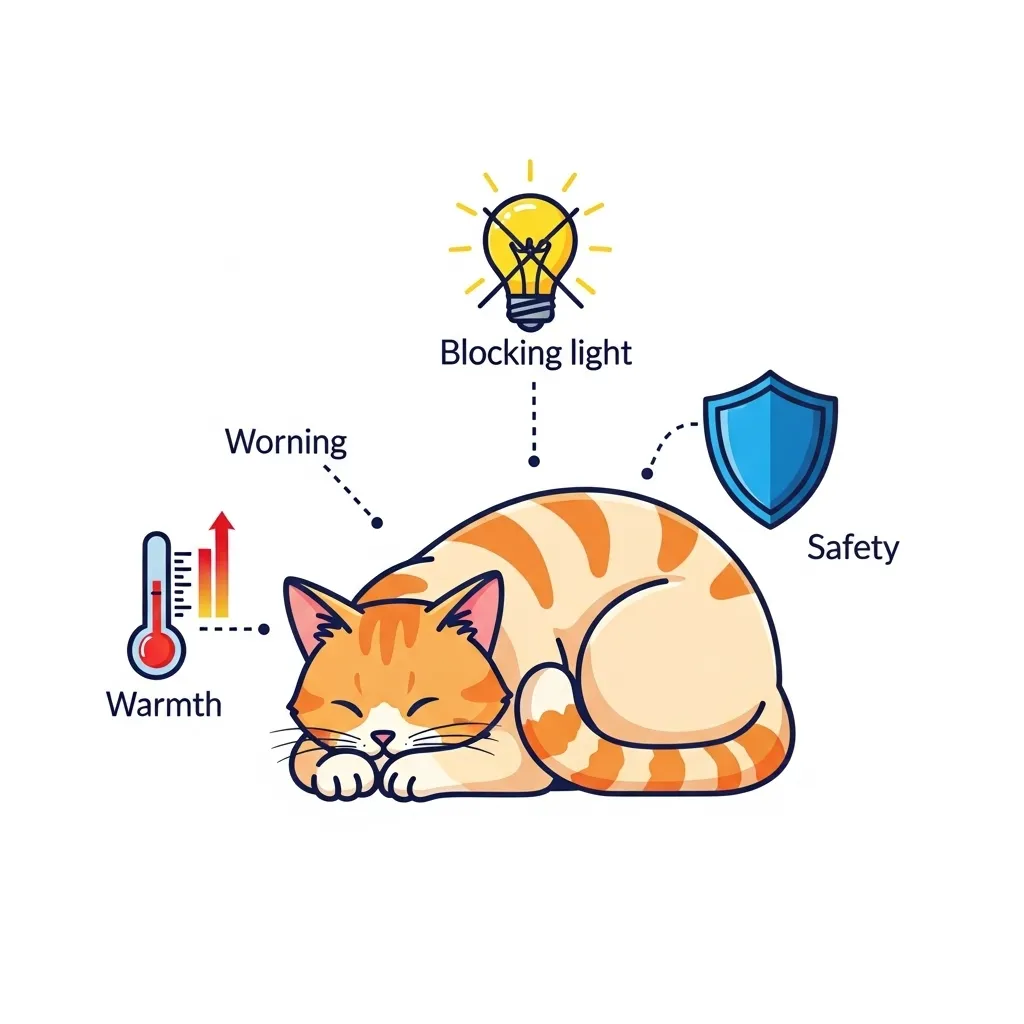
- Covering the face blocks light, retains heat, and mimics wild den instincts.
- Sudden changes in posture could indicate stress, pain, or illness monitor closely.
- Create a cozy, secure sleep zone to encourage healthy rest.
Ready to become a certified cat sleep detective? Let’s get started.
The Science Behind Cat Sleep: Why So Much, and Why So Weird?
Cats aren’t lazy they’re strategic nappers. In the wild, felines alternate between hyper-vigilant hunting and deep rest to conserve energy. Domestic cats inherit this rhythm, sleeping 12 to 16 hours per day, with kittens and seniors clocking in closer to 18–20.
But it’s not just quantity it’s quality. Cat sleep patterns cycle between light dozing (where they can spring up instantly) and deep REM sleep (when whiskers twitch and dreams of chasing lasers begin). The face-down position? That’s peak efficiency mode.
Vet Insight: “Face-down sleeping allows cats to enter light sleep quickly while staying alert to sounds,” says Dr. Emily Chen, DVM, feline behavior specialist. “It’s like a power nap with one eye open.”
This posture minimizes exposure of vulnerable areas (eyes, nose, throat) while maximizing warmth and sensory control. Let’s break down the top reasons your cat chooses this pose.
Why Does My Cat Sleep Face Down? The Top 7 Reasons (Backed by Behavior & Biology)
1. Blocking Out Light for Deeper Rest
Cats have highly sensitive eyes—even dim light can disrupt sleep. Burying their face in a blanket, your arm, or their own paws acts like a natural sleep mask.
- Biological perk: Reduces visual stimuli, helping them drop into REM faster.
- Common in: Bright homes, daytime nappers, or cats with light-colored eyes (more light-sensitive).
Pro Tip: Dim the lights or use blackout curtains.
2. Keeping Their Nose Warm (Yes, Really)
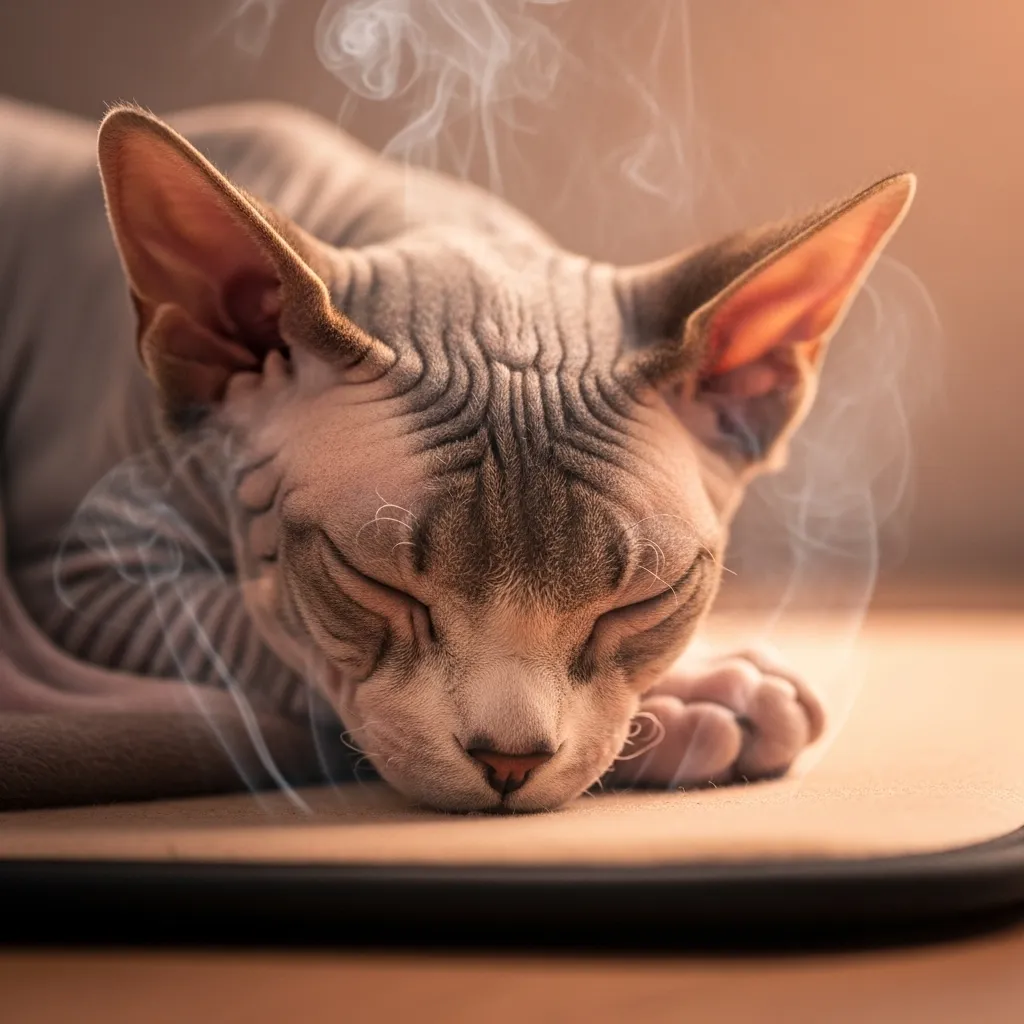
A cat’s nose is one of the few hairless, exposed areas on their body. Tucking it into fur or fabric prevents heat loss.
- Thermoregulation hack: Cats maintain a body temp of 101–102.5°F. Face-down sleeping traps warmth efficiently.
- Especially common in: Shorthairs, hairless breeds, or chilly seasons.
3. Mimicking Ancestral Den Instincts
Wild cats slept in burrows or under bushes to hide from predators. Face-down posture replicates that enclosed, protected feeling.
- Safety first: Even indoor cats retain this hardwired behavior.
- Spiritual/emotional angle (2025 trend): Some pet parents on TikTok interpret this as “soul recharging” or emotional grounding. While not scientifically proven, it reflects deep relaxation.
4. Sign of Total Trust and Security
When your cat sleeps face down near you—on your lap, chest, or pillow—it’s a massive compliment.
- Vulnerability exposed: They’re not guarding their face because they trust you to do it.
- Compare to: Curled-up “crescent” pose (guarded) vs. face-down sprawl (open, relaxed).
Real-Life Example: Sarah from Texas shared, “My Siamese, Luna, only sleeps face down on my hoodie when I’m home. The second I leave, she curls into a tight ball. It’s like her love language.”
5. Reducing Sensory Overload
Cats process smells 14x better than humans. Face-down sleeping muffles strong scents (like laundry detergent or cooking odors).
- Ideal for: Sensitive cats, multi-pet homes, or post-vet-visit recovery.
6. Self-Soothing and Stress Relief
Ever notice your cat kneading then face-planting? That combo releases endorphins.
- Knead + face-down = Ultimate comfort sequence.
- Linked to: Kittenhood nursing memories.
Learn more in our article on American Shorthair kneading—it’s not just a breed thing!
7. Temperature Regulation in Extreme Weather
In summer? Face down on cool tile. In winter? Face buried in a fuzzy blanket. Cats are microclimate masters.
- Weird but smart: Some cats sleep face down in sinks—ceramic stays cool.
Cat Sleeping Positions Meaning: A Visual Cheat Sheet
| Position | What It Means | Comfort Level | Health Red Flag? |
|---|---|---|---|
| Face Down (The Burrito) | Deep trust, warmth-seeking, light-blocking | ⭐⭐⭐⭐⭐ | Only if sudden change |
| Curled in a Ball | Conserving heat, feeling cautious | ⭐⭐⭐ | Common in new homes |
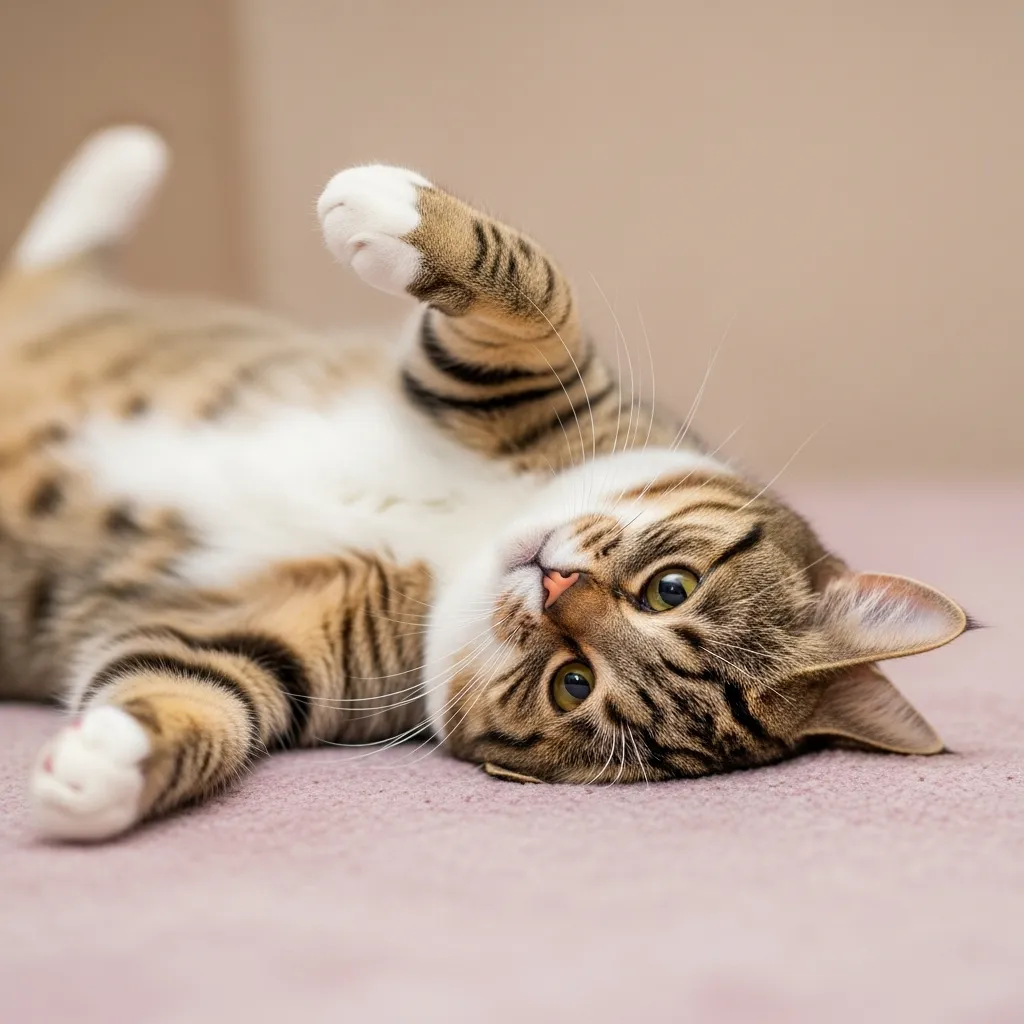
| On Back, Belly Up | Total vulnerability—only with trusted humans | ⭐⭐⭐⭐⭐ | Rare in stressed cats |
| Sideways Stretch | Relaxed, cooling off | ⭐⭐⭐⭐ | Normal in warm weather |
| Loaf (Bread Pose) | Alert rest—ready to leap | ⭐⭐⭐ | Frequent = anxiety? |
| Sitting Upright | Light dozing, guarding territory | ⭐⭐ | Common in multi-cat homes |
Source: Cat Bloom Haven Feline Behavior Lab (2025)
Why Cats Cover Their Faces When Sleeping: More Than Meets the Eye
Face-down isn’t the only cover-up move. Some cats use their paws like tiny blankets, draping them over their eyes. Others wedge their head under furniture or your arm.
Common “Face-Covering” Behaviors:
- Paw-over-eyes: Light + privacy combo.
- Head under pillow: Sound muffling + scent familiarity.
- Between your legs: Warmth + bonding.
Trending on Pinterest (2025): “Cute cat sleeping positions” boards explode with face-covered kitties. One viral pin? A Maine Coon with both paws over its snout—caption: “When you trust your human 1000%.”

Cat Sleep Posture Meaning: When to Worry
Most face-down sleeping is normal. But sudden shifts in cat sleeping habits explained can signal issues.
🚨 Red Flags to Watch For:
- Hiding + face down in unusual spots → Stress, pain, or illness.
- Excessive face-down + vocalizing → Dental pain, sinus issues.
- Face down with labored breathing → Respiratory infection or heart concerns.
- Refusing to sleep near you → Anxiety, territory changes.
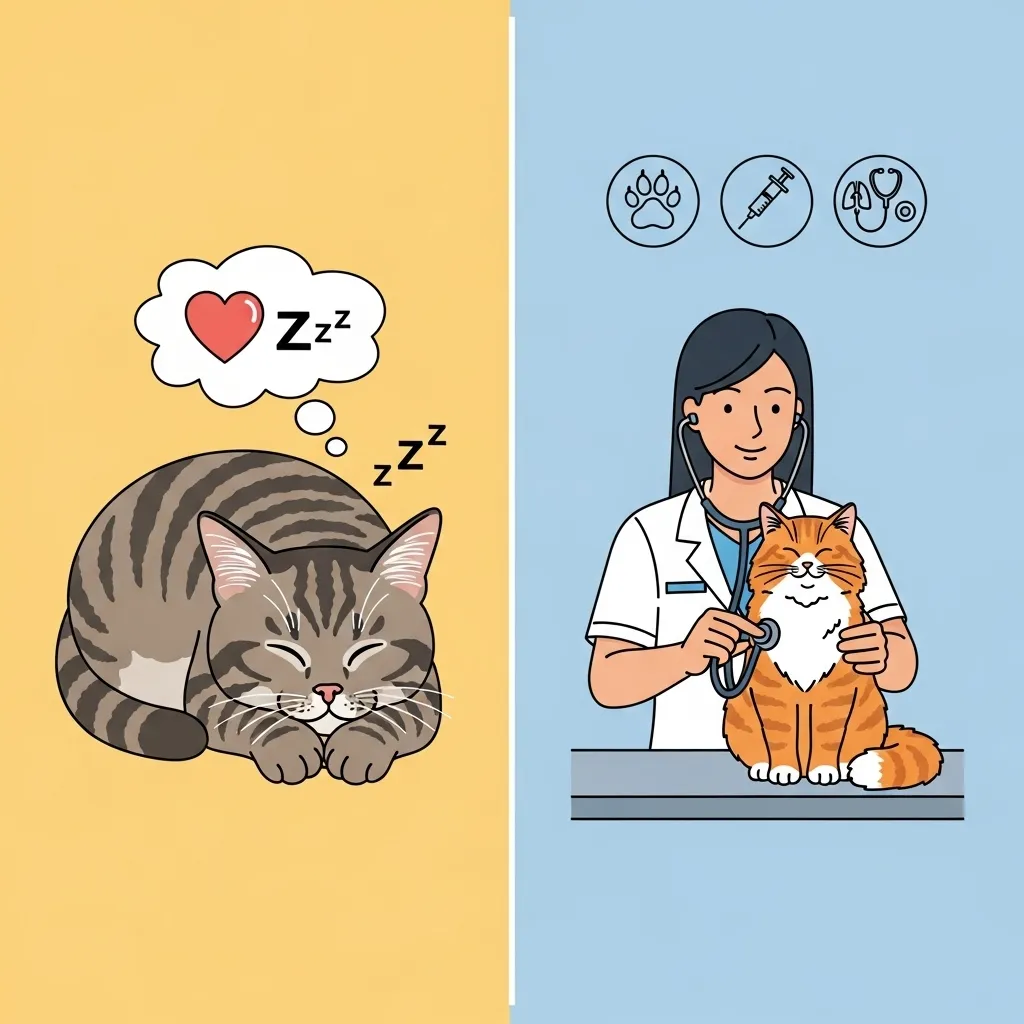
Action Step: Track sleep for 1 week. Note location, duration, and posture. If changes persist, consult your vet. Discover more in finding the best vet for your cat.
Cat Health and Sleep Patterns: The Hidden Connection
Sleep isn’t just rest—it’s diagnostics.
How Sleep Reflects Wellness:
| Sleep Change | Possible Cause |
|---|---|
| Sleeping more face down | Arthritis (protecting joints) |
| Face down + twitching | Normal REM; excessive = seizures? |
| Avoids face down, stays upright | Nasal congestion, breathing difficulty |
| Face down only in hidden spots | Fear, new pet, or loud environment |
Creating the Ultimate Cat Sleep Environment: Pro Tips for 2025
Want your cat to sleep face down in peace? Design a feline sleep sanctuary.
🛏️ Bedding & Texture
- Memory foam for joint support (ideal for seniors).
- Fleece or wool for warmth-seeking face-planters.
- Avoid slick surfaces—cats slip and wake up.
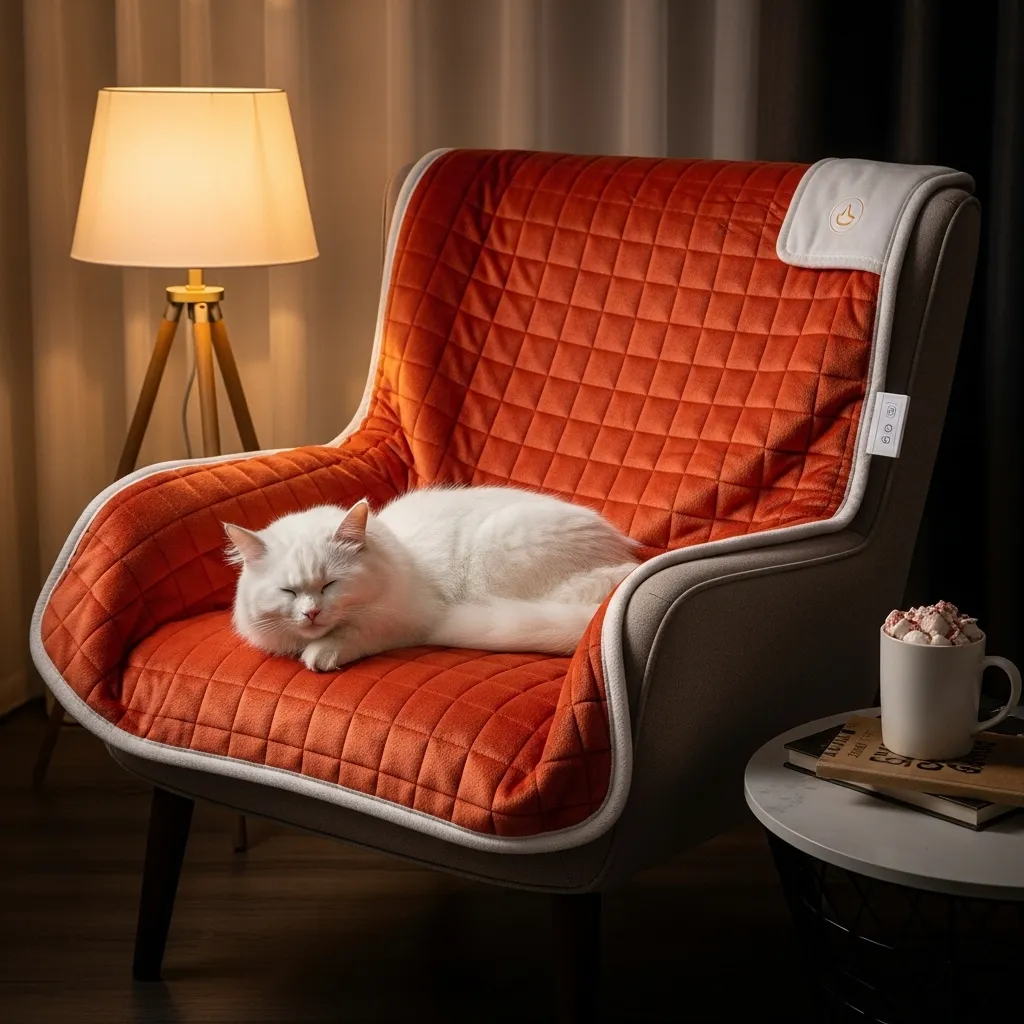
Try: Heated cat beds with removable, washable covers.
🌡️ Temperature Control
- Ideal range: 68–77°F (20–25°C).
- Provide cool zones (tile, window perch) and warm zones (radiator bed).
🕶️ Light Management
- Blackout curtains or cat caves for daytime nappers.
- Nightlights with red bulbs—cats see red less, so it won’t disturb.
🔇 Soundproofing
- White noise machines mask traffic or dog barks.
- Place bed away from appliances.
🛡️ Safety & Security
- Elevated perches = predator-free zone.
- Multiple beds = no territory fights.
Breed-Specific Tip: Siamese cats often sleep face down on you for warmth. Check Siamese cats sleep a lot for tailored advice.
Cat Sleeping Habits Explained: Breed Differences
Not all cats face-plant equally.
| Breed | Face-Down Tendency | Why? |
|---|---|---|
| American Shorthair | High | Thick fur = natural blanket |
| Siamese | Moderate | Prefers human contact |
| Maine Coon | Very High | Loves burrowing in long fur |
| Persian | Low | Flat face = breathing caution |
| Bengal | High | Wild instincts = den-like hiding |
Dive deeper into cat breeds personalities to match sleep style with breed.
Cute Cat Sleeping Positions: TikTok & Pinterest Gold
2025’s viral trend? “Cat sleeping positions and what they mean” reels.
Top Trending Poses:
- The Face Plant – 12M views
- Paws Over Eyes – 8M saves on Pinterest
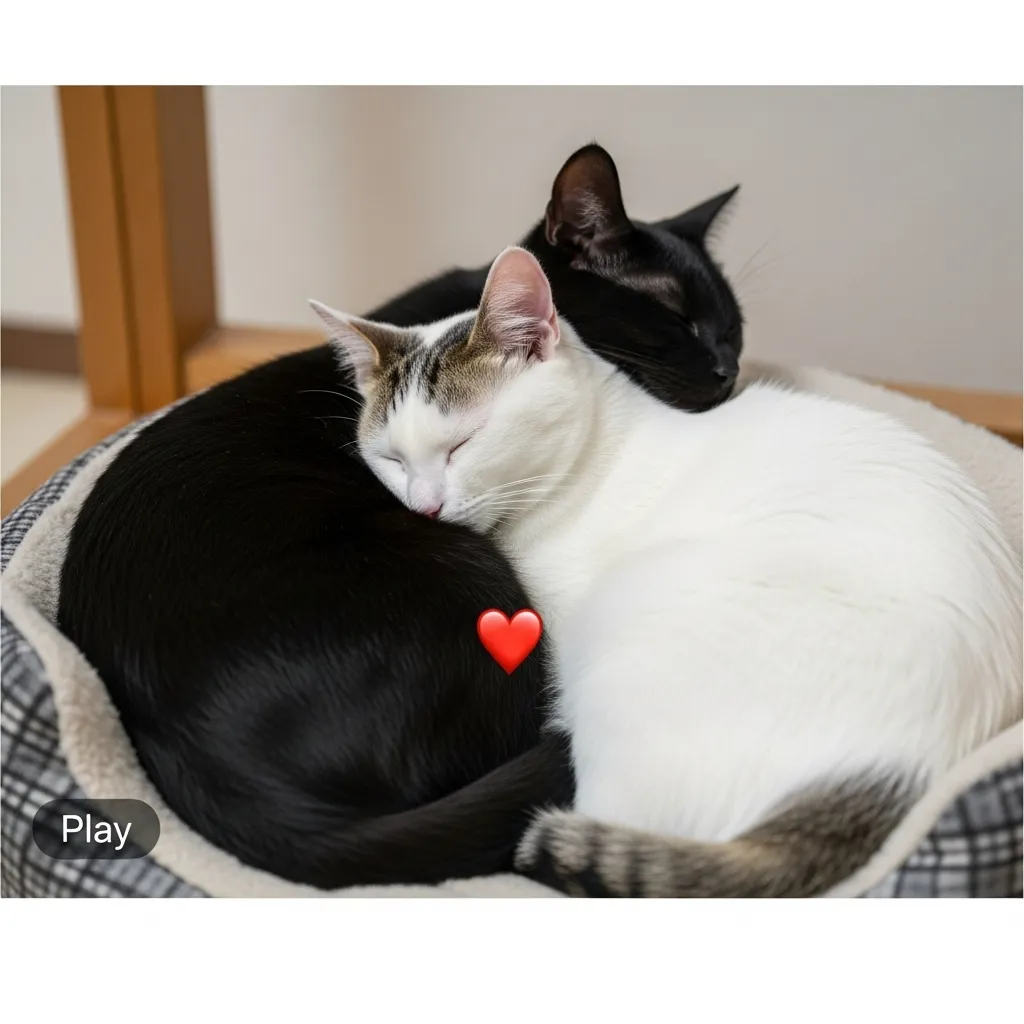
- Human Spooning Cat – #1 comfort signal
Film your cat’s best pose and tag @CatBloomHaven—we feature the cutest!
Cat Sleep Safety and Comfort Hacks (Vet-Approved)
- Elevate beds off cold floors.
- Use pheromone diffusers (Feliway) in stress-prone homes.
- Rotate bedding weekly—familiar scents = better sleep.
- Avoid scented detergents—irritates nasal passages.
Struggling with litter box issues at night? See cat litter box problems.
FAQ: Your Top Cat Sleep Questions Answered
Why does my cat prefer sleeping in a face-down position?
It blocks light, retains warmth, and feels secure—like a mini den.
How many hours a day do cats typically sleep?
12–16 hours for adults; up to 20 for kittens and seniors.
Can the way my cat sleeps indicate comfort and trust?
Yes! Face-down near you = ultimate trust.
Should I worry if my cat suddenly changes sleeping positions?
Monitor for 3–5 days. Sudden hiding or pain signs = vet visit.
What do different cat sleeping positions mean?
See our cheat sheet above—each reveals mood, health, and instincts.
How do cat sleeping patterns relate to wild instincts?
Face-down mimics burrow sleeping—hiding from predators.
Are certain breeds more likely to sleep face down?
Yes—shorthairs and longhairs with thick coats lead the pack.
Why does my cat sleep with face down or cover face?
Same reasons: light, warmth, safety. Paw-covering adds privacy.
Is face-down sleeping safe for cats?
Completely—unless breathing sounds labored or posture seems forced.
Final Thoughts: Celebrate the Face-Down Flop
Next time you catch your cat in that glorious face-down sprawl, smile. They’re not just sleeping—they’re thriving. Safe, warm, and utterly content in their little world (and probably dreaming of tuna).
By understanding cat sleeping positions, you’re tuning into your feline’s silent language. Keep their sleep space cozy, watch for changes, and cherish those vulnerable, trusting moments.
Ready for more feline wisdom?
🐾 Explore why cats sleep pressed against you
🐾 Discover best beds for American Shorthair cats
Cat Bloom Haven—where every purr tells a story. 🌿