The Ultimate Guide to Rare But Easy-to-Pronounce Cat Names
Introduction
Finding the perfect name for your cat is more than just a fun ritual it’s the first step in defining your lifelong bond. You want something unique that stands out at the vet’s office or in your social media posts, but you also need a name that rolls off the tongue when calling them inside at midnight. That delicate balance between distinctive and pronounceable is exactly what we’re exploring today.
The challenge is real: scouring endless lists of cat names only to find either overused classics or bizarre creations that even you struggle to say. How do you choose a name that’s memorable but not cumbersome, elegant but not pretentious, rare but not ridiculous? This comprehensive guide solves that exact problem by offering expertly curated selections of rare but easy-to-pronounce cat names that combine uniqueness with practicality.
Whether you’ve just welcomed a new kitten or are considering renaming a rescue cat, you’ll discover names that are phonetically straightforward yet wonderfully uncommon. We’ll explore names inspired by nature, mythology, literature, and global cultures all carefully selected for their beautiful sounds and simple pronunciation. Along the way, we’ll provide practical naming strategies, pronunciation tips, and insights into how names affect feline recognition and bonding.
Key Takeaways: Choosing the Perfect Cat Name
Before we dive into our extensive lists, here are the essential principles for selecting a rare but easy-to-pronounce cat name:
- Opt for 1-3 syllable names Cats respond best to shorter names ending in long vowel sounds
- Test the “back door call” Imagine calling the name loudly at night; it should feel natural
- Consider personality over appearance Traits often outlast kitten colors that may change
- Avoid names that sound like commands “Kit” too close to “sit,” “Bo” similar to “no”
- Say it aloud repeatedly A name you’ll say thousands of times should feel comfortable
- Check household compatibility Ensure it doesn’t rhyme with other pets’ names or family members
- Remember pronunciation ease Vets, petsitters, and friends should manage it effortlessly
Why Pronunciation Matters More Than You Think
The Science of Feline Name Recognition
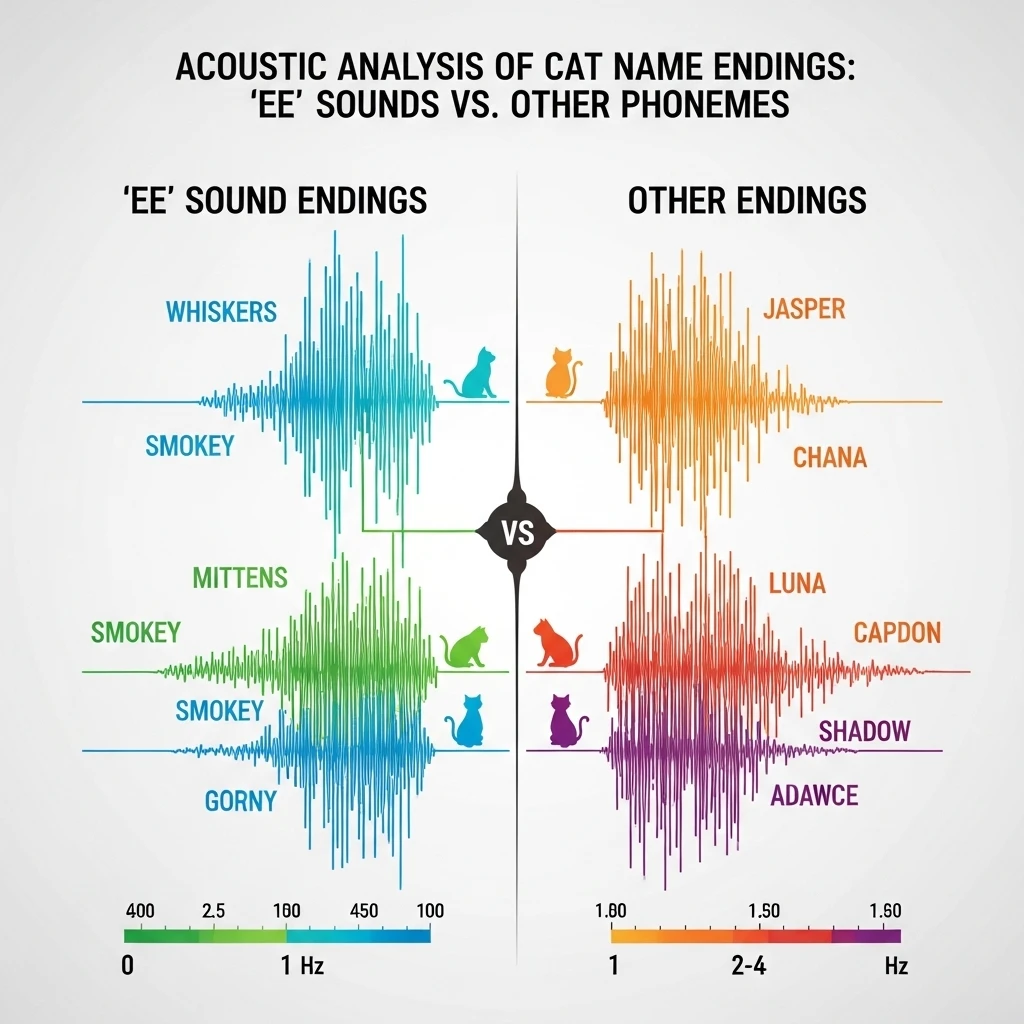
Cats don’t understand language as humans do, but they absolutely recognize specific sound patterns. Research suggests domestic cats can distinguish their names from other words, responding more to names ending in long “ee” sounds. This isn’t arbitrary these higher-pitched vowels mimic the frequencies of rodent squeaks, naturally capturing feline attention.
A name like “Sylvie” (SIL-vee) with that terminal “ee” sound will typically get better recognition than “Rex.” But pronunciation consistency matters equally. If different household members say “SyLV-ee,” “SIL-vee,” and “Syl-VEE,” your cat receives confusing signals. Easy-to-pronounce names naturally encourage consistent enunciation, strengthening your cat’s learning and response.
Practical Considerations Beyond Your Cat
Think about the people who will interact with your cat: veterinarians, groomers, pet sitters, and house guests. A name that’s intuitive to pronounce reduces awkwardness and ensures everyone communicates effectively with your pet. In emergency situations, clear communication is crucial you don’t want hesitation because someone is unsure how to say “X Æ A-12” (yes, that was an actual human name suggestion).
Additionally, consider how the name will sound in various contexts. Will you feel comfortable calling “Phaedra!” across your backyard? Does “Jasper” sound appropriate at the vet’s office? The best rare but easy-to-pronounce cat names maintain dignity in all situations while remaining distinctly yours.
Category 1: Nature-Inspired Rare But Easy-to-Pronounce Cat Names
Nature offers endless inspiration for beautiful, unique names that are phonetically straightforward. These names connect your cat to the natural world while being accessible to everyone.
Celestial and Atmospheric Names
- Cyrus (SY-rus) – Meaning “sun,” this Persian-origin name is regal yet simple
- Nova (NO-va) – For a cat with explosive energy or a sudden appearance in your life
- Zephyr (ZEH-fur) – A gentle west wind; perfect for a soft, graceful cat
- Solaris (so-LAR-is) – Relating to the sun, majestic but easy to break into syllables
- Elara (el-AR-uh) – One of Jupiter’s moons; musical and elegant
Earth and Botanical Names
- Sage (SAYJ) – Wise and herb-inspired; works for any color cat
- Juniper (JOO-ni-per) – A resilient evergreen; more unique than “Holly” or “Ivy”
- Sorrel (SOR-el) – A reddish herb; lovely for orange or tortoiseshell cats
- Cedar (SEE-dur) – Strong, aromatic wood; grounded and natural
- Basil (BAZ-ul) – Fresh and herbal; distinctive without being difficult
Geological and Elemental Names
- Onyx (ON-iks) – Sleek black stone; perfect for black cats
- Flint (FLINT) – Spark-producing stone; for cats with fiery personalities
- Cobalt (KO-balt) – Deep blue element; unique color-inspired name
- Slate (SLAYT) – Grey stone; sophisticated and cool
- Cove (KOHV) – A small coastal inlet; peaceful and uncommon
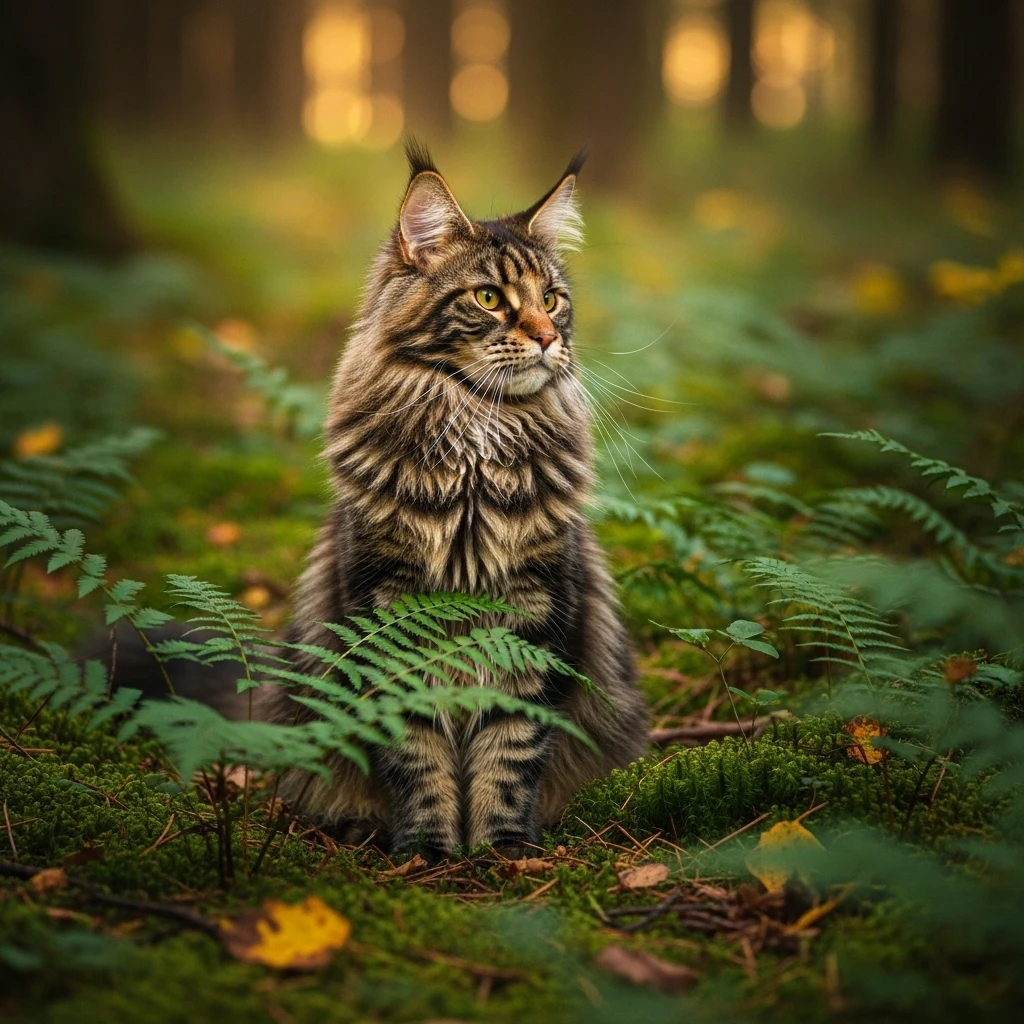
Discover more about specific breeds and their personalities in our American Shorthair Cats Guide and Bengal Cat Personality articles, which can provide additional naming inspiration based on breed characteristics.
Category 2: Mythological and Literary Rare But Easy-to-Pronounce Cat Names
Mythology and literature are treasure troves of distinctive names with rich backgrounds, many of which are surprisingly phonetic.
Greek and Roman Mythology
- Iris (EYE-ris) – Goddess of the rainbow; beautifully simple
- Phoebe (FEE-bee) – Titan associated with the moon; that “ee” ending cats love
- Juno (JOO-no) – Roman queen of gods; strong yet brief
- Atlas (AT-las) – Titan who held up the sky; for a sturdy, supportive cat
- Rhea (REE-uh) – Mother of gods; soft and flowing
Norse and Celtic Mythology
- Frey (FRAY) – Norse god of fertility and weather; short and powerful
- Bran (BRAN) – Celtic raven god; perfect for black cats
- Idunn (EE-doon) – Norse goddess of youth and apples; unique but phonetic
- Luna (LOO-nuh) – Roman moon goddess; popular but with good reason
- Odin (OH-din) – Allfather of Norse gods; commanding but easy
Literary Inspired Names
- Lyra (LYE-ruh) – From “His Dark Materials”; musical and intelligent
- Arwen (AR-wen) – Tolkien’s elf princess; ethereal yet accessible
- Dorian (DOR-ee-an) – From Oscar Wilde; sophisticated and timeless
- Zora (ZOR-uh) – For Zora Neale Hurston; distinctive and strong
- Soren (SOR-en) – From philosopher Kierkegaard; intellectual and rare
Explore our article on What Is My Cat Thinking? to better understand your cat’s personality before selecting a mythological name that matches their character.
Category 3: Global Rare But Easy-to-Pronounce Cat Names
Looking internationally provides wonderfully unique options that are often phonetic in their original languages.
European Origin Names
- Elio (EL-ee-oh) – Italian/Spanish sun; bright and cheerful
- Mila (MEE-luh) – Slavic meaning “gracious” or “dear”
- Kai (KY) – Hawaiian sea, Scandinavian rejoicer; beautifully minimal
- Anya (ON-yuh) – Russian grace; elegant and short
- Leif (LEEF or LAYF) – Scandinavian heir; nature-connected and uncommon
Asian Origin Names
- Sora (SOR-uh) – Japanese sky; light and free
- Ren (REN) – Japanese lotus; simple and profound
- Kiran (KEER-an) – Indian ray of light; bright and flowing
- Yumi (YOO-mee) – Japanese beauty; sweet and brief
- Tao (DOW or TOW) – Chinese way or path; philosophical and minimal
Middle Eastern and African Names
- Zara (ZAR-uh) – Arabic blooming flower; popular but with variations
- Amir (uh-MEER) – Arabic prince; regal and clear
- Kofi (KOH-fee) – Akan born on Friday; joyful and rhythmic
- Nia (NEE-uh) – Swahili purpose; meaningful and simple
- Rami (RAH-mee) – Arabic loving; affectionate sound
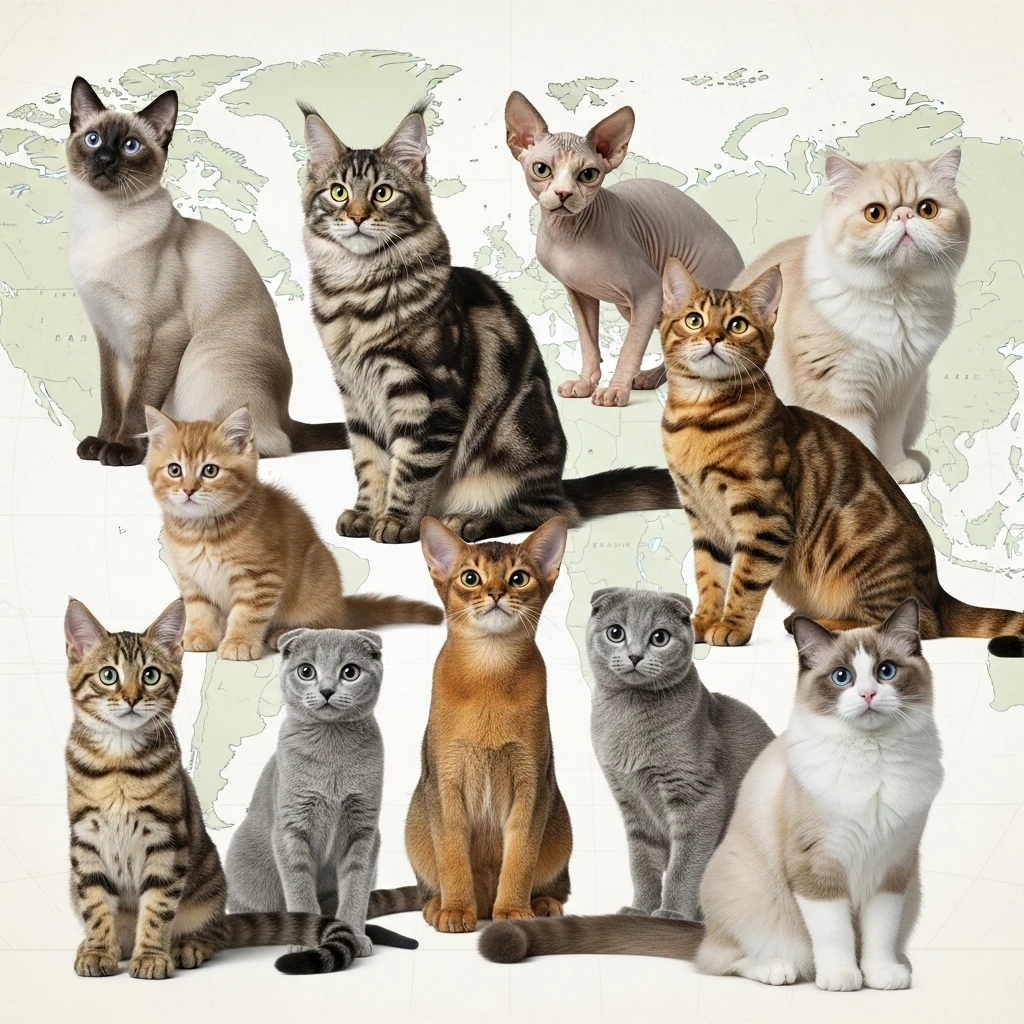
Category 4: Virtue and Trait-Based Rare But Easy-to-Pronounce Cat Names
Naming your cat after their most distinctive personality traits creates meaningful connections that age well.
For the Particularly Graceful Cat
- Seren (SEH-ren) – Welsh star; for a cat that lights up your life
- Miro (MEER-oh) – Slavic peace; calm and artistic
- Wynn (WIN) – Welsh fair or blessed; positive and brief
- Evan (EH-van) – Welsh young warrior; strong but gentle-sounding
- Faye (FAY) – Fairy; magical and delicate
For the Playfully Mischievous Cat
- Rogue (ROHG) – Playfully mischievous; for independent spirits
- Lark (LARK) – For a cheerful, playful cat who starts your day happily
- Puck (PUK) – Shakespeare’s mischievous sprite; playful and short
- Ziggy (ZIG-ee) – Energetic and unconventional; perfect “ee” ending
- Rascal (RAS-kul) – Honestly embracing their nature; surprisingly charming
For the Particularly Affectionate Cat
- Carys (KAR-is) – Welsh love; soft and meaningful
- Milo (MY-lo) – German merciful; friendly and warm
- Cara (KAR-uh) – Italian dear one; sweet and simple
- Esme (EZ-may) – French beloved; sophisticated affection
- Felix (FEE-licks) – Latin happy, lucky; classic but not overused
Learn more about building bonds with your feline friend in our Ragdoll Cat Bond Building guide, which offers insights into feline affection patterns.
Category 5: Minimalist and Modern Rare But Easy-to-Pronounce Cat Names
Contemporary naming trends favor clean, distinctive sounds that work well in modern households.
One-Syllable Power Names
- Jett (JET) – Sleek and fast; perfect for black cats
- Blair (BLAIR) – Scottish field; androgynous and cool
- Quinn (KWIN) – Irish wisdom; smart and brief
- Reed (REED) – Slim and graceful; natural and modern
- Shae (SHAY) – Irish admirable; soft but present
Two-Syllable Modern Classics
- Arlo (AR-lo) – Spanish barberry tree; trending but not saturated
- Nico (NEE-ko) – Short for Nicholas; European cool
- Koa (KO-uh) – Hawaiian brave; strong and nature-connected
- Maeve (MAYV) – Irish she who intoxicates; powerful and brief
- Ezra (EZ-ruh) – Hebrew help; gentle but substantial
Gender-Neutral Modern Options
- Riley (RY-lee) – Irish valiant; cheerful and adaptable
- Sasha (SAH-shuh) – Russian defender; international and friendly
- Morgan (MOR-gan) – Welsh sea-born; timelessly androgynous
- Robin (ROB-in) – Bird name; nature-inspired and neutral
- Dakota (duh-KO-tuh) – Native American friend; expansive and friendly
For more gender-neutral options, explore our comprehensive list of Gender-Neutral Cat Names with Meaning.
Pronunciation Guide: Making Any Name Accessible
Even with intentionally easy-to-pronounce names, some guidance ensures consistency. Here’s a simple system for clarifying pronunciation:
- Break names into syllables (Cal-lie-o-pe)
- Emphasize the stressed syllable (ca-LI-o-pe)
- Use phonetic spelling (kuh-LY-uh-pee)
- Create a rhyming reference (“Calliope rhymes with Penelope”)
For names you’re considering, test this system with a friend who hasn’t seen the name before. If they can say it correctly on the first try, you’ve found a winner among rare but easy-to-pronounce cat names.
The Naming Process: A Step-by-Step Approach
Week 1: Observation and Brainstorming
Don’t rush naming. Observe your cat’s personality, habits, and quirks. Keep a “name journal” of words, sounds, and concepts that resonate with their emerging personality. Notice their play style, vocalizations, and interactions. This observation period often reveals the perfect name organically.
Week 2: Shortlisting and Testing
Narrow your list to 5-7 top contenders. Test each for:
- Callability (yell it from another room)
- Vet office appropriateness (picture saying it professionally)
- Nickname potential (most names naturally shorten)
- Longevity (will it suit them at 15 years old?)
Week 3: Family Consensus and Final Selection
If multiple people are involved, ensure everyone can pronounce the chosen name comfortably. Sometimes writing names on cards and having everyone rank them anonymously reveals the best compromise. The final choice should feel like a collective “yes!”
Discover more about feline personality development in our Kitten to Adult Cat Transition guide, which can help you choose a name that grows with your cat.
Common Naming Mistakes to Avoid
Even with the best intentions, certain naming pitfalls can create long-term challenges:
- Overly trendy names – What’s cool today may feel dated in five years
- Names too similar to commands – “Bo” (no), “Kit” (sit), “Mitt” (stay)
- Names that rhyme with negative words – Avoid unintentional associations
- Complicated spellings – You’ll constantly correct people: “KVIIIlyn”
- Human names with strong associations – Your Uncle Kevin might not appreciate the honor
- Names limiting personality perception – “Demon” for a shy cat creates bias
- Forgetting about nicknames – “Princess Fuzzybottom” becomes “Princess” anyway
Teaching Your Cat Their New Name
Once you’ve selected the perfect rare but easy-to-pronounce cat name, reinforce it positively:
- Pair with positive experiences – Say their name before meals, treats, and affection
- Use consistent tone and pronunciation – Everyone in household should say it the same way
- Avoid using their name negatively – Don’t associate it with scolding or unpleasant experiences
- Practice recall games – Call their name from short distances, reward with treats
- Be patient – Most cats learn their names within 1-2 weeks with consistent reinforcement
For more training techniques, explore our guide on How Long Does a Cat Learn Its Name? which offers detailed timelines and methods.
When Renaming Is Necessary
Adopting an adult cat or realizing a name isn’t working doesn’t mean you’re stuck. Cats can learn new names at any age with patience and consistency. The process is similar to initial naming but may take slightly longer. Key strategies include:
- Phonetic similarity helps – “Bella” to “Ella” is easier than “Bella” to “Zephyr”
- Transition gradually – Use both names initially, then phase out the old
- Extra positive reinforcement – More treats and affection during the transition
- Complete household consistency – Everyone must use the new name exclusively once transitioned

Frequently Asked Questions About Rare But Easy-to-Pronounce Cat Names
Q: How rare should a cat name actually be?
A: Balance uniqueness with practicality. A name is “rare enough” if you haven’t personally known another cat with it, yet intuitive enough that most people can say it correctly on first reading. The sweet spot is unfamiliar but not bewildering.
Q: Do cats prefer certain sounds in their names?
A: Research suggests cats respond better to names ending in long “ee” or “ay” sounds (like “Molly” or “Chloe”) and high-pitched vowels. These frequencies naturally capture feline attention, mimicking prey sounds in their evolutionary history.
Q: Can a cat’s name affect their personality?
A: Not directly, but names can influence human perception and treatment, which indirectly affects the cat. A cat named “Shadow” might be perceived as mysterious and treated accordingly, while “Sunny” might receive more playful interaction.
Q: How long should I wait to name a new cat?
A: Ideally 3-7 days of observation. This allows their personality to emerge beyond the initial adjustment period. Shelter cats often show completely different personalities once comfortable in a home environment.
Q: Are longer names problematic for cats?
A: Cats typically respond best to 1-3 syllable names. However, longer formal names work fine if you primarily use a 1-2 syllable nickname. “Archimedes” becomes “Archie” for daily use, for example.
Q: Should names match coat color?
A: This is personal preference. Color-based names can be lovely but consider that some cats’ coats change with age, and color doesn’t reflect personality. Many owners prefer trait-based names that remain relevant throughout life.
Q: How do I test if a name is easy to pronounce?
A: Say it aloud multiple times in different contexts: calling, whispering, stating formally. Ask friends to read it without hearing it first. If they stumble repeatedly, consider a more phonetic alternative.
Conclusion: Your Perfect Name Awaits
Choosing a rare but easy-to-pronounce cat name represents a beautiful intersection of creativity and practicality. It’s an opportunity to honor your cat’s unique spirit while ensuring smooth communication throughout their life. The names we’ve explored from nature-inspired choices like Sorrel and Zephyr to mythological gems like Iris and Phoebe demonstrate that distinctive doesn’t have to mean difficult.
Remember that the perfect name often reveals itself through observation and patience. Watch your cat’s behaviors, listen to their vocalizations, and notice what makes them uniquely themselves. The right name will feel like it was always theirs, a natural extension of their being that you simply helped discover.
As you begin this naming journey, trust both your intuition and practical considerations. A name that makes you smile when you say it, that feels comfortable calling across the yard, and that suits your cat’s emerging personality that’s the sweet spot where rarity meets usability.
May your search lead you to a name that brings joy every time you say it, for all the years you share with your feline companion.
Explore more expert cat care and behavior guides on Cat Bloom Haven, where we celebrate the unique bond between cats and their humans through comprehensive resources, from cat behavior explanations to health care guidance.