Unraveling the Bengal Cat Personality: Traits, Temperament, and Quirks
Bengal cats are a captivating breed, known for their wild appearance and dynamic personalities. If you’re considering bringing a Bengal into your home or just curious about their unique traits, this article dives deep into the Bengal cat personality, Bengal cat traits, Bengal cat behavior, Bengal cat temperament, and those delightful Bengal cat quirks that make them stand out. Let’s explore what makes these feline companions so special and how their characteristics shape life with them.
Key Takeaways
- Bengal cats are energetic, intelligent, and curious, with a personality that mimics their wild ancestors.
- Their behavior includes playful hunting, vocal communication, and a love for water.
- Bengals require active engagement, mental stimulation, and vertical spaces to thrive.
- Their temperament is unique, blending affection with independence, making them better suited for experienced cat owners.
- Understanding their quirks, like climbing and water play, is key to a happy Bengal household.
What Defines the Bengal Cat Personality?
The Bengal cat personality is a vibrant mix of playfulness, intelligence, and a touch of wildness. These cats, bred from the Asian leopard cat, carry a distinctive spark that sets them apart from other domestic breeds. Their personality is often described as dog-like due to their loyalty, trainability, and love for interaction. However, their high energy and curiosity demand an owner who can keep up.
Curiosity and Exploration
Bengals are natural explorers. Their inquisitive nature drives them to investigate every nook and cranny of their environment. From scaling bookshelves to inspecting new objects, their Bengal cat behavior reflects a relentless curiosity that keeps them engaged and, sometimes, mischievous.
Playful and Energetic Spirit
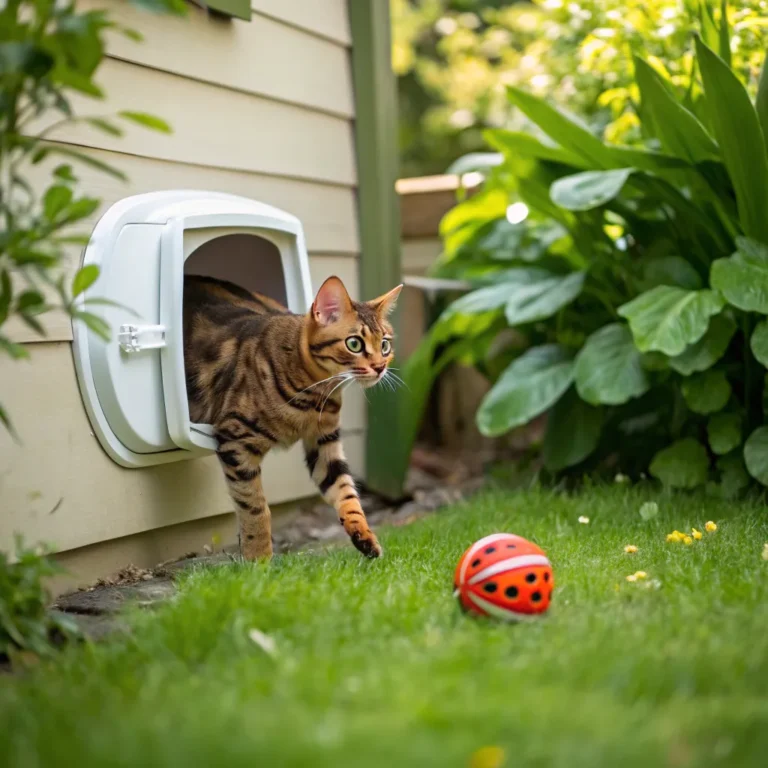
A hallmark of Bengal cat traits is their boundless energy. These cats love to leap, chase, and pounce, often turning everyday objects into toys. Their playfulness is tied to their hunting instincts, making interactive toys like feather wands or laser pointers a must for any Bengal owner.
Diving Into Bengal Cat Behavior: A Daily Adventure
Living with a Bengal cat is like having a mini jungle cat at home. Their Bengal cat behavior is a fascinating blend of instinct-driven actions and affectionate companionship. Here’s a glimpse into their daily antics.
Hunting Instincts in Action
Bengals retain a strong predatory drive, a nod to their wild heritage. You might catch them stalking toys, pouncing on shadows, or even “hunting” your feet under the covers. Providing outlets like puzzle feeders or treat-dispensing toys can satisfy this instinct while keeping them mentally stimulated.
The Mischievous Streak
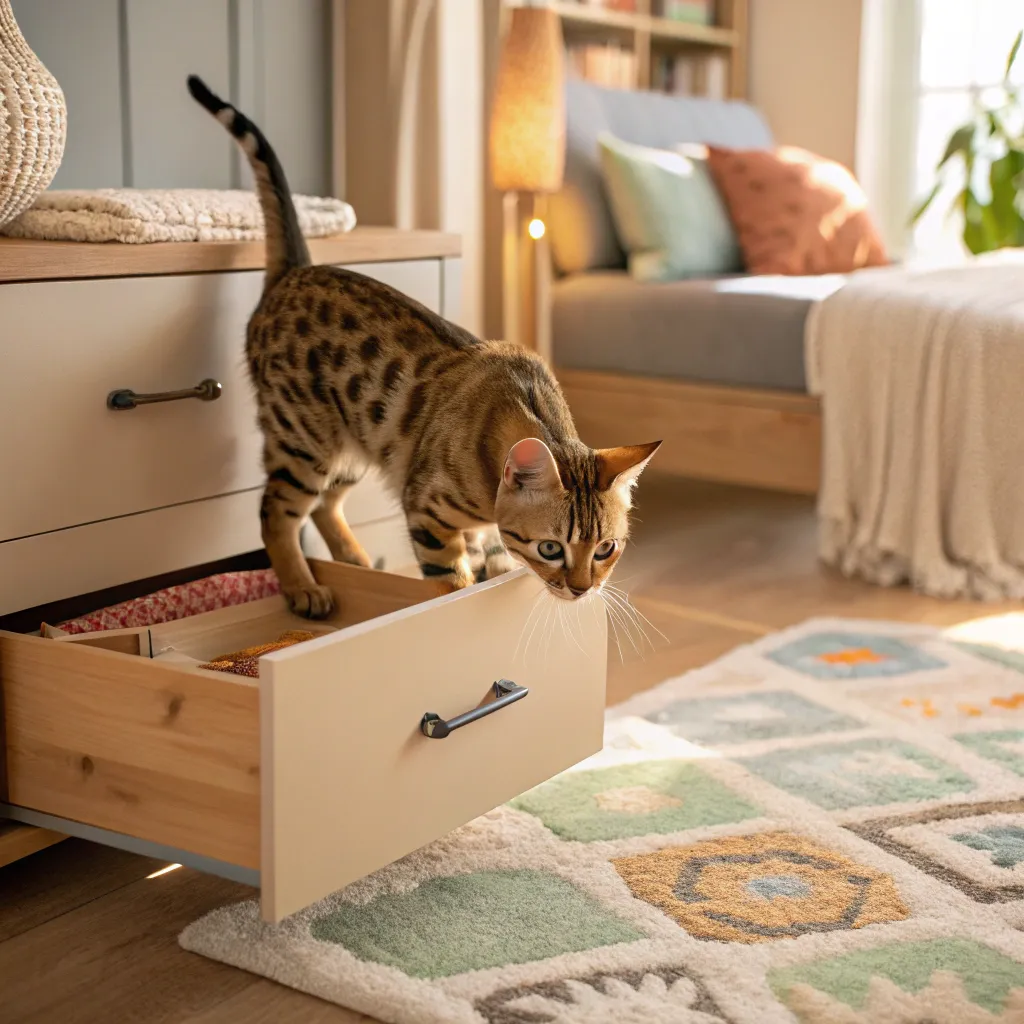
Bengals are notorious for their playful mischief. From knocking over small objects to opening cabinets, their cleverness can lead to unexpected adventures. This Bengal cat quirk requires owners to cat-proof their homes and stay one step ahead of their furry troublemakers.
Vocal and Expressive
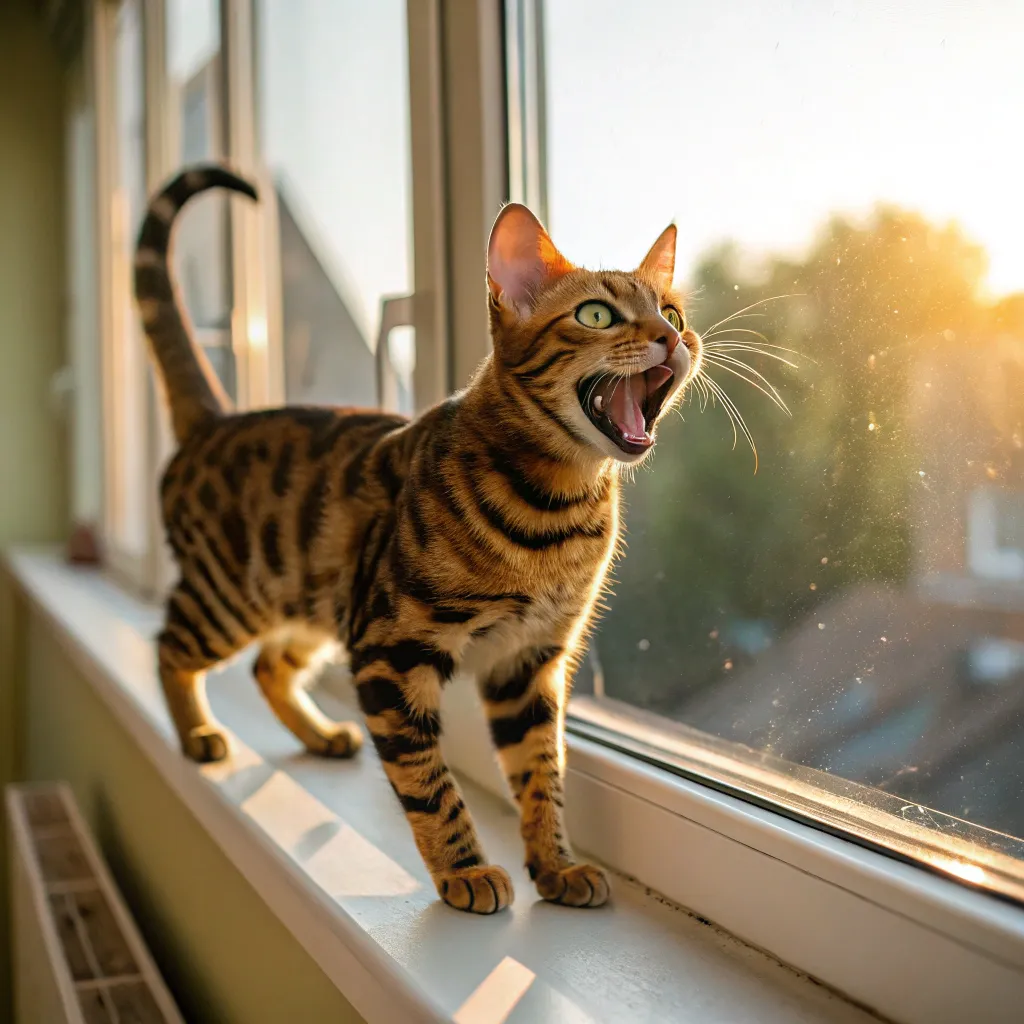
Bengals are chatty cats. Their Bengal cat behavior includes a range of vocalizations, from chirps and meows to distinctive yowls, often used to demand attention or express excitement. This communicative nature makes them engaging companions but can surprise owners unaccustomed to such talkative pets.
Understanding the Bengal Cat Temperament
The Bengal cat temperament is a unique blend of affection, independence, and intensity. While they form strong bonds with their humans, they’re not the typical lap cat. Bengals prefer interactive companionship, thriving in environments where they can engage with their owners and surroundings.
Comparing Bengals to Other Breeds
Unlike the laid-back Persian or the reserved British Shorthair, Bengals are high-energy and demanding. Their temperament aligns more closely with breeds like the Abyssinian, but their wild ancestry gives them an edge in intensity. This makes them less ideal for first-time cat owners who may struggle with their needs.
Why Bengals Need Experienced Owners
The Bengal cat temperament requires an owner who understands feline behavior and can provide consistent training and stimulation. Their independence can border on stubbornness, and without proper engagement, they may develop destructive habits. Patience and creativity are key to harmonizing with a Bengal’s spirited nature.
Bengal Cat Quirks That Steal the Show
Bengals are full of surprises, and their Bengal cat quirks add to their charm. These unique behaviors make them both entertaining and challenging to own.
A Fascination with Water
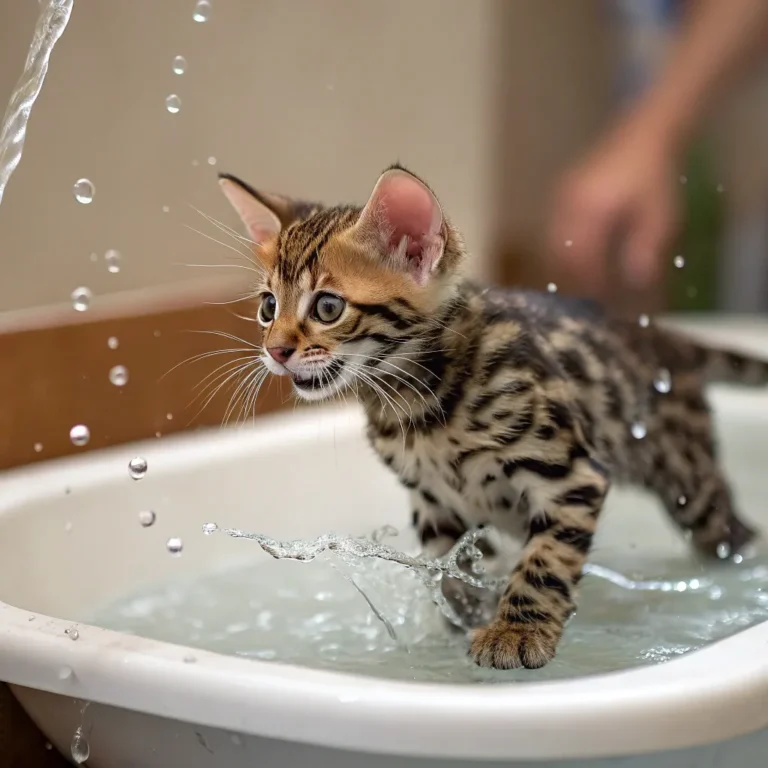
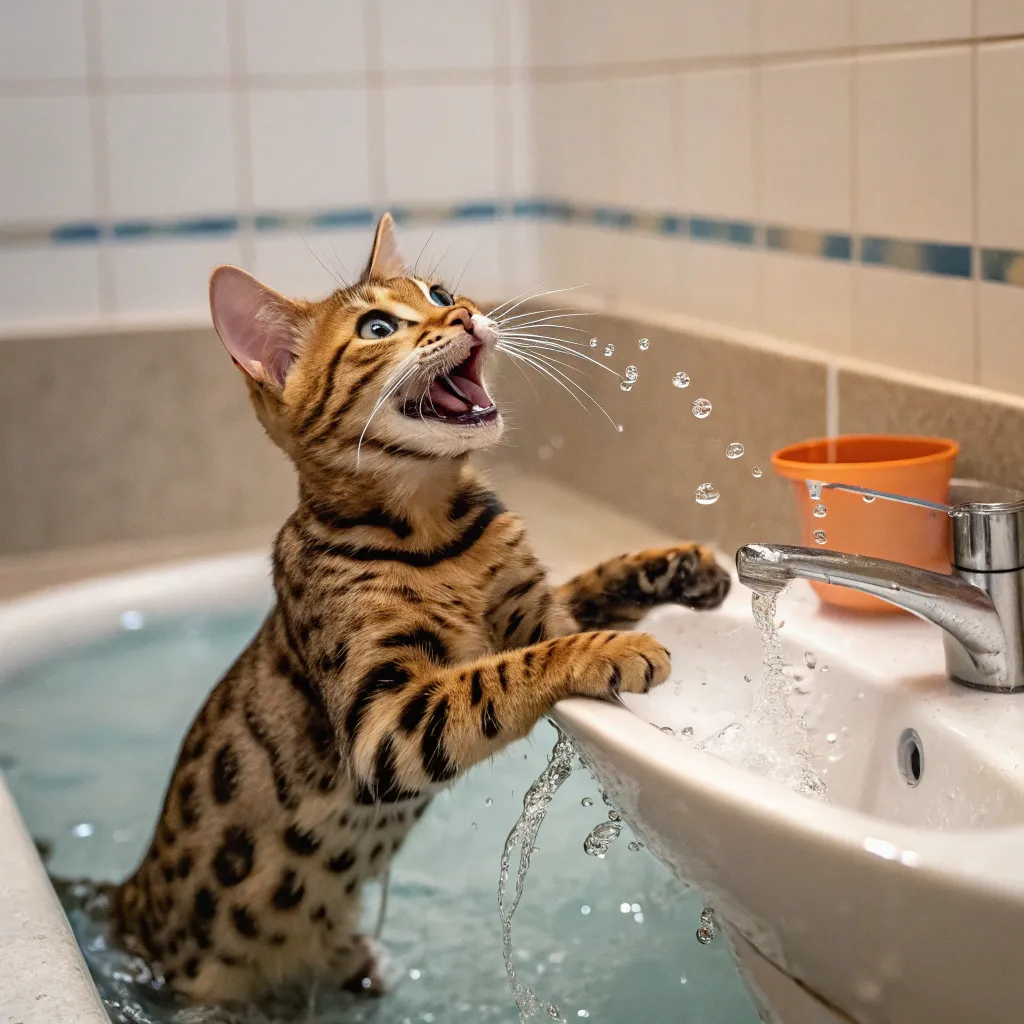
Unlike most cats, Bengals are drawn to water. Whether it’s splashing in a sink, dipping paws in a glass, or joining you in the shower, this quirk is a standout feature of the Bengal cat personality. Owners should secure aquariums and be prepared for wet paws around the house.
Climbing and Conquering Heights
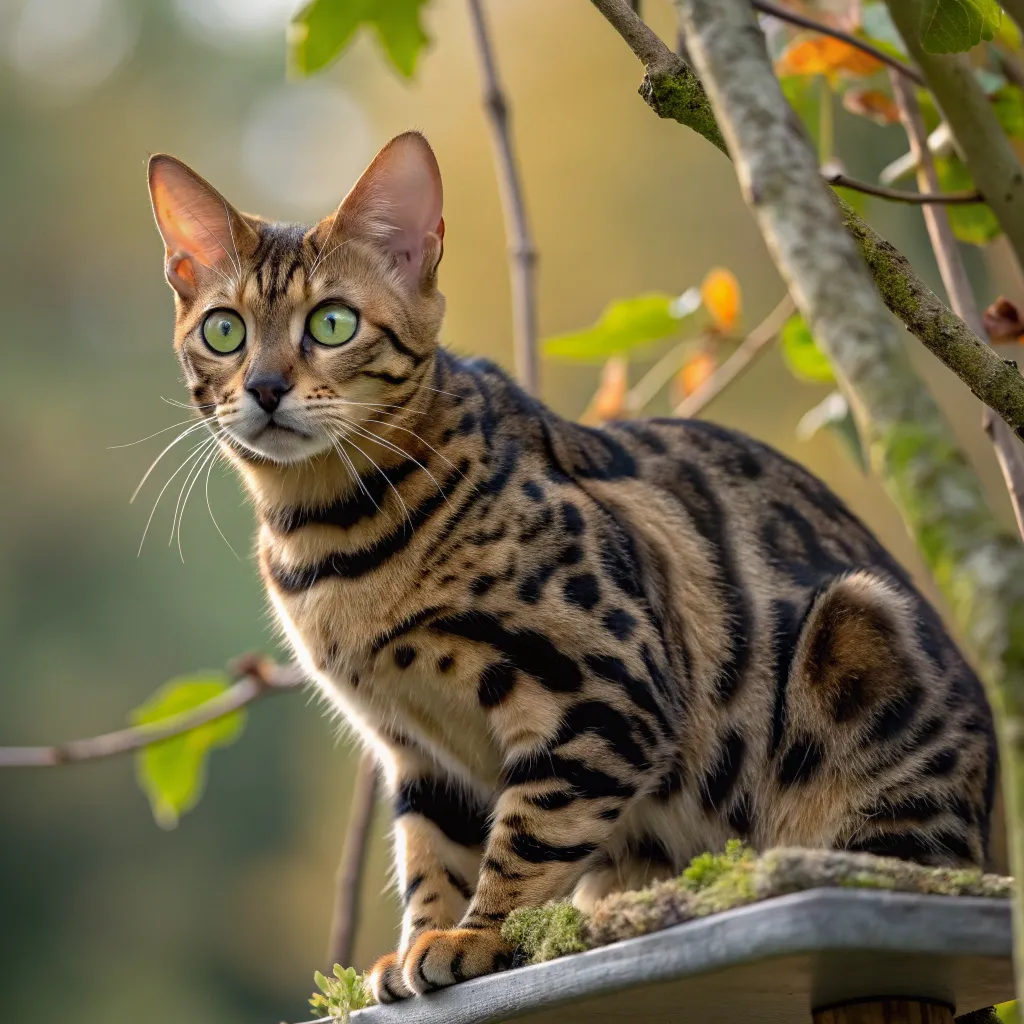
Bengals love vertical spaces. Their Bengal cat behavior often includes scaling cat trees, shelves, or even curtains to survey their territory. Providing tall cat trees or wall-mounted perches can satisfy this instinct while protecting your furniture.
Puzzle-Solving Prowess
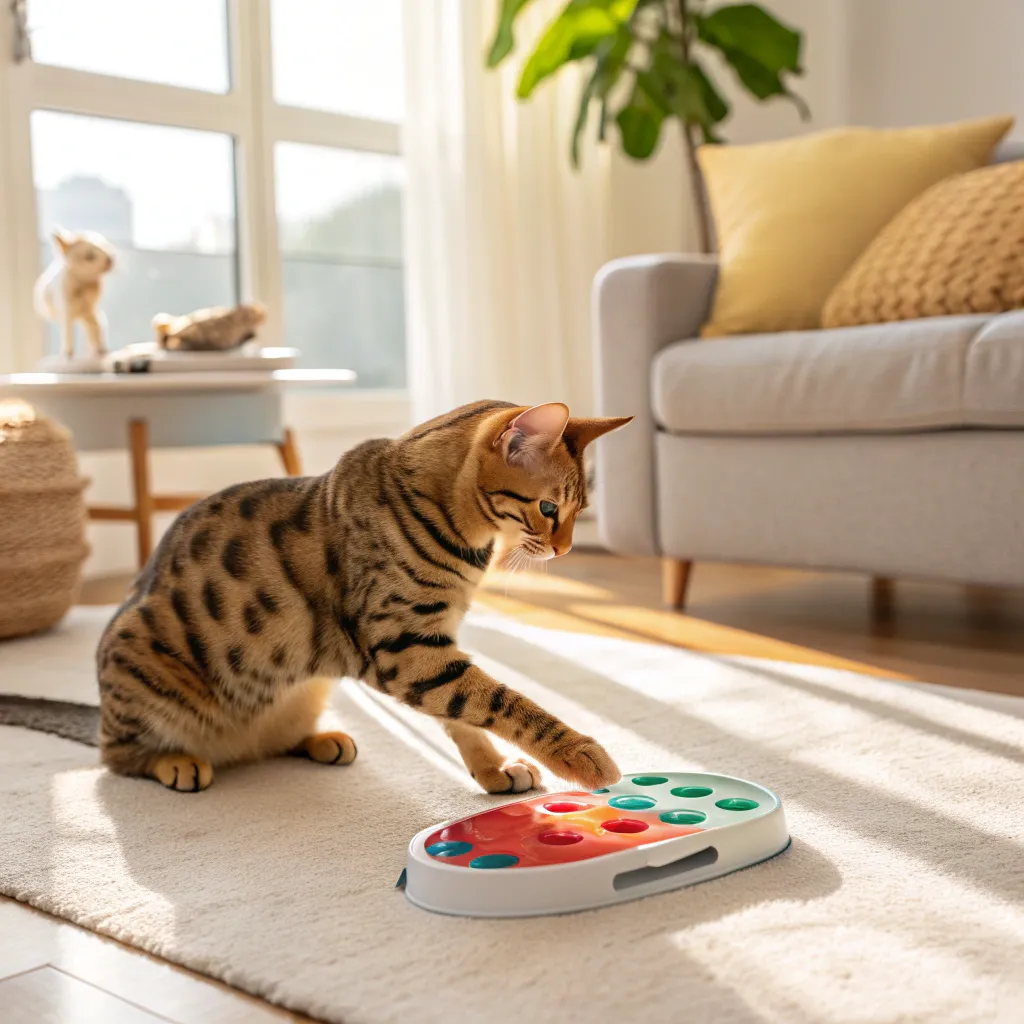
Bengals are whip-smart, often figuring out how to open doors or solve treat puzzles. Their intelligence, a key Bengal cat trait, means they thrive on mental challenges. Puzzle toys, training sessions, and interactive games are essential to keep their minds sharp.
Meeting the Needs of a Bengal’s High-Energy Personality
Bengals are not couch potatoes. Their Bengal cat traits demand an active lifestyle with plenty of playtime and exercise.
Exercise and Play Requirements
Daily play sessions are non-negotiable for Bengals. Aim for at least 30–60 minutes of interactive play to burn off their energy. Toys that mimic prey, like feather teasers or motorized mice, are perfect for engaging their hunting instincts.
Mental Stimulation Through Training
Bengals are highly trainable, capable of learning tricks like fetching or walking on a leash. This not only strengthens your bond but also channels their energy productively. Positive reinforcement, like treats and praise, works wonders with their Bengal cat temperament.
Social Dynamics: Bengals and Their Companions
Bengals are social creatures, often thriving in homes with other pets or active families. Their Bengal cat personality shines when they have companions to interact with, though their high energy can overwhelm shyer pets.
Getting Along with Other Pets
With proper introductions, Bengals can coexist with other cats or dogs. Their playful nature makes them great playmates, but their dominance may require supervision to ensure harmony.
Bonding with Humans
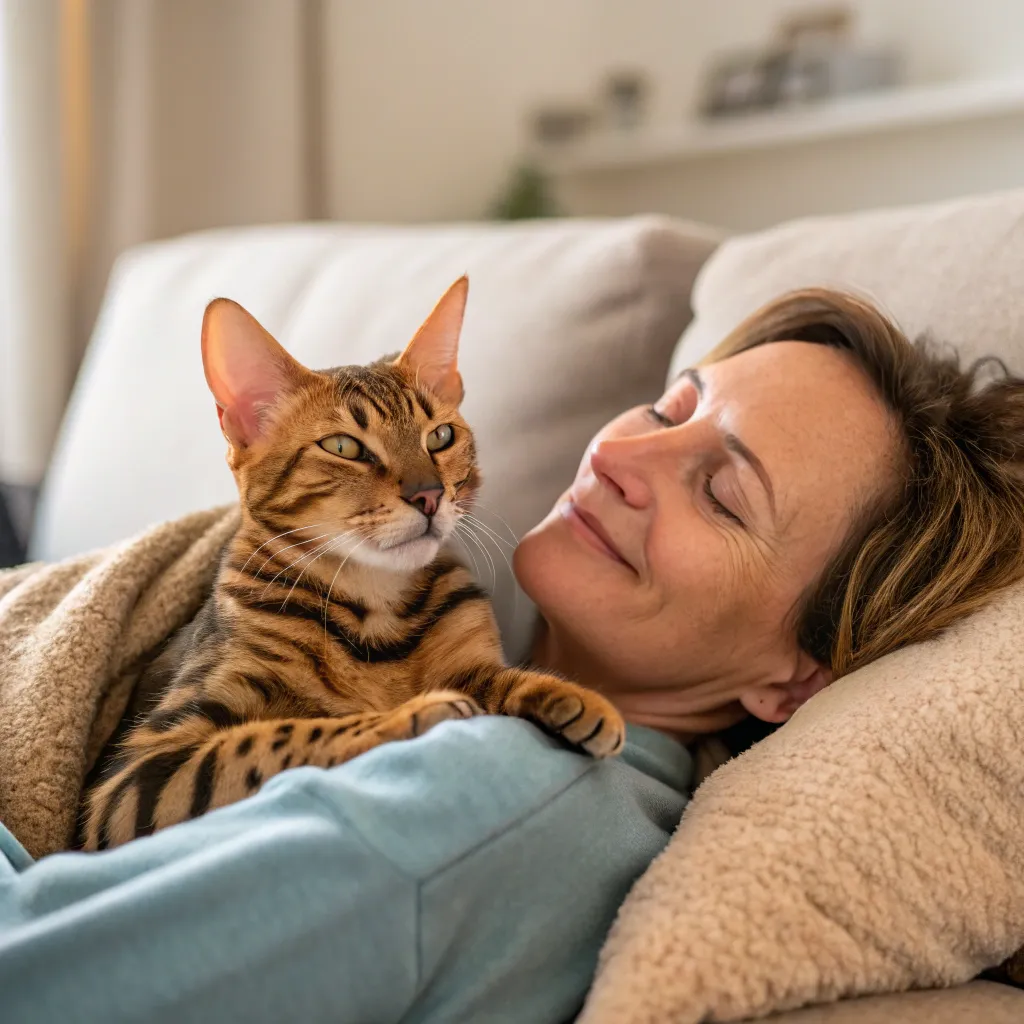
Bengals form strong attachments with their owners, often following them around or demanding attention. Their affectionate side balances their independence, making them loyal companions for those who invest time in their care.
Conclusion
The Bengal cat personality is a dazzling mix of energy, intelligence, and quirky charm. From their love for water to their climbing escapades, Bengal cat traits, behavior, temperament, and quirks create a one-of-a-kind feline experience. While their high-energy nature requires commitment, the rewards of living with a Bengal are unmatched for those ready to embrace their wild side. Ready to welcome a Bengal into your life? Prepare for an adventure filled with play, mischief, and unbreakable bonds.
FAQ
What defines the Bengal cat personality?
The Bengal cat personality is energetic, curious, and intelligent, with a playful and sometimes mischievous streak that reflects their wild ancestry.
How do Bengal cats behave daily?
Bengal cat behavior includes exploring, hunting, climbing, and vocalizing. They’re active and require engaging activities to stay content.
Are Bengal cats easy to train?
Yes, their intelligence makes them highly trainable. They can learn tricks and even walk on a leash with consistent, positive reinforcement.
How does the Bengal cat temperament differ from other breeds?
The Bengal cat temperament is more intense and active than many breeds, blending affection with independence, unlike the calmer Persian or British Shorthair.
What are the exercise needs of a Bengal cat?
Bengals need 30–60 minutes of daily interactive play to satisfy their high-energy Bengal cat traits and prevent boredom.
Do Bengal cats get along with other pets?
With proper introductions, Bengals can coexist with other pets, though their dominant and playful nature may require supervision.
Are Bengal cats vocal?
Yes, Bengals are known for their chatty nature, using a range of vocalizations to communicate, a key aspect of their Bengal cat behavior.
Why do Bengal cats love water?
This Bengal cat quirk stems from their wild ancestry, leading them to enjoy splashing, playing in water, or even joining you in the bath.
Why do Bengals need vertical spaces?
Their love for climbing and observing from heights is a core Bengal cat trait, making cat trees or perches essential for their happiness.
How do Bengals bond with their owners?
Bengals form strong, loyal bonds through interactive play and engagement, balancing affection with their independent Bengal cat temperament.