When Cats Completely Ignore Expensive Toys: Why It Happens and How to Fix It
You’ve spent good money on that fancy feather wand, automated laser tower, or plush interactive mouse. You present it with excitement, only to watch your cat sniff it once, turn away, and curl up for a nap. Or worse, they dive straight into the cardboard box it came in. If this sounds familiar, you’re not alone. Many cat owners face the frustrating reality that when cats completely ignore expensive toys, it’s not about being ungrateful. It’s rooted in feline instincts, preferences, and psychology.
In this guide, we’ll explore why this happens, backed by cat behavior insights. We’ll cover practical, low-cost solutions that tap into what cats truly love. By the end, you’ll know how to spark your cat’s interest without breaking the bank. Let’s turn those ignored toys into real playtime wins.
Key Takeaways
- Cats ignore expensive toys because they often don’t mimic real prey well enough or match individual preferences.
- Simple, unpredictable items like boxes, paper balls, or strings trigger strong hunting instincts.
- Interactive play with you is often more engaging than solo gadgets.
- Rotate toys, observe preferences, and prioritize safety for lasting fun.
- Enrichment doesn’t need to be costly; everyday items can provide hours of stimulation.
Why Cats Often Ignore Expensive Toys
Cats are obligate carnivores with strong predatory drives. Play isn’t just fun; it’s practice for hunting. Expensive toys fail when they don’t align with this.
1. Toys Don’t Feel Like Real Prey
Many store-bought toys are designed for human appeal: bright colors, cute shapes, bells. Cats prioritize movement, texture, and sound that mimic birds, mice, or insects.
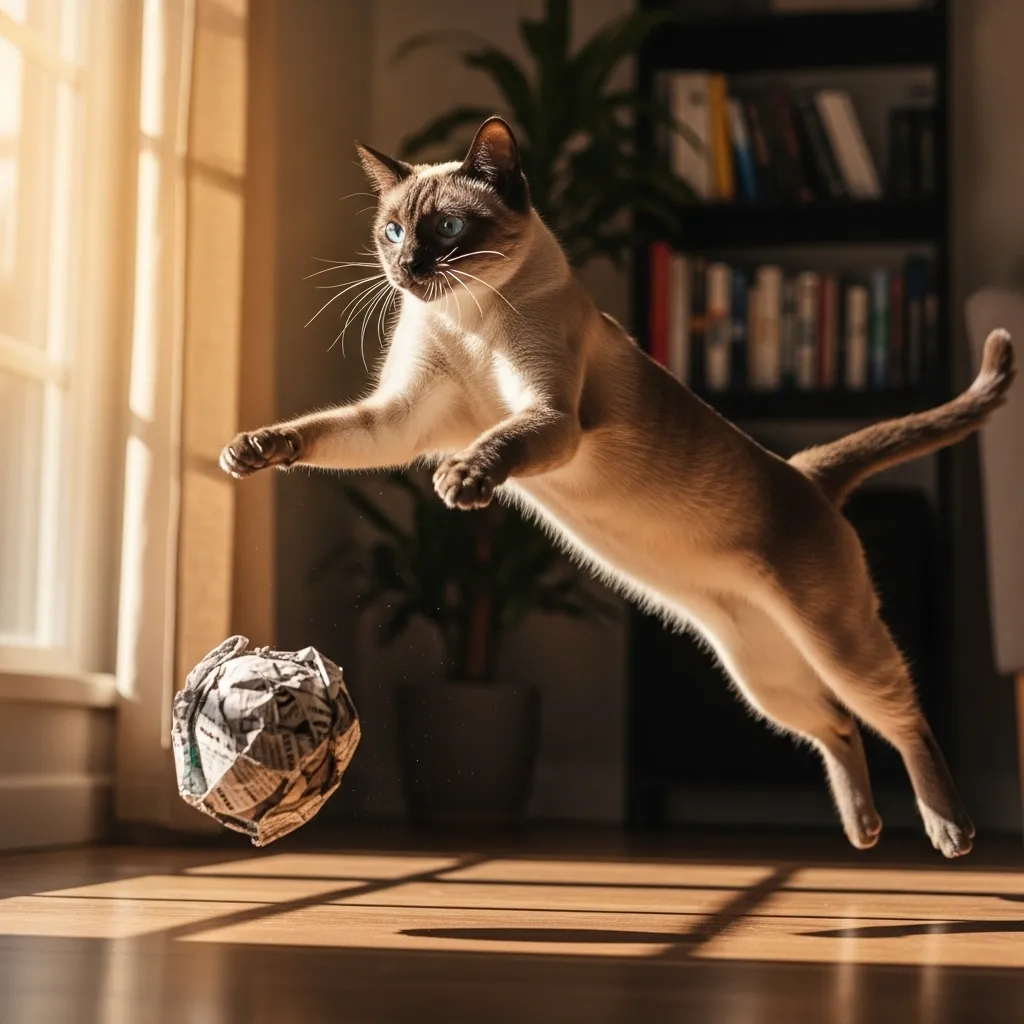
Static plush mice get ignored because they don’t flutter or scurry unpredictably. A crumpled paper ball, however, rustles and rolls erratically, triggering the pounce response.
Cat behavior experts note that toys succeeding in “prey sequence” – stalk, chase, pounce, capture – keep cats engaged. Gadgets with predictable patterns bore them quickly.
2. Individual Preferences Matter
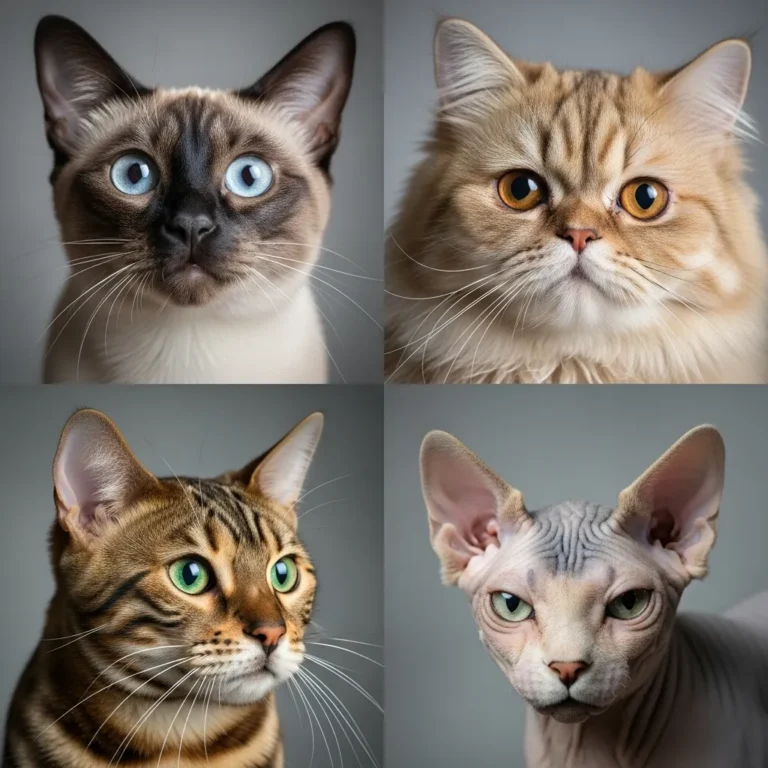
Every cat has unique tastes. One might love feathers (bird-like), another fur (mouse-like), and some prefer smooth, battable objects.
Age plays a role too. Kittens chase anything; seniors favor low-effort play. Overweight or arthritic cats skip energy-intensive toys.
Texture counts: some want soft for biting, others hard for batting. Sound matters – crinkles excite, silence bores.
3. Novelty Wears Off Fast
Cats habituate quickly. A new toy thrills for days, then gets ignored. Expensive ones aren’t immune.
Rotation helps: store some away and swap weekly for “new” excitement.
4. Stress or Health Issues
Sudden disinterest signals problems. Pain from arthritis, dental issues, or illness reduces play drive. Stress from changes (new pets, moves) causes withdrawal.
Check for other signs like hiding or appetite changes, and consult a vet.
5. They Prefer “Found” Objects
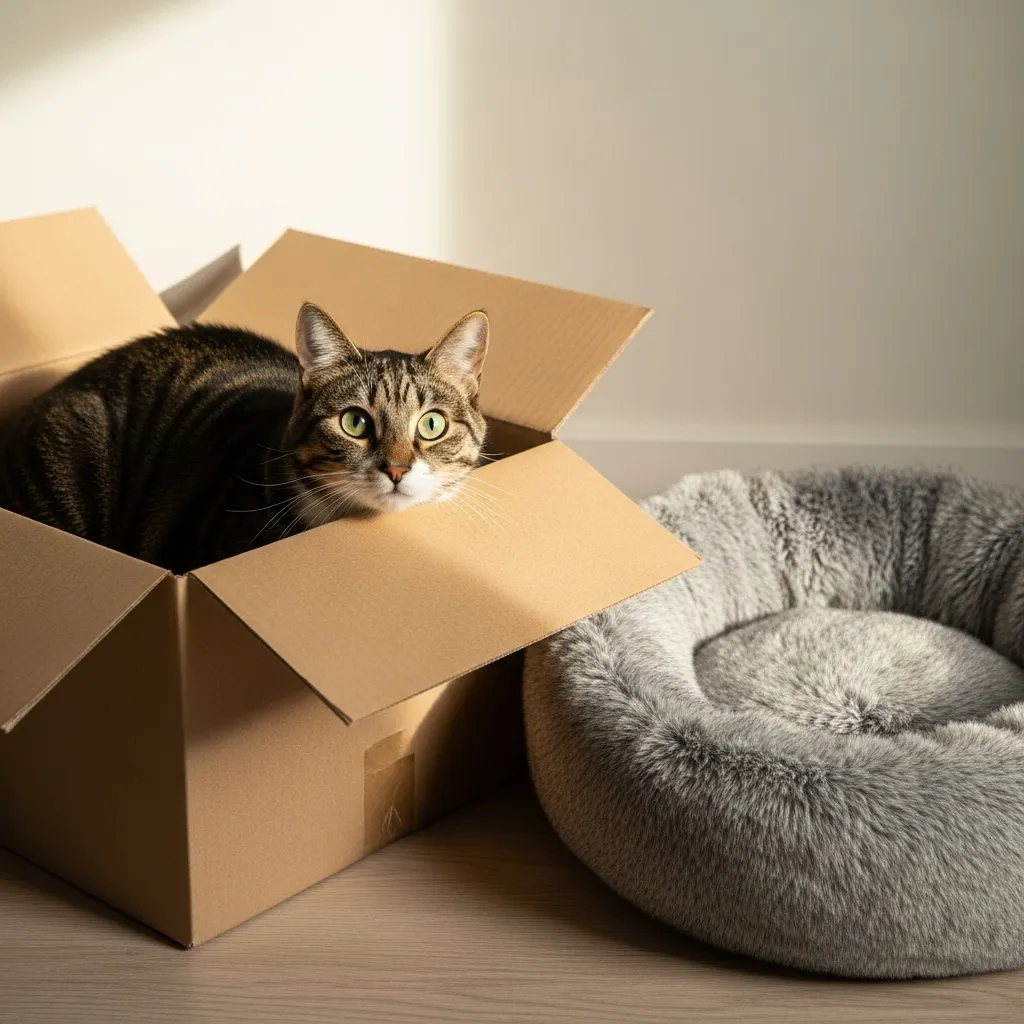
Cats love everyday items because they’re novel and human-scented. Boxes provide security, warmth, and ambush spots – evolutionary holdovers from wild hiding.
Cardboard insulates well, retaining heat in cooler homes.
Signs Your Cat’s Toy Preferences
Observe play style for clues:
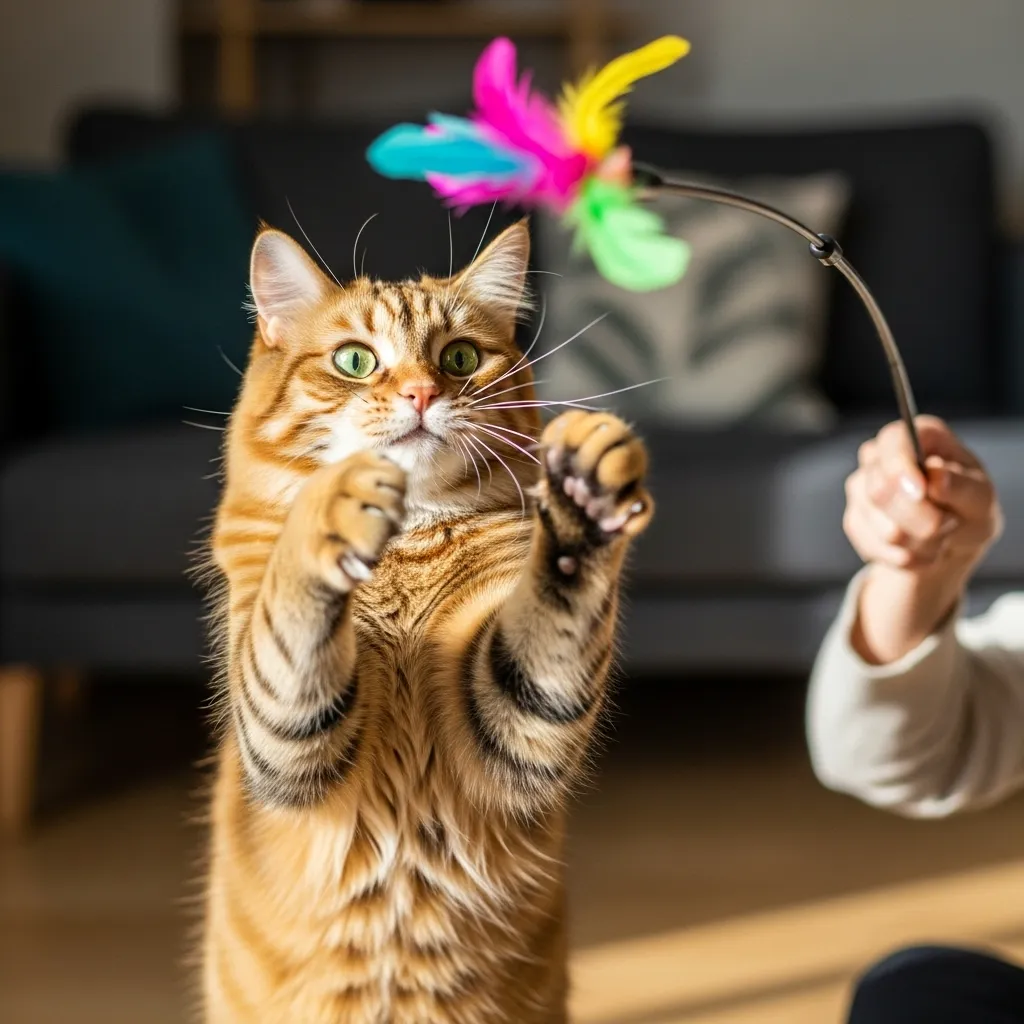
- Bird hunters: Love aerial toys – wands with feathers, things tossed high.
- Mouse/ground hunters: Prefer rolling balls, low-drag items, hidden toys.
- Bug chasers: Go for fast, erratic small objects like springs or paper balls.
Many cats need your involvement. Wand play simulates live prey best when you vary speed and hide it.
Low-Cost Alternatives That Cats Actually Love
Save money with these proven options.
1. Cardboard Boxes and Paper Products
Free and irresistible. Cut holes for hide-and-pounce. Crumpled paper or receipts make great chase balls.
2. DIY Wand Toys
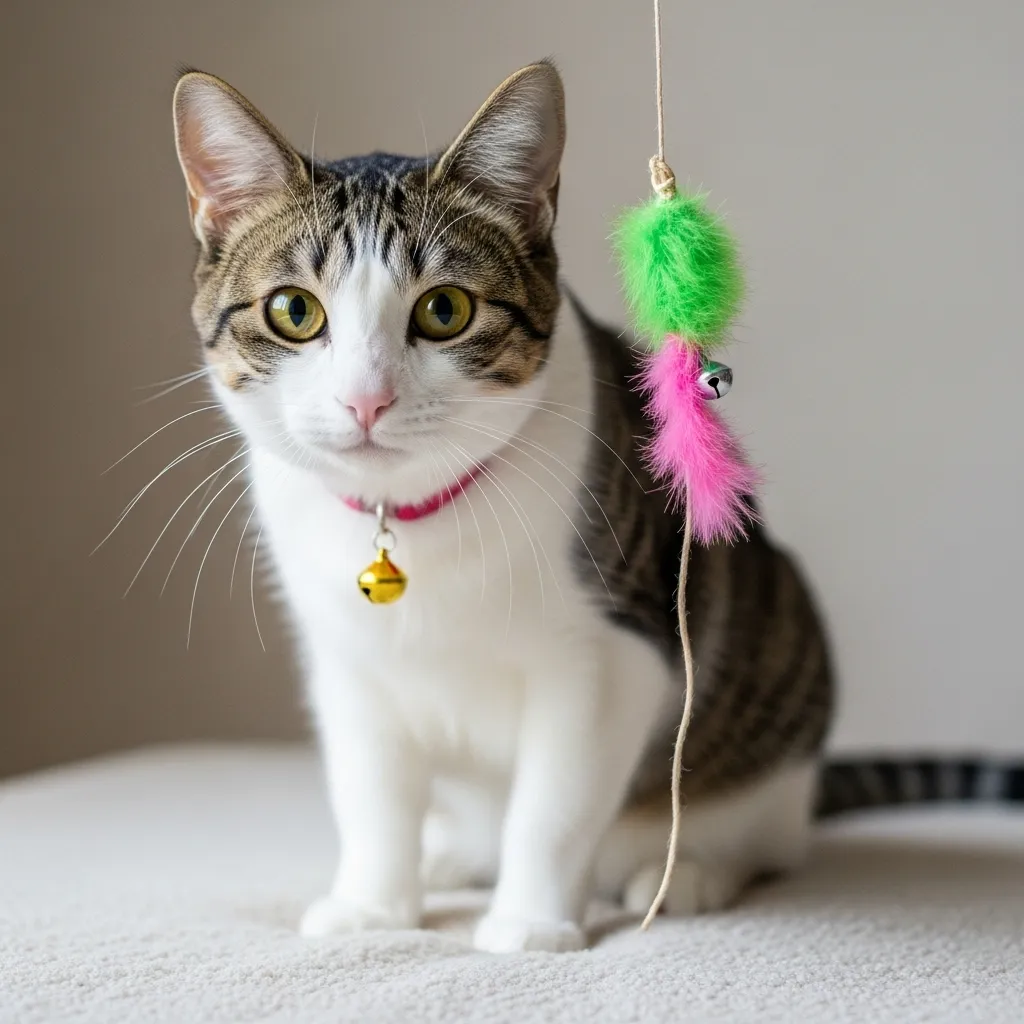
Tie string to a stick with feathers, fabric strips, or foil. Drag unpredictably.
3. Household Items as Toys
- Crumpled paper or foil balls
- Empty toilet paper rolls (stuff with treats)
- Ping pong balls in bathtub
- Hair ties or pipe cleaners (supervised)
4. Inexpensive Store Favorites
- Feather wands ($5-10)
- Crinkle balls or springs
- Cat Dancer (wire with cardboard bits)
How to Encourage Play with Any Toy
- Make it interactive: Move toys yourself for realism.
- Rotate regularly: Prevent boredom.
- End on success: Let them “catch” to satisfy instincts.
- Short sessions: 5-10 minutes, multiple times daily.
- Safe environment: Clear space, supervise strings.
For low-play cats, start small. Toss treats for foraging instinct.
When to Worry About Lack of Play
Play declines naturally with age, but sudden stops or lethargy warrant vet visits. Conditions like hyperthyroidism or depression affect energy.
FAQ
Why do cats prefer boxes over toys?
Boxes offer security, warmth, and ambush opportunities – meeting instinctual needs better than open toys.
Are expensive cat toys worth it?
Rarely alone. Invest in durable wands or puzzles, but pair with interaction.
How can I tell what toys my cat likes?
Experiment with textures and movements. Watch for sustained engagement.
My cat ignores all toys. What now?
Rule out health issues. Try food-motivated puzzles or your direct play.
Is it normal for older cats to stop playing?
Yes, energy decreases. Opt for gentle, close-ground play.
Final Thoughts
When cats completely ignore expensive toys, it’s a reminder they’re driven by instincts, not price tags. Focus on mimicking prey, providing novelty, and joining play. You’ll foster a happier, healthier bond.
Explore more expert cat care and behavior guides on Cat Bloom Haven, like our articles on cat training or breed personalities.
Discover tips in our guide on teach cat to fetch or explore playful breeds in Maine Coon cat.
What’s your cat’s favorite “toy” that cost nothing? Share in the comments – we love hearing your stories.