Why Is My Cat Obsessed with Mint? Unraveling the Feline Fascination with This Herb
If you’ve ever caught your cat going wild over a mint plant, a tube of toothpaste, or even a mint-scented candle, you’re not alone. Cats and mint seem to have a mysterious connection that leaves many pet owners puzzled. Why does your feline friend lose their mind over this herb? Is it safe, or should you be concerned? At Cat Bloom Haven, we’re diving deep into the science, behavior, and safety of cats’ obsession with mint to give you clear, vet-backed answers.
In this guide, you’ll discover why cats are drawn to mint, whether it’s safe for them to interact with, how it compares to catnip, and practical tips to manage their mint mania. From exploring safe herbs to understanding your cat’s quirky behaviors, we’ve got you covered with expert insights and actionable advice.
Key Takeaways
- Cats and Mint Attraction: Cats are often drawn to mint due to its menthol smell, which mimics compounds in catnip that trigger excitement.
- Safety First: While catmint is generally safe, some mint varieties and essential oils can be toxic to cats.
- Catnip vs. Catmint: Catmint and catnip are related but distinct, with catnip being more potent for feline stimulation.
- Managing Mint Obsession: Redirect your cat’s focus to safe alternatives like catnip or cat grass to avoid risks.
- Vet-Backed Tips: Always consult a vet before introducing new herbs or plants to your cat’s environment.
Why Are Cats Obsessed with Mint?
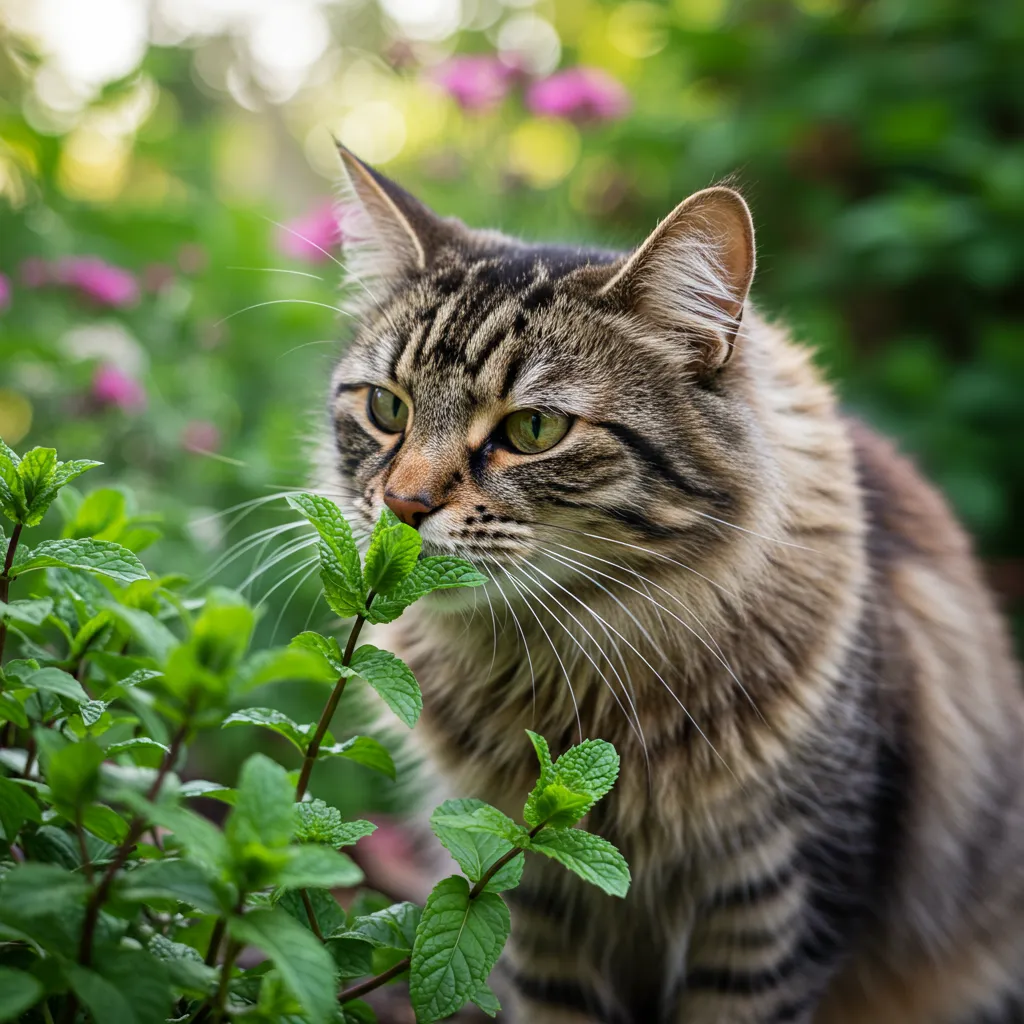
Cats’ fascination with mint often stems from their keen sense of smell—up to 14 times stronger than a human’s. The menthol in mint plants, like peppermint or spearmint, can mimic nepetalactone, the compound in catnip that drives cats wild. When your cat sniffs mint, their brain may register it as a stimulating scent, sparking behaviors like rolling, rubbing, or playful zooming.
The Science Behind the Scent
Mint belongs to the Lamiaceae family, which includes catnip (Nepeta cataria) and catmint (Nepeta mussinii). The menthol in mint triggers sensory neurons in a cat’s olfactory system, creating a euphoric response in about 60–70% of cats, similar to catnip. This reaction is genetic, so not all cats go crazy for mint, but those that do may exhibit:
- Rubbing their face on mint-scented objects.
- Purring or vocalizing excitedly.
- Playful behaviors like batting or chasing.
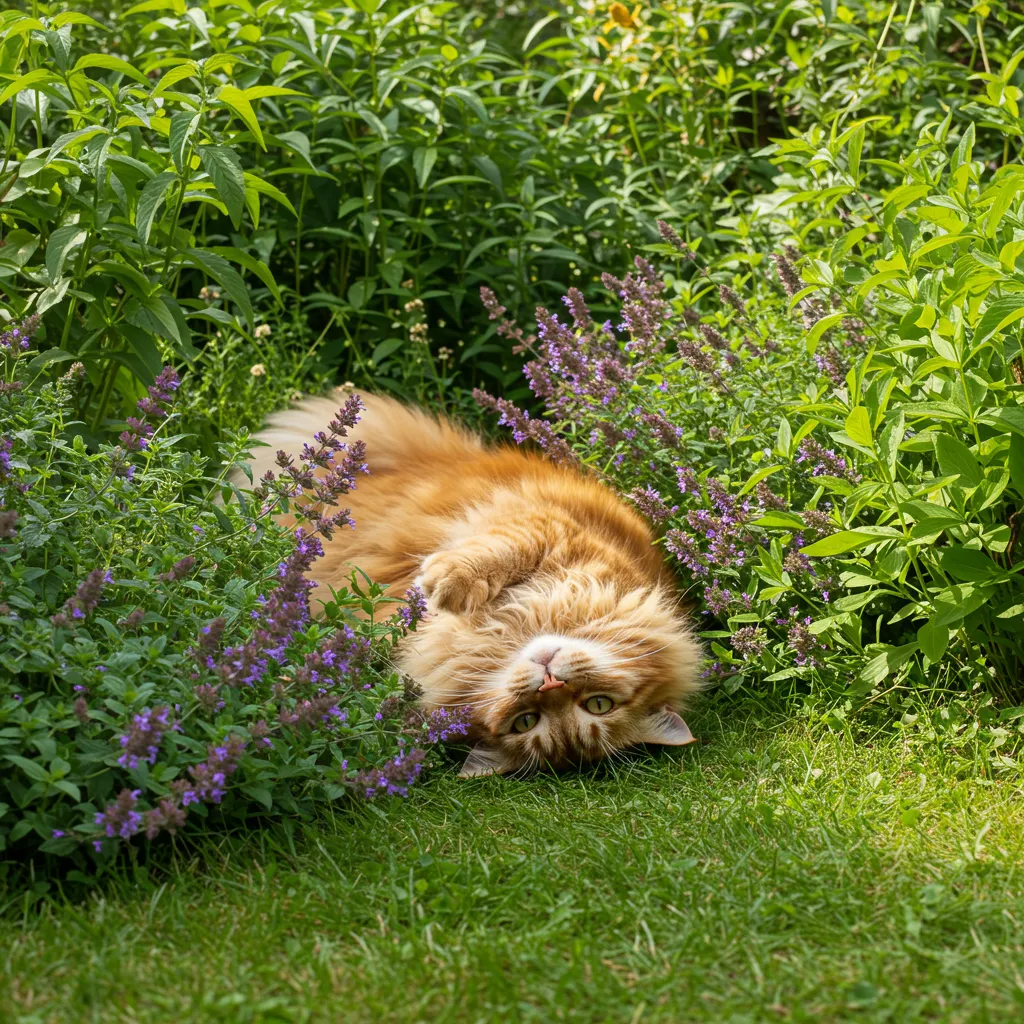
For example, Sarah, a cat owner from Seattle, shared on social media that her tabby, Luna, once raided a mint plant in her garden, rolling in it for hours. This behavior mirrors what we see with catnip, but mint’s effects are often milder.
Why Cats Love Mint Smell
The menthol smell in mint is a sensory jackpot for cats. It’s sharp, fresh, and stimulating, which taps into their natural curiosity. Unlike food-driven instincts, this attraction is purely sensory, as cats don’t typically eat mint for nutrition. Instead, they’re drawn to explore and interact with the scent, much like they might investigate a new toy or environment.
Explore our detailed guide on why cats rub on shoes to understand more about scent-driven behaviors.
Is Mint Safe for Cats?
While your cat’s mint obsession might be adorable (and TikTok-worthy), safety is a top concern. Not all mint is created equal, and some forms can pose risks.
Safe vs. Toxic Mint Varieties
- Catmint (Nepeta mussinii): Generally safe and often used as a milder alternative to catnip. It’s non-toxic and can be grown in your garden for feline enrichment.
- Catnip (Nepeta cataria): Safe and highly stimulating for most cats, with stronger effects than catmint.
- Peppermint and Spearmint: Small amounts of fresh leaves are usually safe, but large quantities or concentrated forms (like essential oils) can cause digestive upset or toxicity.
- Pennyroyal and Other Toxic Mints: Pennyroyal, a member of the mint family, is toxic to cats and can cause severe symptoms like vomiting or liver damage.
Vet Tip: Dr. Emily Carter, a feline behavior specialist, advises, “Always check the specific mint type before letting your cat interact with it. Essential oils, in particular, should be kept far away from cats due to their sensitive livers.”
Can Cats Eat Mint Leaves?
In small amounts, fresh peppermint or spearmint leaves are unlikely to harm your cat, but they’re not a dietary necessity. Eating too many can lead to:
- Vomiting or diarrhea.
- Mild stomach upset.
- Potential allergic reactions in sensitive cats.
If your cat nibbles on a mint plant, monitor them for signs of distress. For safer snacking, consider cat grass, which is designed for feline digestion.
Cats and Essential Oils Safety
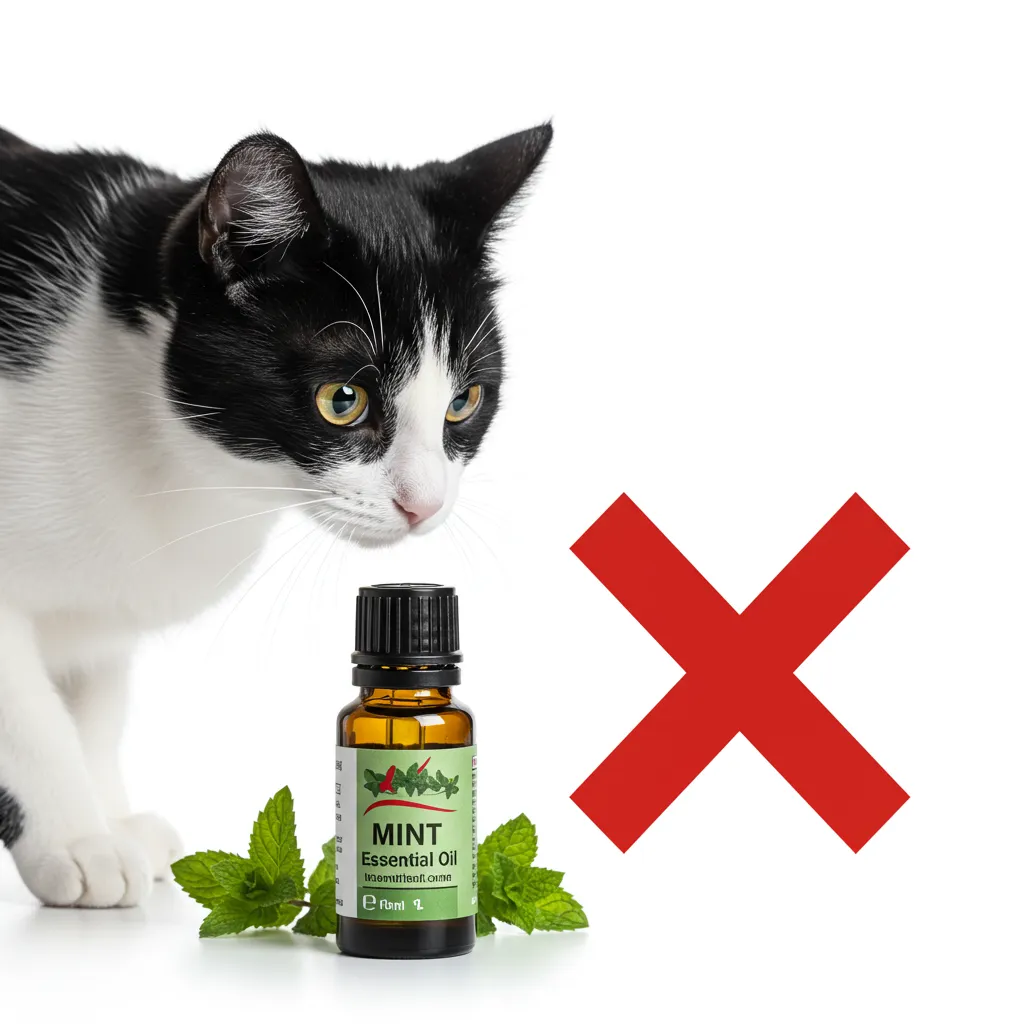
Mint essential oils, often found in candles, diffusers, or toothpaste, are a no-go for cats. The concentrated menthol can cause:
- Respiratory distress.
- Skin irritation.
- Neurological symptoms like tremors.
Actionable Tip: Store mint-scented products in sealed containers and use pet-safe air fresheners. If your cat shows signs of exposure (e.g., drooling or lethargy), contact your vet immediately.
Learn more in our cat health and plants guide for tips on creating a pet-safe home.
Catmint vs. Catnip: What’s the Difference?
The terms “catmint” and “catnip” are often used interchangeably, but they’re distinct plants with different effects on cats.
| Feature | Catnip (Nepeta cataria) | Catmint (Nepeta mussinii) |
|---|---|---|
| Potency | High; affects 60–70% of cats | Milder; affects fewer cats |
| Scent | Strong, musky | Softer, more floral |
| Use | Toys, sprays, enrichment | Garden plants, mild stimulation |
| Safety | Non-toxic in moderation | Non-toxic in moderation |
| Growth | Taller, weedy appearance | Low-growing, ornamental |
Why Choose Catmint?
Catmint is a great option for cats less responsive to catnip or for owners wanting a subtler effect. It’s also a beautiful addition to gardens, attracting bees while keeping your cat entertained. However, catnip remains the go-to for intense feline fun.
Discover more tips in our catnip alternatives guide for other stimulating herbs.
Are Cats Attracted to Mint? Exploring Feline Behavior
Not every cat goes gaga for mint, but those that do are often responding to its menthol-like compounds. This attraction can manifest in:
- Sniffing and Rubbing: Cats may rub their cheeks on mint plants or mint-scented items to mark them with their scent.
- Playful Reactions: Some cats bat at or chew on mint leaves, treating them like a toy.
- Viral Mint Moments: Social media is full of “cats obsessed with mint TikTok” videos, showing felines flipping out over mint gum or toothpaste.
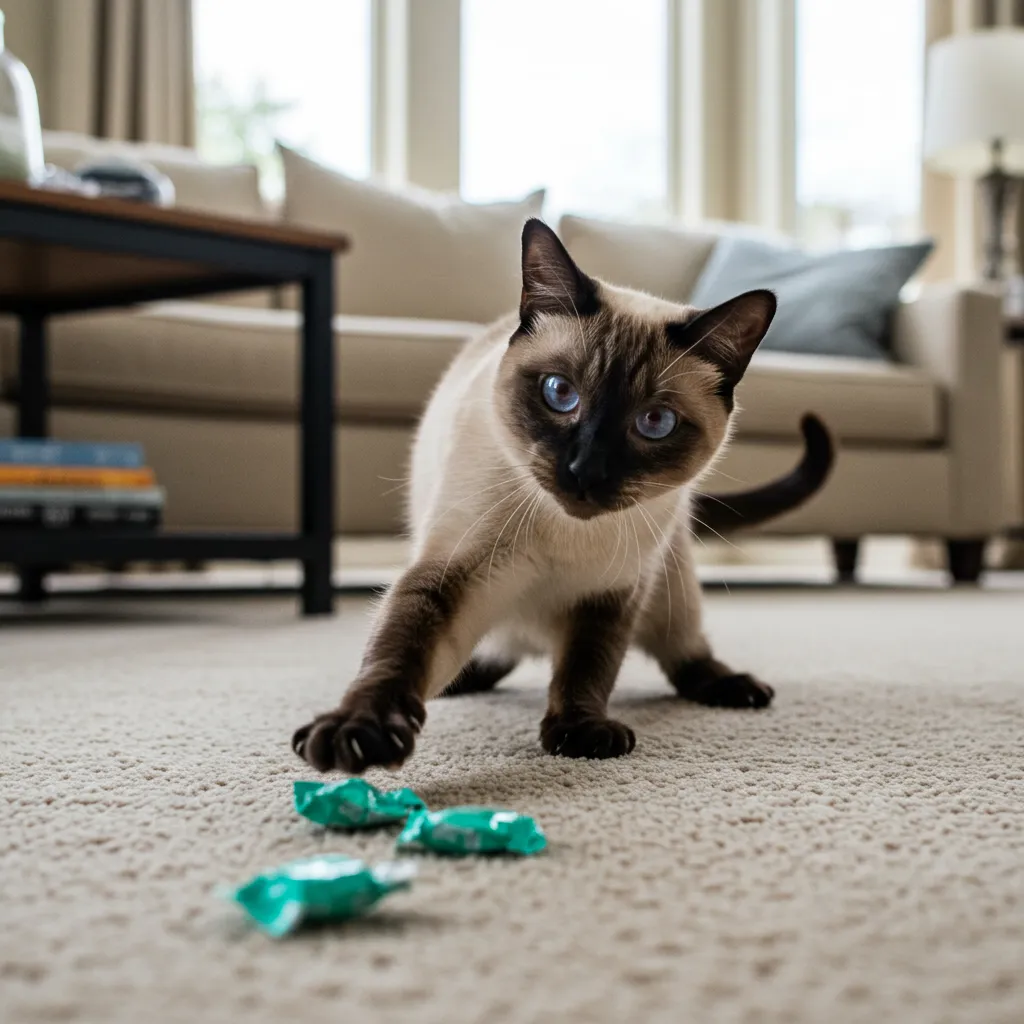
For instance, a trending video on X showed a Siamese cat named Milo stealing a mint candy wrapper and zooming around the house. These reactions highlight how mint can tap into a cat’s playful, curious nature.
Check out our funny cat memes for more feline antics.
Mint and Cats’ Behavior: What’s Normal?
Your cat’s mint obsession might look like a full-on party, but it’s usually harmless if managed properly. Common behaviors include:
- Zoomies: Post-mint exposure, your cat might sprint around, fueled by sensory excitement.
- Vocalizing: Meowing or chirping as they engage with the scent.
- Relaxation: Some cats mellow out after the initial excitement, similar to catnip’s calming phase.
When to Worry
If your cat’s behavior seems excessive—think obsessive chewing, aggression, or lethargy—it’s time to intervene. Redirect their focus to safer toys or consult a vet to rule out underlying issues.
Explore our cat zoomies guide for tips on managing high-energy behaviors.
Cat-Safe Herbs: Alternatives to Mint
If you’re hesitant about mint, try these cat-safe herbs for enrichment:
- Catnip: The gold standard for feline fun, safe and widely available.
- Cat Grass: Wheatgrass or oat grass provides safe chewing and digestion benefits.
- Valerian Root: A less common but stimulating herb for cats.
- Silver Vine: A potent alternative that some cats prefer over catnip.
Pro Tip: Grow a small indoor herb garden with cat-safe plants to keep your feline entertained. Always introduce new herbs gradually and monitor for reactions.
Learn more in our safe herbs for cats guide for pet-friendly plant ideas.
Cats and Menthol Smell: Why It’s a Hit
Menthol, the active compound in mint, is a big driver of feline interest. Its sharp, cooling scent mimics natural pheromones, making it irresistible to some cats. This explains why your cat might go nuts for menthol-scented products like:
- Toothpaste or dental chews.
- Mint-flavored candies or gum.
- Menthol-based balms (e.g., Vicks VapoRub, which is toxic—keep it away!).
Managing Menthol Exposure
To prevent your cat from raiding unsafe items:
- Store menthol products in secure containers.
- Use cat-specific toys like catnip-filled mice to redirect their attention.
- Clean up minty spills immediately to avoid temptation.
Funny Cat Mint Reactions: The Viral Trend
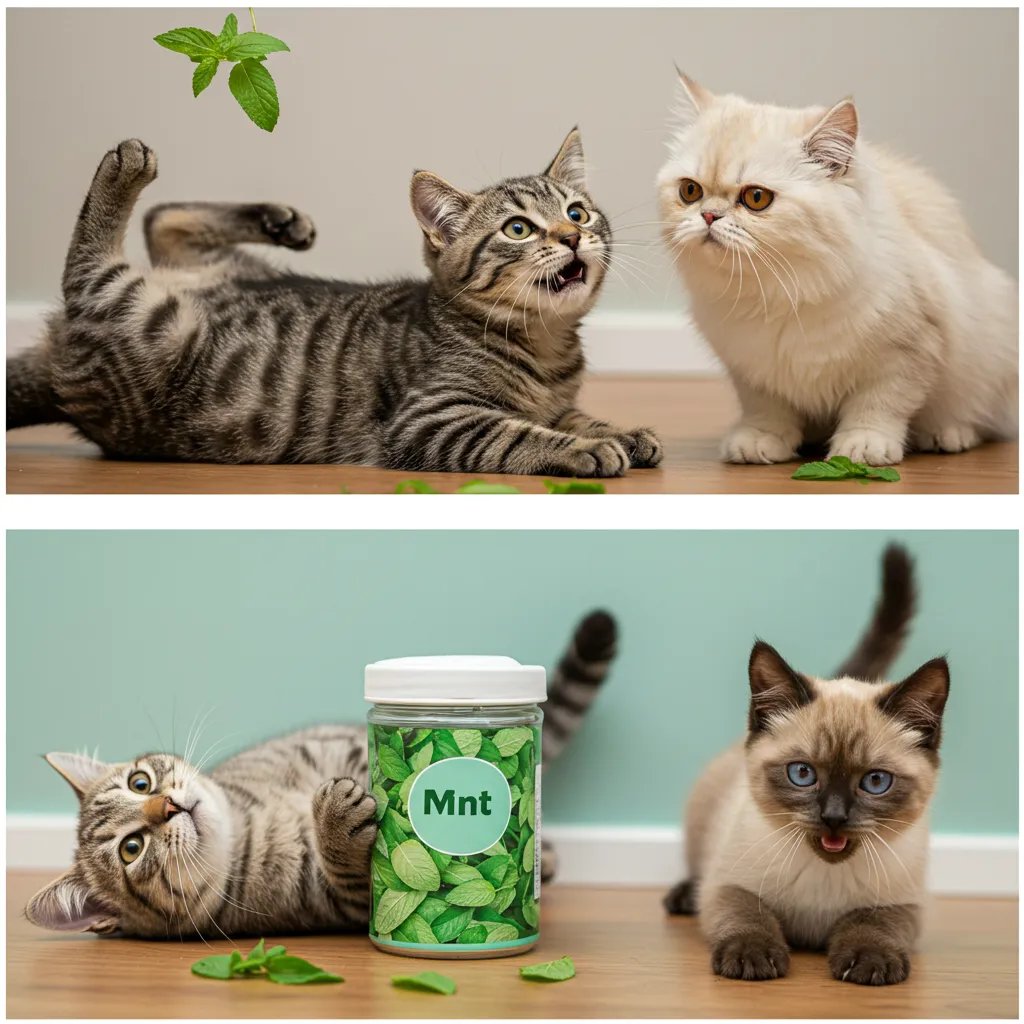
From TikTok to X, “cats obsessed with mint” videos are taking over. These clips often show cats:
- Stealing mint gum from purses.
- Rolling on mint plants like they’re in a trance.
- Making hilarious faces when sniffing menthol products.
While these moments are entertaining, they’re a reminder to keep minty items out of reach. Share your cat’s mint antics on social media, but prioritize their safety.
Discover more in our cat memes fun guide for a laugh.
Practical Tips to Manage Your Cat’s Mint Obsession
If your cat’s mint mania is getting out of hand, try these strategies:
- Offer Safe Alternatives: Swap mint plants for catnip or cat grass to satisfy their scent cravings.
- Secure Mint Products: Keep toothpaste, gum, and essential oils in cat-proof containers.
- Enrich Their Environment: Provide stimulating toys or puzzles to redirect their energy.
- Consult a Vet: If your cat’s obsession seems compulsive, a vet can check for behavioral or health issues.
- Grow Catmint Safely: Plant catmint in a controlled area, like a raised garden bed, to limit access.
Check out our cat training behavior guide for more tips on managing quirky habits.
FAQ: Cats and Mint
Why is my cat obsessed with mint?
Cats are drawn to mint’s menthol smell, which mimics catnip’s stimulating compounds, triggering playful or euphoric behaviors.
Is mint safe for cats?
Catmint and catnip are safe in moderation, but peppermint, spearmint, or essential oils can cause digestive issues or toxicity. Always monitor your cat.
Are cats attracted to mint?
Yes, many cats are attracted to mint’s scent due to its similarity to catnip, though reactions vary by individual.
Can cats eat mint leaves?
Small amounts of fresh peppermint or spearmint are usually safe, but overconsumption can lead to stomach upset. Catmint is a safer option.
What are cat-safe herbs?
Catnip, cat grass, valerian root, and silver vine are safe and stimulating for cats. Always introduce new herbs slowly.
Are mint essential oils safe for cats?
No, mint essential oils are toxic and can cause respiratory, skin, or neurological issues. Keep them away from your cat.
Conclusion: Keep Your Cat Safe and Happy
Your cat’s obsession with mint is a fascinating glimpse into their sensory world, but it comes with responsibilities. By understanding why cats love mint, choosing safe herbs, and managing their exposure, you can keep their playful antics safe and fun. Whether it’s growing catmint in your garden or redirecting their energy to catnip toys, you’re now equipped to handle their mint mania like a pro.
For more expert tips on feline behavior, health, and care, explore our comprehensive guides at Cat Bloom Haven. From catnip alternatives to cat health and plants, we’re here to help you create a purr-fect environment for your furry friend.