Everyday Situations That Cats Take Way Too Seriously: The Feline Guide to Unparalleled Drama
As any cat owner knows, our feline companions operate on a different frequency of reality. What we consider mundane daily occurrences, they treat with the gravity of international diplomacy or imminent apocalypse. From the dramatic response to an empty food bowl to the intense suspicion directed at a newly placed grocery bag, cats elevate ordinary moments into extraordinary sagas of survival, territory, and principle.
This article explores the specific, everyday situations that cats approach with utterly disproportionate seriousness. We’ll decode the instinctive and behavioral roots of these reactions, help you understand your cat’s perspective, and offer practical ways to navigate these miniature dramas with grace (and perhaps a little amusement).
Understanding the Feline Mind: Why Cats Are Wired for Overreaction
Before we dive into specific scenarios, it’s crucial to understand why cats behave this way. Their responses aren’t random or simply “cat being cat.” They are deeply rooted in biology, evolution, and psychology.
Survival Instincts on Overdrive: Domestic cats retain nearly all the instincts of their wild ancestors. For a small solitary hunter, every sensory input must be evaluated for potential threat or opportunity. A sudden sound isn’t just a noise; it’s a potential predator. A change in furniture arrangement isn’t just redecorating; it’s a possible breach in territorial security.
Mastery of Their Domain: Cats are territorial creatures who find profound security in predictability and control. Their environment is their kingdom, and they are its meticulous stewards. Any deviation from the established order a closed door where there was an open one, a visitor’s scent, a moved piece of furniture is perceived as a challenge to their authority and safety. This need for control explains many of the situations they take so seriously.
Sensory Superpowers: A cat’s world is perceived through vastly superior senses. Their hearing detects frequencies and volumes we can’t, their sense of smell is 14 times stronger than ours, and their vision excels in low light and detects the slightest motion. What seems like an overreaction to a “quiet” sound is often a perfectly proportionate response to a sensory assault we simply cannot perceive.
The Principle of the Thing: Sometimes, it’s not about the immediate practical consequence but the precedent it sets. Giving dinner 15 minutes late isn’t just about temporary hunger; it’s about the breakdown of a sacred covenant. Ignoring a presented “gift” (like a toy mouse) isn’t just about play; it’s a dismissal of their hard work and status as a provider. For cats, principles matter.
The Definitive List: 12 Everyday Situations Cats Treat Like National Emergencies
Let’s explore the specific battlegrounds of daily life where feline seriousness reaches its peak.
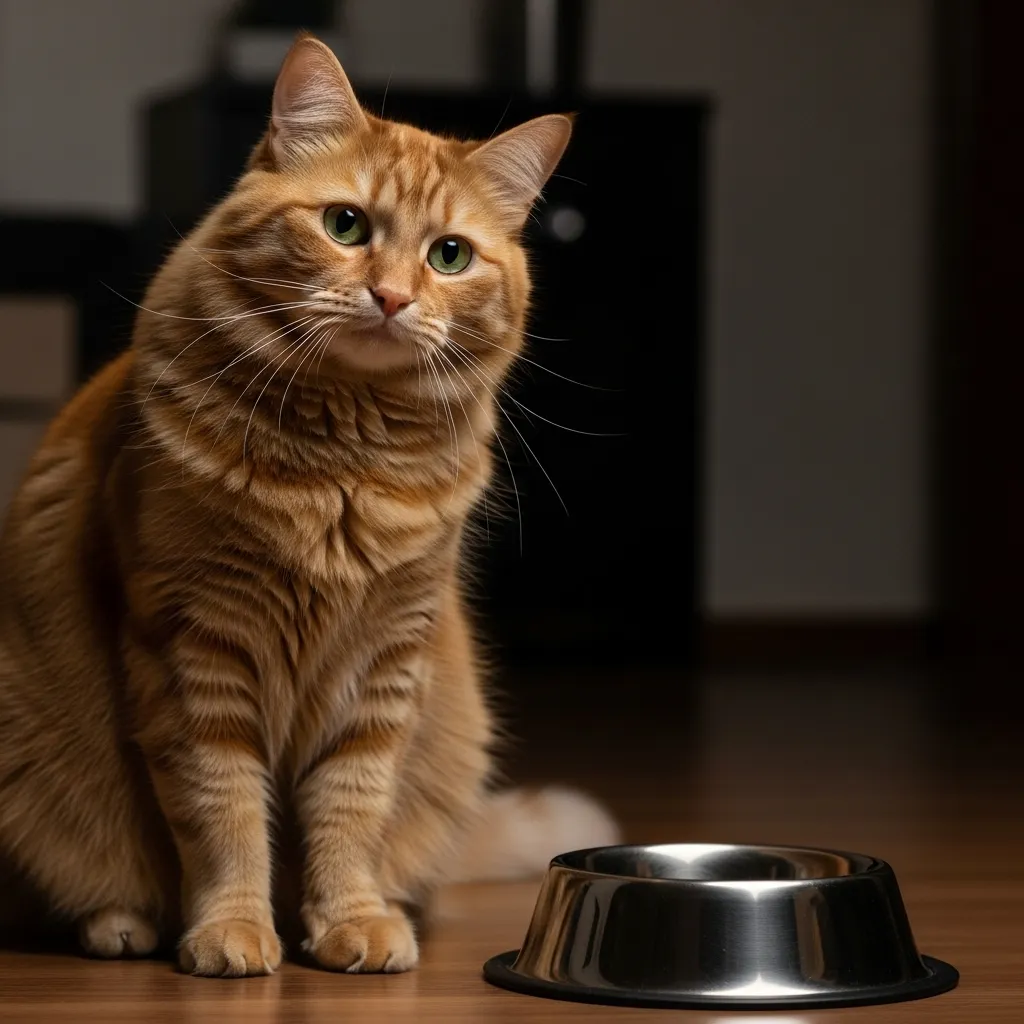
1. The Slightly Off-Schedule Meal Time
The Human Perspective: Dinner is ten minutes late because you were on an important call. No big deal.
The Cat Perspective: This is a clear sign of societal collapse. The food provider has failed in their primary duty. The intricate fabric of time and routine, upon which the entire universe is balanced, has been torn. Emaciation is imminent. The dramatic flopping, the soulful stares at the empty bowl, the plaintive, escalating meows—these are not requests, but righteous protests against injustice.
The Why: Cats are creatures of strict routine. Their internal clocks are remarkably precise. A delayed meal triggers genuine anxiety about resource availability, a core survival concern. The drama communicates urgency and re-establishes the hierarchy of needs.
What to Do: Apologize sincerely (they sense tone). If delays are common, consider an automatic cat feeder to maintain the sacred schedule impersonally. For more on establishing healthy feeding routines, see our guide on cat feeding schedules.
2. The Inexplicably Closed Door
The Human Perspective: You closed the bathroom door for privacy.
The Cat Perspective: An impenetrable barrier has materialized in their sovereign territory. What secrets lie behind it? Why have you, their subject, locked them out of a domain they rightfully patrol? The desperate pawing under the door, the mournful cries, the eventual thunderous leap at the handle—this is a prisoner’s rebellion.
The Why: Closed doors violate a cat’s basic right to patrol and access all parts of their territory. It also separates them from their social group (you), which can cause anxiety. The mystery of what’s happening behind the door is psychologically intolerable.
What to Do: Consider a compromise. A strategically placed door stopper to keep it slightly ajar often satisfies their need for access while giving you privacy. Understand that for some cats, this is a non-negotiable point of principle. Explore the reasons behind this behavior in our article on why your cat cries when locked out of the bedroom.
3. The Presence of a Vacuum Cleaner (Even When Silent)
The Human Perspective: A useful household appliance, stored in the closet.
The Cat Perspective: A dormant, metal-plated hell-beast that periodically roars to life, devouring dust and dignity in equal measure. Its very silhouette in the corner is a silent threat. The wide-eyed, low-to-the-ground reconnaissance mission past the closet, the sudden freeze and stare—this is a soldier assessing a sleeping dragon.
The Why: The vacuum combines nearly every feline nightmare: unpredictable, deafening noise, aggressive movement, and a smell (ozone, dust) that overwhelms their sensitive noses. Its violation of their peaceful environment is absolute.
What to Do: Never force interaction. Let them hide. You can try desensitization by leaving the vacuum out without running it, associating it with high-value treats placed at a distance. But for most cats, a healthy respect (read: terror) for the vacuum is a permanent life feature.
4. The Arrival of Groceries, Especially Paper Bags
The Human Perspective: You’ve brought home supplies. The bags will be unpacked and recycled.
The Cat Perspective: You have returned from the hunt bearing strange, rustling caves imbued with the thrilling scents of the outside world concrete, grass, other animals, plastic, mystery. This is not a chore; it is the most interesting sensory event of the day. The immediate, non-negotiable inspection and subsequent occupation of each bag is a sacred duty.
The Why: Cats investigate new objects to ensure they are safe and to integrate them into their scent map. Bags are particularly fascinating because they are novel, crinkly (interesting sound), and saturated with exotic smells. Sitting in one allows them to claim the new object and mingle their scent with the exciting foreign ones.
What to Do: Let them have their fun! Ensure bags have handles cut to prevent accidental entanglement. This is harmless, enriching behavior. After they’ve completed their thorough investigation, you may reclaim the bags.
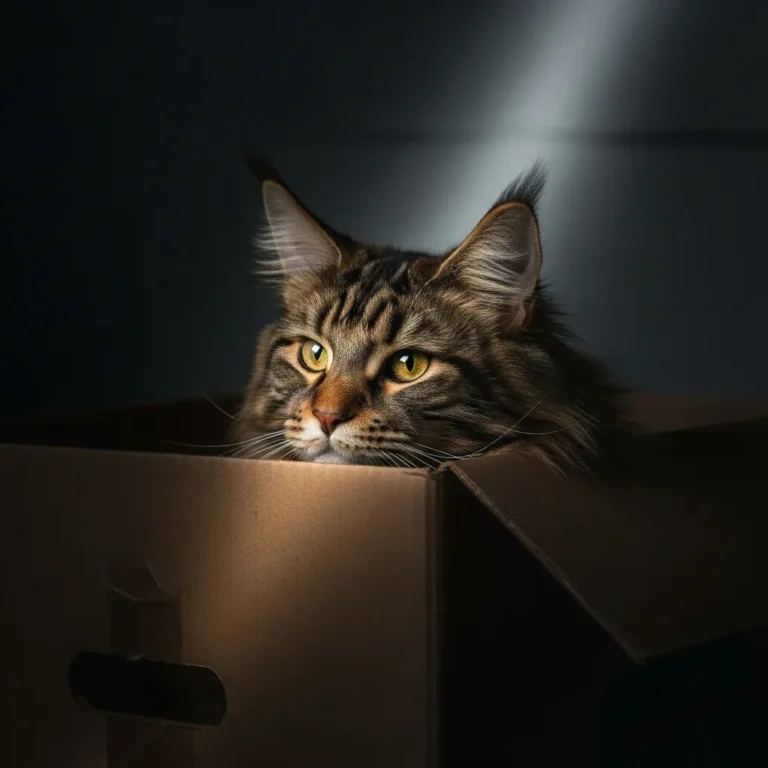
- Image Suggestion: A cat sitting perfectly still inside a paper grocery bag, only its head poking out, with a look of intense, solemn ownership.
- Alt Text: Cat takes its investigation of a new paper grocery bag very seriously, claiming it as new territory.
5. The Act of You Using the Bathroom Alone
The Human Perspective: A private bodily function.
The Cat Perspective: A vulnerable member of the colony has isolated itself in a small, hard-surfaced room with a water source. This is patently unsafe. They must stand guard. The intense stare, the sitting between your feet, the possible lap invasion this is a highly trained bodyguard performing a vital, serious mission.
The Why: In the wild, eliminating waste is a vulnerable moment. Your cat may be returning the favor of protection they feel you provide them when they use the litter box. It’s also a prime, uninterrupted opportunity for bonding and attention in a confined space. For more on vulnerable cat behaviors, read about why cats burrow under blankets.
What to Do: Accept your fate. You have a bathroom supervisor. It’s a sign of deep bonding. Ensure the latch works so they can’t burst in and startle guests.
6. A Single Piece of Tape or Sticker on the Floor
The Human Perspective: A tiny, insignificant bit of adhesive debris.
The Cat Perspective: A sticky, unnatural abomination defiling the sanctity of the floor. It may be alive. It is definitely hostile. The cautious approach, the delicate tap with a paw, the frantic shaking of the paw to free it, the eventual full-body attack this is a heroic battle against an alien invader.
The Why: The unfamiliar texture (sticky) is highly alarming to a cat’s sensitive paw pads. Its sudden appearance breaks the expected texture-map of their territory. Their reaction is a mix of extreme caution, hunting behavior, and an attempt to remove a perceived threat.
What to Do: Enjoy the free entertainment. Once they’ve “defeated” it (usually by sticking it to themselves and running away in a panic), you may need to assist in its removal.
7. The Sighting of Another Cat Through a Window
The Human Perspective: The neighbor’s cat is passing through the yard.
The Cat Perspective: A vile usurper, a brazen trespasser, a fuzzy affront to their very existence, is parading through the outer perimeter of their empire. The low, guttural chattering, the twitching tail, the puffed-up posture this is a general mobilizing defenses and cursing the enemy’s lineage.
The Why: Pure, undiluted territorial aggression. Even the most docile indoor cat feels a profound drive to defend their territory from visual intruders. The “chatter” is thought to be a frustrated predatory response, a simulation of biting the neck of the prey they cannot reach.
What to Do: Distract them with a favorite toy or treat if the stress seems high. Consider window film on lower sections to block the view if it’s a constant issue. This is a natural behavior, so don’t punish it. Learn to manage multi-cat tensions in our multi-cat dynamics guide.
8. Your Focus on Any Object That Is Not Them (Book, Phone, Laptop)
The Human Perspective: You are working, reading, or scrolling.
The Cat Perspective: Your attention a rightfully theirs resource is being illegally siphoned by a cold, inanimate rival. This cannot stand. The deliberate walk across the keyboard, the cheek rub on the book spine, the plopping down directly on your phone this is a strategic takeover, not a request for cuddles.
The Why: Cats seek attention and control. Your focus on something else makes them irrelevant, which is unacceptable. By interposing themselves, they regain control of your attention and, by extension, their environment. They are also mixing their scent with the object, claiming it and you. Decode this behavior in our article why does my cat sit on my laptop.
What to Do: Schedule dedicated playtime before your focused work sessions to tire them out. Sometimes, a decoy box or bed near you can satisfy their need to be part of your activity.
9. The Process of Being Brushed (For Some Cats)
The Human Perspective: A pleasant grooming session to reduce shedding.
The Cat Perspective: An unpredictable, invasive procedure involving restraint and strange sensations. Will it be gentle? Will it tug? How long will it last? The initial tension, the suspicious eye, the sudden bite or scratch followed by frantic grooming of the spot that was just brushed—this is a cat navigating a profound breach of personal autonomy.
The Why: It’s about control and sensory overload. Some cats have areas (belly, near tail) that are overly sensitive. The brush can stimulate nerve endings in a way that quickly flips from pleasant to irritating. The post-brush self-grooming is an attempt to reapply their own scent and correct your “mistakes.”
What to Do: Keep sessions very short, use gentle brushes, and let the cat initiate or leave. Pair brushing with high-value treats. Stop before they get irritated. For cats who despise grooming, see our tips on how to groom a cat that hates it.
10. The Discovery of a Bug Indoors
The Human Perspective: A harmless insect that should probably be escorted outside.
The Cat Perspective: A rogue, skittering enemy combatant has breached homeland security. Its erratic movement is an insult to the ordered calm of the kingdom. The intense, low-to-the-ground stalk, the twitching hindquarters, the lightning-fast (but often non-lethal) slap—this is a Special Forces operative neutralizing a high-value target.
The Why: This is pure, hardwired predatory sequence: stare, stalk, chase, pounce, bat, (sometimes) kill. Even well-fed cats cannot resist the trigger of small, fast-moving prey. The seriousness is that of a hunter wholly absorbed in its craft.
What to Do: Let them enjoy the hunt if the bug is harmless. Be prepared to perform insect disposal once the “mission” is complete.
11. A Change in the Type of Litter
The Human Perspective: Trying a new, better-reviewed, or more affordable litter.
The Cat Perspective: You have replaced the familiar, acceptable substrate of their private lavatory with a suspicious, alien gravel of unknown texture and perfume. This is a sanitation crisis of the highest order. The hesitant approaches, the scratching at the floor next to the box, the potential “protest” eliminations elsewhere—this is a conscientious objector.
The Why: Litter box issues are the number one behavioral problem in cats because they take elimination extremely seriously. They are vulnerable when using it and are highly sensitive to texture, scent, and cleanliness. A sudden change can feel unsafe and unacceptable.
What to Do: Transition slowly over a week, mixing increasing amounts of the new litter with the old. Never change litter and box location at the same time. For persistent issues, consult our guide on retraining your cat to use the litter box.
12. You Petting Them for “Too Long” or in the “Wrong” Spot
The Human Perspective: Giving affectionate strokes.
The Cat Perspective: A welcome interaction has now crossed an invisible line into overstimulation. The nerve endings are firing too much. The purring, kneading cat from 30 seconds ago is now a wired bundle of aggression. The sudden grab, bite, or scratch (often without hissing) this is a serious communication: “The treaty has been violated. Interaction terminated.”
The Why: This is often called “petting-induced aggression.” Cats can become overly stimulated by continuous sensory input. Some areas (like the belly) are often ticklish or trigger defensive reflexes. The bite isn’t necessarily angry; it’s a definitive “stop” signal.
What to Do: Learn your cat’s threshold. Watch for warning signs: skin twitching, tail flicking, ears rotating back. Pet in short sessions, focusing on their preferred areas (usually cheeks, under chin, base of ears). Respect the “bite” as communication, not betrayal. Understand cat communication better through our cat tail language guide.
How to Live in Harmony with Your Seriously-Inclined Feline
Acceptance is the first step. Your cat is not broken or overly dramatic; they are a complex creature navigating a human world with ancient software. Here’s your strategy:
- Respect Their Seriousness: Don’t laugh at them during these moments (from their perspective, it’s condescending). Acknowledge their concern with a calm tone.
- Provide Predictability: Maintain routines for feeding, play, and cleaning. Predictability equals safety.
- Offer Control: Give them choices multiple sleeping spots, access to perches, the option to engage or disengage from petting.
- Use Positive Association: Pair potentially scary things (carrier, brush) with treats and praise, not force.
- Channel the Energy: For territorial or predatory seriousness, provide ample play with wand toys to simulate hunting and satisfy that intense drive.
Frequently Asked Questions
Q: Why does my cat take everything so seriously?
A: Cats are wired by evolution to be cautious solitary hunters. They treat everyday changes with seriousness because their ancestors needed to assess every detail for survival threats. It’s a sign of a healthy, alert feline mind.
Q: Is my cat stressed or just being dramatic?
A: It’s usually instinct, not stress. True stress signs are more chronic: hiding, not eating, over-grooming, inappropriate elimination. The “dramatic” reactions to specific events are typically normal, if intense, expressions of instinct.
Q: Should I try to stop my cat from reacting so seriously?
A: No. You cannot (and should not) delete their instincts. Instead, manage the environment to reduce triggers and provide safe outlets for their natural behaviors, like hunting through play.
Q: Do some cat breeds take things more seriously than others?
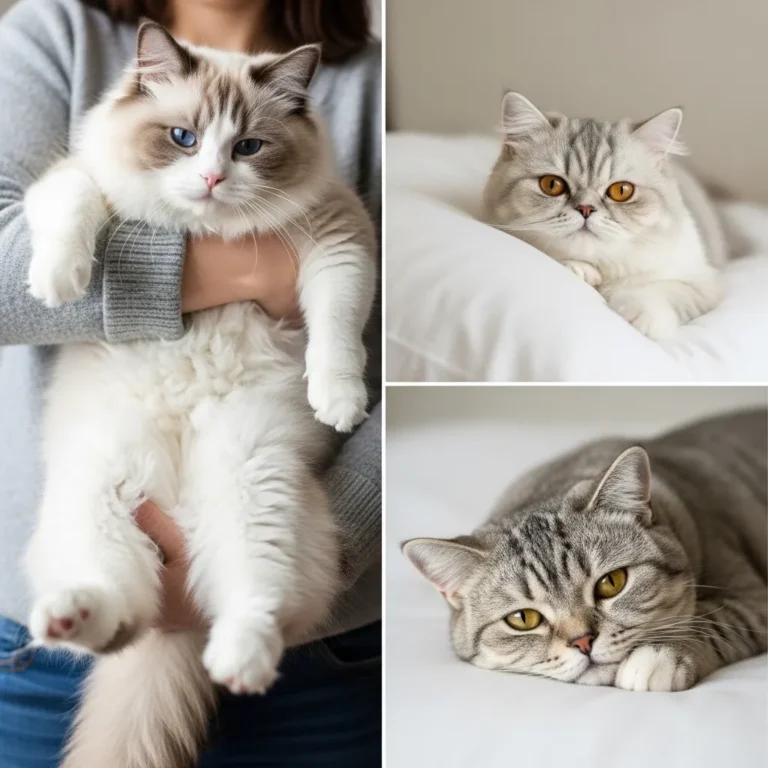
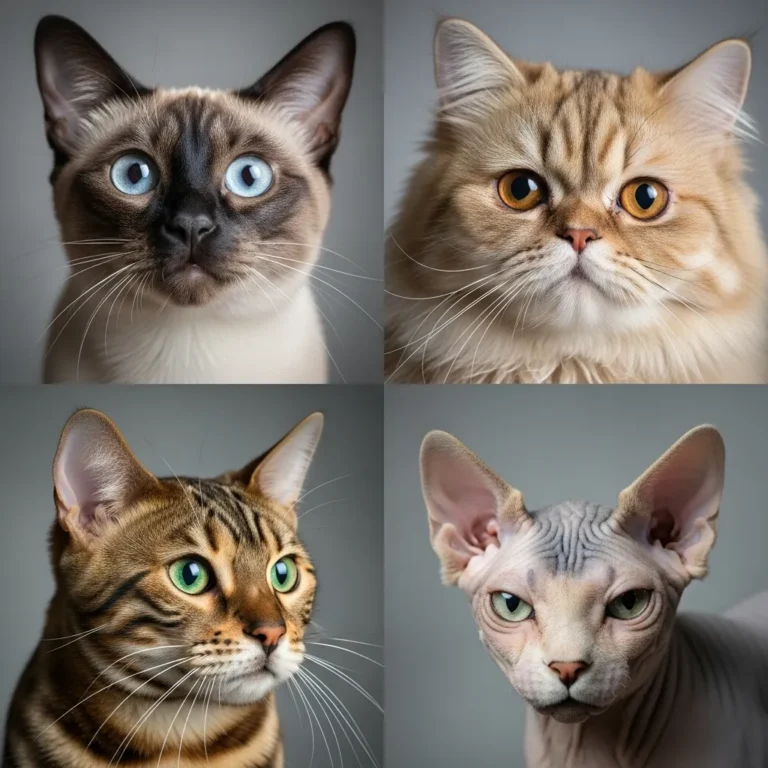
A: Yes. Breeds like the Siamese or Bengal are known for high intensity and vocal opinions. More laid-back breeds like the Ragdoll or Persian might have a lower drama threshold. Discover different personalities in our cat breeds personalities guide.
Living with a cat means accepting that you share your home with a tiny, furry sovereign who views daily life through a lens of profound importance. Their “overreactions” are not flaws, but fascinating windows into a mind governed by ancient rules of survival, territory, and ritual. By understanding the serious business behind their most dramatic moments from guarding your bathroom vigil to waging war on a dust bunny we don’t just avoid conflicts; we deepen our appreciation for the unique, mysterious, and wonderfully serious creature who allows us to serve in their court.
Embrace the drama. Learn their language. Your reward is a more harmonious home and a profound connection with a being who, in their own serious way, has chosen to trust you.
Explore more expert insights into cat behavior, care, and the secret life of your feline overlord in our comprehensive library of guides at Cat Bloom Haven.