Jet-Setting with Your American Shorthair Cat: Stress-Free Travel Tips
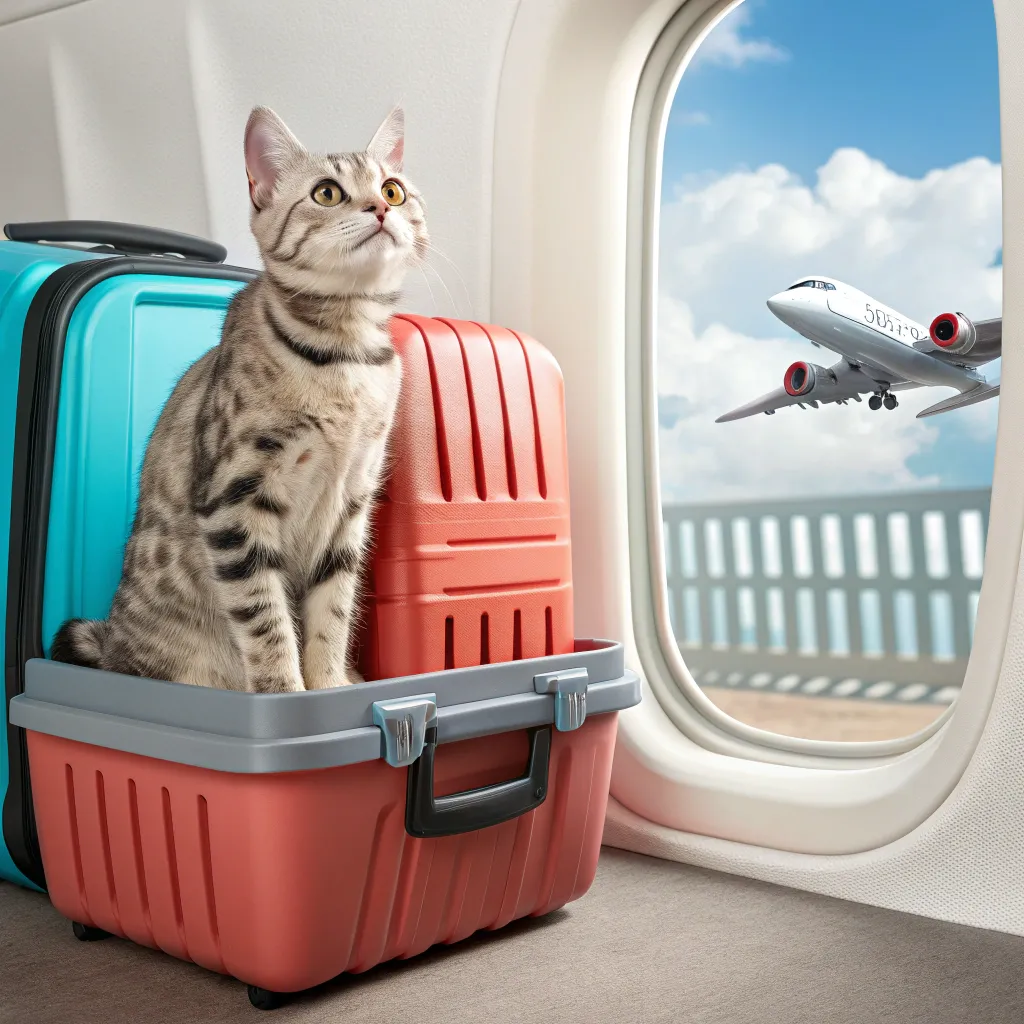
Traveling with your American Shorthair cat can be a rewarding adventure, turning trips into unforgettable bonding moments. These sturdy, friendly felines adapt well to new environments, making them great travel companions. Whether you’re planning a road trip or catching a flight, this guide covers everything you need for stress-free pet travel, from choosing the right pet carriers for American Shorthair cats to mastering airline rules for cats.
Why Bring Your American Shorthair Cat Along?
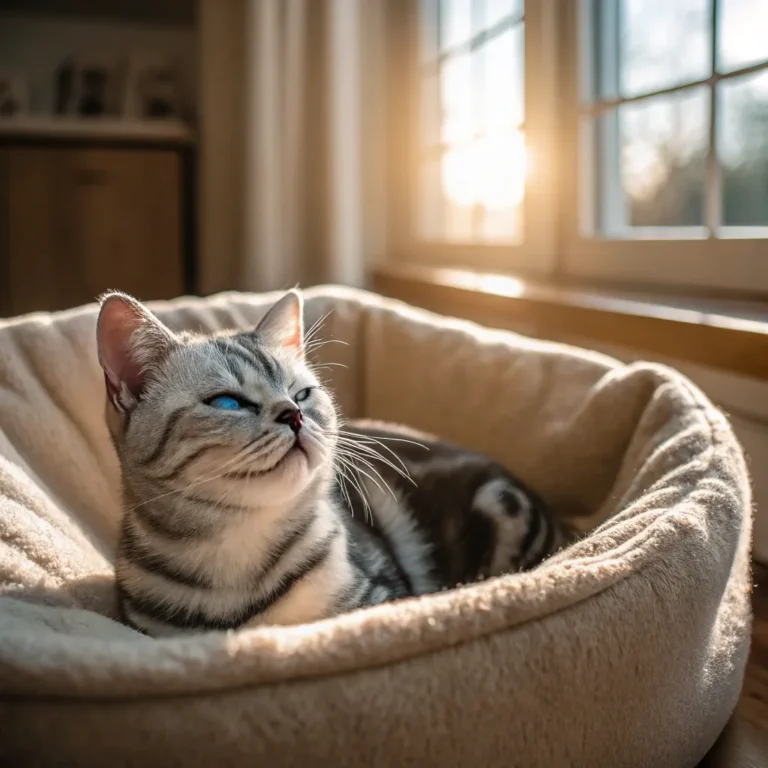
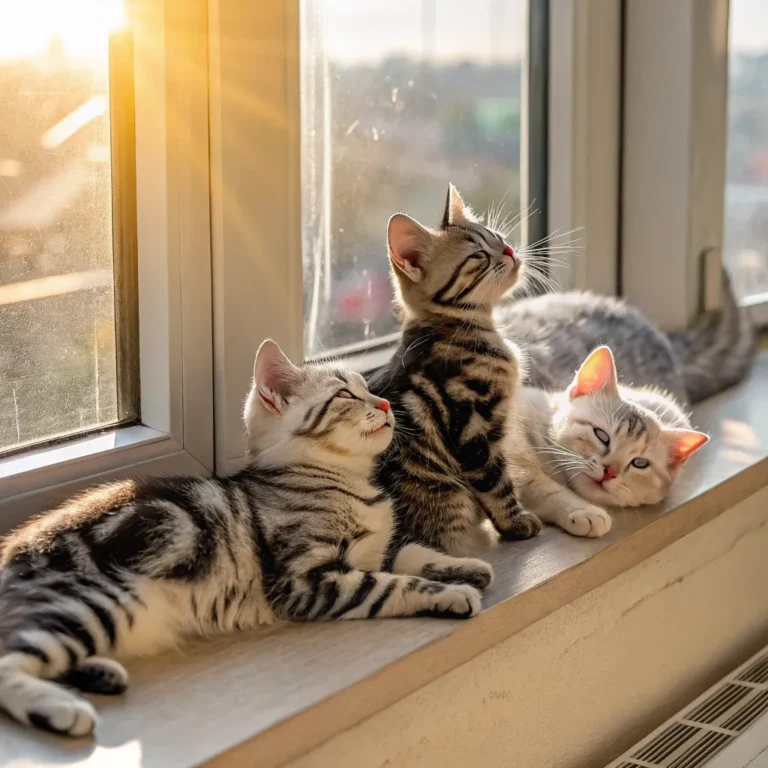
American Shorthairs are known for their calm demeanor and adaptability, which makes them ideal for travel. Their curious yet easygoing nature means they can handle new sights and sounds with ease. Traveling with your cat not only strengthens your bond but also ensures they’re not left behind, missing out on the fun. Plus, who wouldn’t want those signature round eyes joining them on a journey?
Benefits of Traveling with Your Cat
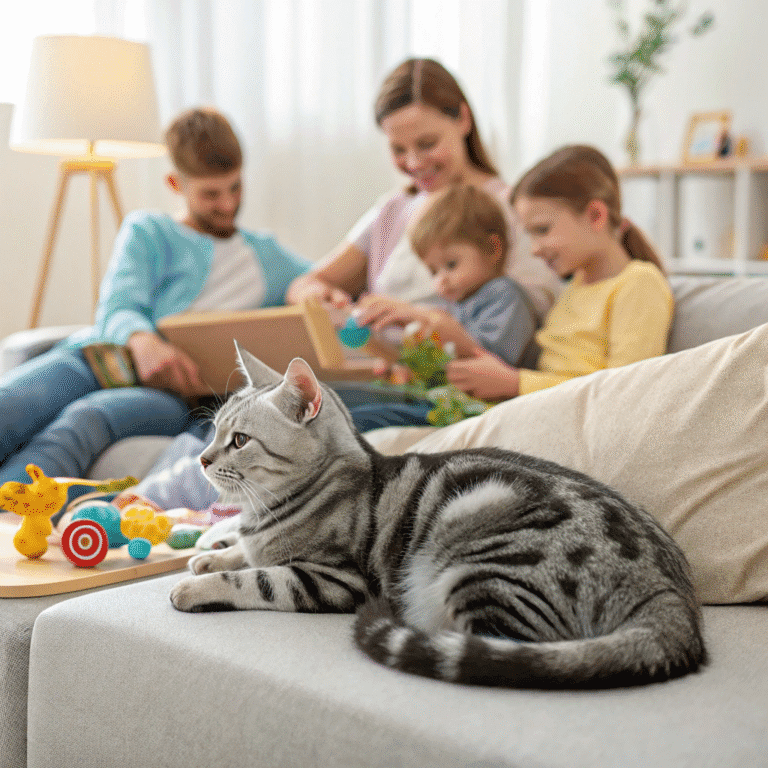
Taking your American Shorthair on trips can reduce their stress from being left at home or in a kennel. It also lets you create shared memories, whether it’s a cozy hotel stay or a scenic car ride. Cats thrive on routine, and with the right preparation, your feline friend can feel secure wherever you go.
Choosing the Perfect Pet Carrier for Your American Shorthair
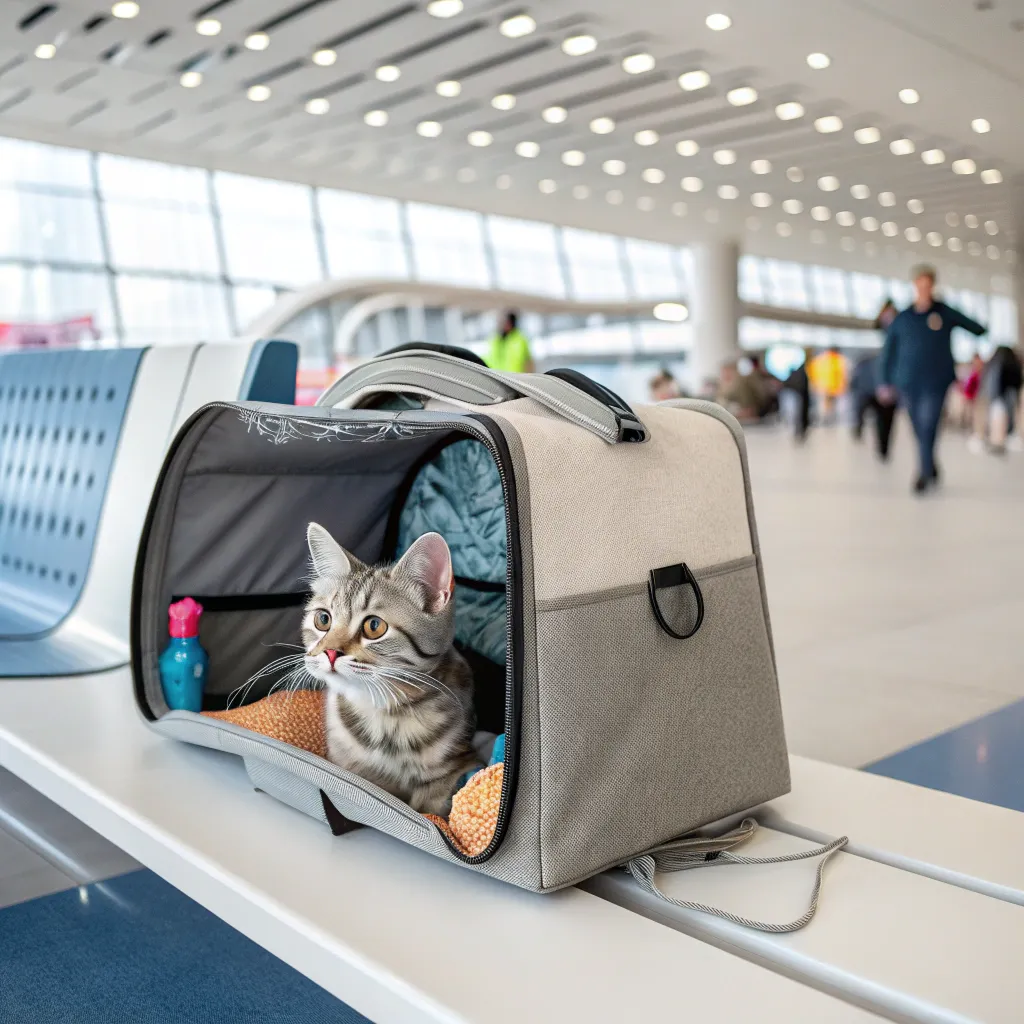
A high-quality pet carrier is the cornerstone of cat-friendly travel. American Shorthairs, with their medium-to-large builds, need a carrier that’s spacious yet secure.
What to Look for in a Carrier
Prioritize carriers with good ventilation, a sturdy frame, and soft interiors for cat comfort during flights or long drives. Look for airline-approved models if flying, ensuring they fit under the seat (typically 18”L x 11”W x 11”H). A carrier with a top-loading option makes it easier to get your cat in and out without a struggle.
Top Carrier Recommendations
- Sherpa Original Deluxe Carrier: Soft-sided, airline-approved, and cozy for American Shorthairs.
- Petmate Two-Door Top-Load Kennel: Durable with easy access for stress-free loading.
- Sleepypod Air: Designed for air travel with a collapsible frame to fit tight spaces.
Preparing Your American Shorthair Cat for Travel
Getting your cat ready for a trip starts well before you hit the road or board a plane. A little prep goes a long way in ensuring a smooth journey.
Introducing the Carrier Early
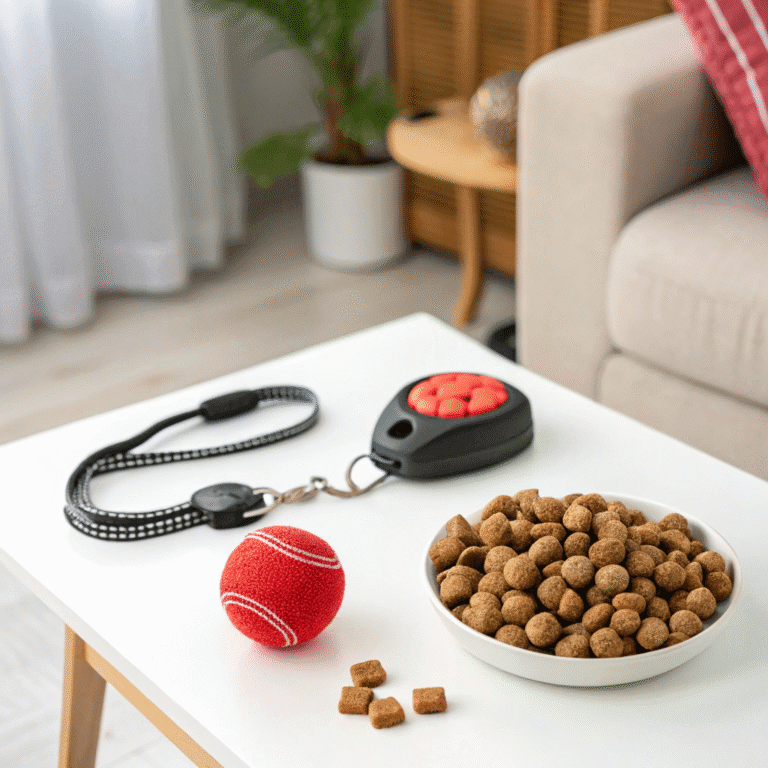
Place the carrier in your home weeks before travel. Leave it open with a cozy blanket or toy inside to make it a familiar, safe space. Toss in some treats to create positive associations. Gradually increase time spent in the carrier to ease your cat into the idea.
Acclimating to Car Rides
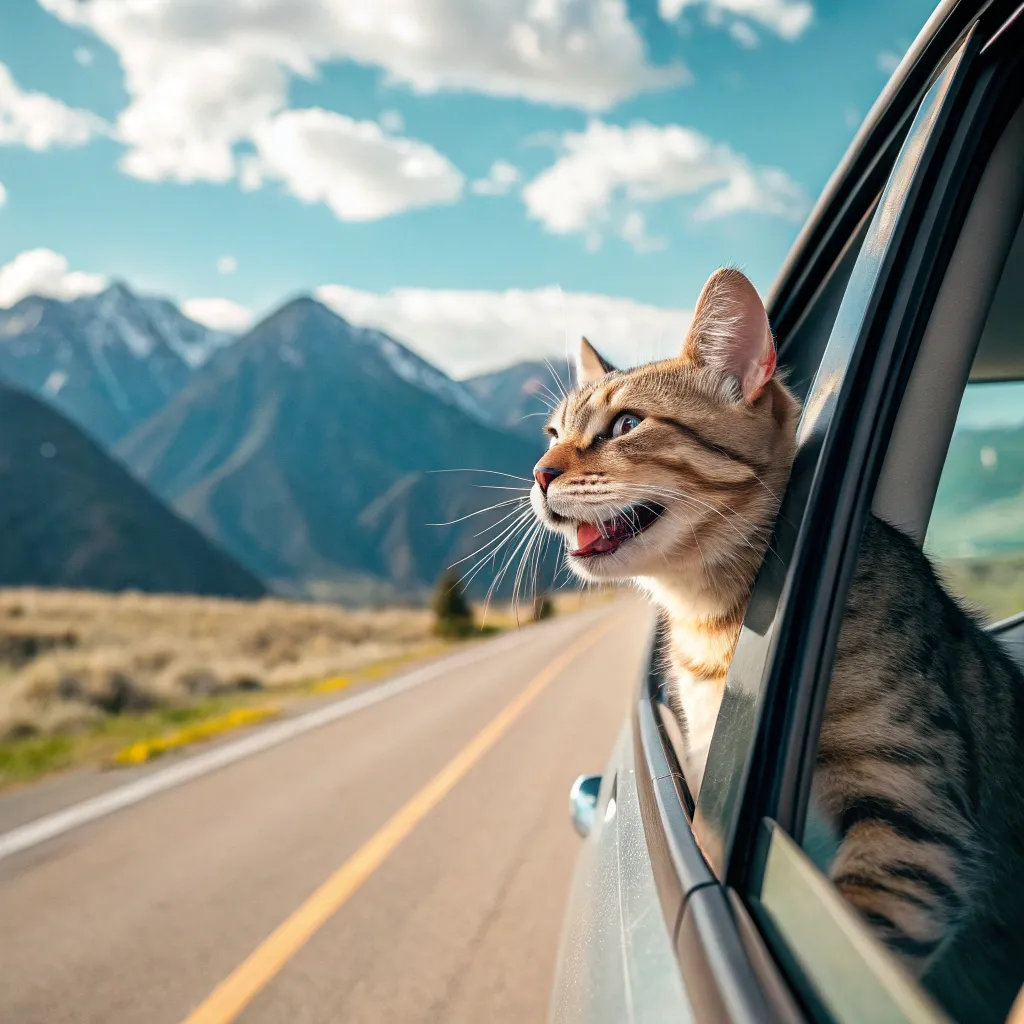
For road trips, take your American Shorthair on short drives to get them used to motion. Start with 10-minute trips around the block, rewarding them with treats afterward. This helps reduce anxiety and builds confidence for longer journeys.
Cat-Friendly Travel Tips for a Purr-fect Trip
Planning is key to stress-free pet travel. Here’s how to make your American Shorthair’s journey smooth and enjoyable.
Crafting a Cat-Friendly Itinerary
Plan breaks every 2-3 hours on road trips to let your cat stretch, use a portable litter box, and hydrate. For flights, check airline rules for cats in advance—most allow small pets in the cabin, but policies vary. Book direct flights to minimize travel time and stress.
Finding Pet-Friendly Accommodations
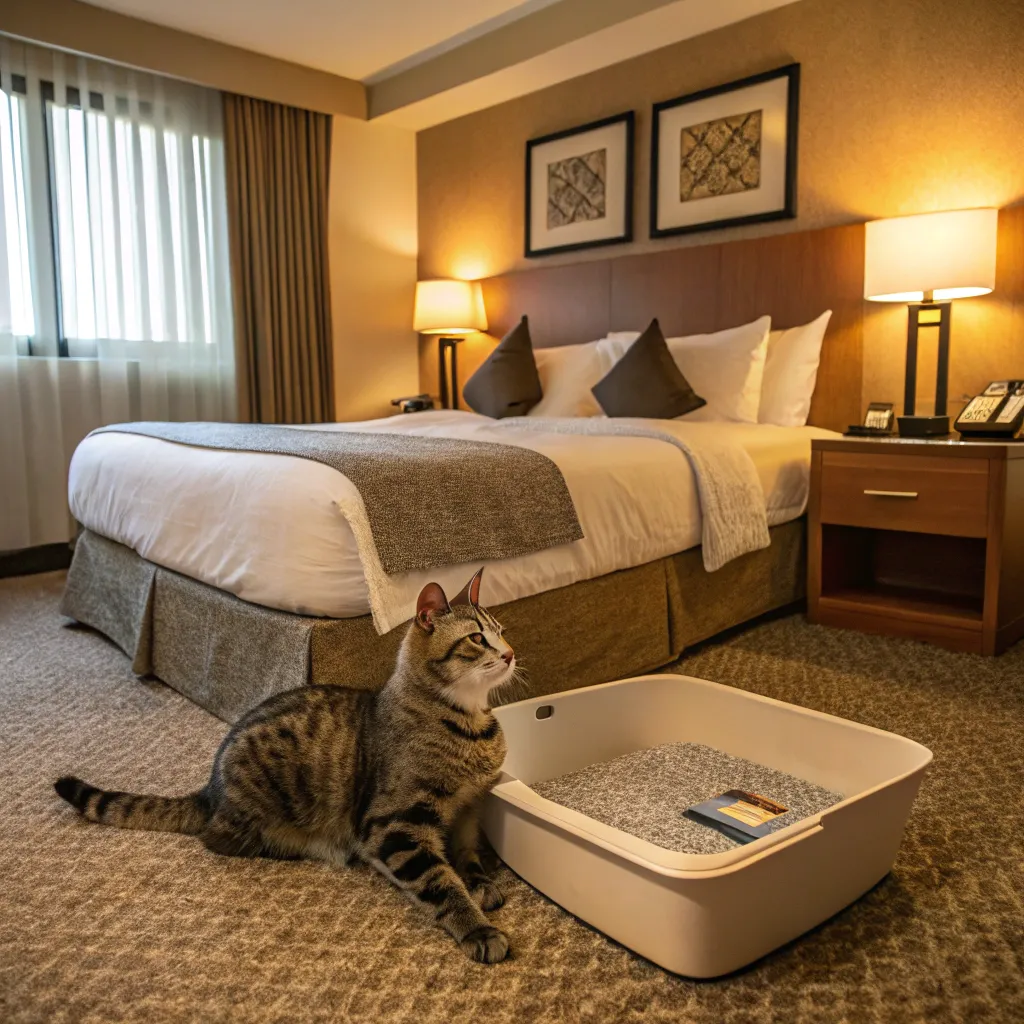
Research hotels or rentals that welcome cats. Websites like BringFido list pet-friendly spots with clear policies. Ensure your lodging has space for a litter box and a quiet area for your cat to relax.
Flying with Your American Shorthair: What You Need to Know
Air travel with cats requires extra planning, but it’s manageable with the right steps.
Understanding Airline Rules for Cats
Most airlines, like Delta or United, allow cats in the cabin for a fee ($95-$125). Check size restrictions for pet carriers and book your cat’s spot early, as cabin pet spaces are limited (often 2-4 per flight). Always confirm health certificate requirements, typically needed within 10 days of travel.
Preparing Your Cat for Air Travel
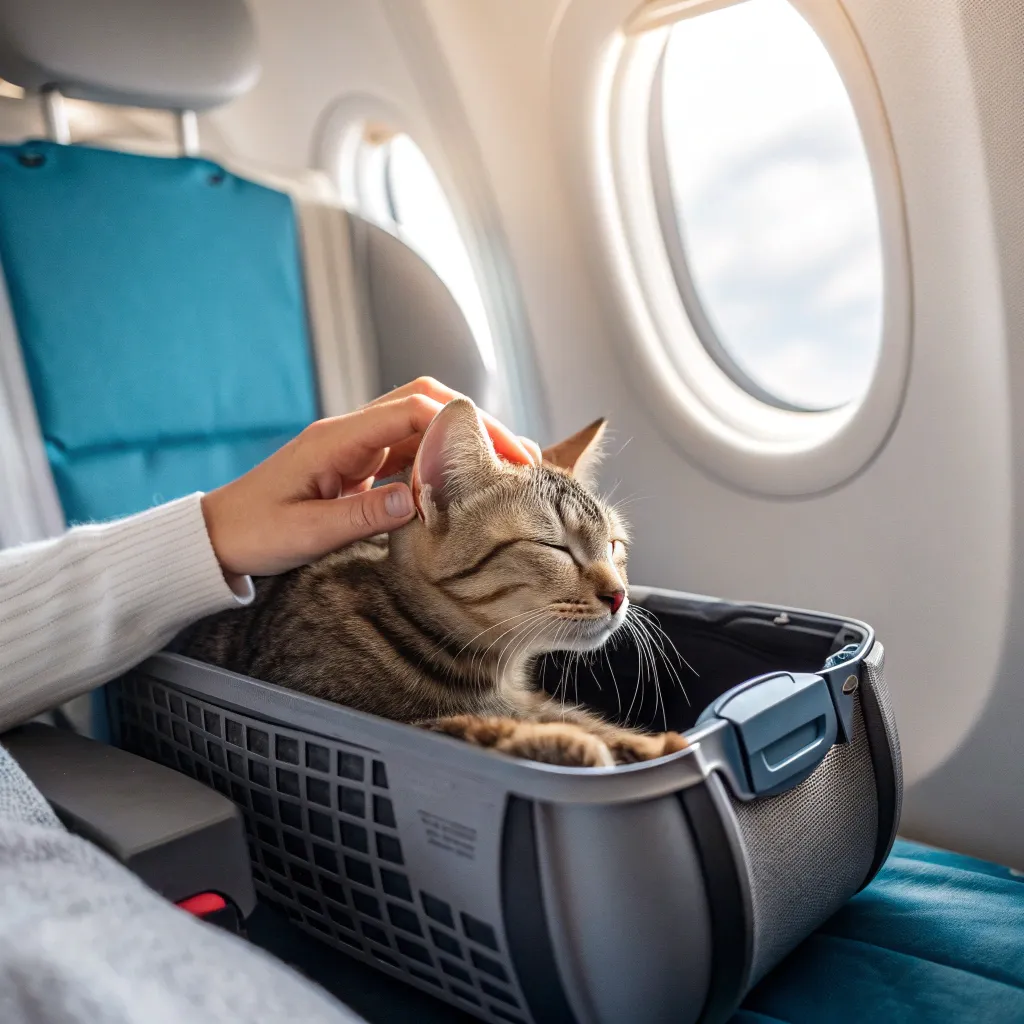
Before the flight, avoid feeding your cat for 4-6 hours to prevent nausea, but ensure they’re hydrated. Place a familiar blanket or toy in the carrier for comfort. At the airport, keep your cat in the carrier during security checks—most TSA checkpoints allow you to carry your cat through the scanner while the carrier is X-rayed.
Keeping Your Cat Comfortable During Travel
Cat comfort during flights or drives is crucial for a stress-free journey. American Shorthairs are generally laid-back, but travel can be overwhelming.
Calming Techniques for Stress-Free Travel
Use pheromone sprays like Feliway in the carrier to ease anxiety. Bring familiar items, like a favorite toy or blanket, to create a sense of home. During flights, keep the carrier under the seat but talk softly to reassure your cat.
Managing Anxiety with Comfort Items
Consider a lightweight, breathable blanket to drape over the carrier for privacy. If your vet recommends it, calming treats or mild sedatives can help, but always test them at home first to ensure your cat reacts well.
Feeding and Hydration on the Go
Keep your American Shorthair’s feeding schedule consistent, even while traveling. Offer small amounts of food during breaks on road trips or after arriving at your destination. Use spill-proof water bowls or portable pet water bottles to keep them hydrated. Avoid heavy meals before flights to prevent motion sickness.
Handling Common Travel Challenges
Unexpected hiccups can happen, but you can be ready.
Dealing with Travel Delays
If flights are delayed, find a quiet corner in the airport to let your cat relax in their carrier. Keep extra food, water, and a portable litter box in your carry-on. For road trips, have a backup plan like a nearby pet-friendly hotel if you’re stuck overnight.
Managing Unexpected Situations
If your cat seems stressed, stay calm—your energy affects them. Have your vet’s contact info handy and know the location of nearby emergency vet clinics at your destination. A microchipped American Shorthair with an ID tag on their collar adds extra security in case they slip away.
Wrapping Up Your Cat Travel Adventure
Traveling with your American Shorthair cat can be a breeze with the right prep and gear. From choosing the perfect pet carrier to mastering airline rules, these cat-friendly travel tips ensure your feline friend stays comfortable and happy. Whether it’s a quick road trip or a cross-country flight, you’re now equipped to make every journey a purr-fect experience.
Frequently Asked Questions
How do I prepare my American Shorthair for travel?
Start early by introducing the carrier, taking short practice drives, and ensuring all health documents are ready. Familiarity reduces stress.
What’s the best pet carrier for an American Shorthair?
Look for airline-approved carriers with good ventilation and space, like the Sherpa Original Deluxe or Sleepypod Air.
Are road trips or flights better for cats?
Road trips offer more control over stops and comfort, but direct flights can be quicker. Choose based on your cat’s temperament and trip length.
How do I keep my cat calm during flights?
Use pheromone sprays, familiar comfort items, and a cozy carrier. Speak softly to reassure them during takeoff and landing.
What travel documents do I need for my cat?
Most airlines require a health certificate issued within 10 days of travel. Check local regulations for additional requirements.